Fitness

Fitness

Power your training with fresh insights on movement, strength, recovery, and performance. Subscribe now and stay one rep ahead.
All Insights Articles

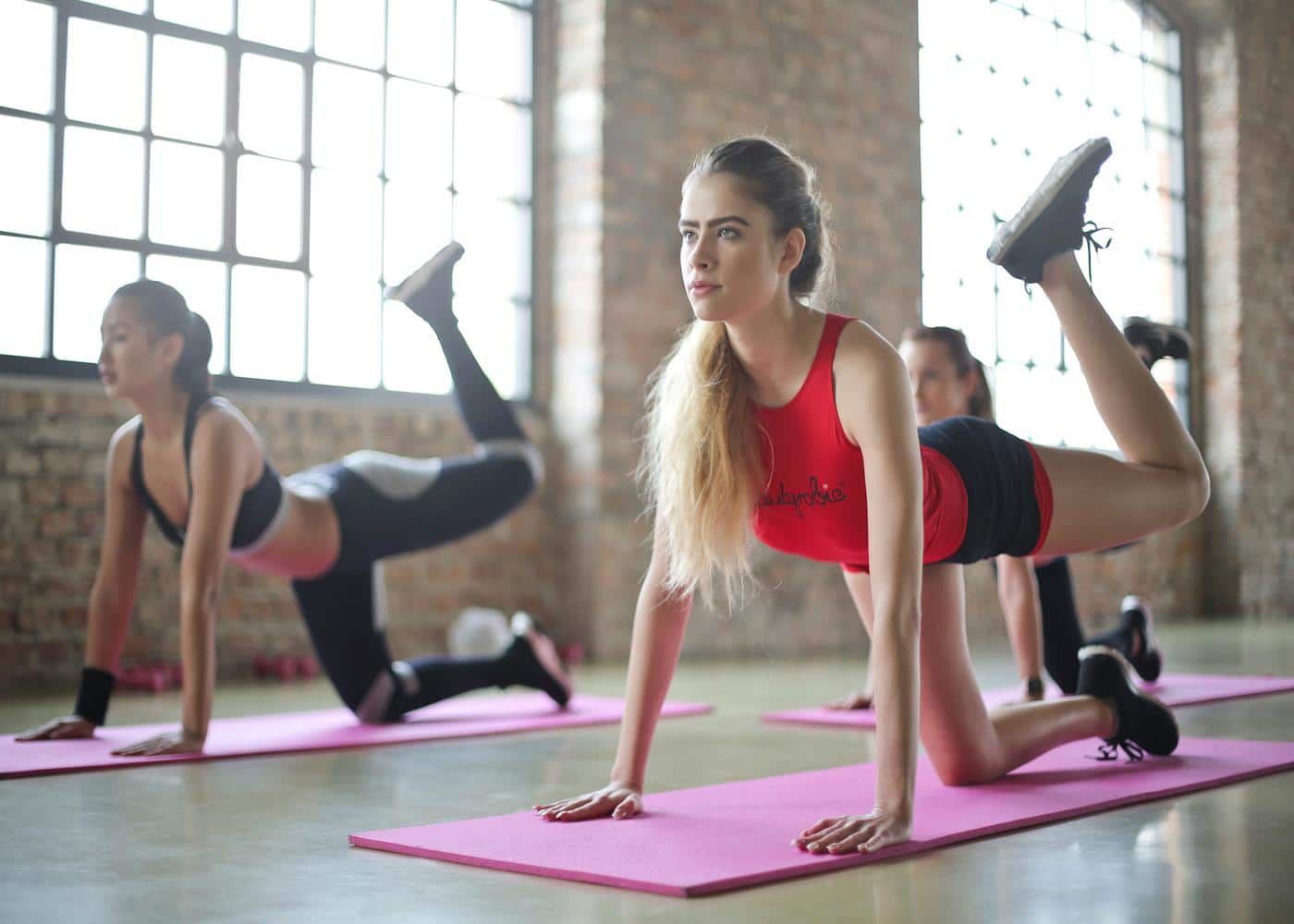
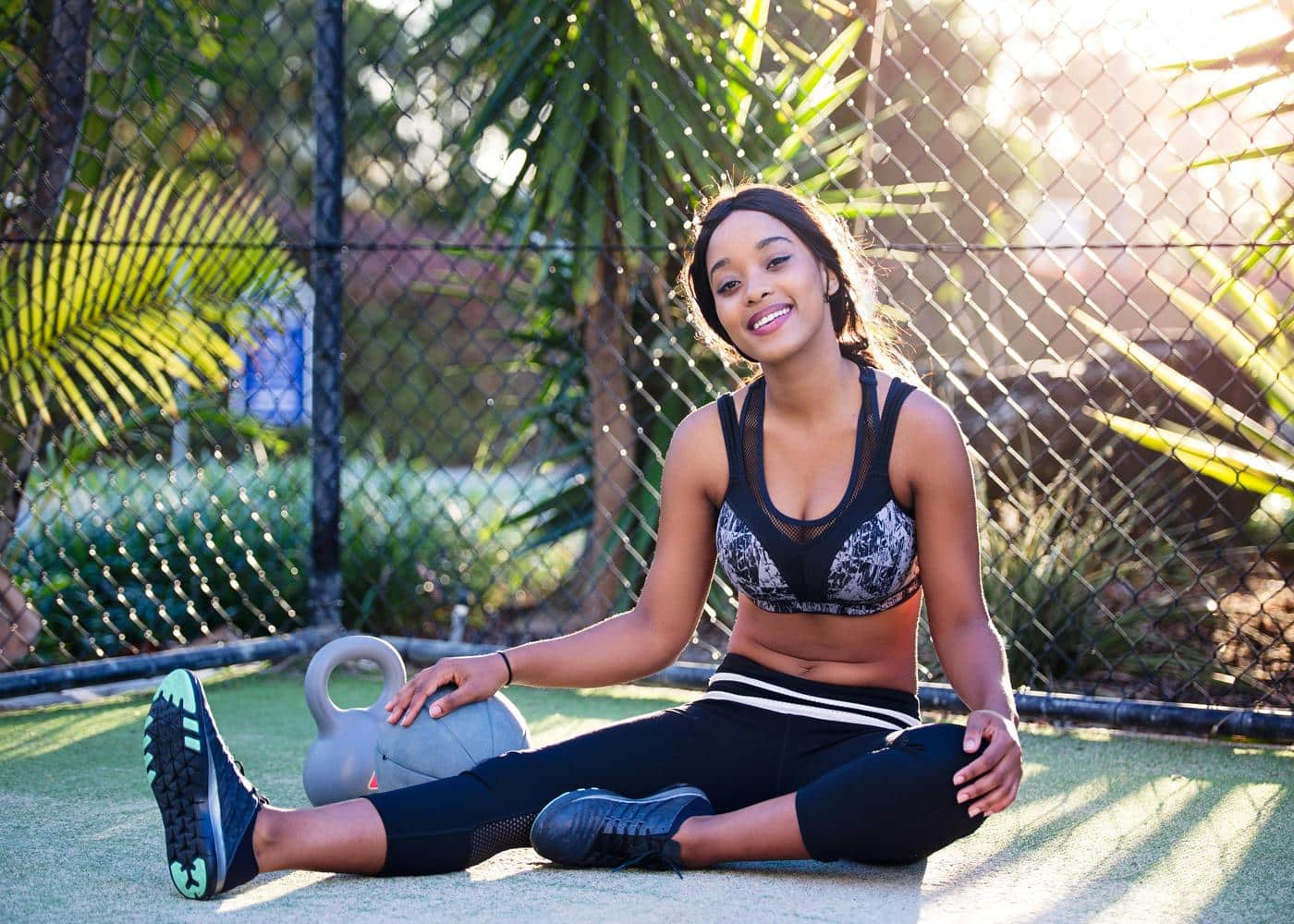
Two women outdoors doing situps with legs raised to showcase a body toning workout
Jun 3, 2026

Full Body Toning Workout for Women: 28-Day Plan

Walking into a workout without a plan often means repeating the same few exercises. It gets boring fast, and it makes it hard to see real progress. 

A clear daily map gives your routine direction and helps you stay on track. 

Over the next four weeks, we will mix strength and cardio moves to build lean muscle and boost your energy. 

The schedule is straightforward and uses basic equipment you can easily store in a closet or under your sofa. Here is the daily breakdown to help you start feeling stronger. 


What is a Body Toning Workout?

A body toning workout combines building lean muscle mass with reducing body fat. The goal is firmer, more defined muscles rather than building large amounts of bulk. 

A balanced routine mixes weight training to stimulate muscle growth and cardio to elevate your heart rate and burn calories.

Toning routines typically use moderate weights for a higher number of repetitions. Lifting weights this way builds muscular stamina and creates a lean appearance. 

Consistency with your workouts and your meals matters equally. Pairing steady weight training with nutritious food shifts your body composition and helps you achieve a firm, toned look.


Full Body Tonal Workout: Equipment

To complete these workouts, you need a few standard pieces of gear. These items are easy to find and store neatly in a small space.

  • Dumbbells: Having one pair of light dumbbells and one pair of medium dumbbells covers most exercises. Use the lighter weights for upper-body isolation moves and the medium weights for lower-body exercises.


  • Resistance Bands: These add valuable tension to lower-body movements like lateral band walks. They are effective for engaging the glutes and outer hips.


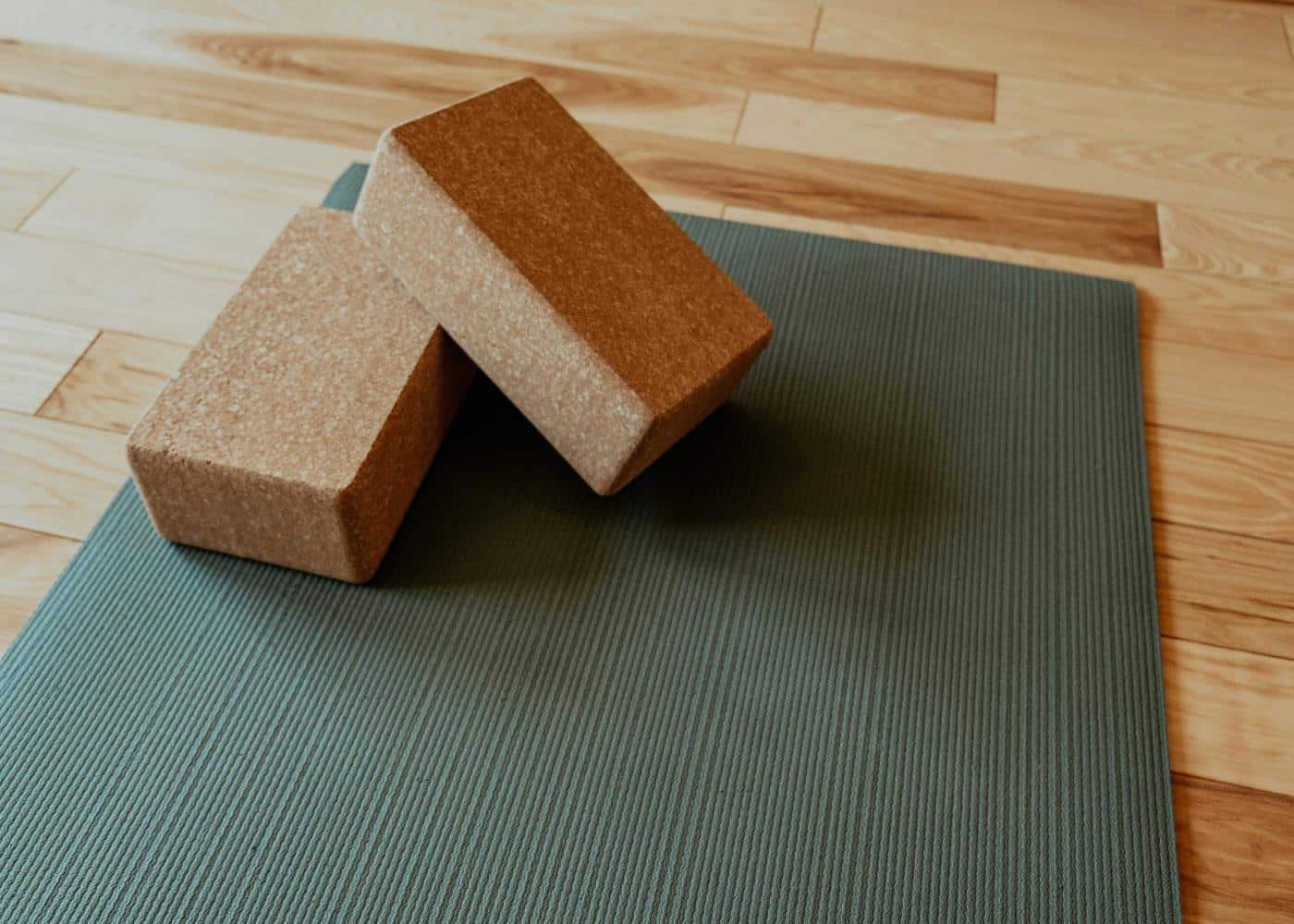
  • Yoga Mat: A thick, durable yoga mat provides a comfortable surface for core work, stretching, and floor exercises like push-ups or planks.


  • Kettlebell: A single medium-weight kettlebell works well for dynamic movements such as swings and sumo squats. It offers a different grip and resistance style compared to traditional dumbbells.

Fitness

7 min read

Read Article
Two women outdoors doing situps with legs raised to showcase a body toning workout
Jun 3, 2026

Full Body Toning Workout for Women: 28-Day Plan

Walking into a workout without a plan often means repeating the same few exercises. It gets boring fast, and it makes it hard to see real progress. 

A clear daily map gives your routine direction and helps you stay on track. 

Over the next four weeks, we will mix strength and cardio moves to build lean muscle and boost your energy. 

The schedule is straightforward and uses basic equipment you can easily store in a closet or under your sofa. Here is the daily breakdown to help you start feeling stronger. 


What is a Body Toning Workout?

A body toning workout combines building lean muscle mass with reducing body fat. The goal is firmer, more defined muscles rather than building large amounts of bulk. 

A balanced routine mixes weight training to stimulate muscle growth and cardio to elevate your heart rate and burn calories.

Toning routines typically use moderate weights for a higher number of repetitions. Lifting weights this way builds muscular stamina and creates a lean appearance. 

Consistency with your workouts and your meals matters equally. Pairing steady weight training with nutritious food shifts your body composition and helps you achieve a firm, toned look.


Full Body Tonal Workout: Equipment

To complete these workouts, you need a few standard pieces of gear. These items are easy to find and store neatly in a small space.

  • Dumbbells: Having one pair of light dumbbells and one pair of medium dumbbells covers most exercises. Use the lighter weights for upper-body isolation moves and the medium weights for lower-body exercises.


  • Resistance Bands: These add valuable tension to lower-body movements like lateral band walks. They are effective for engaging the glutes and outer hips.


  • Yoga Mat: A thick, durable yoga mat provides a comfortable surface for core work, stretching, and floor exercises like push-ups or planks.


  • Kettlebell: A single medium-weight kettlebell works well for dynamic movements such as swings and sumo squats. It offers a different grip and resistance style compared to traditional dumbbells.

Fitness

7 min read

Read Article
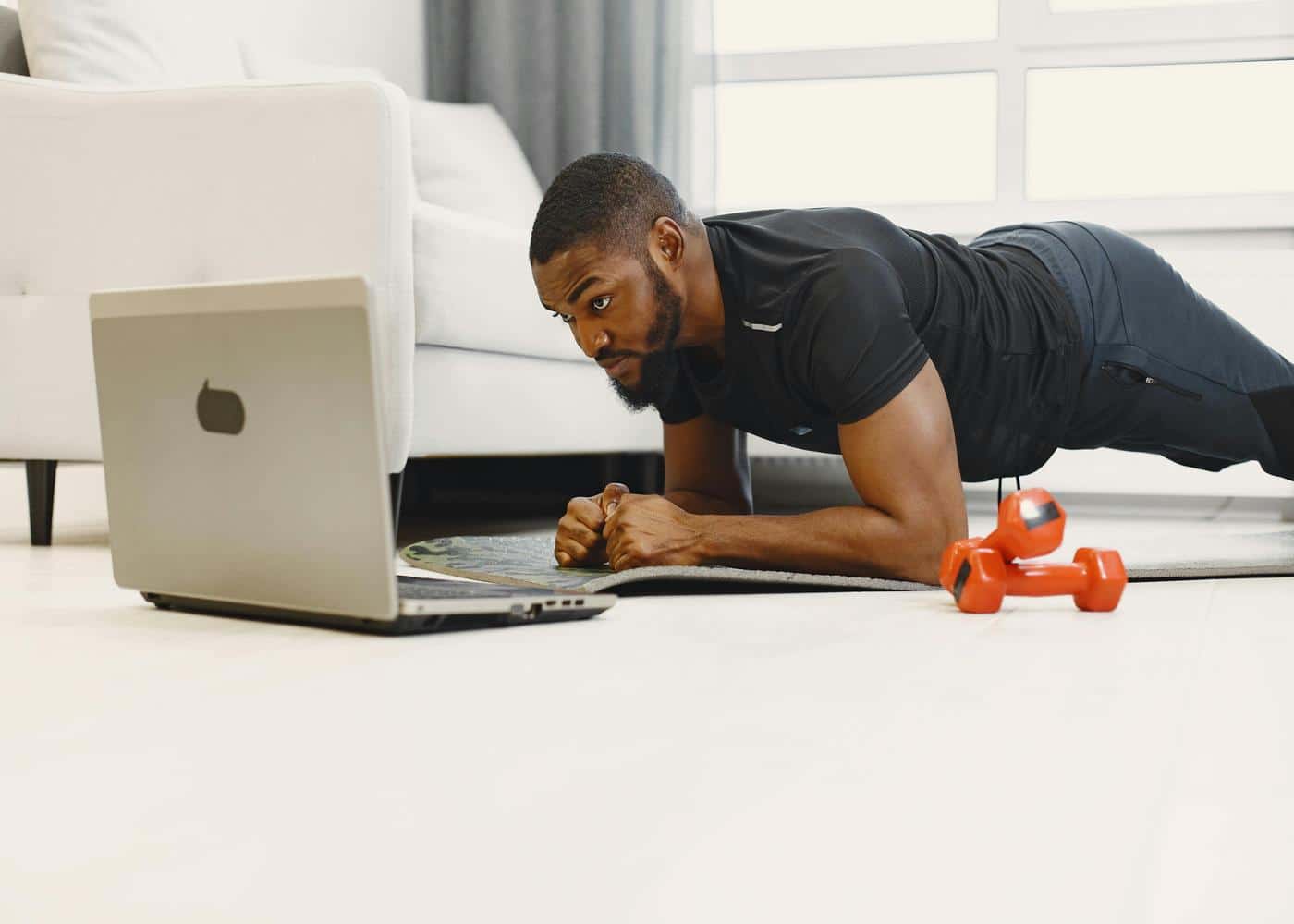
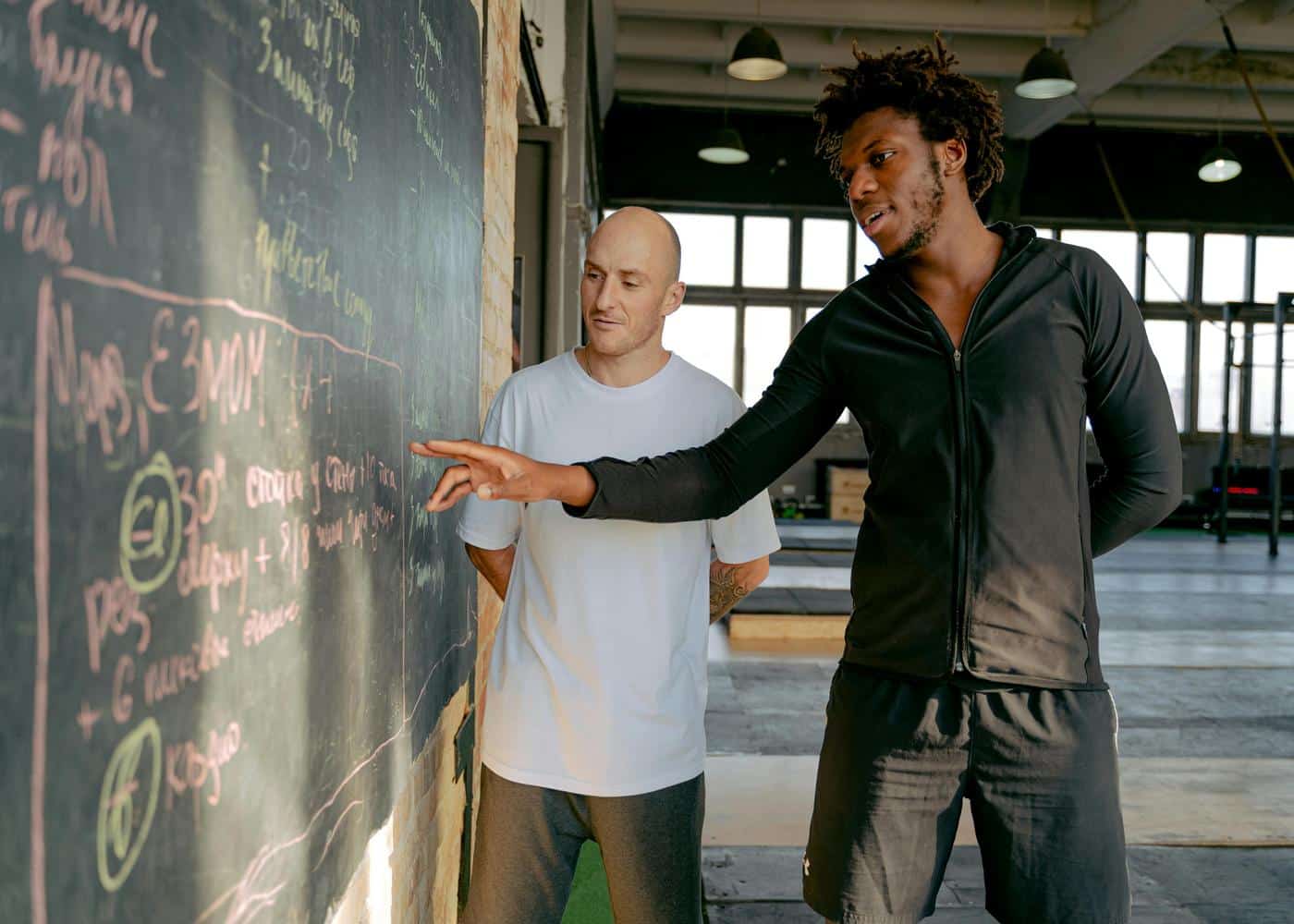
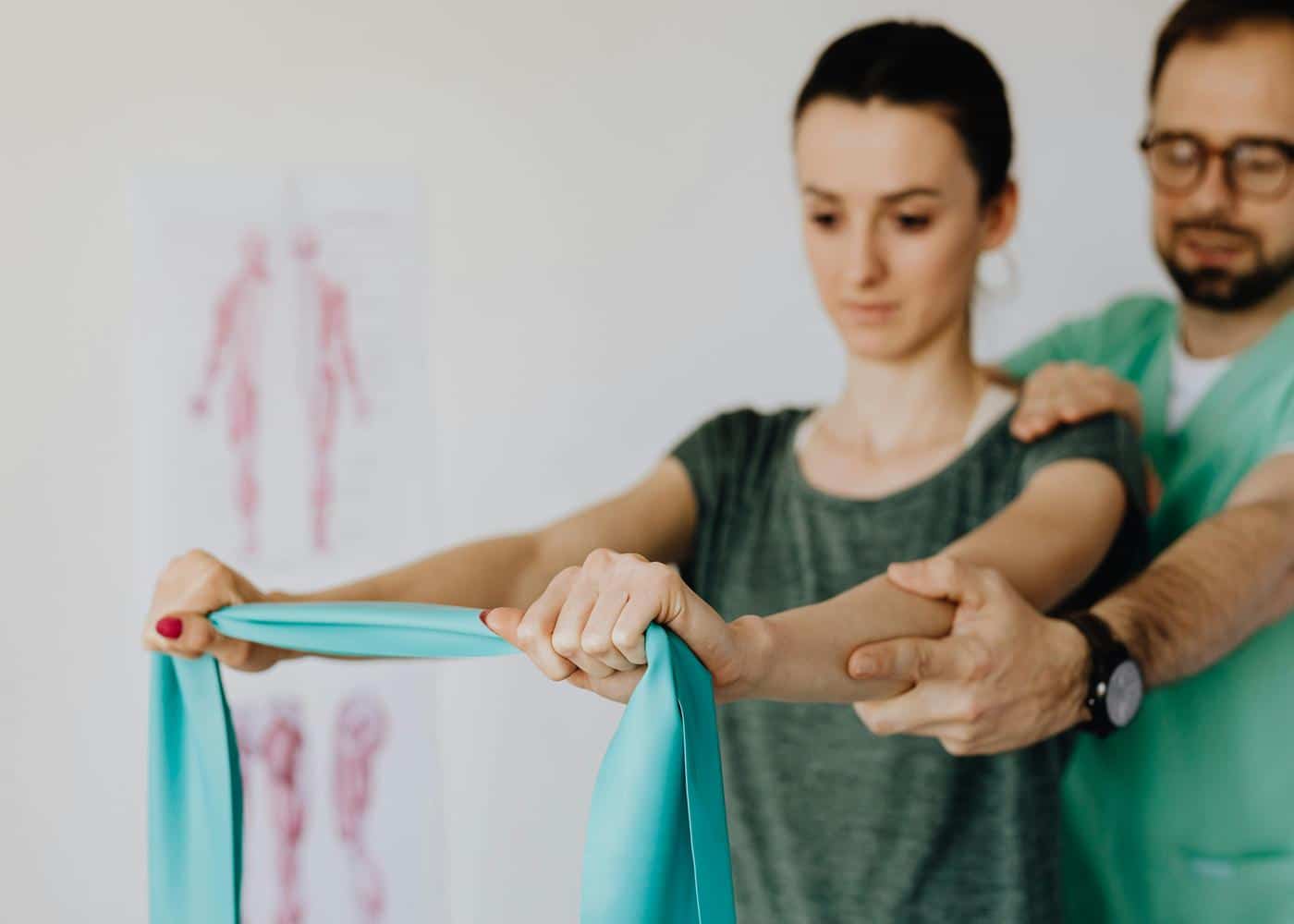
Personal trainer explaining a fitness plan to a cliente
Jan 26, 2026

Fitness Plan Generator: Dynamically Create Personalized AI Plans

Static fitness templates are relics of a time when personal health data was largely inaccessible. Neura Health rejects the old model. 

We view your health as a dynamic, evolving narrative that requires a system capable of reading, interpreting, and adapting to your physiology in real time.

Neura functions as a Health Operating System (HealthOS). We do not simply log your steps or track your calories; we integrate that data to create a cohesive picture of your well-being. 

Then, by utilizing advanced artificial intelligence, we can offer dynamically produced fitness plans, personalized to every person’s health data and stated goals. Read on to discover exactly how we do it.


What is a Fitness Plan Generator?

A Workout plan generator is typically a simple algorithm. It takes static inputs like your age, weight, and general goal and outputs a fixed calendar of exercises. 

It assumes that if you follow the list, you will get the result. However, this approach ignores the reality of human biology. It does not know if you slept four hours last night, if you are recovering from an illness, or if your stress levels are spiking.

Neura redefines this category by introducing a fully holistic approach. We don't just show you a graph; our AI analyzes why it changed and updates your daily Health Plan with specific tasks to improve it. 

This transitions the concept from a static "generator" to a dynamic engine. It is a living protocol, generated in real-time, for the first time, every time. 

Whether you are a "Biohacker" relying on a stack of wearables or a "Day-to-Day Fitness Tracker" looking for simplicity, the system adapts each workout regime to your unique physiological signature.

Fitness

6 min read

Read Article
Personal trainer explaining a fitness plan to a cliente
Jan 26, 2026

Fitness Plan Generator: Dynamically Create Personalized AI Plans

Static fitness templates are relics of a time when personal health data was largely inaccessible. Neura Health rejects the old model. 

We view your health as a dynamic, evolving narrative that requires a system capable of reading, interpreting, and adapting to your physiology in real time.

Neura functions as a Health Operating System (HealthOS). We do not simply log your steps or track your calories; we integrate that data to create a cohesive picture of your well-being. 

Then, by utilizing advanced artificial intelligence, we can offer dynamically produced fitness plans, personalized to every person’s health data and stated goals. Read on to discover exactly how we do it.


What is a Fitness Plan Generator?

A Workout plan generator is typically a simple algorithm. It takes static inputs like your age, weight, and general goal and outputs a fixed calendar of exercises. 

It assumes that if you follow the list, you will get the result. However, this approach ignores the reality of human biology. It does not know if you slept four hours last night, if you are recovering from an illness, or if your stress levels are spiking.

Neura redefines this category by introducing a fully holistic approach. We don't just show you a graph; our AI analyzes why it changed and updates your daily Health Plan with specific tasks to improve it. 

This transitions the concept from a static "generator" to a dynamic engine. It is a living protocol, generated in real-time, for the first time, every time. 

Whether you are a "Biohacker" relying on a stack of wearables or a "Day-to-Day Fitness Tracker" looking for simplicity, the system adapts each workout regime to your unique physiological signature.

Fitness

6 min read

Read Article
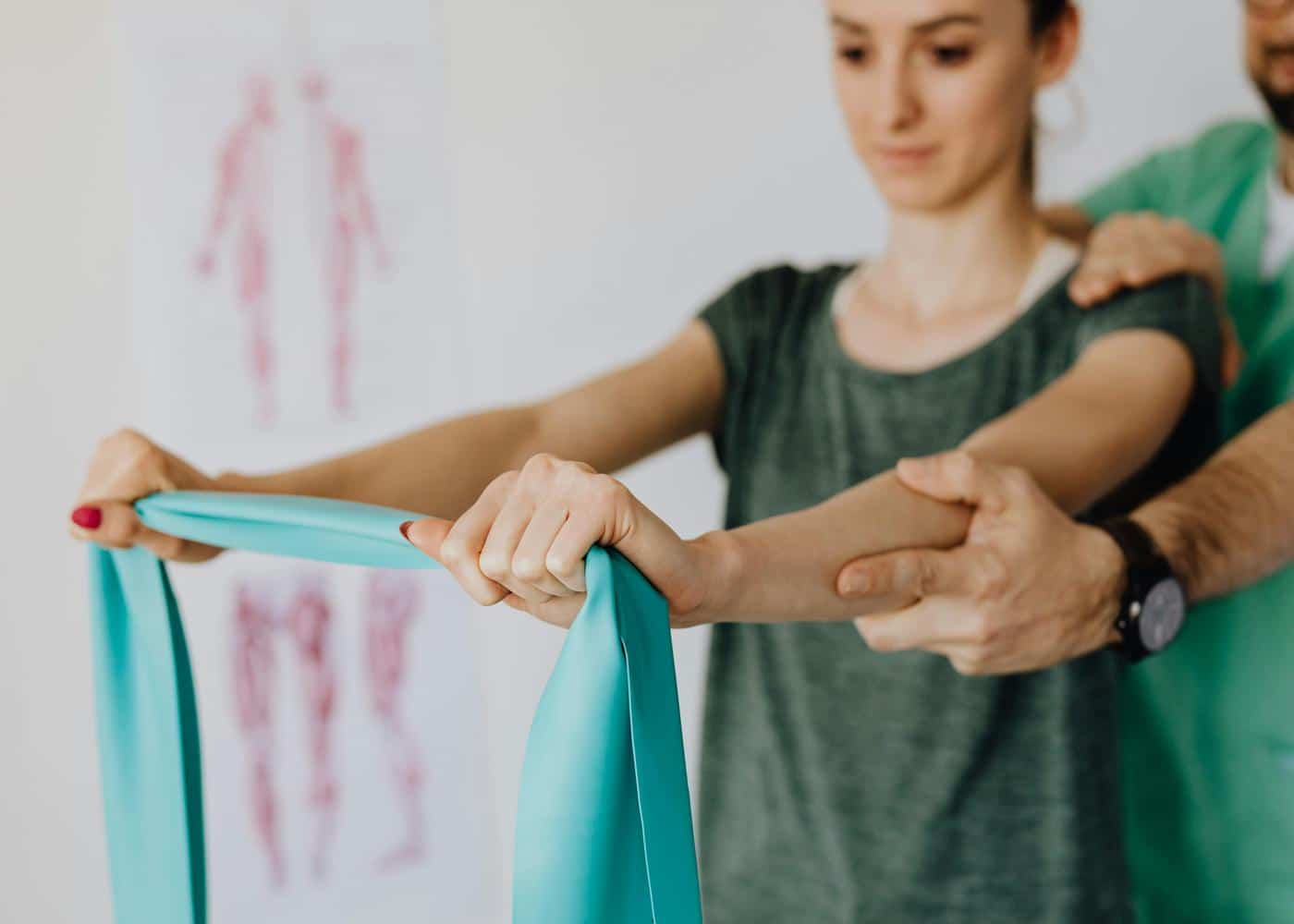
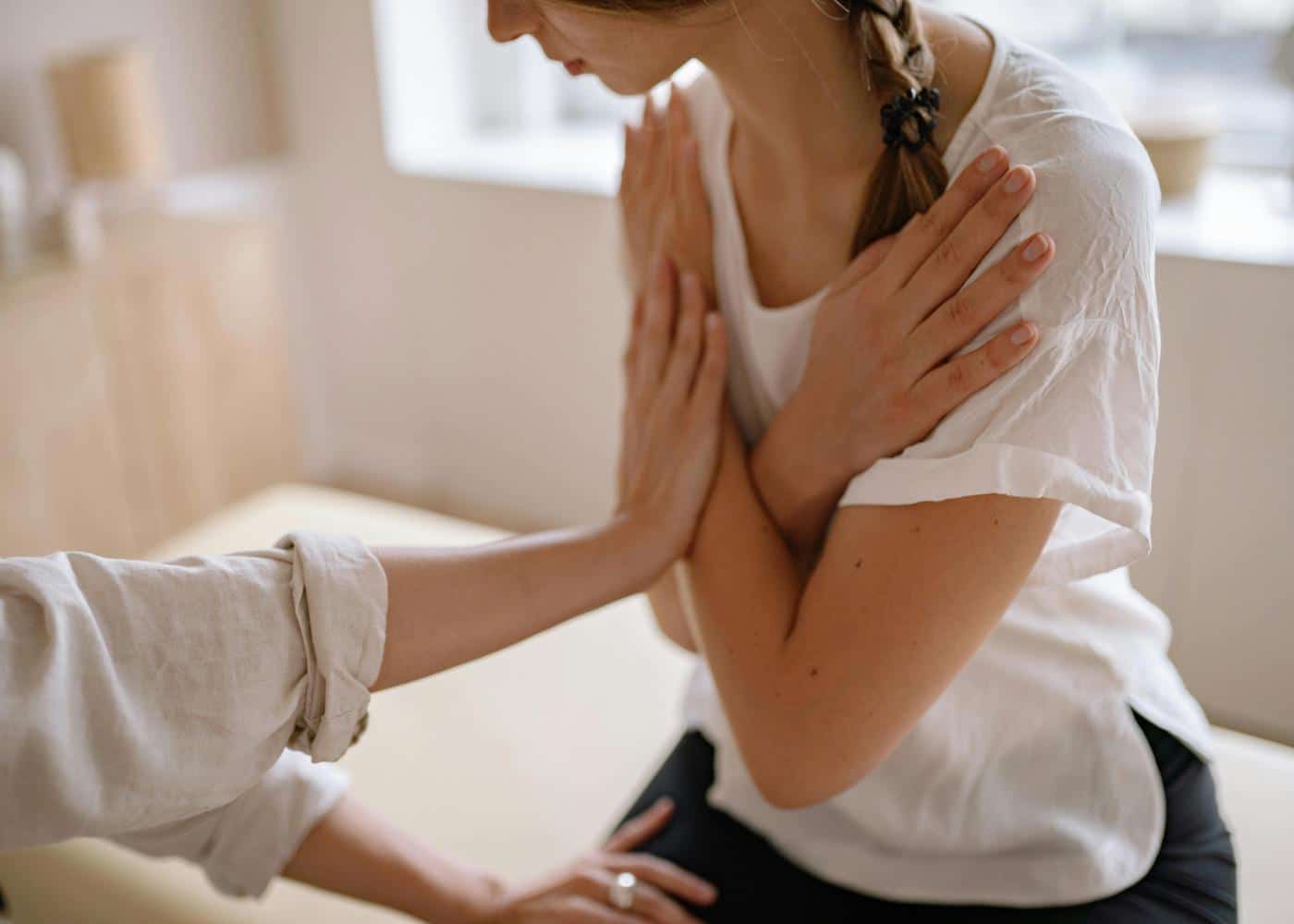
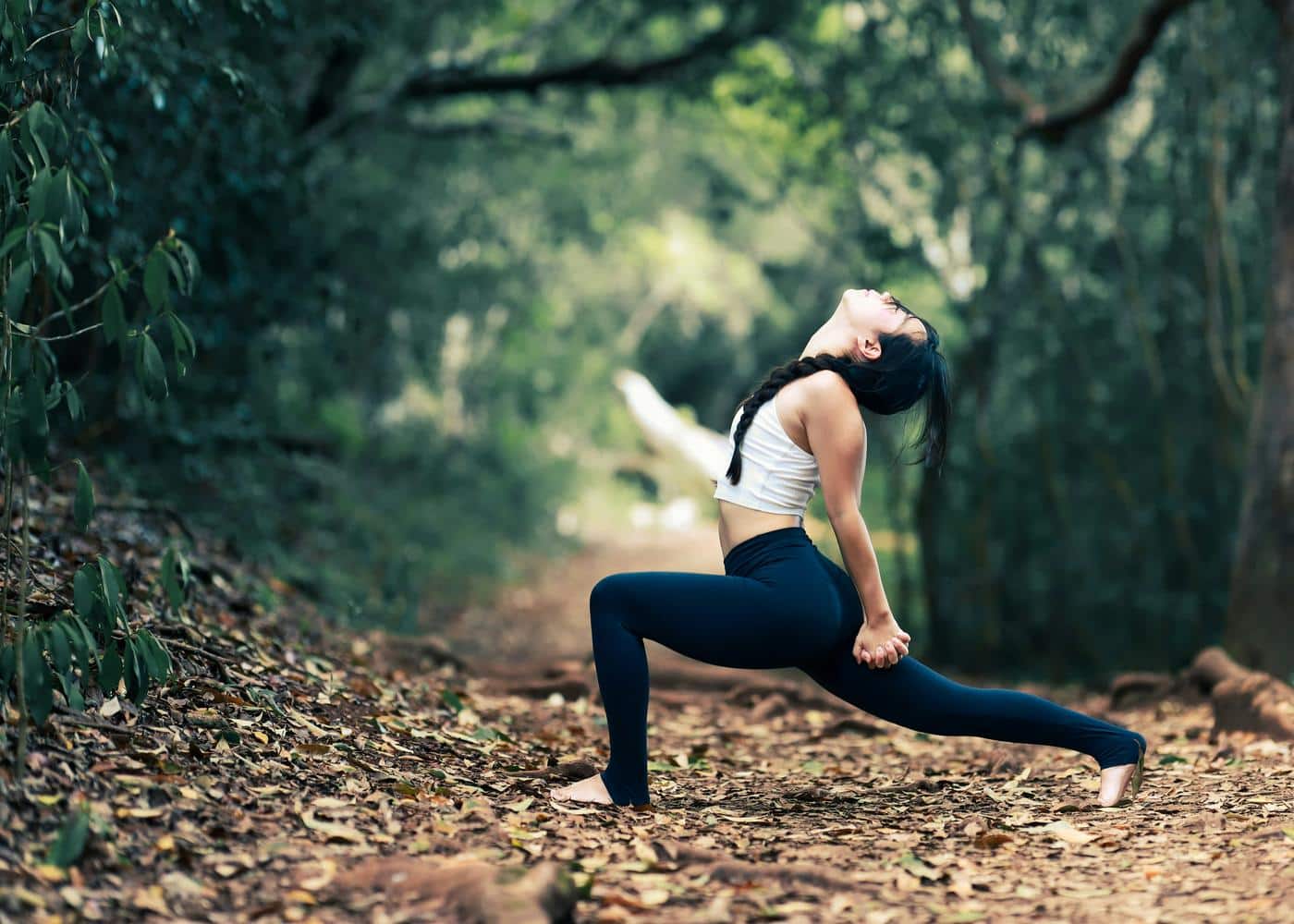
Different types of Pilates - Woman stretching
Sep 5, 2025

What Are the Different Types of Pilates and Their Benefits?

Pilates is not a one-size-fits-all practice. Over the years, it has evolved into many different styles: some faithful to Joseph Pilates’ original methods, others adapted with modern science or specialized equipment. 

Many different types of pilates offer unique advantages, making the discipline versatile enough to serve a wide range of goals from rehabilitation to weight loss, athletic performance, or overall wellness. 

Below, we break down some of the most popular types of Pilates and what makes each one effective.


Classical Pilates - Structure & Form

Classical Pilates is the foundation of the entire practice. Developed by Joseph Pilates in the early 20th century, it follows his original sequence of movements with an emphasis on precision, breath, and flow. 

Exercises are performed in a set order, moving seamlessly from one to the next, so that the body is trained evenly and progressively. This discipline highlights control, discipline, and posture, intending to build strength from the inside out, rather than relying on brute force.

Example Exercises:


  • The Hundred: A core-strengthening warm-up involving rhythmic arm pumps while holding the legs lifted. In classical Pilates, it sets the tone for breath control and endurance.


  • Roll-Up: Designed to build spinal articulation and abdominal control, this is performed slowly to connect movement with breath. Begin lying flat with arms overhead, then exhale as you roll up one vertebra at a time to reach for your toes.


  • Spine Stretch Forward: This move improves posture and flexibility, a core aim of classical practice. Sit tall with legs extended, inhale deeply, then exhale as you reach forward.


Best for: Those who want to experience classical Pilates in its most authentic form, with all exercises performed in the sequence Joseph Pilates intended. It’s ideal if you value structure, want to improve posture, and enjoy a full-body workout that combines strength and flexibility.

It also appeals to those who want to understand the historical roots of Pilates before branching into other forms.

Fitness

9 min read

Read Article
Different types of Pilates - Woman stretching
Sep 5, 2025

What Are the Different Types of Pilates and Their Benefits?

Pilates is not a one-size-fits-all practice. Over the years, it has evolved into many different styles: some faithful to Joseph Pilates’ original methods, others adapted with modern science or specialized equipment. 

Many different types of pilates offer unique advantages, making the discipline versatile enough to serve a wide range of goals from rehabilitation to weight loss, athletic performance, or overall wellness. 

Below, we break down some of the most popular types of Pilates and what makes each one effective.


Classical Pilates - Structure & Form

Classical Pilates is the foundation of the entire practice. Developed by Joseph Pilates in the early 20th century, it follows his original sequence of movements with an emphasis on precision, breath, and flow. 

Exercises are performed in a set order, moving seamlessly from one to the next, so that the body is trained evenly and progressively. This discipline highlights control, discipline, and posture, intending to build strength from the inside out, rather than relying on brute force.

Example Exercises:


  • The Hundred: A core-strengthening warm-up involving rhythmic arm pumps while holding the legs lifted. In classical Pilates, it sets the tone for breath control and endurance.


  • Roll-Up: Designed to build spinal articulation and abdominal control, this is performed slowly to connect movement with breath. Begin lying flat with arms overhead, then exhale as you roll up one vertebra at a time to reach for your toes.


  • Spine Stretch Forward: This move improves posture and flexibility, a core aim of classical practice. Sit tall with legs extended, inhale deeply, then exhale as you reach forward.


Best for: Those who want to experience classical Pilates in its most authentic form, with all exercises performed in the sequence Joseph Pilates intended. It’s ideal if you value structure, want to improve posture, and enjoy a full-body workout that combines strength and flexibility.

It also appeals to those who want to understand the historical roots of Pilates before branching into other forms.

Fitness

9 min read

Read Article

Enter your email for free
early access + 7-day Neura iQ trial

Limited beta spots!

Enter your email for free
early access + 7-day Neura iQ trial

Limited beta spots!