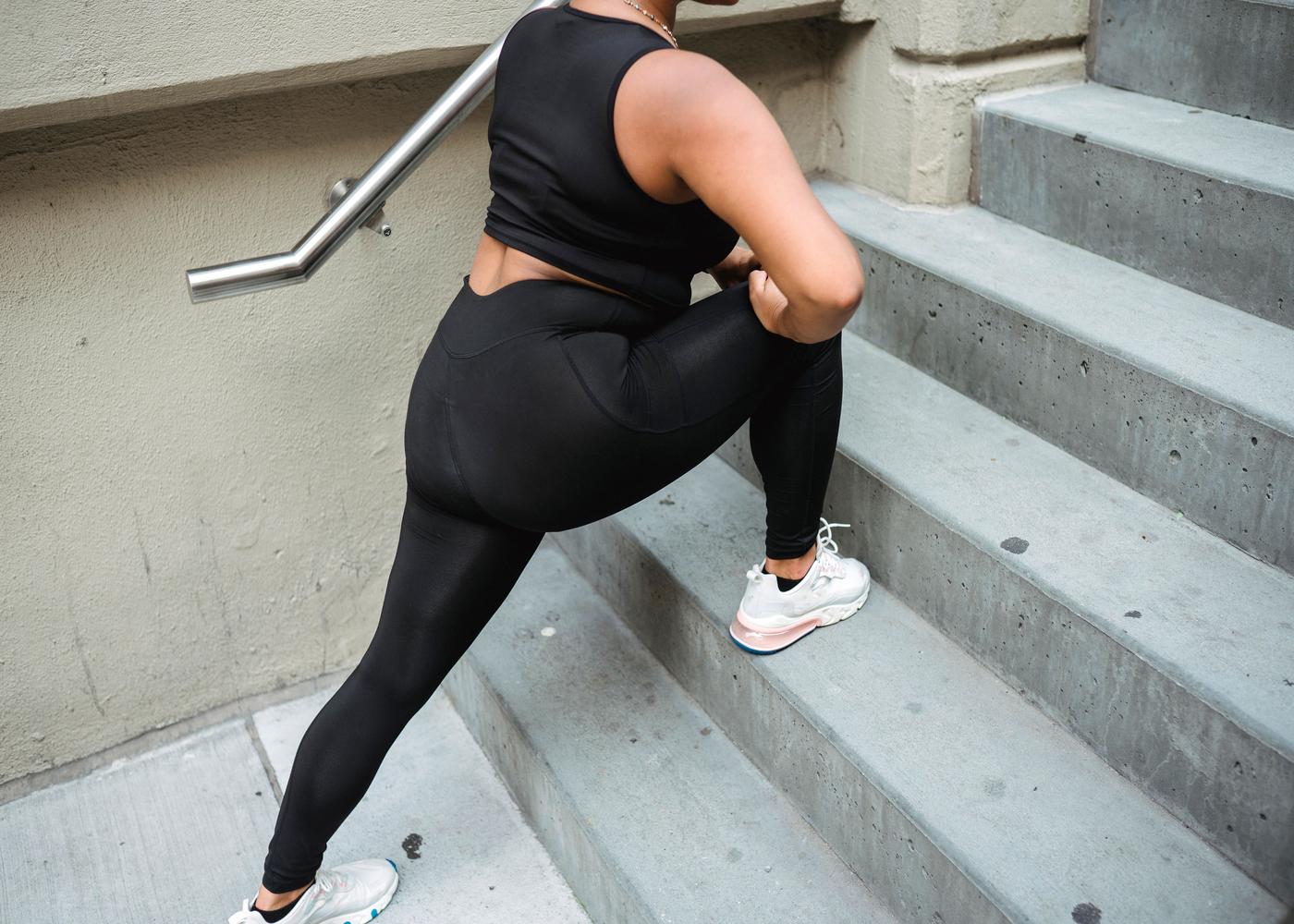
10 Active Recovery Day Workouts & Best Practices
Fitness

Key Findings
A recovery day workout should use low-intensity movement to support circulation, mobility, soreness relief, and stress reduction without adding more fatigue. Good active recovery exercises include walking, stretching, yoga, light cycling, swimming, mobility work, and foam rolling. The best active recovery day workout depends on how your body feels, but the goal is always the same: recover better, stay consistent, and prepare your body for the next harder session.

A good recovery day workout should help your body feel better, not leave you more exhausted. Instead of doing nothing or pushing through another hard session, active recovery gives you a middle ground: gentle movement that supports circulation, mobility, soreness relief, and long-term consistency.
The best active recovery day workout depends on how your body feels. Some days, that might mean a walk, easy bike ride, mobility flow, or yoga session. Other days, it might mean a full-body stretch recovery day workout focused on releasing tension and improving range of motion.
In this guide, we’ll break down what active recovery means, the benefits of a lighter training day, 10 practical recovery day workout ideas, and how Neura can help you build a smarter recovery routine around your sleep, stress, training load, and overall health data.
What Is Active Recovery?

Active recovery means doing low-intensity movement on a rest or recovery day to help your body recover without adding major strain. Unlike a hard workout, active recovery should feel easy, controlled, and refreshing.
Common active recovery exercises include walking, stretching, yoga, light cycling, swimming, mobility work, foam rolling, and gentle bodyweight movement. The goal is not to hit a personal best. It is to support blood flow, reduce stiffness, and help your body prepare for your next harder session.
Benefits of a Recovery Day Workout
A recovery day workout helps you stay active while giving your body the lighter movement it needs to repair, recharge, and come back stronger for your next training session.
Improves Blood Flow
Light movement increases circulation, which can help deliver oxygen and nutrients to your muscles. This may support recovery after strength training, cardio, or high-intensity workouts.
Reduces Muscle Stiffness
A gentle recovery day workout routine can help reduce the tight, heavy feeling that sometimes follows hard training. Stretching, mobility work, and easy cardio can keep your joints and muscles moving without overloading them.
Supports Better Mobility
Recovery days are a great time to work on movement quality. Hip openers, shoulder mobility, ankle mobility, and gentle core work can help you move better during future workouts.
Helps Maintain Consistency
Taking a recovery day does not mean losing momentum. Active recovery keeps you in the habit of movement while giving your body the lighter day it needs.
Lowers Stress
Gentle movement, breathing exercises, yoga, and walking can help calm the nervous system. This is especially useful if your body is already under stress from training, work, poor sleep, or a busy schedule.
Reduces the Risk of Overtraining
More training is not always better. Recovery days help you balance effort with rest, which can support better performance, fewer setbacks, and more sustainable progress.


10 Best Active Recovery Workouts

Active recovery does not have to be complicated. The best sessions are low-intensity, easy to repeat, and focused on helping your body feel better rather than pushing performance.
These active recovery workouts can help reduce stiffness, improve circulation, support mobility, and keep you moving without adding extra fatigue.
1. Easy Walk
Best For: Beginners, sore legs, low-energy days, post-meal movement, and anyone who wants a simple recovery option.
Walking is one of the simplest and most effective active recovery options because it gently increases circulation without placing much extra stress on the body. After a hard workout, this can help reduce stiffness, support digestion, and keep your joints moving while still allowing your muscles to recover.
Keep the pace comfortable and conversational. You should be able to breathe easily and talk without feeling out of breath. Aim for 20 to 45 minutes depending on your energy, soreness, and schedule. If your legs feel heavy after strength training or running, start with a shorter walk and focus on smooth, relaxed movement.
Walking is also one of the easiest recovery exercises to include in a holistic recovery fitness program because it supports both physical and mental recovery. It can help you unwind, reduce stress, and maintain consistency on days when a full workout feels like too much.
2. Full Body Stretch Routine
Best For: Muscle tightness, desk stiffness, post-leg day recovery, improving flexibility, and reducing general body tension.
A full-body stretch recovery day workout is ideal when your muscles feel tight, your joints feel stiff, or your range of motion feels limited after training. The aim is not to push into deep, uncomfortable stretches. The goal is to help your body relax and restore easier movement.
Focus on gentle stretches for the calves, hamstrings, quads, glutes, hips, chest, shoulders, back, and neck. Hold each stretch for 20 to 40 seconds and breathe slowly. If a stretch feels sharp or pinchy, ease out of it and reduce the range.
This type of routine is especially useful after leg day, long periods of sitting, or high-volume training weeks. It can also be used as part of custom fitness recovery tracking with Neura, helping you notice which areas of your body feel consistently tight and whether your mobility improves over time.
3. Gentle Yoga Flow
Best For: Stress relief, flexibility, mobility, nervous system recovery, and low-energy recovery days.
Gentle yoga combines mobility, stretching, breath control, and body awareness, making it a strong choice for recovery days. Unlike a power yoga session, the goal is not to challenge your strength or endurance. The goal is to calm your nervous system and help your body move more freely.
Focus on slow, controlled poses like child’s pose, cat-cow, downward dog, low lunge, pigeon pose, seated forward fold, and gentle twists. Move between positions slowly and avoid forcing range of motion. Your breathing should stay steady throughout the session.
Yoga can be especially helpful when physical fatigue is mixed with stress. In a holistic recovery fitness program, it supports recovery by addressing both the muscular side of training and the nervous system side of fatigue.
4. Light Cycling
Best For: Runners, cyclists, leg soreness, low-impact cardio recovery, and days when walking feels too slow but training hard feels excessive.
Light cycling is a useful active recovery option because it gets the legs moving without the impact of running. The smooth, repetitive motion can help reduce stiffness in the quads, hamstrings, glutes, and calves while keeping the effort easy.
Use low resistance and keep your cadence relaxed. Aim for 20 to 35 minutes at a pace that feels comfortable. If your legs are very sore, keep the ride shorter and avoid hills, sprints, heavy resistance, or competitive pacing.
Cycling works well as one of your regular recovery exercises if you train for running, strength, or endurance. It lets you keep blood flowing through the lower body without adding the same pounding or muscular strain as another hard session.
5. Swimming or Pool Walking
Best For: Joint-friendly recovery, full-body movement, low-impact conditioning, soreness, and recovery from high-impact workouts.
Swimming and pool walking are excellent recovery options because the water supports your body and reduces impact on the joints. This makes them especially useful when your knees, hips, ankles, or lower back feel sensitive after harder training.
You can swim easy laps, walk in the pool, or perform light water-based mobility drills. Keep the pace relaxed and focus on smooth movement rather than speed. The water creates gentle resistance, so you still get whole-body movement without the same stress as land-based cardio.
This is a smart option for anyone building a holistic recovery fitness program because it combines movement, circulation, mobility, and joint-friendly conditioning. It can also be helpful during heavier training phases when your body needs recovery but you still want to stay active.
6. Mobility Flow
Best For: Improving movement quality, reducing stiffness, preparing for future strength sessions, and supporting better exercise form.
A mobility flow focuses on moving your joints through a controlled, comfortable range of motion. Unlike passive stretching, mobility work is more active. It helps improve how well you can control movement, which can carry over into better squats, deadlifts, lunges, running mechanics, and overhead exercises.
A simple flow might include hip circles, ankle rocks, thoracic rotations, shoulder circles, deep squat holds, controlled lunges, and cat-cow stretches. Spend 10 to 20 minutes moving slowly and smoothly. Avoid rushing through the movements just to tick them off.
Mobility is one of the most useful recovery exercises because it does more than reduce stiffness. With custom fitness recovery tracking, you can monitor which areas feel restricted and adjust your recovery sessions based on what your body needs most.
7. Foam Rolling and Breathwork
Best For: Soreness, tension, relaxation, post-workout tightness, and recovery days when you need to slow down.
Foam rolling can help you relax tight areas, reduce perceived muscle tension, and increase body awareness. Pairing it with breathwork makes the session feel more restorative because it helps shift your body out of a high-stress state.
Focus on areas like calves, quads, hamstrings, glutes, upper back, and lats. Spend 30 to 60 seconds per area and move slowly. Avoid rolling directly over joints, bones, or sharp pain. After foam rolling, add 3 to 5 minutes of slow breathing to help your body settle.
This recovery option is especially useful when soreness is paired with stress or mental fatigue. It fits well into a holistic recovery fitness program because it supports both muscular relaxation and nervous system recovery.
8. Light Bodyweight Circuit
Best For: People who want a structured recovery day workout, beginners, light movement practice, and maintaining consistency without heavy weights.
A light bodyweight circuit is a good choice when you want a structured recovery day workout but do not want to lift weights or do intense cardio. The goal is movement practice, not exhaustion.
Try 2 to 3 slow rounds of:
10 bodyweight squats
8 incline push-ups
10 glute bridges
8 bird dogs per side
20-second plank
Move at an easy pace and stop well before fatigue. Each movement should feel controlled and smooth. If your heart rate climbs too high or your muscles start burning, slow down or reduce the number of rounds.
This type of session is useful because it keeps your movement patterns sharp while still respecting recovery. It is one of the best recovery exercises for people who feel better with some structure but do not want another demanding workout.
9. Resistance Band Activation
Best For: Glute activation, shoulder health, posture, light strength maintenance, and preparing the body for future training.
Resistance band activation is useful when you want to wake up key muscle groups without loading them heavily. Bands can help activate the glutes, shoulders, upper back, and core, which is especially helpful if you feel stiff, sluggish, or disconnected from certain movements.
Try light exercises like band pull-aparts, lateral band walks, glute kickbacks, seated rows, clamshells, and shoulder external rotations. Keep the resistance light and focus on control. You should feel the target muscles working, but the session should not feel like a hard strength workout.
This works well as part of custom fitness recovery tracking because it can reveal patterns. For example, you may notice that your glutes need more activation after long periods of sitting, or that your shoulders feel better when you include band work between pressing sessions.
10. Zone 2 Cardio
Best For: Building aerobic fitness, supporting recovery, improving endurance, and staying active without excessive strain.
Zone 2 cardio means working at a low to moderate intensity where you can still speak in full sentences. This might include walking, cycling, rowing, swimming, or using an elliptical. It should feel steady, sustainable, and controlled.
Aim for 25 to 45 minutes, depending on your energy and recovery status. If your body feels run down, shorten the session or swap it for walking, stretching, or mobility work. The goal is to build aerobic fitness without creating unnecessary fatigue.
Zone 2 is valuable because it supports endurance, heart health, and recovery without the stress of high-intensity intervals. In a holistic recovery fitness program, it can help you stay active, improve cardiovascular capacity, and support long-term consistency while still giving your body space to recover.
Optimizing Your Recovery Days With Neura
Recovery is not just about taking a day off. Your body’s ability to recover is influenced by sleep, stress, nutrition, hydration, training load, supplements, medications, and daily habits.
Neura helps bring these signals together so you can understand what kind of recovery day your body may need.
Instead of guessing whether to walk, stretch, train lightly, or rest completely, Neura can help you interpret your wider health data. If your sleep was poor, your stress is high, or your recovery metrics are trending down, Neura can help guide you toward lighter active recovery exercises like mobility, walking, breathwork, or stretching.
If your energy is good and your body feels ready, Neura can help you choose a more structured recovery session, such as light cycling, a low-impact circuit, or Zone 2 cardio.
It can also help you connect your recovery day diet with your training plan, making sure your meals support muscle repair, hydration, and energy balance (for a super easy recovery day meal, check out our complete no-cook diet plan).
The goal is to make recovery more personal. With Neura, your recovery day is not a random rest day. It becomes part of a smarter routine that supports your performance, consistency, and long-term health.
More Tips for Mastering Active Recovery

Use these active recovery tips to make your lighter days more effective, so you can recover properly without losing momentum in your training routine.
Keep the intensity low.
Your recovery session should feel easy. If you finish more tired than when you started, it was probably too intense. Aim for movement that leaves you feeling better, looser, and more refreshed.Match the workout to your soreness.
If your legs are sore, choose walking, swimming, light cycling, or stretching. If your upper body feels tight, focus on shoulder mobility, gentle yoga, or foam rolling. Your recovery day should respond to what your body actually needs.Do not turn recovery into another hard session.
It is easy to make a light workout too intense by adding extra rounds, heavier resistance, or harder intervals. Keep your goal clear: recovery, not performance.Support recovery with food and hydration.
A smart recovery day diet should still include enough protein, fluids, electrolytes, and nutrient-rich foods. Recovery days are not days to under-eat, especially if you are training hard during the rest of the week.Use recovery days to improve mobility.
Hard training often focuses on strength, speed, or endurance. Recovery days are a chance to work on the movement quality that supports those goals, including hip mobility, ankle mobility, thoracic rotation, and shoulder stability.Pay attention to your data and how you feel.
Wearable metrics like HRV, sleep quality, resting heart rate, and recovery scores can be useful, but they should be combined with how your body feels. If both your data and your body suggest you need a lighter day, listen.
Final Thoughts: Recovery Day Workouts
A good recovery day is not wasted time. It is part of a smarter training routine. The right recovery day workout can help reduce stiffness, support circulation, improve mobility, manage stress, and prepare your body for harder sessions ahead.
The best recovery approach depends on your body. Some days, a walk is enough. Other days, a full-body stretch, yoga flow, light cycle, or mobility session may be exactly what you need.
With Neura, you can make recovery more personal by connecting your workouts with sleep, stress, nutrition, recovery, activity, and daily habits. Instead of guessing what to do, you can build a recovery routine that supports your goals and helps you stay consistent for the long term.
Article FAQ
What is a recovery day workout?
A recovery day workout is a low-intensity session designed to help your body recover without adding major strain. It usually includes gentle movement like walking, stretching, yoga, light cycling, swimming, mobility work, or other active recovery exercises that support blood flow, reduce stiffness, and help you feel ready for your next harder workout.
Is active recovery better than rest?
Active recovery can be better than complete rest when your body feels stiff, sore, or sluggish, because gentle movement may help improve circulation and mobility. However, full rest is better if you are exhausted, injured, sick, or severely under-recovered. The best choice depends on how your body feels and what your training week looks like.
How does active recovery work?
Active recovery works by using light movement to increase blood flow, support mobility, and reduce the heavy, tight feeling that can follow hard training. Unlike a normal workout, the goal is not to build intensity or push performance. It is to help your body recover while still staying gently active.
How long should active recovery be?
Most active recovery sessions should last around 20 to 45 minutes, depending on your energy, soreness, and fitness level. A short walk, mobility flow, or stretching session may be enough on a low-energy day, while a longer easy bike ride or gentle yoga session can work well when you feel more rested.
What are good recovery day workout ideas?
Good recovery day workout ideas include an easy walk, gentle yoga, light cycling, swimming, mobility work, foam rolling, stretching, or a low-intensity bodyweight circuit. The best option is one that helps you feel looser and more refreshed without making you more tired.
Can you lift weights on a recovery day?
You can lift weights on a recovery day, but the session should be very light and technique-focused. Avoid heavy sets, training to failure, or intense circuits. If you use weights, stick to easy movements, light resistance, mobility drills, or activation exercises that support recovery rather than adding more fatigue.