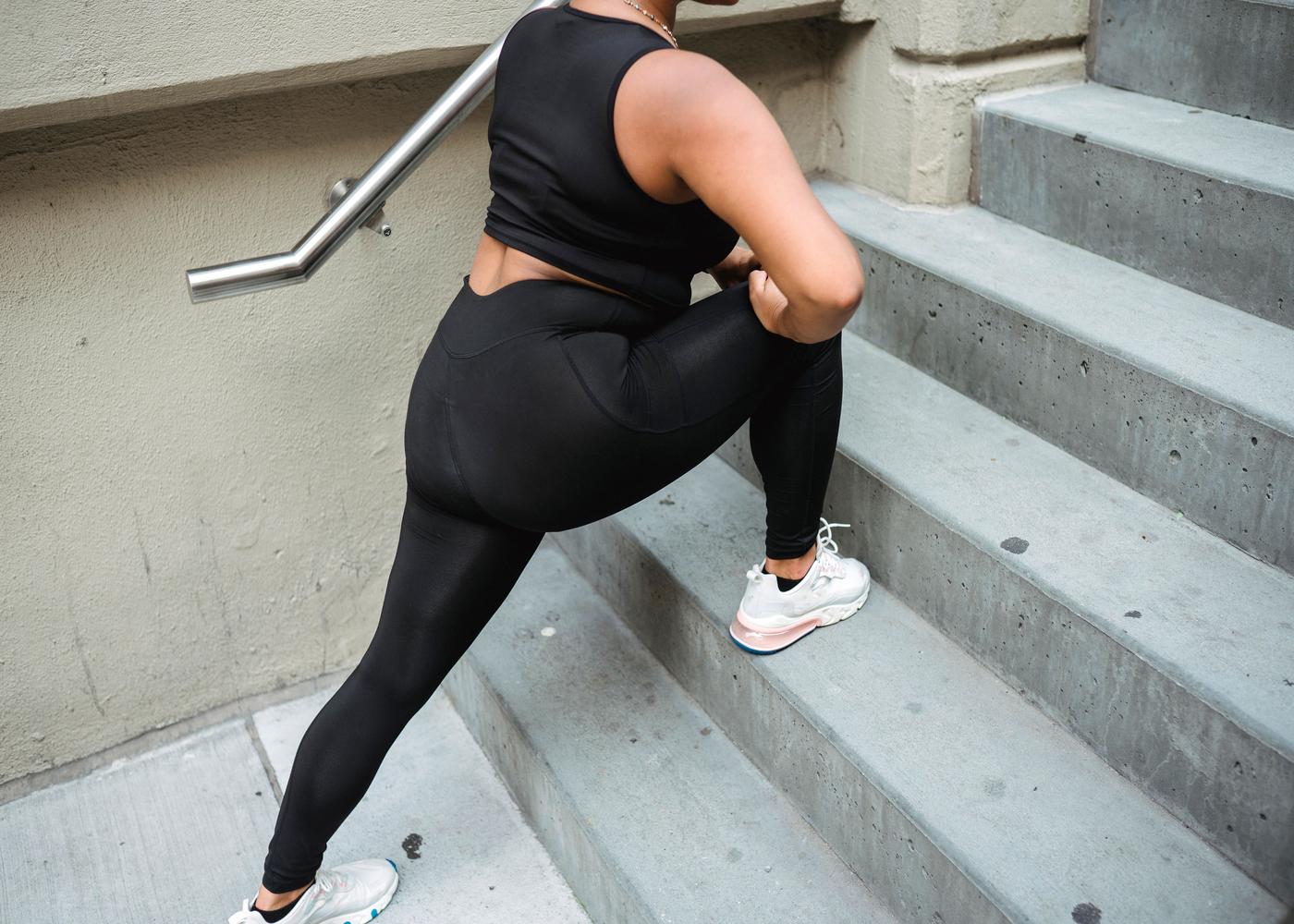
Functional Fitness Workouts for Over 50: Try These Exercises Today
Fitness

Key Findings
Functional fitness builds the practical strength needed for everyday tasks. A simple at-home routine using minimal equipment combats natural muscle loss, improves joint mobility, and prevents falls. Mastering basic movements keeps you physically independent and safe as you age.
Why you Should Care?
Functional fitness becomes increasingly important as we age. These are 10 of the best exercises people over 50 can safely complete from the comfort of their homes.

Reaching your fifties brings a new perspective on health and wellness. While aesthetic goals or hitting new personal records might have driven your workouts in the past, your focus is likely to increasingly shift toward longevity, mobility, and independence as you age.
Functional fitness is designed specifically for this purpose. Instead of isolating single muscle groups, functional fitness trains your body to handle real-life situations with ease.
Whether you want to carry heavy bags of soil in the garden, keep up with energetic grandchildren, or simply navigate a flight of stairs without joint pain, the right functional exercises can make a profound difference for anyone over 50.
Understanding these basics provides a straightforward approach to incorporating functional movements into your daily schedule.
You will learn why these workouts matter, what basic tools you need, and exactly how to perform ten foundational exercises safely.
Why is Functional Fitness so Important for Over 50s?

As we age, our bodies naturally lose muscle mass and bone density. This process is known as sarcopenia, and it can begin as early as your thirties.
By the time you reach your fifties, this loss can quickly accelerate if you do not actively engage in resistance and mobility training.
Functional fitness counteracts this decline by focusing on multi-joint movements that build strength, improve balance, and enhance coordination.
The primary goal of functional fitness is to make daily activities easier and safer. When you practice movements that mimic everyday tasks, you condition your muscles and nervous system to work together efficiently.
This directly translates to a lower risk of injury. Falls are a leading cause of injury for older adults. Functional exercises that challenge your balance and core stability are highly effective at preventing them.
Furthermore, functional fitness improves your general joint health. By moving your joints through their full range of motion under manageable resistance, you stimulate the production of synovial fluid.
This fluid lubricates the joints, reducing stiffness and discomfort associated with aging or osteoarthritis.
Ultimately, committing to a functional fitness routine is about preserving your autonomy well past the age of 50. It ensures that your body remains capable, resilient, and ready to handle the physical demands of your daily life.
Functional Fitness At-Home: Equipment
You do not need a fully equipped commercial gym to build an effective functional fitness routine. Most of the necessary movements can be performed in your living room with minimal gear.
Keeping a few versatile items for at-home exercise lets you adjust the difficulty of your workouts as you get stronger.
First, you will need a sturdy chair. A dining room chair without wheels is ideal. This will be used for seated exercises, balance support, and squatting modifications.
Second, consider purchasing a set of resistance bands. These bands are inexpensive, easy to store, and provide continuous tension to your muscles without the heavy impact of free weights. They are especially useful for training your back and shoulder muscles.
If you want to add external weight to your routine, a light pair of dumbbells is a worthwhile investment. Start with a weight that feels manageable but challenging by the end of a set, such as three to five pounds for beginners. You can slowly increase the weight over several months as your joints adapt.
Finally, a supportive yoga mat provides a comfortable surface for any exercises performed on the floor, protecting your knees and spine from hard surfaces.


10 Functional Fitness Exercises You Can Try Today

These ten exercises target the major movement patterns your body uses every day. They are designed to improve your pushing, pulling, squatting, and carrying capabilities, ensuring total body conditioning.
1. Chair Squats
Overview: Chair squats are the foundation of lower-body functional training. This exercise directly replicates the motion of sitting down and standing back up from a couch, a low toilet, or a car seat. Mastering this movement guarantees that you can manage your own body weight safely.
How to Do a Chair Squat:
Stand in front of a sturdy chair with your feet shoulder-width apart.
Keep your chest lifted and look straight ahead.
Breathe in as you slowly bend your knees and push your hips back.
Lower yourself with control until your glutes lightly touch the chair.
Pause for one second while keeping your core engaged.
Breathe out and push firmly through your heels.
Stand back up to the starting position and repeat.
Benefits: This movement builds essential strength in your quadriceps, hamstrings, and glutes. Strong leg muscles are critical for walking, climbing stairs, and maintaining your independence without relying on handrails.
Tips: Do not use momentum to swing yourself up. If you find it difficult to stand, you can place your hands on your thighs for a slight assist, but aim to use your leg strength as much as possible. Keep your knees aligned with your toes to protect the joint from unnecessary strain.
2. Wall Push-ups
Overview: The wall push-up is a gentle variation of the traditional floor push-up. It mimics the action of pushing open a heavy door or catching yourself if you happen to trip forward. It is highly adaptable to your current strength level.
How to Do a Wall Push-Up
Stand facing a clear wall about an arm’s length away.
Place your palms flat on the wall at shoulder height and shoulder-width apart.
Step your feet back slightly so your body forms a straight line from head to heels.
Keep your core engaged and avoid letting your hips sag.
Breathe in as you slowly bend your elbows and bring your chest toward the wall.
Stop when your nose is a few inches from the wall or as close as feels comfortable.
Breathe out and press through your palms to straighten your arms.
Return to the starting position and repeat with control.
Benefits: This exercise strengthens your chest, shoulders, and triceps without placing excessive strain on your lower back or wrist joints. It also aids in maintaining bone density in your upper extremities.
Tips: Keep your core tight to prevent your hips from sagging toward the wall. If you want to increase the difficulty, simply step your feet further away from the wall.
3. Glute Bridges
Overview: Glute bridges target the posterior chain, which includes the muscles along the back of your body. This movement helps you build the strength needed to get out of bed easily and maintain an upright posture throughout the day.
How to Do a Glute Bridge
Lie flat on your back on a yoga mat.
Bend your knees and place your feet flat on the floor, hip-width apart.
Keep your heels close to your glutes so you can push through them as you lift.
Rest your arms at your sides with your palms facing down.
Breathe out, squeeze your glutes, and press through your heels.
Lift your hips toward the ceiling until your body forms a straight line from your shoulders to your knees.
Hold for two seconds while keeping your glutes engaged.
Breathe in and slowly lower your hips back to the mat with control.
Return to the starting position and repeat.
Benefits: Glute bridges strengthen the lower back, glutes, and hamstrings. This provides vital support for your spine and can help alleviate lower back pain caused by prolonged sitting.
Tips: Avoid overextending your lower back at the top of the movement. The lift should come entirely from squeezing your glute muscles, not from arching your spine.
4. Farmer’s Walk
Overview: The Farmer’s Walk is a full-body exercise that perfectly translates to carrying heavy loads, such as hauling groceries from the car to the kitchen or carrying a suitcase through a busy airport.
How to Do a Farmer’s Walk
Pick up a dumbbell or a heavy household item, such as a jug of water, in each hand.
Stand tall with your feet hip-width apart.
Pull your shoulders back and down to keep your chest open.
Engage your core as if you are bracing for a gentle punch to the stomach.
Begin walking forward at a normal, controlled pace.
Take 20 to 30 steady paces while keeping your posture tall and your arms by your sides.
Turn around carefully without rushing or swinging the weights.
Walk back to your starting point with the same controlled posture.
Bend your knees and carefully lower the weights back to the floor.
Benefits: This exercise builds grip strength, core stability, and upper back endurance. Grip strength is a strong indicator of overall health and longevity in older adults, making this a highly valuable movement.
Tips: Look straight ahead rather than down at your feet. Try to prevent the weights from resting against your thighs as you walk. Keep your arms strictly at your sides to maximize the effort required by your core muscles.
5. Step-Ups
Overview: Step-ups are highly functional because they mimic the exact action of climbing a flight of stairs, stepping onto a high curb, or getting into a tall vehicle.
How to Do a Step-Up
Find a low, sturdy step, such as the bottom stair in your home or an aerobic step.
Stand facing the step with your feet hip-width apart.
Place your entire right foot firmly in the center of the step.
Breathe out and press through your right heel.
Step up with control, lifting your body until your left foot rests lightly next to your right foot.
Keep your chest lifted and avoid pushing off too much with the back foot.
Breathe in and carefully step down with your left foot first.
Bring your right foot back down to return to the starting position.
Repeat the movement, then switch sides and lead with your left foot.
Benefits: Step-ups improve single-leg strength and balance. They ensure that both sides of your body remain equally strong, which prevents compensatory injuries in your hips and knees.
Tips: Make sure your entire foot is on the step so your heel does not hang off the edge. Move slowly on the way down to build control in your knee joint.
6. Seated Row with Resistance Band
Overview: The seated row trains your pulling muscles. This replicates the motion of opening a heavy drawer, pulling a lawnmower cord, or bringing an awkward object closer to your chest.
How to Do a Seated Resistance Band Row
Sit on a yoga mat with your legs extended straight out in front of you.
Loop the center of a resistance band securely around the arches of your feet.
Hold one end of the band in each hand with your palms facing inward.
Sit up tall with your chest lifted and your shoulders relaxed.
Engage your core to help keep your back straight.
Breathe out and pull your hands toward your ribcage.
Bend your elbows and squeeze your shoulder blades together as you row.
Pause briefly when your hands reach your sides.
Breathe in and slowly extend your arms back to the starting position.
Repeat with control, keeping your posture tall throughout.
Benefits: This exercise combats the hunched posture that often develops with age. It strengthens the muscles of the upper back and the biceps, promoting better spinal alignment.
Tips: Keep your elbows tucked close to your sides as you pull. Do not lean backward to generate momentum. Let your back muscles do all the pulling work.
7. Single-Leg Stand
Overview: The single-leg stand is a fundamental balance exercise. Every time you take a step while walking, you are briefly balancing on one leg. Improving this skill is vital for fall prevention and improving your spatial awareness.
How to Do a Supported Single-Leg Stand
Stand behind a sturdy chair with your feet hip-width apart.
Lightly rest your hands on the backrest for support.
Stand tall with your chest lifted and your shoulders relaxed.
Shift your weight onto your right leg.
Slowly lift your left foot a few inches off the ground.
Hold the balance position for 10 to 20 seconds while breathing normally.
Lower your left foot back to the floor with control.
Shift your weight onto your left leg and repeat on the other side.
Keep using the chair for support until your balance improves.
Benefits: This drill strengthens the small stabilizing muscles in your ankles, knees, and hips while training your brain to maintain spatial awareness.
Tips: As your balance improves, try hovering your hands slightly above the chair rather than holding on tightly. Keep a slight bend in your standing knee to avoid locking the joint.
8. Woodchops
Overview: Woodchops train your body in the transverse plane, meaning they focus on rotational movement. This mimics actions like reaching across your body to buckle a seatbelt, grabbing an item from a passenger seat, or swinging a golf club.
How to Do a Dumbbell Wood Chop
Stand with your feet slightly wider than shoulder-width apart.
Hold one light dumbbell with both hands.
Start with the dumbbell near your right hip.
Keep your arms mostly straight without locking your elbows.
Engage your core and keep your chest lifted.
Breathe out and lift the dumbbell diagonally across your body.
Bring the weight up over your left shoulder in one smooth, controlled motion.
Breathe in and slowly lower the dumbbell back to your right hip.
Complete your repetitions, then switch sides and start with the dumbbell near your left hip.
Move slowly and avoid twisting too quickly, especially as a beginner.
Benefits: Woodchops strengthen your obliques, shoulders, and hips. They improve core rotational power and flexibility, keeping your torso nimble.
Tips: Pivot slightly on your back foot as you twist your torso. Keep your eyes on the weight throughout the entire movement to maintain proper neck alignment.
9. Overhead Press
Overview: The overhead press restores and maintains vertical shoulder mobility. It translates directly to placing items on high shelves, putting on a heavy jacket, or reaching up to change a lightbulb.
How to Do an Overhead Press
Sit comfortably in a sturdy chair with your back supported.
Hold a light dumbbell in each hand at shoulder level.
Face your palms forward and keep your elbows slightly out to the sides.
Brace your core to help protect your lower back.
Keep your chest lifted and your shoulders relaxed.
Breathe out and press the dumbbells straight up toward the ceiling.
Extend your arms fully without locking your elbows.
Breathe in and slowly lower the dumbbells back to shoulder level.
Repeat with control, keeping your back supported throughout.
Benefits: This movement builds strength in the deltoids and triceps. Performing it seated allows you to focus strictly on shoulder strength without compromising your lower back posture.
Tips: Do not arch your back as you press the weights overhead. If you lack the mobility to press completely straight up, press slightly forward to protect your shoulder joints.
10. Calf Raises
Overview: Calf raises are simple but highly effective for lower leg strength. You use your calf muscles extensively when walking, standing on your tiptoes to reach something, or walking up steep inclines.
How to Do a Supported Calf Raise
Stand behind a sturdy chair with your feet hip-width apart.
Rest your hands lightly on the backrest for balance.
Stand tall with your chest lifted and your core engaged.
Breathe out and press down through the balls of your feet.
Lift your heels as high as you comfortably can off the floor.
Squeeze your calf muscles at the top of the movement.
Breathe in and slowly lower your heels back to the floor.
Repeat with control, avoiding bouncing or rushing the movement.
Benefits: Strong calves improve your ankle stability and aid in circulation by helping pump blood from your lower extremities back up to your heart.
Tips: Move through the exercise smoothly. Avoid bouncing up and down. Focus on a controlled descent to maximize the benefit to your muscles.
Build a Functional Fitness Routine with Neura

Functional fitness works best when your routine supports the way you actually move in daily life. Exercises like squats, carries, step-ups, rows, presses, and balance drills help build strength, stability, mobility, coordination, and confidence for everyday activities.
Neura can help you build a functional fitness routine that fits your current ability, goals, schedule, equipment, and recovery needs. Instead of following a generic plan, you can create a routine based on your fitness level and the movements that matter most to you, whether that means getting stronger, improving balance, staying active as you age, or feeling more capable day to day.
By connecting your workouts with wider health data like sleep, stress, recovery, energy, nutrition, and daily habits, Neura helps you understand when to progress and when to take a lighter day. If your recovery is low, your plan can shift toward mobility, balance, or gentle movement. If your strength and energy are improving, Neura can help increase reps, resistance, or exercise difficulty.
The goal is to make functional fitness feel personal and sustainable. With Neura, your routine can grow with you, helping you build a stronger body that supports both your workouts and your everyday life.
Final Thoughts: Functional Fitness for Over 50s
Prioritizing your physical health through functional fitness is a highly effective way to ensure a high quality of life as you age.
The goal is not to lift the heaviest weights in the gym, but to build a resilient, capable body that supports your daily lifestyle.
Start slowly, focus entirely on mastering the correct form, and listen to your body. Consistency yields the best results.
By incorporating these ten exercises into your weekly routine, you will improve your balance, increase your strength, and maintain your independence as you grow older.
Take the first step today by clearing a small space in your home, grabbing a sturdy chair, and investing a few minutes into your long-term mobility.

Article FAQ
What does functional fitness mean?
Functional fitness means training your body for the activities you perform in daily life. It focuses on exercises that mimic everyday movements like squatting, lifting, pulling, and reaching. Instead of isolating single muscles on gym machines, this approach engages multiple muscle groups and joints simultaneously. The goal is to build practical strength, improve balance, and enhance your overall coordination so you can handle real-world tasks with ease and confidence.
Why is functional fitness important?
Functional fitness is important because it directly improves your quality of life and helps prevent injuries as you age. Strengthening the muscles used in daily tasks reduces the risk of strains and falls. It combats natural muscle loss and joint stiffness while improving core stability and posture. Staying functionally fit ensures you maintain your independence, allowing you to move safely and comfortably throughout your normal routine without relying on assistance.
What are the best exercises for someone over 50?
The best exercises for someone over 50 include multi-joint movements that build core stability, leg strength, and balance. Chair squats, wall push-ups, glute bridges, and farmer walks are excellent starting points. Step-ups and single-leg stands are also highly effective for improving balance and preventing falls. These exercises are ideal because they require minimal equipment, protect your joints, and directly translate to everyday actions like climbing stairs or carrying heavy groceries.
How often should older adults do functional fitness workouts?
Older adults should aim to perform functional fitness workouts two to three times per week. You should leave at least one full day of rest between sessions to allow your muscles to recover and rebuild. Consistency is much more important than high intensity. Even a twenty-minute session of targeted movements can significantly improve your mobility and strength over time. Always listen to your body and adjust the frequency based on your recovery.
Do you need heavy weights for functional fitness?
You do not need heavy weights for functional fitness. The primary focus is on mastering the movement patterns using your own body weight. As you get stronger, you can introduce light resistance using items like resistance bands, small dumbbells, or everyday household objects. The goal is controlled, smooth movement rather than maximum weight. Lighter resistance allows you to train safely while still providing enough tension to build muscle and increase bone density.
Can beginners start a functional fitness routine safely?
Beginners can absolutely start a functional fitness routine safely. The key is to begin with modified versions of exercises, such as doing push-ups against a wall instead of on the floor. Start slowly, focus strictly on proper form, and only move through a comfortable range of motion. If you have existing joint issues or specific medical conditions, it is always a smart idea to consult a doctor before beginning any new exercise regimen.