
Get exclusive access and
enjoy a 7-day Neura iQ trial.

Get exclusive access and enjoy a 7-day
Neura iQ trial — free, personalized, and powerful.

Table of Contents

Share this Article

How to Fix Forward Head Posture: At-Home Exercises & Stretches

February 20, 2026

February 20, 2026

Fitness

13 minutes reading time

13 min read time

Girl with forward head posture staring at phone with mom looking over her

Key Findings

Fixing forward head posture requires shifting from passive habits to an active daily strategy. Targeted exercises help strengthen weak muscles and recalibrate your physical baseline. While tension relief can occur quickly, permanent correction requires consistent daily milestones to retrain your structural alignment.
Modern life often keeps us glued to screens, whether we are hunching over a laptop for work or scrolling through a smartphone during our commute. This repetitive behavior has led to a widespread physical misalignment known as forward head posture. 

While it might seem like a minor aesthetic issue, leaving it unaddressed can lead to chronic discomfort and long-term musculoskeletal imbalances. 

Understanding how to fix forward head posture is not just about looking better; it is about restoring the foundational mechanics of your body to ensure long-term wellness and energy.

What is Forward Head Posture?

Man with forward head carriage sitting on desk in front of computer

In a neutral, healthy spine, the ears should align directly over the shoulders. Forward head occurs when the skull shifts anteriorly, moving away from the body's vertical center of gravity.

This position places an immense amount of stress on the cervical spine. For every inch your head moves forward, the effective weight of your head on your neck muscles increases significantly. 

This is a primary example of how fragmented daily habits can lead to a centralized physical problem.


What Causes Forward Head Carriage?

The most common cause of forward head carriage is prolonged sedentary behavior paired with poor ergonomics. When you sit at a desk that is not optimized for your height, your neck naturally craned forward to see the monitor. 

Over time, the muscles at the front of the neck become weak and elongated, while the muscles at the base of the skull and the chest become tight and overactive. 

Other factors include carrying heavy backpacks, previous neck injuries, or even sleeping with pillows that are too high, which reinforces a forward head tilt throughout the night.


Forward Head Posture Symptoms

The symptoms of this misalignment are rarely localized to just the neck. Because Neura Health emphasizes how data points intersect, it is important to recognize that these physical symptoms often correlate with other health metrics like sleep quality and stress levels. Common signs include:


  • Chronic tension headaches that start at the base of the skull.


  • Persistent tightness in the upper trapezius and shoulders.


  • Reduced range of motion when trying to turn the head from side to side.


  • Numbness or tingling in the arms and hands due to nerve compression.


  • Jaw pain or clicking, often linked to the way neck alignment affects the temporomandibular joint.

At-home Forward Head Posture Exercises

Woman outside doing forward head posture exercies with arms above her head

To see real results, consistency is key. These forward head posture exercises are designed to be performed daily to recalibrate your neural pathways and strengthen the supporting musculature. 


  1. Chin Tucks

This is the foundational movement for correcting neck alignment. 

How-To:

Start by sitting or standing tall, looking straight ahead. 

Without tilting your head up or down, slowly draw your chin straight back as if you are trying to make a double chin. 

You should feel a gentle stretch at the base of your skull and a sense of lengthening in the back of your neck. 

Hold this position for five seconds and repeat ten times.

Best For: Lengthening the suboccipital muscles and strengthening the deep neck flexors that keep the head centered.


  1. Scapular Squeezes

Since neck posture is heavily influenced by the upper back, scapular squeezes are vital.

How-To:

Stand with your arms at your sides and your palms facing forward. 

Slowly squeeze your shoulder blades together and downward, as if you are trying to tuck them into your back pockets. 

Avoid shrugging your shoulders toward your ears. 

Hold the squeeze for five seconds and perform three sets of twelve repetitions.

Best For: Correcting the rounded shoulder position that often accompanies a forward-leaning head.


  1. Doorway Chest Stretch

Tight pectoral muscles pull the shoulders forward, which in turn pushes the neck out of alignment. 

How-To:

Stand in a doorway and place your forearms on the doorframe with your elbows at a ninety-degree angle. 

Gently step forward with one foot until you feel a comfortable stretch across your chest. 

Hold this for thirty seconds and repeat on both sides.

Best For: Opening up the anterior chain to allow the shoulders and head to sit further back.


  1. Wall Angels

Actively strengthen the upper back (mid/lower trapezius), open tight chest muscles, and increase shoulder mobility

How-To:

Stand with your back flat against a wall, including your heels, glutes, upper back, and head. 

Bring your arms up to a "cactus" position with the backs of your hands touching the wall. 

Slowly slide your arms up toward the ceiling while maintaining contact with the wall, then slide them back down. 

If your head or lower back pulls away from the wall, only go as high as you can maintain proper form. 

Perform ten slow repetitions.

Best For: Improving thoracic mobility and postural awareness under the guidance of a physical "baseline".


  1. Prone Cobra

Corrects rounded shoulders and forward head posture by pulling the shoulder blades back and opening the chest.

How-To:

Lie face down on the floor with your arms by your sides, palms facing down. 

Slowly lift your chest and hands off the floor by squeezing your shoulder blades together. 

At the same time, tuck your chin slightly and look at the floor to keep your neck long. 

External rotation of the arms so the thumbs point toward the ceiling can add intensity. 

Hold for ten seconds and repeat five times.

Best For: Strengthening the entire posterior chain and the muscles that support an upright spine.


  1. Levator Scapulae Stretch

The levator scapulae is a muscle that often becomes incredibly tight and painful with poor posture. 

How-To: 

While sitting tall, reach down and hold the seat of your chair with your right hand to keep your shoulder anchored. 

Tilt your head to the left, then turn your chin down toward your left armpit. 

Use your left hand to apply very light pressure if needed. 

Hold for thirty seconds and switch sides.

Best For: Relieving the specific "stiff neck" feeling that comes from chronic head tilting.


  1. Deep Neck Flexor Activation

This exercise builds the "endurance" your neck needs to stay upright all day.

How-To:

Lie on your back without a pillow. 

Perform a very small, subtle chin tuck, as if you are nodding "yes." 

The goal is to feel the small muscles in the front of your throat activate without the large, superficial neck muscles taking over. 

Hold for ten seconds and repeat ten times. 

Best For: Training the internal support system of the cervical spine.

What You Should Avoid to Fix Forward Head Posture

Man sitting on desk attempting to fix posture

Fixing your posture requires more than just adding exercises; it requires removing the "noise" of bad habits that contradict your progress. If you perform these stretches but spend the rest of your day in a collapsed position, you are essentially stalling your own recovery.

First, avoid the "all-or-nothing" mentality. It is better to do two minutes of stretching every hour than to do one hour of exercise and then sit poorly for eight hours straight. 

You should also avoid sleeping on your stomach, as this forces the neck into a rotated and tilted position for hours at a time, which can undo the work of your daily exercises.

Furthermore, avoid ignoring the ergonomics of your digital life. If your laptop is on your lap, you are guaranteed to lean forward. Use a riser or an external monitor to bring the screen to eye level. 

Finally, avoid high-intensity neck training until you have established a solid foundation of mobility and alignment. Pushing too hard too fast can lead to injury, which is why Neura Health recommends adjusting effort levels based on your current physical reality.

Final Thoughts: Fixing Your Head Posture

Addressing a forward head is a journey of consistency and self-awareness. By treating your body as a unified landscape where every stretch and movement counts, you can transition from a state of chronic tension to one of effortless alignment. 

These exercises serve as your daily roadmap, helping you move closer to your goal of a pain-free, healthy life.

Your posture is the foundation of your physical health. When you align your head and spine correctly, you improve your baseline for foundational wellbeing. While analysis of your habits is helpful, you must still perform the actions to see real-world results. 

Consistency is the key to moving beyond basic tracking and achieving a permanent, functional change in your physical condition.
Article FAQ

Can you fix forward head posture?

Yes, most cases of forward head posture can be corrected by strengthening weak deep neck flexors and stretching tight chest and upper back muscles. Consistency with daily forward head posture exercises helps retrain your muscles to hold your head in a neutral position where the ears align over the shoulders.

How long does it take to correct forward head posture?

The timeline varies depending on the severity of the forward head tilt, but most people notice reduced tension within two to four weeks of consistent stretching. Significant structural changes and habit formation typically require three to six months of daily corrective movement.

Why does my head hurt when I lean forward?

Leaning forward increases the effective weight of the forward head on the cervical spine, forcing neck muscles to overwork to keep the head upright. This constant strain leads to tension headaches, localized "stiff neck" pain, and compressed nerves in the upper vertebrae.

What causes forward head posture?

The primary cause of forward head carriage is prolonged "tech neck", hunching over smartphones, tablets, or poorly positioned computer monitors. Other factors include sleeping with overly thick pillows, carrying heavy bags, and sedentary habits that weaken the upper back muscles.

Are there specific signs I should look for?

Common signs include rounded shoulders, a visible protrusion of the chin, and persistent tightness in the trapezius muscles. You may also experience reduced range of motion when turning your head or frequent "knots" at the base of your skull.

Can I fix my posture while sitting at a desk?

Yes, you can fix forward head posture by adjusting your ergonomics to bring your screen to eye level and performing "chin tucks" throughout the day. Taking frequent movement breaks prevents the muscles from "locking" into a forward-leaning position.

Read More

Read More

Read More

Read More

Enter your email for free
early access + 7-day Neura iQ trial

Limited beta spots!

Enter your email for free
early access + 7-day Neura iQ trial

Limited beta spots!

Got Questions? We've Got Answers

What exactly is Neura app?

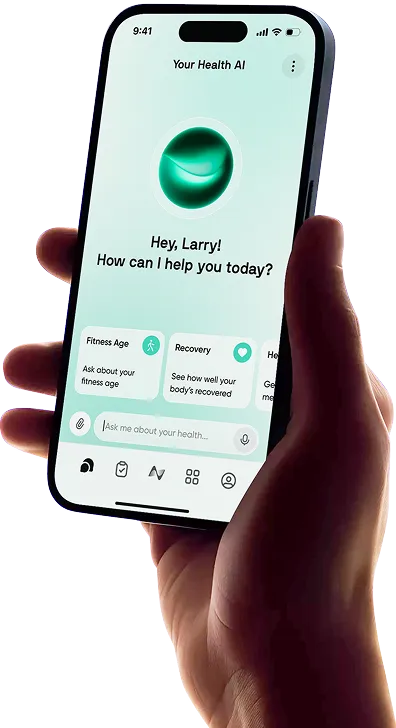
Neura is a holistic AI health assistant that acts as your personal wellness coach. It combines your wearable data, lifestyle habits, and health metrics to deliver personalized plans, daily micro-tasks, mini-podcasts, and actionable insights to improve sleep, fitness, recovery, and longevity.

How does Neura work?

1. Answer a quick onboarding quiz (1–2 min). 2. Set your goals (e.g., better sleep, running a 5K). 3. Connect your wearables or apps for real-time health data. 4. Receive a daily, AI-personalized plan and mini-podcasts. 5. Track progress on your dashboard while Neura optimizes automatically.

Do I need a wearable or fitness tracker to use Neura?

No. You can start with just your phone and basic input. Wearables like Apple Watch, Garmin, Oura, or Fitbit unlock deeper, real-time insights and premium metrics, but they are optional.

Is my data safe and private?

Absolutely. Neura uses end-to-end encryption, is GDPR/HIPAA compliant, and gives you full control over data exports and deletion. Only anonymized data is processed for AI improvements.

What kind of results can I expect with Neura?

Most users report noticeable improvements in sleep quality, daily energy, and habit consistency within 2–3 weeks. Real-time insights help you save hours each week by replacing endless self-tracking and guesswork with an AI-driven health plan.

What devices and apps can Neura connect to?

Neura integrates with 90+ apps and devices like Apple Health, Google Fit, Garmin, Oura, Fitbit, Polar, Suunto, Peloton, Zwift, Withings, Eight Sleep, and more. You can also upload lab results for advanced analysis.

What’s included in the free plan?

The free Neura Plan comes with all the basic features you need to kickstart your holistic health and fitness journey. Those include our core AI chat (single-chat memory), a standard health plan with one active goal, up to 5 customizable Health Hub widgets, and daily auto-sync with limited integrations. Upgrade to Neura iQ for unlimited AI chat with persistent multi-session memory, multiple simultaneous Health Plans, and real-time data sync from 100+ integrations with 360° Health Sync, alongside all other premium features.

How is Neura different from other health apps or trackers?

Neura isn’t just a tracker – it’s a smart health operating system. It pulls together your data, analyzes it in real time, and gives you proactive, science-backed recommendations tailored to your lifestyle, without the hassle of manual research or multiple apps.

Can I cancel if I am not satisfied?

Yes. Neura Free is free forever, and Neura iQ comes with a 7-day free trial. After upgrading, you can cancel anytime. If you’re not satisfied within 30 days, we offer a full refund—no questions asked.

How do I get started with Neura?

Simply sign up with your email to claim free early access. You can start in less than 2 minutes, connect your wearables later, and immediately receive your personalized plan and first mini-podcast.

Got Questions? We've Got Answers

What exactly is Neura app?

Neura is a holistic AI health assistant that acts as your personal wellness coach. It combines your wearable data, lifestyle habits, and health metrics to deliver personalized plans, daily micro-tasks, mini-podcasts, and actionable insights to improve sleep, fitness, recovery, and longevity.

How does Neura work?

1. Answer a quick onboarding quiz (1–2 min). 2. Set your goals (e.g., better sleep, running a 5K). 3. Connect your wearables or apps for real-time health data. 4. Receive a daily, AI-personalized plan and mini-podcasts. 5. Track progress on your dashboard while Neura optimizes automatically.

Do I need a wearable or fitness tracker to use Neura?

No. You can start with just your phone and basic input. Wearables like Apple Watch, Garmin, Oura, or Fitbit unlock deeper, real-time insights and premium metrics, but they are optional.

Is my data safe and private?

Absolutely. Neura uses end-to-end encryption, is GDPR/HIPAA compliant, and gives you full control over data exports and deletion. Only anonymized data is processed for AI improvements.

What kind of results can I expect with Neura?

Most users report noticeable improvements in sleep quality, daily energy, and habit consistency within 2–3 weeks. Real-time insights help you save hours each week by replacing endless self-tracking and guesswork with an AI-driven health plan.

What devices and apps can Neura connect to?

Neura integrates with 90+ apps and devices like Apple Health, Google Fit, Garmin, Oura, Fitbit, Polar, Suunto, Peloton, Zwift, Withings, Eight Sleep, and more. You can also upload lab results for advanced analysis.

What’s included in the free plan?

The free Neura Plan comes with all the basic features you need to kickstart your holistic health and fitness journey. Those include our core AI chat (single-chat memory), a standard health plan with one active goal, up to 5 customizable Health Hub widgets, and daily auto-sync with limited integrations. Upgrade to Neura iQ for unlimited AI chat with persistent multi-session memory, multiple simultaneous Health Plans, and real-time data sync from 100+ integrations with 360° Health Sync, alongside all other premium features.

How is Neura different from other health apps or trackers?

Neura isn’t just a tracker – it’s a smart health operating system. It pulls together your data, analyzes it in real time, and gives you proactive, science-backed recommendations tailored to your lifestyle, without the hassle of manual research or multiple apps.

Can I cancel if I am not satisfied?

Yes. Neura Free is free forever, and Neura iQ comes with a 7-day free trial. After upgrading, you can cancel anytime. If you’re not satisfied within 30 days, we offer a full refund—no questions asked.

How do I get started with Neura?

Simply sign up with your email to claim free early access. You can start in less than 2 minutes, connect your wearables later, and immediately receive your personalized plan and first mini-podcast.

Got Questions? We've Got Answers

What exactly is Neura app?

Neura is a holistic AI health assistant that acts as your personal wellness coach. It combines your wearable data, lifestyle habits, and health metrics to deliver personalized plans, daily micro-tasks, mini-podcasts, and actionable insights to improve sleep, fitness, recovery, and longevity.

How does Neura work?

1. Answer a quick onboarding quiz (1–2 min). 2. Set your goals (e.g., better sleep, running a 5K). 3. Connect your wearables or apps for real-time health data. 4. Receive a daily, AI-personalized plan and mini-podcasts. 5. Track progress on your dashboard while Neura optimizes automatically.

Do I need a wearable or fitness tracker to use Neura?

No. You can start with just your phone and basic input. Wearables like Apple Watch, Garmin, Oura, or Fitbit unlock deeper, real-time insights and premium metrics, but they are optional.

Is my data safe and private?

Absolutely. Neura uses end-to-end encryption, is GDPR/HIPAA compliant, and gives you full control over data exports and deletion. Only anonymized data is processed for AI improvements.

What kind of results can I expect with Neura?

Most users report noticeable improvements in sleep quality, daily energy, and habit consistency within 2–3 weeks. Real-time insights help you save hours each week by replacing endless self-tracking and guesswork with an AI-driven health plan.

What devices and apps can Neura connect to?

Neura integrates with 90+ apps and devices like Apple Health, Google Fit, Garmin, Oura, Fitbit, Polar, Suunto, Peloton, Zwift, Withings, Eight Sleep, and more. You can also upload lab results for advanced analysis.

What’s included in the free plan?

The free Neura Plan comes with all the basic features you need to kickstart your holistic health and fitness journey. Those include our core AI chat (single-chat memory), a standard health plan with one active goal, up to 5 customizable Health Hub widgets, and daily auto-sync with limited integrations. Upgrade to Neura iQ for unlimited AI chat with persistent multi-session memory, multiple simultaneous Health Plans, and real-time data sync from 100+ integrations with 360° Health Sync, alongside all other premium features.

How is Neura different from other health apps or trackers?

Neura isn’t just a tracker – it’s a smart health operating system. It pulls together your data, analyzes it in real time, and gives you proactive, science-backed recommendations tailored to your lifestyle, without the hassle of manual research or multiple apps.

Can I cancel if I am not satisfied?

Yes. Neura Free is free forever, and Neura iQ comes with a 7-day free trial. After upgrading, you can cancel anytime. If you’re not satisfied within 30 days, we offer a full refund—no questions asked.

How do I get started with Neura?

Simply sign up with your email to claim free early access. You can start in less than 2 minutes, connect your wearables later, and immediately receive your personalized plan and first mini-podcast.

Got Questions? We've Got Answers

What exactly is Neura app?

Neura is a holistic AI health assistant that acts as your personal wellness coach. It combines your wearable data, lifestyle habits, and health metrics to deliver personalized plans, daily micro-tasks, mini-podcasts, and actionable insights to improve sleep, fitness, recovery, and longevity.

How does Neura work?

1. Answer a quick onboarding quiz (1–2 min). 2. Set your goals (e.g., better sleep, running a 5K). 3. Connect your wearables or apps for real-time health data. 4. Receive a daily, AI-personalized plan and mini-podcasts. 5. Track progress on your dashboard while Neura optimizes automatically.

Do I need a wearable or fitness tracker to use Neura?

No. You can start with just your phone and basic input. Wearables like Apple Watch, Garmin, Oura, or Fitbit unlock deeper, real-time insights and premium metrics, but they are optional.

Is my data safe and private?

Absolutely. Neura uses end-to-end encryption, is GDPR/HIPAA compliant, and gives you full control over data exports and deletion. Only anonymized data is processed for AI improvements.

What kind of results can I expect with Neura?

Most users report noticeable improvements in sleep quality, daily energy, and habit consistency within 2–3 weeks. Real-time insights help you save hours each week by replacing endless self-tracking and guesswork with an AI-driven health plan.

What devices and apps can Neura connect to?

Neura integrates with 90+ apps and devices like Apple Health, Google Fit, Garmin, Oura, Fitbit, Polar, Suunto, Peloton, Zwift, Withings, Eight Sleep, and more. You can also upload lab results for advanced analysis.

What’s included in the free plan?

The free Neura Plan comes with all the basic features you need to kickstart your holistic health and fitness journey. Those include our core AI chat (single-chat memory), a standard health plan with one active goal, up to 5 customizable Health Hub widgets, and daily auto-sync with limited integrations. Upgrade to Neura iQ for unlimited AI chat with persistent multi-session memory, multiple simultaneous Health Plans, and real-time data sync from 100+ integrations with 360° Health Sync, alongside all other premium features.

How is Neura different from other health apps or trackers?

Neura isn’t just a tracker – it’s a smart health operating system. It pulls together your data, analyzes it in real time, and gives you proactive, science-backed recommendations tailored to your lifestyle, without the hassle of manual research or multiple apps.

Can I cancel if I am not satisfied?

Yes. Neura Free is free forever, and Neura iQ comes with a 7-day free trial. After upgrading, you can cancel anytime. If you’re not satisfied within 30 days, we offer a full refund—no questions asked.

How do I get started with Neura?

Simply sign up with your email to claim free early access. You can start in less than 2 minutes, connect your wearables later, and immediately receive your personalized plan and first mini-podcast.