Sleep

Sleep

Unlock better rest, greater productivity, and faster recovery with rich insights into the world of sleep, backed by the latest evidence and expert opinions.

Featured Article

All Insights Articles

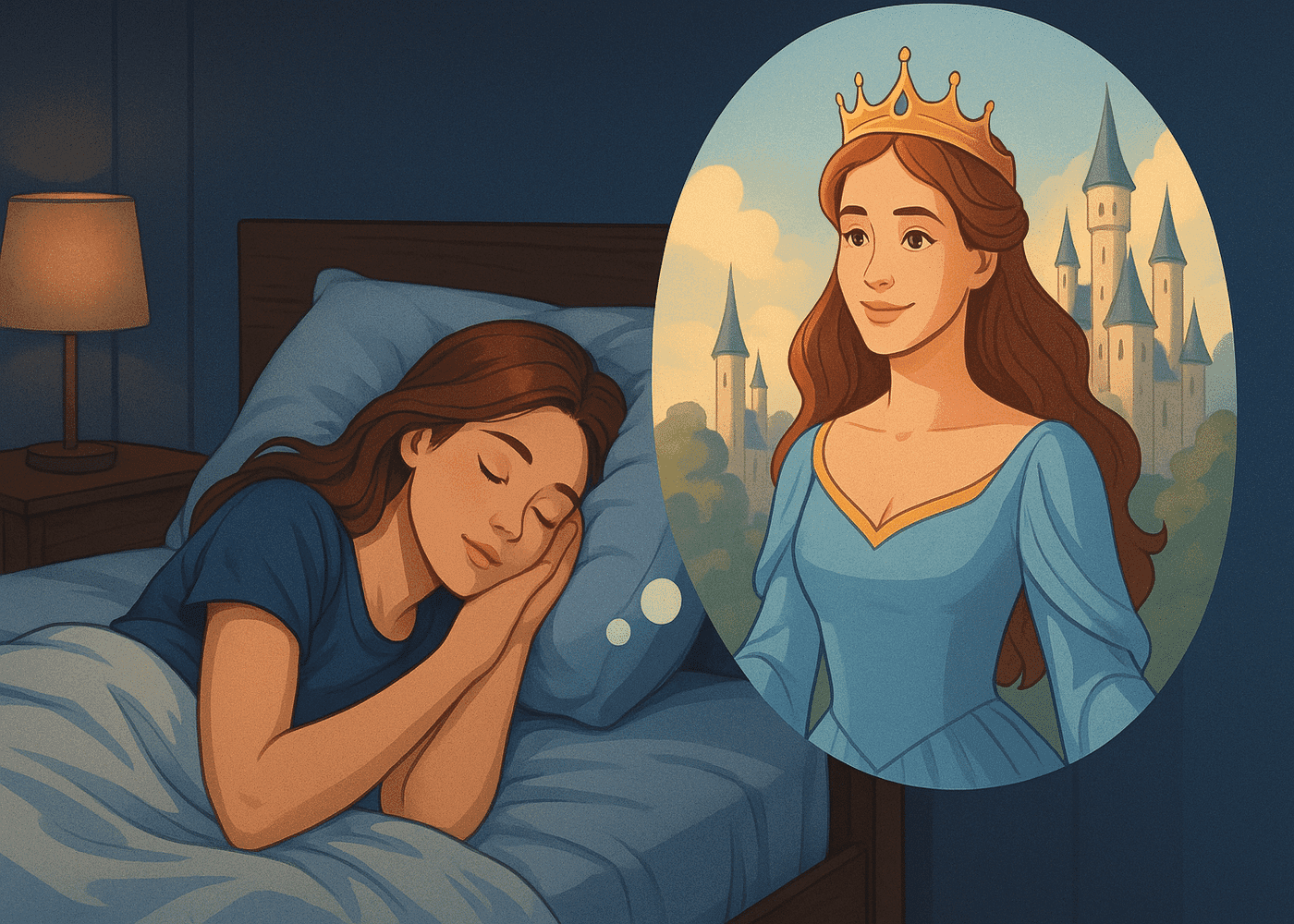
Fake scenarios to sleep - Woman dreaming of being a princess
Nov 18, 2025

Why Roleplaying Fake Scenarios Helps You Fall Asleep (No, You’re Not Alone)

If you’ve ever drifted off to sleep while imagining a romantic storyline, picturing yourself in an ideal future, or replaying a fictional adventure in your mind, you’re far from alone. Millions of people create fake scenarios before bed as a way to unwind: mini stories, alternate realities, or comforting “what-if” moments. 

What might look like simple daydreaming is actually a surprisingly effective sleep strategy, one that psychologists quietly recognize as a form of mental self-soothing.

These imagined narratives give your brain a soft place to land after a long day. Instead of spiraling into stress, racing thoughts, or tomorrow’s to-do list, your mind focuses on something predictable and pleasant. 

This gently nudges you into the same relaxed, drifting state triggered by meditation, bedtime stories, and guided visualization. In fact, some sleep researchers refer to this process as cognitive distraction, a technique shown to lower arousal in the brain and help people fall asleep faster.

And even though it might feel quirky or oddly personal, this habit is far more common than many people realize. 

Whether it’s reimagining movie scenes, inventing conversations, or crafting an ideal version of yourself, many people naturally use these scenes as a bridge between wakefulness and sleep.

When done intentionally, roleplaying or imagining scenarios becomes more than just a harmless bedtime ritual; it becomes a powerful tool for emotional regulation, anxiety reduction, and deeper, more restorative rest.


Sleep

7 min read

Read Article
Fake scenarios to sleep - Woman dreaming of being a princess
Nov 18, 2025

Why Roleplaying Fake Scenarios Helps You Fall Asleep (No, You’re Not Alone)

If you’ve ever drifted off to sleep while imagining a romantic storyline, picturing yourself in an ideal future, or replaying a fictional adventure in your mind, you’re far from alone. Millions of people create fake scenarios before bed as a way to unwind: mini stories, alternate realities, or comforting “what-if” moments. 

What might look like simple daydreaming is actually a surprisingly effective sleep strategy, one that psychologists quietly recognize as a form of mental self-soothing.

These imagined narratives give your brain a soft place to land after a long day. Instead of spiraling into stress, racing thoughts, or tomorrow’s to-do list, your mind focuses on something predictable and pleasant. 

This gently nudges you into the same relaxed, drifting state triggered by meditation, bedtime stories, and guided visualization. In fact, some sleep researchers refer to this process as cognitive distraction, a technique shown to lower arousal in the brain and help people fall asleep faster.

And even though it might feel quirky or oddly personal, this habit is far more common than many people realize. 

Whether it’s reimagining movie scenes, inventing conversations, or crafting an ideal version of yourself, many people naturally use these scenes as a bridge between wakefulness and sleep.

When done intentionally, roleplaying or imagining scenarios becomes more than just a harmless bedtime ritual; it becomes a powerful tool for emotional regulation, anxiety reduction, and deeper, more restorative rest.

Sleep

7 min read

Read Article

Enter your email for free
early access + 7-day Neura iQ trial

Limited beta spots!

Enter your email for free
early access + 7-day Neura iQ trial

Limited beta spots!