10+ Essential Sleep Hacks Every Insomniac Should Know
Sleep
Key Findings
Mastering sleep requires a shift from passive tracking to actionable strategy. By combining biological techniques like the military sleep hack with data-driven insights, you can identify the exact variables, from temperature to nutrition, that disrupt your rest. Utilizing a centralized system to correlate metrics from your various devices ensures your sleep habits are tailored to your unique physiology for long-term recovery.
Staring at the ceiling while the clock ticks toward dawn is a universal frustration that affects millions. For many, sleep is not a natural reflex but a skill that must be reclaimed through deliberate practice and environmental design.
The modern world is systematically engineered to disrupt our circadian rhythms, from the blue light of our smartphones to the erratic schedules of a global economy. However, by treating rest as a biological system that can be optimized, you can move past the exhaustion.
This guide explores the most effective ways to rewire your nocturnal habits and leverage technology to ensure your body gets the restorative rest it deserves.
Essential Sleep Hack Techniques for Adults
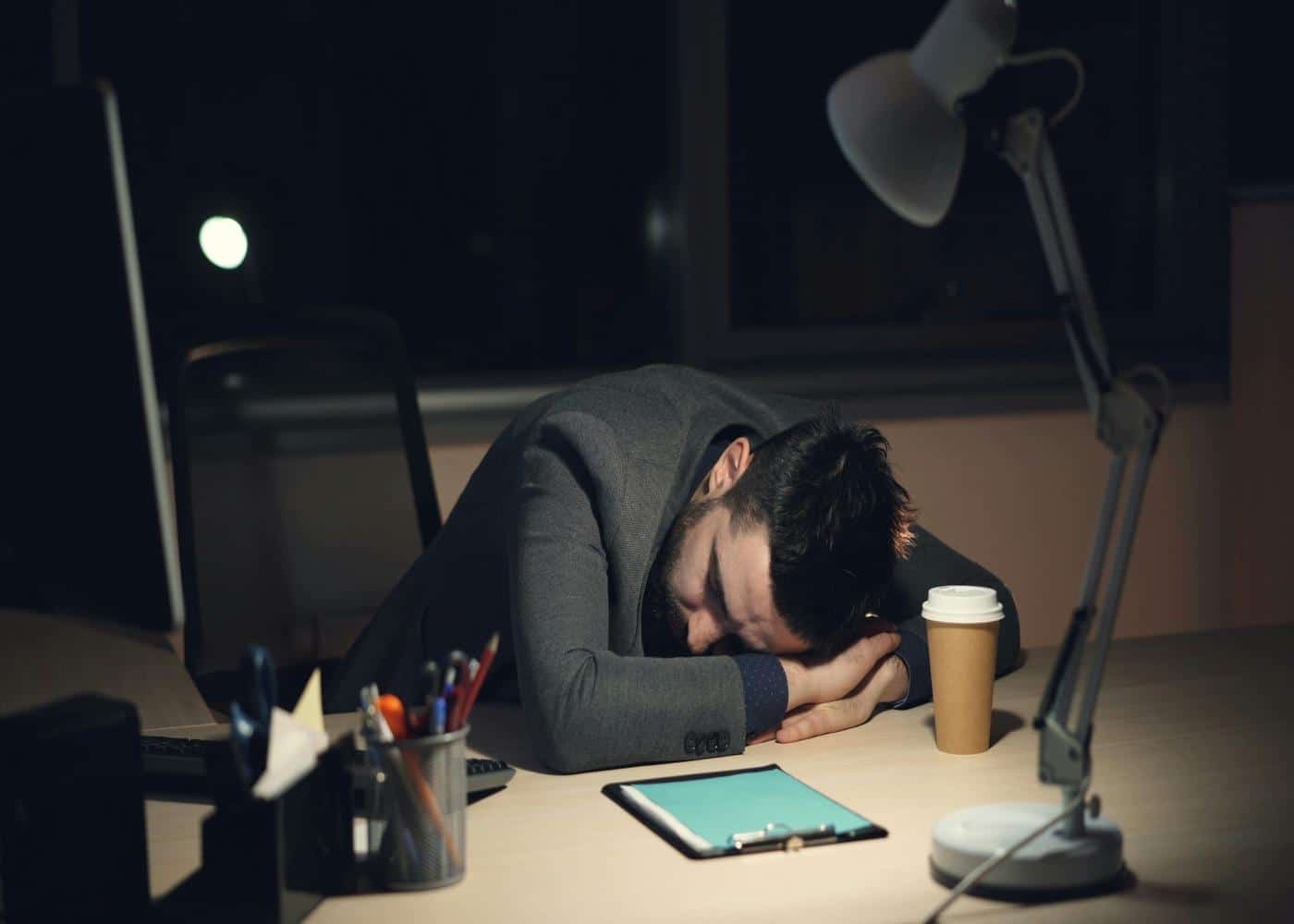
These are our top 12 sleep hack techniques that you can try at home tonight.
1. The Military Sleep Hack
Developed to help pilots fall asleep in high-stress environments, the military sleep hack focuses on systematic muscle relaxation.
Start by relaxing every muscle in your face, including your tongue and the muscles around your eyes. Drop your shoulders as low as possible to release tension, followed by your upper and lower arms on one side, then the other.
Breathe out and relax your chest. Finally, relax your legs, moving from thighs down to your toes. Once your body feels heavy, clear your mind for ten seconds. If thoughts intrude, repeat the phrase "don't think" to yourself until you drift off.
2. The 4-7-8 Breathing Method
This technique acts as a natural tranquilizer for the nervous system. You inhale through your nose for a count of four, hold your breath for a count of seven, and exhale forcefully through your mouth for a count of eight.
This specific ratio forces your heart rate to slow down and encourages the body to transition from a "fight or flight" state into a "rest and digest" state. It is one of the most effective sleep hack techniques for those whose minds race the moment they hit the pillow.
3. Progressive Muscle Relaxation (PMR)
PMR involves tensing and then releasing different muscle groups in a specific order.
Start at your toes and work your way up to your forehead. By intentionally creating tension and then feeling it dissipate, you become more aware of physical stress you might be subconsciously holding.
This physical release often triggers a mental release, making it significantly easier for the brain to signal that it is time for sleep.
4. Optimize Your Thermal Environment
Your core body temperature needs to drop by about two to three degrees Fahrenheit to initiate sleep. Setting your thermostat to a cool 18°C or 65°F is a foundational step for better rest.
When your environment is too warm, your body struggles to shed heat, leading to fragmented sleep and fewer cycles of deep REM rest. Using breathable linen or bamboo sheets can further assist in thermoregulation throughout the night.
5. Morning Sunlight Exposure
The journey to a good night’s sleep actually begins the moment you wake up. Viewing natural sunlight within thirty minutes of waking triggers the timed release of cortisol and sets a countdown for melatonin production about 16 hours later.
This anchors your circadian rhythm, making you feel naturally tired when the sun goes down. Even on cloudy days, the photon density outside is significantly higher than any indoor office lighting.
6. The 10-3-2-1-0 Formula
This structured countdown helps your body wind down systematically.
Stop consuming caffeine 10 hours before bed. Finish eating large meals or drinking alcohol 3 hours before bed. Cease all work-related tasks 2 hours before bed. Turn off all screens 1 hour before bed.
The "0" represents the number of times you should hit the snooze button in the morning. This routine ensures that your chemical and mental states are prepared for rest well before you turn out the lights.
7. Magnesium Supplementation
Magnesium is a mineral that plays a crucial role in over 300 enzymatic reactions, including those that regulate sleep.
Specifically, magnesium glycinate is known for its high bioavailability and its ability to bind to GABA receptors, which has a calming effect on the central nervous system.
Using Neura to track your supplement intake can help you see the direct correlation between magnesium and improved sleep efficiency.
8. Cognitive Shuffle
If you suffer from "sleep onset" insomnia, your brain might be stuck in a loop of analytical thinking. The cognitive shuffle involves visualizing random, non-threatening objects that have no emotional connection to your life.
For example, think of the word "Bed." Mentally list all the objects you can think of starting with B (ball, bat, banana), then E (eagle, egg, elephant), then D (door, dog, drum). This mimics the fragmented, "micro-dreaming" state the brain enters just before falling asleep.
9. View Sunset
While morning light is vital, viewing the low-angle sun in the evening provides a different biological signal.
The specific frequency of light at sunset tells the brain that the day is ending, which helps to mitigate some of the negative effects of artificial blue light later in the evening. It provides a "second anchor" for your internal clock, reinforcing the message that it is time to wind down.
10. The 2 Minute Sleep Hack of Visualization
If you find yourself awake in the middle of the night, try the "mental sanctuary" visualization hack. Imagine yourself in a perfectly calm environment, such as a quiet lake or a dark, velvet room.
Focus on the sensory details: the temperature of the air, the scent of the surroundings, and the lack of noise. By occupying the brain’s "spatial" processing center, you leave no room for the "verbal" processing center to worry about tomorrow's to-do list.
11. Low-Protein Evening Snacks
While large meals should be avoided, a small snack high in complex carbohydrates and low in protein can actually help you sleep.
Carbohydrates help the amino acid tryptophan cross the blood-brain barrier, where it is converted into serotonin and then melatonin.
A small bowl of oatmeal or a piece of whole-grain toast can be a helpful tool for those who find themselves too hungry to fall asleep.
12. Use Blackout Curtains
Total darkness is essential for the sustained production of melatonin. Even a small amount of light from a streetlamp or a digital clock can penetrate your eyelids and signal to your brain that it is daytime.
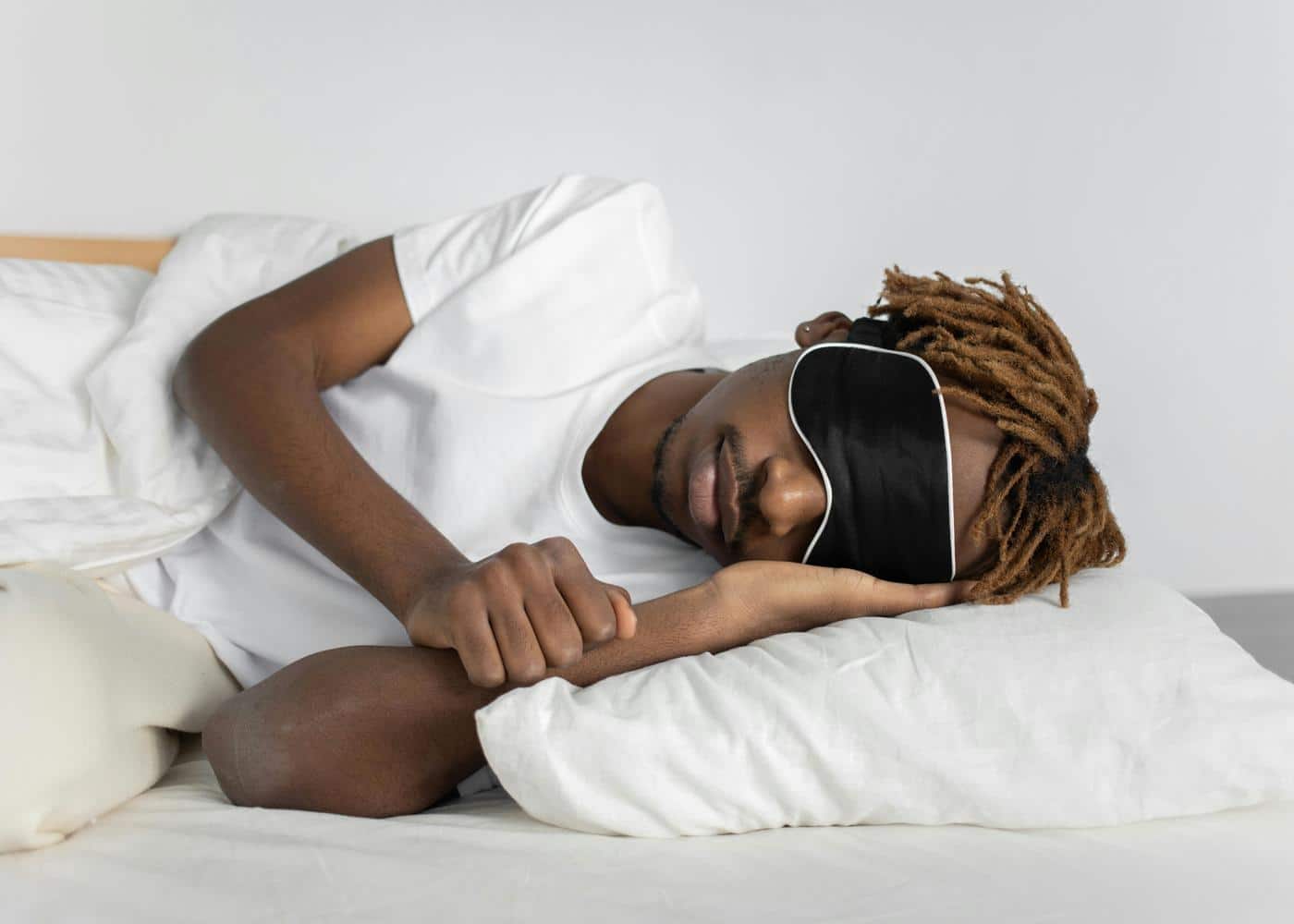
Blackout curtains or a high-quality silk sleep mask create a "cave-like" environment that protects your sleep cycles from external interruptions, ensuring you stay in deep sleep for longer durations.


How to Hack Your Sleep With Neura
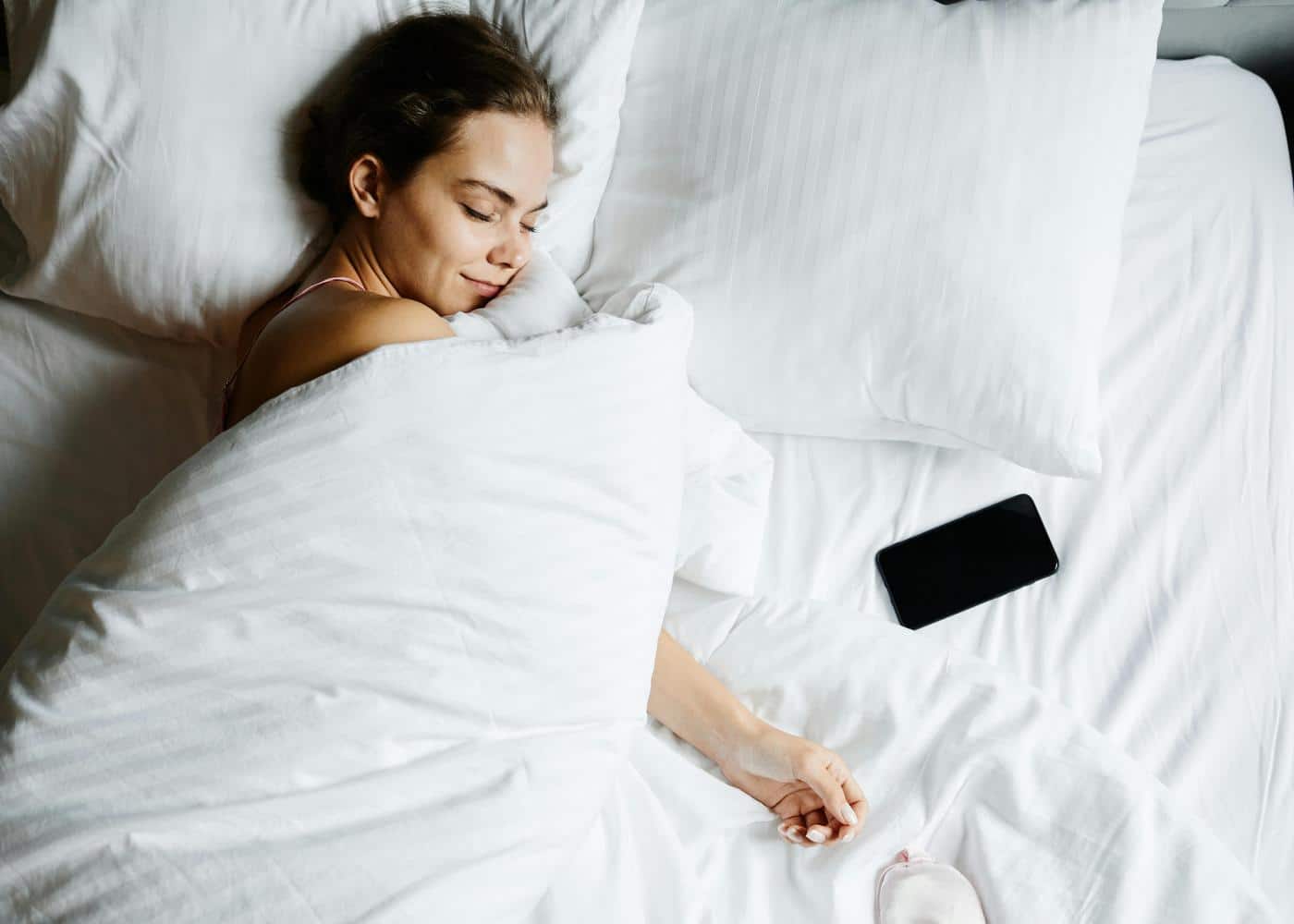
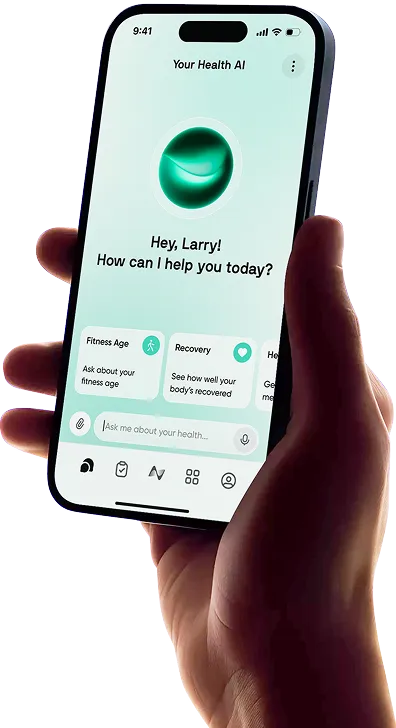
Neura Health functions as a "Health Operating System" (HealthOS) that unifies your fragmented health data to provide actionable strategies for rest.
Many people track their sleep through a wearable device, but they lack the context to understand why their "sleep score" fluctuates from night to night. Neura solves this by integrating your sleep metrics alongside your diet, supplements, and activity levels.
When you use Neura, you are not just looking at a static graph of your REM cycles. The platform utilizes PhD-grade AI to analyze how different variables in your life intersect.
For instance, it might notice that your sleep quality deteriorates specifically on days when you take a certain supplement or when your afternoon stress levels are high. By centralizing this data, Neura moves beyond simple tracking and into the realm of proactive coaching.
Interpreting Your Sleep Data
Interpreting sleep data requires more than just knowing how many hours you were in bed. Neura Al analyzes complex signals and correlations between your datasets to offer hyper-personalized guidance.
If your Oura ring shows poor sleep, Neura can cross-reference your food intake from an app like Cronometer to see if a late-night meal was the culprit.
The system provides "Context-Aware Analysis," meaning it doesn't just see a bad night's sleep in a vacuum. It looks at your historical data, current biometrics, and your stated health goals to tell you exactly what to do "right now" to improve.
This might result in an automatically updated Health Plan that reduces your workout intensity for the day or suggests a specific recovery protocol to prevent burnout. Through this "360° Health Sync," users gain a holistic overview that makes the path to better rest clear and measurable.
Best Gadgets for Better Sleep
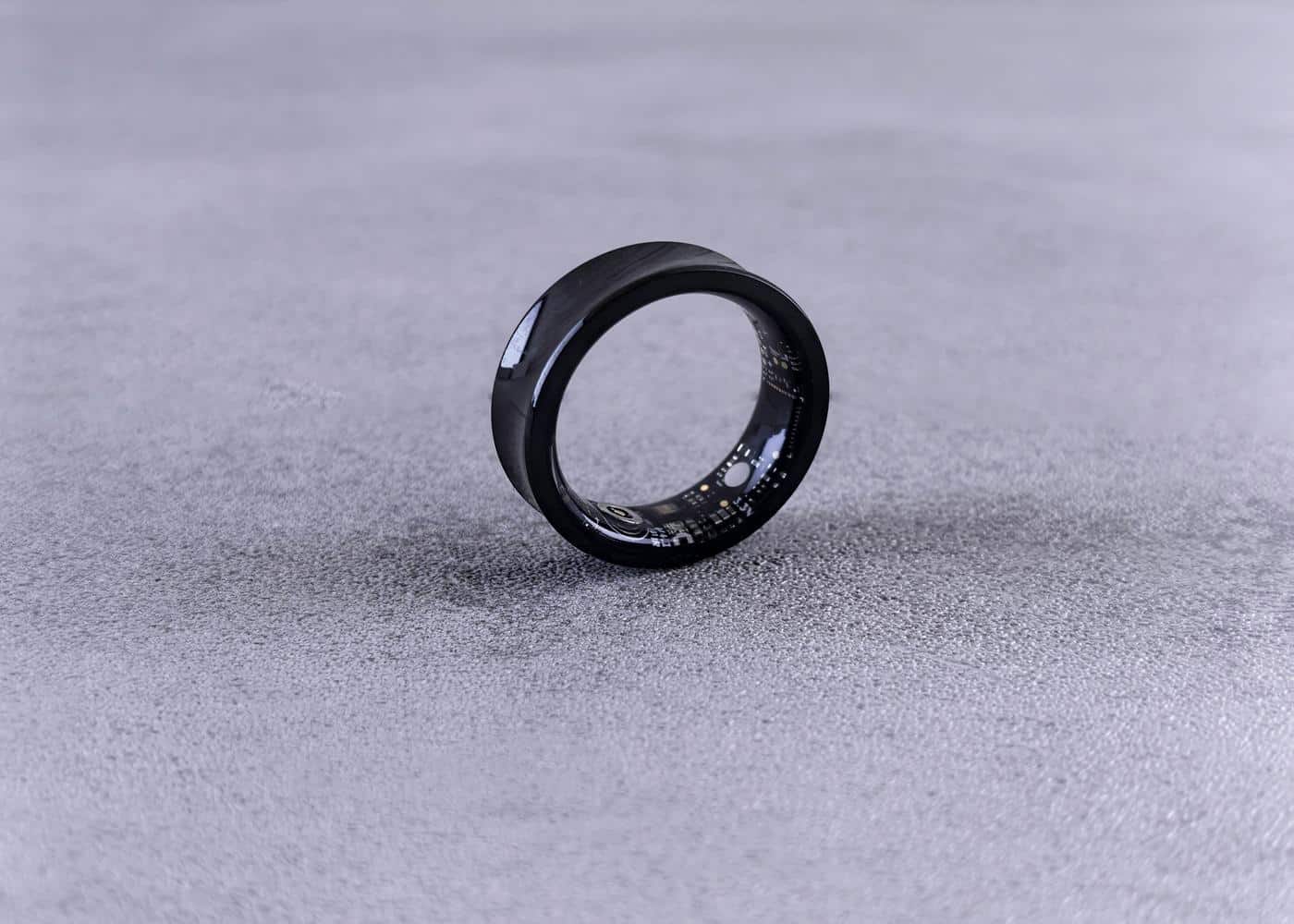
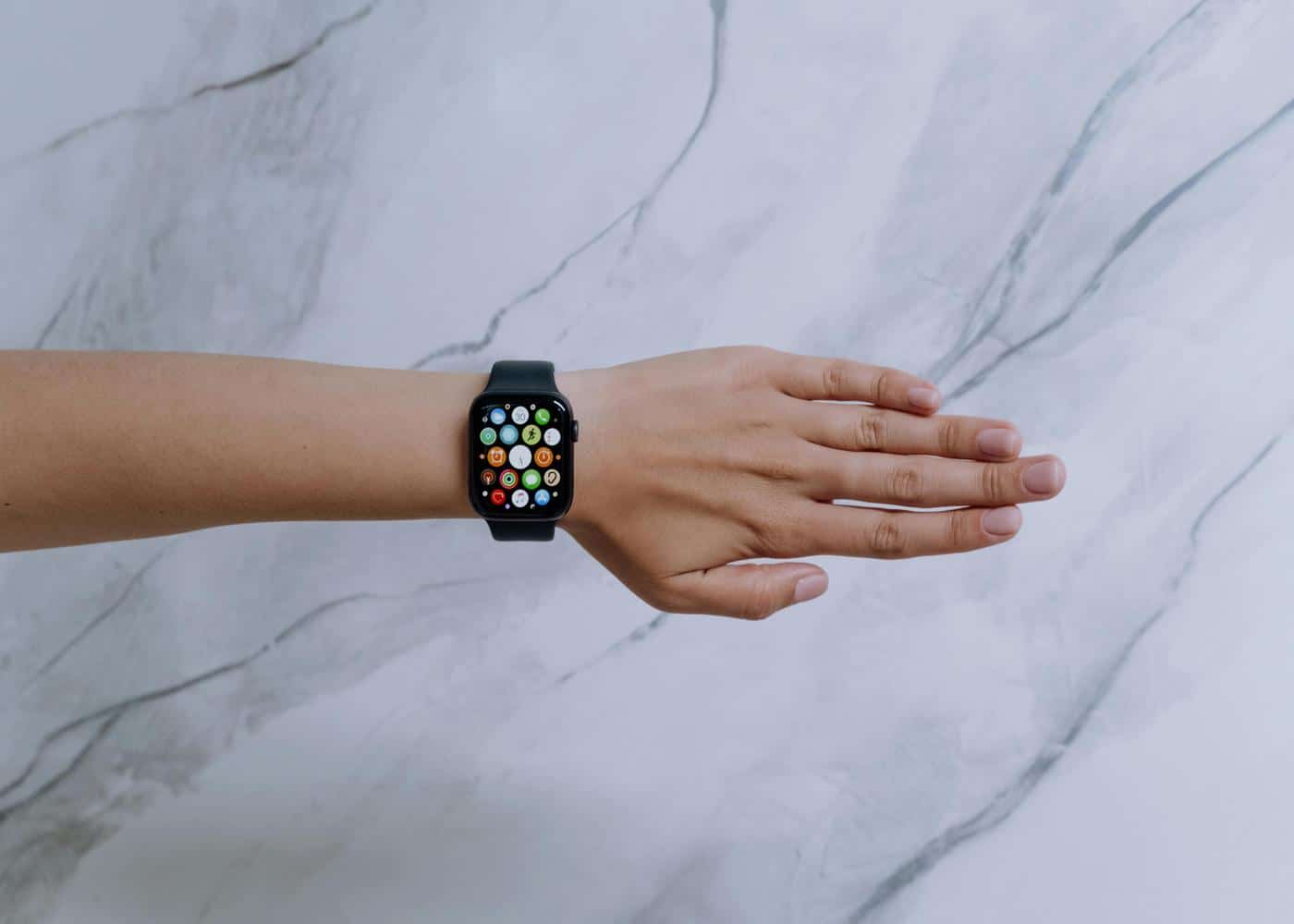
Beyond sleep hacking, there are many gadgets out there now designed to help you get deeper and more restorative rest. Some of the most popular ones include:
1. 8Sleep Pod
The 8Sleep Pod is a high-tech mattress cover that uses water-controlled thermal regulation to adjust the temperature of your bed in real-time. It can track your sleep stages and heart rate variability (HRV) without requiring you to wear a device.
Most importantly, it can cool your side of the bed to the exact degree that facilitates deep sleep, often changing the temperature throughout the night as your body’s needs shift.
2. Oura Ring
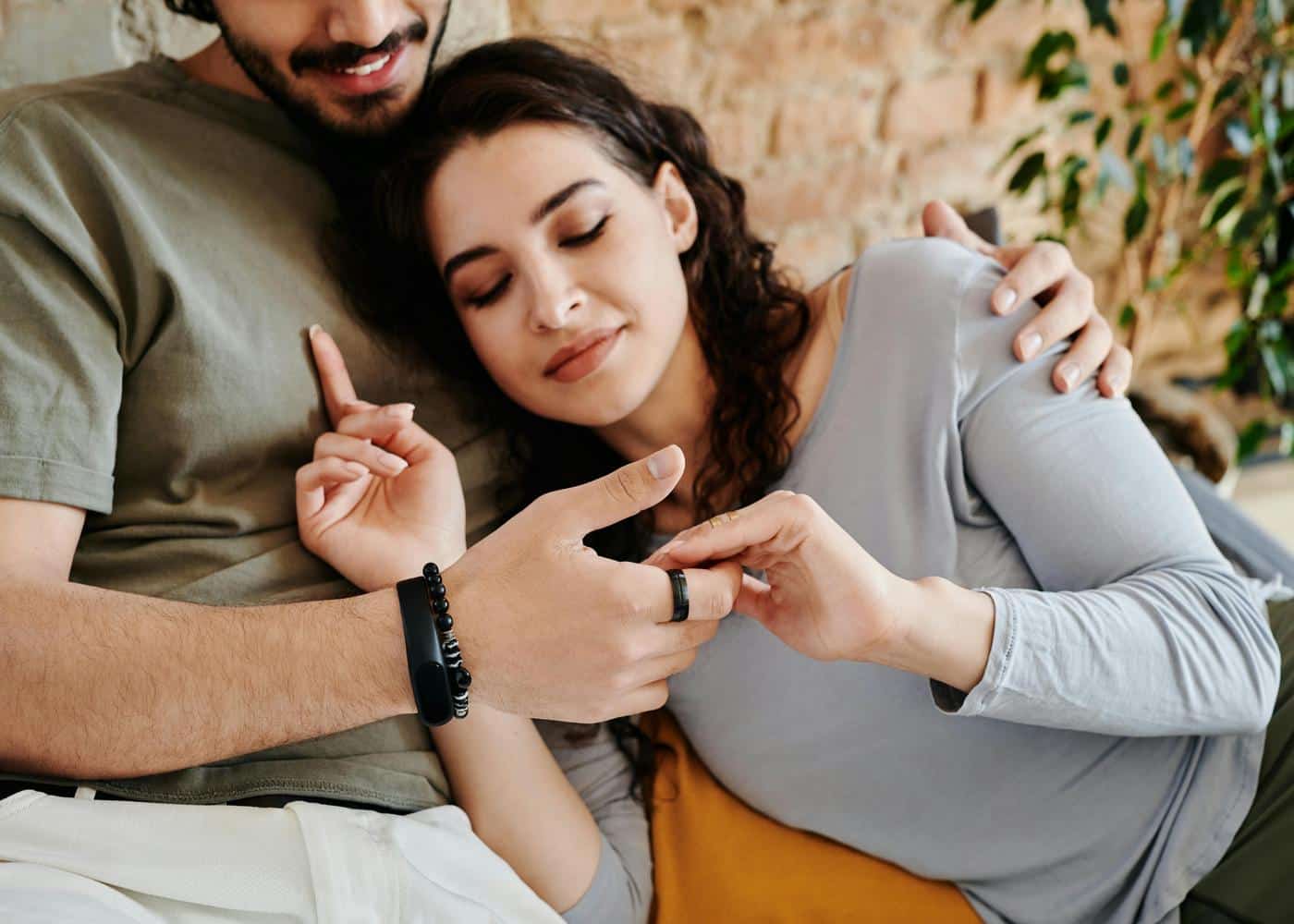
The Oura Ring is one of the most popular wearables for sleep tracking because of its form factor and accuracy. By wearing it on your finger, it can get a clear reading of your pulse and body temperature.
This data is easily integrated into Neura, where the AI can help you understand how your daily movement affects your "Readiness" score the next morning.
3. Hatch Restore 2
This gadget serves as a sunrise alarm clock, bedside light, and sound machine all in one. It helps you maintain a consistent "wind-down" routine by using soft amber light to signal the end of the day and a gradual sunrise simulation to wake you up gently.
By avoiding the jarring noise of a traditional alarm, you prevent a spike in cortisol that can leave you feeling groggy for hours.
4. Continuous Glucose Monitor (CGM)
While often associated with metabolic health, a CGM can be a powerful sleep gadget. Many people suffer from "middle of the night" awakenings due to blood sugar crashes.
By tracking your glucose levels, you can see if your sleep disruptions are tied to what you ate for dinner. Neura can ingest this medical data to provide a comprehensive look at how your nutrition and sleep are inextricably linked.
5. Withings Sleep Analyzer
For those who do not want to wear anything to bed, the Withings Sleep Analyzer is a mat that sits under your mattress. It uses pneumatic sensors to track your heart rate, respiratory rate, and movement. It is particularly effective at detecting sleep apnea symptoms.
Because Neura is hardware-agnostic, you can pull this data into your custom dashboard alongside other metrics to see the "big picture" of your cardiovascular health.
How Good Is Your Sleep? Take the Quiz
Answer the following questions to see how your current habits stack up.
How long does it typically take you to fall asleep?
A. Under 20 minutes B. 20 to 45 minutes C. Over 45 minutesDo you wake up feeling refreshed at least 5 days a week?
A. Yes, usually B. Sometimes C. Rarely or neverHow often do you use a screen (phone/TV) within one hour of bed?
A. Never B. A few times a week C. Every nightDo you consume caffeine after 2:00 PM?
A. Never B. Occasionally C. Every dayIs your bedroom kept at a cool temperature (below 19°C/67°F)?
A. Always B. Sometimes C. I prefer a warm roomHow many times do you wake up during the night?
A. 0 to 1 time B. 2 times C. 3 or more timesDo you have a consistent wake-up time, even on weekends?
A. Yes, within 30 minutes B. It varies by about an hour C. It is completely different on weekendsDo you use a tracking device to monitor your sleep quality?
A. Yes, and I act on the data B. Yes, but I don't know what the data means C. No
Scoring Your Results
How did you score?
Mostly A’s: You are a sleep optimizer. You likely have a strong circadian rhythm and understand the importance of environmental control. To reach the next level, consider using Neura’s "Biohacker" persona tools to fine-tune your deep sleep even further.
Mostly B’s: You have a solid foundation but some "leaky" habits. Implementing a few of our best sleep hacks 20 minutes before bed, like the 4-7-8 breathing method, could significantly improve your sleep onset time.
Mostly C’s: Your sleep hygiene needs a major overhaul. You are likely living in a state of chronic sleep debt. Start by choosing one foundational habit, like morning sunlight or a consistent wake-up time, and use a Neura Health Plan to stay accountable.
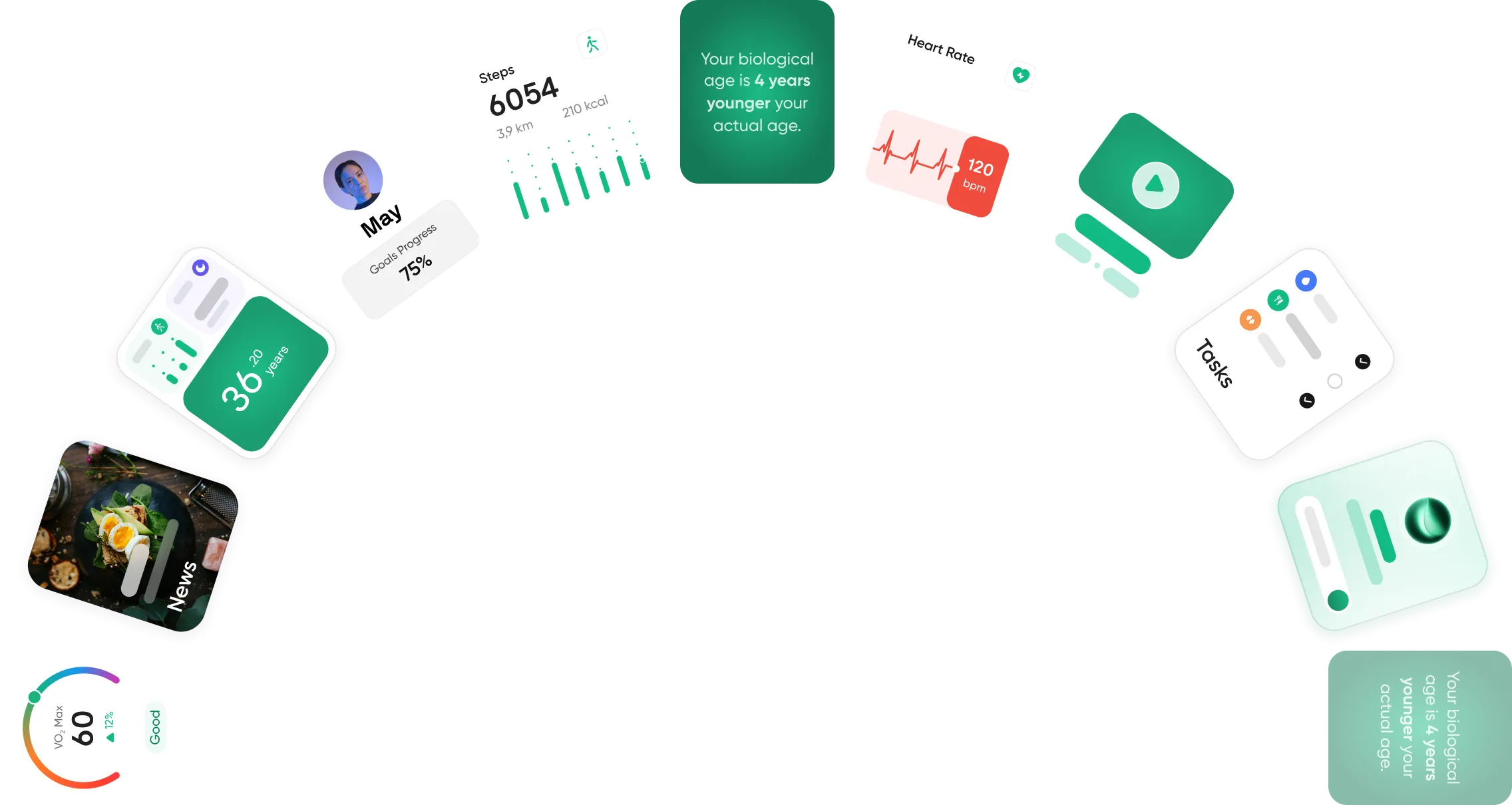
Final Thoughts: Foolproof Sleep Hacks
Achieving perfect rest in a chaotic world is rarely about one single change. It is about the aggregation of small, consistent choices that signal safety and rhythm to your biology. While some people look for a "magic pill," the most bulletproof sleep hacks involve light management, temperature control, and cognitive pacing.
Remember that sleep is dynamic. Some nights will be better than others due to stress, illness, or travel. The goal isn't perfection every night but a high "baseline" of foundational health.
By combining these foolproof sleep hacks with the centralized intelligence of Neura, you can finally stop "trying" to sleep and start allowing your body to do what it was designed to do: rest, recover, and prepare for a better tomorrow.
Article FAQ
What are some useful hacks for better sleep?
Effective sleep hacks prioritize aligning your environment with biological needs by maintaining a cool room temperature, seeking morning sunlight to anchor circadian rhythms, and following a consistent wind-down countdown to eliminate caffeine and blue light. Utilizing a centralized "Health Operating System" can further help identify exactly which lifestyle factors are disrupting your rest.
What is the military sleep hack?
The military sleep hack is a systematic relaxation technique where you consciously relax every muscle group from your face down to your feet while clearing your mind to induce sleep in under two minutes. You can monitor the effectiveness of these techniques by tracking real-time biometric changes and recovery scores via integrated health platforms.
What relaxation techniques help with sleep?
Evidence-based techniques such as Progressive Muscle Relaxation, 4-7-8 breathing, and cognitive shuffling lower the heart rate and prepare the brain for rest. Advanced AI systems can further enhance these methods by suggesting specific recovery protocols based on your stress monitoring and heart rate variability (HRV) data.
How can data analysis improve sleep quality?
Data analysis improves sleep by interpreting complex signals and correlations between your diet, medication, and sleep efficiency. This allows you to identify specific triggers, such as a new supplement causing poor sleep quality, and receive tailored guidance to correct the issue.
Can technology actually help me sleep better?
Technology assists sleep when it moves beyond passive tracking into an "Action Layer" that turns data into strategy. By integrating metrics from multiple devices, systems can generate dynamic health plans that adjust milestones based on how well your body actually recovered the previous night.
What is a "HealthOS" and how does it help with insomnia?
A Health Operating System is a horizontal layer that unifies disparate hardware and software into a single interface. For those with insomnia, this provides a centralized view that combines historical health foundations with real-time biometrics to create a personalized protocol designed to fix chronic sleep issues.