Personalized Sleep Training Plans for Better Rest With Neura AI
Sleep
Key Findings
The current "sleep recession" is driven by a lack of strategy rather than a lack of effort. Neura AI redefines rest as a trainable skill, replacing generic advice with dynamic sleep training plans. By synthesizing real-time data from your existing wearables, the system adjusts your daily recommendations via "Adaptive Milestones." This ensures that your recovery protocol evolves continually with your lived reality, turning fragmented metrics into a cohesive path toward deep, restorative sleep.
We are currently living through a global sleep recession. Despite the explosion of health tracking technology, smart mattresses, and an endless stream of wellness advice on social media, the average quality of human rest continues to decline.
We have all experienced the frustration of lying awake at 3 AM, staring at the ceiling, wondering why the "eight hours" rule feels so impossible to achieve.
We try to force sleep, but the harder we try, the further away it pushes us, creating a feedback loop of anxiety and wakefulness that ruins the next day.
The problem is rarely a lack of effort. It is almost always a lack of strategy. Sleep is not a switch you simply flip at the end of the day. It is a complex biological process, a recovery state that requires specific physiological conditions to occur.
Treating it as a passive event that just happens to you is a recipe for insomnia.
Neura Health approaches this problem differently. We view sleep as an active skill that can be trained and optimized. By moving far beyond generic advice like "drink chamomile tea" or "count sheep," Neura acts as a sophisticated sleep training plan.
We use real-time biometric data collected from your existing apps and wearables to construct a personalized roadmap for rest, turning the abstract concept of "good sleep" into a series of actionable, data-driven steps tailored to your unique biology.
What is a Sleep Plan?
A sleep plan is a structured, comprehensive protocol designed to stabilize your circadian rhythm and optimize your sleep architecture.
To understand why you need one, you must first understand that your body does not operate on a 24-hour clock just because your watch does.
Your internal biological clock, the circadian rhythm, is governed by a master clock in the brain called the suprachiasmatic nucleus. This system dictates when you feel alert and when you feel tired, largely based on environmental cues like light and temperature.
However, modern life constantly fights against this ancient system. Artificial lights, erratic work schedules, late-night meals, and high-stress environments send conflicting signals to your brain.
A sleep plan seeks to be the countermeasure. It is not just a vague bedtime. It is a holistic strategy that accounts for your entire 24-hour cycle. It recognizes that the coffee you drank at 2 PM, the sunlight you viewed at 8 AM, and the workout you skipped at 5 PM directly influence your ability to rest at 10 PM.
A true sleep plan manages "sleep pressure" (the buildup of adenosine in the brain that makes you feel tired) and ensures it aligns with your circadian rhythm.
When these two forces sync up, sleep happens effortlessly. When they are out of alignment, you find yourself "tired but wired."
Neura builds a plan to ensure that alignment happens more often.


Essential Sleep Hygiene Standards
Before diving into AI customization and algorithmic adjustments, every effective sleep strategy must be built on a foundation of non-negotiable hygiene standards. These are the physiological levers you can pull to signal to your body that it is time to recover.
Light Control: Your circadian rhythm is governed by light. Exposure to blue-spectrum light (screens) at night suppresses melatonin. A solid plan involves getting bright natural light within 30 minutes of waking and rigorously dimming lights two hours before bed.
Thermal Regulation: Your core body temperature must drop by roughly 2-3°F to initiate sleep. The gold standard for a sleeping environment is typically around 65°F (18°C) to facilitate this heat dump.
Caffeine Management: Caffeine is a potent adenosine blocker with a half-life of 5-6 hours. A strict cut-off time, usually between 12 PM and 2 PM, is essential for preserving deep sleep architecture.
Digestive Timing: Eating a heavy meal right before bed forces your body to focus energy on digestion rather than repair. An effective plan establishes a fasting window of at least 3 hours before sleep.
Psychological Decompression: The brain needs a "buffer zone" to transition from high alertness to rest. Dedicate the hour before bed to low-dopamine activities like reading or stretching to downregulate the nervous system.
Alcohol Awareness: Alcohol is a sedative, not a sleep inducer. While it may speed up sleep onset, it severely fragments restorative sleep later in the night. High-performance plans limit intake before bed.
Consistency: The body craves predictability. Going to bed and waking up at the same time seven days a week prevents "social jetlag" and keeps your master clock firmly anchored.
How Neura Builds a Personalized Sleep Plan
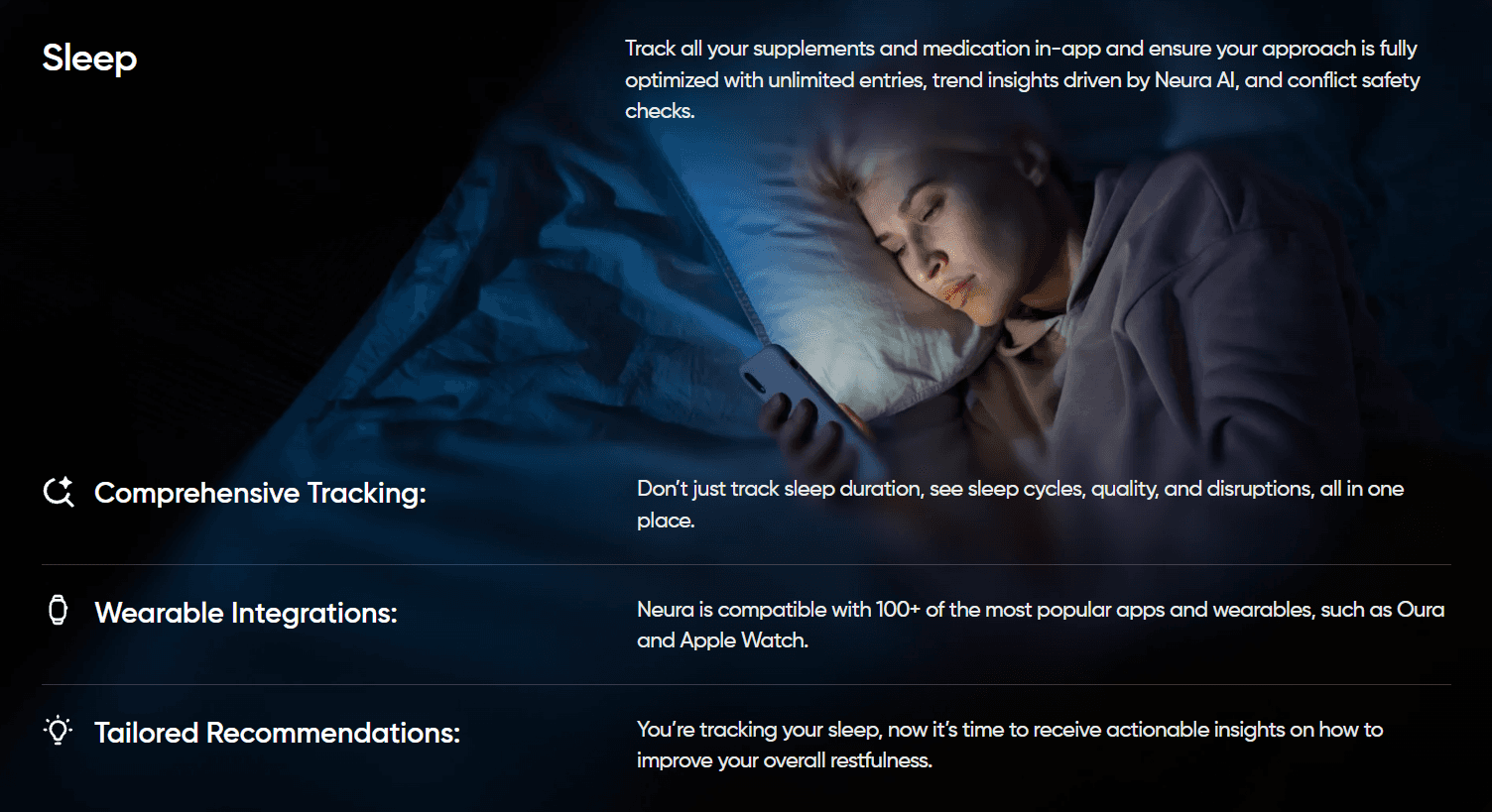
Generic rules are a good starting point, but they are insufficient because they do not account for your specific biology. Neura transforms these basic scientific principles into a dynamic sleep assistance app that adapts to your life in real-time.
All Your Health Data in One Place
The core problem with most sleep solutions is data silos. Your sleep data lives in one app, your nutrition in another, and your workouts in a third.
Neura solves this with the 360° Health Sync. We pull data from all the devices you already own, Oura, Garmin, Apple Watch, you name it, and consolidate it all in one place.
Neura does not look at sleep in isolation. It correlates your sleep metrics with your daily activity, nutrition, and stress levels to understand context.
Neura sees that a deviation in your sleep score is not random but correlated with the late-night run you did or the elevated stress readings you had during the workday.
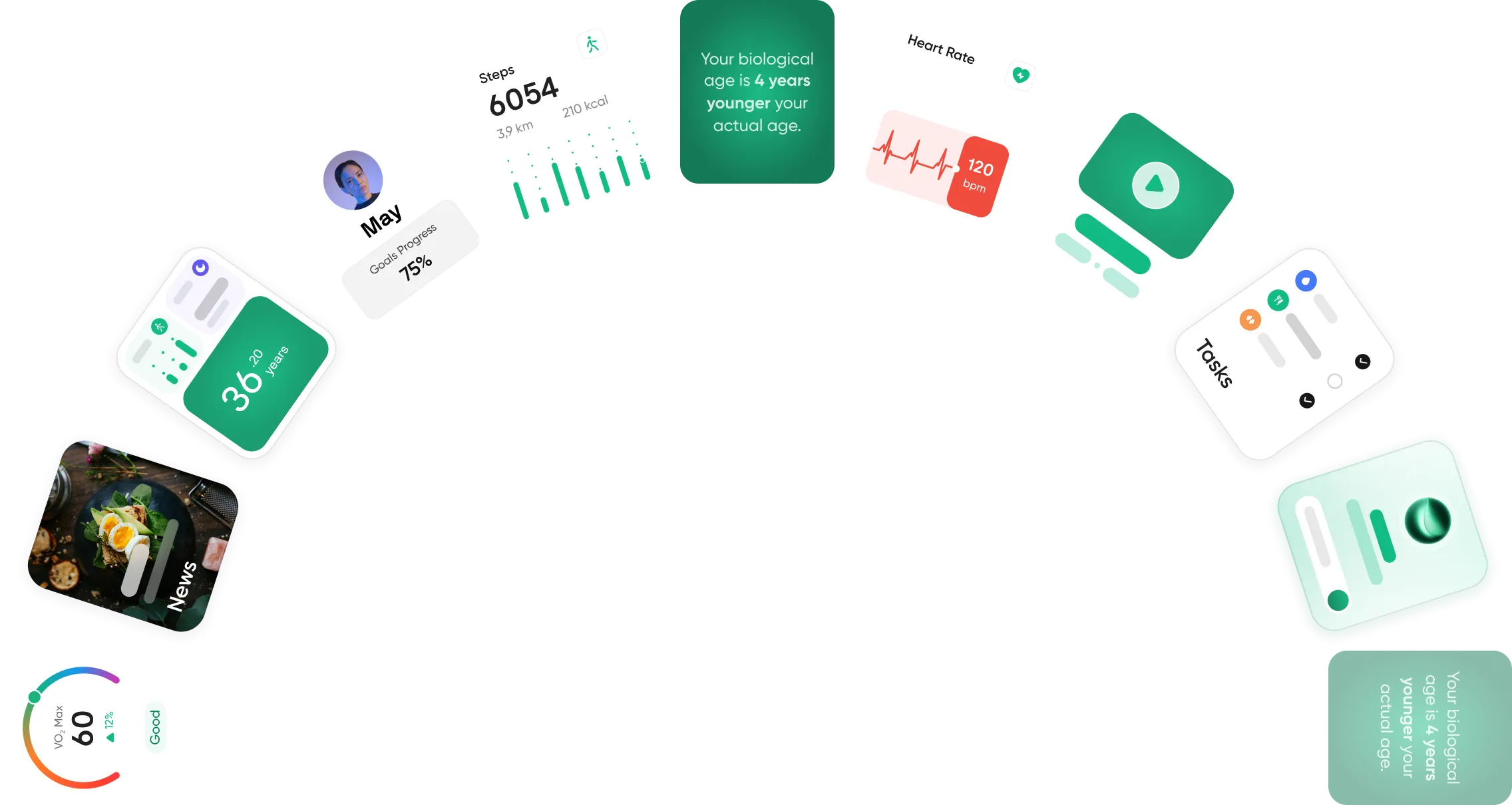
By aggregating this data into a single "HealthOS," Neura builds a comprehensive picture of your physiological state, moving beyond simple tracking to deep, correlative analysis.
Dynamic & Actionable Plans
A static PDF cannot help you when life gets chaotic. Neura's plans are living protocols, and we use a feature called "Adaptive Milestones" to change your plans based on reality.
For example, if your wearable detects that you had a restless night with low REM scores, Neura can automatically update your plan for the day.
Your Neura coach might suggest a "Non-Sleep Deep Rest" (NSDR) protocol for the afternoon to recover lost energy. Or, it might advise you to skip a planned high-intensity interval training (HIIT) session in favor of a restorative walk to prevent overtraining.
This dynamic adjustment is what separates Neura from other static sleep plans. It creates a feedback loop where your nightly recovery dictates your daily exertion, and your daily exertion sets you up for nightly recovery.
If you are looking for the best mobile apps for personalized sleep improvement, this ability to adapt to bad days is the most critical feature to seek out.
Your Own Sleep Coach at the Ready
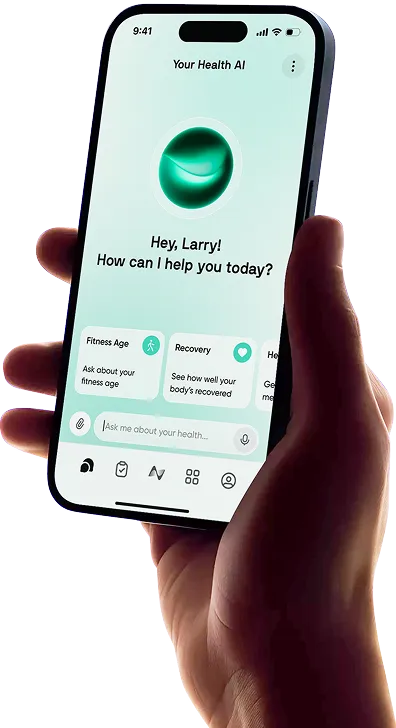
Neura is built around an always-available AI agent that acts as a dedicated sleep coach, powered by Neura's Contextual learning, meaning it has access to your specific data and history.
This means you can ask Neura precise, data-backed questions. You might ask, "Why is my HRV so low this morning?" The Agent can analyze your data and reply, "Your HRV is down 15% compared to your baseline. This correlates with the late dinner you logged last night at 9 PM and the higher ambient temperature in your bedroom."
You can also ask for real-time guidance: "I can't fall asleep, what should I do?" The Agent can guide you through a specific breathing exercise or a progressive muscle relaxation technique tailored to lower your current heart rate.
More Sleep Assistance Equipment
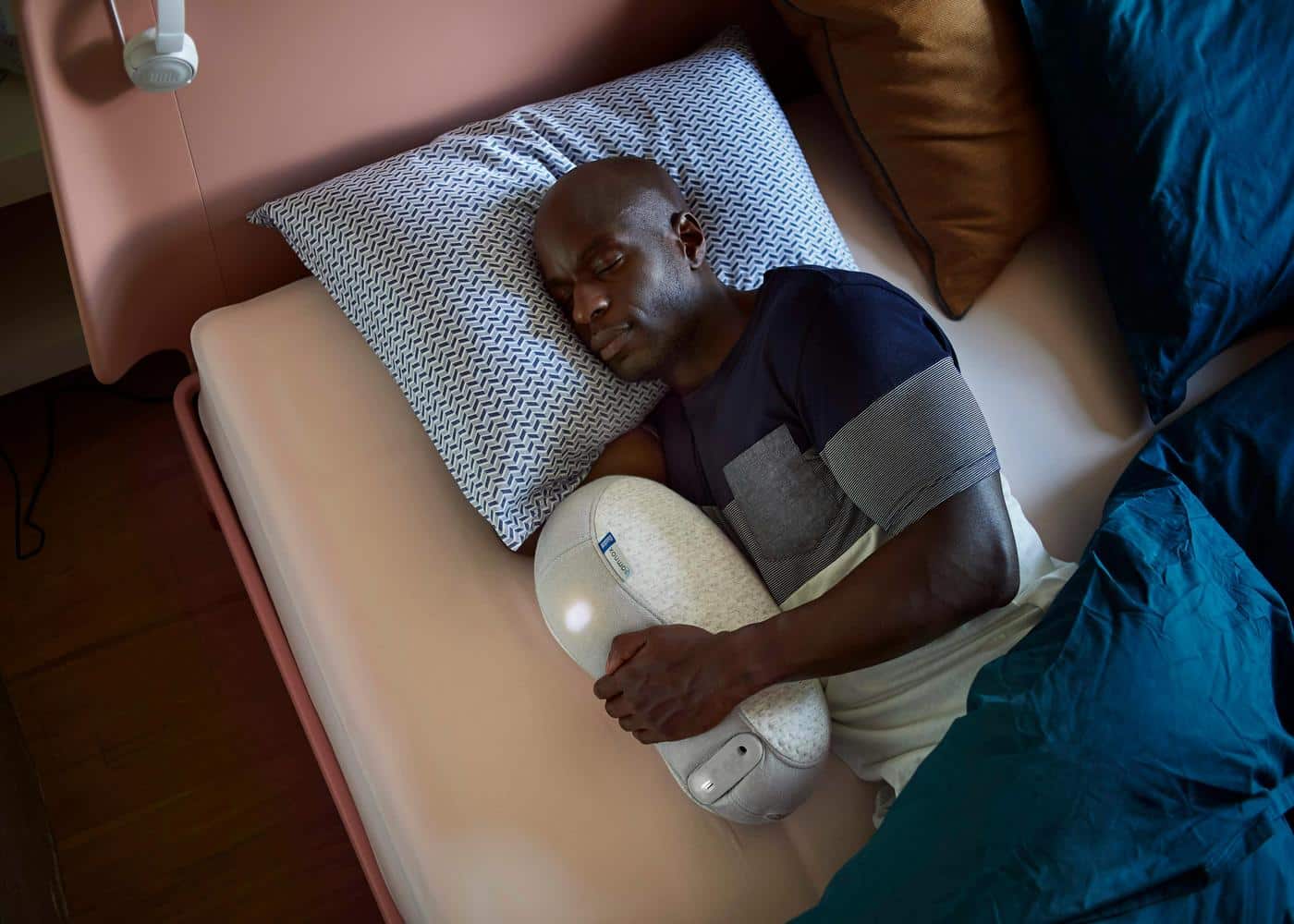
While software provides the strategy and the intelligence, the right hardware creates the physical environment necessary for deep rest. Here are some of the categories that yield the highest return on investment for your sleep hygiene.
Smart Lighting Systems
Controlling the light environment is critical. Smart bulbs allow you to automate your circadian inputs. You can program them to mimic the sun: bright, blue-white light in the morning to wake you up, fading to warm, amber, and red tones in the evening.
This automation removes the power required to dim the lights. Your home simply becomes "sleepy" at 8 PM, naturally triggering melatonin production without you having to touch a switch.
Temperature Controlled Mattress Covers
Since thermal regulation is a key trigger for sleep, devices that actively manage bed temperature are game-changers.
Systems like the Eight Sleep Pod use water to cool or heat your mattress. They can be programmed to drop the temperature significantly when you fall asleep to facilitate deep sleep, and then warm up slightly in the morning to wake you up gently.
This precise thermal control is often the missing link for people who "run hot" and wake up sweating.
Weighted Blankets
Anxiety is a major sleep thief. Weighted blankets use a mechanism called Deep Pressure Stimulation.
The distributed weight provides a physical sensation similar to a hug or being swaddled. This proprioceptive input creates a sense of safety and grounding, which can stimulate the release of serotonin and reduce cortisol levels.
For those who struggle with a "racing mind" or physical restlessness in bed, a weighted blanket can be a simple, non-pharmaceutical tool to induce calm.
White, Pink, and Brown Noise Machines
For light sleepers, silence can actually be a problem. In a dead-silent room, a sudden noise like a car door slamming causes a starting spike in decibels that jolts the brain awake.
A sound machine creates a consistent "sound floor." It is important to understand the colors of noise.
White noise is equal energy per frequency (like static). Pink noise is deeper (like rain). Brown noise is even lower frequency (like a waterfall).
These constant sounds mask environmental interruptions, smoothing out the auditory landscape so your brain can stay in deep sleep.
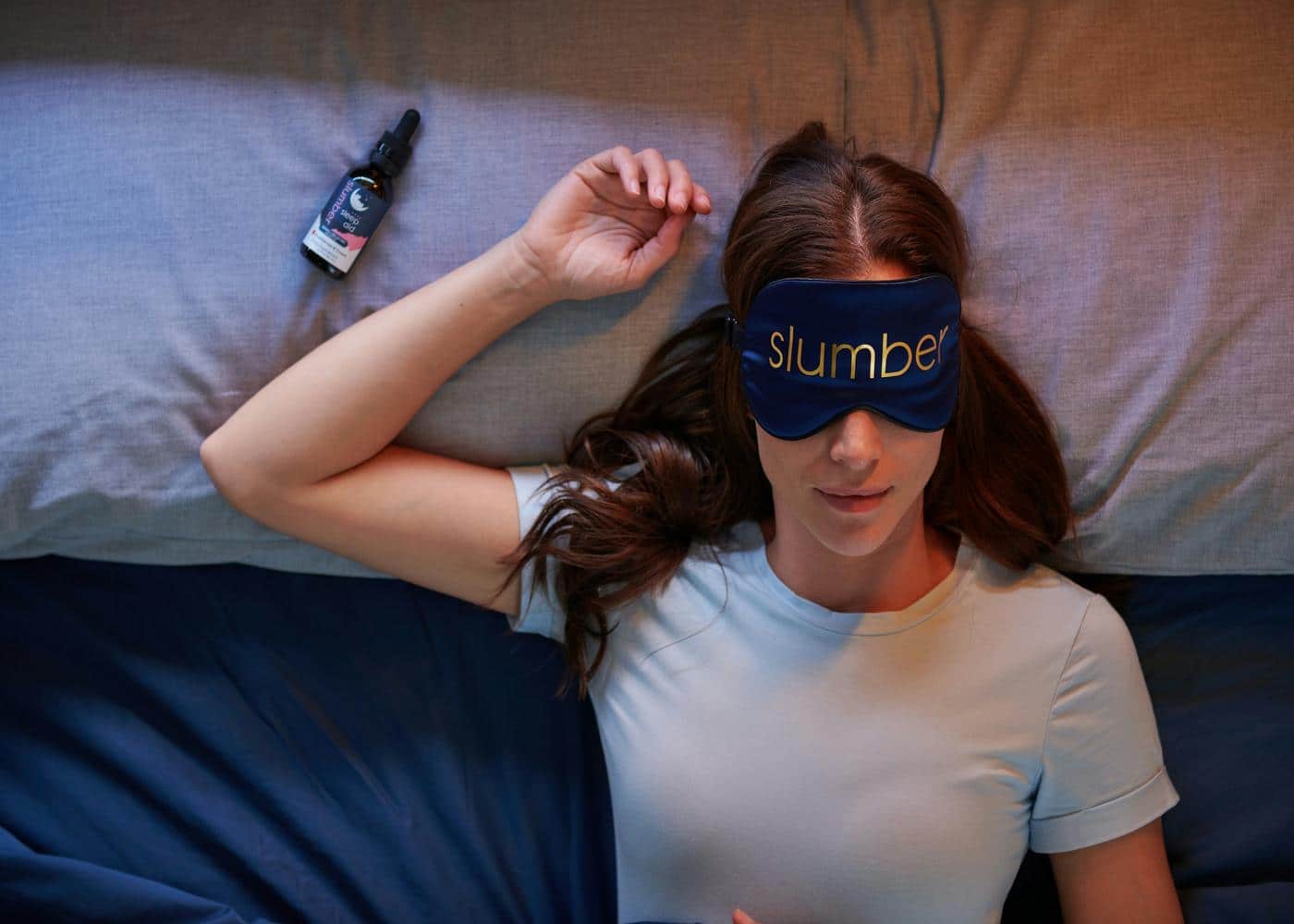
Smart Sleep Masks
If you cannot blackout your room completely with curtains, a sleep mask is mandatory. However, modern "smart" masks go further.
They offer complete blackout conditions but also include features like gentle massage and warming vibrations.
These physical sensations can help relax tension around the eyes and temples, signaling to the parasympathetic system that it is safe to shut down the nervous system.
Final Thoughts: Personalized Sleep Plans
Sleep is the foundation of health. It is the lead domino. If you sleep well, your hunger hormones are regulated, your focus improves, your emotional resilience goes up, and your athletic recovery accelerates.
If you sleep poorly, every other aspect of your health suffers. Yet, it is often the first thing we sacrifice and the last thing we optimize.
By combining the right tools with the right physical environment, you can stop leaving your recovery to chance. A generic list of tips is no longer enough in a world designed to keep you awake.
Neura Health offers a data-driven path to better rest, turning your fragmented metrics into a cohesive, actionable strategy. It is time to treat sleep with the seriousness it deserves, not as a luxury, but as the ultimate performance enhancer.
Article FAQ
What is a personalized sleep plan?
A personalized sleep plan is a tailored schedule that aligns your daily behaviors, such as caffeine intake, light exposure, and exercise timing, with your biological circadian rhythm to maximize sleep quality and energy levels.
How can I improve my deep sleep naturally?
You can improve deep sleep by maintaining a consistent wake-up time, keeping your bedroom cool (around 65°F), avoiding alcohol before bed, and engaging in regular exercise earlier in the day to build sleep pressure.
What is the 10-3-2-1-0 sleep rule?
This popular method prescribes a countdown for better rest: 10 hours before bed, no caffeine; 3 hours before, no food or alcohol; 2 hours before, no work; 1 hour before, no screens; and 0 times hitting the snooze button in the morning.
Why do I wake up tired after 8 hours of sleep?
Waking up tired often indicates poor sleep quality rather than quantity. Common causes include sleep fragmentation from alcohol, an environment that is too warm, undiagnosed sleep apnea, or waking up during a deep sleep cycle (sleep inertia).
Does blue light really affect sleep?
Yes. Blue light from screens suppresses the production of melatonin, the hormone that signals to your brain that it is time to sleep. Experts recommend avoiding bright screens for at least 60 to 90 minutes before bedtime.
How long does it take to fix a sleep schedule?
It typically takes about one day to adjust for every one hour of time change (e.g., recovering from jet lag). However, establishing a brand-new consistent sleep routine generally takes about two to three weeks of strict adherence.