What is Sleep Hygiene and Why Is It So Important?
Sleep

Key Findings
Sleep hygiene refers to the daily habits, routines and environmental factors that shape the quality of your sleep. Improving sleep hygiene strengthens your circadian rhythm, reduces nighttime awakenings and supports deeper, more restorative rest. Consistent routines, morning sunlight, reduced evening stimulation, a comfortable sleep environment and healthy stress management all play major roles. For people with sleep apnea, optimised sleep hygiene can significantly improve therapy comfort and breathing stability.
If you regularly struggle to fall asleep, wake up feeling tired or deal with restless nights, the problem may not be your sleep itself. It may be your routines, your environment or subtle daily choices quietly shaping your sleep quality from the moment you wake up.
Good sleep hygiene is one of the simplest, most effective ways to improve sleep without medication. It helps regulate your circadian rhythm, stabilises hormones, enhances recovery and rebuilds a sense of calm around bedtime.
Understanding how it works is the first step toward making sleep something your body naturally slips into rather than a nightly battle.
What Is Sleep Hygiene?

Sleep hygiene refers to the collection of habits, behaviours and environmental conditions that support high-quality sleep.
While sleep hygiene looks different for every person, the goal is always the same: establish routines that allow your body to transition smoothly from alertness into rest.
Poor sleep hygiene, on the other hand, disrupts this process and often leads to difficulty falling asleep, early-morning waking, non-restorative sleep, or inconsistent energy levels throughout the day.
Good sleep does not just happen. It is built through intentional behaviours repeated consistently.
Why Is Sleep Hygiene Important?
Healthy sleep is the foundation of cognitive performance, hormone balance, emotional stability, and physical recovery. Your immune system, metabolism, cardiovascular health and memory depend heavily on consistent, high-quality rest.
Sleep hygiene matters because it determines whether your body is biologically primed for sleep or fighting against it.
Good sleep hygiene is important for three key reasons:
Strengthens your circadian rhythm.
Your sleep-wake cycle is regulated by an internal clock that relies on predictability. Regular routines help stabilise melatonin release, body temperature, digestive rhythms, and alertness levels.Improves sleep depth and efficiency.
Better habits help you enter deep sleep more easily, maintain it for longer and experience fewer nighttime awakenings.Reduces stress and anxiety around sleep.
Many people develop tension around bedtime without realising it. Structured routines create a calming pathway that reassures the brain.
Sleep hygiene is powerful because it influences all stages of sleep, not just the moment you close your eyes.


How to Improve Sleep Hygiene

Below are 10 highly effective sleep hygiene recommendations, each explained in detail so you understand not only what to do but also why it works.
These suggestions are not meant to be followed perfectly. Instead, think of this section as your personalised sleep hygiene checklist, where you can choose the habits that make the biggest difference for your lifestyle.
1. Expose Yourself to Morning Sunlight
One of the strongest signals your brain receives all day is the light you see in the morning. Natural sunlight suppresses melatonin, boosts cortisol to healthy daytime levels, and resets your circadian rhythm so your body knows exactly when to prepare for sleep later.
Even 5 to 10 minutes outside shortly after waking can improve sleep timing and energy throughout the day. If sunlight is limited, sitting near a bright window still helps. This sets the tone for every hormonal shift that follows.
2. Maintain a Consistent Sleep and Wake Schedule
Your body thrives on rhythm. Sleeping at different hours each day can confuse your biological clock and disrupt melatonin release. A consistent bedtime and wake time is one of the fastest ways to improve sleep hygiene because it trains your brain to anticipate sleep automatically.
Try to keep wake time steady, even on weekends. A predictable rhythm builds stronger, deeper sleep over time.
3. Create a Bedtime Routine That Signals Wind-Down
Your brain cannot transition from stimulation to sleep instantly. A wind-down routine creates a bridge between the day and night, helping your nervous system shift from active to restful mode.
This can include journaling, reading, stretching, light yoga, a warm shower, dimming lights or calming music. The routine does not need to be long. What matters is consistency. Over time, your body begins to associate these activities with preparing for rest.
4. Limit Screen Exposure in the Evening
Screens emit bright blue light that signals your brain to stay awake. Even when using night mode, scrolling keeps your mind stimulated, reactive and alert. Reducing screen use at least one hour before bed helps melatonin rise naturally.
If screens cannot be avoided, keep brightness low, use warmer tones and avoid stimulating content. Your brain interprets emotional arousal and cognitive effort as reasons to stay awake.
5. Avoid Caffeine Late in the Day
Caffeine has a long half-life, meaning it can stay in your system for hours. Even an afternoon coffee can subtly interfere with sleep depth, making sleep lighter and less restorative.
If you often feel tired in the late afternoon, you may be experiencing a natural dip in alertness rather than a true need for caffeine. A short walk, hydration or a brief break often helps more than another cup.
6. Be Mindful of Alcohol in the Evening
Alcohol may help you fall asleep faster, but it disrupts sleep architecture. It reduces REM sleep, fragments deep sleep and increases nighttime awakenings. Even moderate consumption, especially late at night, can impact sleep quality.
Reducing alcohol on weekdays or limiting it to earlier in the evening helps preserve natural sleep cycles.
7. Make Your Bedroom Cool, Dark and Quiet
Your brain associates specific environments with specific behaviours. A bedroom designed for rest helps reduce mental stimulation and supports deep sleep.
Cool temperatures, blackout curtains and minimal noise help your body relax. If noise cannot be controlled, white noise machines or earplugs can create a steady environment for uninterrupted sleep.
8. Keep the Bed for Sleep Only
If you use your bed for work, scrolling, eating or long conversations, your brain begins to associate the space with activity rather than rest. Reserving your bed exclusively for sleep and intimacy builds a clear mental link that helps your body switch off more easily.
This single habit can significantly improve chronic insomnia.
9. Watch Your Eating Window
Heavy meals late at night force your digestive system to work when it should be winding down. This raises body temperature, affects comfort and interferes with melatonin release. Lighter evening meals and an earlier eating window help support natural circadian alignment.
10. Build a Calming Mindset Around Sleep
Worrying about sleep often makes sleep worse. Many people develop anxiety around bedtime after a few restless nights.
Cognitive practices such as yoga Nidra, relaxation techniques, guided breathing or body scanning help calm the mind. Gentle self-talk like “Rest is enough, sleep will come” reduces pressure and allows the brain to slip naturally into sleep.
How Neura Helps You Build Better Sleep Hygiene Habits

Improving sleep hygiene isn’t just about following a checklist of tips; it’s about understanding your personal patterns and creating habits that fit naturally into your life.
That’s where Neura makes the process easier, more intuitive, and far more effective.
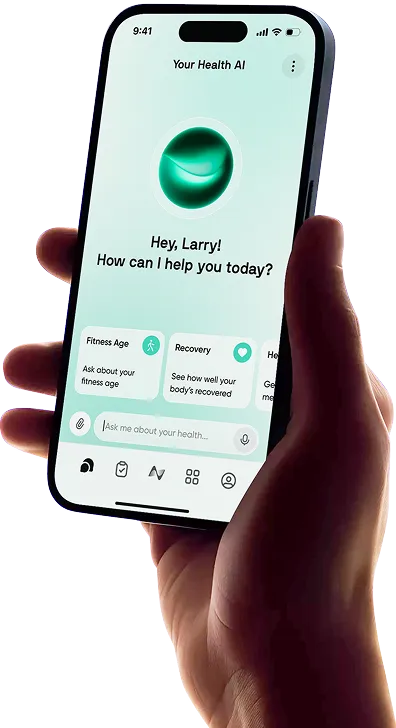
Instead of guessing which routines might work for you, Neura analyzes the sleep and lifestyle data you already track through wearables and apps.
By looking at your bedtime patterns, activity levels, stress signals, and even daily habits like meal timing, Neura helps you identify what actually influences your sleep, for better or worse.
This level of insight allows you to move beyond generic advice and toward changes that feel relevant and achievable.
Neura also adapts with you over time. Sleep hygiene isn’t static; it shifts with your schedule, health, and stress load. When something in your routine changes, Neura adjusts its recommendations accordingly, helping you stay consistent even when life isn’t. You’re supported with clear, practical guidance designed to fit into your day rather than disrupt it.
With data-informed suggestions, gentle course corrections, and a focus on long-term improvement, Neura empowers you to build a sleep routine that supports the kind of rest you need, night after night.



Proper Sleep Hygiene for Sleep Apnea

Effective sleep hygiene for sleep apnea is not just about improving sleep quality. It is about helping maintain open airways, stabilising breathing rhythms and making nighttime therapy more comfortable and consistent.
Prioritise Therapy Consistency
The most important aspect of sleep hygiene for sleep apnea is keeping therapy consistent. Whether you use CPAP, APAP, BiPAP or an oral appliance, the benefits come from nightly use.
Skipping therapy, even occasionally, often worsens daytime fatigue, blood pressure and cognitive function.
Many people find therapy more tolerable when they give themselves a 10 to 15 minute “adjustment window” before bed to put on the mask, settle into position, and breathe slowly until pressure stabilises.
Consistency teaches your body to trust the process and reduces mask-related anxiety over time.
Optimise Your Mask Fit and Equipment Setup
Mask issues are one of the most common reasons sleep apnea patients sleep poorly. Leaks, facial irritation, pressure marks and noise can all fragment sleep.
Good sleep hygiene means checking the mask before bed rather than troubleshooting at midnight.
Adjust the straps while sitting upright, ensure the seal is clean and dry and replace any worn cushions. People with beards may need a different style, such as a nasal pillow system, while mouth breathers may benefit from a full-face mask.
A proper fit reduces awakenings, improves sleep depth and increases oxygen stability overnight.
Use a Humidifier to Reduce Airway Dryness
Dryness is a major barrier to good sleep for apnea patients. Pressurised air can irritate nasal passages and cause congestion, mouth breathing and sore throats.
A heated humidifier, or even a room humidifier, keeps airways moist and more comfortable. When airways remain open and lubricated, breathing becomes easier, nasal irritation decreases and mask leaks often improve.
This single change significantly improves therapy adherence for many people.
Choose Sleep Positions That Support Open Airways
Back sleeping tends to worsen airway collapse. For many people, sleeping on their side dramatically reduces apnea severity and improves oxygen saturation..
Using a body pillow, foam wedge or positional sleep device can make side sleeping more comfortable and sustainable throughout the night.
Maintain a Structured Sleep Schedule to Reduce Apnea “Clusters”
Irregular bedtimes increase the likelihood of apnea occurring in concentrated clusters, especially during REM sleep. REM is the stage where muscles relax most deeply, which means untreated apnea tends to worsen there.
A consistent schedule helps regulate REM timing, making apnea patterns more predictable and easier to manage. People with apnea often report fewer nighttime awakenings and fewer “breathing jolts” when their sleep-wake rhythm stabilises.
Prepare Mentally for Sleep to Reduce CPAP Anxiety
Many people with apnea experience anxiety at bedtime because they associate sleep with discomfort, air pressure or past experiences of waking up gasping. This anxiety alone can worsen insomnia, which, in turn, worsens sleep fragmentation.
Using a brief wind-down routine, relaxed breathing or quiet reading before bed helps reduce mask-related tension. A calmer nervous system makes therapy feel less intrusive and sleep more restorative.

Final Thoughts: Why You Should Care About Sleep Hygiene
Sleep hygiene is one of the simplest yet most transformative changes you can make for your health. It affects mood, energy, metabolism, immunity and long-term wellbeing.
When your routines support your biological rhythms, sleep becomes more predictable, deeper and easier to maintain. Whether you deal with insomnia, stress, sleep apnea or general restlessness, strengthening your sleep habits provides a foundation for long-lasting improvement.
Small changes compound over time. Even one or two new habits can improve how you feel each morning. By treating sleep as a daily practice rather than a nightly challenge, you give your body the environment it needs to repair, restore and naturally regulate itself.
Article FAQ
How can I improve my sleep hygiene?
You can improve sleep hygiene by building predictable routines that support your natural circadian rhythm. Start with morning sunlight exposure, a consistent sleep schedule, a calming wind-down routine, reduced evening screen time and a cool, dark bedroom. Small changes, such as limiting caffeine after midday and avoiding heavy meals late at night also make a meaningful difference.
How do you maintain good sleep hygiene?
The key is consistency. Maintaining good sleep hygiene means repeating the same core habits every day, even on weekends. Keep your wake time steady, protect your evening routine, avoid overstimulation at night and treat your bedroom like a dedicated place for rest. Tools like Neura can help track behaviours, build accountability and strengthen long-term routines.
What does poor sleep hygiene look like?
Poor sleep hygiene often shows up as irregular sleep schedules, late-night screen use, excessive caffeine or alcohol, working in bed, inconsistent bedtime routines or a sleep environment that is too warm, loud or bright. These habits confuse the brain’s sleep-wake signals and make it harder to fall asleep or stay asleep.
Does stress affect sleep hygiene?
Yes. Stress activates the nervous system and keeps the brain in a state of alertness. Even if you feel physically exhausted, mental tension can delay sleep onset. Incorporating relaxation techniques such as slow breathing, guided imagery or brief meditation can help calm the mind and support healthy sleep patterns.
Can better sleep hygiene fix insomnia?
For many people, improving sleep hygiene significantly reduces insomnia symptoms. It stabilises the circadian rhythm, lowers nighttime anxiety and improves sleep drive. However, if insomnia is chronic or severe, cognitive behavioural therapy for insomnia (CBT-I) may be needed alongside lifestyle changes.
How long does it take for sleep hygiene changes to work?
Some habits improve sleep within days, such as reducing screens or alcohol at night. Others, like shifting your internal clock or improving sleep depth, take one to three weeks of consistency. The more stable your routine, the faster your sleep responds.