Table of Contents

Share this Article

Unlock Your
Smarter Health

Take a 7-day free trial -

pay only if you like it.

Unlock Your
Smarter Health

Take a 7-day free trial -

pay only if you like it.

Unlock Your
Smarter Health

Take a 7-day free trial -

pay only if you like it.

What controls circadian rhythm?

Dec 1, 2025

Dec 1, 2025

Sleep

Sleep

Sleep

9 minutes reading time

9 min read time

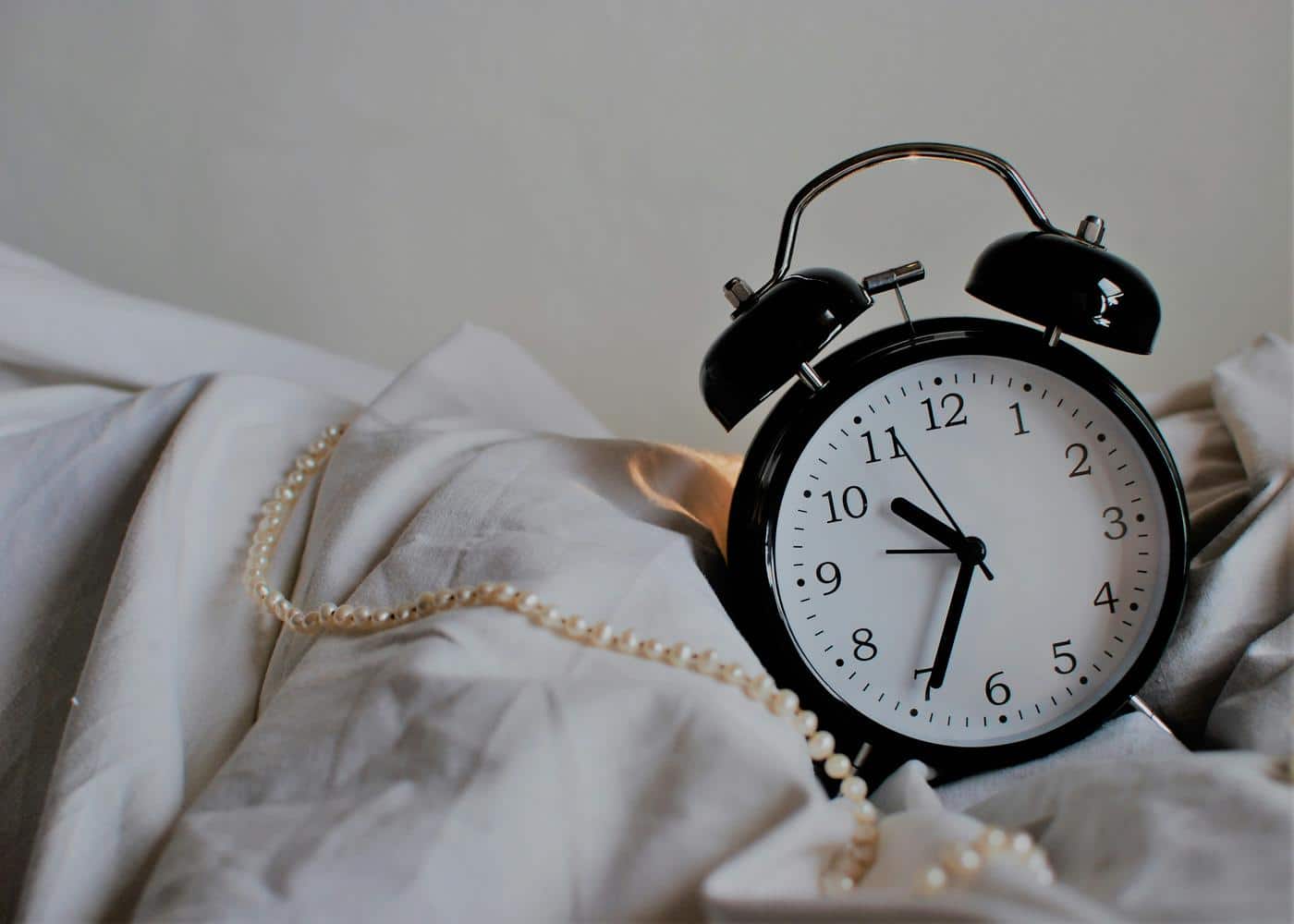
Circadian rhythm - picture of an alarm clock on a bed

Key Findings

Circadian rhythm is controlled by an internal body clock located in the brain, influenced by light, hormones, sleep habits, temperature, and daily routines. These signals work together to regulate when you feel awake, sleepy, hungry, or alert.

The Mechanics Behind the Circadian Rhythm

Your circadian rhythm is a natural 24-hour cycle that affects nearly every process in your body. It determines your sleep-wake pattern, your hormone levels, your energy throughout the day, and even how your metabolism functions. 

Understanding what controls your circadian rhythm can help you improve sleep quality, boost daytime performance, and support long-term health.


What Is Circadian Rhythm?

Circadian rhythm is your internal timing system. It helps your body anticipate and prepare for regular changes in the environment. For example, it increases alertness when morning light appears and encourages the production of melatonin when evening darkness arrives.

This rhythm is not only about sleep. It also influences:

  • Mood

  • Digestion

  • Heart rate

  • Body temperature

  • Hormone release

  • Immune function

When your circadian rhythm is aligned, your body functions smoothly. When it is disrupted, you may feel tired, unfocused, or irritable, and health issues can develop over time.

The Master Clock: The Suprachiasmatic Nucleus (SCN)

At the centre of circadian rhythm control is a tiny region in the brain called the suprachiasmatic nucleus, located in the hypothalamus. This structure contains around 20,000 neurons that function as the body’s master clock.

The SCN receives information directly from the eyes. When light enters the retina, signals travel to the SCN to indicate whether it is daytime or nighttime. The SCN then sends messages throughout the body to coordinate rhythms in different organs, ensuring that processes such as digestion, hormone release, and sleep follow a predictable schedule.

If the SCN is not receiving clear signals, the rhythm becomes disrupted, which can lead to difficulty sleeping, changes in appetite, and impaired concentration.


Light: The Strongest External Controller

Light is the most powerful environmental cue for circadian rhythm. Exposure to natural light in the morning helps reset the internal clock and promote wakefulness. Bright light suppresses melatonin, the hormone that makes you sleepy, signalling that it is time to be alert.


Morning Light

Morning sunlight helps anchor your circadian rhythm and improves mood and energy. Even ten minutes outdoors can be enough to strengthen the wake signal.


Evening Light

Exposure to bright or blue light at night can delay the circadian clock. Screens, overhead lighting, and late-night work can trick the brain into thinking it is still daytime. This makes it harder to fall asleep and reduces sleep quality.

Managing your light environment is one of the simplest ways to support your circadian rhythm.


Hormones That Regulate Circadian Rhythm

Several hormones rise and fall predictably throughout the day. Their timing is tightly controlled by the master clock.


Melatonin

Melatonin is released in the evening when light levels decrease. It signals to the body that it is time to sleep. Light at night suppresses melatonin, which can delay sleep onset.


Cortisol

Cortisol naturally peaks in the early morning, helping you wake up feeling alert. It gradually declines throughout the day. When cortisol is out of sync, you may feel wired at night or fatigued in the morning.


Body Temperature

Although not a hormone, body temperature follows a circadian rhythm too. It is lowest during sleep and peaks in late afternoon. This regulates energy levels and sleep quality.

When these systems are aligned, falling asleep and waking up feels natural and consistent.


Sleep Wake Behaviour

Your daily habits also play an important role in controlling circadian rhythm. Consistent routines strengthen your internal clock, while irregular behaviour can confuse it.


Consistent Bedtimes

Going to sleep and waking up at different times each day can cause circadian misalignment. A regular schedule helps your body anticipate sleep and wake cycles more effectively.


Meal Timing

Eating late at night or skipping meals can disrupt circadian signals related to digestion and metabolism. Your body is more efficient at processing food earlier in the day.


Physical Activity

Daytime exercise strengthens the wake signal and helps regulate nighttime melatonin release. Evening exercise is still healthy, but it may energise the body close to bedtime for some people.


Your Environment and Lifestyle

Many environmental factors influence circadian rhythm beyond light exposure.


Temperature

A cool, comfortable sleeping environment supports the natural drop in body temperature that happens before sleep.


Noise

Excessive noise can disrupt sleep cycles, even if you do not fully wake up.


Stress

Chronic stress increases cortisol levels, which can interfere with the timing of sleep and reduce deep sleep.


Travel or Shift Work

Jet lag and nighttime work are well-known disruptors of circadian rhythm because they conflict with natural light-dark cycles.

How to Support a Healthy Circadian Rhythm

Maintaining a balanced circadian rhythm is one of the most effective ways to improve sleep and daytime function.


  • Get natural sunlight within the first hour of waking

  • Limit screens and bright lights one to two hours before bed

  • Keep a consistent sleep schedule

  • Exercise during the day

  • Create a dark, cool sleep environment

  • Avoid heavy meals late at night

  • Use dim, warm lighting in the evening

These small habits help reinforce your natural 24 hour cycle.

Final Thoughts: Your Circadian Rhythm

Circadian rhythm is controlled by a sophisticated system involving the brain’s master clock, light exposure, hormones, temperature, and daily behaviours. When these elements work together, your sleep feels restorative, your mood is stable, and your energy levels remain steady throughout the day. By understanding what influences this rhythm, you can make informed choices that support better sleep, improved health, and a more balanced lifestyle.

Article FAQ

Can the circadian rhythm be changed?

Yes. Circadian rhythm is flexible and can shift in response to light exposure, sleep schedules, and daily habits. Morning sunlight, consistent bedtimes, and reduced evening screen use are the most effective ways to adjust it. However, large shifts, such as moving from night work to day work, can take several days or even weeks for the body to adapt.

How does circadian rhythm affect sleep?

Circadian rhythm determines when you naturally feel sleepy or alert. It regulates melatonin release in the evening, boosts cortisol in the morning, and influences body temperature throughout the night. When your rhythm is aligned, you fall asleep more easily and wake feeling refreshed. When it is disrupted, sleep can feel shallow, irregular, or difficult to maintain.

Which hormones control circadian rhythm?

Melatonin and cortisol are the two main hormones that help regulate circadian timing. Melatonin rises in the evening to promote sleepiness, while cortisol peaks in the morning to increase alertness. Other hormones such as insulin, ghrelin, and growth hormone also follow circadian patterns and influence metabolism, appetite, and recovery.

Why do we have a circadian rhythm?

Circadian rhythm helps the body anticipate daily changes in the environment. It aligns energy, digestion, temperature, and sleep patterns with the natural light-dark cycle. This internal timing system improves survival by optimising when we rest, eat, repair tissues, and stay alert. Without it, the body would struggle to maintain consistent and efficient functioning.

What happens if your circadian rhythm is disrupted?

Disruption can lead to poor sleep, daytime fatigue, mood swings, impaired concentration, digestive issues, and reduced immunity. Long-term misalignment, such as chronic jet lag or shift work, may increase the risk of metabolic disorders, cardiovascular problems, and depression. Realigning your rhythm through light exposure and routine often improves symptoms.

Can circadian rhythm differ from person to person?

Yes. Some people naturally wake early and prefer mornings, while others feel more alert later in the day. These patterns are known as chronotypes and are influenced by genetics. Understanding your chronotype can help you schedule sleep and daily tasks in a way that feels more natural and productive.

Do You Have a Question? Ask Neura AI

Do You Have a Question? Ask Neura AI

Got Questions? We've Got Answers

What exactly is Neura app?

Neura is a holistic AI health assistant that acts as your personal wellness coach. It combines your wearable data, lifestyle habits, and health metrics to deliver personalized plans, daily micro-tasks, mini-podcasts, and actionable insights to improve sleep, fitness, recovery, and longevity.

How does Neura work?

1. Answer a quick onboarding quiz (1–2 min). 2. Set your goals (e.g., better sleep, running a 5K). 3. Connect your wearables or apps for real-time health data. 4. Receive a daily, AI-personalized plan and mini-podcasts. 5. Track progress on your dashboard while Neura optimizes automatically.

Do I need a wearable or fitness tracker to use Neura?

No. You can start with just your phone and basic input. Wearables like Apple Watch, Garmin, Oura, or Fitbit unlock deeper, real-time insights and premium metrics, but they are optional.

Is my data safe and private?

Absolutely. Neura uses end-to-end encryption, is GDPR/HIPAA compliant, and gives you full control over data exports and deletion. Only anonymized data is processed for AI improvements.

What kind of results can I expect with Neura?

Most users report noticeable improvements in sleep quality, daily energy, and habit consistency within 2–3 weeks. Real-time insights help you save hours each week by replacing endless self-tracking and guesswork with an AI-driven health plan.

What devices and apps can Neura connect to?

Neura integrates with 90+ apps and devices like Apple Health, Google Fit, Garmin, Oura, Fitbit, Polar, Suunto, Peloton, Zwift, Withings, Eight Sleep, and more. You can also upload lab results for advanced analysis.

What’s included in the free plan?

The free Neura Plan comes with all the basic features you need to kickstart your holistic health and fitness journey. Those include our core AI chat (single-chat memory), a standard health plan with one active goal, up to 5 customizable Health Hub widgets, and daily auto-sync with limited integrations. Upgrade to Neura iQ for unlimited AI chat with persistent multi-session memory, multiple simultaneous Health Plans, and real-time data sync from 100+ integrations with 360° Health Sync, alongside all other premium features.

How is Neura different from other health apps or trackers?

Neura isn’t just a tracker – it’s a smart health operating system. It pulls together your data, analyzes it in real time, and gives you proactive, science-backed recommendations tailored to your lifestyle, without the hassle of manual research or multiple apps.

Can I cancel or get a refund if I’m not satisfied?

Yes. Neura Free is free forever, and Neura iQ comes with a 7-day free trial. After upgrading, you can cancel anytime. If you’re not satisfied within 30 days, we offer a full refund—no questions asked.

How do I get started with Neura?

Simply sign up with your email to claim free early access. You can start in less than 2 minutes, connect your wearables later, and immediately receive your personalized plan and first mini-podcast.

Ready to Transform
Your Health with Neura?

Don't wait, we have limited spots for the beta sign up

Got Questions? We've Got Answers

What exactly is Neura app?

Neura is a holistic AI health assistant that acts as your personal wellness coach. It combines your wearable data, lifestyle habits, and health metrics to deliver personalized plans, daily micro-tasks, mini-podcasts, and actionable insights to improve sleep, fitness, recovery, and longevity.

How does Neura work?

1. Answer a quick onboarding quiz (1–2 min). 2. Set your goals (e.g., better sleep, running a 5K). 3. Connect your wearables or apps for real-time health data. 4. Receive a daily, AI-personalized plan and mini-podcasts. 5. Track progress on your dashboard while Neura optimizes automatically.

Do I need a wearable or fitness tracker to use Neura?

No. You can start with just your phone and basic input. Wearables like Apple Watch, Garmin, Oura, or Fitbit unlock deeper, real-time insights and premium metrics, but they are optional.

Is my data safe and private?

Absolutely. Neura uses end-to-end encryption, is GDPR/HIPAA compliant, and gives you full control over data exports and deletion. Only anonymized data is processed for AI improvements.

What kind of results can I expect with Neura?

Most users report noticeable improvements in sleep quality, daily energy, and habit consistency within 2–3 weeks. Real-time insights help you save hours each week by replacing endless self-tracking and guesswork with an AI-driven health plan.

What devices and apps can Neura connect to?

Neura integrates with 90+ apps and devices like Apple Health, Google Fit, Garmin, Oura, Fitbit, Polar, Suunto, Peloton, Zwift, Withings, Eight Sleep, and more. You can also upload lab results for advanced analysis.

What’s included in the free plan?

The free Neura Plan comes with all the basic features you need to kickstart your holistic health and fitness journey. Those include our core AI chat (single-chat memory), a standard health plan with one active goal, up to 5 customizable Health Hub widgets, and daily auto-sync with limited integrations. Upgrade to Neura iQ for unlimited AI chat with persistent multi-session memory, multiple simultaneous Health Plans, and real-time data sync from 100+ integrations with 360° Health Sync, alongside all other premium features.

How is Neura different from other health apps or trackers?

Neura isn’t just a tracker – it’s a smart health operating system. It pulls together your data, analyzes it in real time, and gives you proactive, science-backed recommendations tailored to your lifestyle, without the hassle of manual research or multiple apps.

Can I cancel or get a refund if I’m not satisfied?

Yes. Neura Free is free forever, and Neura iQ comes with a 7-day free trial. After upgrading, you can cancel anytime. If you’re not satisfied within 30 days, we offer a full refund—no questions asked.

How do I get started with Neura?

Simply sign up with your email to claim free early access. You can start in less than 2 minutes, connect your wearables later, and immediately receive your personalized plan and first mini-podcast.

Ready to Transform
Your Health with Neura?

Don't wait, we have limited spots for the beta sign up

Got Questions? We've Got Answers

What exactly is Neura app?

Neura is a holistic AI health assistant that acts as your personal wellness coach. It combines your wearable data, lifestyle habits, and health metrics to deliver personalized plans, daily micro-tasks, mini-podcasts, and actionable insights to improve sleep, fitness, recovery, and longevity.

How does Neura work?

1. Answer a quick onboarding quiz (1–2 min). 2. Set your goals (e.g., better sleep, running a 5K). 3. Connect your wearables or apps for real-time health data. 4. Receive a daily, AI-personalized plan and mini-podcasts. 5. Track progress on your dashboard while Neura optimizes automatically.

Do I need a wearable or fitness tracker to use Neura?

No. You can start with just your phone and basic input. Wearables like Apple Watch, Garmin, Oura, or Fitbit unlock deeper, real-time insights and premium metrics, but they are optional.

Is my data safe and private?

Absolutely. Neura uses end-to-end encryption, is GDPR/HIPAA compliant, and gives you full control over data exports and deletion. Only anonymized data is processed for AI improvements.

What kind of results can I expect with Neura?

Most users report noticeable improvements in sleep quality, daily energy, and habit consistency within 2–3 weeks. Real-time insights help you save hours each week by replacing endless self-tracking and guesswork with an AI-driven health plan.

What devices and apps can Neura connect to?

Neura integrates with 90+ apps and devices like Apple Health, Google Fit, Garmin, Oura, Fitbit, Polar, Suunto, Peloton, Zwift, Withings, Eight Sleep, and more. You can also upload lab results for advanced analysis.

What’s included in the free plan?

The free Neura Plan comes with all the basic features you need to kickstart your holistic health and fitness journey. Those include our core AI chat (single-chat memory), a standard health plan with one active goal, up to 5 customizable Health Hub widgets, and daily auto-sync with limited integrations. Upgrade to Neura iQ for unlimited AI chat with persistent multi-session memory, multiple simultaneous Health Plans, and real-time data sync from 100+ integrations with 360° Health Sync, alongside all other premium features.

How is Neura different from other health apps or trackers?

Neura isn’t just a tracker – it’s a smart health operating system. It pulls together your data, analyzes it in real time, and gives you proactive, science-backed recommendations tailored to your lifestyle, without the hassle of manual research or multiple apps.

Can I cancel or get a refund if I’m not satisfied?

Yes. Neura Free is free forever, and Neura iQ comes with a 7-day free trial. After upgrading, you can cancel anytime. If you’re not satisfied within 30 days, we offer a full refund—no questions asked.

How do I get started with Neura?

Simply sign up with your email to claim free early access. You can start in less than 2 minutes, connect your wearables later, and immediately receive your personalized plan and first mini-podcast.

Ready to Transform
Your Health with Neura?

Don't wait, we have limited spots for the beta sign up

Got Questions? We've Got Answers

What exactly is Neura app?

Neura is a holistic AI health assistant that acts as your personal wellness coach. It combines your wearable data, lifestyle habits, and health metrics to deliver personalized plans, daily micro-tasks, mini-podcasts, and actionable insights to improve sleep, fitness, recovery, and longevity.

How does Neura work?

1. Answer a quick onboarding quiz (1–2 min). 2. Set your goals (e.g., better sleep, running a 5K). 3. Connect your wearables or apps for real-time health data. 4. Receive a daily, AI-personalized plan and mini-podcasts. 5. Track progress on your dashboard while Neura optimizes automatically.

Do I need a wearable or fitness tracker to use Neura?

No. You can start with just your phone and basic input. Wearables like Apple Watch, Garmin, Oura, or Fitbit unlock deeper, real-time insights and premium metrics, but they are optional.

Is my data safe and private?

Absolutely. Neura uses end-to-end encryption, is GDPR/HIPAA compliant, and gives you full control over data exports and deletion. Only anonymized data is processed for AI improvements.

What kind of results can I expect with Neura?

Most users report noticeable improvements in sleep quality, daily energy, and habit consistency within 2–3 weeks. Real-time insights help you save hours each week by replacing endless self-tracking and guesswork with an AI-driven health plan.

What devices and apps can Neura connect to?

Neura integrates with 90+ apps and devices like Apple Health, Google Fit, Garmin, Oura, Fitbit, Polar, Suunto, Peloton, Zwift, Withings, Eight Sleep, and more. You can also upload lab results for advanced analysis.

What’s included in the free plan?

The free Neura Plan comes with all the basic features you need to kickstart your holistic health and fitness journey. Those include our core AI chat (single-chat memory), a standard health plan with one active goal, up to 5 customizable Health Hub widgets, and daily auto-sync with limited integrations. Upgrade to Neura iQ for unlimited AI chat with persistent multi-session memory, multiple simultaneous Health Plans, and real-time data sync from 100+ integrations with 360° Health Sync, alongside all other premium features.

How is Neura different from other health apps or trackers?

Neura isn’t just a tracker – it’s a smart health operating system. It pulls together your data, analyzes it in real time, and gives you proactive, science-backed recommendations tailored to your lifestyle, without the hassle of manual research or multiple apps.

Can I cancel or get a refund if I’m not satisfied?

Yes. Neura Free is free forever, and Neura iQ comes with a 7-day free trial. After upgrading, you can cancel anytime. If you’re not satisfied within 30 days, we offer a full refund—no questions asked.

How do I get started with Neura?

Simply sign up with your email to claim free early access. You can start in less than 2 minutes, connect your wearables later, and immediately receive your personalized plan and first mini-podcast.

Ready to Transform
Your Health with Neura?

Don't wait, we have limited spots for the beta sign up