Table of Contents

Share this Article

Unlock Your
Smarter Health

Take a 7-day free trial -

pay only if you like it.

Unlock Your
Smarter Health

Take a 7-day free trial -

pay only if you like it.

Unlock Your
Smarter Health

Take a 7-day free trial -

pay only if you like it.

What is an EEG Test?

Dec 2, 2025

Dec 2, 2025

Sleep

Sleep

Sleep

7 minutes reading time

7 min read time

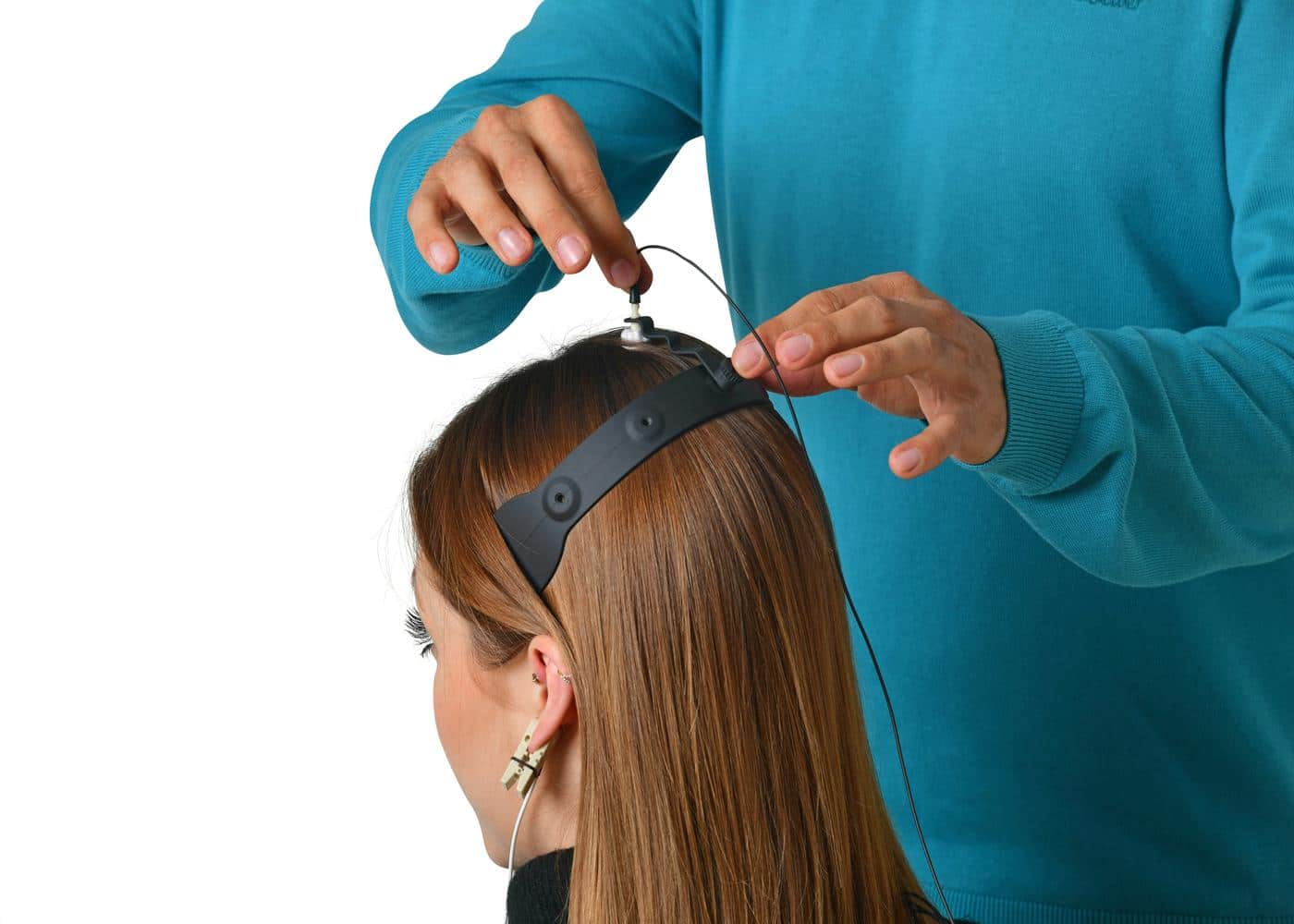
Woman having an eeg machine placed on her head

Key Findings

An EEG records brain wave patterns through small sensors placed on the scalp. Doctors use it to diagnose seizures, monitor sleep stages, detect abnormal activity, and study how the brain responds to stimulation. It does not involve electricity being sent into the brain, and it is completely non-invasive.

What Is Electroencephalography (EEG)?

An EEG, short for electroencephalogram, is a test that measures electrical activity in the brain. It is one of the most widely used tools in neurology because it offers a clear look at how the brain communicates, reacts, and functions in real time. 

EEGs help diagnose conditions such as epilepsy, sleep disorders, head injuries, and unexplained episodes of confusion or fainting. The test is safe, painless, and suitable for people of all ages, making it an essential part of modern brain health assessment.

How an EEG Works

Every thought, movement, and sensation you experience begins with tiny electrical signals between brain cells. These signals create rhythms known as brain waves. An EEG detects these rhythms by capturing the electrical activity that reaches the scalp. The test uses electrodes attached with gel or adhesive, and these sensors pick up changes in voltage that occur naturally within the brain.

The result is a series of wave patterns displayed as lines on a screen. Different brain waves have different shapes and speeds. For example, slower waves appear during deep sleep, while faster waves appear when you are alert and concentrating. 

By interpreting these patterns, specialists can understand how well the brain is functioning or whether something unusual is happening.

What an EEG Can Show

EEGs provide a detailed picture of how the brain behaves over time. They are especially useful for spotting irregular patterns that might indicate medical conditions.

One of the most common uses for an EEG is diagnosing epilepsy. Seizures leave distinct electrical signatures that the test can capture even when the person is not actively having a seizure. EEGs can also detect abnormal activity caused by infections, tumours, or metabolic problems.

In sleep medicine, EEGs help map the stages of sleep, including the transitions between light sleep, deep sleep, and REM sleep. 

These recordings allow doctors to diagnose conditions such as narcolepsy or sleep-related movement disorders. EEGs can also show how the brain responds to stimuli, such as light or sound, which helps assess sensory processing.

Sometimes an EEG is combined with video monitoring for several hours or even days. This approach helps doctors match changes in electrical activity with noticeable behaviours or episodes.

What Happens During an EEG

The procedure is straightforward. You will sit or lie comfortably while a technician places a series of small metal discs on your scalp. These sensors are connected to a computer that records your brain waves. You may be asked to rest quietly with your eyes closed, open your eyes, breathe deeply, or look at flashing lights. These activities help reveal how the brain responds to different stimuli.

A typical EEG lasts 20 to 40 minutes, although longer recordings may be done if doctors are looking for specific events, such as seizures or sleep patterns. 

None of the sensors send electricity into your body. They only record what your brain is already producing, so the test is entirely painless.

After the test, the sensors are removed and most of the gel washes out easily. A neurologist then interprets the results and compares the wave patterns to what is expected for your age and condition.

Why Doctors Order an EEG

Doctors use EEGs when they need clarity on how the brain is functioning beyond what imaging tests such as MRI or CT scans can provide. While structural scans show what the brain looks like, EEGs show what the brain is doing.

Some common reasons for ordering an EEG include:


  • Seizures or unexplained blackouts

  • Sudden confusion or memory problems

  • Sleep disorders or unusual sleep behaviours

  • Monitoring brain activity after injury or stroke

  • Investigating developmental or behavioural concerns


In many cases, an EEG can guide treatment decisions, track progress, or rule out serious conditions.


Are EEGs Safe?

EEGs are among the safest medical tests available. They do not use radiation, electricity, or invasive tools. The electrodes rest on the surface of the scalp and cannot cause harm. Even newborn babies and medically fragile patients can undergo EEG testing without risk.

The only time an EEG may feel uncomfortable is if flashing lights trigger symptoms in people with photosensitive epilepsy. This possibility is monitored closely, and the test can be adjusted as needed.

Final Thoughts: EEG Explained

An EEG is a powerful, non-invasive tool that allows doctors to see the brain in action. It helps diagnose seizures, understand sleep patterns, investigate neurological symptoms, and guide effective treatment. 

Because it is simple, safe, and highly informative, the EEG remains a core part of neurological care and one of the best ways to understand how the brain communicates and responds.

Article FAQ

Can an EEG detect a brain tumour?

An EEG cannot directly detect a brain tumour, because it shows electrical activity rather than physical structures. Tumours are found through imaging tests such as MRI or CT scans. However, an EEG can sometimes reveal abnormal brain wave patterns that suggest the brain is being irritated or disrupted, which may prompt further investigation with imaging.

Can an EEG detect dementia?

An EEG cannot diagnose dementia on its own, but it can show patterns that support a diagnosis or rule out other neurological conditions. Some forms of dementia, such as Creutzfeldt-Jakob disease, produce distinct electrical changes. In most cases, doctors use EEG results together with memory tests, examinations, and imaging studies to form a clearer picture.

How is an EEG test performed?

During an EEG, a technician places small sensors on your scalp using gel or a mild adhesive. These sensors record the electrical activity produced by your brain. You may be asked to rest quietly, open and close your eyes, breathe deeply, or look at flashing lights while the machine records. The test is painless and usually lasts 20 to 40 minutes, although longer studies may be done when doctors need more information.

Who performs an EEG?

A trained EEG technologist or neurodiagnostic technician performs the test. After recording is complete, the results are interpreted by a neurologist or a specialist in clinical neurophysiology. These professionals are trained to analyse brain wave patterns and identify signs of abnormal activity.

Can an EEG detect anxiety?

An EEG cannot diagnose anxiety, but it can show patterns related to stress, such as increased high-frequency activity. These findings are not specific to anxiety, so doctors do not rely on EEGs for diagnosis. Instead, the test may be used to rule out neurological causes of symptoms.

Is EEG better than an MRI?

Neither test is better in a general sense, because they provide different types of information. An MRI shows detailed images of brain structures, while an EEG shows how the brain functions electrically. Doctors often use both when investigating seizures, unexplained symptoms, or neurological disorders to get a complete understanding of what is happening.
Do You Have a Question? Ask Neura AI

Do You Have a Question? Ask Neura AI

Got Questions? We've Got Answers

What exactly is Neura app?

Neura is a holistic AI health assistant that acts as your personal wellness coach. It combines your wearable data, lifestyle habits, and health metrics to deliver personalized plans, daily micro-tasks, mini-podcasts, and actionable insights to improve sleep, fitness, recovery, and longevity.

How does Neura work?

1. Answer a quick onboarding quiz (1–2 min). 2. Set your goals (e.g., better sleep, running a 5K). 3. Connect your wearables or apps for real-time health data. 4. Receive a daily, AI-personalized plan and mini-podcasts. 5. Track progress on your dashboard while Neura optimizes automatically.

Do I need a wearable or fitness tracker to use Neura?

No. You can start with just your phone and basic input. Wearables like Apple Watch, Garmin, Oura, or Fitbit unlock deeper, real-time insights and premium metrics, but they are optional.

Is my data safe and private?

Absolutely. Neura uses end-to-end encryption, is GDPR/HIPAA compliant, and gives you full control over data exports and deletion. Only anonymized data is processed for AI improvements.

What kind of results can I expect with Neura?

Most users report noticeable improvements in sleep quality, daily energy, and habit consistency within 2–3 weeks. Real-time insights help you save hours each week by replacing endless self-tracking and guesswork with an AI-driven health plan.

What devices and apps can Neura connect to?

Neura integrates with 90+ apps and devices like Apple Health, Google Fit, Garmin, Oura, Fitbit, Polar, Suunto, Peloton, Zwift, Withings, Eight Sleep, and more. You can also upload lab results for advanced analysis.

What’s included in the free plan?

The free Neura Plan comes with all the basic features you need to kickstart your holistic health and fitness journey. Those include our core AI chat (single-chat memory), a standard health plan with one active goal, up to 5 customizable Health Hub widgets, and daily auto-sync with limited integrations. Upgrade to Neura iQ for unlimited AI chat with persistent multi-session memory, multiple simultaneous Health Plans, and real-time data sync from 100+ integrations with 360° Health Sync, alongside all other premium features.

How is Neura different from other health apps or trackers?

Neura isn’t just a tracker – it’s a smart health operating system. It pulls together your data, analyzes it in real time, and gives you proactive, science-backed recommendations tailored to your lifestyle, without the hassle of manual research or multiple apps.

Can I cancel or get a refund if I’m not satisfied?

Yes. Neura Free is free forever, and Neura iQ comes with a 7-day free trial. After upgrading, you can cancel anytime. If you’re not satisfied within 30 days, we offer a full refund—no questions asked.

How do I get started with Neura?

Simply sign up with your email to claim free early access. You can start in less than 2 minutes, connect your wearables later, and immediately receive your personalized plan and first mini-podcast.

Ready to Transform
Your Health with Neura?

Don't wait, we have limited spots for the beta sign up

Got Questions? We've Got Answers

What exactly is Neura app?

Neura is a holistic AI health assistant that acts as your personal wellness coach. It combines your wearable data, lifestyle habits, and health metrics to deliver personalized plans, daily micro-tasks, mini-podcasts, and actionable insights to improve sleep, fitness, recovery, and longevity.

How does Neura work?

1. Answer a quick onboarding quiz (1–2 min). 2. Set your goals (e.g., better sleep, running a 5K). 3. Connect your wearables or apps for real-time health data. 4. Receive a daily, AI-personalized plan and mini-podcasts. 5. Track progress on your dashboard while Neura optimizes automatically.

Do I need a wearable or fitness tracker to use Neura?

No. You can start with just your phone and basic input. Wearables like Apple Watch, Garmin, Oura, or Fitbit unlock deeper, real-time insights and premium metrics, but they are optional.

Is my data safe and private?

Absolutely. Neura uses end-to-end encryption, is GDPR/HIPAA compliant, and gives you full control over data exports and deletion. Only anonymized data is processed for AI improvements.

What kind of results can I expect with Neura?

Most users report noticeable improvements in sleep quality, daily energy, and habit consistency within 2–3 weeks. Real-time insights help you save hours each week by replacing endless self-tracking and guesswork with an AI-driven health plan.

What devices and apps can Neura connect to?

Neura integrates with 90+ apps and devices like Apple Health, Google Fit, Garmin, Oura, Fitbit, Polar, Suunto, Peloton, Zwift, Withings, Eight Sleep, and more. You can also upload lab results for advanced analysis.

What’s included in the free plan?

The free Neura Plan comes with all the basic features you need to kickstart your holistic health and fitness journey. Those include our core AI chat (single-chat memory), a standard health plan with one active goal, up to 5 customizable Health Hub widgets, and daily auto-sync with limited integrations. Upgrade to Neura iQ for unlimited AI chat with persistent multi-session memory, multiple simultaneous Health Plans, and real-time data sync from 100+ integrations with 360° Health Sync, alongside all other premium features.

How is Neura different from other health apps or trackers?

Neura isn’t just a tracker – it’s a smart health operating system. It pulls together your data, analyzes it in real time, and gives you proactive, science-backed recommendations tailored to your lifestyle, without the hassle of manual research or multiple apps.

Can I cancel or get a refund if I’m not satisfied?

Yes. Neura Free is free forever, and Neura iQ comes with a 7-day free trial. After upgrading, you can cancel anytime. If you’re not satisfied within 30 days, we offer a full refund—no questions asked.

How do I get started with Neura?

Simply sign up with your email to claim free early access. You can start in less than 2 minutes, connect your wearables later, and immediately receive your personalized plan and first mini-podcast.

Ready to Transform
Your Health with Neura?

Don't wait, we have limited spots for the beta sign up

Got Questions? We've Got Answers

What exactly is Neura app?

Neura is a holistic AI health assistant that acts as your personal wellness coach. It combines your wearable data, lifestyle habits, and health metrics to deliver personalized plans, daily micro-tasks, mini-podcasts, and actionable insights to improve sleep, fitness, recovery, and longevity.

How does Neura work?

1. Answer a quick onboarding quiz (1–2 min). 2. Set your goals (e.g., better sleep, running a 5K). 3. Connect your wearables or apps for real-time health data. 4. Receive a daily, AI-personalized plan and mini-podcasts. 5. Track progress on your dashboard while Neura optimizes automatically.

Do I need a wearable or fitness tracker to use Neura?

No. You can start with just your phone and basic input. Wearables like Apple Watch, Garmin, Oura, or Fitbit unlock deeper, real-time insights and premium metrics, but they are optional.

Is my data safe and private?

Absolutely. Neura uses end-to-end encryption, is GDPR/HIPAA compliant, and gives you full control over data exports and deletion. Only anonymized data is processed for AI improvements.

What kind of results can I expect with Neura?

Most users report noticeable improvements in sleep quality, daily energy, and habit consistency within 2–3 weeks. Real-time insights help you save hours each week by replacing endless self-tracking and guesswork with an AI-driven health plan.

What devices and apps can Neura connect to?

Neura integrates with 90+ apps and devices like Apple Health, Google Fit, Garmin, Oura, Fitbit, Polar, Suunto, Peloton, Zwift, Withings, Eight Sleep, and more. You can also upload lab results for advanced analysis.

What’s included in the free plan?

The free Neura Plan comes with all the basic features you need to kickstart your holistic health and fitness journey. Those include our core AI chat (single-chat memory), a standard health plan with one active goal, up to 5 customizable Health Hub widgets, and daily auto-sync with limited integrations. Upgrade to Neura iQ for unlimited AI chat with persistent multi-session memory, multiple simultaneous Health Plans, and real-time data sync from 100+ integrations with 360° Health Sync, alongside all other premium features.

How is Neura different from other health apps or trackers?

Neura isn’t just a tracker – it’s a smart health operating system. It pulls together your data, analyzes it in real time, and gives you proactive, science-backed recommendations tailored to your lifestyle, without the hassle of manual research or multiple apps.

Can I cancel or get a refund if I’m not satisfied?

Yes. Neura Free is free forever, and Neura iQ comes with a 7-day free trial. After upgrading, you can cancel anytime. If you’re not satisfied within 30 days, we offer a full refund—no questions asked.

How do I get started with Neura?

Simply sign up with your email to claim free early access. You can start in less than 2 minutes, connect your wearables later, and immediately receive your personalized plan and first mini-podcast.

Ready to Transform
Your Health with Neura?

Don't wait, we have limited spots for the beta sign up

Got Questions? We've Got Answers

What exactly is Neura app?

Neura is a holistic AI health assistant that acts as your personal wellness coach. It combines your wearable data, lifestyle habits, and health metrics to deliver personalized plans, daily micro-tasks, mini-podcasts, and actionable insights to improve sleep, fitness, recovery, and longevity.

How does Neura work?

1. Answer a quick onboarding quiz (1–2 min). 2. Set your goals (e.g., better sleep, running a 5K). 3. Connect your wearables or apps for real-time health data. 4. Receive a daily, AI-personalized plan and mini-podcasts. 5. Track progress on your dashboard while Neura optimizes automatically.

Do I need a wearable or fitness tracker to use Neura?

No. You can start with just your phone and basic input. Wearables like Apple Watch, Garmin, Oura, or Fitbit unlock deeper, real-time insights and premium metrics, but they are optional.

Is my data safe and private?

Absolutely. Neura uses end-to-end encryption, is GDPR/HIPAA compliant, and gives you full control over data exports and deletion. Only anonymized data is processed for AI improvements.

What kind of results can I expect with Neura?

Most users report noticeable improvements in sleep quality, daily energy, and habit consistency within 2–3 weeks. Real-time insights help you save hours each week by replacing endless self-tracking and guesswork with an AI-driven health plan.

What devices and apps can Neura connect to?

Neura integrates with 90+ apps and devices like Apple Health, Google Fit, Garmin, Oura, Fitbit, Polar, Suunto, Peloton, Zwift, Withings, Eight Sleep, and more. You can also upload lab results for advanced analysis.

What’s included in the free plan?

The free Neura Plan comes with all the basic features you need to kickstart your holistic health and fitness journey. Those include our core AI chat (single-chat memory), a standard health plan with one active goal, up to 5 customizable Health Hub widgets, and daily auto-sync with limited integrations. Upgrade to Neura iQ for unlimited AI chat with persistent multi-session memory, multiple simultaneous Health Plans, and real-time data sync from 100+ integrations with 360° Health Sync, alongside all other premium features.

How is Neura different from other health apps or trackers?

Neura isn’t just a tracker – it’s a smart health operating system. It pulls together your data, analyzes it in real time, and gives you proactive, science-backed recommendations tailored to your lifestyle, without the hassle of manual research or multiple apps.

Can I cancel or get a refund if I’m not satisfied?

Yes. Neura Free is free forever, and Neura iQ comes with a 7-day free trial. After upgrading, you can cancel anytime. If you’re not satisfied within 30 days, we offer a full refund—no questions asked.

How do I get started with Neura?

Simply sign up with your email to claim free early access. You can start in less than 2 minutes, connect your wearables later, and immediately receive your personalized plan and first mini-podcast.

Ready to Transform
Your Health with Neura?

Don't wait, we have limited spots for the beta sign up