Nutrition

Nutrition

Fuel your body and mind with the latest insights in nutrition science, smart eating habits, and performance-boosting diets. Subscribe now and stay one bite ahead.

All Insights Articles

Vegetables surrounding a round plate with veggies on it to make a smiling face
Jun 8, 2026

Functional Nutrition Guide: Essential Foods and Meal Plan

Figuring out how to eat for your specific body can feel overwhelming. We hear about counting calories or tracking macronutrients, but those standard methods sometimes miss the mark when it comes to your day-to-day energy and long-term health. 

The idea of using food as a foundational tool for your well-being is practical once you get the hang of it. Instead of forcing yourself into a strict, one-size-fits-all diet, a functional approach lets you focus on the exact nutrients your unique systems need to thrive.

Let's talk about the core concepts of this method realistically. We will look at the specific foods that support your bodily systems and walk through a doable week-long plan to help you put these ideas into practice. 

Whether you want to improve your digestion, clear up some afternoon brain fog, or keep your energy from crashing after lunch, making intentional choices at the grocery store is the best place to start.

What is Functional Nutrition?

At its core, functional nutrition is a personalized way of looking at what you consume every day. It stems from the world of functional medicine, which treats the human body as a connected network of systems rather than a collection of isolated parts. 

In this framework, everyday symptoms like persistent fatigue, joint stiffness, or bloating are viewed as clues to deeper imbalances rather than mere inconveniences to be covered up with a quick fix. 

A functional nutrition diet aims to figure out those root causes and use whole foods to help fix them from the ground up.

Standard diet advice gives broad rules meant for the general public. Functional nutrition prioritizes bio-individuality. For example, a food that makes your best friend feel energetic might make you feel sluggish or inflamed. 

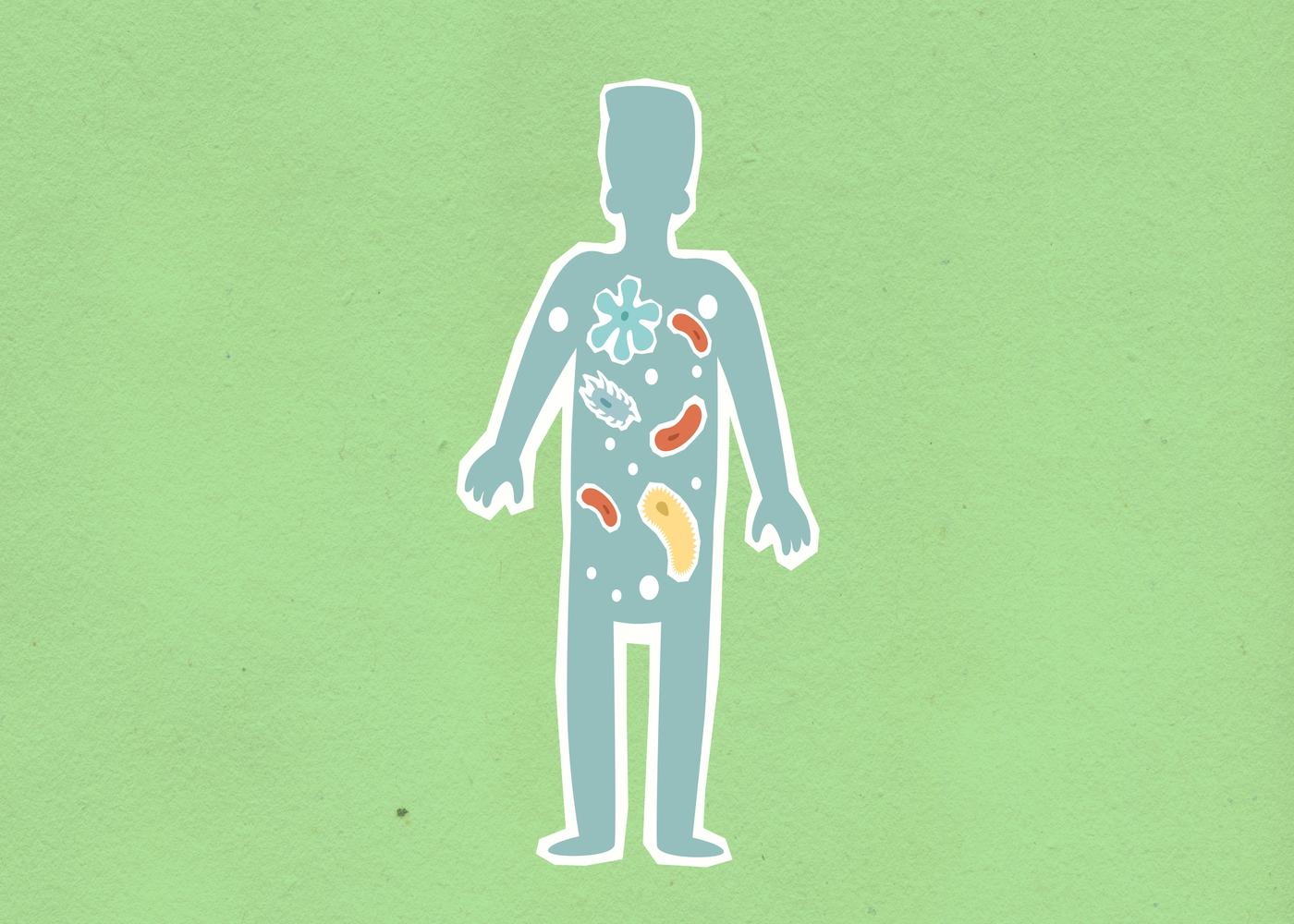
It considers your daily environment, your current stress levels, your lifestyle habits, and your specific gut microbiome. 

When we look at nutrition through this lens, we stop asking if a food is universally good or bad and start asking if it is the right fuel for your specific biology at this moment in your life.

The main goal here is to help your cells do their jobs properly. This means cutting back on processed items, refined sugars, and industrial seed oils that cause systemic inflammation throughout your tissues. 

In their place, you focus on foods that deliver high doses of vitamins, minerals, phytonutrients, and essential fatty acids. 

It is about creating a supportive internal environment so your brain, gut, hormones, and immune system can communicate and work together smoothly. 

Instead of restricting your intake to hit an arbitrary number on a scale, you are actively giving your body the raw materials it needs to repair tissue, produce energy, and maintain a stable mood.


Nutrition

10 min read

Read Article
Vegetables surrounding a round plate with veggies on it to make a smiling face
Jun 8, 2026

Functional Nutrition Guide: Essential Foods and Meal Plan

Figuring out how to eat for your specific body can feel overwhelming. We hear about counting calories or tracking macronutrients, but those standard methods sometimes miss the mark when it comes to your day-to-day energy and long-term health. 

The idea of using food as a foundational tool for your well-being is practical once you get the hang of it. Instead of forcing yourself into a strict, one-size-fits-all diet, a functional approach lets you focus on the exact nutrients your unique systems need to thrive.

Let's talk about the core concepts of this method realistically. We will look at the specific foods that support your bodily systems and walk through a doable week-long plan to help you put these ideas into practice. 

Whether you want to improve your digestion, clear up some afternoon brain fog, or keep your energy from crashing after lunch, making intentional choices at the grocery store is the best place to start.

What is Functional Nutrition?

At its core, functional nutrition is a personalized way of looking at what you consume every day. It stems from the world of functional medicine, which treats the human body as a connected network of systems rather than a collection of isolated parts. 

In this framework, everyday symptoms like persistent fatigue, joint stiffness, or bloating are viewed as clues to deeper imbalances rather than mere inconveniences to be covered up with a quick fix. 

A functional nutrition diet aims to figure out those root causes and use whole foods to help fix them from the ground up.

Standard diet advice gives broad rules meant for the general public. Functional nutrition prioritizes bio-individuality. For example, a food that makes your best friend feel energetic might make you feel sluggish or inflamed. 

It considers your daily environment, your current stress levels, your lifestyle habits, and your specific gut microbiome. 

When we look at nutrition through this lens, we stop asking if a food is universally good or bad and start asking if it is the right fuel for your specific biology at this moment in your life.

The main goal here is to help your cells do their jobs properly. This means cutting back on processed items, refined sugars, and industrial seed oils that cause systemic inflammation throughout your tissues. 

In their place, you focus on foods that deliver high doses of vitamins, minerals, phytonutrients, and essential fatty acids. 

It is about creating a supportive internal environment so your brain, gut, hormones, and immune system can communicate and work together smoothly. 

Instead of restricting your intake to hit an arbitrary number on a scale, you are actively giving your body the raw materials it needs to repair tissue, produce energy, and maintain a stable mood.
Nutrition

10 min read

Read Article
Orange juice in glass next to a bunch of carrots, oranges and ginger
Mar 9, 2026

Definitive 21-Day Anti-Inflammatory Diet from Neura: Every Meal Planned

How does the food you eat impact the way your body manages pain, energy, and long-term health? 

Chronic inflammation is a persistent immune response that can damage healthy tissues over time, often contributing to fatigue, joint stiffness, and various metabolic conditions. 

While acute inflammation is a necessary part of healing from injury, the chronic version is frequently driven by dietary choices and lifestyle factors. 

Transitioning to a diet focused on specific nutrient profiles can help regulate these internal processes. A structured 21-day approach to eating prioritizes whole ingredients known to dampen inflammatory markers and support cellular repair.

Why is Combating Inflammation Important?

Inflammation is not inherently a villain; it is actually a vital part of the body's immune response to injury and infection. However, the problem arises when this response becomes "chronic." 

Chronic inflammation occurs when the body stays in a state of high alert for long periods, which can eventually damage healthy tissues and organs. Research has linked persistent internal inflammation to a variety of conditions, including heart disease, type 2 diabetes, and certain autoimmune disorders. 

By choosing an anti-inflammation diet plan, you are essentially providing your body with the tools it needs to dampen these overactive responses and promote cellular repair. 

Reducing inflammation can lead to improved energy levels, clearer skin, better digestion, and a more resilient immune system.

What Foods Have Anti-Inflammatory Properties?

To effectively lower inflammation, you must prioritize nutrient-dense foods that contain high concentrations of antioxidants and polyphenols.


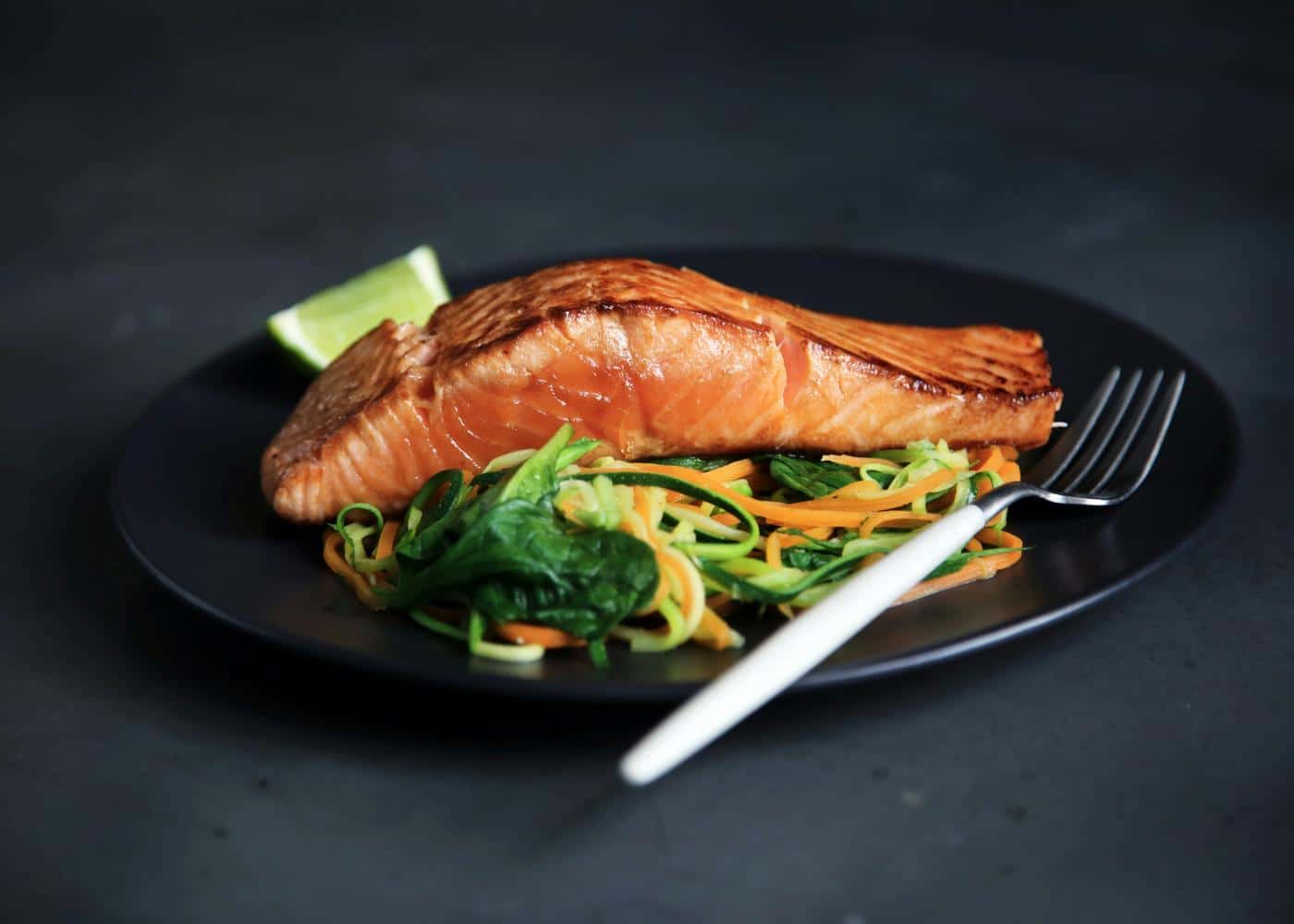
  • Fatty Fish: Varieties like salmon, mackerel, and sardines are rich in omega-3 fatty acids, which significantly reduce the production of substances that cause inflammation.


  • Berries: Strawberries, blueberries, and raspberries contain antioxidants called anthocyanins that help reduce the risk of disease.


  • Leafy Greens: Spinach, kale, and collard greens provide a wealth of Vitamin K and minerals that protect cells from oxidative stress.


  • Healthy Fats: Extra virgin olive oil and avocados are staples of this diet because they contain oleocanthal and monounsaturated fats.


  • Cruciferous Vegetables: Broccoli and cauliflower are rich in sulforaphane, which helps block enzymes that cause joint destruction.


  • Whole Grains: Oats, quinoa, and brown rice are higher in fiber and lower in sugar than refined grains, helping to stabilize blood glucose.


  • Nuts and Seeds: Walnuts, chia seeds, and flaxseeds provide plant-based omega-3s and fiber to support a healthy gut microbiome.


  • Spices: Turmeric and ginger contain active compounds like curcumin that have been shown to match the effectiveness of some anti-inflammatory drugs.


Generating Your Own Meal Plans With Neura

The 21-day plan provides a standard foundation for a systemic reset. However, nutritional requirements often vary based on individual metabolic rates, food sensitivities, and lifestyle factors. 

Neura uses specific health metrics and dietary preferences to refine these general recommendations into a personalized strategy. 

While a general 21-day anti-inflammatory diet meal plan is a good starting point, the platform can adjust caloric intake, swap out allergens, and balance micro-nutrients based on fitness trackers or medical results. 

Try Neura for free now.

Nutrition

10 min read

Read Article
Orange juice in glass next to a bunch of carrots, oranges and ginger
Mar 9, 2026

Definitive 21-Day Anti-Inflammatory Diet from Neura: Every Meal Planned

How does the food you eat impact the way your body manages pain, energy, and long-term health? 

Chronic inflammation is a persistent immune response that can damage healthy tissues over time, often contributing to fatigue, joint stiffness, and various metabolic conditions. 

While acute inflammation is a necessary part of healing from injury, the chronic version is frequently driven by dietary choices and lifestyle factors. 

Transitioning to a diet focused on specific nutrient profiles can help regulate these internal processes. A structured 21-day approach to eating prioritizes whole ingredients known to dampen inflammatory markers and support cellular repair.

Why is Combating Inflammation Important?

Inflammation is not inherently a villain; it is actually a vital part of the body's immune response to injury and infection. However, the problem arises when this response becomes "chronic." 

Chronic inflammation occurs when the body stays in a state of high alert for long periods, which can eventually damage healthy tissues and organs. Research has linked persistent internal inflammation to a variety of conditions, including heart disease, type 2 diabetes, and certain autoimmune disorders. 

By choosing an anti-inflammation diet plan, you are essentially providing your body with the tools it needs to dampen these overactive responses and promote cellular repair. 

Reducing inflammation can lead to improved energy levels, clearer skin, better digestion, and a more resilient immune system.

What Foods Have Anti-Inflammatory Properties?

To effectively lower inflammation, you must prioritize nutrient-dense foods that contain high concentrations of antioxidants and polyphenols.


  • Fatty Fish: Varieties like salmon, mackerel, and sardines are rich in omega-3 fatty acids, which significantly reduce the production of substances that cause inflammation.


  • Berries: Strawberries, blueberries, and raspberries contain antioxidants called anthocyanins that help reduce the risk of disease.


  • Leafy Greens: Spinach, kale, and collard greens provide a wealth of Vitamin K and minerals that protect cells from oxidative stress.


  • Healthy Fats: Extra virgin olive oil and avocados are staples of this diet because they contain oleocanthal and monounsaturated fats.


  • Cruciferous Vegetables: Broccoli and cauliflower are rich in sulforaphane, which helps block enzymes that cause joint destruction.


  • Whole Grains: Oats, quinoa, and brown rice are higher in fiber and lower in sugar than refined grains, helping to stabilize blood glucose.


  • Nuts and Seeds: Walnuts, chia seeds, and flaxseeds provide plant-based omega-3s and fiber to support a healthy gut microbiome.


  • Spices: Turmeric and ginger contain active compounds like curcumin that have been shown to match the effectiveness of some anti-inflammatory drugs.


Generating Your Own Meal Plans With Neura

The 21-day plan provides a standard foundation for a systemic reset. However, nutritional requirements often vary based on individual metabolic rates, food sensitivities, and lifestyle factors. 

Neura uses specific health metrics and dietary preferences to refine these general recommendations into a personalized strategy. 

While a general 21-day anti-inflammatory diet meal plan is a good starting point, the platform can adjust caloric intake, swap out allergens, and balance micro-nutrients based on fitness trackers or medical results. 

Try Neura for free now.

Nutrition

10 min read

Read Article
Outline of a person's face made out of circuits with a big circuit in front of it to represent AI
Feb 24, 2026

AI Keto Meal Planner & Nutrition Tracking from Neura Health

The transition into a ketogenic lifestyle is often met with a mixture of excitement and data-heavy frustration. 

While the biological benefits of ketosis are well-documented, the mental load of calculating net carbs, monitoring electrolyte balance, and managing meal prep can feel like a full-time job. 

Neura Health simplifies this journey by acting as a Health Operating System (HealthOS) that unifies your disparate health data into a single, intelligent interface. 

By integrating your wearables and dietary apps, Neura provides a personalized AI keto diet experience that moves beyond generic templates and into real-time, data-driven coaching.


What is the Keto Diet?

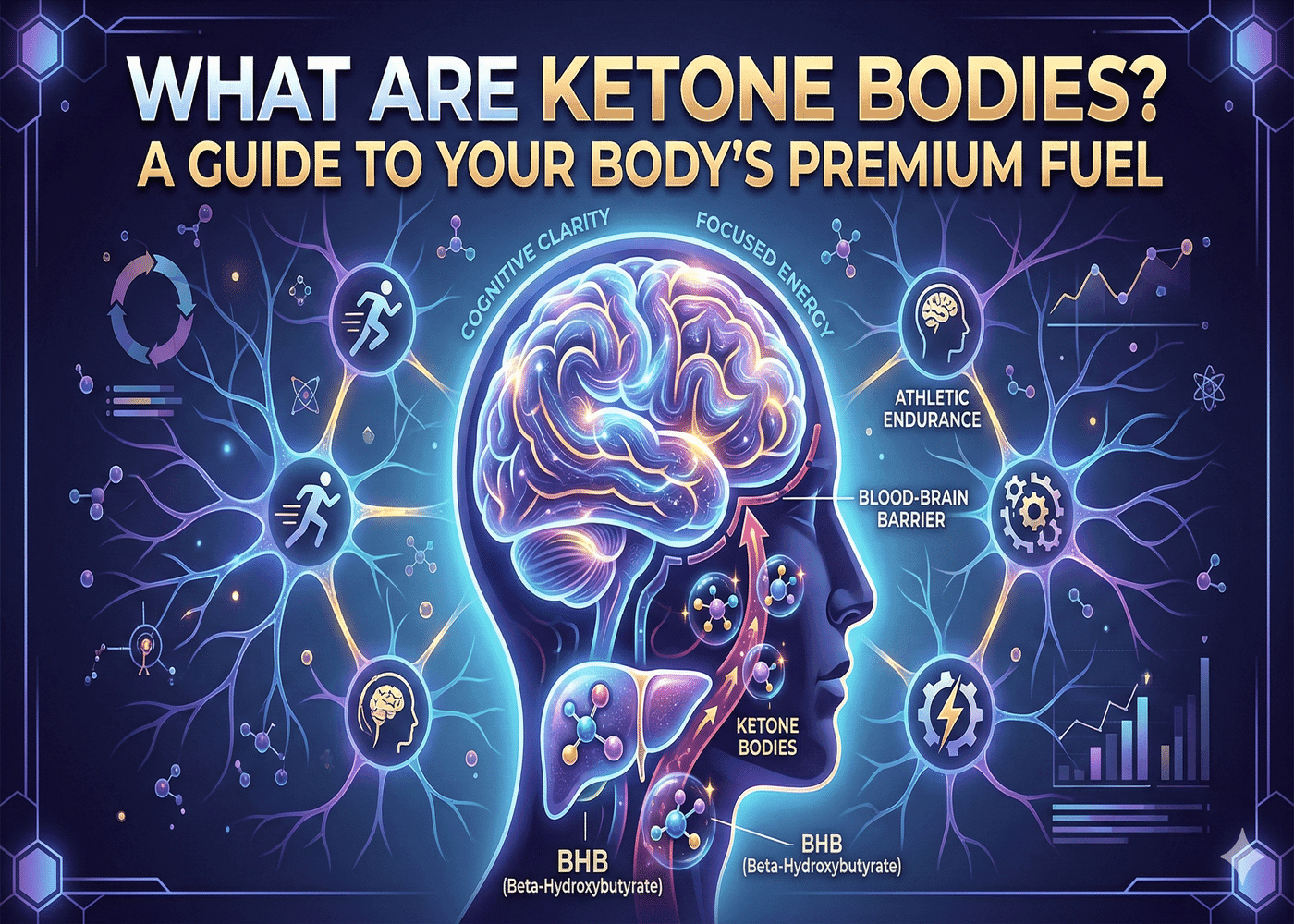
The ketogenic diet is a high-fat, moderate-protein, and very low-carbohydrate nutritional protocol designed to shift the body’s primary fuel source from glucose to ketones

This metabolic state, known as ketosis, occurs when the body lacks sufficient carbohydrates to burn for energy and instead begins breaking down fat stores. For many, this leads to improved energy levels, weight loss, and enhanced cognitive clarity. 

However, the efficacy of the diet relies heavily on precision. Even a small surplus of hidden sugars or an imbalance in protein intake can stall progress. 

This is why many beginners find the manual tracking process overwhelming, as they struggle to understand how their specific activity levels and sleep quality intersect with their nutritional choices.

Nutrition

6 min read

Read Article
Outline of a person's face made out of circuits with a big circuit in front of it to represent AI
Feb 24, 2026

AI Keto Meal Planner & Nutrition Tracking from Neura Health

The transition into a ketogenic lifestyle is often met with a mixture of excitement and data-heavy frustration. 

While the biological benefits of ketosis are well-documented, the mental load of calculating net carbs, monitoring electrolyte balance, and managing meal prep can feel like a full-time job. 

Neura Health simplifies this journey by acting as a Health Operating System (HealthOS) that unifies your disparate health data into a single, intelligent interface. 

By integrating your wearables and dietary apps, Neura provides a personalized AI keto diet experience that moves beyond generic templates and into real-time, data-driven coaching.


What is the Keto Diet?

The ketogenic diet is a high-fat, moderate-protein, and very low-carbohydrate nutritional protocol designed to shift the body’s primary fuel source from glucose to ketones

This metabolic state, known as ketosis, occurs when the body lacks sufficient carbohydrates to burn for energy and instead begins breaking down fat stores. For many, this leads to improved energy levels, weight loss, and enhanced cognitive clarity. 

However, the efficacy of the diet relies heavily on precision. Even a small surplus of hidden sugars or an imbalance in protein intake can stall progress. 

This is why many beginners find the manual tracking process overwhelming, as they struggle to understand how their specific activity levels and sleep quality intersect with their nutritional choices.

Nutrition

6 min read

Read Article

Enter your email for free
early access + 7-day Neura iQ trial

Limited beta spots!

Enter your email for free
early access + 7-day Neura iQ trial

Limited beta spots!