
Functional Nutrition Guide: Essential Foods and Meal Plan
Nutrition

Key Findings
Functional nutrition uses specific whole foods to target the root cause of your symptoms, naturally lowering inflammation and balancing hormones. Pairing this approach with data-driven tools like Neura makes it simple to tailor your daily meals directly to your unique biology.

Figuring out how to eat for your specific body can feel overwhelming. We hear about counting calories or tracking macronutrients, but those standard methods sometimes miss the mark when it comes to your day-to-day energy and long-term health.
The idea of using food as a foundational tool for your well-being is practical once you get the hang of it. Instead of forcing yourself into a strict, one-size-fits-all diet, a functional approach lets you focus on the exact nutrients your unique systems need to thrive.
Let's talk about the core concepts of this method realistically. We will look at the specific foods that support your bodily systems and walk through a doable week-long plan to help you put these ideas into practice.
Whether you want to improve your digestion, clear up some afternoon brain fog, or keep your energy from crashing after lunch, making intentional choices at the grocery store is the best place to start.
What is Functional Nutrition?
At its core, functional nutrition is a personalized way of looking at what you consume every day. It stems from the world of functional medicine, which treats the human body as a connected network of systems rather than a collection of isolated parts.
In this framework, everyday symptoms like persistent fatigue, joint stiffness, or bloating are viewed as clues to deeper imbalances rather than mere inconveniences to be covered up with a quick fix.
A functional nutrition diet aims to figure out those root causes and use whole foods to help fix them from the ground up.
Standard diet advice gives broad rules meant for the general public. Functional nutrition prioritizes bio-individuality. For example, a food that makes your best friend feel energetic might make you feel sluggish or inflamed.
It considers your daily environment, your current stress levels, your lifestyle habits, and your specific gut microbiome.
When we look at nutrition through this lens, we stop asking if a food is universally good or bad and start asking if it is the right fuel for your specific biology at this moment in your life.
The main goal here is to help your cells do their jobs properly. This means cutting back on processed items, refined sugars, and industrial seed oils that cause systemic inflammation throughout your tissues.
In their place, you focus on foods that deliver high doses of vitamins, minerals, phytonutrients, and essential fatty acids.
It is about creating a supportive internal environment so your brain, gut, hormones, and immune system can communicate and work together smoothly.
Instead of restricting your intake to hit an arbitrary number on a scale, you are actively giving your body the raw materials it needs to repair tissue, produce energy, and maintain a stable mood.
Essential Functional Nutrition Food List

Let's look at a few key categories and the essential ingredients you might want to consider adding to your weekly grocery haul.
Gut-Health & Prebiotics
Your digestive tract is the command center for your overall health. It absorbs your essential nutrients, houses a large portion of your immune system, and produces neurotransmitters like serotonin that affect your mood.
Supporting your gut means feeding the good bacteria that already live there. Prebiotics are fiber-rich foods for those beneficial bacteria, and probiotic foods bring new bacterial strains into the mix.
When your resident bacteria ferment prebiotic fiber, they produce short-chain fatty acids like butyrate. These compounds keep the cells lining your gut strong.
A solid gut lining keeps unwanted toxins out of your bloodstream and helps keep your overall inflammation low.
Functional nutrition foods:
Garlic, onions, and fresh leeks
Fermented vegetables like raw sauerkraut and kimchi
Bone broth rich in gelatin and amino acids
Green bananas or unripe plantains
Heart & Brain Health
Your heart and your brain both need a steady supply of high-quality fuel and protection from daily wear and tear.
Foods packed with omega-3 fatty acids are important here because they help build the membranes of your brain cells and keep your blood vessels flexible. Antioxidants are also crucial to protect these vital organs from cellular damage over time.
Eating a diet rich in these fats supports clear thinking, memory retention, and cardiovascular endurance for your daily activities.
Your brain is nearly sixty percent fat, so depriving it of these essential structural components often leads to brain fog and poor concentration.
Functional nutrition foods:
Wild-caught salmon and small fish like sardines
Raw walnuts and chia seeds
Fresh avocados
Cold-pressed extra virgin olive oil
Immune System Support
Taking a functional approach to immunity means giving your body the specific building blocks it needs to produce white blood cells and fight off seasonal bugs.
Vitamin C, zinc, and a wide variety of plant compounds are essential for maintaining a strong immune response.
Sourcing these vital nutrients from whole foods rather than taking a synthetic pill ensures your body absorbs them properly alongside their natural co-factors.
For example, the vitamin C found in citrus fruits is bundled with bioflavonoids that help your body utilize the nutrient more effectively than an isolated supplement.
Functional nutrition foods:
Citrus fruits like oranges, lemons, and grapefruits
Brightly colored bell peppers
Fresh ginger root and turmeric root
Raw pumpkin seeds for zinc
Cellular Repair & Antioxidants
Every day, your cells face stress from environmental factors, poor sleep, and normal metabolic work. Antioxidants act as your internal defense system against this damage.
They step in to neutralize free radical molecules before they can damage your cellular structures and DNA.
Eating a wide variety of colorful plant foods is the easiest way to make sure you get a broad spectrum of these protective compounds.
Anthocyanins in blue and purple fruits, for instance, are known to protect the brain from oxidative stress and support healthy aging.
Functional nutrition foods:
Deep-colored berries like blueberries, blackberries, and raspberries
Fresh pomegranate seeds
Dark chocolate with a high cacao content
Green tea and matcha
Hormone Balance & Healthy Fats
Hormones are your body's chemical messengers. They tell your body when to sleep, how to use stored energy, and how to manage daily stress.
Many of these crucial hormones are built from a cholesterol backbone and require fats for their production and regulation.
If you consistently skimp on fats, you might start to notice mood swings, fatigue, or poor sleep quality.
Keeping clean sources of fat in your daily meals is a straightforward way to keep your endocrine system balanced and ensure your body has the materials to synthesize cortisol, estrogen, and testosterone effectively.
Functional nutrition foods:
Unrefined coconut oil and coconut butter
Grass-fed ghee or butter
Ground flaxseeds and hemp hearts
Raw macadamia nuts
Detoxification & Liver Support
Your liver works around the clock to filter out everyday toxins, process medications, and metabolize old hormones so they can leave your body.
Certain foods contain specific compounds, like the glucosinolates found in broccoli, that support the liver's natural detoxification pathways.
By routinely eating foods that help the liver do its heavy lifting, you reduce its workload and help your body safely eliminate metabolic waste without feeling bogged down.
Proper detoxification also requires plenty of amino acids, which bind to toxins to help excrete them safely.
Functional nutrition foods:
Cruciferous vegetables like broccoli, cauliflower, and Brussels sprouts
Dark, bitter leafy greens like dandelion and arugula
Earthy root vegetables like beets
Fresh herbs like cilantro and parsley
Bone & Joint Health
Keeping your bones and joints physically strong requires more than just drinking a glass of milk for calcium.
Your skeletal system needs a complex mix of minerals like magnesium, phosphorus, and vitamin K2, plus plenty of collagen to maintain flexibility and strength.
Adding anti-inflammatory foods to your meals is a great strategy to avoid the common joint stiffness and daily aches that often come from chronic inflammation.
Foods rich in vitamin C also help your body synthesize its own collagen, keeping your cartilage resilient.
Functional nutrition foods:
Canned sardines with the soft bones left in
Sturdy leafy greens like collard greens and kale
Raw or dry-roasted almonds
Fresh pineapple


Sample 7-Day Functional Nutrition Meal Plan
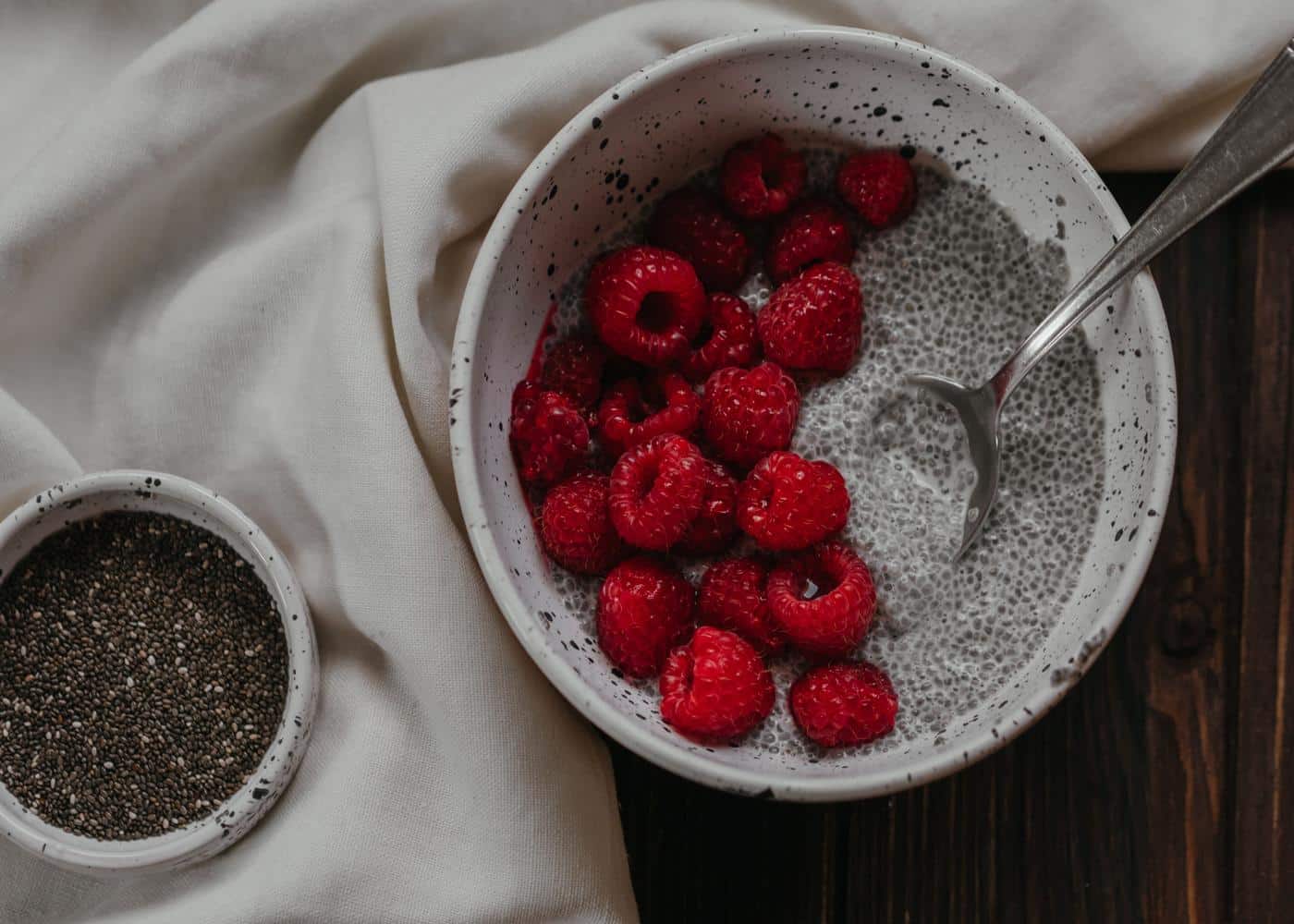
This weekly meal plan shows you how to put those functional foods together in a realistic, tasty way. It is designed to keep your blood sugar steady, support your daily digestion, and pack in a ton of micronutrients without making you feel deprived.
Day 1: Reset and Nourish
Start your week with light, digestible meals to promote gentle detoxification and hydration.
Breakfast: Start your morning with a nutrient-dense green smoothie. Blend a handful of fresh spinach, half a green banana for prebiotics, a scoop of clean collagen peptides, a sprinkle of hemp hearts, and your favorite unsweetened nut milk.
Lunch: Toss together a large salad with mixed greens, topped with half a sliced avocado, toasted pumpkin seeds, and colored bell peppers. Dress it simply with cold-pressed extra virgin olive oil and a splash of raw apple cider vinegar.
Dinner: Bake a piece of wild-caught salmon and serve it alongside some lightly roasted asparagus and a small portion of quinoa.
Snack: Keep it simple with a small handful of walnuts and some fresh blueberries.
Top Tip: Drink a glass of room-temperature water with a squeeze of fresh lemon juice right when you wake up. This gently wakes up your digestive tract and supports your liver before you eat solid food.
Day 2: Energize and Protect
Keep your energy stable all day by prioritizing healthy fats and gut-friendly probiotics.
Breakfast: Prep some thick chia seed pudding the night before using full-fat coconut milk. In the morning, top it with fresh raspberries and a heavy sprinkle of ground cinnamon to keep your blood sugar stable until lunch.
Lunch: Use your leftover baked salmon from last night to save time. Serve it over a bed of peppery arugula, tossed with olive oil and a tablespoon of raw sauerkraut to give your gut a probiotic boost.
Dinner: Simmer a hearty lentil and vegetable soup loaded with onions, garlic, carrots, and celery. Using high-quality bone broth as the base adds depth of flavor and healing nutrients for your gut lining.
Snack: Crunch on sliced cucumbers and carrots dipped in plain hummus.
Top Tip: Make a conscious effort to chew your food thoroughly today. Digestion starts in your mouth, and breaking your food down well takes stress off your stomach and intestines.
Day 3: Hormone Harmony
Focus on clean proteins and fats to give your endocrine system the exact building blocks it requires.
Breakfast: Scramble two pasture-raised eggs with a handful of spinach, cooking them gently in grass-fed ghee. Add fresh sliced tomatoes on the side for extra vitamin C.
Lunch: Grab a sturdy collard green leaf to use as a fresh wrap. Fill it with sliced turkey breast, avocado, cucumber, and a dollop of stone-ground mustard.
Dinner: Grill some chicken thighs and serve them with crispy roasted Brussels sprouts and mashed sweet potatoes mixed with a little unrefined coconut oil.
Snack: Brew a warm cup of green tea and enjoy it slowly with a square of dark chocolate.
Top Tip: Pay close attention to your natural physical hunger cues today. A functional approach is about learning to listen to your body rather than eating just because the clock says it is lunchtime.
Day 4: Anti-Inflammatory Focus
Calm your system using powerful antioxidants and spices known to lower physical stress.
Breakfast: Make a warm bowl of oatmeal. Stir in a tablespoon of ground flaxseeds, some crushed walnuts, and fresh blackberries for an antioxidant hit.
Lunch: Toss together a fresh quinoa salad with diced cucumbers, cherry tomatoes, and lots of fresh parsley. A simple lemon and tahini dressing ties it all together.
Dinner: Brown some ground turkey in a skillet with warming turmeric, diced bell peppers, and onions. Serve the fragrant mixture over a bed of steamed cauliflower rice.
Snack: Slice up a crisp apple and spread a little creamy almond butter on the pieces.
Top Tip: Try to fit in a short walk immediately after your lunch or dinner. Light movement is fantastic for aiding digestion and helping your body naturally manage post-meal blood sugar levels.
Day 5: Cellular Detox
Support your liver and kidneys with bitter greens and clean hydration to flush out metabolic waste.
Breakfast: Blend a refreshing smoothie using mixed berries, a handful of fresh cilantro for detoxification, a scoop of clean protein powder, chia seeds, and plain water.
Lunch: Roast some earthy beets and serve them over arugula, topping the salad with raw pecans and a light vinaigrette.
Dinner: Bake a mild white fish like cod with lemon slices and fresh herbs. Pair it with lightly steamed broccoli and tender cubes of roasted butternut squash.
Snack: Enjoy a small bowl of mixed olives alongside a few rich macadamia nuts.
Top Tip: Keep a water bottle handy all day and stay hydrated. Your liver and kidneys need plenty of water to flush out the metabolic waste they process every day.
Day 6: Immune Building
Supply your body with specific micronutrients designed to build a strong immune defense.
Breakfast: Scoop out a satisfying bowl of full-fat, unsweetened coconut yogurt. Top it with fresh pomegranate seeds, pumpkin seeds, and a tiny pinch of ground ginger for digestion.
Lunch: Heat up a comforting bowl of chicken and mushroom soup. If you can find and use shiitake mushrooms, they offer targeted support for your immune system.
Dinner: Roll some hearty grass-fed beef meatballs and serve them over fresh zucchini noodles. Top the dish with a clean homemade garlic and tomato sauce.
Snack: Keep some sliced red and yellow bell peppers in the fridge to dip into fresh guacamole.
Top Tip: Make a genuine effort to get to bed a little earlier tonight. Your immune system does its best repair work and rebuilding during deep, uninterrupted sleep cycles.
Day 7: Balance and Restore
Finish the week with comforting, balanced meals to set a solid foundation for the days ahead.
Breakfast: Cook a savory sweet potato hash in a cast-iron skillet with diced onions and bell peppers. Top the warm hash with two poached eggs.
Lunch: Assemble a large salad with mixed greens, cherry tomatoes, and a can of wild-caught sardines for heart health. Dress it with plenty of olive oil and fresh lemon juice.
Dinner: Create a quick vegetable stir-fry using snap peas, carrots, and broccoli. Add some organic tofu or chicken, and cook it all in coconut oil with fresh ginger and garlic.
Snack: Grab a piece of whole fresh fruit, like a juicy grapefruit or an orange, for a refreshing afternoon pick-me-up.
Top Tip: Spend an hour this evening prepping your vegetables and proteins for the busy week ahead. Consistency is the most important factor when you want to see lasting results from your meals.
Build Your Own Functional Nutrition Diet Plan with Neura

While understanding the basic ideas of functional eating is helpful, putting them into practice every day can be tricky. We all have different metabolic rates, food sensitivities, and demanding schedules.
This is where leaning on personalized technology makes a difference. Building your own plan with Neura Health takes the daily friction out of figuring out what to eat on a busy Tuesday morning.
By pulling sleep and activity data from your smart rings and syncing seamlessly with your favorite fitness apps, the platform acts as one of those comprehensive health operating systems that aligns your meals directly with your actual biological data.
Instead of giving you a generic template, it uses your specific health metrics to craft a roadmap that fits your exact lifestyle and physiological needs. It analyzes your recovery scores and daily output to suggest the right balance of macronutrients for that specific day.
Using a tool like this helps you fold healing, nutrient-dense foods into your routine without the headache of constant meal planning.
It helps you pinpoint which ingredients give you the best energy and how to balance your plate efficiently.
Whether you are actively working through a specific health issue or just want to feel sharp and energetic all day long, having that structural support makes healthy eating an easy, lifelong habit.
Final Thoughts: Functional Nutrition
Looking at your daily meals as a practical tool for healing and sustained energy is a solid step toward feeling your best. This kind of functional diet is not a quick fix or a restrictive rulebook. It is a commitment to understanding how your body works and giving it what it needs to run smoothly.
By focusing on whole, unrefined ingredients and paying close attention to how certain foods affect your mood and digestion, you build a resilient foundation for your future.
Remember that this process is gradual. It takes time and consistency to heal your gut lining, balance your hormones naturally, and lower systemic inflammation.
Listen closely to your body, tweak your meals when something feels off, and lean on the right tools to keep yourself moving forward without stress.
The ultimate goal is to find a sustainable way of eating that gives you the steady energy to do whatever it is you love doing every day.
Article FAQ
What is functional nutrition?
Functional nutrition is a highly personalized approach to eating that focuses on addressing the root causes of symptoms and chronic conditions. Instead of just counting calories, it looks at how specific foods interact with your unique biology and gut microbiome. The goal is to use whole foods to support cellular health, balance hormones, and help your body operate at its best.
Is functional nutrition legit?
Yes, functional nutrition is a legitimate, science-based approach to health. It is rooted in functional medicine, which is practiced by licensed doctors and registered dietitians. Rather than relying on fad diets, it uses current research on the gut microbiome and biochemistry to understand exactly how food impacts your cellular function and long-term wellness.
What is the difference between integrative and functional nutrition?
Integrative nutrition blends traditional dietary advice with holistic therapies like yoga and stress management to improve overall well-being. Functional nutrition is much more clinical and targeted. It dives deep into your specific biochemistry to find the root cause of physical symptoms, treating food as a targeted biological tool.
Can functional nutrition help with weight loss?
Yes, it can help with weight loss, though this is usually a natural side effect rather than the main goal. By healing your gut, balancing hormones, and lowering systemic inflammation, your body naturally regulates its weight. When you remove inflammatory triggers, your metabolism often stabilizes on its own.
What foods do you avoid on a functional diet?
A functional approach removes highly processed foods, refined sugars, artificial additives, and industrial seed oils. It often temporarily eliminates common inflammatory triggers like gluten or conventional dairy to see how your body reacts. This gives your digestive tract a break and helps identify your specific food sensitivities.
Do I need to take supplements on a functional nutrition plan?
The main focus is always on getting your nutrients from whole foods, but supplements can play a supportive role. If you have a specific deficiency or a compromised gut that struggles to absorb nutrients, targeted supplements like omega-3s or probiotics can help bridge the gap while you optimize your daily meals.