28-Day GLP-1 Meal Plan: Healthy and Sustainable Weight Loss
Nutrition

Key Findings
A GLP-1 diet helps you control your hunger by focusing on high-fiber foods, lean proteins, and healthy fats. Skipping sugar and white bread keeps your blood sugar steady. Following a simple daily plan makes it easy to lose weight and build good habits without feeling starved.
Glucagon-like peptide-1, or GLP-1, is a hormone made in your gut. It helps control your hunger and your blood sugar.
When you sit down to eat, your body releases it to tell your brain you are full. It also slows down how fast food leaves your stomach.
People talk a lot about new weight loss shots that use this process, but you can also make your body release more of this hormone just by changing the foods you put on your plate.
Picking the right meals is the main idea behind a GLP-1 diet plan for weight loss that keeps you full and gives you steady energy.
You can eat in a way that helps your body know it is satisfied. You mix high-fiber carbs, lean proteins, and healthy fats to build a routine you can stick with for a long time.
You will not feel like you are missing out on good food or walking around hungry all day.
What is the Purpose of a GLP-1 Diet Plan?

The goal of this way of eating is to pick foods that help your body make more of the GLP-1 hormone naturally. Foods with lots of fiber, complex carbs, and lean proteins take more time to break down in your stomach.
Because digestion takes longer, the hormone stays in your blood for a wider window of time. That helps keep your blood sugar level so you avoid sudden spikes and the crashes that make you reach for a snack soon after.
Eating this way helps you control your hunger. You focus on meals that have a lot of good nutrients.
Doing this lets you set up a GLP-1 diet plan without medication to manage your appetite and support a healthy body weight.
Foods to Avoid
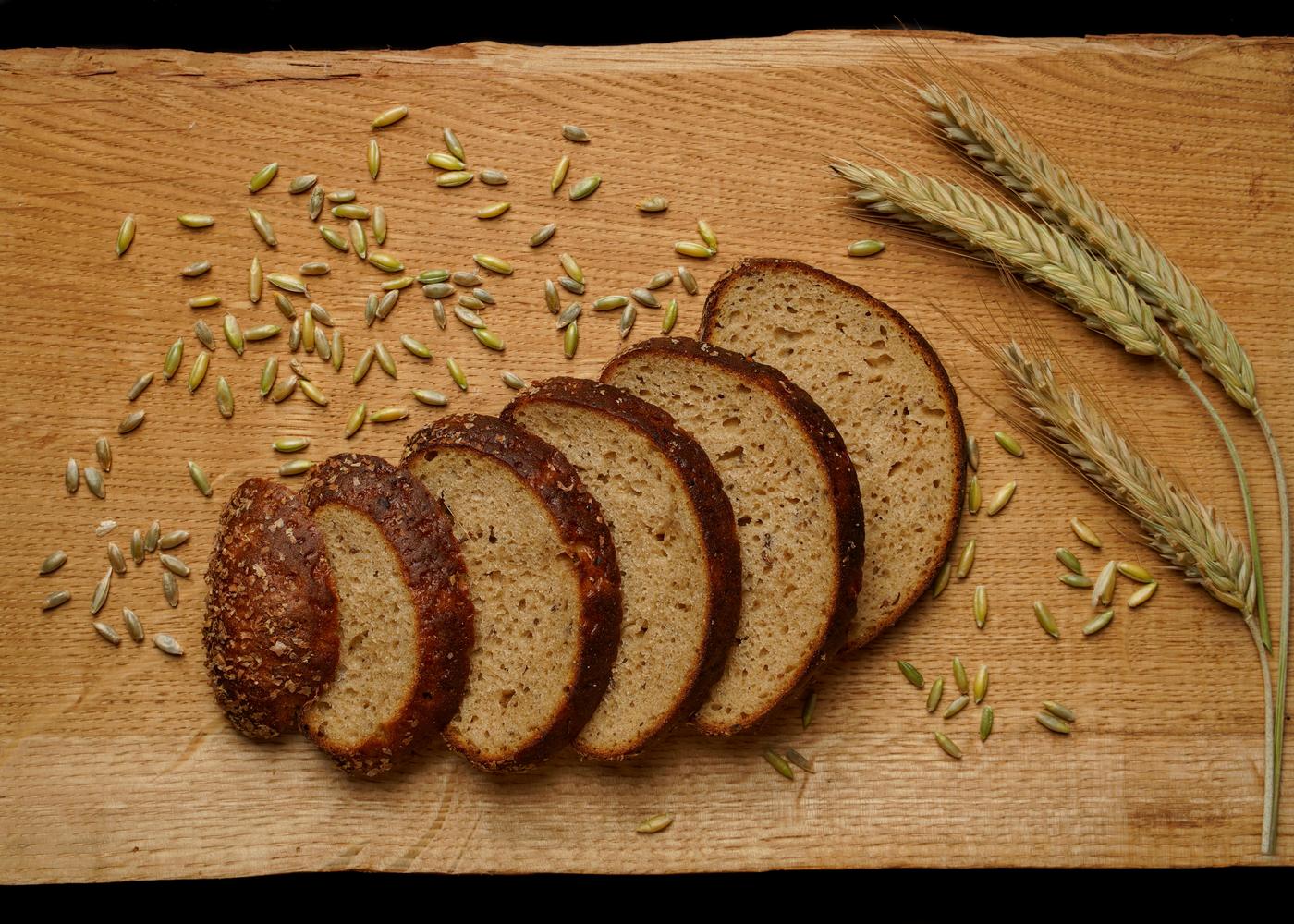
Refined carbs: White bread, sweet pastries, and white rice break down fast in your stomach. They cause your blood sugar to jump up and drop down, so you end up feeling hungry again right away.
Sugary drinks: Soda and sweet juices have empty calories. Your body digests them fast, so they do not trigger the hormones that tell your brain you have had enough to eat.
Packaged snacks: Chips, cookies, and fast food mix refined grains and bad fats. They lack the fiber needed to help your body release the hormones that make you feel full.
High saturated fats: Heavy creams and fatty meats slow down digestion in a bad way. They can cause swelling in your body and make it harder for your body to process the sugar in your blood.
Foods to Eat
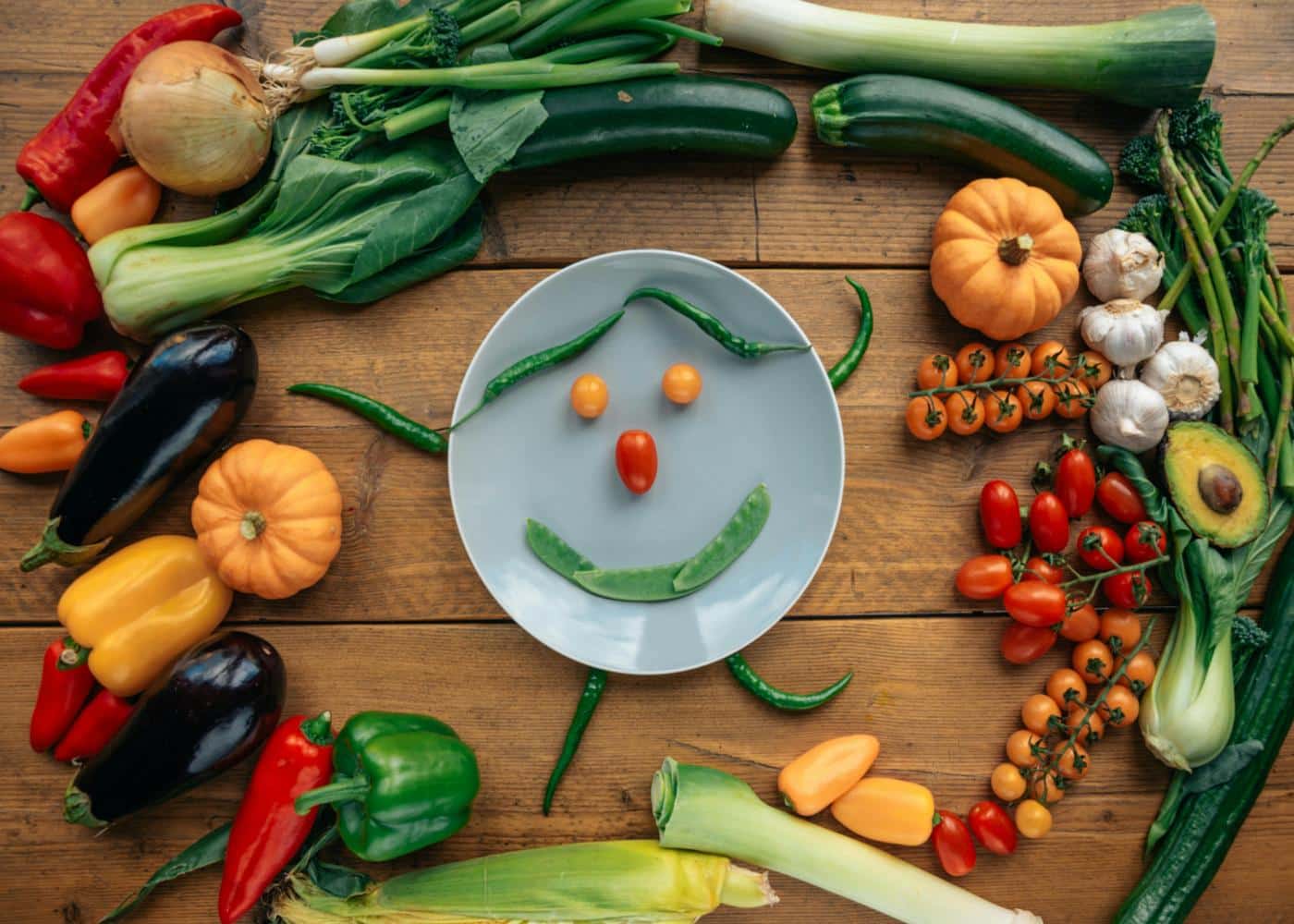
High-fiber vegetables: Broccoli, Brussels sprouts, and leafy greens are full of good fiber. They keep food in your stomach longer and help you feel satisfied for hours.
Lean proteins: Chicken breast, turkey, tofu, and fish require plenty of work for your body to digest. They tell your gut directly to release fullness hormones.
Healthy fats: Avocados, olive oil, almonds, and walnuts slow down how fast your body absorbs carbs. They give you a nice, steady stream of energy all day long.
Beans and legumes: Lentils, chickpeas, and black beans are great sources of fiber. They feed the helpful bacteria in your gut and give your hormone production a nice boost.
In addition to eating foods high in fiber and protein, GLP-1 users may want to consider supplementing their diet with a few select supplements to ensure their body is getting everything it needs.


Free 28-Day GLP-1 Diet Plan

Having a set routine makes eating better a whole lot easier. Following a GLP-1 diet meal plan gives you four weeks of balanced meals to keep your blood sugar steady and your stomach full.
Week 1
Week 1 focuses on simple, balanced meals that combine lean protein, fibre-rich carbs, healthy fats, and hydration to help ease you into a steadier GLP-1-friendly routine.
Day 1
Breakfast: Oatmeal made with water, mixed with chia seeds, sliced strawberries, and a few walnuts.
Lunch: Grilled chicken breast on a bed of mixed greens, cherry tomatoes, and a light olive oil dressing.
Dinner: Baked salmon with roasted asparagus and a small side of cooked quinoa.
Tip: Drink a big glass of water right when you wake up to get your digestion moving.
Day 2
Breakfast: Plain Greek yogurt mixed with a handful of fresh blueberries and ground flaxseeds.
Lunch: A warm bowl of lentil soup with a side of raw vegetables and plain hummus.
Dinner: Turkey meatballs served on zucchini noodles with a low-sugar tomato sauce.
Tip: Chew your food well to give your gut plenty of time to release hormones.
Day 3
Breakfast: Two scrambled eggs cooked with fresh spinach, sliced mushrooms, and one piece of whole-grain toast.
Lunch: A whole wheat wrap holding sliced turkey, fresh avocado, and spinach leaves.
Dinner: Tofu stir-fry cooked with broccoli, bell peppers, and edamame beans in a light soy ginger sauce.
Tip: Take a short ten-minute walk after your meals to help keep your blood sugar steady.
Day 4
Breakfast: Chia seed pudding made with unsweetened almond milk and topped with fresh raspberries.
Lunch: Chickpea salad mixed with diced cucumbers, red onions, feta cheese, and a light lemon dressing.
Dinner: Grilled shrimp skewers served next to roasted sweet potatoes and fresh green beans.
Tip: Keep your portion of healthy fats to about the size of your thumb for each meal.
Day 5
Breakfast: A protein smoothie blended with spinach, half a banana, plain protein powder, and almond milk.
Lunch: Tuna salad made with plain Greek yogurt instead of mayonnaise, served over a big bowl of spinach.
Dinner: Lean beef chili packed with kidney beans, black beans, and diced tomatoes.
Tip: Looking for new GLP-1 diet recipes online can help you find fresh ideas when you want a change of pace.
Day 6
Breakfast: A bowl of cottage cheese topped with sliced peaches and a sprinkle of ground cinnamon on top.
Lunch: A warm bowl of leftover lean beef chili from the night before.
Dinner: Baked cod fish with a crust of crushed pistachios, served with a side of steamed broccoli.
Tip: Spices like cinnamon help your body use insulin better, so add them to your food often.
Day 7
Breakfast: One piece of whole-grain sourdough toast covered with mashed avocado and a poached egg.
Lunch: A large salad with mixed greens, sliced hard-boiled eggs, pumpkin seeds, and a light oil dressing.
Dinner: Roasted pork tenderloin with a side of roasted Brussels sprouts and farro grains.
Tip: Cook a large batch of grains today to save yourself some time on busy nights later in the week.
Week 2
Week 2 adds more variety while keeping meals high in protein, rich in fibre, and easy on digestion, helping you stay full without feeling overly restricted.
Day 8
Breakfast: Overnight oats made with rolled oats, almond milk, and a spoonful of almond butter.
Lunch: A quinoa bowl topped with roasted chickpeas, diced cucumber, and a light tahini dressing.
Dinner: Grilled chicken thighs served alongside mashed cauliflower and green peas.
Tip: Eat your vegetables first, then your protein, and save your complex carbs for the end of the meal.
Day 9
Breakfast: A three-egg omelet filled with chopped bell peppers, onions, and tomatoes.
Lunch: Sliced roast beef on a bed of fresh arugula with cherry tomatoes and a drizzle of balsamic vinegar.
Dinner: Baked trout fish with a side of wild rice and steamed asparagus spears.
Tip: Stop eating when you feel mostly full to avoid giving your stomach too much work to do at once.
Day 10
Breakfast: Plain Greek yogurt layered with fresh blackberries and a spoonful of hemp hearts.
Lunch: Black bean and corn salad mixed with diced avocado, fresh cilantro, and a squeeze of lime juice.
Dinner: Turkey burgers served on large lettuce leaves instead of bread buns, with a side of roasted carrots.
Tip: Try to get at least twenty-five grams of fiber in your meals every single day.
Day 11
Breakfast: A protein shake mixed with plain whey or plant protein, fresh kale leaves, and a small apple.
Lunch: A warm bowl of thick lentil and vegetable stew.
Dinner: Pan-seared halibut fish served with a side salad and a small portion of roasted potatoes.
Tip: Cook a few chicken breasts at once so you can quickly add them to your lunch salads during the week.
Day 12
Breakfast: Scrambled tofu cooked with turmeric powder, spinach leaves, and black beans.
Lunch: Chicken salad mixed with chopped celery and Greek yogurt, served with some whole-grain crackers.
Dinner: Hollowed-out zucchini boats stuffed with lean ground turkey, chopped onions, and a little parmesan cheese.
Tip: Add turmeric and black pepper to your meals to help your body naturally lower swelling.
Day 13
Breakfast: Two hard-boiled eggs and a sliced apple with a spoonful of plain peanut butter.
Lunch: Mixed green salad topped with canned salmon, capers, and a simple lemon dressing.
Dinner: Baked chicken breast coated in almond flour, served with a big side of steamed green beans.
Tip: Keep a few hard-boiled eggs in the fridge for a fast snack that helps you stay full.
Day 14
Breakfast: A bowl of high-fiber cereal with unsweetened almond milk and fresh sliced strawberries.
Lunch: Edamame beans and soba noodle salad tossed with a light sesame oil dressing.
Dinner: Lean steak cut into thin slices over a bed of mixed greens and roasted bell peppers.
Tip: Pick whole grains instead of things made with flour so your body takes more time to digest them.
Week 3
Week 3 builds consistency with more nutrient-dense meals, encouraging stable energy, better blood sugar control, and a stronger rhythm around protein and fibre intake.
Day 15
Breakfast: Oatmeal cooked with water, mixed with a scoop of protein powder, and topped with walnuts.
Lunch: A large collard green leaf used as a wrap, stuffed with plain hummus, shredded carrots, and cucumbers.
Dinner: Baked tilapia fish served with a side of cooked barley and roasted zucchini slices.
Tip: Drink green tea between your meals to help your body process food and stay hydrated.
Day 16
Breakfast: A bowl of plain cottage cheese topped with a handful of fresh pineapple chunks.
Lunch: A portion of leftover baked tilapia and barley from dinner the night before.
Dinner: Chicken fajitas served on a plate without the flour tortillas, using extra bell peppers and onions.
Tip: Squeeze a little fresh lemon juice into your water glass to help your stomach break down food.
Day 17
Breakfast: One piece of whole-grain toast topped with almond butter and a sprinkle of chia seeds.
Lunch: A bowl of white bean and kale soup with a small side of sliced radishes.
Dinner: Grilled salmon fish with a side of mashed sweet potatoes and steamed spinach.
Tip: Try to eat at least twenty to thirty grams of protein every time you sit down for a meal.
Day 18
Breakfast: Plain Greek yogurt mixed with a spoonful of plain pumpkin puree and a little cinnamon.
Lunch: Canned tuna mixed with mashed avocado, served inside two hollowed-out bell pepper halves.
Dinner: Tempeh marinated in soy sauce and baked in the oven, served with cooked quinoa and broccoli.
Tip: Plant proteins like tempeh have a lot of good fiber that helps the good bacteria in your gut.
Day 19
Breakfast: Two scrambled eggs cooked with diced fresh tomatoes and some chopped basil leaves.
Lunch: A large salad with roasted beets, goat cheese crumbles, and walnuts over a bed of arugula.
Dinner: Lean ground chicken cooked with taco spices, served in a bowl over shredded lettuce with mild salsa.
Tip: Good fats help your body absorb vitamins from vegetables, so use a little dressing on your salad.
Day 20
Breakfast: A blended smoothie made with mixed berries, a handful of spinach, and ground flaxseed.
Lunch: A cold quinoa salad with diced cucumbers, cherry tomatoes, and fresh parsley.
Dinner: Baked cod fish served with a side of lentil pasta and a light tomato marinara sauce.
Tip: Using lentil pasta instead of regular pasta is a simple way to add more protein and fiber to your plate.
Day 21
Breakfast: Smashed avocado on a piece of toasted sourdough bread with a sprinkle of red pepper flakes.
Lunch: A warm bowl of minestrone soup and a small side salad with a simple oil dressing.
Dinner: A piece of roast chicken breast served with roasted butternut squash and fresh green beans.
Tip: A little bit of spice from red pepper flakes can give your body a small energy boost.
Week 4
Week 4 helps you finish the plan with a wider mix of meals and practical habits, making it easier to identify the recipes and routines you can continue long term.
Day 22
Breakfast: Chia seed pudding flavored with a drop of vanilla extract and topped with sliced almonds.
Lunch: Leftover chicken and vegetable skewers from a past dinner, eaten cold or warmed up.
Dinner: Beef stir-fry made with lean cuts, snap peas, and water chestnuts in a light garlic sauce.
Tip: Keep an eye on added sugars in your food and try to eat less than twenty-five grams of them a day.
Day 23
Breakfast: A small bowl of bran flakes cereal with unsweetened soy milk and fresh blueberries.
Lunch: Canned chickpeas mashed with a fork and mixed with a little mustard and chopped celery.
Dinner: Baked pork chops served with a side of plain, unsweetened applesauce and roasted carrots.
Tip: Soy milk gives you almost the same amount of protein as cow milk but with less fat.
Day 24
Breakfast: Scrambled egg whites mixed with a full cup of cooked spinach and sliced mushrooms.
Lunch: A bowl of mixed greens topped with sliced turkey lunch meat, pumpkin seeds, and a light vinaigrette.
Dinner: Baked salmon fish served with a side of wild rice and roasted Brussels sprouts.
Tip: Pay attention to your food while you eat, and keep the television or your phone turned off.
Day 25
Breakfast: Overnight oats mixed with a grated fresh apple and a small pinch of nutmeg.
Lunch: A bowl of warm lentil soup with a side of raw baby carrots and plain hummus.
Dinner: Chicken drumsticks baked in the oven with paprika, served with a side of steamed broccoli.
Tip: You can eat dark meat chicken on this plan if you take the skin off to lower the fat content.
Day 26
Breakfast: A bowl of plain cottage cheese with a spoonful of sunflower seeds and a few cherry tomatoes.
Lunch: A whole wheat pita pocket stuffed with baked falafel, shredded lettuce, and cucumber slices.
Dinner: Ground turkey meatballs baked in the oven and served over a bed of cooked spaghetti squash.
Tip: Spaghetti squash takes up a lot of room on your plate but has very few calories compared to regular pasta.
Day 27
Breakfast: Plain Greek yogurt mixed with diced fresh strawberries and some sliced almonds.
Lunch: A portion of leftover ground turkey meatballs and cooked spaghetti squash from the night before.
Dinner: Grilled mahi-mahi fish served with a side of cooked couscous and grilled asparagus spears.
Tip: Fish is a protein that is easy for your stomach to break down and helps keep your body healthy.
Day 28
Breakfast: Two poached eggs served over a small pan of warm, cooked kale.
Lunch: A bowl of black bean soup topped with a small spoonful of plain Greek yogurt.
Dinner: Thinly sliced sirloin steak served with roasted sweet potato wedges and a large side salad.
Tip: Think about which meals you liked the most over the past four weeks so you can make them again.
Build Your Own GLP-1 Diet Plan with Neura

Picking meals that fit your life is the best way to keep up good habits. The four-week list above gives you a solid start, but a plan works best when you adjust it to fit your own taste.
Tools like Neura come in handy here. Neura is an app that helps you match your food choices to what your body needs.
You can track your daily fiber, protein, and healthy fats. Neura makes it easy to stay on a GLP-1 diet while letting you swap out ingredients you do not like.
For example, if you are tired of eating broccoli but you still need a high-fiber vegetable to help your gut release those natural fullness hormones, the app might suggest swapping it for Brussels sprouts or a hearty serving of black beans instead.
The platform makes sure your new choices still give you the nutrients you need to feel full and keep your blood sugar steady.
More GLP-1 Diet Recommendations
To get the most out of your food choices, try adding a few simple GLP-1 diet recommendations to your daily routine. These habits support your meals and keep your body working well.
Drink plenty of water: Getting enough water helps your stomach process food. It also helps fiber take up space in your stomach, so you feel full.
Get enough sleep: A bad night of sleep messes with the hormones that tell you when you are hungry. This makes it hard for your gut to send the right messages to your brain.
Keep stress low: High stress makes your body want sweet, packaged foods that ruin your eating plans.
Lift weights or do bodyweight exercises: Building muscle helps your body use the carbs you eat instead of storing them as fat.
Eat at normal times: Waiting too long between meals makes you feel starved. This leads to eating too fast and picking the wrong foods.
Final Thoughts: GLP-1-Friendly Diet Plans
Losing weight and keeping it off does not mean you have to follow tough rules or stop eating the foods you enjoy.
You help your body handle its own hunger just by focusing on whole foods that have plenty of nutrients. Lean proteins, lots of fiber, and healthy fats are the base of everything you do here.
Sticking with these choices over time will give you better results than trying to be flawless for just a few days.
Follow these ideas, pay attention to when your body tells you it is full, and you will set up a steady routine for a healthy life.
Article FAQ
What is the GLP-1 diet?
A GLP-1 diet is an eating plan focused on whole foods that naturally help your body make more of the GLP-1 hormone. This hormone signals to your brain that you are full. The diet relies on high-fiber foods, lean proteins, and healthy fats to slow down digestion and control hunger.
Can you follow a GLP-1 diet without taking medication?
Yes, you can naturally boost your GLP-1 hormone levels without medication just by changing what you put on your plate. By focusing on nutrient-rich, high-fiber foods and lean proteins, your gut will naturally release more of this fullness hormone after your meals to help manage your appetite.
How long does it take to see results on a GLP-1 diet?
Most people notice a drop in their daily hunger levels within the first few days of starting a GLP-1 diet. Weight loss results usually take a few weeks to become visible. Sticking to the routine and eating enough protein and fiber every day is the key to seeing steady changes.
Does a GLP-1 diet help with weight loss?
Yes, the GLP-1 diet helps with weight loss by naturally lowering your appetite. Because the foods on this plan take a long time to digest, you stay full for hours. This makes it much easier to eat fewer calories overall without feeling starved or restricted throughout the day.
What foods should you avoid on a GLP-1 diet?
You should avoid packaged snacks, refined carbs like white bread, and sugary drinks on a GLP-1 diet. These foods break down too fast in your stomach. Because they digest so quickly, they cause blood sugar spikes and fail to trigger the hormones that tell your brain you have had enough to eat.
What to eat on GLP-1 diet?
On a GLP-1 diet, you should eat foods rich in fiber, healthy fats, and lean protein. Good choices include leafy greens, broccoli, beans, lentils, chicken, fish, and avocados. These specific whole foods take longer to digest, which keeps your blood sugar steady and helps you feel full longer.