
Get exclusive access and enjoy a 7-day Neura iQ trial — free, personalized, and powerful.
Get exclusive access and enjoy a 7-day Neura iQ trial — free, personalized, and powerful.
Sleep Hygiene: Tools for Better Rest
We track your sleep quality, provide adaptive tips for better rest, and build a tailored action plan built around you.
We track your sleep quality, provide adaptive tips for better rest, and build a tailored action plan built around you.

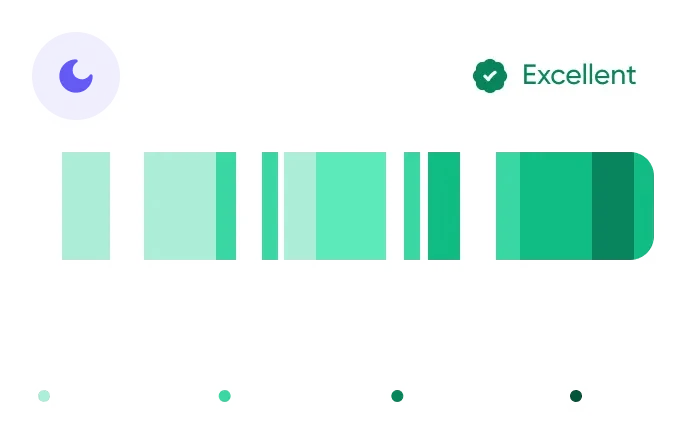




















































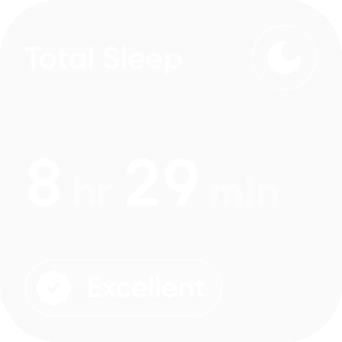
Time in Bed
8 hr 29 min
Excellent
12:05 AM
02:39 AM
07:24 AM
09: 11 AM
39m
Awake
1h 42m
REM
5h 28m
Light
1h
Deep
Time in Bed
8 hr 29 min
Excellent
12:05 AM
02:39 AM
07:24 AM
09: 11 AM
39m
Awake
1h 42m
REM
5h 28m
Light
1h
Deep
Time in Bed
8 hr 29 min
Excellent
12:05 AM
02:39 AM
07:24 AM
09: 11 AM
39m
Awake
1h 42m
REM
5h 28m
Light
1h
Deep
Begin with a Sleep Routine Built Around You
Neura is not the first platform to offer sleep hygiene guidance, but we are the first to tailor routines so precisely to your personal circumstances.
We integrate your existing sleep data from any wearables or apps you already use, then adapt your exact goals into actionable daily and nightly guidance. You don't need to do anything but lie back and relax.
Worried about slipping back into poor sleep hygiene habits? Neura adapts routines in real-time based on your data to keep you on track.
Neura is not the first platform to offer sleep hygiene guidance, but we are the first to tailor routines so precisely to your personal circumstances.
Integrate your existing sleep data from any wearables or apps, tell Neura AI your exact goals in plain language, and receive a 1-of-1 actionable plan for realistic improvements.
Worried about slipping back into poor sleep hygiene habits? Neura adapts routines in real-time based on your data to keep you on track.
Neura is not the first platform to offer sleep hygiene guidance, but we are the first to tailor routines so precisely to your personal circumstances.
We integrate your existing sleep data from any wearables or apps you already use, then adapt your exact goals into actionable daily and nightly guidance. You don't need to do anything but lie back and relax.
Worried about slipping back into poor sleep hygiene habits? Neura adapts routines in real-time based on your data to keep you on track.
See Your Sleep as Part of the Bigger Picture
Sure, you might already be tracking your sleep duration, stages, quality, disruptions, and heart rate - all helpful metrics - but does it tell you how to sleep better?
Neura does. By integrating all of your health data - sleep, diet, exercise, medications, hormones - it is easier than ever for us to translate your waking habits directly into better sleep.
From eating too late to stress spikes, exercise routines to supplement timings, when poor sleep hygiene can be identified, it can be improved.
Sure, you might already be tracking your sleep duration, stages, quality, disruptions, and heart rate - all helpful metrics - but does it tell you how to sleep better?
Neura does. By integrating all of your health data - sleep, diet, exercise, medications, hormones - it is easier than ever to see how your waking habits directly translate to sleep.
From eating too late to stress spikes, exercise routines to supplement timings, when poor sleep hygiene can be identified, it can be improved.
Sure, you might already be tracking your sleep duration, stages, quality, disruptions, and heart rate - all helpful metrics - but does it tell you how to sleep better?
Neura does. By integrating all of your health data - sleep, diet, exercise, medications, hormones - it is easier than ever for us to translate your waking habits directly into better sleep.
From eating too late to stress spikes, exercise routines to supplement timings, when poor sleep hygiene can be identified, it can be improved.


Understand the Science Behind Good Sleep Hygiene
The evidence is clear: when we truly understand a concept, we are more likely to adopt it - often subconsciously.
Neura’s AI has been built from the ground up as a dedicated health assistant, developed on trusted, industry-vetted sources.
With memory of context across your conversations and real-time sync with your Health Profile, Neura not only responds to your questions, it responds to you.
The evidence is clear: when we truly understand a concept, we are more likely to adopt it - often subconsciously.
Neura’s AI has been built from the ground up as a dedicated health assistant, developed on trusted, industry-vetted sources.
With memory of context across your conversations and real-time sync with your Health Profile, Neura not only responds to your questions, it responds to you.

Enter your email for free
early access + 7-day Neura iQ trial
Limited beta spots!
Enter your email for free
early access + 7-day Neura iQ trial
Limited beta spots!
Benefits of Using Neura
for Sleep Hygiene
Benefits of Using Neura for Sleep Hygiene
Habits that stick
Habits that stick
Routines and advice are tailored to your lifestyle and goals, making them easier to adopt and maintain.

Deeper understanding
Deeper understanding
Good sleep hygiene is more than your nighttime routine. Understand how every decision you make from sunrise to sunset affects rest.

Tailored guidance
Tailored guidance
Available 24/7, backed by expert-grade data, and guided by your Health Profile, Neura is like having your own sleep coach in your pocket.

Visualize progress
Visualize progress
Forget about tracking your data in isolation. See how changes in sleep directly correlate with lifestyle changes and keep what works.
Join Neura
Sleep Better. Tonight.
Try Neura for free and set yourself on a path to deeper rest, improved sleep hygiene, and better mornings.
Join Neura
Sleep Better. Tonight.
Try Neura for free and set yourself on a path to deeper rest, improved sleep hygiene, and better mornings.
Join Neura
Sleep Better. Tonight.
Try Neura for free and set yourself on a path to deeper rest, improved sleep hygiene, and better mornings.
Join Neura
Sleep Better. Tonight.
Try Neura for free and set yourself on a path to deeper rest, improved sleep hygiene, and better mornings.
Got Questions? We've Got Answers
Neura is a wellness and educational tool, not a medical device, and does not provide medical advice, diagnosis, or treatment. Always consult a qualified healthcare professional. Neura is currently in beta.
What is sleep hygiene?
Sleep hygiene is a set of habits and environmental cues that support healthy, restorative sleep. It includes things like having a consistent bedtime, limiting screen exposure at night, managing caffeine intake, and creating a calm sleep environment. These small daily choices help your body ease into deeper, higher-quality rest.
What are some good sleep hygiene tips?
Start by setting a regular sleep schedule, building a wind-down routine, reducing late-night screen time, and avoiding caffeine or heavy meals close to bedtime. Tracking your sleep and identifying patterns can also help you understand which habits make the biggest difference.
How do you maintain good sleep hygiene?
Consistency is key. Stick to your routine even on weekends, keep your sleep environment comfortable, and adjust habits when your schedule changes. Tools like Neura help you stay on track with reminders, insights, and personalized recommendations.
How long does it take to see improvements?
Many people notice better sleep within a few days of changing their routine, while deeper improvements often take 2–4 weeks as your body adjusts. Consistency and small, steady habits make the biggest impact.
Do I need a wearable to improve my sleep hygiene?
No, a wearable can provide helpful data, but it’s not required. You can start by using Neura’s guidance, tracking how you feel each morning, or logging your routine. Devices simply add more detail.
What causes poor sleep hygiene?
Irregular schedules, stress, late-night screen use, caffeine, inconsistent routines, and environmental factors like noise or light can all disrupt sleep. Identifying which ones affect you helps you make targeted changes.
Got Questions? We've Got Answers
Neura is a wellness and educational tool, not a medical device, and does not provide medical advice, diagnosis, or treatment. Always consult a qualified healthcare professional. Neura is currently in beta.
What is sleep hygiene?
Sleep hygiene is a set of habits and environmental cues that support healthy, restorative sleep. It includes things like having a consistent bedtime, limiting screen exposure at night, managing caffeine intake, and creating a calm sleep environment. These small daily choices help your body ease into deeper, higher-quality rest.
What are some good sleep hygiene tips?
Start by setting a regular sleep schedule, building a wind-down routine, reducing late-night screen time, and avoiding caffeine or heavy meals close to bedtime. Tracking your sleep and identifying patterns can also help you understand which habits make the biggest difference.
How do you maintain good sleep hygiene?
Consistency is key. Stick to your routine even on weekends, keep your sleep environment comfortable, and adjust habits when your schedule changes. Tools like Neura help you stay on track with reminders, insights, and personalized recommendations.
How long does it take to see improvements?
Many people notice better sleep within a few days of changing their routine, while deeper improvements often take 2–4 weeks as your body adjusts. Consistency and small, steady habits make the biggest impact.
Do I need a wearable to improve my sleep hygiene?
No, a wearable can provide helpful data, but it’s not required. You can start by using Neura’s guidance, tracking how you feel each morning, or logging your routine. Devices simply add more detail.
What causes poor sleep hygiene?
Irregular schedules, stress, late-night screen use, caffeine, inconsistent routines, and environmental factors like noise or light can all disrupt sleep. Identifying which ones affect you helps you make targeted changes.
Got Questions? We've Got Answers
Neura is a wellness and educational tool, not a medical device, and does not provide medical advice, diagnosis, or treatment. Always consult a qualified healthcare professional. Neura is currently in beta.
What is sleep hygiene?
What are some good sleep hygiene tips?
How do you maintain good sleep hygiene?
How long does it take to see improvements?
Do I need a wearable to improve my sleep hygiene?
What causes poor sleep hygiene?
Got Questions? We've Got Answers
Neura is a wellness and educational tool, not a medical device, and does not provide medical advice, diagnosis, or treatment. Always consult a qualified healthcare professional. Neura is currently in beta.
What is sleep hygiene?
Sleep hygiene is a set of habits and environmental cues that support healthy, restorative sleep. It includes things like having a consistent bedtime, limiting screen exposure at night, managing caffeine intake, and creating a calm sleep environment. These small daily choices help your body ease into deeper, higher-quality rest.
What are some good sleep hygiene tips?
Start by setting a regular sleep schedule, building a wind-down routine, reducing late-night screen time, and avoiding caffeine or heavy meals close to bedtime. Tracking your sleep and identifying patterns can also help you understand which habits make the biggest difference.
How do you maintain good sleep hygiene?
Consistency is key. Stick to your routine even on weekends, keep your sleep environment comfortable, and adjust habits when your schedule changes. Tools like Neura help you stay on track with reminders, insights, and personalized recommendations.
How long does it take to see improvements?
Many people notice better sleep within a few days of changing their routine, while deeper improvements often take 2–4 weeks as your body adjusts. Consistency and small, steady habits make the biggest impact.
Do I need a wearable to improve my sleep hygiene?
No, a wearable can provide helpful data, but it’s not required. You can start by using Neura’s guidance, tracking how you feel each morning, or logging your routine. Devices simply add more detail.
What causes poor sleep hygiene?
Irregular schedules, stress, late-night screen use, caffeine, inconsistent routines, and environmental factors like noise or light can all disrupt sleep. Identifying which ones affect you helps you make targeted changes.