News

News

From policy shifts to wellness tech, stay informed with the biggest stories shaping the health world. Subscribe to get the headlines that matter, straight to your inbox.

Featured Article

All Insights Articles

Woman using AI for a medical self diagnosis while lying on the floor and holding a tissue
Apr 3, 2026

AI No More Effective Than Simply Googling Symptoms When It Comes to Self-Diagnosis

The integration of large language models into the healthcare sector has been characterized by a rapid escalation of expectations regarding their immediate utility. 

This widespread enthusiasm is largely fueled by highly publicized achievements in standardized testing environments where artificial intelligence has demonstrated remarkable factual recall. 

The wider community has celebrated numerous milestones where generative pre-trained transformers and similarly architected models have successfully passed the United States Medical Licensing Examination (USMLE) and other rigorous benchmarking tests. 

These successes created a pervasive assumption among technologists and the general public that large language models might be inherently ready to serve as primary consumer-facing medical assistants. The shaky, underlying belief was that a model capable of passing a medical board exam could also excel at helping an average person navigate their own health concerns. 

However, the practice of clinical medicine is fundamentally different from completing a static multiple-choice examination

A landmark randomized preregistered study published in Nature Medicine by researchers from the University of Oxford has critically evaluated this complex transition. The findings of this extensive trial fundamentally disrupt the prevailing narrative regarding the immediate clinical utility of consumer artificial intelligence. 

By systematically assessing how the general public actually utilizes frontier models to self-diagnose and navigate medical triage, the investigators have exposed a profound translational gap

There is a massive disconnect between isolated algorithmic competence and real-world clinical efficacy when these tools are placed in the hands of untrained patients

The study serves as a potential correction to the immense hype surrounding digital health tools, proving that artificial intelligence must be evaluated through the lens of human interaction rather than isolated computational benchmarks.

News

6 min read

Read Article
Woman using AI for a medical self diagnosis while lying on the floor and holding a tissue
Apr 3, 2026

AI No More Effective Than Simply Googling Symptoms When It Comes to Self-Diagnosis

The integration of large language models into the healthcare sector has been characterized by a rapid escalation of expectations regarding their immediate utility. 

This widespread enthusiasm is largely fueled by highly publicized achievements in standardized testing environments where artificial intelligence has demonstrated remarkable factual recall. 

The wider community has celebrated numerous milestones where generative pre-trained transformers and similarly architected models have successfully passed the United States Medical Licensing Examination (USMLE) and other rigorous benchmarking tests. 

These successes created a pervasive assumption among technologists and the general public that large language models might be inherently ready to serve as primary consumer-facing medical assistants. The shaky, underlying belief was that a model capable of passing a medical board exam could also excel at helping an average person navigate their own health concerns. 

However, the practice of clinical medicine is fundamentally different from completing a static multiple-choice examination

A landmark randomized preregistered study published in Nature Medicine by researchers from the University of Oxford has critically evaluated this complex transition. The findings of this extensive trial fundamentally disrupt the prevailing narrative regarding the immediate clinical utility of consumer artificial intelligence. 

By systematically assessing how the general public actually utilizes frontier models to self-diagnose and navigate medical triage, the investigators have exposed a profound translational gap

There is a massive disconnect between isolated algorithmic competence and real-world clinical efficacy when these tools are placed in the hands of untrained patients

The study serves as a potential correction to the immense hype surrounding digital health tools, proving that artificial intelligence must be evaluated through the lens of human interaction rather than isolated computational benchmarks.

News

6 min read

Read Article
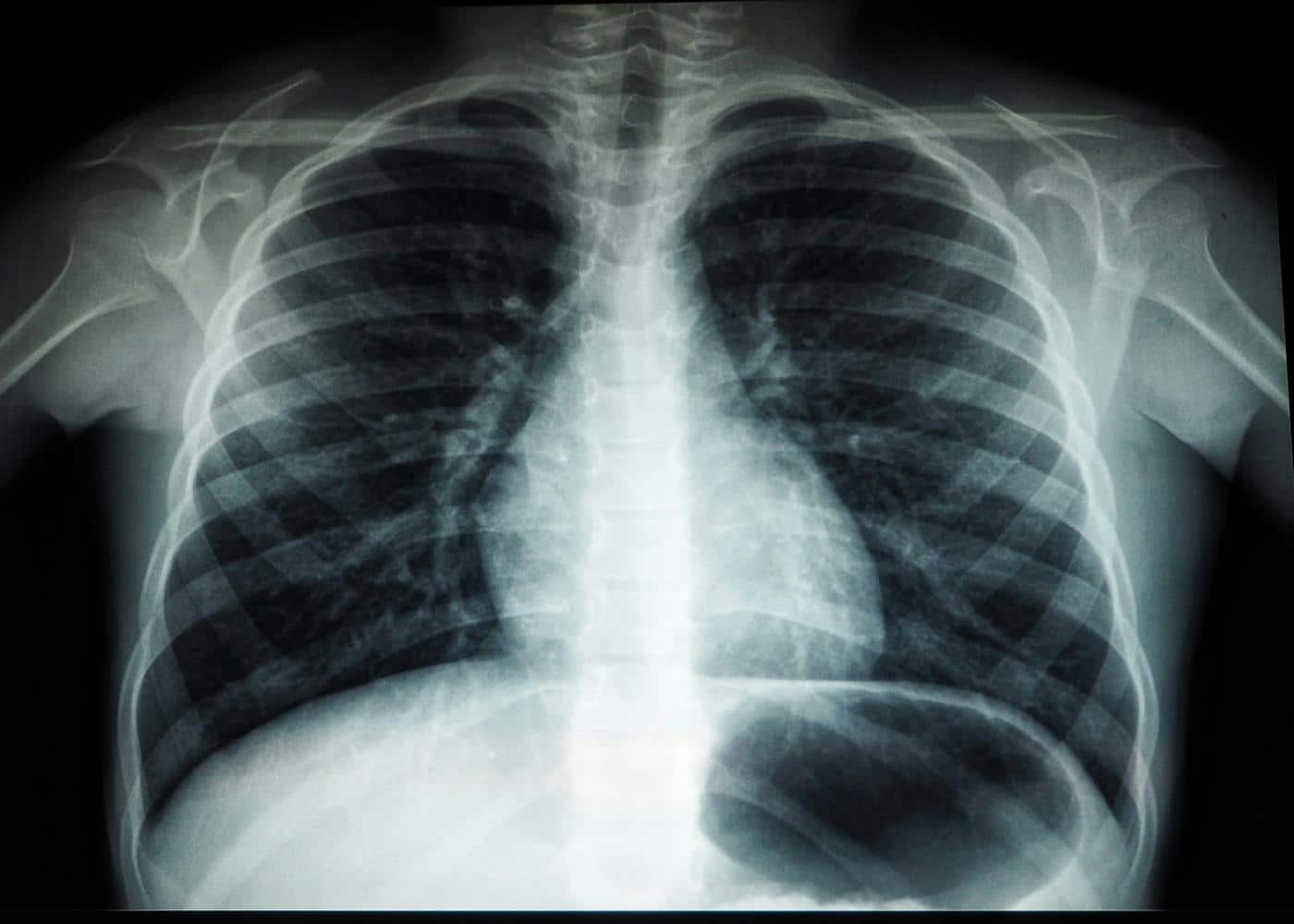
X-ray of a person's chest showing lungs, heart, and thymus
Mar 24, 2026

Rethinking the Thymus: This Often Forgotten Organ Could be Key to Advancing Human Longevity

For centuries, anatomists and biologists opening the chest cavities of adult cadavers found little more than a pad of yellowish adipose tissue where a robust, pinkish organ once sat during infancy. 

This visual observation cemented a long-held and seemingly unshakeable dogma in the field of immunology. The prevailing wisdom suggested that the thymus was essentially a temporary biological incubator

It was viewed as a childhood necessity that dutifully produced the initial repertoire of immune cells before involuting and quietly retiring by the time a person reached early adulthood. 

Generations of medical students were taught that the adult immune system functioned perfectly well without it, relying almost entirely on the peripheral replication of existing, long-lived memory cells to fight off infections.

However, a sweeping and technologically sophisticated study recently published in the journal Nature has sought to dismantle this archaic view. Utilizing massive datasets and advanced deep learning techniques, researchers have demonstrated that the thymus never truly retires. 

Instead, it remains functionally active and serves as a critical, life-long determinant of human health, disease resistance, and overall longevity

This paradigm-shifting research forces the scientific and medical communities to reevaluate the mechanisms of aging, the foundations of chronic disease prevention, and the future of personalized immunotherapy. 

The findings suggest that the thymus is not a vestigial relic of youth, but rather a central biological clock dictating the pace of immune aging.

News

9 min read

Read Article
X-ray of a person's chest showing lungs, heart, and thymus
Mar 24, 2026

Rethinking the Thymus: This Often Forgotten Organ Could be Key to Advancing Human Longevity

For centuries, anatomists and biologists opening the chest cavities of adult cadavers found little more than a pad of yellowish adipose tissue where a robust, pinkish organ once sat during infancy. 

This visual observation cemented a long-held and seemingly unshakeable dogma in the field of immunology. The prevailing wisdom suggested that the thymus was essentially a temporary biological incubator

It was viewed as a childhood necessity that dutifully produced the initial repertoire of immune cells before involuting and quietly retiring by the time a person reached early adulthood. 

Generations of medical students were taught that the adult immune system functioned perfectly well without it, relying almost entirely on the peripheral replication of existing, long-lived memory cells to fight off infections.

However, a sweeping and technologically sophisticated study recently published in the journal Nature has sought to dismantle this archaic view. Utilizing massive datasets and advanced deep learning techniques, researchers have demonstrated that the thymus never truly retires. 

Instead, it remains functionally active and serves as a critical, life-long determinant of human health, disease resistance, and overall longevity

This paradigm-shifting research forces the scientific and medical communities to reevaluate the mechanisms of aging, the foundations of chronic disease prevention, and the future of personalized immunotherapy. 

The findings suggest that the thymus is not a vestigial relic of youth, but rather a central biological clock dictating the pace of immune aging.

News

9 min read

Read Article
Pollution and mental health: grey city skyline polluted by a smokestack in the distance
Mar 4, 2026

The Impact of Pollution on Mental Health: The Hidden Cost of Urbanization and Climate Change

Mental health disorders represent one of the most profound and rapidly growing public health challenges of the modern era. 

In the European Union alone, the Global Burden of Disease Study indicated that more than 11 million disability-adjusted life years were lost in 2023 due to mental health disorders, making these disorders the sixth largest burden of disease across the continent. 

According to data from the European Health Interview Survey, mental health problems affect approximately one in six people in the EU, with 7.2 percent of citizens suffering from chronic depression (Eurostat, 2021). 

Multiple more extensive studies show a significant and sustained increase in the prevalence and incidence of mental health disorders across Europe over the last two decades (Lozano-Sánchez et al., 2024; Momen et al., 2025). 

Yet, despite these escalating numbers, public health systems have systematically underrepresented psychiatric care in their budgets and resource allocations.

Historically, the etiology of mental health disorders has been viewed primarily through a localized, individual lens. Researchers and clinicians have focused on intrinsic factors such as genetics, biological predispositions, and immediate socioeconomic or psychological determinants. 

However, this traditional framework is rapidly expanding to include a critical and previously underappreciated risk factor, which is the physical environment

The European Commission has pointed out the importance of addressing the environmental determinants that promote good mental health along with biological and socioeconomic factors. 

It is becoming increasingly clear that the health of our planet and the health of our neurology are inextricably linked.

News

11 min read

Read Article
Pollution and mental health: grey city skyline polluted by a smokestack in the distance
Mar 4, 2026

The Impact of Pollution on Mental Health: The Hidden Cost of Urbanization and Climate Change

Mental health disorders represent one of the most profound and rapidly growing public health challenges of the modern era. 

In the European Union alone, the Global Burden of Disease Study indicated that more than 11 million disability-adjusted life years were lost in 2023 due to mental health disorders, making these disorders the sixth largest burden of disease across the continent. 

According to data from the European Health Interview Survey, mental health problems affect approximately one in six people in the EU, with 7.2 percent of citizens suffering from chronic depression (Eurostat, 2021). 

Multiple more extensive studies show a significant and sustained increase in the prevalence and incidence of mental health disorders across Europe over the last two decades (Lozano-Sánchez et al., 2024; Momen et al., 2025). 

Yet, despite these escalating numbers, public health systems have systematically underrepresented psychiatric care in their budgets and resource allocations.

Historically, the etiology of mental health disorders has been viewed primarily through a localized, individual lens. Researchers and clinicians have focused on intrinsic factors such as genetics, biological predispositions, and immediate socioeconomic or psychological determinants. 

However, this traditional framework is rapidly expanding to include a critical and previously underappreciated risk factor, which is the physical environment

The European Commission has pointed out the importance of addressing the environmental determinants that promote good mental health along with biological and socioeconomic factors. 

It is becoming increasingly clear that the health of our planet and the health of our neurology are inextricably linked.

News

11 min read

Read Article
creal with nuts next to a cup of coffee on a gray tablecloth
Feb 17, 2026

Diabetes Risk Reduction Diet Found to Extend Life Expectancy More Than Any Other in New Study

The intersection of genomics and epidemiology has long been a battleground for one of the most fundamental questions in human health: is our lifespan dictated by the immutable code of our DNA, or can we rewrite our biological destiny through daily choices? 

While more recent heritability estimates suggest that genetics account for approximately 50% of the variation in human lifespan (considerably more than previously thought), that still leaves the remaining 50% largely attributed to environmental factors, with diet serving as a primary, modifiable variable.

Until recently, however, the precise interplay between favorable longevity genetics and dietary adherence remained somewhat opaque. Does a healthy diet provide a rescue mechanism even for those with high genetic risk? 

Conversely, does a pristine genetic profile render dietary choices less critical? 

A prospective cohort study published in Science Advances provides the most robust answers to date. By analyzing data from over 100,000 participants in the UK Biobank, researchers have demonstrated that healthy dietary patterns confer survival benefits that are statistically independent of genetic predisposition

The implication being metabolic health, driven by nutritional quality, appears to operate on a parallel track to genetic longevity, suggesting that anyone can add literal years to their life by optimizing their diet.

News

5 min read

Read Article
creal with nuts next to a cup of coffee on a gray tablecloth
Feb 17, 2026

Diabetes Risk Reduction Diet Found to Extend Life Expectancy More Than Any Other in New Study

The intersection of genomics and epidemiology has long been a battleground for one of the most fundamental questions in human health: is our lifespan dictated by the immutable code of our DNA, or can we rewrite our biological destiny through daily choices? 

While more recent heritability estimates suggest that genetics account for approximately 50% of the variation in human lifespan (considerably more than previously thought), that still leaves the remaining 50% largely attributed to environmental factors, with diet serving as a primary, modifiable variable.

Until recently, however, the precise interplay between favorable longevity genetics and dietary adherence remained somewhat opaque. Does a healthy diet provide a rescue mechanism even for those with high genetic risk? 

Conversely, does a pristine genetic profile render dietary choices less critical? 

A prospective cohort study published in Science Advances provides the most robust answers to date. By analyzing data from over 100,000 participants in the UK Biobank, researchers have demonstrated that healthy dietary patterns confer survival benefits that are statistically independent of genetic predisposition

The implication being metabolic health, driven by nutritional quality, appears to operate on a parallel track to genetic longevity, suggesting that anyone can add literal years to their life by optimizing their diet.

News

5 min read

Read Article
Globalminds Study: Happy and sad balloons floating in the sky
Feb 17, 2026

“Dawn of a New Era:” NHS Initiates World's Largest Mental Health Study to Advance Precision Psychiatry

The National Health Service (NHS) in England and Wales has launched a groundbreaking initiative poised to redefine how severe mental illnesses are understood and treated. 

GlobalMinds marks a pivotal shift in psychiatric research, representing the UK's most significant attempt to date to bridge the gap between genomic science and clinical practice for severe mental illness (SMI). 

While genomic association studies have identified numerous risk loci for conditions like schizophrenia and bipolar disorder, the translation of these findings into clinical utility has been stalled by a lack of scale and depth. 

GlobalMinds aims to resolve this bottleneck by recruiting 50,000 participants with specific SMI diagnoses and linking their genomic data directly to longitudinal NHS health records.

Led by Akrivia Health and Cardiff University, with backing from the Wellcome Trust and Johnson & Johnson, the study is designed to overcome the "trial and error" paradigm that currently defines psychopharmacology, and move toward a new era of “precision psychiatry.” 

By creating a massive, re-contactable cohort, researchers intend to identify the specific biological mechanisms that drive treatment resistance and adverse drug reactions. This initiative moves beyond standard biobanking; it is a targeted operational framework designed to deconvolute the heterogeneity of SMI and accelerate the delivery of biologically stratified, precision therapeutics.

News

5 min read

Read Article
Globalminds Study: Happy and sad balloons floating in the sky
Feb 17, 2026

“Dawn of a New Era:” NHS Initiates World's Largest Mental Health Study to Advance Precision Psychiatry

The National Health Service (NHS) in England and Wales has launched a groundbreaking initiative poised to redefine how severe mental illnesses are understood and treated. 

GlobalMinds marks a pivotal shift in psychiatric research, representing the UK's most significant attempt to date to bridge the gap between genomic science and clinical practice for severe mental illness (SMI). 

While genomic association studies have identified numerous risk loci for conditions like schizophrenia and bipolar disorder, the translation of these findings into clinical utility has been stalled by a lack of scale and depth. 

GlobalMinds aims to resolve this bottleneck by recruiting 50,000 participants with specific SMI diagnoses and linking their genomic data directly to longitudinal NHS health records.

Led by Akrivia Health and Cardiff University, with backing from the Wellcome Trust and Johnson & Johnson, the study is designed to overcome the "trial and error" paradigm that currently defines psychopharmacology, and move toward a new era of “precision psychiatry.” 

By creating a massive, re-contactable cohort, researchers intend to identify the specific biological mechanisms that drive treatment resistance and adverse drug reactions. This initiative moves beyond standard biobanking; it is a targeted operational framework designed to deconvolute the heterogeneity of SMI and accelerate the delivery of biologically stratified, precision therapeutics.

News

5 min read

Read Article
Night owl lying in a messy bed and looking at the camera
Feb 3, 2026

Early Bird or Night Owl? Study Finds It Might Not Be So Simple

For decades, the field of sleep medicine has operated under a relatively binary paradigm regarding chronotype: the "early bird" (morningness) and the "night owl" (eveningness). 

This dichotomy has served as a foundational heuristic for understanding patient behavior, risk profiles, and recovery strategies. The prevailing consensus has historically favored morningness as the phenotype of health, while eveningness has been broadly associated with psychiatric, metabolic, and cardiovascular morbidity.

But hasn’t that bias, prevalent in both the medical field and popular culture, always felt a little too simplistic? Is being a night owl genuinely bad? And do early birds always catch the worm?

A landmark 2025 study published in Nature Communications provides the neurobiological evidence to challenge these broad perceptions. 

By leveraging machine learning to analyze multimodal brain imaging and behavioral data, researchers have deconstructed the monolithic "morning vs. evening" model, revealing five distinct biological subtypes that demand a re-evaluation of how we assess and treat circadian rhythmicity.


Night Owls Vs Early Birds: The Age-Old Debate

The formal study of morningness and eveningness dates back to physiology professor Nathaniel Kleitman's 1939 research, which first sought to categorize human sleep-wake cycles. For decades following his work, clinical questionnaires effectively forced people into a binary choice: you were considered either a "lark" or an "owl."

However, evolutionary biologists suggest this variation is not a modern personality quirk, but an ancient survival mechanism often referred to as the "sentinel hypothesis." In early hunter-gatherer societies, having a staggered group sleep schedule, where some members naturally stayed awake late while others rose before dawn, ensured that someone was always alert to guard against predators.

Today, we know this staggered schedule is driven by our genetic wiring. Modern genome-wide association studies have identified hundreds of genetic variants, including the PER2 and RGS16 genes, that dictate our internal circadian clocks and influence the timing of hormone release, such as melatonin and cortisol.

For those invested in actively tracking their long-term health metrics, understanding this evolutionary background is crucial. It highlights that trying to force a genetic "night owl" into a 5:00 AM corporate routine isn't just difficult, it is biologically counterproductive. This historical context makes the recent discovery of five distinct, highly nuanced sleep subtypes even more revolutionary.

News

10 min read

Read Article
Night owl lying in a messy bed and looking at the camera
Feb 3, 2026

Early Bird or Night Owl? Study Finds It Might Not Be So Simple

For decades, the field of sleep medicine has operated under a relatively binary paradigm regarding chronotype: the "early bird" (morningness) and the "night owl" (eveningness). 

This dichotomy has served as a foundational heuristic for understanding patient behavior, risk profiles, and recovery strategies. The prevailing consensus has historically favored morningness as the phenotype of health, while eveningness has been broadly associated with psychiatric, metabolic, and cardiovascular morbidity.

But hasn’t that bias, prevalent in both the medical field and popular culture, always felt a little too simplistic? Is being a night owl genuinely bad? And do early birds always catch the worm?

A landmark 2025 study published in Nature Communications provides the neurobiological evidence to challenge these broad perceptions. 

By leveraging machine learning to analyze multimodal brain imaging and behavioral data, researchers have deconstructed the monolithic "morning vs. evening" model, revealing five distinct biological subtypes that demand a re-evaluation of how we assess and treat circadian rhythmicity.


Night Owls Vs Early Birds: The Age-Old Debate

The formal study of morningness and eveningness dates back to physiology professor Nathaniel Kleitman's 1939 research, which first sought to categorize human sleep-wake cycles. For decades following his work, clinical questionnaires effectively forced people into a binary choice: you were considered either a "lark" or an "owl."

However, evolutionary biologists suggest this variation is not a modern personality quirk, but an ancient survival mechanism often referred to as the "sentinel hypothesis." In early hunter-gatherer societies, having a staggered group sleep schedule, where some members naturally stayed awake late while others rose before dawn, ensured that someone was always alert to guard against predators.

Today, we know this staggered schedule is driven by our genetic wiring. Modern genome-wide association studies have identified hundreds of genetic variants, including the PER2 and RGS16 genes, that dictate our internal circadian clocks and influence the timing of hormone release, such as melatonin and cortisol.

For those invested in actively tracking their long-term health metrics, understanding this evolutionary background is crucial. It highlights that trying to force a genetic "night owl" into a 5:00 AM corporate routine isn't just difficult, it is biologically counterproductive. This historical context makes the recent discovery of five distinct, highly nuanced sleep subtypes even more revolutionary.

News

10 min read

Read Article
Closeup of an elderly woman's face
Feb 2, 2026

Raising the Genetic Ceiling: Shattering the "Low Heritability" Myth of Aging

For the last three decades, the prevailing dogma in longevity science has been remarkably optimistic regarding human agency. We have been told repeatedly that genetics account for only around 15% to 30% of our lifespan variance

The corollary to this statistic is empowering: it implies that 70% to 85% of our longevity is determined by environmental factors and lifestyle choices. This "low heritability" model has served as the bedrock of the biohacking movement and public health initiatives. 

It suggests that if we can simply optimize our diet, sleep, supplementation, and exercise, we can engineer our way to a centenarian lifespan regardless of the genetic hand we were dealt.

However, a landmark study published in Science in January 2026 has fundamentally destabilized this consensus. Titled "Heritability of intrinsic human life span is about 50% when confounding factors are addressed," the research by Ben Shenhar and Uri Alon offers a rigorous mathematical correction to historical data. 

Their findings suggest that the low heritability estimates of the past were statistical illusions caused by the inability to distinguish between bad luck and bad biology.

By separating "extrinsic" mortality (accidents, infections, violence) from "intrinsic" mortality (biological aging), the researchers have revealed that the genetic contribution to the rate of aging is approximately 50% to 55%. 

This is a pivotal moment for the field. It does not negate the importance of lifestyle, but it demands a recalibration of our expectations. 

For those invested in longevity, this study signals a shift from a purely environmental model of aging to one that is profoundly more deterministic, yet paradoxically more amenable to targeted genetic intervention.

News

6 min read

Read Article
Closeup of an elderly woman's face
Feb 2, 2026

Raising the Genetic Ceiling: Shattering the "Low Heritability" Myth of Aging

For the last three decades, the prevailing dogma in longevity science has been remarkably optimistic regarding human agency. We have been told repeatedly that genetics account for only around 15% to 30% of our lifespan variance

The corollary to this statistic is empowering: it implies that 70% to 85% of our longevity is determined by environmental factors and lifestyle choices. This "low heritability" model has served as the bedrock of the biohacking movement and public health initiatives. 

It suggests that if we can simply optimize our diet, sleep, supplementation, and exercise, we can engineer our way to a centenarian lifespan regardless of the genetic hand we were dealt.

However, a landmark study published in Science in January 2026 has fundamentally destabilized this consensus. Titled "Heritability of intrinsic human life span is about 50% when confounding factors are addressed," the research by Ben Shenhar and Uri Alon offers a rigorous mathematical correction to historical data. 

Their findings suggest that the low heritability estimates of the past were statistical illusions caused by the inability to distinguish between bad luck and bad biology.

By separating "extrinsic" mortality (accidents, infections, violence) from "intrinsic" mortality (biological aging), the researchers have revealed that the genetic contribution to the rate of aging is approximately 50% to 55%. 

This is a pivotal moment for the field. It does not negate the importance of lifestyle, but it demands a recalibration of our expectations. 

For those invested in longevity, this study signals a shift from a purely environmental model of aging to one that is profoundly more deterministic, yet paradoxically more amenable to targeted genetic intervention.

News

6 min read

Read Article
Two people with parkinsons disease traversing down a shaded path
Jan 6, 2026

The Brain on Empty: Visualizing Creatine Reveals Metabolic Crisis in Parkinson’s

For the past thirty years, the quest to cure Parkinson’s Disease (PD) has been dominated by a single narrative: the "Protein Aggregation" hypothesis. We have spent billions of dollars and millions of research hours trying to understand how alpha-synuclein misfolds, clumps into Lewy bodies, and kills neurons. It is a compelling story of toxic waste choking the cellular machinery.

But running parallel to this narrative is a quieter, perhaps more fundamental theory: The "Bioenergetic Failure" hypothesis. This theory posits that Parkinson’s is, at its core, an energy crisis. It suggests that dopaminergic neurons do not die because they are choked by proteins, but because they starve. They run out of fuel.

This metabolic perspective points toward a simple, readily available solution: Creatine

As a critical buffer for cellular energy, creatine has long been viewed as a potential neuroprotective "superfuel." Yet, despite massive promise in animal models, human clinical trials have been frustratingly inconclusive.

Why the disconnect? A groundbreaking new study published in Nature NPJ Parkinson’s Disease, titled "Creatine-weighted imaging in patients with Parkinson’s disease," suggests the problem wasn’t the fuel; it was that we had no fuel gauge.

Led by a collaborative team of researchers (Wang, Yadav, Xu, et al.), this study utilizes a cutting-edge MRI technique called GuanCEST to accurately visualize creatine levels in the living human brain for the first time in high resolution. 

Their findings not only confirm that Parkinson’s brains are running on empty, but also offer a roadmap for a new era of precision metabolic medicine.

News

11 min read

Read Article
Two people with parkinsons disease traversing down a shaded path
Jan 6, 2026

The Brain on Empty: Visualizing Creatine Reveals Metabolic Crisis in Parkinson’s

For the past thirty years, the quest to cure Parkinson’s Disease (PD) has been dominated by a single narrative: the "Protein Aggregation" hypothesis. We have spent billions of dollars and millions of research hours trying to understand how alpha-synuclein misfolds, clumps into Lewy bodies, and kills neurons. It is a compelling story of toxic waste choking the cellular machinery.

But running parallel to this narrative is a quieter, perhaps more fundamental theory: The "Bioenergetic Failure" hypothesis. This theory posits that Parkinson’s is, at its core, an energy crisis. It suggests that dopaminergic neurons do not die because they are choked by proteins, but because they starve. They run out of fuel.

This metabolic perspective points toward a simple, readily available solution: Creatine

As a critical buffer for cellular energy, creatine has long been viewed as a potential neuroprotective "superfuel." Yet, despite massive promise in animal models, human clinical trials have been frustratingly inconclusive.

Why the disconnect? A groundbreaking new study published in Nature NPJ Parkinson’s Disease, titled "Creatine-weighted imaging in patients with Parkinson’s disease," suggests the problem wasn’t the fuel; it was that we had no fuel gauge.

Led by a collaborative team of researchers (Wang, Yadav, Xu, et al.), this study utilizes a cutting-edge MRI technique called GuanCEST to accurately visualize creatine levels in the living human brain for the first time in high resolution. 

Their findings not only confirm that Parkinson’s brains are running on empty, but also offer a roadmap for a new era of precision metabolic medicine.

News

11 min read

Read Article
Woman trying to sleep while holding her gut in discomfort
Dec 31, 2025

How Your Gut Microbiome is Hijacking Your Sleep (and Vice Versa)

It is 3:00 AM. 

You are staring at the ceiling, the numbers on your digital clock mocking you with their neon glow. You've done everything "right." You remove caffeine at noon. You bought the blackout curtains. You put your phone away an hour before bed. You even tried that meditation app with the sounds of falling rain. And yet, your brain refuses to shut down.

For decades, medicine has told us that the problem lies "between the ears." We treat insomnia as a failure of the brain's switchboard; a neurological glitch caused by stress, anxiety, or neurochemical imbalance. 

Now, a landmark study published in 2025 in the Journal of General Psychiatry has turned that assumption on its head.

The study, titled "Investigating bidirectional causal relationships between gut microbiota and insomnia," suggests that the call isn't just coming from inside the house; it's coming from the basement. Specifically, your gut.

We have known for some time that the gut and the brain speak to each other. But until now, we haven't known who started the conversation. Does poor sleep ruin your digestion? Or does a damaged gut ruin your sleep?

Using advanced genetic analysis, researchers have finally answered that question. The answer is: Yes. 

It is both. And understanding this bidirectional loop is the key to advancing our understanding of sleep regulation.


The Problem with "Correlation"

Before we dive into the implications, we have to address why this specific study is such a big deal.

In the past, science has struggled with the "chicken or the egg" problem. We observe that people with chronic insomnia often have Irritable Bowel Syndrome (IBS) or other gut issues. We observe that people with poor diets sleep poorly. But observational studies are messy. 

If you eat a lot of fast food and sleep poorly, is the food destroying your gut bacteria, which then ruins your sleep? Or are you sleeping poorly, which makes you crave fast food, which then ruins your gut?

The researchers behind this 2025 study cut through the noise using Mendelian Randomization (MR). Think of MR as nature's own randomized controlled trial. We are all born with genetic variants that predispose us to having higher or lower levels of certain gut bacteria, and other variants that predispose us to insomnia. Because these genes are assigned at conception, long before you ever drank your first coffee or had your first stressful job, they act as unchangeable anchors.

By analyzing genetic data from over 386,000 people for insomnia and over 18,000 for gut microbiome profiles, the researchers could look at causality, not just correlation

They didn't just find that people with insomnia have different guts; they proved that specific genetic profiles for gut bacteria cause the risk of insomnia to rise or fall.


News

13 min read

Read Article
Woman trying to sleep while holding her gut in discomfort
Dec 31, 2025

How Your Gut Microbiome is Hijacking Your Sleep (and Vice Versa)

It is 3:00 AM. 

You are staring at the ceiling, the numbers on your digital clock mocking you with their neon glow. You've done everything "right." You remove caffeine at noon. You bought the blackout curtains. You put your phone away an hour before bed. You even tried that meditation app with the sounds of falling rain. And yet, your brain refuses to shut down.

For decades, medicine has told us that the problem lies "between the ears." We treat insomnia as a failure of the brain's switchboard; a neurological glitch caused by stress, anxiety, or neurochemical imbalance. 

Now, a landmark study published in 2025 in the Journal of General Psychiatry has turned that assumption on its head.

The study, titled "Investigating bidirectional causal relationships between gut microbiota and insomnia," suggests that the call isn't just coming from inside the house; it's coming from the basement. Specifically, your gut.

We have known for some time that the gut and the brain speak to each other. But until now, we haven't known who started the conversation. Does poor sleep ruin your digestion? Or does a damaged gut ruin your sleep?

Using advanced genetic analysis, researchers have finally answered that question. The answer is: Yes. 

It is both. And understanding this bidirectional loop is the key to advancing our understanding of sleep regulation.


The Problem with "Correlation"

Before we dive into the implications, we have to address why this specific study is such a big deal.

In the past, science has struggled with the "chicken or the egg" problem. We observe that people with chronic insomnia often have Irritable Bowel Syndrome (IBS) or other gut issues. We observe that people with poor diets sleep poorly. But observational studies are messy. 

If you eat a lot of fast food and sleep poorly, is the food destroying your gut bacteria, which then ruins your sleep? Or are you sleeping poorly, which makes you crave fast food, which then ruins your gut?

The researchers behind this 2025 study cut through the noise using Mendelian Randomization (MR). Think of MR as nature's own randomized controlled trial. We are all born with genetic variants that predispose us to having higher or lower levels of certain gut bacteria, and other variants that predispose us to insomnia. Because these genes are assigned at conception, long before you ever drank your first coffee or had your first stressful job, they act as unchangeable anchors.

By analyzing genetic data from over 386,000 people for insomnia and over 18,000 for gut microbiome profiles, the researchers could look at causality, not just correlation

They didn't just find that people with insomnia have different guts; they proved that specific genetic profiles for gut bacteria cause the risk of insomnia to rise or fall.

News

13 min read

Read Article
Spilled supplement bottle next to an orange slice
Dec 30, 2025

How a Simple Nutrient Cocktail is Rewriting the Rules of Brain Plasticity

The human brain is often described as a computer, but that analogy falls woefully short. A computer is rigid, modular, and distinct. The brain, by contrast, is a fluid, dynamic ecosystem. 

It is a biological orchestra where billions of neurons must fire in precise synchrony to produce a coherent thought, a memory, or a social interaction. When that orchestra falls out of tune, we see the emergence of neurodevelopmental conditions like Autism Spectrum Disorder (ASD).

For decades, the search for a treatment for ASD has been akin to looking for a single broken instrument. Geneticists have identified hundreds of risk genes, from Tbr1 to Nf1, each contributing to the disorder in different ways. 

The pharmaceutical industry has largely aimed for "sledgehammer" approaches: powerful drugs designed to forcefully alter neurotransmitter levels, often accompanied by a laundry list of side effects.

But a groundbreaking new study published in PLOS Biology has proposed a radically different approach. Instead of trying to fix the genetic blueprint or numb the symptoms, what if we simply provided the brain with the precise metabolic fuel it needs to repair itself?

Researchers led by Tzyy-Nan Huang and Yi-Ping Hsueh have demonstrated that a specific, low-dose "cocktail" of three common nutrients, Zinc, Branched-Chain Amino Acids (BCAAs), and Serine, can synergistically rewire the brain. 

The results are not just promising for autism treatment; they open a tantalizing door to the future of general cognitive enhancement, memory optimization, and the preservation of the aging mind.

News

9 min read

Read Article
Spilled supplement bottle next to an orange slice
Dec 30, 2025

How a Simple Nutrient Cocktail is Rewriting the Rules of Brain Plasticity

The human brain is often described as a computer, but that analogy falls woefully short. A computer is rigid, modular, and distinct. The brain, by contrast, is a fluid, dynamic ecosystem. 

It is a biological orchestra where billions of neurons must fire in precise synchrony to produce a coherent thought, a memory, or a social interaction. When that orchestra falls out of tune, we see the emergence of neurodevelopmental conditions like Autism Spectrum Disorder (ASD).

For decades, the search for a treatment for ASD has been akin to looking for a single broken instrument. Geneticists have identified hundreds of risk genes, from Tbr1 to Nf1, each contributing to the disorder in different ways. 

The pharmaceutical industry has largely aimed for "sledgehammer" approaches: powerful drugs designed to forcefully alter neurotransmitter levels, often accompanied by a laundry list of side effects.

But a groundbreaking new study published in PLOS Biology has proposed a radically different approach. Instead of trying to fix the genetic blueprint or numb the symptoms, what if we simply provided the brain with the precise metabolic fuel it needs to repair itself?

Researchers led by Tzyy-Nan Huang and Yi-Ping Hsueh have demonstrated that a specific, low-dose "cocktail" of three common nutrients, Zinc, Branched-Chain Amino Acids (BCAAs), and Serine, can synergistically rewire the brain. 

The results are not just promising for autism treatment; they open a tantalizing door to the future of general cognitive enhancement, memory optimization, and the preservation of the aging mind.

News

9 min read

Read Article

Enter your email for free
early access + 7-day Neura iQ trial

Limited beta spots!

Enter your email for free
early access + 7-day Neura iQ trial

Limited beta spots!