Positive Thinking Directly Linked to Improved Immune System Response in New Study
News

Key Findings
New research published in Nature Magazine identifies a direct, mechanistic link between the brain’s reward circuitry and systemic immunity, proving that positive anticipation is a biological catalyst for antibody production. By utilizing real-time fMRI neurofeedback to upregulate the Ventral Tegmental Area (VTA), participants were able to significantly enhance their immune response to the Hepatitis B vaccine. The study demonstrates that the "placebo effect" is actually a programmable neurological event; these findings suggest that targeted mental priming can bypass age-related immune decline and maximize the efficacy of clinical interventions.

While the concept of the "mind-body connection" and the role positive thinking plays in general health have long been discussed, recent advancements in functional neuroimaging and molecular biology are beginning to map the specific neural circuits that govern systemic physiological states.
A landmark study published in Nature Medicine (2026) provides a rigorous, mechanistic look at how consciously generated positive expectations can directly modulate the adaptive immune response.
By demonstrating that the upregulation of the Ventral Tegmental Area (VTA) correlates with enhanced antibody production following vaccination, this research has the potential to transform the “placebo effect” into a programmable biological lever.
In short, offering the psychological potential to literally "prime" the immune system for success through targeted neurofeedback.
Part I: Study - Neurofeedback and the Mesolimbic Priming of Adaptive Immunity
The methodology of this study was designed to isolate the impact of reward-system activation on the primary immune response to a novel antigen.
Researchers recruited eighty-five healthy participants for a double-blind, randomized controlled trial. The objective was to determine if the conscious modulation of the mesolimbic dopamine system could influence the body’s ability to mount a defense against the Hepatitis B vaccine.
Participants were divided into three distinct cohorts. The primary experimental group utilized real-time fMRI neurofeedback. This technology allows individuals to view a visual representation of their brain activity, in this case, activity within the Ventral Tegmental Area, and receive immediate feedback as they attempt to increase that activity through specific mental strategies.
A second group served as an active control, using neurofeedback to upregulate a brain region unrelated to the reward system, while a third group received no training at all.
The strategy used by the most successful participants was "positive expectation." This is a distinct psychological state characterized by the expectant belief in a rewarding outcome. Unlike general positive thinking or the visualization of pleasant imagery, positive expectation is inherently tied to the brain’s motivation and reward circuitry.
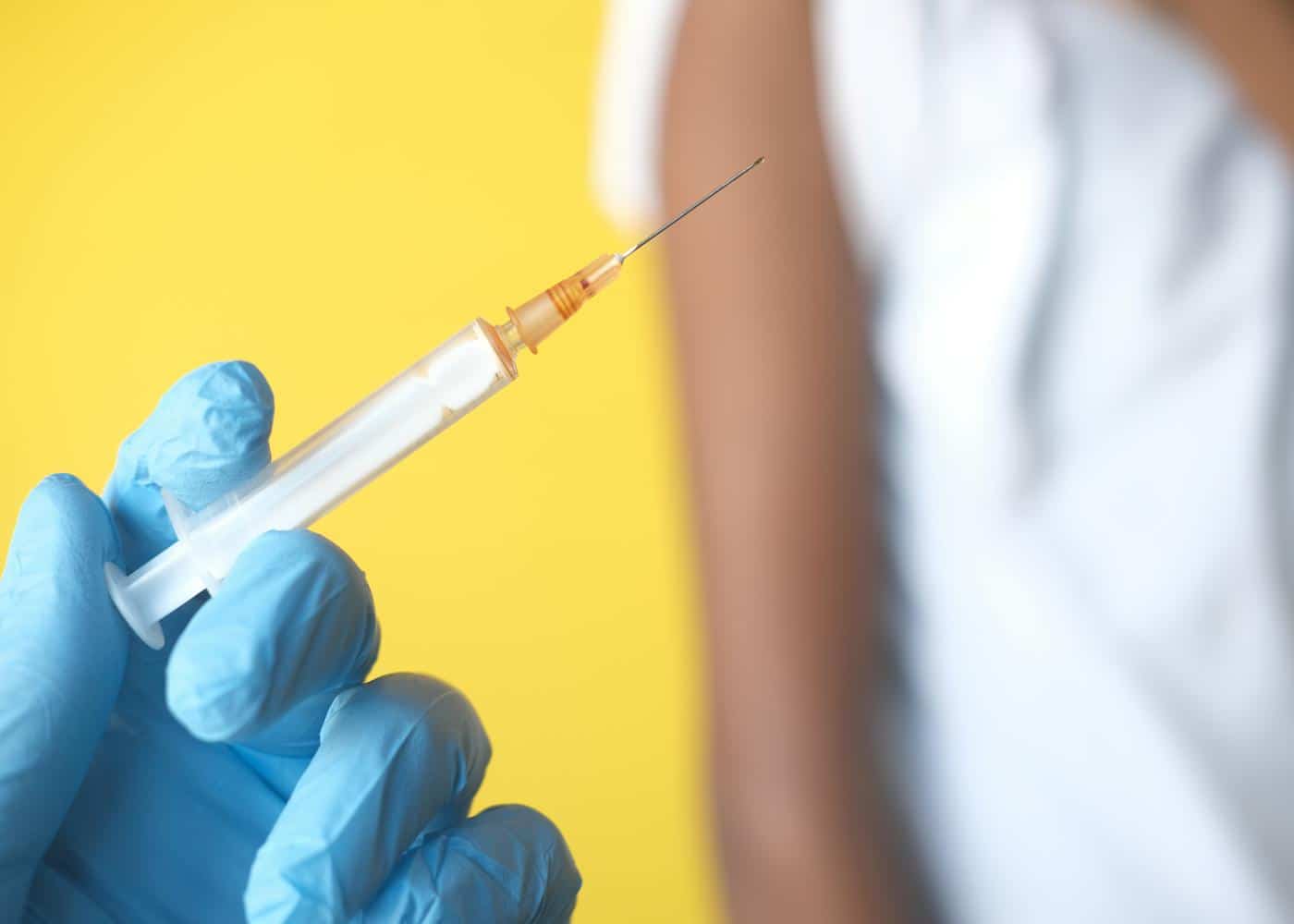
Immediately following the neurofeedback sessions, all participants were administered the Hepatitis B vaccine. Researchers then monitored antibody titers, specifically Hepatitis B antibodies (HBVab), over a period of several months to track the progression of the immune response.
Potential Data Limitations
While the findings are groundbreaking, several limitations must still be considered.
First, the sample size of eighty-five participants, though robust for a high-cost fMRI study, is relatively small when attempting to generalize findings across a diverse population with varying baseline immune health.
The study focused on healthy individuals, which leaves open the question of whether this mechanism remains effective in populations with immunosenescence or chronic inflammatory conditions.
Furthermore, the study utilized the Hepatitis B vaccine as the primary antigen. While this is a standard model for studying the adaptive immune response, it is unclear if the VTA-immune axis would exhibit the same level of influence over the innate immune system or the response to different types of pathogens, such as viral infections or cancer cells.
Lastly, there is the "success gap" identified in the data. The study found that antibody levels did not show a statistically significant difference when comparing the experimental group as a whole to the control group. Instead, the correlation was significant only when analyzing individuals who were personally successful at upregulating their VTA activity.
This suggests that the biological benefit is contingent upon the skill or capacity of the individual to control their neural states, rather than the mere attempt to do so. This introduces a variable of "neurological proficiency" that must be accounted for in any future protocols.


Part II: Findings - Quantifying the VTA-Antibody Correlation

The core discovery of the research is the identification of a direct, positive correlation between VTA activity and the magnitude of the immune response.
Specifically, those who demonstrated the highest levels of VTA activation during the neurofeedback sessions exhibited significantly higher concentrations of HBVab in the months following vaccination.
This provides some of the first concrete evidence that the reward system is not merely about mood or motivation, but is a functional component of the neuro-immune axis.
The VTA is a primary source of dopamine in the brain and is central to the reward-motivation pathway. The study suggests that when this area is activated through positive expectation, it triggers a cascade of signals that may travel via the sympathetic nervous system or through the modulation of the hypothalamic-pituitary-adrenal (HPA) axis.
By successfully upregulating the VTA, participants appeared to "prime" their physiological environment, making it more receptive to the antigen and more efficient at antibody synthesis.
The researchers also observed that the timing of the VTA activation was critical; the neural "boost" needed to occur in close proximity to the antigen exposure to maximize the effect on the adaptive immune system.
This suggests only a relatively narrow window of opportunity exists in which the brain can effectively signal the bone marrow and secondary lymphoid organs to prioritize the production of specific antibodies.
Finally, the research highlighted that the specific mental strategy mattered. Participants who focused on passive visualization or general relaxation did not achieve the same neural activation as those who engaged in active, positive expectation.
Part III: Implications - Precision Mental Priming for Longevity Protocols

For the biohacking community, this research suggests that the physiological ROI of any intervention, be it pharmacological, regenerative, or lifestyle-based, may well be materially influenced by mindset.
Counteracting Immunosenescence in Aging Populations
One of the most significant hurdles in longevity science is immunosenescence, the gradual decline of the immune system’s efficacy as we age. Older adults often show a diminished response to vaccines and a reduced capacity for cellular repair.
This study offers a potential workaround: by stimulating the VTA, it may be possible to artificially "rejuvenate" the immune response during critical windows, such as during seasonal flu shots or more intensive longevity-focused therapies like senolytic clearing.
Optimizing the Efficacy of Regenerative Therapies
As biohackers experiment with stem cell treatments, PRP, and exosome therapies, the "host environment" becomes an even more important factor in the success of the intervention.
The study found that where the neural state can influence antibody production, it can also influence the inflammatory environment and cellular signaling molecules (cytokines).
Utilizing VTA-priming protocols prior to expensive regenerative procedures could ensure that the body is in an anabolic, receptive state rather than a defensive, inflammatory one, thereby increasing the "return on investment" for these therapies.
The Development of "State-Dependent" Dosing
Currently, pharmaceutical and supplement dosing is largely based on body weight and metabolic rate. This research introduces a third variable: neurological state.
State-dependent pharmacology, where the timing of a dose is aligned with specific brain activity patterns, could one day become a reality.
Final Thoughts: From Placebo to Programmable Physiology
The Nature Medicine study marks a potential shift in how we consider the placebo effect; away from a statistical peculiarity to a measurable and programmable biological process rooted in the mesolimbic system.
The ability to consciously activate the VTA to boost antibody production proves that psychology has a seat at the table when it comes to the immune system.
As we move forward, the challenge will be to refine these mental strategies and develop accessible technologies that allow for consistent, replicable activation of these pathways.
By integrating neural state modulation into standard health protocols, we could move closer to a future where the subconscious is leveraged as one of the most powerful biohacks, providing a sophisticated layer of control over the body’s most complex defense systems.
Glossary: Key Terminology for the Neuro-Immune Axis
Key terms used throughout this article are explained here:
Ventral Tegmental Area (VTA): A critical group of neurons located in the midbrain. The VTA is the primary origin of dopaminergic cell bodies for the mesolimbic system and is the brain’s central hub for reward, motivation, and positive anticipation.
Mesolimbic Dopamine System: Often referred to as the "reward pathway." It connects the VTA to the nucleus accumbens and is responsible for processing rewarding stimuli and reinforcing survival behaviors through dopamine release.
Adaptive Immune Response: The specialized, long-term defense system that "learns" to recognize specific pathogens. Unlike the innate immune system (first responders), the adaptive response utilizes B cells and T cells to create immunological memory and produce antibodies.
Hepatitis B Surface Antibody (HBVab/Anti-HBs): The specific protein produced by B cells that indicates immunity to the Hepatitis B virus. In this study, HBVab titers served as the primary biomarker to quantify the strength of the participant's immune response.
fMRI Neurofeedback: A high-resolution neuroimaging technique that allows individuals to monitor their own brain activity in real-time. By receiving a visual representation of their BOLD (blood-oxygen-level-dependent) signal, participants can learn to volitionally upregulate or downregulate specific brain regions like the VTA.
Immunosenescence: The gradual deterioration of the immune system associated with biological aging. It is characterized by a decreased ability to respond to new antigens (like vaccines) and an increase in chronic, low-grade inflammation.
Positive Anticipation: A specific neuro-cognitive state defined by the active expectation of a rewarding outcome. Biologically, this state triggers phasic dopamine firing in the VTA, distinguishing it from general "positive thinking" or passive relaxation.
Neuro-Immune Axis: The bidirectional communication network between the central nervous system and the immune system. This pathway allows psychological states to manifest as physical changes in immune cell behavior via neurotransmitters and hormones.
Sympathetic Nervous System (SNS) Modulation: The "fight or flight" branch of the autonomic nervous system. The study suggests the VTA may use SNS pathways as a physical conduit to signal the bone marrow and spleen to accelerate immune cell maturation.
Antigen Priming: The process of preparing the immune system to respond more effectively to a foreign substance (the antigen). In this context, VTA activation acts as a "biological lubricant," making the initial exposure to the vaccine more impactful.
Statistical Correlation vs. Group Significance: A critical distinction in this study. While the "Reward Group" as a whole didn't outperform the others, individuals who successfully mastered VTA upregulation showed a direct, linear increase in antibodies. This highlights that the "dose" of the biohack is determined by the individual's skill in neural modulation.
Article FAQ
How does the brain’s reward system affect the immune response?
Research indicates that the Ventral Tegmental Area (VTA), a primary hub for dopamine, communicates with the immune system via the sympathetic nervous system and the HPA axis. When the VTA is activated through positive anticipation, it signals the body to enhance the production of antibodies, specifically increasing the efficacy of vaccines like Hepatitis B.
Can positive thinking actually improve vaccine efficacy?
While general "positive thinking" is often too vague to produce physiological changes, "positive anticipation", the active expectation of a rewarding outcome, has been shown to correlate with higher antibody titers. This suggests that the specific mental state of expecting a benefit can physically prime the immune system for a more robust response.
What is the role of the Ventral Tegmental Area (VTA) in immunity?
The VTA acts as a bridge between mental states and physiological defense. By releasing dopamine and sending signals to lymphoid organs, the VTA can modulate how the adaptive immune system reacts to new antigens. Successfully upregulating this area through neurofeedback has been linked to superior immunological memory and antibody synthesis.
Does the placebo effect have a measurable biological mechanism?
Yes. Modern neuroscience views the placebo effect as a "reward-expectation" mechanism. Rather than being "all in the mind," it involves the activation of the mesolimbic dopamine system, which in turn triggers systemic changes in heart rate, hormone levels, and, as recently discovered, the production of protective antibodies.
What is fMRI neurofeedback and how is it used in biohacking?
fMRI neurofeedback is a technique where individuals observe their brain activity in real-time and learn to consciously control specific regions. In longevity and biohacking, it can be used to train the brain to enter optimal states, such as high VTA activation, to improve mental performance or, as this study suggests, to potentiate medical treatments.
How can longevity experts use neurobiology to slow immunosenescence?
Longevity practitioners can leverage the VTA-immune axis to counteract age-related immune decline. By using neurofeedback or targeted psychological priming during vaccine administration or regenerative therapies, it may be possible to "force-multiply" the body’s defensive capabilities, ensuring older immune systems respond with the vigor of younger ones.