How Your Gut Microbiome is Hijacking Your Sleep (and Vice Versa)
News
Key Findings
A landmark 2025 study confirms that gut health and insomnia form a bidirectional causal loop. Using genetic data from over 380,000 people, researchers proved that specific bacteria directly drive insomnia risk, while poor sleep actively damages the gut ecosystem. This shifts the understanding of insomnia from a purely mental issue to a biological cycle that may be treated by targeting the gut.
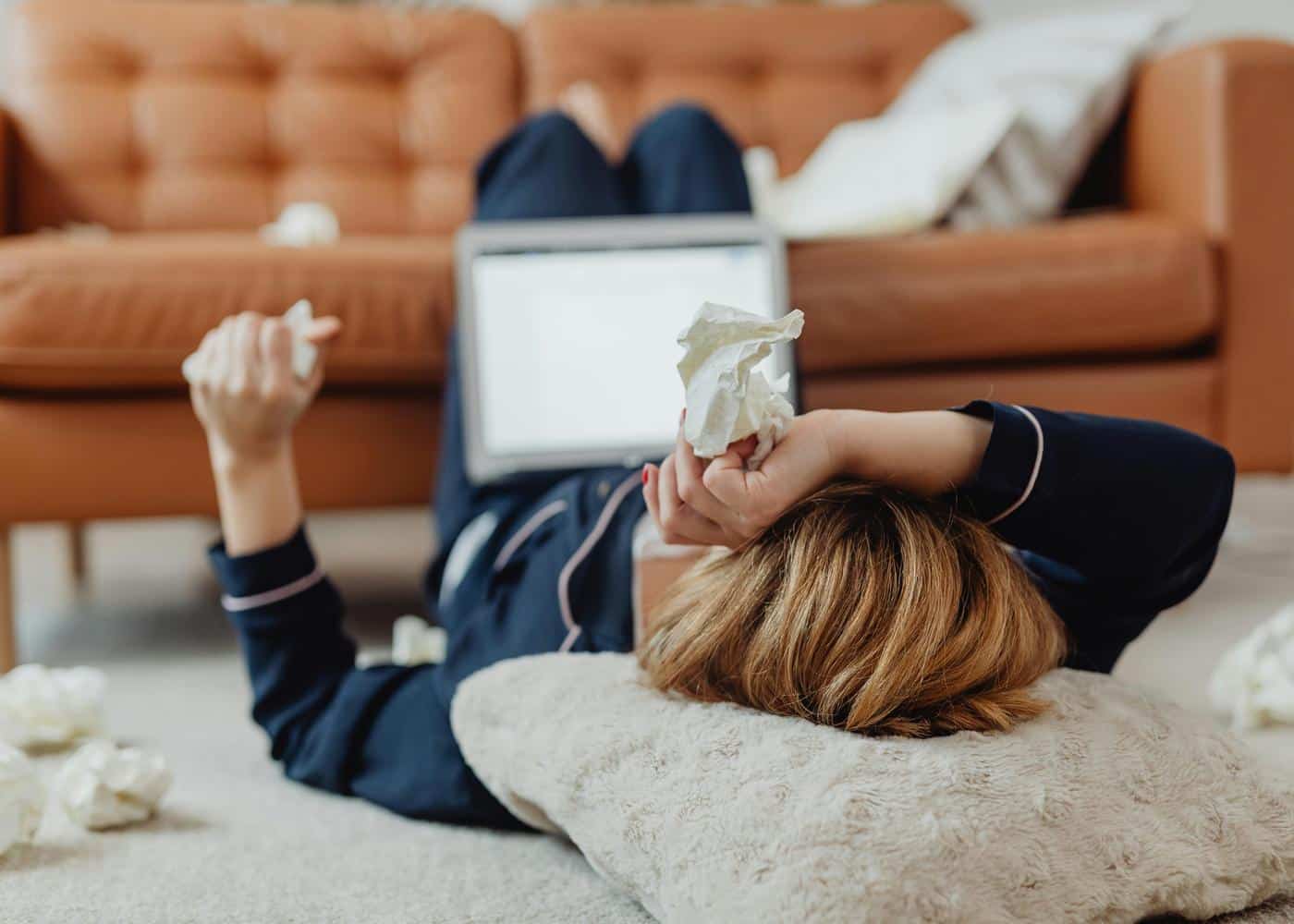
It is 3:00 AM.
You are staring at the ceiling, the numbers on your digital clock mocking you with their neon glow. You've done everything "right." You remove caffeine at noon. You bought the blackout curtains. You put your phone away an hour before bed. You even tried that meditation app with the sounds of falling rain. And yet, your brain refuses to shut down.
For decades, medicine has told us that the problem lies "between the ears." We treat insomnia as a failure of the brain's switchboard; a neurological glitch caused by stress, anxiety, or neurochemical imbalance.
Now, a landmark study published in 2025 in the Journal of General Psychiatry has turned that assumption on its head.
The study, titled "Investigating bidirectional causal relationships between gut microbiota and insomnia," suggests that the call isn't just coming from inside the house; it's coming from the basement. Specifically, your gut.
We have known for some time that the gut and the brain speak to each other. But until now, we haven't known who started the conversation. Does poor sleep ruin your digestion? Or does a damaged gut ruin your sleep?
Using advanced genetic analysis, researchers have finally answered that question. The answer is: Yes.
It is both. And understanding this bidirectional loop is the key to advancing our understanding of sleep regulation.
The Problem with "Correlation"
Before we dive into the implications, we have to address why this specific study is such a big deal.
In the past, science has struggled with the "chicken or the egg" problem. We observe that people with chronic insomnia often have Irritable Bowel Syndrome (IBS) or other gut issues. We observe that people with poor diets sleep poorly. But observational studies are messy.
If you eat a lot of fast food and sleep poorly, is the food destroying your gut bacteria, which then ruins your sleep? Or are you sleeping poorly, which makes you crave fast food, which then ruins your gut?
The researchers behind this 2025 study cut through the noise using Mendelian Randomization (MR). Think of MR as nature's own randomized controlled trial. We are all born with genetic variants that predispose us to having higher or lower levels of certain gut bacteria, and other variants that predispose us to insomnia. Because these genes are assigned at conception, long before you ever drank your first coffee or had your first stressful job, they act as unchangeable anchors.
By analyzing genetic data from over 386,000 people for insomnia and over 18,000 for gut microbiome profiles, the researchers could look at causality, not just correlation.
They didn't just find that people with insomnia have different guts; they proved that specific genetic profiles for gut bacteria cause the risk of insomnia to rise or fall.
Part I: The Saboteurs (Disruptive Bacteria)
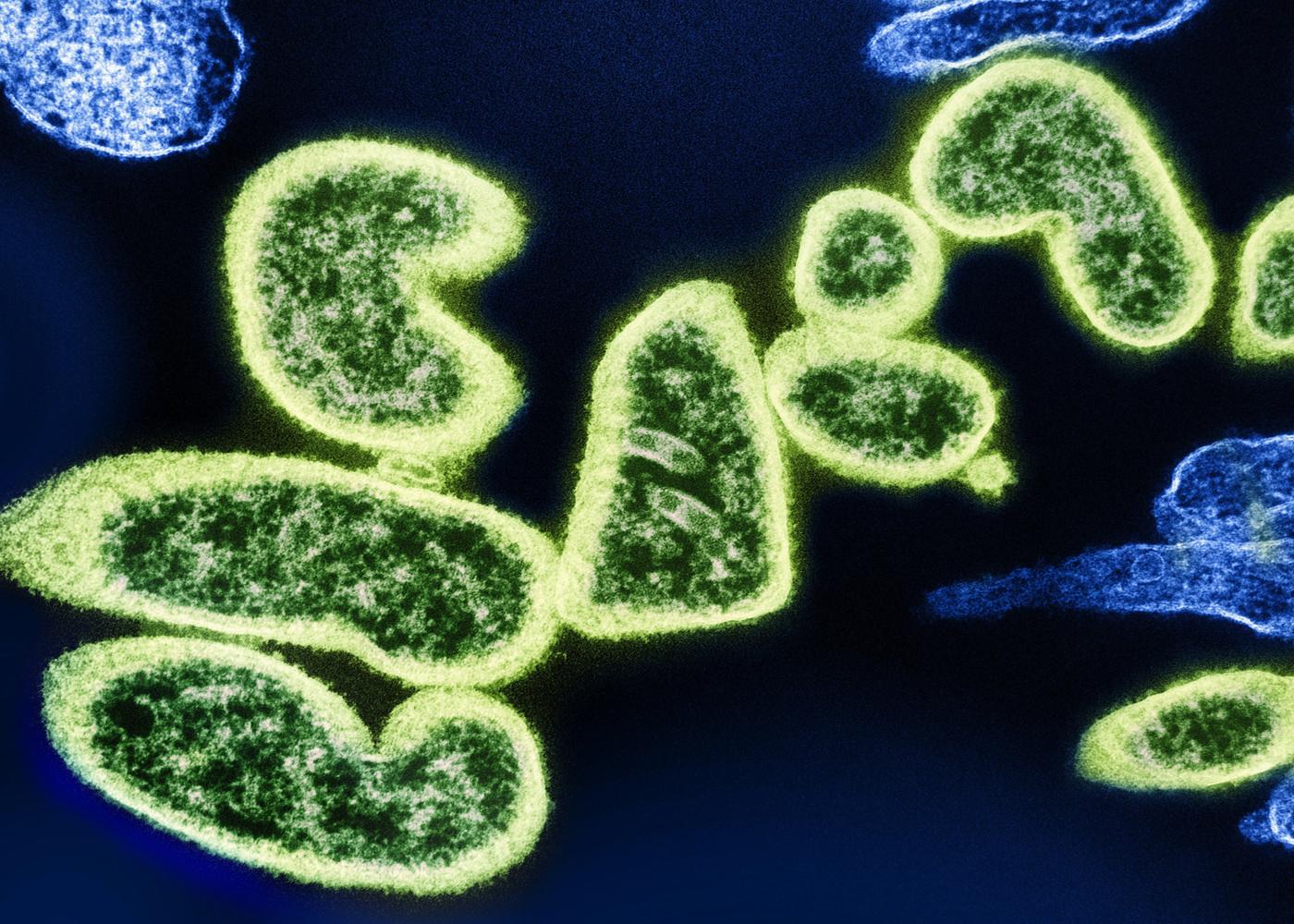
The most striking finding of the study is that specific bacterial "bad actors" can actively prevent you from sleeping. The researchers identified 14 specific bacterial taxa (groups) that are causally linked to a higher risk of insomnia.
The Culprit: Clostridium innocuum
The study highlighted one group in particular: Clostridium innocuum. Even after the researchers applied the most rigorous statistical corrections to eliminate any outliers or anomalies, this bacterium stood out as a significant risk factor.
So, how does a microscopic organism in your colon keep your brain awake? While the genetic study focuses on the "who," biological context tells us the "how." Bacteria like Clostridium and other identified risk groups (such as Prevotella and Lachnoclostridium) operate through the Gut-Brain Axis, a physical and chemical communication highway.
1. The Inflammatory Signal: Some of these bacteria are notorious for eroding the mucus lining of the gut. When that barrier thins, bacterial toxins (called lipopolysaccharides, or LPS) leak into the bloodstream.
The immune system detects these intruders and sounds the alarm by releasing inflammatory cytokines. These cytokines travel to the brain and can cross the blood-brain barrier. Once inside, they disrupt the hypothalamus, the brain's sleep center.
Essentially, your gut bacteria can trigger a low-grade "sickness behavior" that fragments sleep.
2. The Neurotransmitter Heist: Your gut bacteria are responsible for producing precursors to neurotransmitters. Beneficial bacteria help produce serotonin (the precursor to melatonin) and GABA (the "calm down" chemical).
However, when dysbiotic bacteria like Prevotella take over, they can hijack these pathways. They may metabolize tryptophan (which you need for sleep) into kynurenine, a compound that is neurotoxic and excitatory. You are literally being chemically wired to stay awake.
This implies that for a subset of insomniacs, the anxiety they feel at night isn't just "worrying about the next day." It is a chemical signal sent from an unhappy gut ecosystem.


Part II: The Protectors (Sleep-Inducing Bacteria)
The study also identified 8 bacterial taxa that act as a shield, causally reducing the risk of insomnia.
These include genera like Coprococcus, Lactococcus, and Odoribacter. All of which can act as active sleep aids.
The primary weapon of these protective bacteria is the production of Short-Chain Fatty Acids (SCFAs), particularly one called butyrate.
Butyrate is a miracle molecule for the brain. It strengthens the blood-brain barrier, keeping toxins out. It also acts as an anti-inflammatory agent, calming the neural fire that keeps you tossing and turning. Furthermore, bacteria like Lactococcus are often involved in the production of GABA.
Think of these bacteria as your internal pharmacists; in your gut, manufacturing benzodiazepine-like compounds and anti-inflammatory drugs, naturally and without side effects.
If your genetic roll of the dice gave you fewer of these bacteria, or if your diet has starved them, you are missing out on your body's natural sedation system.
Part III: The Vicious Cycle (The Gut Needs Sleep)
Next, the researchers looked the other way. They asked: Does insomnia cause changes in the gut?
The genetic evidence confirms a bidirectional relationship. Insomnia drives the abundance of 12 specific bacterial taxa up and forces 7 others down.
This confirms the existence of a "vicious cycle" that many chronic insomniacs instinctively feel.
Here is what the cycle looks like:
The Trigger: You have a few nights of bad sleep (due to stress, travel, or a sick child).
The Stress Response: Sleep deprivation is viewed by the body as a threat. Your system pumps out cortisol (the stress hormone) and alters your autonomic nervous system.
The Gut Reaction: High cortisol levels alter the gut environment. It slows down motility and changes the permeability of the gut wall.
The Die-Off: This stressful environment is hostile to good bacteria (e.g. Lactococcus and Coprococcus ).
The Overgrowth: Bad bacteria (e.g. the Clostridium innocuum group) thrives in this inflamed, high-stress environment.
The Feedback: These bad bacteria now produce more inflammatory toxins and steal your tryptophan, making it even harder to sleep the next night. The cycle continues.
The study identified the genus Odoribacter as being particularly sensitive here. Insomnia was causally linked to changes in Odoribacter abundance.
This suggests that even if you start with a healthy gut, chronic sleep deprivation can degrade your microbiome, effectively "giving you" a gut problem that then reinforces the sleep problem.
The Paradigm Shift: It's Not Just "Sleep Hygiene"
For years, the gold standard for treating insomnia has been Cognitive Behavioral Therapy for Insomnia (CBT-I). This involves sleep restriction, stimulus control, and changing how we think about sleep. It is highly effective for the psychological aspect of insomnia.
However, CBT-I does not address the biological reality of a compromised gut biome.
This study suggests that we need to expand our definition of "Sleep Hygiene" to include more items on your checklist that look like these:
Feed your Coprococcus: Eat prebiotic fibers to stimulate SCFA production.
Starve the Clostridium: Reduce inflammatory foods that degrade the gut lining.
Microbial timing: Stop eating 3-4 hours before bed to allow the gut's "housekeeping" waves to occur.
The Future of Insomnia Treatment: Psychobiotics
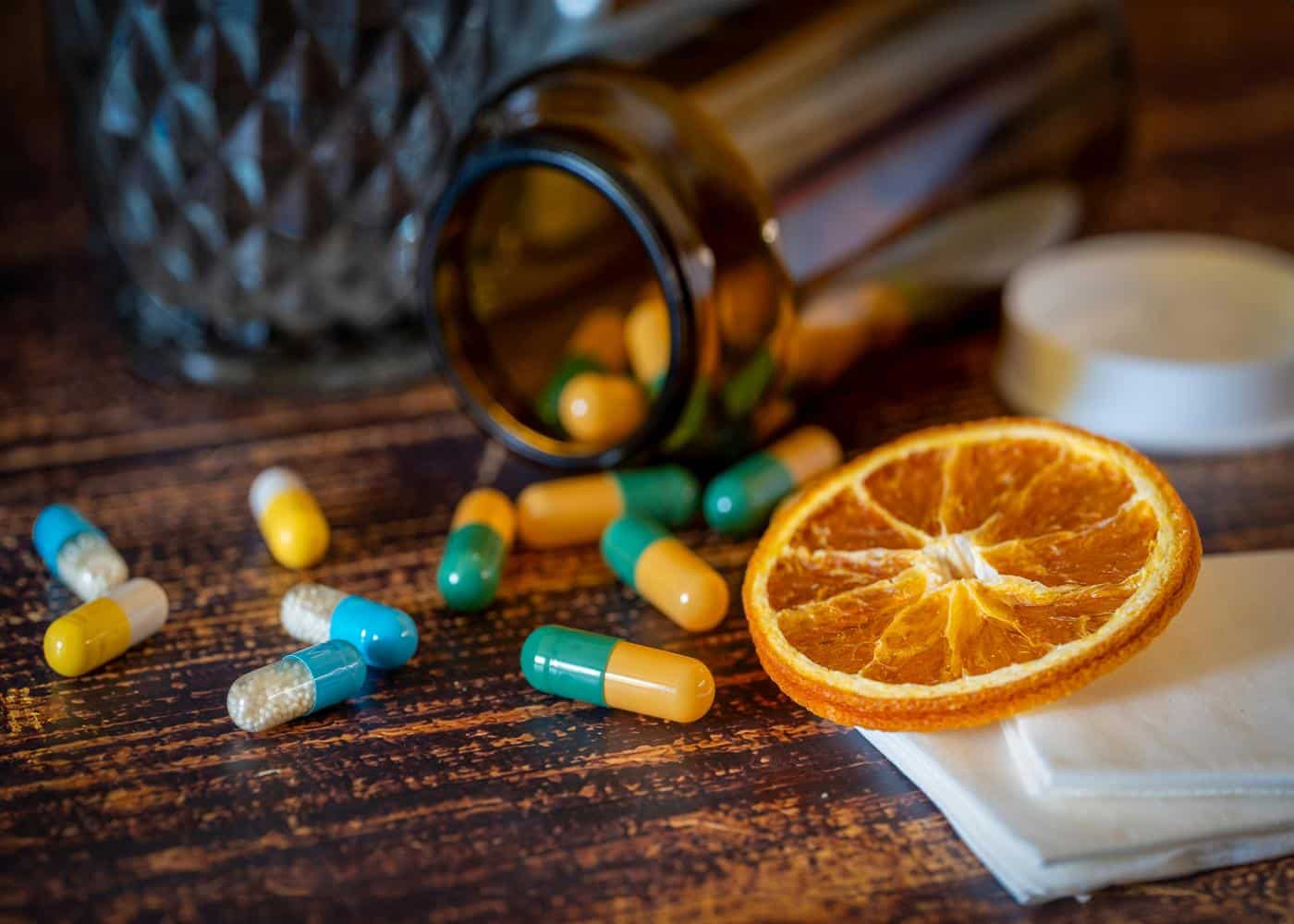
This research opens the door to a new class of sleep aids: Psychobiotics.
Imagine going to a sleep clinic in 2030. Instead of just being given a prescription for Ambien or Zopiclone, drugs that act like a sledgehammer to the brain's GABA receptors, you are given a collection kit.
You provide a stool sample. The lab analyzes your microbiome and comes back with a report: "Patient is deficient in Lactococcus and has an overgrowth of Prevotella."
Your prescription isn't a sedative. It is a precision-engineered capsule containing live strains of the missing bacteria, perhaps paired with a specific prebiotic fiber to help them colonize. This is a targeted biological strike to restore the ecosystem.
We are already seeing the early stages of this. "Sleep probiotics" are hitting the market, although most are generic. This study provides the genetic roadmap for which specific bacteria we actually need to target.
Actionable Advice: What Can You Do Today?
While we wait for the pharmaceutical industry to catch up with precision psychobiotics, this study offers immediate, actionable takeaways for anyone struggling with sleep. The goal is to break the vicious cycle by manually intervening in the gut.
1. Diversify Your Fiber (The MAC Approach)
The protective bacteria identified in the study (Coprococcus, Odoribacter) rely on fermentation. They need fuel. Their preferred fuel is Microbiota Accessible Carbohydrates (MACs) found in complex fibers.
Action: It's not just about "eating fiber." It's about eating diverse fiber. Leeks, garlic, onions, Jerusalem artichokes, dandelion greens, and asparagus are high in inulin, a fiber that feeds these specific beneficial groups.
Why: You are literally feeding the bacteria that defend your sleep.
2. The Fermented Food Intervention
To increase the abundance of Lactococcus and other beneficial genera, you can introduce them through food.
Action: Incorporate kefir, sauerkraut, kimchi, or high-quality yogurt into your daily diet.
Why: A 2021 study by Stanford researchers found that a high-fermented food diet increased microbiome diversity and lowered inflammation markers more effectively than a high-fiber diet alone. Lower inflammation = better sleep signaling.
3. Respect the Gut Clock
The bacteria in your gut have their own circadian rhythms. They oscillate in activity levels throughout the day.
Action: Stop "grazing" late at night. The study shows a causal link between insomnia and gut dysbiosis. Late-night eating forces your gut bacteria to work when they should be in a repair phase. This metabolic mismatch creates inflammation.
Why: Creating a distinct fasting window before bed helps align your gut's clock with your brain's clock.
4. Reframe Your Symptoms
If you are an insomniac who also suffers from bloating, gas, or irregularity, stop treating them as two separate problems. They are the same problem.
Action: When you treat your gut (by removing trigger foods or taking probiotics), view it as "sleep therapy." When you prioritize sleep, view it as "gut therapy."
Why: This mental shift helps reduce frustration. You aren't fighting a war on two fronts; you are fighting one battle for systemic health.
Final Thoughts: A Message of Hope
Insomnia feels isolating. It can feel like a failure of will. You lie awake thinking, Why can't I just turn my brain off?
The finding of a bidirectional causal relationship is incredibly validating. It tells us that insomnia is not merely a psychological quirk. It is a physiological state deeply rooted in the biology of the body. It suggests that for many people, the "switch" isn't stuck; the wiring is just receiving interference from below.
This study is a beacon of hope because the microbiome, unlike our genetics, is malleable. You cannot change the DNA you were born with, but you can change the ecosystem living inside you. You can change what you feed it, you can introduce new allies, and you can create an environment where the "good guys" win.
By healing the gut, we may finally find the rest we have been searching for. The path to a silent mind may very well begin with a happy gut.
Article FAQ
Can I take a probiotic to cure my insomnia?
Not exactly. The specific bacteria identified in this study aren't found in most standard probiotic pills yet. However, taking a high-quality, multi-strain probiotic (especially ones with Lactobacillus or Bifidobacterium) may still help lower general inflammation and improve how rested you feel, even if it isn't a guaranteed "cure."
What foods help the "sleep" bacteria grow?
Since you can't easily take a pill for these specific bacteria, you have to feed the ones you already have. The helpful bacteria identified in the study love fiber and fermented foods. Try adding more oats, bananas, onions, and asparagus to your diet to feed them, along with yogurt or kefir to introduce healthy active cultures.
Is there a test to see if my gut is the problem?
No, there is no official "Insomnia Gut Test" available at the doctor's office yet. While you can pay for private services to analyze your gut bacteria, scientists are still figuring out exactly how to use that information to prescribe specific sleep treatments. For now, it's best to focus on general gut health.
Does this mean my insomnia isn't psychological?
It means it's not just psychological. For a long time, doctors thought insomnia was only caused by stress or anxiety. This study proves that bad gut bacteria can physically send chemical signals to your brain that keep you awake. If "relaxing" hasn't worked for you, the cause might be biological, not mental.
What is the "vicious cycle"?
This simply means the problem feeds itself. Bad gut bacteria can ruin your sleep, but the stress of not sleeping destroys your good bacteria. This creates a loop where your gut and your sleep get worse together. The easiest way to break the chain is usually to fix your diet, because that is easier to control than forcing yourself to fall asleep.
Is this 100% proven?
This study offers very strong genetic proof, which is much better than just observing patterns. It confirms that gut health causes sleep issues (and vice versa). However, the science is still new, and researchers are still working on exactly which treatments work best for different types of people.