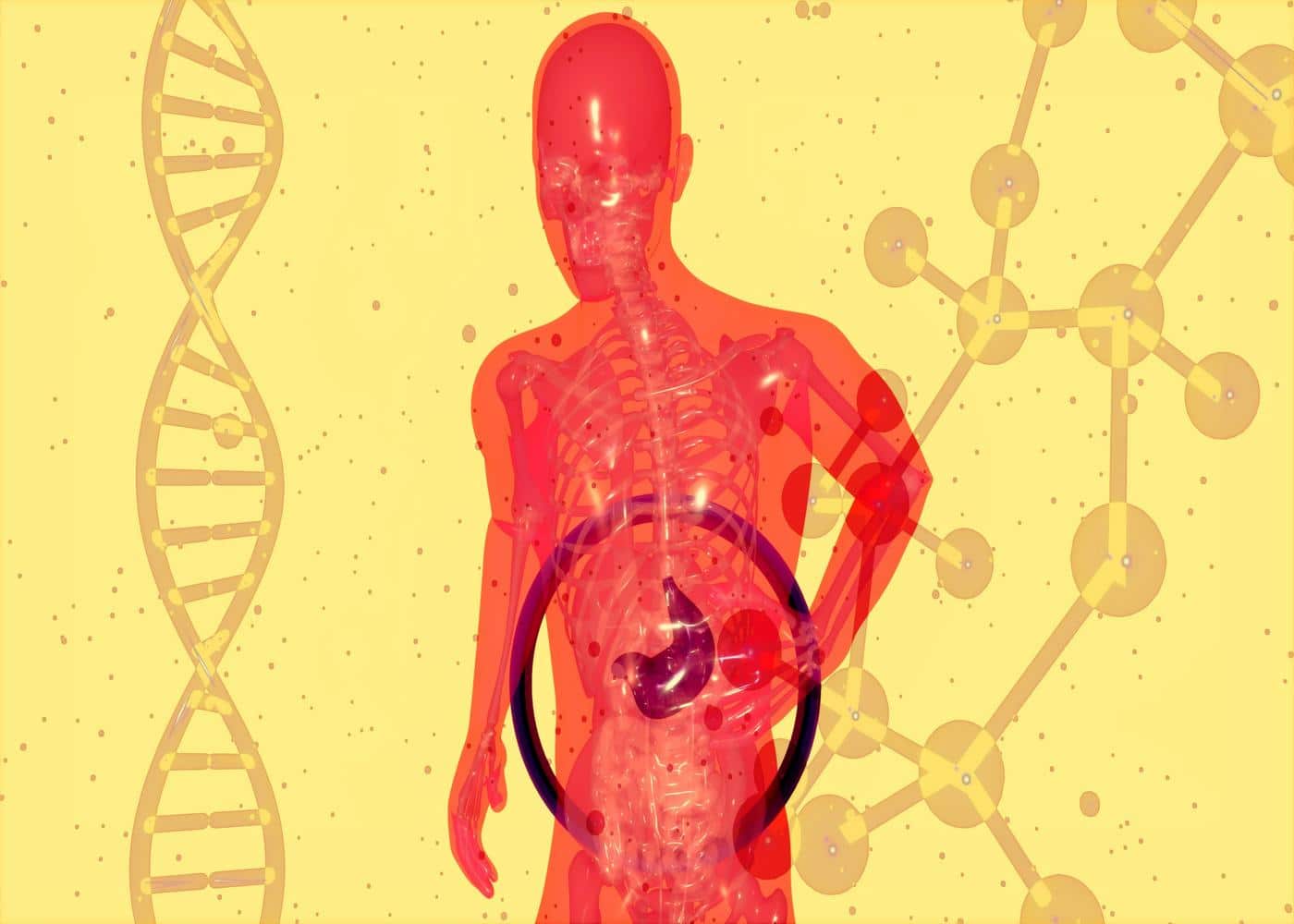
What is the difference between prebiotics and probiotics?
Nutrition
Key Findings
The primary difference lies in their biological nature: probiotics are live, beneficial bacteria, while prebiotics are non-digestible fibers that serve as food for those bacteria. Probiotics introduce new microbes into the gut ecosystem, whereas prebiotics nourish the beneficial colonies already present. A balanced microbiome requires both components to function effectively.
The Relationship Between Prebiotics and Probiotics
In the world of digestive wellness, the terms prebiotic and probiotic are often used interchangeably, yet they represent two distinct parts of the gut health puzzle.
Understanding the difference between the two is essential for anyone looking to optimize their microbiome, improve their energy levels, or support their immune system.
To use a simple analogy: if your gut is a garden, probiotics are the seeds you plant, and prebiotics are the fertilizer that helps those seeds grow. Without the right seeds, the garden will not bloom. Without the fertilizer, the plants will eventually wither.
What are probiotics?
Probiotics are live microorganisms, usually bacteria or yeasts, that provide health benefits when consumed in adequate amounts.
They are the good or friendly bacteria that live in your digestive tract and help keep harmful microbes in check.
When you consume a probiotic, you are essentially adding to the population of beneficial microbes in your system.
This is particularly important after a round of antibiotics, during periods of high stress, or after a bout of illness, all of which can deplete your natural bacterial stores.
Common Types of Probiotics
The most frequent probiotics found in foods and supplements belong to two main groups. Lactobacillus is often found in yogurt and fermented foods.
This is perhaps the most common probiotic family and can help with diarrhea or assist people who have difficulty digesting lactose.
Bifidobacterium is another common group found in some dairy products. This group is frequently studied for its ability to ease symptoms of irritable bowel syndrome and other digestive disorders.
What are prebiotics?
Prebiotics are not alive. They are specialized plant fibers that act as food for the good bacteria in your gut.
Because the human body cannot digest these complex carbohydrates, they pass through the small intestine unchanged and arrive in the colon. There, they are fermented by the microbiome.
The act of fermentation produces short-chain fatty acids like butyrate, acetate, and propionate.
These compounds provide energy for the cells lining your colon and play a massive role in reducing systemic inflammation throughout the body.
Common Types of Prebiotics
Prebiotics are found in many high-fiber fruits, vegetables, and whole grains. Some of the most well-researched prebiotics include Inulin, which is found in chicory root, onions, and garlic.
Another is Fructo oligosaccharides, found in bananas, asparagus, and leeks. Finally, Galacto oligosaccharides are found primarily in legumes and certain dairy products.
Distinct Roles in the Microbiome
While they work together, their biological characteristics are quite different. Probiotics are fragile living organisms that can be killed by heat, stomach acid, or time.
Their main function is to add new beneficial microbes to the environment.
Prebiotics, on the other hand, are robust fibers. They are unaffected by heat or stomach acid, making them very stable in both food and supplement form.
Their function is not to add new bacteria but to feed the beneficial colonies that are already living in your gut.
How They Work Together: The Synbiotic Effect
While you can take prebiotics and probiotics separately, they are most effective when consumed together.
This combination is known as synbiotics.
By providing the bacteria and the fuel simultaneously, you increase the likelihood that the probiotics will survive the journey through the stomach and successfully colonize the gut.
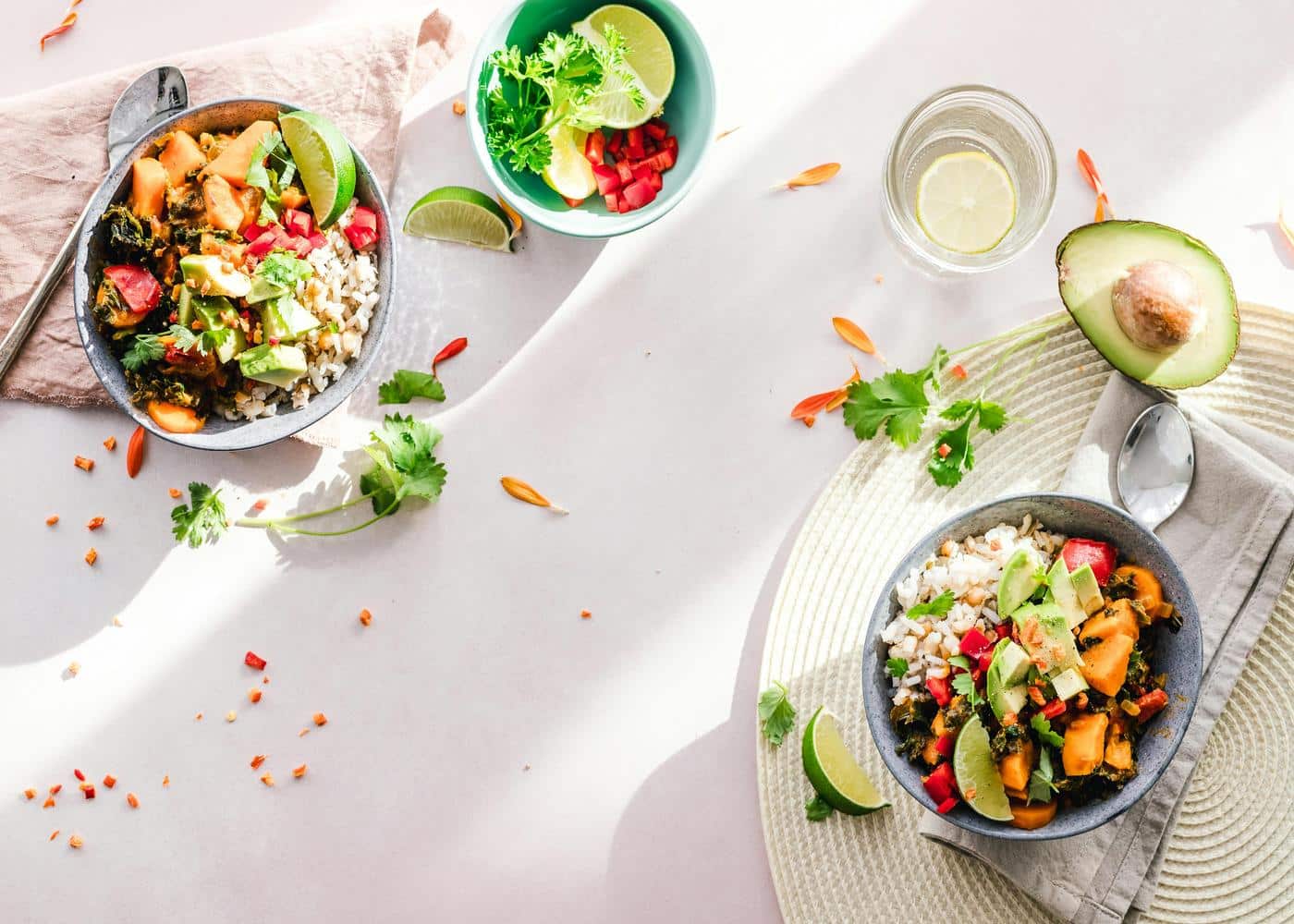
For example, eating a bowl of yogurt topped with a sliced banana is a perfect natural synbiotic meal. The fiber from the banana ensures the live cultures in the yogurt have the energy they need to thrive the moment they reach your large intestine.
Practical Tips for Your Gut Health Routine
If you are looking to start a gut health regimen, keep these three rules in mind. First, diversity is king. Do not stick to just one type of yogurt or one type of fiber. The more diverse your diet, the more resilient your microbiome will be.
Second, go slow with fiber. If you suddenly increase your prebiotic intake, you might experience gas or bloating. Add fiber-rich foods gradually to give your bacteria time to adjust.
Finally, always read the labels. When buying probiotics, look for the colony-forming unit count and ensure the product lists specific strains, not just the general family name.
Final Thoughts: A Two-Pronged Approach
The difference between prebiotics and probiotics is a matter of function rather than importance. Probiotics introduce the beneficial workers into the factory of your gut, while prebiotics provide the raw materials those workers need to do their jobs.
By understanding this relationship, you can move away from fad diets and toward a sustainable, science-based approach to wellness.
Whether you are eating more kimchi for the live cultures or more asparagus for the fiber, you are taking an active role in supporting the trillions of tiny organisms that keep you healthy.
Article FAQ
What are prebiotics?
Prebiotics are specialized plant fibers that act as a food source for the beneficial bacteria in your gut. Unlike other foods, they are non-digestible by human enzymes. They travel through the small intestine and reach the colon, where your microbiome ferments them to create energy and health-promoting compounds.
Can I take probiotics and prebiotics together?
Yes, taking them together is actually highly recommended and is known as synbiotic therapy. Consuming them at the same time ensures that the live probiotics have an immediate source of fuel to help them survive and colonize your digestive tract more effectively.
How are prebiotics good for you?
Prebiotics are good for you because they stimulate the growth of beneficial bacteria while inhibiting the growth of harmful microbes. When these fibers are fermented, they produce short-chain fatty acids like butyrate. These compounds are essential for maintaining a strong gut barrier and preventing inflammation.
Why are prebiotics good for you?
Beyond simple digestion, prebiotics are good for you because they support systemic health. They have been shown to improve the absorption of minerals like calcium, help stabilize blood sugar levels by slowing digestion, and may even enhance the gut-brain connection to improve mood and reduce stress.
Is it better to get prebiotics from food or supplements?
For most people, whole foods are the best source because they provide a variety of fibers along with essential vitamins and minerals. Foods like garlic, onions, asparagus, and bananas are excellent choices. However, supplements can be useful if you have a specific medical need or find it difficult to reach the recommended daily fiber intake through diet alone.
Are there side effects to taking prebiotics?
The most common side effects are gas, bloating, and mild abdominal discomfort. This usually happens if you introduce a high volume of prebiotic fiber too quickly. To avoid this, it is best to increase your intake gradually over several weeks and drink plenty of water to help your digestive system process the extra fiber.