The Brain on Empty: Visualizing Creatine Reveals Metabolic Crisis in Parkinson’s
News

Key Findings
By deploying a novel MRI technique (GuanCEST), this study provides the first visual confirmation that Parkinson’s disease is driven by regional energy failure. Researchers detected significant creatine deficits in the caudate nucleus and found that lower creatine levels in the thalamus directly correlated with severe motor symptoms. These findings validate the "bioenergetic hypothesis" and suggest that metabolic imaging can finally identify the specific patients most likely to respond to creatine therapy.

For the past thirty years, the quest to cure Parkinson’s Disease (PD) has been dominated by a single narrative: the "Protein Aggregation" hypothesis. We have spent billions of dollars and millions of research hours trying to understand how alpha-synuclein misfolds, clumps into Lewy bodies, and kills neurons. It is a compelling story of toxic waste choking the cellular machinery.
But running parallel to this narrative is a quieter, perhaps more fundamental theory: The "Bioenergetic Failure" hypothesis. This theory posits that Parkinson’s is, at its core, an energy crisis. It suggests that dopaminergic neurons do not die because they are choked by proteins, but because they starve. They run out of fuel.
This metabolic perspective points toward a simple, readily available solution: Creatine.
As a critical buffer for cellular energy, creatine has long been viewed as a potential neuroprotective "superfuel." Yet, despite massive promise in animal models, human clinical trials have been frustratingly inconclusive.
Why the disconnect? A groundbreaking new study published in Nature NPJ Parkinson’s Disease, titled "Creatine-weighted imaging in patients with Parkinson’s disease," suggests the problem wasn’t the fuel; it was that we had no fuel gauge.
Led by a collaborative team of researchers (Wang, Yadav, Xu, et al.), this study utilizes a cutting-edge MRI technique called GuanCEST to accurately visualize creatine levels in the living human brain for the first time in high resolution.
Their findings not only confirm that Parkinson’s brains are running on empty, but also offer a roadmap for a new era of precision metabolic medicine.
Part I: The Energy-Hungry Neuron
To understand the significance of this study, one must appreciate the sheer metabolic cost of being a dopaminergic neuron.
The human brain represents only 2% of body weight but consumes 20% of the body’s oxygen and glucose.
Within this energy-hungry organ, the dopamine neurons of the substantia nigra are the "ultra-marathon runners." They have massive, unmyelinated axonal arbors, and a single neuron can form over a million synaptic connections. Maintaining the membrane potential across this vast network requires an astronomical amount of ATP (Adenosine Triphosphate).
The Role of Creatine
ATP is the currency of cellular energy, but it is unstable and depletes in seconds during high activity. This is where the Creatine/Phosphocreatine (Cr/PCr) system comes in.
The Battery: Creatine kinase (CK) takes phosphate from ATP to create Phosphocreatine (PCr), a stable energy reservoir.
The Recharge: When energy demand spikes (like when a neuron fires rapidly), PCr donates its phosphate back to ADP to instantly regenerate ATP.
In Parkinson’s disease, mitochondrial complex I activity is known to be defective, impairing ATP production. The theory is that if we could supplement with creatine, we could bolster the PCr reservoir, acting as a buffer against mitochondrial failure and keeping the neurons alive.
In mouse models of PD (MPTP or rotenone-induced), creatine supplementation is highly effective, preventing up to 80% of dopamine neuron loss. However, the landmark NET-PD LS-1 clinical trial in humans (involving 1,700 patients) was halted early for futility.
The failure of NET-PD LS-1 cast a long shadow over the field. But the authors of this new study argue that the trial had a fatal flaw: blindness.
We administered creatine to thousands of people without knowing if they actually had a creatine deficit in their brains, or if the supplement was crossing the Blood-Brain Barrier (BBB) to reach the target tissues.
We were treating a metabolic condition without a metabolic map.


Part II: Enter GuanCEST Imaging
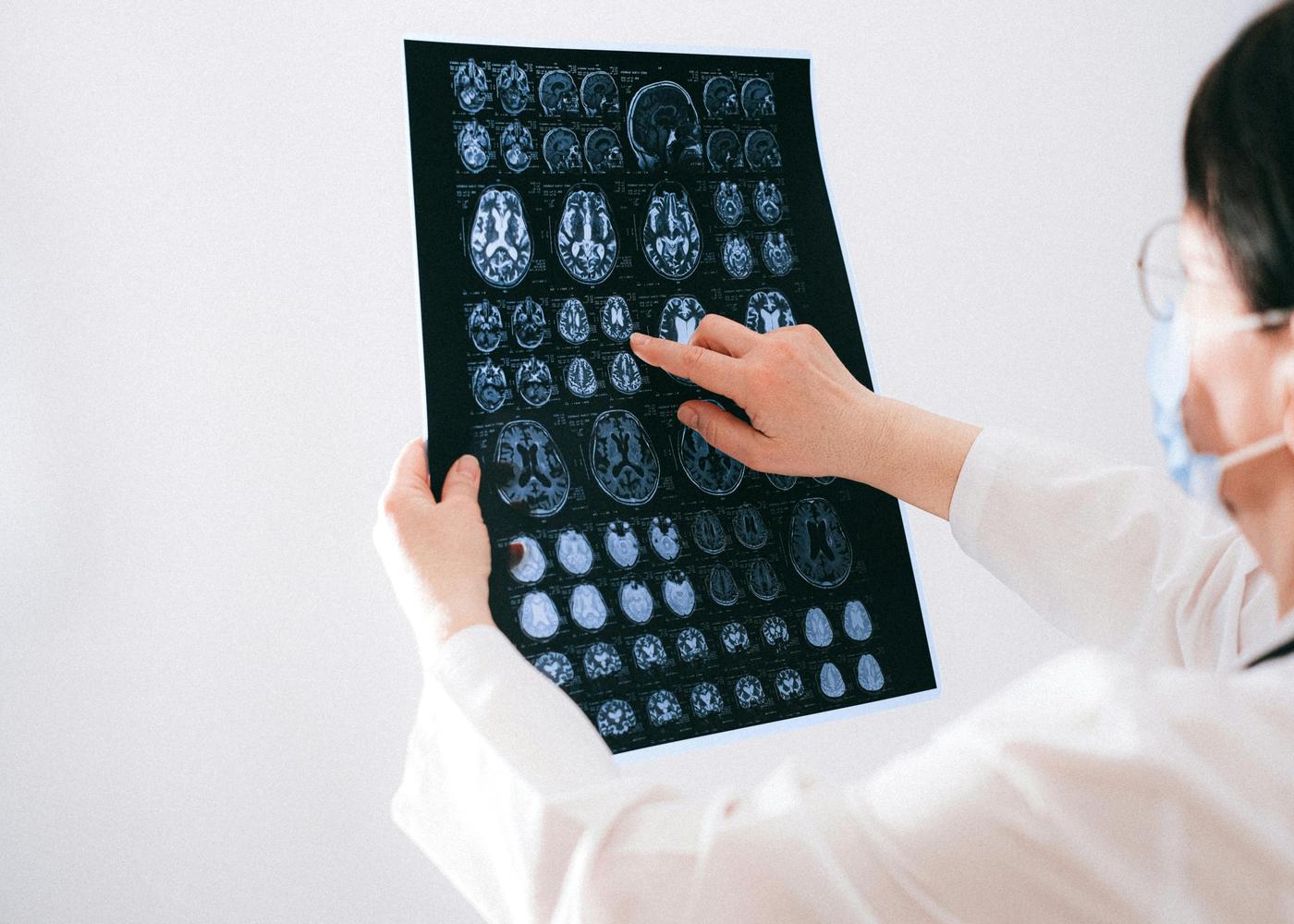
The primary hurdle has always been technological. Standard MRI scans image water protons; they show us anatomy (atrophy, tissue loss) but tell us nothing about chemistry.
Historically, the only way to measure brain chemicals was 1H-MRS (Proton Magnetic Resonance Spectroscopy). While useful, MRS is a blunt instrument. It measures a single, large "voxel" (volume pixel) of brain tissue, lacking the spatial resolution to map small, deep structures like the caudate nucleus or the substantia nigra.
The Breakthrough: CEST MRI
The researchers in this study utilized Chemical Exchange Saturation Transfer (CEST), specifically tuned to the guanidinium group found on creatine molecules (GuanCEST).
Here is how it works for the technically inclined:
Tagging: The MRI sends a specific radiofrequency pulse that "saturates" the protons on the creatine molecule.
Exchange: These saturated protons physically swap places with protons in the surrounding bulk water.
Detection: Because the water pool is massive compared to the creatine pool, this exchange acts as an amplifier. By detecting the slight decrease in the water signal, the MRI can indirectly infer the concentration of creatine with high sensitivity.
This allows for pixel-by-pixel mapping of creatine distribution across the entire brain, providing a "metabolic heatmap" rather than a single number.
Part III: The Study Findings
The study recruited 25 patients with Parkinson’s Disease (PwPD) and 24 Healthy Controls (HCs), matched for age and sex. All participants underwent 3-Tesla MRI scanning using the optimized GuanCEST protocol.
The researchers focused their analysis on the Basal Ganglia-Thalamocortical Circuit, the primary loop affected in PD.
Finding 1: The Caudate Crisis
The most statistically significant finding was a reduction of GuanCEST signal intensity (representing creatine concentration) in the head of the Caudate Nucleus in PD patients compared to controls (p = 0.023).
Why the Caudate? The caudate nucleus is the "input station" of the basal ganglia. It receives massive projections from the cortex and is crucial for goal-directed motor planning.
Interpretation: The finding suggests that while the cell bodies in the substantia nigra are dying, the downstream targets in the striatum are suffering from a chronic energy brownout. They are structurally intact but metabolically exhausted. This aligns with the concept that synaptic dysfunction (caused by energy failure) precedes cell death.
Finding 2: The Thalamic Link to Severity
While the caudate showed the clearest deficit, the Thalamus showed the strongest correlation with symptoms.
The study found a significant negative correlation between thalamic creatine levels and the MDS-UPDRS III score (the standard clinical scale for rating tremors, rigidity, and bradykinesia).
The Data: The lower the creatine in the thalamus, the worse the patient's motor symptoms (r = -0.44).
Interpretation: The thalamus acts as the "relay station," sending the final motor command back to the cortex to execute movement. If the relay station runs out of power, the signal is corrupted, resulting in the chaotic motor output we see as tremors.
Finding 3: Specificity of the Deficit
Importantly, the creatine reduction was not global. There was no significant difference in the grey matter of the cortex or the white matter tracts.
This indicates that the metabolic failure in PD is region-specific, targeting the highly active, dopamine-dependent circuits of the basal ganglia. This specificity supports the idea that the deficit is part of the disease pathology, not just a result of general aging or poor diet.
Part IV: The Immediate Implications
This study is not merely an observational report; it is a "proof of principle" that rescues the bioenergetic hypothesis from the scrapheap of failed trials.
By validating GuanCEST as a biomarker, it opens three specific avenues for the future of PD treatment.
1. The Era of "Metabolic Phenotyping"
We currently treat Parkinson’s as a monolith: everyone gets Levodopa. But PD is heterogeneous. Some patients may have a protein-aggregation dominant disease, while others may have a metabolic-dominant disease.
Future Application: Before prescribing creatine or mitochondrial boosters (like CoQ10), clinicians could perform a GuanCEST scan. Only patients showing a confirmed creatine deficit in the caudate/thalamus would be enrolled in the therapy.
This stratification drastically increases the odds of clinical trial success.
2. Theragnostics: Measuring Target Engagement
One of the biggest questions in the failed NET-PD LS-1 trial was: Did the creatine actually get into the brain? Creatine has poor permeability across the Blood-Brain Barrier (BBB), requiring a specific transporter (SLC6A8).
Future Application: GuanCEST allows us to perform "Pharmacodynamic Studies." We can scan a patient, administer high-dose creatine for a month, and scan again.
If the GuanCEST signal doesn't increase, we know the patient is a "non-responder" (perhaps due to gut absorption issues or BBB transporter defects), and we can stop the futile treatment. This moves us from "faith-based medicine" to evidence-based titration.
3. Prodromal Screening
Perhaps the most exciting implication lies in early detection. We know that mitochondrial dysfunction occurs years, perhaps decades, before the first tremor.
Future Application: If we can refine the sensitivity of GuanCEST, it could become part of a screening protocol for at-risk individuals (e.g., those with genetic markers like PINK1 or Parkin mutations).
Detecting a drop in striatal energy levels could trigger preventative metabolic therapies to "keep the lights on" and prevent the cascade of cell death.
A New Unified Theory?
This study forces us to reconsider the relationship between the two main villains of Parkinson's: alpha-synuclein and mitochondrial failure. Are they separate?
Likely not. Misfolded alpha-synuclein is known to bind to mitochondrial membranes and disrupt their function. Conversely, a lack of ATP prevents the cell from running the "garbage disposal" systems (proteasomes) needed to clear out misfolded proteins.
The finding of low creatine in the caudate nucleus provides the missing bridge. It suggests a vicious cycle:
Initial insult (genetic or environmental) lowers energy efficiency.
Creatine buffers are exhausted.
Without energy, the cell cannot clear alpha-synuclein.
alpha-synuclein builds up, further damaging mitochondria.
Systemic Energy Failure.
By visualizing this failure, Wang and colleagues have handed us a powerful new weapon. We can now see the energy crisis. And because we can see it, we can finally optimize the strategies to fix it.

Part V: Beyond Disease - Creatine in General Brain Health
The validation of GuanCEST MRI does more than just offer a new tool for Parkinson’s; it fundamentally legitimizes the role of creatine in the broader context of neurology and psychiatry.
For decades, creatine monohydrate has been pigeonholed as a "gym supplement," a white powder for bodybuilders looking to add mass. Its critical role in cerebral bioenergetics has been treated as a niche academic interest.
But if we accept the study's premise, that regional energy deficits drive dysfunction, the implications for general brain health are profound.
We are moving toward a future of "Cerebral Metabolic Optimization."
1. The "Responders" vs. "Non-Responders" in Cognitive Enhancement
A persistent debate in the biohacking and nootropic communities is whether creatine improves cognition in healthy adults. Meta-analyses suggest it does, particularly during tasks of "high cognitive demand" or sleep deprivation. But results vary wildly.
This study explains why: Baseline Saturation. Just as with muscle tissue, the brain likely has a "saturation point." If a healthy individual already has maximal creatine levels (due to genetics or a diet high in red meat), supplementation is just expensive urine.
The Future: We can envision a "Metabolic Checkup" using GuanCEST. Before starting a regimen for cognitive enhancement, an individual could be scanned.
High Baseline: No supplementation needed.
Low Baseline: This individual is a "responder." Supplementation would likely yield measurable improvements in working memory and processing speed. This transforms cognitive supplementation from guesswork into precision biology.
2. Prophylactic Neuroprotection: The "Airbag" Theory
The brain is most vulnerable when its energy demand exceeds its supply, such as during a stroke (ischemia) or Traumatic Brain Injury (TBI).
The Mechanism: During a concussion, the brain enters a hyper-metabolic state to repair ionic flux, followed by a crash. If the Phosphocreatine (PCr) reservoir is empty, neurons die. If it is full, they may survive.
The Implication: With the ability to monitor brain creatine levels, high-contact professions (NFL players, combat soldiers) could be monitored to ensure their "cerebral batteries" are topped off before they enter the field.
Creatine becomes a neurological "airbag", it doesn't prevent the crash, but it mitigates the structural damage by providing a critical energy buffer during the impact window.
3. Psychiatry: The Bioenergetics of Depression
A growing body of literature suggests that Major Depressive Disorder (MDD) is, in part, a metabolic failure of the frontal cortex. The brain simply lacks the energy to maintain the high-order loop required for emotional regulation and executive function.
The Connection: Previous 1H-MRS studies have hinted at lower creatine levels in the prefrontal cortex of depressed patients. GuanCEST could confirm this with high-resolution mapping.
Therapeutic Shift: We may see creatine prescribed not as a "mood booster," but as a metabolic adjunct to SSRIs. By restoring the energy potential of the frontal lobe, we give the brain the fuel it needs to "think" its way out of the depressive loop (neuroplasticity).
4. Weathering the Aging Curve
Aging is essentially a slow decline in mitochondrial efficiency. As we age, our ability to produce ATP wavers, and our PCr recovery times lengthen. This "energy gap" is often the precursor to Mild Cognitive Impairment (MCI).
The Strategy: Regular GuanCEST screenings could become part of a longevity protocol. Detecting a 5% drop in thalamic creatine levels at age 50, long before memory loss sets in, could trigger an aggressive metabolic intervention (creatine, CoQ10, NAD+ precursors) to "square the curve" of cognitive aging.
The Fuel Gauge for the Mind
The Nature NPJ study has handed us a fuel gauge. While the immediate application is for Parkinson’s patients, the long-term reality is that energy is the fundamental currency of consciousness.
Whether the goal is treating neurodegeneration, recovering from a concussion, or simply thinking faster during a sleepless week, the optimization of brain creatine levels may soon become a cornerstone of standard neurological care.
Final Thoughts: The Correlation Between Creatine and Parkinsons
The story of Creatine and Parkinson’s has been a rollercoaster of high hopes and deep disappointments. The scientific community knew the biology made sense, but the clinical results didn't match.
This Nature NPJ study resolves that paradox. It tells us that we haven't been wrong about the importance of energy; we've just been blind to its distribution. By illuminating the metabolic shadows of the basal ganglia, GuanCEST imaging has potentially resurrected one of the most promising, safe, and affordable therapeutic avenues we have.
The "Silent Synapse" is not just silent; it is hungry. And for the first time, we have the tools to verify exactly who needs to be fed.
Article FAQ
What was the primary discovery of this study?
The study provided the first high-resolution visual evidence that patients with Parkinson’s Disease (PD) have significantly lower levels of creatine in specific deep-brain regions (the caudate nucleus and thalamus) compared to healthy individuals. It confirmed that PD is not just a movement disorder, but a metabolic disorder characterized by regional energy failure.
How is creatine relevant to Parkinson’s Disease?
The brain consumes massive amounts of energy. Dopamine-producing neurons are particularly energy-hungry and rely on the Creatine/Phosphocreatine system to act as a "backup battery" for recycling ATP (energy). The study supports the "bioenergetic hypothesis," which suggests that these neurons die or malfunction because they effectively run out of fuel.
How is GuanCEST different from a standard MRI?
A standard MRI scans for water protons to create images of brain structure (anatomy, atrophy, tumors). GuanCEST (Guanidine Chemical Exchange Saturation Transfer) is a specialized technique that sensitizes the scanner to the specific frequency of creatine molecules. This allows researchers to create a map of brain chemistry (metabolism) rather than just shape.
Why have previous clinical trials of creatine failed?
The authors suggest previous trials (like NET-PD LS-1) failed due to a lack of "metabolic phenotyping." We treated every patient blindly without knowing if they actually had a brain creatine deficit or if the supplement was successfully crossing the blood-brain barrier. GuanCEST solves this by allowing doctors to see which patients are "energy deficient" before treatment begins.
Does this study prove that taking creatine supplements will help Parkinson’s patients?
Not directly. This was an observational study, meaning the researchers only measured existing levels; they did not administer supplements to see if symptoms improved. However, it strongly suggests that future supplementation trials will be more successful if they use this imaging technique to select the right patients (those with low baseline creatine).
What is the most immediate clinical application of these findings?
The most promising application is the use of GuanCEST as a biomarker for disease severity and progression. The study found that lower creatine levels in the thalamus correlated directly with worse motor symptoms (tremors/rigidity). This suggests doctors could eventually use this scan to track how well a treatment is working by monitoring the brain's energy levels in real-time.