Creatine for Power, Strength, and Muscle: ATP Recycling, Training Volume, Daily Dosing
Overview
Creatine is one of the most researched performance supplements in lifting and sport. People use it to get stronger in compound lifts, keep power output high for repeated efforts, and support visible muscle fullness. It is also popular during building phases because it can help you push more total work in a session and recover between heavy sets.
Some athletes also stack Creatine with Beta Alanine for repeated high intensity bursts in conditioning.
What i sCreatine is and how it works
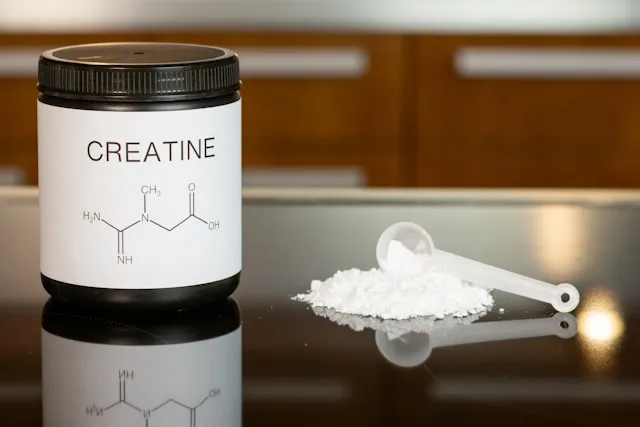
Creatine is stored in muscle as phosphocreatine. During hard work like a heavy set of squats or a short sprint, phosphocreatine helps recycle ATP. ATP is the basic fast energy your muscle cells burn.
More phosphocreatine in the muscle means you can hold power a little longer before you gas out in that range. That is why Creatine helps with strength work, short explosive output, and the first part of repeated efforts.
Creatine also pulls a small amount of water into the muscle cell. This is normal and is part of why muscles can look and feel a little fuller.

What you may notice when you try Creatine
More strength and power
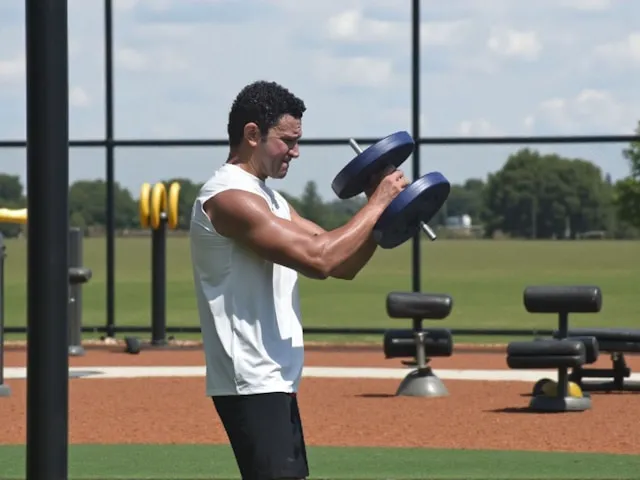
People often report faster progress in big lifts like squat, bench, deadlift, rows and presses.
More total reps
You may get one more clean rep at the end of a working set or keep bar speed from falling off as fast.
More visible fullness
Muscles can look slightly rounder or fuller. This is cell water, not bodyfat.
Recovery between sets
You may feel ready for the next heavy set sooner, especially in low to moderate rep ranges.
Safety, dosing and who should skip it
Typical dosing
Most people take 3 to 5 g of Creatine Monohydrate per day. You do not have to load with huge doses. Taking it with food or a shake is common. Staying hydrated helps.
Side effects
Creatine can cause mild water retention inside the muscle. This can look like 1 to 2 extra pounds on the scale in the first week. Some people get stomach discomfort if they take a large dry scoop on an empty stomach. Mixing it fully in water usually fixes that.
Drug interactions
Creatine changes muscle energy handling, not hormones. For most healthy adults it is considered low risk.
If you have any kidney condition or have been told to watch creatinine levels, you should clear Creatine use with a clinician first.
Product quality
Look for Creatine Monohydrate with a clear gram amount per serving and nothing extra. You do not need blends or prop labels that hide the actual Creatine dose. Creatine Monohydrate is still the standard form.
Who should avoid it
Use caution starting on your own if you:
have known kidney disease or reduced kidney function
are pregnant or breastfeeding and have not cleared it
are giving supplements to a minor who is in organized sport without medical sign off
feel repeat cramping, nausea, or any weird pressure or discomfort that lines up with starting Creatine
Final Thoughts
Creatine is mainly about power, strength, and total work. The usual range is 3 to 5 g per day of plain Creatine Monohydrate. Take it every day, train hard, and write down what actually changes for you. If you are seeing steady progress in reps, bar speed, or session volume after a few weeks, stay on the lowest amount that still works. If you do not notice anything real, or if you have kidney concerns, stop and talk with a clinician before continuing.