Taking Creatine for Memory Loss: Here’s What The Science Says
News
Key Findings
Recent clinical research suggests that the brain's high metabolic demand makes it a primary candidate for supplemental bioenergetic support. By increasing cerebral phosphocreatine levels, creatine can effectively bridge the energy gap often linked to age-related memory decline and cognitive fatigue. Achieving these neurological benefits typically requires a consistent daily dose of at least 5 grams of high-purity monohydrate to support measurable improvements in word recall, spatial awareness, and executive function.

While creatine is almost exclusively associated with skeletal muscle hypertrophy and athletic performance, a growing body of neuroscientific research is shifting the focus toward the neck up.
The brain is one of the most metabolically demanding organs in the human body, consuming roughly 20 percent of total daily energy despite accounting for only 2 percent of body mass. As we age, or under conditions of metabolic stress, the efficiency of energy production in the brain can decline, leading to cognitive lag and forgetfulness.
This metabolic dip is often the precursor to more significant cognitive decline, making the search for effective bioenergetic interventions a priority for modern medicine. The link between creatine and memory loss has become a focal point for researchers investigating how bioenergetics influence neurodegeneration.
By reinforcing the cellular energy systems that support neurons, creatine is being viewed less as a bodybuilding supplement and more as a potential neuroprotective agent. This article examines the current clinical landscape regarding creatine supplementation for cognitive preservation and whether it can effectively mitigate the symptoms of age-related memory decline.
By looking at the latest peer-reviewed studies, we can begin to see how this simple molecule might be a key factor in maintaining mental acuity well into our later years.
What is Creatine?
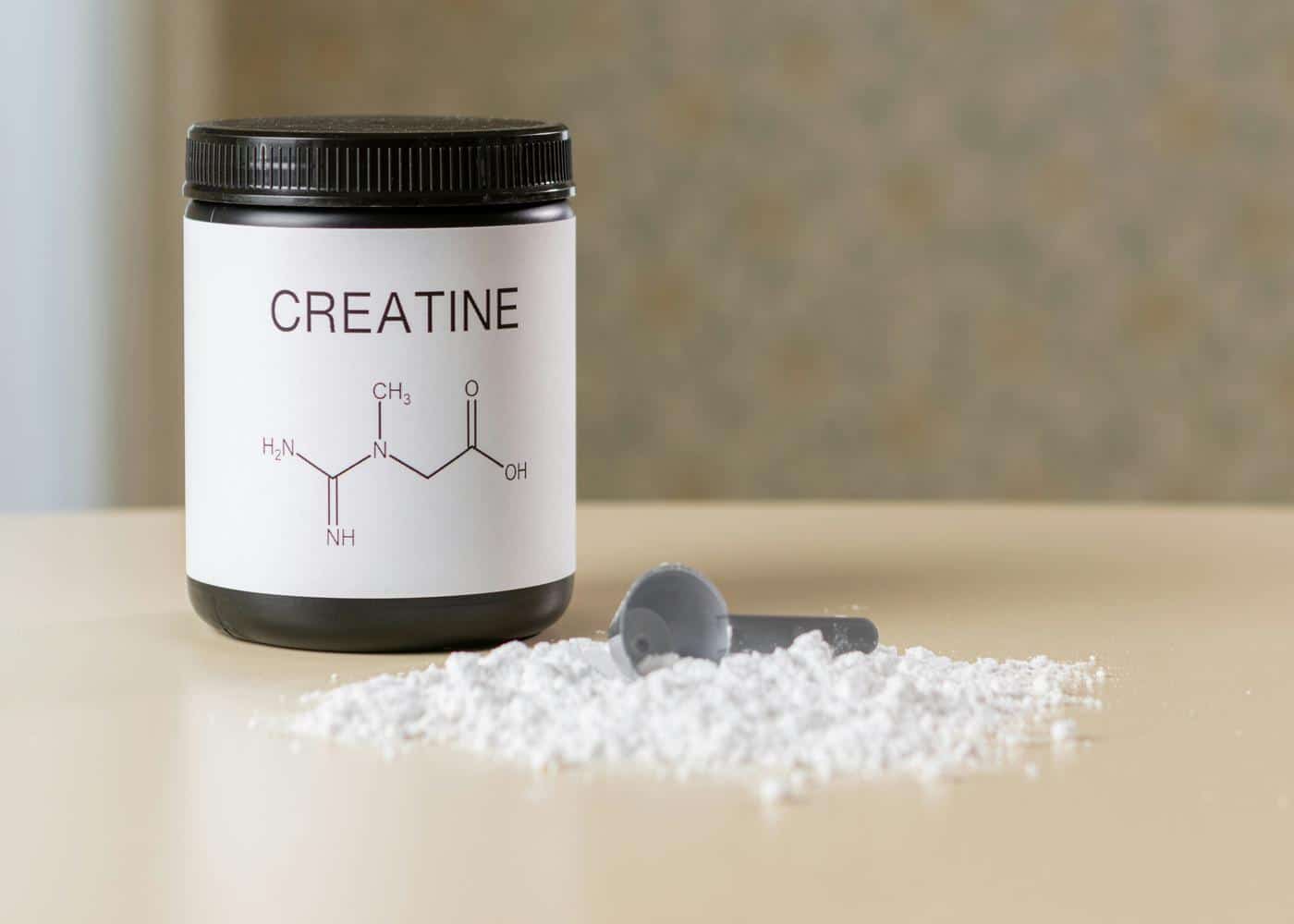
Creatine is a nitrogenous organic acid that occurs naturally in vertebrates. In the human body, it is primarily synthesized in the liver and kidneys from the amino acids arginine, glycine, and methionine.
Approximately 95 percent of the body's creatine is stored in the muscles, but the remaining 5 percent is found in the brain and testes. It serves as a rapid-response energy reservoir, facilitating the recycling of Adenosine Triphosphate (ATP) during periods of high demand.
Without adequate creatine stores, the body struggles to keep up with the intense energy requirements of high-intensity physical or mental activity. Dietary sources of creatine are limited to animal products like red meat and fish, which means individuals following plant-based diets often have lower baseline levels of brain creatine.
Because the blood-brain barrier is relatively restrictive, the brain relies heavily on its own internal synthesis of creatine, but supplemental intake has been shown to cross this barrier and increase cerebral concentrations.
This increase in the neural energy pool is the foundation for its purported cognitive benefits. For those who do not consume significant amounts of animal protein, supplementation may be the only way to ensure that brain levels remain at an optimal threshold for cognitive performance.


How Creatine Supports Cognitive Function

The primary mechanism behind creatine's effect on the brain lies in the phosphocreatine system. In the brain, neurons require a constant, uninterrupted supply of ATP to maintain ion gradients and facilitate neurotransmitter release.
When metabolic demand spikes, such as during complex problem-solving or when fighting off the effects of sleep deprivation, the brain uses phosphocreatine to donate a phosphate group to ADP, instantly regenerating ATP. This process happens in milliseconds, providing a buffer that prevents cellular exhaustion.
ATP Resynthesis and Cellular Bioenergetics
The primary mechanism through which creatine brain effects manifest is the spatial creatine kinase circuit. Neurons are characterized by their high and fluctuating energy demands, particularly at the synapses where neurotransmission occurs.
Creatine acts as a high-energy phosphate buffer, rapidly regenerating ATP from ADP. This ensures that the sodium-potassium pumps, which maintain the electrical gradients necessary for nerve impulse transmission, never experience a power failure.
By stabilizing these energy levels, creatine allows for more fluid cognitive processing and prevents the cellular fatigue that often presents as mental fog.
Neuroprotection and Mitochondrial Integrity
Beyond immediate energy production, brain creatine plays a vital role in protecting the structural integrity of the brain. Research indicates that creatine helps stabilize the mitochondrial permeability transition pore.
When these pores open inappropriately, often due to oxidative stress or aging, it can lead to a cascade of cellular death. By reinforcing mitochondrial health, creatine serves as a neuroprotective shield, potentially slowing the localized metabolic decline associated with creatine and memory loss.
This is particularly relevant in the hippocampus, the region of the brain most responsible for memory formation and retrieval.
Modulation of Neurotransmitter Systems
Recent deep-dive research suggests that creatine may also influence the brain through the modulation of specific neurotransmitter receptors.
Specifically, creatine has shown an ability to interact with NMDA and GABA receptors, which are the primary excitatory and inhibitory systems in the human brain.
By helping to balance these systems, creatine can promote a state of homeostasis, reducing the risk of excitotoxicity where neurons become overstimulated and damaged. This balancing act is crucial for maintaining a sharp memory and the ability to focus on complex tasks over long durations without the typical burnout associated with intense mental effort.
The Link Between Brain Energy and Memory Decline

To understand why creatine and memory loss are so closely linked, one must understand the energy gap that occurs during aging. As we get older, the efficiency of our mitochondria begins to wane.
This means the brain has less fuel available to perform basic maintenance and complex tasks. When the brain runs low on energy, it begins to prioritize essential survival functions over higher-order cognitive processes like long-term memory storage.
This is why many people find that their short-term memory is the first thing to decline as they age. By providing a surplus of brain creatine, we essentially close this energy gap.
Supplemental creatine provides the overhead necessary for the brain to maintain its memory-forming architecture even when mitochondrial efficiency is not at its peak. This is especially important during times of increased cognitive load.
If the brain has a ready supply of phosphocreatine, it can handle the stress of multitasking or learning new information without the metabolic strain that leads to oxidative damage.
Creatine for Specific Cognitive Conditions
Recent clinical trials have begun to look at how creatine brain effects apply to specific populations beyond healthy aging adults. For instance, researchers have investigated the use of creatine in patients with mild cognitive impairment (MCI).
The results suggest that while creatine is not a cure for dementia, it can significantly improve performance on spatial memory tasks and word recall tests. These findings reinforce the idea that creatine is a tool for optimization and preservation rather than just a recovery aid.
Furthermore, the impact of creatine on mood disorders cannot be ignored. Depression and anxiety are often accompanied by cognitive slowing and memory issues.
Some studies have found that adding creatine to standard antidepressant protocols can speed up the response time and improve the cognitive clarity of patients. This suggests that the energy-boosting properties of creatine extend to the emotional and executive centers of the brain, providing a holistic improvement in mental well-being.
Taking Creatine for Memory Loss
To address memory loss effectively, the approach to supplementation must be more strategic than a standard fitness protocol. Clinical research suggests that the brain is more resistant to creatine uptake than muscle tissue.
While 5 grams per day is sufficient for muscle maintenance, some neurocentric studies have used doses ranging from 10 to 20 grams per day to achieve significant increases in cerebral creatine levels.
This higher dosage is often referred to as a brain-loading phase, although many experts suggest a more moderate, long-term approach to avoid potential digestive discomfort. For most individuals concerned with long-term memory support, a consistent daily dose of 5 grams of high-quality creatine monohydrate is the recommended baseline.
Timing is less critical than daily adherence, although taking the supplement with a carbohydrate source may help cross the blood-brain barrier more effectively due to the insulin response. It is also important to note that the cognitive benefits of creatine are most pronounced in populations under metabolic stress, such as the elderly, vegetarians, or those suffering from chronic sleep deprivation.
Best Creatine for Memory
When searching for the best creatine for memory, the focus should be on purity and the ability to cross the blood-brain barrier through superior solubility.
Creapure Micronized Creatine Monohydrate: This is the most widely studied form of creatine in clinical trials involving cognitive function. Produced in Germany, it undergoes rigorous testing to ensure it is free from contaminants like creatinine. Its micronized structure allows for better solubility in water, which may aid in consistent daily intake for older adults who might have sensitive digestion.
Creatine Magnesium Chelate: This form binds creatine to magnesium, a mineral that is itself vital for cognitive health and synapse plasticity. Because magnesium is a co-factor in hundreds of enzymatic reactions in the brain, this combination may offer a synergistic effect for those looking to support memory and reduce mental fatigue. It is often cited as being highly bioavailable for neural tissues.
Buffered Creatine (Kre-Alkalyn): Some users prefer a buffered version to avoid potential gastrointestinal issues at the higher dosages sometimes required for brain health. This form is designed to remain stable at the higher pH levels of the digestive tract, potentially allowing for better absorption with less waste. This makes it an attractive option for those who find standard monohydrate difficult to tolerate.
Potential Side Effects and Safety Considerations
Despite its reputation as a safe and well-tolerated supplement, anyone considering taking creatine for cognitive health should be aware of the potential for minor side effects.
The most common issue is water retention, but this primarily occurs in the muscle tissue rather than the brain. Some individuals may experience mild stomach cramping or diarrhea if they take a large dose at once.
To mitigate this, it is often recommended to split the daily dose into two smaller servings taken with meals. There is a common myth that creatine causes kidney damage, but decades of research have debunked this in healthy individuals.
However, if you have pre-existing kidney disease, you should consult with a medical professional before starting a creatine regimen. For the vast majority of the population, creatine is one of the most thoroughly researched and safest supplements on the market today.
Its long-term use has not been linked to any serious adverse effects, making it an ideal candidate for a lifelong cognitive support strategy.
Diet, Lifestyle, and Creatine Synergy
While brain creatine is a powerful tool, it does not exist in a vacuum. To get the most out of your supplementation, it should be paired with other brain-healthy habits.
Regular aerobic exercise, for instance, has been shown to increase the expression of creatine kinase in the brain, making your supplementation even more effective. Similarly, a diet rich in omega-3 fatty acids and antioxidants provides the structural support and protection that allows the energy provided by creatine to be used most efficiently.
Sleep is another critical factor. Creatine has been shown to be especially effective at preserving cognitive function during periods of sleep deprivation. However, it should not be used as a replacement for high-quality rest.
Instead, think of it as a way to protect your brain from the inevitable stresses of modern life. When you combine creatine with good sleep, a nutrient-dense diet, and mental stimulation, you create a robust environment that is highly resistant to memory loss.
Final Thoughts: Creatine for Memory
The transition of creatine from the weight room to the neurology clinic marks a significant shift in how we understand brain aging.
While it is not a magic pill that can instantly reverse late-stage neurodegeneration, the evidence for creatine brain function support is strong enough to warrant its consideration as a foundational supplement for cognitive longevity.
By ensuring the brain has the energy reserves it needs to function under stress, creatine provides a metabolic safety net that supports memory, focus, and overall mental resilience. As research continues to evolve, it is likely that creatine will become a standard recommendation for aging populations.
For now, the most effective strategy for those concerned about memory is to prioritize a high-purity monohydrate and maintain a consistent daily habit. Supporting the brain's energy demands today is one of the most proactive steps you can take toward preserving your cognitive history for tomorrow.
Whether you are a student looking for a mental edge or an older adult looking to stay sharp, the science suggests that creatine has a place in your daily routine.
Article FAQ
Is creatine good for memory loss?
Current research indicates that creatine is a promising intervention for certain types of memory loss, particularly those related to aging or metabolic stress. By increasing the levels of brain creatine, the supplement helps maintain the energy supply required for the hippocampus to process and retrieve information. While it is not a cure for advanced neurodegenerative diseases, it has been shown to improve performance on word recall and spatial memory tasks in older adults.
How much creatine to take for cognitive benefits?
To achieve significant effects, most clinical studies suggest a daily intake of at least 5 grams of creatine monohydrate. While the standard 3 to 5 gram dose used for physical performance is effective for maintenance, some neurocentric research uses higher doses of up to 10 or 20 grams per day to overcome the blood-brain barrier. Most experts recommend starting with a consistent 5-gram daily dose to assess tolerance before considering higher amounts.
When to take creatine for cognitive function?
Consistency is much more important than specific timing when using creatine for brain health. Because the goal is to increase the long-term baseline of brain creatine stores, the supplement should be taken daily regardless of your schedule. Some evidence suggests that taking your dose with a carbohydrate-rich meal may slightly improve uptake into the brain due to the resulting insulin response, but the most important factor is simply ensuring you do not miss a day.
Can creatine help with brain fog?
Yes, many individuals use a creatine protocol to combat the mental fatigue known as brain fog. By providing an immediate energy buffer for neurons, creatine can help maintain mental clarity during periods of high stress or intense concentration. It is especially effective at reducing the cognitive decline associated with acute sleep deprivation, allowing the brain to maintain higher levels of executive function even when exhausted.
Is creatine safe for older adults?
Creatine is widely considered one of the safest and most well-researched supplements for older populations. Beyond the cognitive advantages and its role in fighting creatine and memory loss, it also helps preserve lean muscle mass and bone density, which are critical for longevity. Older adults should ensure they stay properly hydrated when taking creatine, as the supplement naturally draws water into the cells to support metabolic processes.
Does creatine cause insomnia or anxiety?
Creatine is not a stimulant and does not directly affect the central nervous system in the same way that caffeine or other pre-workout ingredients do. Most users find that it has no impact on their ability to fall asleep. In fact, by improving the metabolic efficiency of the brain, some studies suggest it may actually help the brain recover more effectively during rest. If you experience restlessness, check to ensure your supplement does not contain added stimulants like caffeine or taurine.