How to Reset Your Gut Microbiome and Restore Gut Health
Nutrition
Key Findings
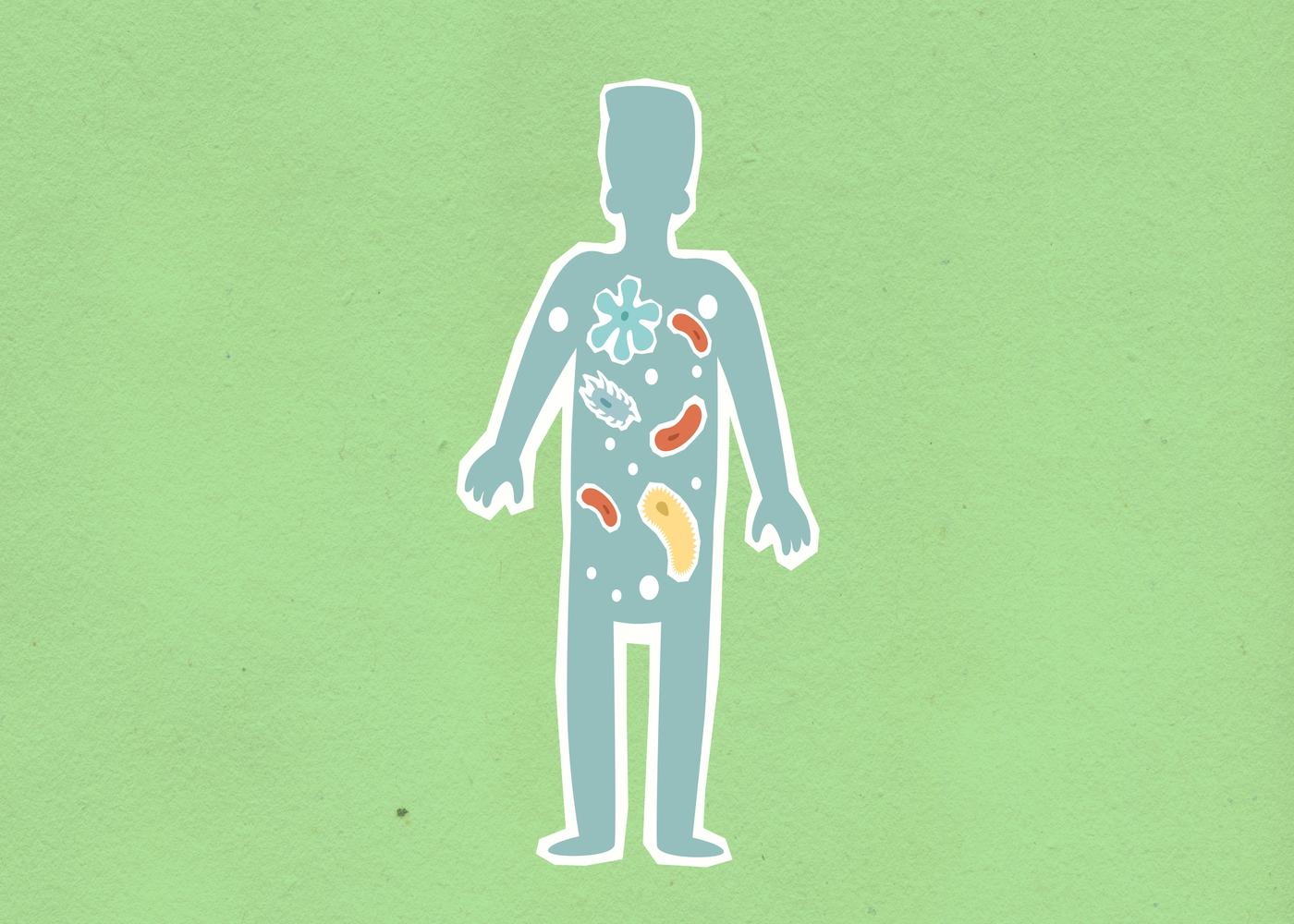
Your gut is a dynamic ecosystem influencing immunity, mood, and sleep. While microbial shifts occur within 48 hours, a full restoration of gut microbiome diversity and health requires weeks of consistency. To effectively learn how to reset your microbiome, you must remove disruptors like artificial sweeteners and gut microbiome irritants. By prioritizing variety, you canimprove gut microbiome naturally and achieve the lasting signs of a healthy gut microbiome.

The human body is not merely a collection of human cells but a complex ecosystem teeming with trillions of microscopic inhabitants. Deep within your digestive tract lies a bustling metropolis of bacteria, fungi, viruses, and archaea.
When this ecosystem falls out of balance, it can affect everything from your energy levels to your emotional well-being. The concept of a "reset" often implies a quick fix or a factory reboot, but in the context of biological systems, it is more of a strategic renovation.
Your gut is incredibly resilient and highly responsive to environmental changes. By adjusting your diet, lifestyle, and environment, you can shift the population of your internal residents toward a more beneficial state. This article serves as a comprehensive guide on how to navigate this journey, ensuring your internal ecosystem thrives for years to come.
What is Your Gut Microbiome?
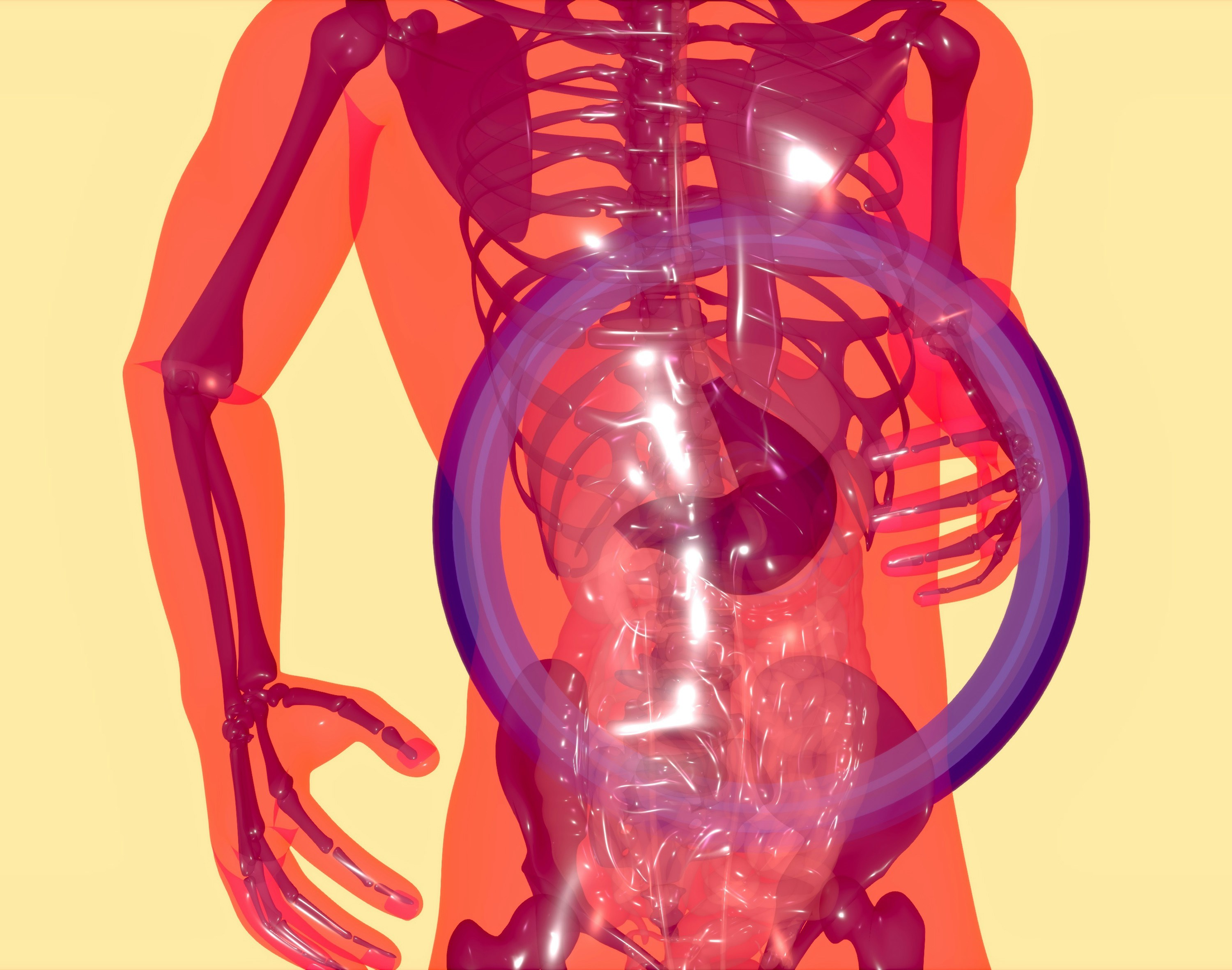
The gut microbiome refers to the entire collection of microorganisms living in your intestines, specifically the large intestine or colon. While microbes exist all over our bodies, including our skin and mouths, the highest concentration and most diverse populations are found in the gut.
These organisms are so integral to our survival that many scientists now refer to the microbiome as a forgotten organ. Unlike your human DNA, which is relatively fixed from birth, the composition of your microbiome is dynamic.
It begins to develop the moment you are born and is shaped by your mode of delivery, your early diet, and the environment you grew up in. Even the pets you lived with can influence your microbial makeup.
As an adult, your microbiome continues to fluctuate based on what you eat, how much you sleep, and the level of stress you endure. The goal of a healthy system is to maintain gut microbiome diversity and health, where a wide variety of different species coexist to perform a multitude of biological functions.
Why Is It Important?
Your gut microbiome acts as a chemical factory, producing vitamins, signaling molecules, and metabolic byproducts that the human body cannot make on its own. It is the primary training ground for your immune system, teaching your body how to distinguish between friend and foe.
Research has shown that a healthy gut is linked to almost every facet of human physiology. A balanced gut microbiome regulates several key areas of health:
Immune System Function: Approximately 70% to 80% of your immune cells reside in the gut, where microbes help modulate inflammatory responses.
Mental Health and Mood: Through the gut-brain axis, microbes produce neurotransmitters like serotonin and dopamine, which directly influence your stress levels and happiness.
Sleep Quality: Gut bacteria follow circadian rhythms and produce precursors to melatonin, the hormone responsible for regulating sleep-wake cycles.
Metabolic Health and Weight: Certain microbes influence how many calories you extract from food and how your body stores fat.
Digestion and Nutrient Absorption: Microbes break down complex carbohydrates and fibers that human enzymes cannot digest, turning them into short-chain fatty acids (SCFAs) like butyrate.
Skin Health: The gut-skin axis suggests that internal inflammation caused by a poor microbiome can manifest as acne, eczema, or psoriasis.
Signs of a Healthy Gut Microbiome
Identifying signs of a healthy gut microbiome is essential for establishing a baseline for your progress. While every individual's microbial makeup is unique, a thriving gut generally presents through consistent physical indicators.
A healthy gut usually manifests as regular bowel movements, typically occurring once or twice a day with a consistency that is easy to pass. You should experience minimal bloating or gas, even after consuming fibrous foods like beans or broccoli.
Beyond digestion, a healthy gut is mirrored in stable energy levels throughout the day without significant afternoon crashes. Your skin is likely clear, and your immune system is robust, meaning you bounce back quickly from common seasonal illnesses.
Perhaps most importantly, a healthy microbiome is associated with mental clarity and a resilient mood. This occurs because the gut-brain axis is functioning without the interference of systemic inflammation.
Signs of an Unhealthy Gut Microbiome
Conversely, when the microbiome is in a state of dysbiosis (an imbalance between beneficial and harmful microbes) the body sends out distress signals. Chronic digestive issues are the most obvious indicators.
This includes persistent bloating, excessive gas, heartburn, or alternating bouts of constipation and diarrhea. However, the symptoms of an unhealthy gut often extend far beyond the bathroom.
You might experience intense sugar cravings, as certain types of yeast and bacteria thrive on simple sugars and can actually influence your brain to seek out more fuel for them. Chronic fatigue, brain fog, and unexplained irritability are also common.
Skin irritations and autoimmune flare-ups can be traced back to leaky gut, a condition where the intestinal lining becomes overly permeable due to microbial imbalance. If you catch every cold that goes around or feel constantly lethargic regardless of sleep, your gut may be crying out for a reset.


How to Reset Your Microbiome
Understanding how to reset your microbiome involves a multi-layered approach that combines dietary shifts with lifestyle modifications. It is not about a three-day juice cleanse; it is about creating an environment where beneficial bacteria can flourish.
Step 1: Weed the Garden
The first step is to remove the factors that actively damage your microbial diversity. This includes reducing the intake of highly processed foods, refined sugars, and inflammatory fats.
You should also be mindful of the unnecessary use of antibiotics. While antibiotics are life-saving when necessary, they are nuclear to the gut, wiping out both good and bad bacteria.
If you must take them, always follow up with a focused recovery plan. Additionally, managing chronic stress is vital, as high cortisol levels can physically alter the gut lining and change the microbial landscape within hours.
Step 2: Seed with Probiotics
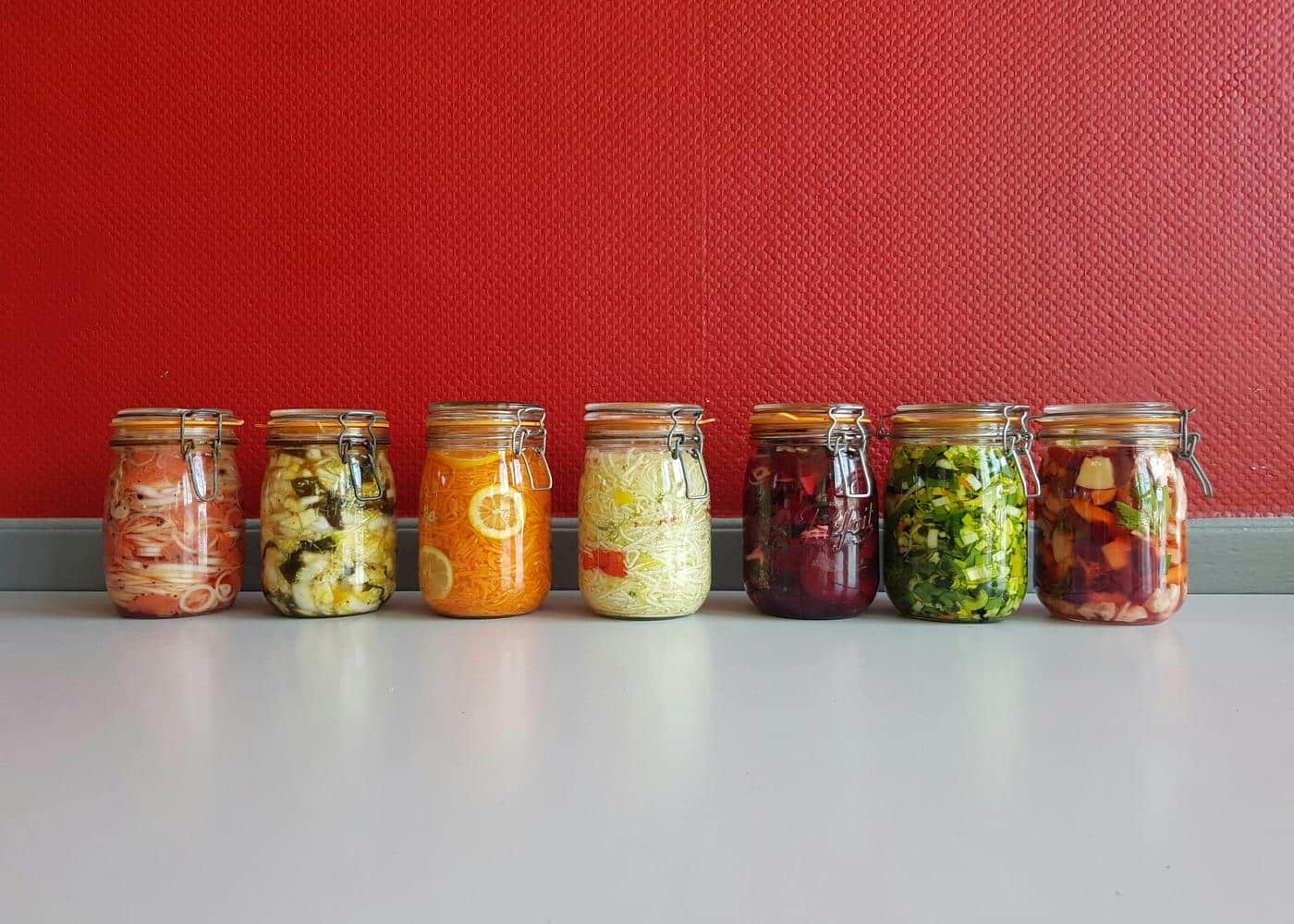
Once you have reduced the antagonists, you need to reintroduce beneficial species. You can do this through high-quality probiotic supplements or, more effectively, through fermented foods.
Fermentation is an ancient preservation method that cultures foods with live bacteria. When you consume these, you are essentially seeding your gut with transient beneficial microbes.
These helpful bacteria help create a more acidic, hospitable environment for your permanent residents to thrive.
Step 3: Feed with Prebiotics
Probiotics cannot survive without fuel. This is where prebiotics come in. Prebiotics are non-digestible fibers that act as fertilizer for your good bacteria.
Without adequate fiber, your gut microbes may actually begin to eat the protective mucus layer of your intestinal lining.
Focus on consuming a diverse array of plant-based fibers to ensure that different species of bacteria are well-fed.
Step 4: Protect the Barrier
The final step is to support the physical integrity of the gut lining. Amino acids like L-glutamine, found in bone broth or specific supplements, help seal the junctions in the gut wall.
Combined with a consistent sleep schedule and regular, moderate exercise, these steps create a sustainable environment. This allows a healthy microbiome to maintain itself over the long term.
Food and Drink for a Healthy Gut
Diet is the most powerful tool you have for a microbial reset. Every time you eat, you are choosing which microbes to feed and which to starve.
The most effective way to learn how to improve gut microbiome naturally is to focus on diversity and whole, unprocessed ingredients.
Sample Diet Plan
A successful gut-health diet focuses on "The Big Three": Fiber, Fermented Foods, and Polyphenols. Polyphenols are plant compounds found in colorful fruits and vegetables that act as antioxidants.
Breakfast:
Start your day with a bowl of overnight oats or chia seed pudding. Use unsweetened almond or coconut milk and top it with a handful of blueberries and raspberries (both high in polyphenols).
Add a tablespoon of ground flaxseeds or hemp seeds for extra prebiotic fiber. If you prefer savory, try organic eggs with a side of sautéed spinach and a small portion of naturally fermented sauerkraut.
Lunch:
Aim for a large salad or grain bowl containing at least five different colors. Use a base of leafy greens like kale or arugula. Add roasted sweet potatoes (a source of resistant starch), chickpeas, sliced radishes, and pumpkin seeds.
For protein, choose wild-caught salmon or organic tempeh. Dress it with extra virgin olive oil and apple cider vinegar, which supports stomach acid production.
Snack:
A small handful of walnuts and a square of dark chocolate (at least 70% cocoa) provides both healthy fats and polyphenols. Alternatively, a cup of bone broth can provide soothing amino acids for the gut lining.
Dinner:
Focus on cooked vegetables and clean protein. Asparagus, leeks, and onions are incredible sources of prebiotic inulin. Serve these alongside roasted chicken or lentils and a side of cooled white rice.
Cooling rice after cooking increases its resistant starch content. This passes through the small intestine and ferments in the colon, feeding your most important microbes.
Beverages:
Throughout the day, prioritize filtered water. To add a microbial boost, incorporate 4 to 8 ounces of kombucha or water kefir. Herbal teas like ginger or peppermint can also help soothe the digestive tract and reduce inflammation.
Unhealthy Microbiome: What to Avoid
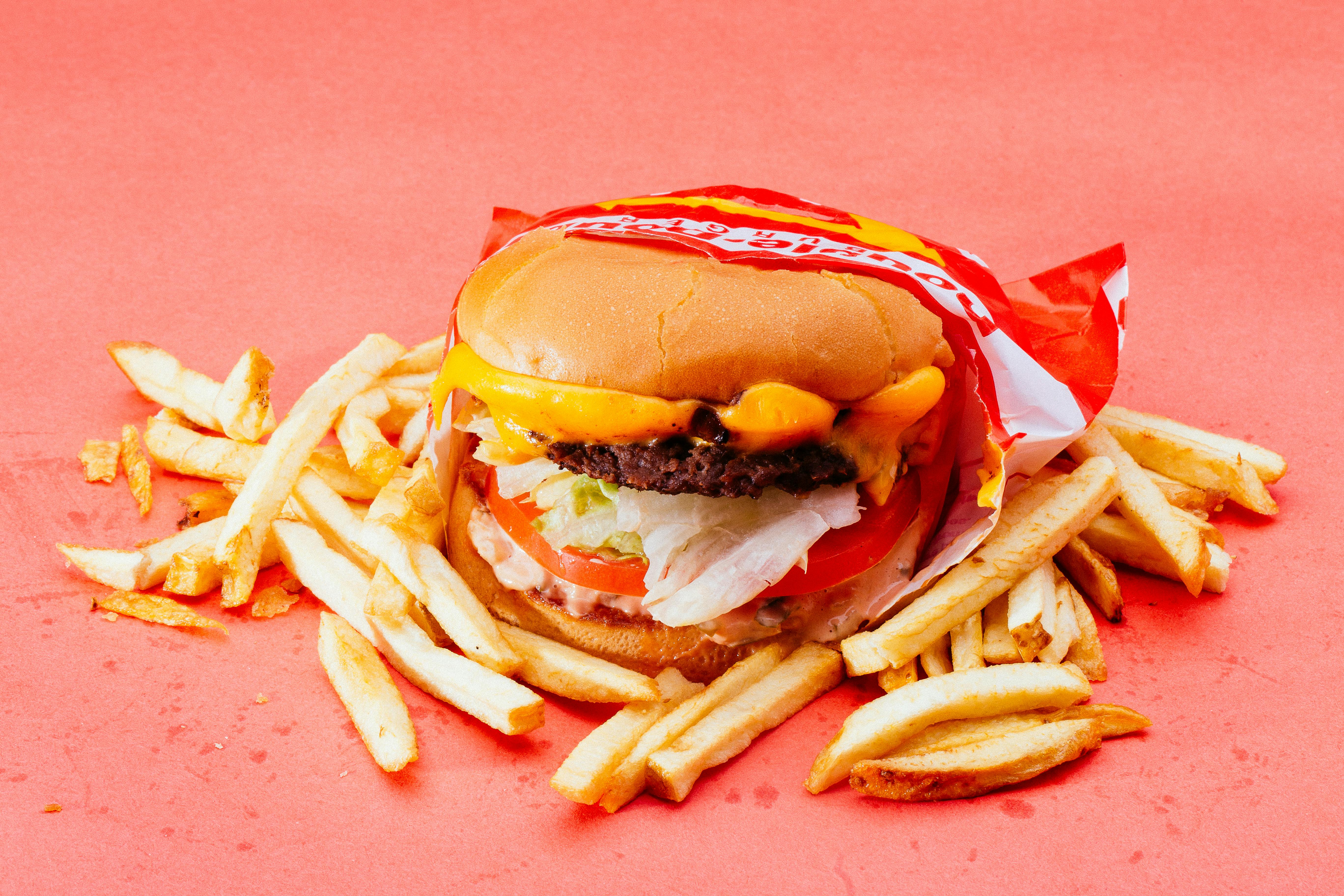
While adding good things is important, removing the gut-busters is equally critical. The modern Western diet is unfortunately designed in a way that actively depletes microbial diversity.
Ultra-Processed Foods and Emulsifiers
Processed foods often contain emulsifiers (like carboxymethylcellulose and polysorbate 80) used to improve texture and shelf life.
Studies suggest these chemicals can thin the protective mucus layer of the gut, leading to inflammation. Always read labels and try to stick to foods with recognizable, single-ingredient components.
Excessive Sugar and Refined Carbs
Pathogenic bacteria and yeast, such as Candida, thrive on simple sugars. High sugar intake can lead to an overgrowth of these harmful species, which then crowd out the beneficial ones.
This imbalance can lead to the leaky gut issues mentioned earlier and can trigger systemic inflammation.
Artificial Sweeteners
Many people turn to diet sodas or sugar-free snacks to lose weight, but the relationship between artificial sweeteners and gut microbiome health is concerning.
Research indicates that sweeteners like saccharin, aspartame, and sucralose can alter the composition and function of the microbiome.
In some cases, these changes can lead to glucose intolerance, ironically contributing to the metabolic issues they were intended to prevent. If you need a sweetener, opt for natural options like raw honey.
Alcohol and Chronic NSAID Use
Regular alcohol consumption can irritate the gut lining and shift the microbial balance toward pro-inflammatory species.
Similarly, the frequent use of Non-Steroidal Anti-Inflammatory Drugs (NSAIDs) like ibuprofen can cause small erosions in the stomach and intestinal lining. This compromises the barrier that your microbiome helps protect.

Final Thoughts: Resetting Your Gut Microbiome
Restoring your internal ecosystem is not an overnight task, but a journey of consistent, small choices. The beauty of the microbiome is its plasticity, as it begins to shift within 24 to 48 hours of a dietary change.
However, permanent colonization and a reset of your health markers usually take several weeks to months of dedicated care. As you embark on this path, remember that perfection is not the goal.
Your gut is capable of handling occasional indulgences if its foundation is strong. Focus on adding variety, aim for 30 different plant types per week, and listen to your body's signals.
When you nourish your microbes, they return the favor by fortifying your immune system, stabilizing your mood, and sharpening your mind. A healthy gut is the cornerstone of a vibrant life.
Taking the time to restore it is one of the best investments you can make in your future well-being.
Article FAQ
How long does it take to reset your gut microbiome?
The microbiome is incredibly fast-acting. Research shows that microbial populations begin to shift within 24 to 48 hours of a significant dietary change. However, achieving a permanent "reset" or long-term colonization of beneficial species typically takes anywhere from two weeks to six months. Consistency is key to ensuring these new microbial communities become a stable part of your ecosystem.
What do bacteria do in a healthy gut microbiome?
In a balanced state, beneficial bacteria act as a biological factory. They break down complex fibers into short-chain fatty acids (SCFAs) like butyrate, which fuel the cells of your intestinal lining. They also synthesize essential vitamins (such as B12 and Vitamin K), train the immune system to recognize pathogens, and produce neurotransmitters like serotonin that regulate your mood.
What do harmful bacteria do in the gut microbiome?
When opportunistic or harmful bacteria take over, they can produce toxins that damage the intestinal barrier, leading to increased intestinal permeability (leaky gut). They often thrive on simple sugars and can trigger systemic inflammation. Some harmful species also interfere with metabolic signaling, which can contribute to weight gain, intense food cravings, and chronic brain fog.
Why is microbiome diversity important?
Diversity is a marker of resilience. A diverse microbiome contains many different species that perform redundant, helpful functions. If one species is depleted by stress or illness, others can step in to fill the gap. High diversity is consistently linked to a robust immune system, a lower risk of chronic disease, and better metabolic health.
Can stress actually change my gut bacteria?
Yes, the connection is immediate and powerful. Through the gut-brain axis, high levels of cortisol (the stress hormone) can reduce the thickness of the protective mucus layer in the gut. This changes the physical environment, making it difficult for beneficial bacteria to survive while allowing inflammatory species to bloom. This is why many people experience digestive "butterflies" or distress during high-pressure situations.
Should I take a probiotic supplement or just eat fermented foods?
While supplements can be helpful for targeted issues (like recovery from antibiotics), fermented foods are often superior for general maintenance. Foods like kimchi, kefir, and sauerkraut provide a wider variety of bacterial strains and include the "food" those bacteria need to survive. However, if you have a severely compromised gut, it is best to introduce these slowly to avoid temporary bloating as your system adjustments.