Generate Personalized AI Diet Plans Based on Your Health Data
Nutrition

Key Findings
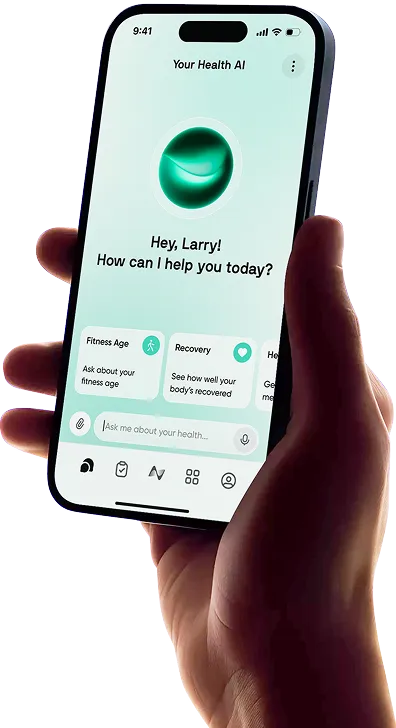
Neura transforms nutrition by acting as a Health Operating System that aggregates data from wearables and trackers. Unlike static plans, it uses predictive analytics to adapt your diet in real time based on a range of factors and correlated against your stated health goals. This blend of AI insights and human oversight creates a dynamic protocol tailored to your unique biology.
In a world flooded with generic nutritional advice, finding a meal plan that truly aligns with your unique biology can feel like searching for a needle in a haystack.
While a basic free diet plan generator might offer a starting point, it often lacks the nuance required to drive real health outcomes.
True optimization requires more than just counting calories; it requires a system that understands your metabolic health, lifestyle, and physiological data.
Enter Neura.
Importance of a Personalized Diet
Your body is a complex, dynamic system. Factors such as sleep quality, stress levels, biomarker data, and even genetic predispositions play a massive role in how you process food.
A static meal plan cannot account for the fact that you slept four hours last night or that your stress markers are elevated today.
A truly personalized diet plan leveraging the adaptive power of AI does more than suggest recipes; it adapts to your physiology. Whether you are managing a chronic condition, optimizing for longevity, or seeking peak athletic performance, personalization ensures that every bite serves a specific function.
This dynamic approach is the difference between simply "eating healthy" and fueling your body with precision.
How Does Neura Create a Personalized Diet Plan?
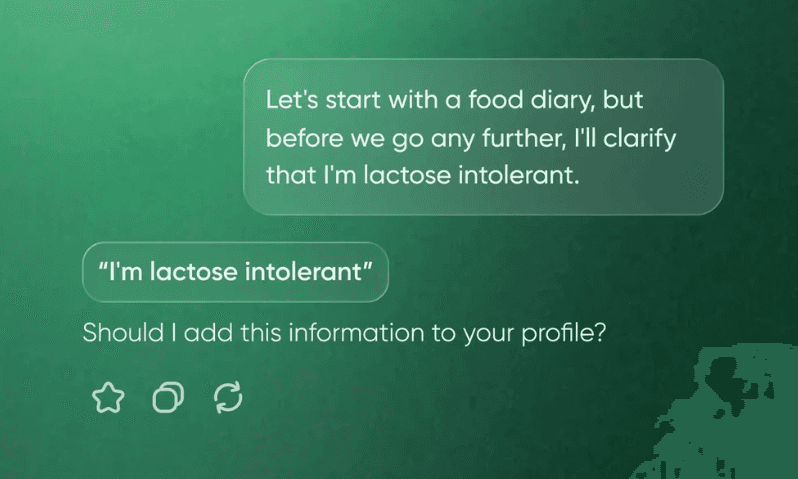
Neura functions as a "Health Operating System," aggregating disparate data points to build a cohesive nutritional strategy. Here is the step-by-step process of how the AI diet plan generator works:
Unified Health Data Ingestion: Neura begins by consolidating your fragmented health data.
Instead of checking five different apps, Neura pulls data from your wearables (like Oura or Apple Watch), lab results, and manual logs into a single dashboard.
This provides the AI with a 360-degree view of your "Input" (diet) and "Output" (metabolic health).
Contextual Analysis: Neura’s AI model doesn't just look at what you ate, but when and how it affected you.
By cross-referencing your food logs with symptom tracking (e.g., energy crash, headache, bloating), Neura identifies hidden dietary triggers that a standard diet meal plan generator would miss.
Dynamic Plan Generation: Based on your stated Health Plan goals (e.g., "Reduce Inflammation," "Optimize Deep Sleep," "Loose Weight", etc.), Neura delivers an adaptive and always personalized daily plan.
This isn't a static menu; it is an evolving protocol. If your sleep data from the previous night indicates low recovery, Neura’s AI Coach can adjust the day's nutritional advice to focus on restorative, nutrient-dense foods rather than high-glycemic options.
The "AI Coach" Feedback Loop Neura provides a 24/7 AI Health Coach trained on PhD-level health data. This coach monitors your adherence and biological response in real-time.
If you stray from the plan, the coach doesn't just judge; it recalculates the rest of your week’s nutrition to get you back on track without the "all-or-nothing" guilt.
Customer Use Cases
See what personalized diet and nutrition plans from Neura look like in action:
1. The Biohacker
The Challenge: Wants to optimize cognitive function and stack nutrition with nootropics, but struggles to verify if their protocol is working.
Neura Solution: Neura correlates deep sleep data from Oura with daily focus logs to suggest a strategy that prioritizes healthy fats during deep work windows.
Outcome: Sustained focus and data-backed validation of their supplement stack.
2. The Metabolic Optimizers
The Challenge: Struggles with energy crashes and suspects blood sugar issues, but lacks a unified view of their data.
Neura Solution: By ingesting data from a Continuous Glucose Monitor (CGM) like Dexcom, Neura identifies specific glucose spikes. It acts as a personalized diet and workout plan architect, suggesting post-meal walks or lower-carb adjustments when variability is high.
Outcome: Stabilized energy levels and improved insulin sensitivity.
3. The Endurance Athlete
The Challenge: Needs precise fueling for marathon training but often under-eats on rest days, hindering recovery.
Neura Solution: Neura integrates with Strava or Garmin to analyze training load. It adjusts caloric targets based on active expenditure, ensuring the user fuels enough for recovery without overshooting on rest days.
Outcome: Faster recovery times and consistent performance metrics.
4. The Busy Executive
The Challenge: High stress leads to poor food choices and sleep disruption.
Neura Solution: Neura notices an elevated resting heart rate and poor sleep efficiency. It provides insights to prioritize magnesium-rich foods and avoid alcohol, resulting in a personalized diet plan designed to mitigate stress.
Outcome: Improved sleep quality and better stress resilience.
5. The Longevity Enthusiast
Challenge: Confused by conflicting advice on fasting and protein restriction for life extension.
Neura Solution: Neura aggregates blood panel data (labs) to track aging biomarkers. It helps tailor nutrition to improve specific markers, such as ApoB or HbA1c, effectively gamifying the longevity process.
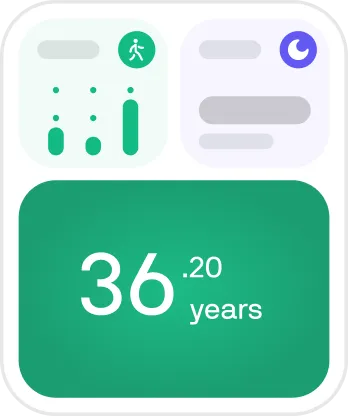
Outcome: A data-backed approach to longevity that tracks biological age progress.


More Than an AI Diet Plan Generator: A Health Operating System
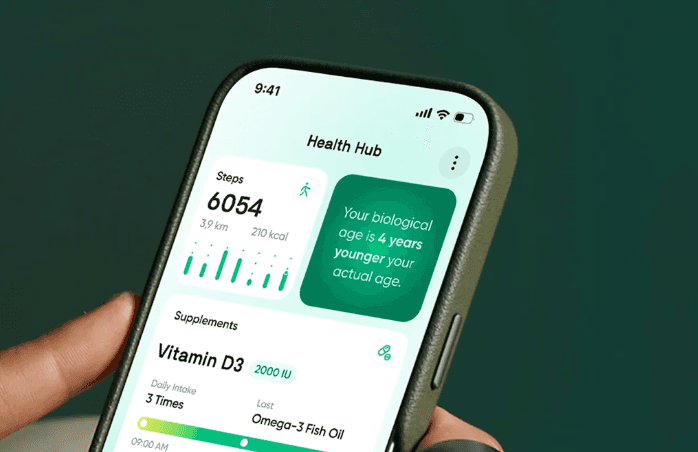
Neura is more than a diet app. It is designed as a Health Operating System that brings your health data, habits, and goals into one connected place.
Instead of treating nutrition separately from the rest of your life, Neura helps you understand how your diet connects with sleep, energy, workouts, stress, recovery, supplements, medications, and daily routines.
This matters because your body does not respond to food in isolation. A low-energy day might be linked to poor sleep, missed meals, heavy training, stress, or inconsistent hydration.
A change in cravings, digestion, or workout performance may also be connected to your wider routine. Neura helps bring those signals together so your nutrition choices become easier to understand and improve.
Your Personalized Diet Plan
With Neura, you can build a personalized diet plan based on your goals, preferences, lifestyle, and health data.
Whether you want to lose weight, improve energy, support training, manage cravings, build muscle, or create a more balanced routine, Neura helps turn your information into practical daily guidance.
Rather than giving you a rigid meal template, Neura can help create a plan that fits your real life. It can take into account your activity levels, recovery, sleep quality, food preferences, supplement routine, and progress over time, helping your nutrition plan adapt as your needs change.
This makes Neura different from a basic meal planner. It is not just about what to eat. It is about understanding how your food choices affect your body and how your diet can better support your wider health goals.
Meet Your Neura Coach
Neura also works as an AI diet plan generator and health coach, helping you turn data into action.
Instead of searching for generic diet advice, you can ask questions based on your own routine, such as why your energy feels low, why your recovery has dipped, or how to adjust your meals around training.
Your Neura coach can help identify patterns across your nutrition, sleep, stress, activity, and recovery data, then suggest realistic next steps.
For example, it might help you adjust meal timing, improve protein consistency, support hydration, or make your diet easier to follow during busy weeks.
The goal is not to follow a perfect plan. It is to build a nutrition routine that is personalized, flexible, and connected to the rest of your health.
Step-by-step: Unlock Your First AI Personalized Diet Plan
Neura makes it easier to create an personalized diet plan by connecting the health data you already track. Instead of starting with a generic meal template, Neura uses your goals, habits, wearable data, activity levels, sleep, recovery, and lifestyle patterns to help build a nutrition plan that fits your body more closely.
1. Connect Your Health Data
Start by linking the apps and devices you already use through Neura’s Connections hub. This can include wearables, sleep trackers, workout apps, smart scales, and health platforms such as Apple Health, Google Fit, Garmin, Fitbit, Oura, Withings, Peloton, and Zwift.
These connections help Neura understand how your body is currently responding to your routine.
2. Give Neura the Right Context
A useful diet plan needs more than calorie targets. Neura can factor in signals like sleep quality, HRV, recovery, workouts, active calorie burn, stress, body metrics, and daily habits to better understand your needs.
For example, if your training load increases or your recovery drops, your plan can be adjusted around energy, hydration, meal timing, protein intake, or rest.
3. Build Your Personal Baseline
Once your data is connected, Neura can start learning your normal patterns. This helps your plan become more personalized over time, instead of reacting to one bad night of sleep or one unusually hard workout.
By understanding your baseline energy, activity, recovery, and nutrition habits, Neura can give more relevant guidance.
4. Generate Your First Diet Plan
From there, Neura can help create a personalized plan based on your goal, whether that is weight loss, muscle gain, better energy, improved recovery, blood sugar balance, or healthier eating habits.
The result is not just a static meal plan. It is a diet strategy that can adapt as your body, routine, and goals change.
5. Keep Syncing for Smarter Adjustments
To get the best results, keep your connected apps and devices syncing regularly. The more consistent your data is, the more useful your plan becomes.
With Neura, your AI-personalized diet plan is built around your real life, not a one-size-fits-all template.

Final Thoughts: AI Diet Plan Generator
The future of nutrition is data-driven. We are moving away from the era of trial-and-error and into an age of precision health.
By using Neura to generate your diet strategy, you are not just getting a menu; you are getting a roadmap tailored to your unique biology.
Whether you are looking to manage a condition or optimize your human potential, Neura provides the intelligence needed to take control of your health.
Article FAQ
How to create a personal diet plan?
To create a personal diet plan with Neura, start by setting your goal, such as weight loss, muscle gain, better energy, improved recovery, or healthier eating habits. Neura can then use your preferences, lifestyle, wearable data, sleep, workouts, recovery, stress, and daily habits to generate a plan that fits your body and routine. Instead of following a generic template, you get a personalized diet plan that can adapt over time as your progress, schedule, and health data change.
What is a healthy diet plan?
A healthy diet prioritizes whole and unprocessed foods like vegetables, fruits, and lean proteins. It limits added sugars, sodium, and saturated fats. The best plan provides a balance of essential nutrients while being sustainable enough for you to follow long-term.
How do you plan a heart-healthy diet?
Focus on foods that help lower blood pressure and cholesterol. Eat more fiber from whole grains, fruits, and vegetables. Increase your intake of omega-3 fatty acids found in fatty fish and nuts. You should also strictly limit sodium and red meat consumption.
How do you make a diet plan to lose weight?
Establish a sustainable caloric deficit of about 300 to 500 calories per day. Prioritize high-protein and high-fiber foods to help you feel full while eating less. Consistently track your meals to monitor your intake and adjust your calorie goals as your weight decreases.
Can wearable data improve my diet plan?
Yes, wearables provide real-time data on your activity and sleep. This allows you to adjust your food intake based on how many calories you actually burn or how well you recover each day. It removes the guesswork from nutrition planning.
What is the role of AI in nutrition?
AI analyzes complex health data to find patterns that humans might miss. It uses information about your metabolism, genetics, and lifestyle to create precise food recommendations. These systems can adapt your plan instantly as your health data changes.