Free Carnivore Diet Planner Personalized to Your Health Metrics
Nutrition
Key Findings
The carnivore diet is a simplified nutritional strategy focused exclusively on animal products to eliminate plant-based irritants and optimize metabolic health. By prioritizing nutrient-dense meats and fats, individuals can address food sensitivities and improve physical performance. Utilizing a personalized carnivore diet meal planner allows for a structured 30-day transition that adapts to your specific biometrics and recovery data for better long-term results.

Starting a carnivore diet plan can feel simple at first: eat animal-based foods and avoid everything else. But building a plan that actually works for your body takes more thought. Your meals need to support your energy, digestion, recovery, appetite, training routine, and long-term health, not just follow a strict food list.
In this guide, we’ll walk through a beginner-friendly carnivore diet plan, important things to consider before starting, and how Neura can help you personalize your approach based on your own health data and goals.
What is the Carnivore Diet?
The carnivore diet is a nutritional protocol focused exclusively on animal products. It is often utilized by those seeking to simplify their nutrition or address specific health challenges such as autoimmune issues, hormonal imbalances, or metabolic concerns.
At its core, the diet eliminates all plant-based foods, including fruits, vegetables, grains, legumes, and seeds. The philosophy suggests that by removing potential plant-based irritants, the body can reset and optimize its inflammatory response.
While the diet is straightforward in theory, the transition can be physically demanding.
This is why establishing a foundational monitoring layer is essential, as it creates a baseline for your cardiovascular health and body composition before you make the switch.
Many users find that the carnivore diet also helps them identify food sensitivities they never knew they had. By stripping nutrition down to the most basic animal proteins, you essentially perform a long-term elimination diet.
What Does a Typical Carnivore Meal Look Like?
A typical meal on this plan prioritizes high-quality animal proteins and fats. Most practitioners focus on ruminant meats like beef and lamb, but the diet can also include poultry, fish, eggs, and certain high-fat dairy products.
For example, a standard breakfast might consist of several eggs cooked in tallow or butter with a side of bacon. Lunch and dinner often revolve around steaks, ground beef, or organ meats to ensure a high density of micronutrients.
This is also why many beginners should think carefully about essential supplements and vitamins for the carnivore diet, especially if they want to avoid organ meats or seafood.
It is also important to consider the role of electrolytes and hydration. When you remove carbohydrates, your body's water retention changes significantly.


7-Day Carnivore Diet Meal Plan for Beginners

A good beginner carnivore meal plan should do more than list meat at every meal. It should help you get enough protein, fat, salt, fluids, and variety so the first week feels manageable. The goal is not to make the diet complicated, but to avoid common beginner mistakes like eating too lean, under-salting food, or relying on the same meal every day.
Because the carnivore diet is highly restrictive, speak with a healthcare professional before starting if you have a medical condition, take medication, are pregnant, or have a history of disordered eating.
Day 1
Breakfast: Scrambled eggs cooked in butter with crispy bacon
Start with a familiar breakfast that gives you both protein and fat. Eggs are easy to digest for many beginners, while butter and bacon help make the meal more satisfying. This can help reduce the urge to snack early in the day.
Lunch: Beef burger patties with sea salt and a cup of bone broth
Burger patties are simple, affordable, and easy to batch cook. Bone broth adds warmth, sodium, and fluid, which can be helpful as your body adjusts to lower carbohydrate intake.
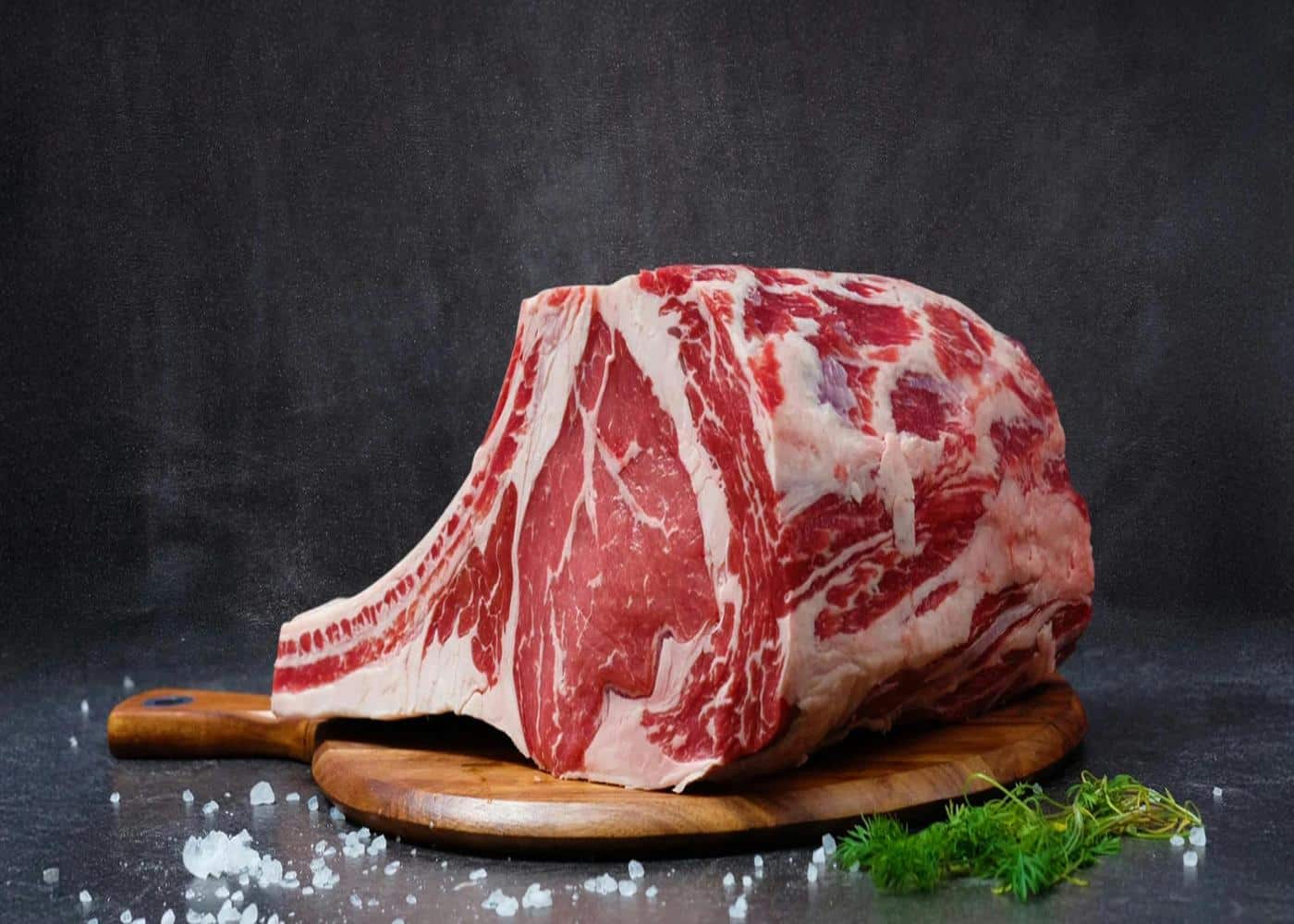
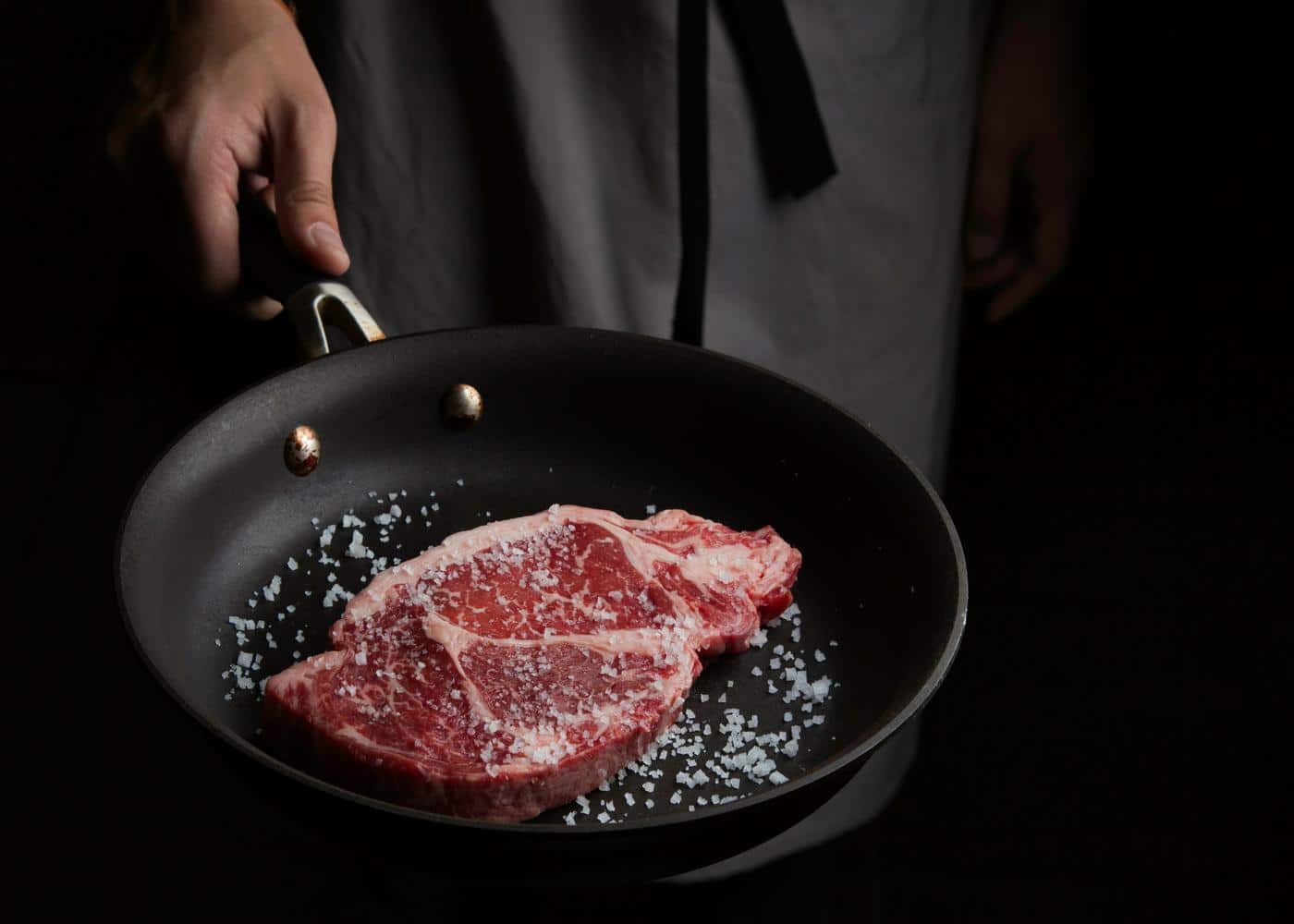
Dinner: Ribeye steak with melted butter
Ribeye is a good beginner choice because it is naturally fatty. Eating enough fat matters on carnivore because very lean meals can leave you tired, hungry, or unsatisfied.
Snack: Boiled eggs, beef jerky, or pork rinds
Choose simple snacks that are easy to prepare. If using jerky, look for options without added sugar.
Top Tip: On day one, focus on eating enough and salting your food well. Many beginners feel rough because they under-eat or lose water and sodium as carbs drop.
Day 2
Breakfast: Omelette with ground beef and cheese, if tolerated
This is a more filling breakfast that combines eggs with red meat. Cheese can make the transition easier, but it is optional. If dairy affects your digestion, cravings, or skin, keep it out for now.
Lunch: Chicken thighs with crispy skin
Chicken breast is often too lean for carnivore beginners, so thighs are a better option. The skin adds fat and flavour, helping the meal feel more complete.
Dinner: Salmon fillet with butter or ghee
Salmon adds variety and provides omega-3 fats, which can be useful when most of your meals are based around beef, eggs, or poultry. Adding butter or ghee helps increase satiety.
Snack: Sardines, boiled eggs, or a small portion of cheese
Sardines are nutrient-dense and convenient, especially if you want a snack that provides protein, fat, and minerals.
Top Tip: Try to include at least one fatty protein source per day. Carnivore feels much harder when every meal is too lean.
Day 3
Breakfast: Fried eggs with sausage
This is a quick, high-protein breakfast that works well if you want something easy before work. Choose sausages with minimal fillers and no added sugar where possible.
Lunch: Steak strips with bone broth
Using leftover steak keeps lunch simple and reduces the need to cook every meal from scratch. Bone broth can help with hydration and may feel easier on digestion during the transition.
Dinner: Lamb chops with salt
Lamb is rich, fatty, and satisfying, which makes it a useful alternative to beef. Adding different meats throughout the week helps stop the plan feeling repetitive.
Snack: Turkey slices, boiled eggs, or leftover lamb
Leftovers are one of the easiest carnivore snacks. They also help you avoid reaching for convenience foods when hunger hits.
Top Tip: If you feel tired, lightheaded, or headachy, check the basics first: salt, water, total calories, and fat intake.
Day 4
Breakfast: Bacon and eggs cooked in butter
This classic carnivore breakfast is simple but effective. It provides a strong mix of protein, fat, and salt, which can be helpful during the first week.
Lunch: Tuna mixed with boiled eggs
Tuna is lean, so pairing it with eggs makes the meal more balanced and filling. If you tolerate dairy, you could add a little butter or cream cheese for extra fat.
Dinner: Roast chicken with crispy skin
Roast chicken is easy to prepare in bulk and gives you leftovers for the next day. Prioritize the darker meat and skin rather than relying only on lean breast meat.
Snack: Cheese cubes, bone broth, or pork rinds
This is a good day to test whether dairy works for you. Some people tolerate it well, while others find it increases cravings or digestive discomfort.
Top Tip: Pay attention to how different foods affect you. Carnivore is not just about restriction. It can also help you notice how dairy, processed meats, and meal timing influence hunger, digestion, and energy.
Day 5
Breakfast: Ground beef bowl with fried eggs
Ground beef is one of the easiest carnivore staples because it is affordable, versatile, and quick to cook. Adding fried eggs gives the meal more texture and extra nutrients.
Lunch: Mackerel or sardines with bone broth
Oily fish adds variety and helps balance the week with more omega-3-rich foods. Bone broth keeps the meal simple while supporting fluid and sodium intake.
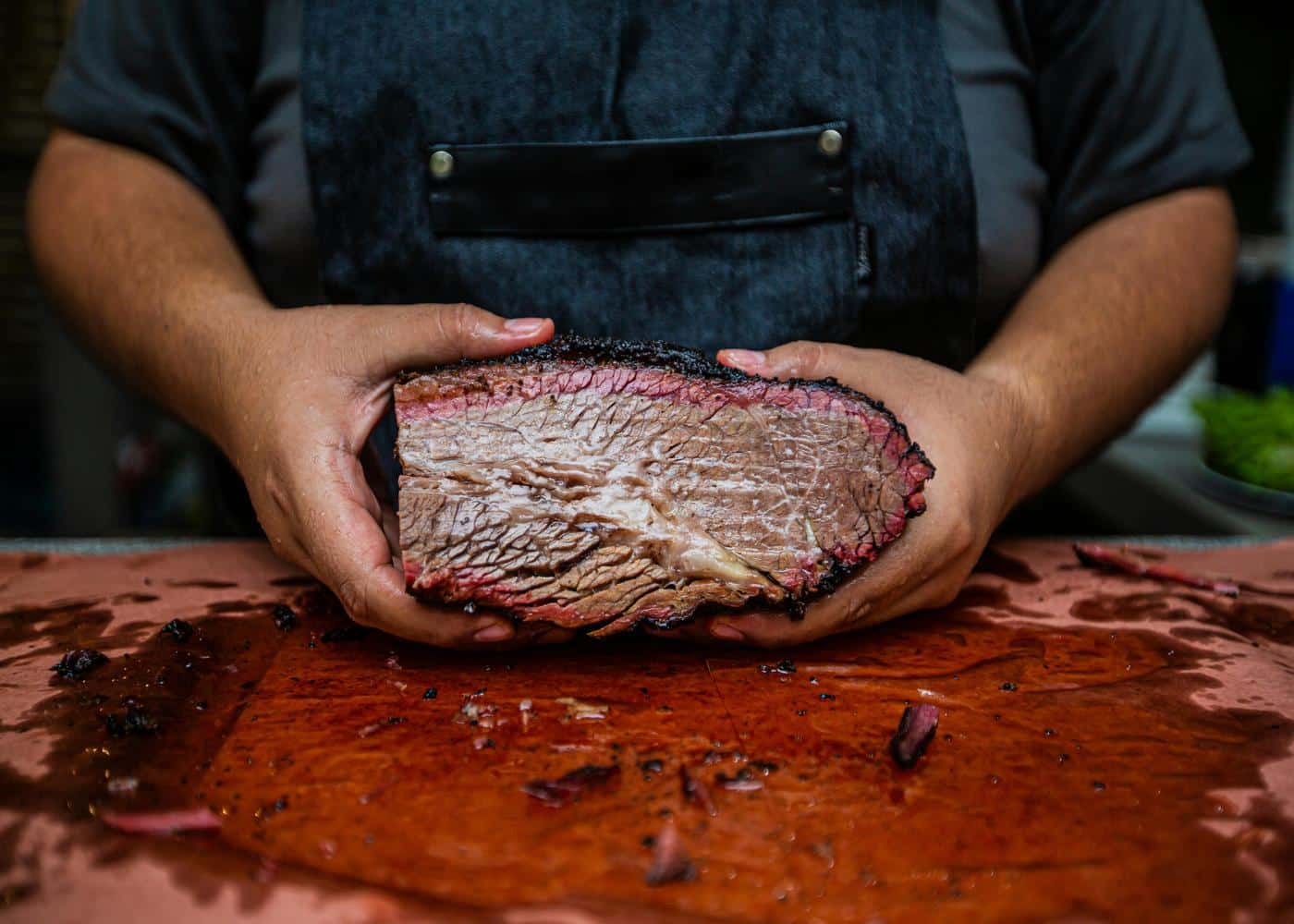
Dinner: Slow-cooked brisket or beef short ribs
Slow-cooked fatty cuts are ideal for beginners because they are tender, satisfying, and easy to prepare in larger portions. This type of meal can help prevent the diet from feeling bland or repetitive.
Snack: Leftover brisket, beef sticks, or boiled eggs
Use leftovers as your first snack option. They are usually more filling and less processed than packaged carnivore snacks.
Top Tip: If you are constantly hungry, you may not need more protein. You may need more fat or larger portions at meals.
Day 6
Breakfast: Steak and eggs
Steak and eggs is a strong option if you want a more filling start to the day. It works especially well before an active day or strength training session.
Lunch: Chicken wings or drumsticks
Wings and drumsticks are more enjoyable than lean chicken breast for many beginners because they include skin and more fat. They are also easy to cook in batches.
Dinner: Pork chops cooked in butter
Pork chops add variety after several days of beef, eggs, and chicken. Cooking them in butter helps prevent the meal from becoming too lean.
Snack: Bone broth, pork rinds, or leftover steak
Keep snacks simple and protein-focused. If you are snacking constantly, review whether your main meals are large enough.
Top Tip: Batch cooking makes carnivore much easier. Having ready-to-eat meat, eggs, and broth reduces decision fatigue and helps you stay consistent.
Day 7
Breakfast: Egg scramble with leftover steak
Using leftovers keeps the final day simple and reduces waste. A steak and egg scramble also gives you a strong mix of protein and fat without needing a new recipe.
Lunch: Beef patties with cheese, if tolerated
Beef patties are a useful repeat meal because they are simple, filling, and easy to portion. Cheese is optional, but it can make the meal more satisfying if dairy works well for you.
Dinner: Grilled lamb, salmon, or ribeye steak
Finish the week with a meal that feels satisfying rather than restrictive. Choosing a fatty, enjoyable protein can help you assess whether this style of eating feels sustainable.
Snack: Jerky, boiled eggs, sardines, or bone broth
By day seven, you may not need snacks as often. If your meals are filling enough, it is fine to let snacking naturally decrease.
Top Tip: At the end of the week, review more than your weight. Look at your most important metrics - energy, digestion, sleep, cravings, mood, training performance, and overall satisfaction.
If strict carnivore feels too limiting, comparing carnivore vs keto can help you choose a lower-carb approach that is easier to maintain.
Important Considerations Before Starting a Carnivore Diet

A carnivore diet can be simple to follow, but it is also highly restrictive. Before starting, it is important to think about your health needs, digestion, energy levels, training routine, and whether this way of eating is realistic for you long-term.
Speak with a professional if you have health concerns.
The carnivore diet removes most major food groups, including fruits, vegetables, grains, legumes, nuts, and seeds. If you have diabetes, high cholesterol, kidney disease, heart disease, gout, digestive issues, or take regular medication, get medical guidance before making such a major dietary change.
Prepare for an adjustment period.
In the first few days, you may notice fatigue, headaches, cravings, digestive changes, low mood, or reduced workout performance. This often happens because your carbohydrate intake drops sharply, which can affect water balance, electrolytes, and energy levels. This transition can overlap with early ketosis, when the body starts producing and using ketone bodies more heavily.
Prioritize fat, electrolytes, and hydration.
A common beginner mistake is eating too lean. Since fat becomes your main energy source, include foods like ribeye, ground beef, lamb, eggs, salmon, chicken thighs, butter, and bone broth. You may also need more fluids and salt, especially during the first week.
Track how your body responds.
Do not judge the diet by weight alone. Pay attention to energy, digestion, sleep, mood, cravings, recovery, strength, and overall satisfaction. These signals can help you decide whether carnivore is working for you or whether a less restrictive approach may be better.
Be realistic about sustainability.
Carnivore can reduce decision fatigue, but it can also be difficult socially and practically. Eating out, travelling, food variety, family meals, and long-term enjoyment all matter. For many beginners, it is best treated as a structured short-term experiment, not an automatic lifelong plan.
For many people, it may be better to compare several options before deciding which diet plan is best for their goals and health needs.”
Build a Personalized Carnivore Diet Meal Plan with Neura
A carnivore diet may seem simple, but the right plan depends on your goals, appetite, digestion, training routine, food preferences, and health data. Neura helps you move beyond a generic meal plan by tailoring your approach to how your body actually responds.
With Neura, you can track your carnivore meals alongside sleep, energy, mood, digestion, recovery, workouts, and stress. This makes it easier to see whether the diet is supporting your goals or whether something needs adjusting.
For example, if your energy drops, Neura can help you explore whether the cause may be too little fat, low electrolytes, poor sleep, reduced calories, or heavy training load. If digestion changes, you can review patterns around dairy, processed meats, meal timing, or fat intake.
The goal is not to force one way of eating. It is to help you build a carnivore diet plan that fits your body, your lifestyle, and your long-term health.

Final Thoughts: Your Carnivore Diet Plan from Neura
A carnivore diet plan can be a useful starting point if you want a simple, structured way to reduce carbs and focus on animal-based foods. But because the diet is so restrictive, it is important to pay attention to more than the meals themselves.
Your energy, digestion, sleep, mood, cravings, recovery, and training performance all matter. These signals can help you understand whether the plan is working for your body or whether it needs adjusting.
Neura helps make that process more personalized by connecting your carnivore meal plan with your wider health data. Instead of guessing whether you need more fat, better hydration, extra electrolytes, improved recovery, or a less restrictive approach, Neura helps you spot patterns and turn them into clear, practical next steps.
Ultimately, the best carnivore diet plan is not just the strictest one. It is the one that supports your goals, your lifestyle, and your long-term health.
Article FAQ
What is a carnivore diet plan?
A carnivore diet plan is a strategy focused exclusively on animal foods while eliminating all plants. It removes grains, vegetables, and fruits to prioritize protein and fat as primary energy sources.
What can I eat on the carnivore diet?
You can eat beef, lamb, pork, poultry, and eggs. Many people also include seafood and animal fats like butter or tallow, while some include limited high-fat dairy.
Is the carnivore diet good for you?
The diet can be beneficial for those seeking to simplify nutrition or identify food sensitivities. However, you should monitor your individual biomarkers and data to ensure the protocol supports your long-term health.
How do I deal with the transition period?
Stay hydrated and increase your salt intake to manage the initial shift in water weight. Tracking your recovery metrics helps you know when your body has fully adapted to burning fat.
Can I build muscle on this diet?
Yes, because animal products provide all necessary amino acids for muscle growth. As long as you consume enough calories to support your training, you can maintain or increase lean mass.
How long should I follow a carnivore diet plan?
Some use a 30-day carnivore diet meal plan for a quick reset, while others continue longer. The ideal duration depends on your personal goals and how your body responds over time.