
Carnivore Diet Vs. Keto: Which Is Better for You?
Nutrition
Key Findings
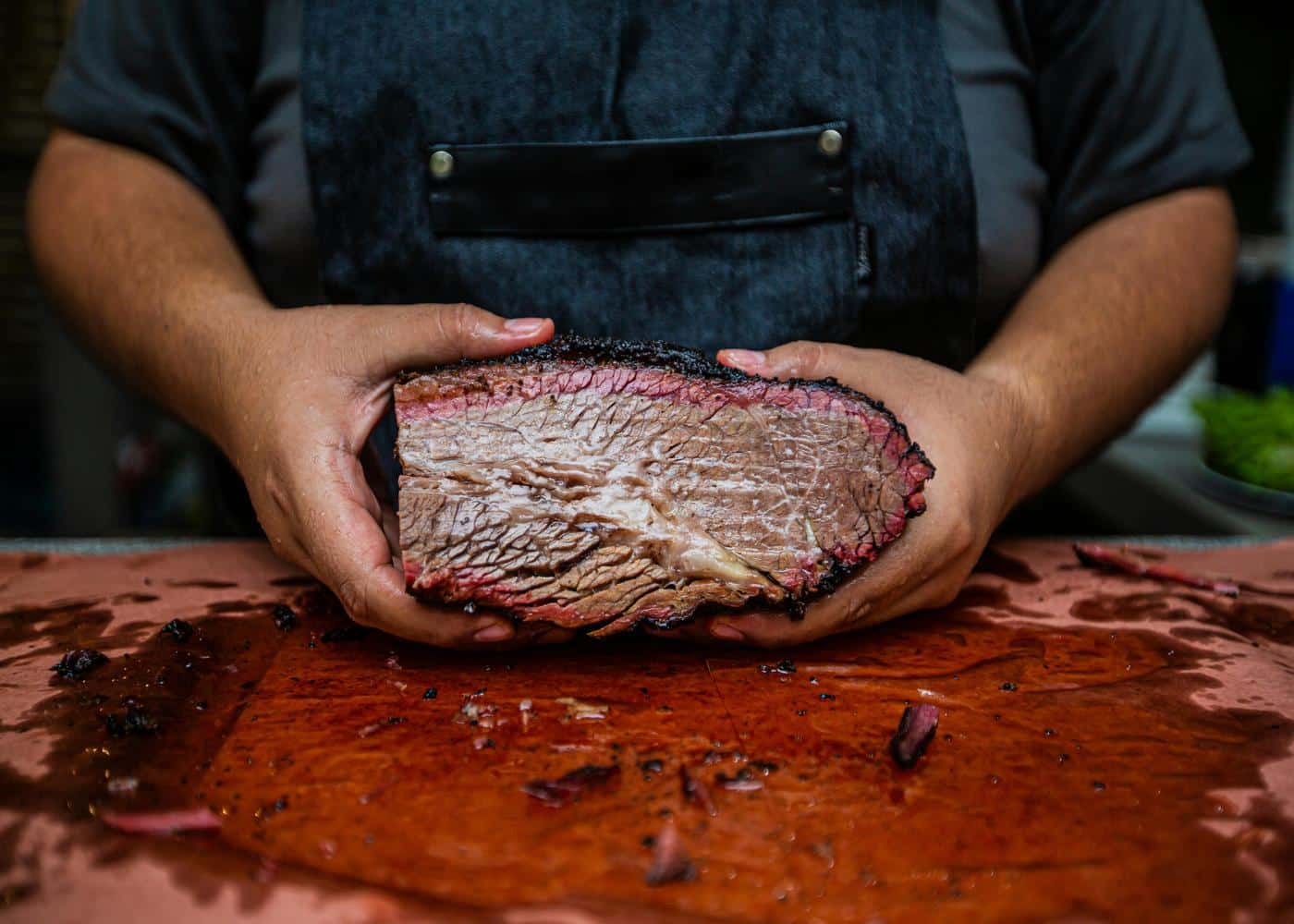
Keto and Carnivore both prioritize fat as fuel but differ in plant consumption. Keto allows low-carb plants like vegetables and nuts, while Carnivore is a total elimination protocol focusing exclusively on animal products. Choosing between them requires monitoring recovery metrics and biological constraints to ensure the approach matches your unique health foundations. Success depends on using real-time data to adjust milestones and maintain a consistent path toward your individual goals.

Keto and carnivore are two of the most talked-about low-carb diets, but they are far from the same thing.
Both reduce carbohydrates and encourage the body to rely more heavily on fat for fuel, but they take very different approaches to food, flexibility, and long-term sustainability.
The keto diet focuses on high-fat, very low-carb eating while still allowing foods like low-carb vegetables, nuts, seeds, dairy, and some berries.
The carnivore diet goes much further, removing almost all plant foods and centering meals around meat, fish, eggs, and animal-based products.
That difference matters. Choosing between carnivore and keto is not just about cutting carbs. It is about deciding how restrictive you want your diet to be, what foods you are willing to give up, and which approach best supports your energy, digestion, training, weight goals, and overall health.
What is the Difference Between the Carnivore Diet and Keto?

While both diets are low in carbohydrates, they differ significantly in their scope and strictness.
The ketogenic diet focuses on macronutrient ratios, specifically high fats, moderate protein, and very low carbohydrates. Its primary objective is to induce ketosis, a metabolic state where the body burns fat for fuel instead of sugar.
Keto is generally inclusive of plant-based foods such as leafy greens, nuts, seeds, and healthy oils, provided they fit within the daily carbohydrate limit.
The carnivore diet (sometimes confused with the paleo diet) is essentially an ultimate elimination diet. It removes all plant foods entirely, focusing exclusively on animal products like meat, fish, and eggs.
While keto prioritizes a metabolic shift through specific ratios, the carnivore diet prioritizes the removal of potentially irritating plant compounds such as lectins, oxalates, and phytates.
Many proponents of the carnivore diet aim for ketosis as a byproduct, but the central focus is often on resolving digestive issues or autoimmune sensitivities by simplifying intake to the most nutrient-dense and bioavailable animal sources.


Carnivore Diet Explained
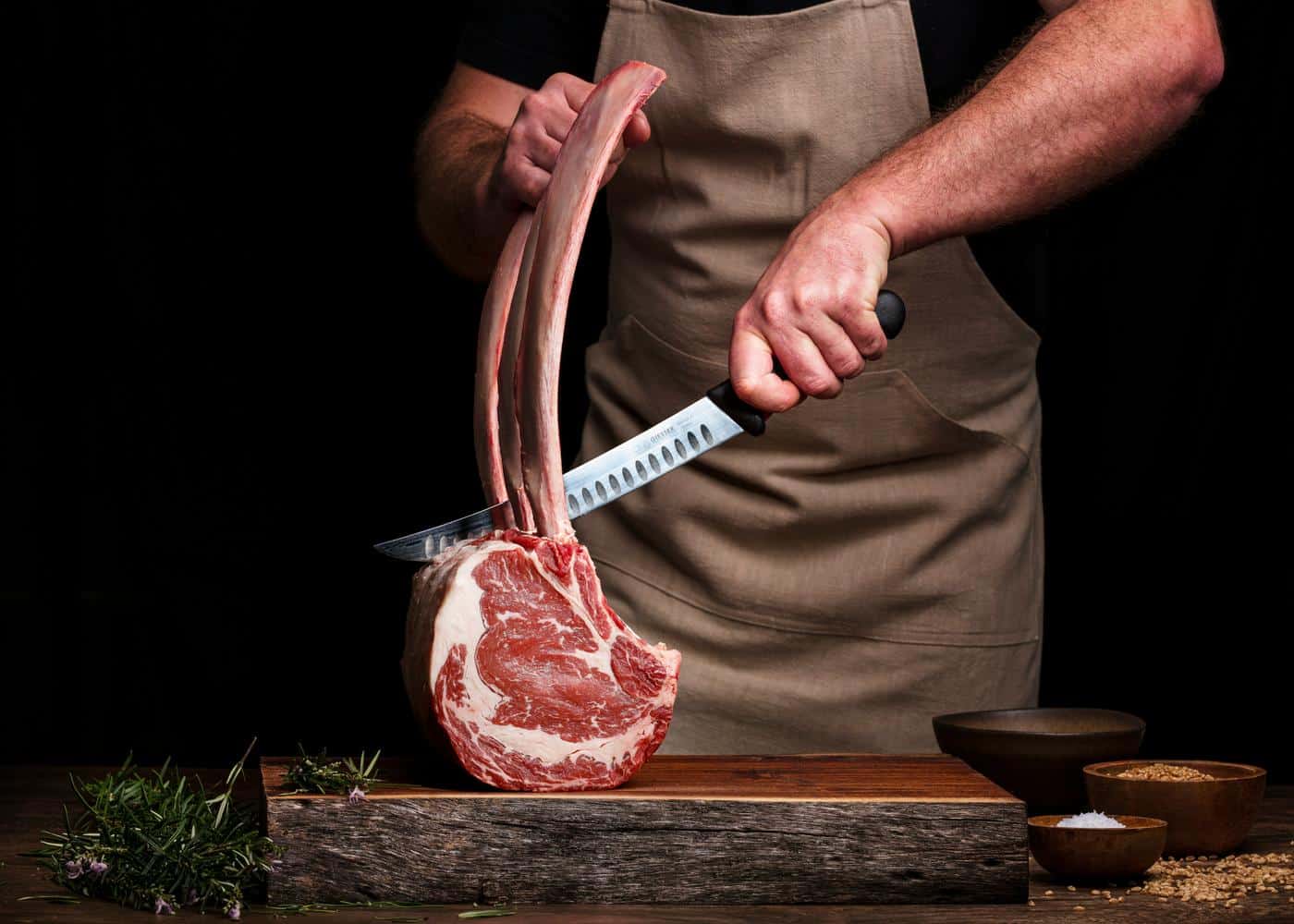
The carnivore diet is a monophasic approach to eating that harks back to ancestral patterns.
It is based on the premise that human physiology is best adapted to animal tissues and that many modern health issues stem from the overconsumption of processed carbohydrates and plant-based toxins.
By stripping away everything except animal products, the diet aims to provide a high concentration of essential vitamins and minerals while eliminating fiber and plant defense chemicals that some individuals find difficult to digest.
Benefits of the Carnivore Diet
Many users report significant carnivore diet benefits when they transition to an all-meat lifestyle. One of the most frequently cited advantages is a dramatic reduction in digestive inflammation.
Because animal products are almost entirely absorbed in the small intestine, the large intestine is given a "rest" from the fermentation of fiber, which can alleviate symptoms like bloating, gas, and irregular bowel movements.
Beyond digestion, many individuals experience heightened mental clarity and stable energy levels throughout the day. By eliminating the glucose spikes associated with even low-carb plant foods, the brain receives a steady supply of energy from ketones and fatty acids.
Furthermore, the high-protein nature of the diet supports muscle preservation and satiety, making it an effective tool for those focused on body composition changes or weight management goals.
Drawbacks of the Carnivore Diet
The primary drawback of the carnivore diet is its extreme restrictiveness, which can make social situations and long-term adherence challenging for some.
From a nutritional standpoint, the transition period, often called the "adaptation phase", can involve symptoms like headaches, diarrhea, or low energy as the body adjusts to the absence of fiber and the shift in electrolyte balance.
There is also the potential for certain micronutrient deficiencies if the user does not focus on "nose to tail" eating. Relying solely on muscle meats like ribeye steak may lead to lower intakes of vitamins like Vitamin C or minerals like magnesium and calcium, which are often found in higher concentrations in organ meats or specific plant sources.
Because the diet removes most plant foods, it is also worth understanding the essential supplements for the carnivore diet, especially if you plan to follow it for more than a short elimination phase.
Is the carnivore diet safe?
For most healthy individuals, the carnivore diet is considered a safe short-term intervention, particularly as an elimination protocol to identify food sensitivities.
However, any recommendations must be calibrated to accommodate specific biological constraints.
For instance, individuals with specific genetic markers affecting lipid metabolism or those with pre-existing kidney conditions should proceed with caution and seek professional oversight.
Utilizing a platform that monitors cardiovascular health metrics like Resting Heart Rate and Heart Rate Variability can help you track how such a significant dietary shift affects your internal baseline in real time.
What Does a Typical Carnivore Meal Look Like?
A typical meal on this plan is straightforward and focuses on high-quality animal proteins and fats.
A breakfast might consist of four large eggs cooked in tallow or butter with several strips of thick-cut bacon.
Lunch could be a pound of ground beef seasoned only with salt, perhaps topped with a small amount of aged cheese if the user tolerates dairy.
Dinner often features a large steak, such as a New York strip or a ribeye, or perhaps a fillet of wild-caught salmon.
The focus is always on satiety and nutrient density without the addition of sauces, vegetables, or plant-based seasonings.
For a more structured example of how this can look across a full week, see our free carnivore diet meal planner.
Keto Diet Explained
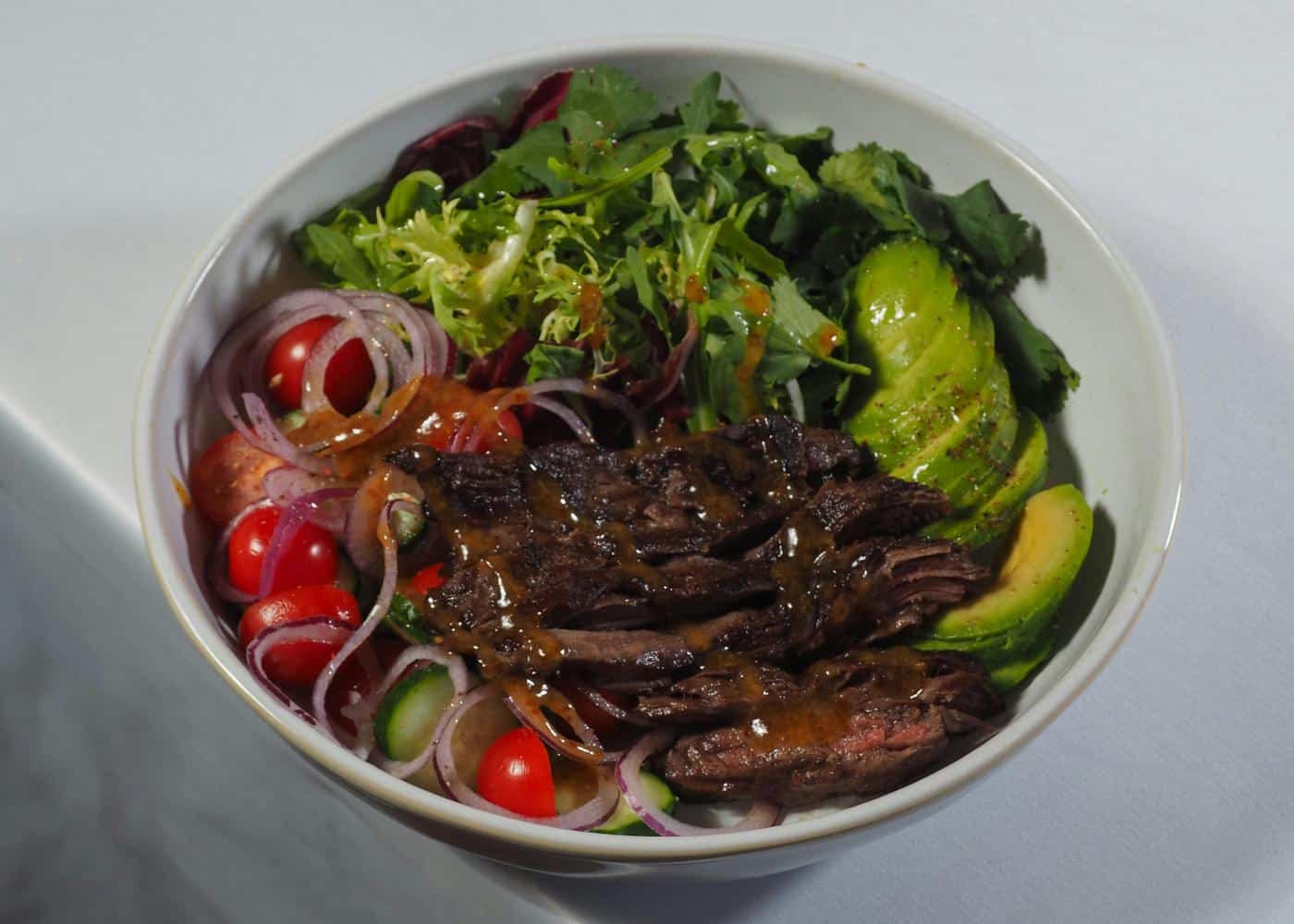
The ketogenic diet is a more flexible but still rigorous approach to metabolic health. It is defined by its ability to keep insulin levels low enough that the liver begins producing ketone bodies from stored or ingested fat.
This diet has been used clinically for decades and has a vast body of research supporting its application for various health conditions.
Benefits of the Keto Diet
There are numerous documented benefits of the keto diet, particularly regarding metabolic flexibility and weight loss.
By training the body to utilize fat as its primary energy source, many users find they can go longer periods without hunger, which naturally facilitates intermittent fasting. This can lead to improved insulin sensitivity and better management of blood sugar levels.
If your main goal is fat loss, it is worth comparing keto and carnivore with broader sustainable weight loss methods before choosing the most restrictive option.
Additionally, the keto diet is highly effective for reducing systemic inflammation. Ketones, specifically beta-hydroxybutyrate, act as signaling molecules that can turn down inflammatory pathways in the body.
This often results in reduced joint pain, better skin health, and a decrease in the "brain fog" that many people associate with high-carbohydrate diets.
Drawbacks of the Keto Diet
One challenge of the keto diet is the requirement for precision. Unlike the carnivore diet, which is binary (animal vs. plant), keto requires the user to track macronutrients to ensure they stay within their limits.
This can sometimes lead to "tracker anxiety" or a preoccupation with numbers rather than listening to the body’s natural signals.
There is also the risk of consuming "dirty keto" foods, highly processed products that are technically low in carbs but full of industrial seed oils and artificial sweeteners.
These can undermine the anti-inflammatory benefits of the diet and lead to poor long-term health outcomes.
If you notice persistent fatigue, digestive issues, low mood, or poor recovery, these may be signs of poor nutrition rather than simply part of the adaptation process.
Is the Keto diet safe?
The keto diet is generally safe for the broad population and has been studied extensively. However, it is not a "magic pill" and requires consistent engagement with one's habits.
Some users may experience the "keto flu" during the first week, characterized by dehydration and electrolyte imbalances.
It is essential to ensure that the increased fat intake does not negatively impact your specific cardiovascular profile over time.
What Does a Typical Keto Meal Look Like?
A keto meal is often colorful and varied compared to carnivore.
A typical breakfast might be an avocado halved and filled with poached eggs, served alongside a side of sautéed spinach in olive oil.
For lunch, a large Caesar salad with grilled chicken, extra parmesan cheese, and a high-fat dressing (without sugar) is a common choice.
Dinner might include a piece of baked cod topped with a lemon butter sauce, accompanied by a side of roasted cauliflower or asparagus.
The keto diet rules emphasize keeping net carbohydrates, total carbs minus fiber, usually below 20 to 50 grams per day to maintain ketosis.
If you want help staying within your macros without manually planning every meal, an AI keto meal planner can make the diet easier to follow consistently.
So, Is a Keto or Carnivore Diet Better?
The answer to which diet is "better" depends entirely on your core objectives and your current health foundations.
If you are a biohacker, you might prefer the carnivore diet as a rigorous self-experimentation tool to identify exactly which plant foods might be causing subclinical inflammation.
If you are an outcome-focused user, you might find that the added flexibility and micronutrients from keto-friendly vegetables provide a better balance for high-intensity performance and recovery.
Keto is often more sustainable for those who enjoy culinary variety and social dining. Carnivore is often superior for those with severe digestive distress or autoimmune issues who need to eliminate all potential triggers.
If you are unsure which approach fits your body, goals, and lifestyle, a personalized AI diet plan can help you compare options more practically.
Important Considerations
Before starting either diet, consider your lifestyle and medical history. Maintaining a centralized digital record of your medical history and allergic sensitivities is crucial when making these changes.
You should also consider how these diets will affect your training volume and intensity zones. For example, a sudden drop in carbohydrates can temporarily lower your physical capacity until you become fully fat-adapted.
Using a system like Neura Al can help you interpret complex signals and correlations between your new diet and your existing biometric status.
If your sleep efficiency drops or your resting heart rate increases after switching to carnivore, the AI can cross-reference your historical data to suggest whether you need more electrolytes or a slight adjustment in your effort levels.
Alternative Diet Plans
Carnivore and keto are both low-carb approaches, but they are not the only ways to structure your nutrition. Depending on your goals, preferences, training routine, and health needs, one of these alternative diet plans may feel more sustainable.
Zone Diet
The Zone Diet is a more balanced approach than carnivore or keto, focusing on a specific ratio of carbohydrates, protein, and fat at each meal. It is often built around lean protein, low-glycemic carbohydrates, and healthy fats.
When comparing keto or carnivore vs zone diet, the biggest difference is flexibility. Carnivore removes almost all plant foods, while the Zone Diet includes a wider range of fruits, vegetables, grains, and fats in controlled portions.
Mediterranean Diet
The Mediterranean diet focuses on whole foods like vegetables, fruit, legumes, fish, olive oil, nuts, whole grains, and moderate amounts of dairy and poultry. It is less restrictive than both carnivore and keto, making it easier for many people to follow long-term.
Paleo Diet
The paleo diet emphasizes foods that would have been available before modern agriculture, including meat, fish, eggs, vegetables, fruit, nuts, and seeds. It removes grains, legumes, and most processed foods, but it is generally less restrictive than a carnivore diet because it still includes plant-based foods.
Low-Carb Diet
A standard low-carb diet reduces carbohydrate intake without requiring the strict fat targets of keto or the animal-only focus of carnivore. This can make it a more flexible option for people who want some of the benefits of carb reduction without following a highly restrictive plan.
Whole30
Whole30 is a short-term elimination diet that removes foods like added sugar, alcohol, grains, legumes, dairy, and many processed ingredients for 30 days. It is usually used to identify food sensitivities, reset eating habits, and focus on whole-food meals.
High-Protein Diet
A high-protein diet prioritizes protein intake to support satiety, muscle maintenance, recovery, and body composition goals. Unlike carnivore, it can include both animal and plant-based foods, making it easier to adapt to different preferences and lifestyles.

Final Thoughts: Carnivore Vs. Keto Diet
Choosing between these protocols requires an honest assessment of your habits and health foundations.
The keto diet offers more flexibility for social situations and culinary variety, making it a sustainable choice for those who enjoy plant-based foods.
Conversely, the carnivore diet serves as a powerful elimination tool for those seeking to simplify their intake or address specific digestive sensitivities by focusing exclusively on animal products.
Ultimately, these diets are not a magic pill, and your success depends on performing the daily actions required to reach your goals.
Whether you prioritize the keto diet rules or the simplicity of an all meat lifestyle, the most effective approach is one that adapts to your real-world progress.
If neither option feels like the obvious choice, it may be more useful to step back and ask which diet plan is best for you based on your preferences, health markers, and long-term goals.
Article FAQ
What is the difference between keto and the carnivore diet?
Keto focuses on high-fat, low-carb ratios but includes plant-based foods like vegetables and nuts. Carnivore is a total elimination diet that removes all plants, focusing exclusively on animal products.
Can you eat dairy on a carnivore diet?
Strict versions prioritize meat and eggs, but some users include dairy like butter or aged cheese. It is often used to identify food sensitivities, so dairy may be removed if it causes digestive issues.
Does the carnivore diet work?
It can be effective for weight loss, mental clarity, and reducing inflammation by eliminating irritating plant compounds. Success depends on tracking individual biometric feedback and health foundations.
Is the keto diet safe?
Keto is generally safe for most, but it should be calibrated to your specific medical history and biological constraints. Monitoring cardiovascular metrics like heart rate and HRV is recommended during the transition.
How do I track progress on these diets?
Track beyond just weight by monitoring body fat percentage, lean muscle mass, and energy levels. Adaptive milestones help adjust your plan if recovery metrics or performance change.
Which diet is better for beginners?
Keto is often more accessible due to food variety. Carnivore is typically used by advanced users looking for deeper elimination and correlation insights.