
Supplement Tracker App: Visualize Your Progress With Neura
Nutrition
Key Findings
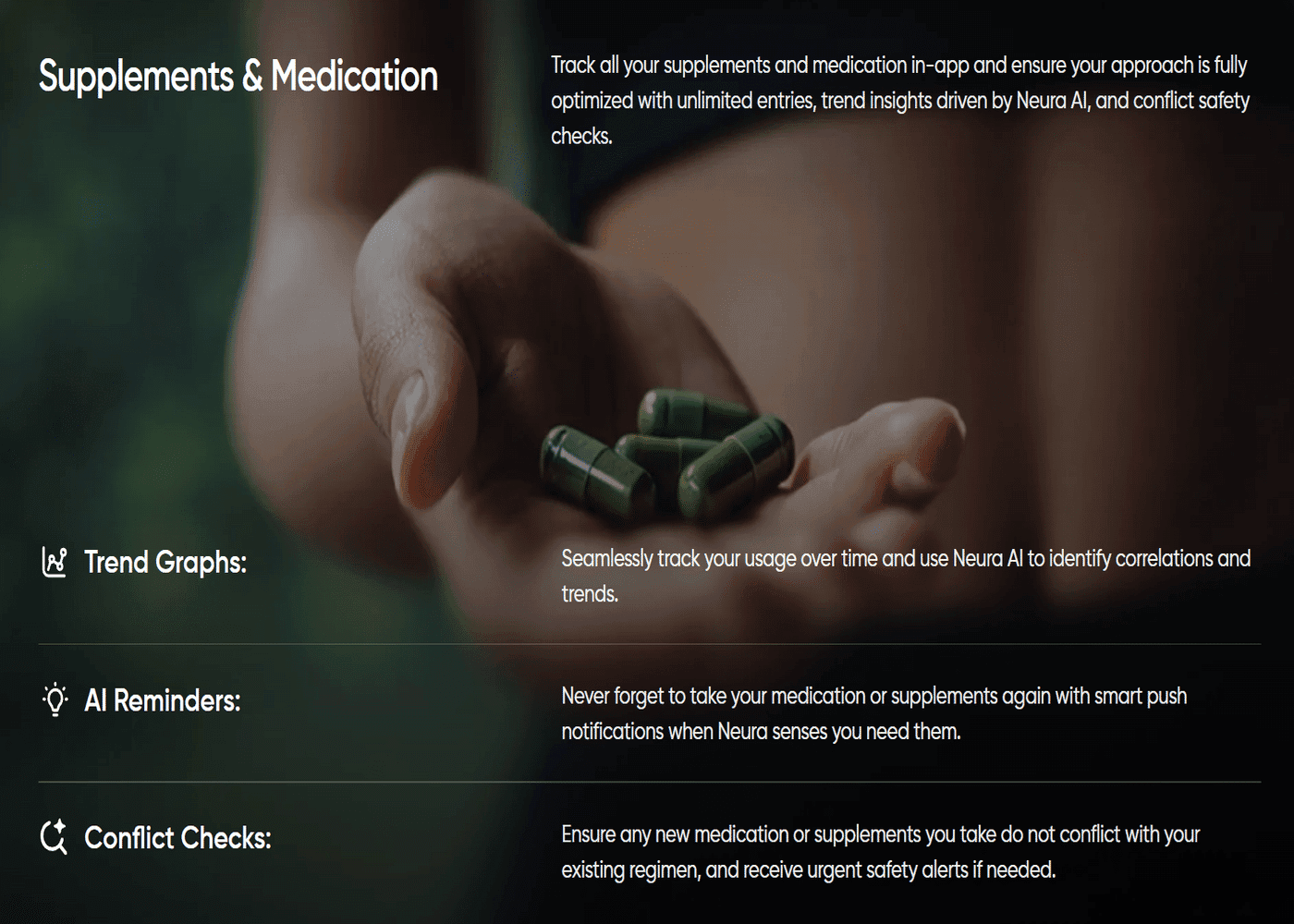
Supplementation without data is merely guessing. To truly optimize a health regimen, users must move beyond passive consumption to active analysis. The key finding is that a dedicated tracking tool like Neura is essential for visualizing efficacy. By correlating intake with biometric data, users can identify conflicts, verify benefits, and ensure their financial investment in supplements is yielding a physiological return.
Many people take supplements as part of a daily routine, whether that means magnesium for sleep, vitamin D for mood, protein for training, or omega-3s for general health.
But once a supplement becomes a habit, it is easy to keep taking it without regularly checking whether it is still supporting your goals.
That does not mean supplementation is pointless. It means the results are often harder to judge than we expect. Changes in sleep, energy, mood, recovery, or focus can be influenced by dozens of factors, so it is difficult to know what is actually making a difference without some kind of tracking.
To get more value from your supplement routine, it helps to move beyond guesswork and pay closer attention to your data. This guide explores how to track your supplements more effectively, measure changes over time, and use the right tools to understand whether your routine is genuinely helping.
Why Is It Important to Track Supplements?

Tracking supplements helps you understand whether your routine is actually supporting your health goals. Without tracking, it is easy to keep taking the same products out of habit, even if they are not making a noticeable difference to your sleep, energy, mood, digestion, recovery, or performance.
It can also help you spot patterns. For example, you might notice that magnesium seems to support better sleep when taken consistently at a certain time, or that a new supplement coincides with changes in digestion, skin, headaches, or energy levels.
These observations are not a replacement for medical advice, but they can give you useful information to discuss with a healthcare professional.
Supplement tracking can also help with consistency and safety. By logging what you take, when you take it, and how you feel, you can avoid doubling up on ingredients, missing doses, or combining products without realizing they overlap.
This is especially important if you take medications, have a health condition, or use several supplements at once.
Most importantly, tracking turns supplementation into a more intentional habit. Instead of guessing, you can make decisions based on your own trends, goals, and real-world results.


How to Track Nutrition and Supplement Progress with Neura
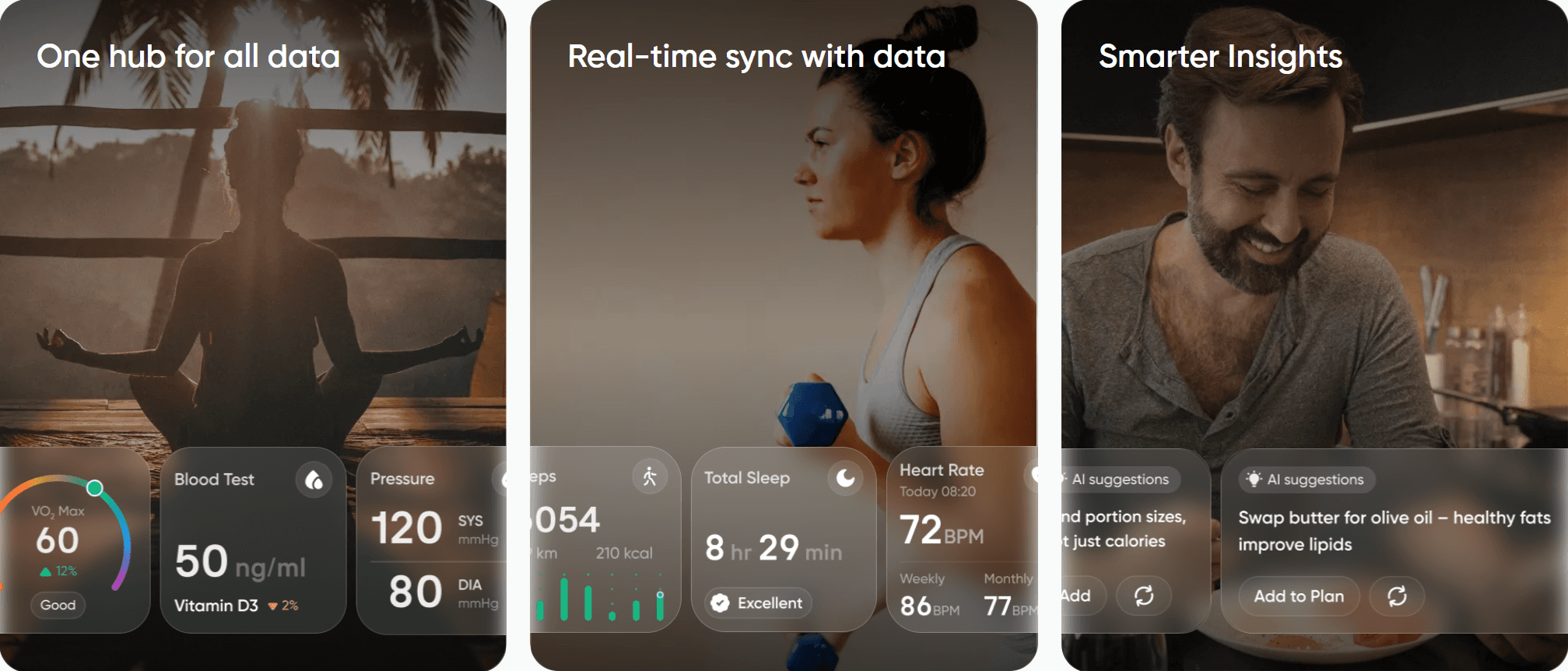
Neura is more than a place to log what you take. It is designed to help you understand how your supplements fit into the bigger picture of your health, connecting your routine with changes in sleep, energy, mood, stress, recovery, digestion, and performance.
Seeing the Bigger Picture Over Time
Supplement changes are often subtle. You may not notice whether magnesium is supporting your sleep, whether vitamin D is affecting your mood, or whether creatine is helping your training unless you look at the pattern over time.
Neura helps you track those longer-term trends by bringing your supplement routine together with your wider health data. Instead of relying on memory or how you feel on one specific day, you can see how your metrics change before and after introducing a supplement.
For example, you might compare your sleep quality after adding glycine, review stress trends after starting ashwagandha, or track workout recovery after using creatine more consistently. This makes it easier to understand whether a supplement is genuinely supporting your goals or whether it may not be worth continuing.
Connecting Supplements With Real Outcomes
A basic supplement tracker can tell you whether you took something. Neura helps you go further by looking at how your supplement routine may relate to real outcomes in your body.
This is where context matters. A change in sleep, energy, or recovery is rarely caused by one thing alone. It may be linked to your training load, stress levels, caffeine intake, bedtime routine, hydration, diet, or supplement timing.
Neura helps connect these pieces so you can make more informed decisions. Instead of assuming a supplement is working or not working in isolation, you can understand how it fits into the rest of your routine.
Improving Timing and Consistency
When you take a supplement can matter just as much as what you take. Neura can help you spot patterns around timing, consistency, and daily habits.
For example, you may notice that taking a B-complex later in the day seems to line up with longer sleep latency, or that a supplement is easier to take consistently when paired with breakfast. These small adjustments can make your routine more effective and easier to maintain.
Consistency also improves the quality of your data. If you only take a supplement occasionally, it becomes much harder to judge whether it is helping. By helping you stay on track, Neura makes your supplement tracking more reliable and more useful.
Turning Tracking Into Personal Insight
The real value of Neura is not simply recording supplements. It is helping you learn from your own data.
By combining manual inputs, wearable data, health metrics, and daily habits, Neura helps you move from passive tracking to active understanding. You can see what may be changing, explore possible reasons, and make better decisions about your routine.
That does not mean replacing professional medical advice, especially if you take medications or manage a health condition.
But it does give you a clearer, more organized way to understand your supplement habits and discuss meaningful patterns with a healthcare professional when needed.
What Else Can Neura Do?
Supplement tracking is only one part of Neura. The app is designed to act as a complete health operating system, helping you bring together the data, habits, and goals that shape your daily wellbeing.
With Neura, you can also:
Track your fitness and recovery to understand how workouts, rest, and daily strain affect your progress
Monitor sleep patterns and see how your routine, stress, training, or supplements may be influencing your rest
Build personalized health plans based on your goals, preferences, lifestyle, and current health data
Connect wearables and health apps so your information is not scattered across multiple platforms
Create custom dashboards for the metrics that matter most to you, from energy and recovery to nutrition and stress
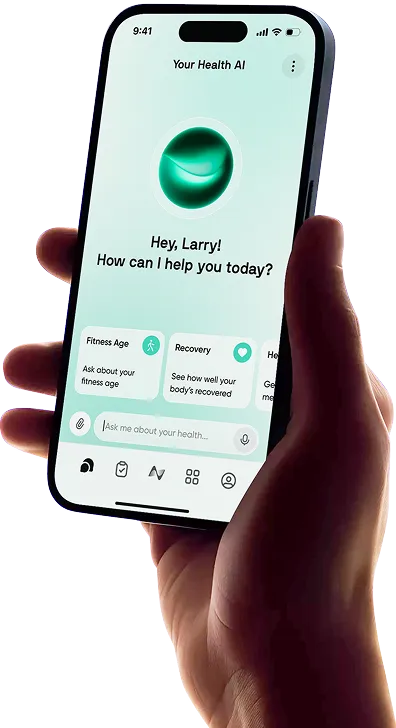
Use an AI health coach to ask questions, explore trends, and get practical next steps
Track medications, habits, and lifestyle factors alongside supplements for better context
Receive personalized insights that help you understand what is working, what may need adjusting, and where to focus next
The goal is to help you move beyond isolated tracking. Instead of seeing supplements, sleep, workouts, nutrition, and stress as separate parts of your routine, Neura helps you understand how they connect and influence each other.
Final Thoughts: The Best Supplement Tracker App

The best supplement tracker app should do more than remind you to take a capsule. It should help you stay consistent, understand your routine, and see whether your supplements are actually supporting your health goals.
That means tracking what you take, when you take it, and how your body responds over time. Sleep, energy, mood, digestion, recovery, and performance can all be influenced by your supplement routine, but those patterns are hard to spot without the right tools.
Neura is designed for this bigger-picture approach. By connecting supplements with your wearable data, daily habits, health metrics, and personal goals, it helps you move beyond passive logging and toward clearer, more personalized insight.
Ultimately, the best supplement tracker is the one that helps you make better decisions. With Neura, supplement tracking becomes less about ticking boxes and more about understanding what works for your body.
Article FAQ
How to keep track of your supplements?
The most effective way to keep track of your supplements is to use a dedicated digital tracker app like Neura. Avoid relying on memory or paper logs. A digital tool allows you to set automated reminders, log precise dosages, and historically review your adherence to ensure you never miss a dose.
What is the best app to track vitamins?
The best app to track vitamins is one that connects your intake to your health outcomes. Neura is designed to not only log your daily vitamins but also correlate them with biometric data from wearables, showing you exactly how your regimen is affecting your sleep, energy, and recovery.
How do I know if my supplements are working?
You can determine efficacy by tracking objective biomarkers alongside your intake. If you are taking magnesium for sleep, monitor your Deep Sleep and REM scores in an app like Neura. If the numbers trend upward over a month, the supplement is working. If your metrics remain stagnant, you may be experiencing a placebo effect.
Can supplements interact with each other?
Yes, supplements can interact negatively. For example, high doses of zinc can inhibit copper absorption, and calcium can block iron absorption. Tracking your entire stack in one place helps you identify potential conflicts and space out your dosages to maximize absorption and safety.
When is the best time to take vitamins?
Timing depends on the supplement type. Fat-soluble vitamins (A, D, E, K) are best taken with meals containing fat. Stimulating supplements like B-Complex or CoQ10 should be taken in the morning to avoid sleep disruption. Magnesium and glycine are best taken in the evening to support relaxation.
Do I need a wearable to track supplement progress?
While not strictly necessary, using a wearable (like an Oura Ring or Apple Watch) significantly increases the value of tracking. It provides the hard data, such as heart rate variability and sleep stages, needed to objectively validate whether your supplements are actually changing your physiology.