Definitive 21-Day Anti-Inflammatory Diet from Neura: Every Meal Planned
Nutrition
Key Findings
This 21-day plan reduces systemic inflammation by replacing processed sugars and trans fats with nutrient-dense whole foods rich in omega-3s and antioxidants. While the guide offers a foundational reset to improve energy and digestion, Neura provides deeper personalization by tailoring recipes and meal plans to your specific health metrics.
Why you Should Care?
A 3-week anti-inflammatory diet can help reset gut health, improve mental wellbeing, and leave you looking your best.

How does the food you eat impact the way your body manages pain, energy, and long-term health?
Chronic inflammation is a persistent immune response that can damage healthy tissues over time, often contributing to fatigue, joint stiffness, and various metabolic conditions.
While acute inflammation is a necessary part of healing from injury, the chronic version is frequently driven by dietary choices and lifestyle factors.
Transitioning to a diet focused on specific nutrient profiles can help regulate these internal processes. A structured 21-day approach to eating prioritizes whole ingredients known to dampen inflammatory markers and support cellular repair.
Why is Combating Inflammation Important?
Inflammation is not inherently a villain; it is actually a vital part of the body's immune response to injury and infection. However, the problem arises when this response becomes "chronic."
Chronic inflammation occurs when the body stays in a state of high alert for long periods, which can eventually damage healthy tissues and organs. Research has linked persistent internal inflammation to a variety of conditions, including heart disease, type 2 diabetes, and certain autoimmune disorders.
By choosing an anti-inflammation diet plan, you are essentially providing your body with the tools it needs to dampen these overactive responses and promote cellular repair.
Reducing inflammation can lead to improved energy levels, clearer skin, better digestion, and a more resilient immune system.
What Foods Have Anti-Inflammatory Properties?
To effectively lower inflammation, you must prioritize nutrient-dense foods that contain high concentrations of antioxidants and polyphenols.
Fatty Fish: Varieties like salmon, mackerel, and sardines are rich in omega-3 fatty acids, which significantly reduce the production of substances that cause inflammation.
Berries: Strawberries, blueberries, and raspberries contain antioxidants called anthocyanins that help reduce the risk of disease.
Leafy Greens: Spinach, kale, and collard greens provide a wealth of Vitamin K and minerals that protect cells from oxidative stress.
Healthy Fats: Extra virgin olive oil and avocados are staples of this diet because they contain oleocanthal and monounsaturated fats.
Cruciferous Vegetables: Broccoli and cauliflower are rich in sulforaphane, which helps block enzymes that cause joint destruction.
Whole Grains: Oats, quinoa, and brown rice are higher in fiber and lower in sugar than refined grains, helping to stabilize blood glucose.
Nuts and Seeds: Walnuts, chia seeds, and flaxseeds provide plant-based omega-3s and fiber to support a healthy gut microbiome.
Spices: Turmeric and ginger contain active compounds like curcumin that have been shown to match the effectiveness of some anti-inflammatory drugs.
Generating Your Own Meal Plans With Neura
The 21-day plan provides a standard foundation for a systemic reset. However, nutritional requirements often vary based on individual metabolic rates, food sensitivities, and lifestyle factors.
Neura uses specific health metrics and dietary preferences to refine these general recommendations into a personalized strategy.
While a general 21-day anti-inflammatory diet meal plan is a good starting point, the platform can adjust caloric intake, swap out allergens, and balance micro-nutrients based on fitness trackers or medical results.
Our 21-Day Anti-Inflammatory Diet Plan
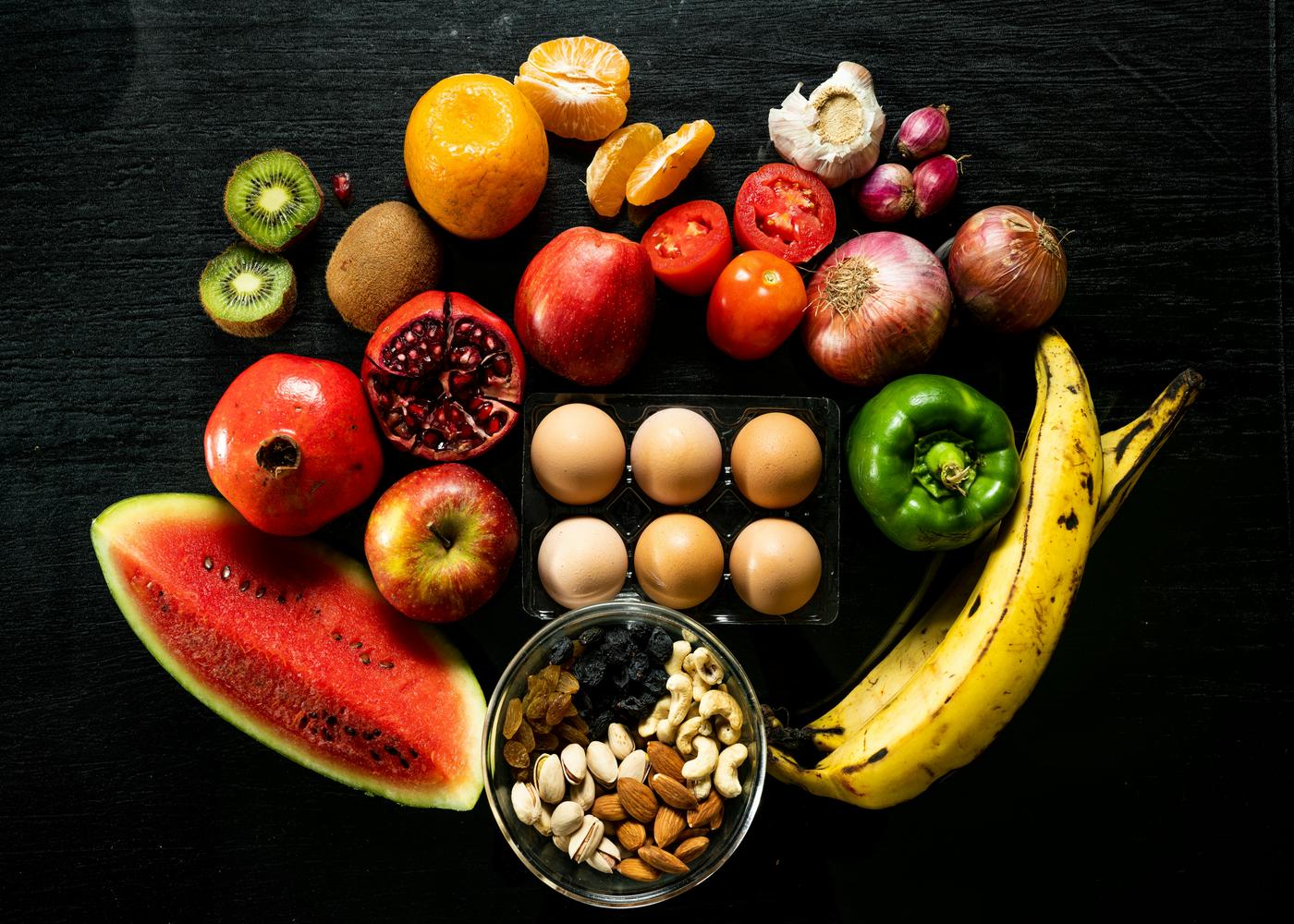
This three-week plan utilizes whole, unprocessed ingredients to stabilize blood sugar and provide antioxidant support. Each day focuses on removing inflammatory triggers to help regulate the body's immune response.
Week 1
The first week focuses on eliminating processed triggers and introducing high-antioxidant foods to establish a clean nutritional baseline.
Day 1
Focus on establishing a clean baseline with high-fiber grains and omega-3 fats.
Breakfast: Steel-cut oats with blueberries. Simmer 1/2 cup steel-cut oats in 1.5 cups water. Top with 1/2 cup fresh blueberries and 1 tbsp ground flaxseeds.
Tip: Use a pinch of cinnamon for natural sweetness instead of honey or sugar.
Lunch: Spinach and grilled salmon salad. Combine 2 cups baby spinach with a 4-oz grilled salmon fillet, sliced cucumbers, and cherry tomatoes. Dress with lemon juice and extra virgin olive oil.
Tip: Keep the skin on the salmon during cooking to retain more omega-3 oils.
Dinner: Quinoa and sweet potato bowl. Mix 1/2 cup cooked quinoa with roasted sweet potato cubes, 1/2 cup black beans, and steamed broccoli. Drizzle with tahini dressing.
Tip: Roast a double batch of sweet potatoes to use for quick salad toppings later in the week.
Snacks: One medium apple and a small handful of raw walnuts.
Day 2
Incorporate anti-inflammatory spices like turmeric to support early cellular recovery.
Breakfast: Turmeric scrambled eggs. Scramble two eggs with 1 cup sautéed spinach and 1/2 tsp turmeric. Serve with 1/2 sliced avocado.
Tip: Add a pinch of black pepper to the eggs to increase turmeric absorption.
Lunch: Garlic and lentil soup. Simmer 1 cup brown lentils with diced carrots, celery, and three cloves of minced garlic in vegetable broth. Serve with mixed greens.
Tip: Prepare a double batch and freeze portions for a quick meal later.
Dinner: Rosemary lemon chicken. Bake a 4-oz chicken breast seasoned with fresh rosemary and lemon. Serve with 1 cup roasted Brussels sprouts and 1/2 cup wild rice.
Tip: Use fresh rosemary sprigs instead of dried for a more potent dose of antioxidants.
Snacks: 1/2 cup unsweetened Greek yogurt with a few fresh raspberries.
Day 3
Prioritize gut health and efficient digestion with fresh ginger and plant-based proteins.
Breakfast: Ginger and pineapple green smoothie. Blend 1 cup of kale, 1/2 cup frozen pineapple, 1/2 inch fresh ginger root, and one scoop of plant-based protein powder with water.
Tip: Use fresh ginger root rather than powder for more potent anti-inflammatory benefits.
Lunch: Mediterranean hummus plate. Serve 1/4 cup hummus with sliced cucumbers, red bell peppers, five kalamata olives, and one small 100% whole grain pita.
Tip: Verify that the pita is whole wheat to avoid refined white flour.
Dinner: Shrimp and almond stir-fry. Sauté 4 oz shrimp with bok choy, snap peas, and sliced almonds in avocado oil. Serve over 1 cup of cauliflower rice.
Tip: Sauté the almonds briefly at the end to maintain their crunch and healthy fat profile.
Snacks: Sliced bell peppers with 2 tbsp guacamole.
Day 4
Utilize slow-digesting seeds and lean proteins to maintain steady energy levels.
Breakfast: Chia seed pudding. Mix 3 tbsp chia seeds with 1 cup unsweetened coconut milk and let sit overnight. Top with 1/2 cup sliced strawberries.
Tip: Whisk the seeds twice during the first hour of soaking to prevent clumping.
Lunch: Turkey collard wraps. Use two large, de-stemmed collard green leaves as wraps. Fill with 3 oz sliced turkey, broccoli sprouts, and tomato slices.
Tip: Choose nitrate-free turkey breast to avoid synthetic preservatives.
Dinner: Baked trout and asparagus. Bake a 4-oz trout fillet with lemon. Serve with 10 stalks of roasted asparagus and one small baked sweet potato.
Tip: Place lemon slices directly on the trout while baking to keep the fish moist without extra oils.
Snacks: 1/4 cup raw pumpkin seeds.
Day 5
Combine healthy fats with whole-grain sourdough to promote sustained satiety.
Breakfast: Avocado and egg toast. Top one slice of toasted whole grain sourdough with 1/2 mashed avocado, red pepper flakes, and one poached egg.
Tip: Sourdough is often easier to digest for those with mild gluten sensitivities.
Lunch: Lemon parsley quinoa salad. Toss 1 cup cooked quinoa with 1/2 cup chickpeas, fresh parsley, lemon juice, and diced red onion.
Tip: Fresh parsley is a highly concentrated source of Vitamin C.
Dinner: Grass-fed beef stir-fry. Sauté 4 oz lean beef strips with 1 cup green beans and sliced mushrooms in olive oil.
Tip: Use grass-fed beef to ensure a higher ratio of omega-3 to omega-6 fatty acids.
Snacks: Three celery sticks with 1 tbsp almond butter.
Day 6
Focus on low-mercury seafood and cruciferous greens to provide essential minerals.
Breakfast: Buckwheat berry pancakes. Mix buckwheat flour with water and a pinch of baking powder to make silver dollar pancakes. Top with fresh blackberries and 1 tsp almond butter.
Tip: Buckwheat is a seed-like fruit that is naturally gluten-free.
Lunch: Sardines and crackers. Serve one tin of sardines in olive oil on top of five whole-grain crackers with a side of arugula salad.
Tip: Sardines are a sustainable, low-mercury source of essential fatty acids.
Dinner: Roasted chicken thighs. Bake two skinless chicken thighs with 1 cup roasted carrots and 2 cups sautéed Swiss chard.
Tip: Season with cumin and paprika for an anti-inflammatory spice boost without added salt.
Snacks: One square of dark chocolate (at least 70% cocoa).
Day 7
Round out the first week with iron-rich leafy greens and detoxifying root vegetables.
Breakfast: Garden vegetable omelet. Fold two eggs over 1/2 cup sautéed mushrooms, onions, and bell peppers using a small amount of olive oil.
Tip: Use a non-stick pan to minimize the amount of oil needed for cooking.
Lunch: Roasted beet and goat cheese salad. Combine 2 cups mixed greens with one roasted beet, 1 oz goat cheese, and 1 tbsp walnuts.
Tip: Beets contain betalains, which help support the body's detoxification pathways.
Dinner: Cauliflower and chickpea curry. Simmer 1 cup of cauliflower florets and 1/2 cup of chickpeas in 1/2 cup of light coconut milk with yellow curry powder.
Tip: Add a handful of spinach at the very end to wilt for extra minerals and color.
Snacks: One medium pear with five raw almonds.
Week 2
The second week emphasizes gut health and metabolic support by incorporating diverse fiber sources and probiotic-rich ingredients.
Day 8
Start the second week with tropical fruits and magnesium-rich nuts for a nutrient boost.
Breakfast: Tropical chia seed pudding. Mix 3 tbsp chia seeds with 1 cup coconut milk and let sit overnight. Top with diced mango and toasted coconut flakes.
Tip: Add chopped pistachios on top for added crunch, if you can tolerate nuts.
Lunch: Hummus and roasted veggies sandwich. Cut red bell peppers into strips, season with garlic salt, and roast in the oven. Toast whole grain bread slices and add hummus at the bottom, lettuce leaves, tomato slices, and the roasted bell peppers. Top with any type of greens, baby spinach is an easy choice.
Tip: Add boiled egg whites or leftover grilled chicken for added protein.
Dinner: Baked cod with sautéed kale and garlic. Bake a 4-oz cod fillet with lemon and dill. Serve with kale sautéed in olive oil and garlic, and a side of brown rice.
Tip: Sauté the garlic only until fragrant to preserve its active sulfur compounds.
Snacks: A handful of pistachios, celery sticks with almond butter.
Day 9
Emphasize complete proteins and healthy fruit-based fats for metabolic support.
Breakfast: Warm cinnamon quinoa. Heat 1/2 cup cooked quinoa with 1/4 cup unsweetened almond milk, 1/2 tsp cinnamon, and 1 tbsp chopped walnuts.
Tip: Quinoa is a complete protein, making it a sustainable substitute for traditional oats.
Lunch: Avocado tuna salad. Mix one tin of tuna with 1/2 mashed avocado and serve over 2 cups of mixed field greens.
Tip: Choose "skipjack" or "light" tuna to keep mercury levels to a minimum.
Dinner: Turkey stuffed peppers. Stuff two bell peppers with a mixture of 4 oz ground turkey, diced onions, and 1/2 cup diced tomatoes. Bake until tender.
Tip: Mix in some riced cauliflower with the turkey to increase the vegetable volume of the meal.
Snacks: Two small clementines or one medium orange.
Day 10
Increase fiber intake with legumes and seeds to aid the body’s natural waste elimination.
Breakfast: Hemp and apple green smoothie. Blend 1 cup spinach, one small green apple, 1/2 cucumber, and 1 tbsp hemp seeds with water.
Tip: Hemp seeds provide a balanced ratio of omega-6 to omega-3 fatty acids.
Lunch: Fiber-rich black bean salad. Toss 1/2 cup black beans with 1/2 cup corn, 1/4 cup diced avocado, lime juice, and fresh cilantro.
Tip: High-fiber meals assist the body in eliminating metabolic waste efficiently.
Dinner: Grilled salmon and millet. Grill a 4-oz salmon fillet and serve with 1 cup roasted zucchini and 1/2 cup cooked millet.
Tip: Season the zucchini with dried oregano for additional antimicrobial and anti-inflammatory properties.
Snacks: 1/2 cup steamed edamame with a light sprinkle of sea salt.
Day 11
Focus on simple, sulfur-rich vegetables and clean proteins to assist immune function.
Breakfast: Asparagus and hard-boiled eggs. Serve two hard-boiled eggs alongside 10 stalks of lightly steamed asparagus.
Tip: Steam the asparagus only until it turns bright green to preserve its nutrient density.
Lunch: Leftover turkey stuffed peppers. Reheat the stuffed peppers from Day 9 for a quick midday meal.
Tip: Anti-inflammatory flavors often intensify after sitting in the refrigerator overnight.
Dinner: Portobello mushroom steaks. Grill two large portobello caps with a balsamic glaze. Serve with 1 cup mashed cauliflower.
Tip: Use a heavy skillet to press the mushrooms down while grilling for a "meatier" texture.
Snacks: Three dried apricots with no added sugar or sulfur.
Day 12
Use probiotic-rich yogurt and antioxidant berries to support the gut-skin connection.
Breakfast: Berry coconut parfait. Layer 1/2 cup unsweetened coconut yogurt with 1/2 cup fresh blueberries and 1 tbsp sliced almonds.
Tip: Choose yogurt brands that contain live active cultures to support gut health.
Lunch: Ginger kale chicken salad. Serve 4 oz baked chicken over 2 cups shredded kale and carrots with a ginger and olive oil dressing.
Tip: Massage the kale with oil for one minute to break down the tough fibers before eating.
Dinner: Mango salsa fish tacos. Use two large cabbage leaves as taco shells. Fill with 4 oz baked white fish and 1/4 cup fresh mango salsa.
Tip: Make the mango salsa an hour ahead to let the flavors of the lime and cilantro meld.
Snacks: 1/2 cup of cucumber slices with 2 tbsp of hummus.
Day 13
Incorporate savory grains and root vegetables to provide essential complex carbohydrates.
Breakfast: Savory mushroom oats. Cook 1/2 cup rolled oats in water. Top with 1/2 cup sautéed mushrooms and one soft-boiled egg.
Tip: Savory oats are an effective way to include more vegetables in your morning routine.
Lunch: White bean and kale soup. Simmer 1/2 cup cannellini beans with 2 cups chopped kale and vegetable broth. Serve with one slice of whole-grain toast.
Tip: Beans provide plant-based protein and essential minerals like magnesium.
Dinner: Roasted chicken and roots. Roast a 4-oz chicken breast with 1 cup chopped parsnips and turnips seasoned with thyme.
Tip: Keep the peels on the parsnips after a good scrub to maximize fiber intake.
Snacks: 2 tbsp raw sunflower seeds.
Day 14
Combine citrus and seafood to maximize the absorption of plant-based vitamins.
Breakfast: Banana hemp smoothie bowl. Blend one frozen banana with 1/2 cup almond milk. Pour into a bowl and top with 1 tbsp hemp hearts and grain-free granola.
Tip: Using grain-free granola keeps the glycemic load of the breakfast lower.
Lunch: Shrimp and grapefruit salad. Toss 4 oz grilled shrimp with 2 cups mixed greens, 1/2 sliced avocado, and segments from half a grapefruit.
Tip: The vitamin C in grapefruit helps with the absorption of nutrients from the greens.
Dinner: Marinara lentil pasta. Serve 1 cup red lentil pasta with 1/2 cup tomato marinara and 1 cup sautéed spinach.
Tip: Opt for a marinara sauce with no added sugar to avoid sparking an insulin response.
Snacks: One hard-boiled egg with a pinch of sea salt.
Week 3
The final week prioritizes deep tissue recovery and long-term sustainability through nutrient-dense proteins and varied phytonutrients.
Day 15
Begin the final week with plant-based spreads and lean white fish for light, clean energy.
Breakfast: Savory white bean toast. Mash 1/4 cup white beans onto one slice of whole-grain toast. Top with red pepper flakes and 1/4 cup of clover sprouts.
Tip: White beans offer a creamy texture and higher protein content than avocado.
Lunch: Balsamic vegetable wrap. Fill a whole-grain wrap with roasted zucchini, eggplant, bell peppers, and 1 cup mixed greens.
Tip: Add a drizzle of balsamic glaze to enhance the flavor of the roasted vegetables.
Dinner: Baked halibut and bok choy. Bake a 4-oz halibut fillet. Serve with 1 cup sautéed bok choy and 1/2 cup brown rice.
Tip: Use low-sodium tamari on the bok choy for a savory flavor without the wheat found in soy sauce.
Snacks: One medium apple with 1 tbsp walnut butter.
Day 16
Use fresh herbs and stone fruits to introduce a diverse range of phytonutrients.
Breakfast: Peach and coconut overnight oats. Soak 1/2 cup rolled oats in 3/4 cup coconut milk overnight. Top with 1/2 cup diced peaches and 1 tbsp shredded coconut.
Tip: Peaches are high in Vitamin C, which supports collagen production.
Lunch: Quinoa black bean bowl. Combine 1/2 cup cooked quinoa, 1/2 cup black beans, 2 tbsp fresh salsa, and 1 tbsp chopped cilantro.
Tip: Cilantro is known for its ability to help the body process heavy metals.
Dinner: Ginger turkey cabbage stir-fry. Sauté 4 oz ground turkey with 2 cups shredded green cabbage, 1 tbsp minced ginger, and two cloves of garlic.
Tip: Slice the cabbage very thinly so it cooks quickly and retains its vitamin content.
Snacks: Five kalamata olives and 1 oz of goat cheese.
Day 17
Prioritize high-protein, low-carb options to maintain focus and reduce midday fatigue.
Breakfast: Smoked salmon cucumber rounds. Top 10 thick cucumber slices with 2 oz smoked salmon, 1 tbsp Greek yogurt, and fresh dill.
Tip: This breakfast is high in protein and healthy fats while remaining very low in carbohydrates.
Lunch: Leftover turkey cabbage stir-fry. Reheat the remaining stir-fry from the previous night's dinner.
Tip: The high fiber content in cabbage supports healthy digestion and weight management.
Dinner: Chicken and pepper skewers. Thread 4 oz chicken breast cubes, bell peppers, and onions onto skewers. Grill and serve with a side green salad.
Tip: Use red and orange peppers to get a wider variety of carotenoid antioxidants.
Snacks: Five raw macadamia nuts.
Day 18
Focus on seed-based nutrition and grass-fed proteins for high-quality fatty acids.
Breakfast: Seed porridge. Simmer 2 tbsp chia seeds and 1 tbsp ground flaxseeds in 1 cup almond milk until thickened. Top with 1/2 cup fresh raspberries.
Tip: Combining different seeds provides a wider variety of micronutrients.
Lunch: Avocado egg salad cups. Mash two hard-boiled eggs with 1/2 avocado. Serve inside four large butter lettuce leaves.
Tip: Lettuce cups are a refreshing, hydrating alternative to bread or wraps.
Dinner: Grass-fed beef and broccoli. Sauté 4 oz lean beef with 2 cups broccoli florets and 1 tbsp ginger. Serve over 1/2 cup cooked quinoa.
Tip: Add a splash of beef bone broth to the stir-fry for added gut-healing collagen.
Snacks: Five carrot sticks with 1 tbsp tahini.
Day 19
Integrate plant-based B-vitamins and roasted vegetables for deep tissue recovery.
Breakfast: Turmeric tofu scramble. Crumble 4 oz firm tofu and sauté with 1/2 tsp turmeric, 1 tbsp nutritional yeast, and 1/2 cup diced tomatoes.
Tip: Nutritional yeast provides a savory flavor and B-vitamins without using dairy.
Lunch: Herb-infused tuna and bean salad. Mix one tin of tuna with 1/4 cup white beans, fresh basil, and fresh oregano over mixed greens.
Tip: Culinary herbs contain their own unique anti-inflammatory phytonutrients.
Dinner: Roasted cauliflower and chicken. Bake a 4-oz chicken breast with 1.5 cups cauliflower florets and 1 cup sautéed kale in olive oil.
Tip: Add a squeeze of fresh lemon over the roasted cauliflower to brighten the flavors and add Vitamin C.
Snacks: 1/2 cup mixed fresh berries.
Day 20
Use gentle poaching methods and antioxidant-rich fats to preserve delicate nutrients.
Breakfast: Almond butter spinach smoothie. Blend 2 cups spinach, 1 tbsp almond butter, one scoop protein powder, and 1/2 tsp cinnamon with water.
Tip: Almond butter provides healthy monounsaturated fats that keep you full longer.
Lunch: Sweet potato and pumpkin seed salad. Combine 2 cups mixed greens with 1/2 cup roasted sweet potato and 2 tbsp raw pumpkin seeds.
Tip: Sweet potatoes are a significant source of beta-carotene, an important antioxidant.
Dinner: Poached tomato garlic cod. Poach a 4-oz cod fillet in 1/2 cup tomato broth with three cloves of garlic. Serve with 1 cup steamed spinach.
Tip: Poaching is one of the gentlest cooking methods, preserving the delicate oils in the fish.
Snacks: 1/2 avocado seasoned with sea salt and a squeeze of lime juice.
Day 21
Conclude the reset with iron-rich steak and high-fiber waffles for a satisfying final day.
Breakfast: Oat flour waffles with strawberries. Prepare waffles using a batter of oat flour and water. Top with 1/2 cup fresh sliced strawberries.
Tip: Using oat flour instead of white flour increases the fiber and nutrient density.
Lunch: Leftover poached cod. Reheat the cod and tomato broth from the previous night.
Tip: Broth-based meals are easy on the digestive tract and help maintain hydration.
Dinner: Grass-fed steak and asparagus. Grill a 4-oz lean steak and serve with 12 stalks of roasted asparagus and a large mixed green salad.
Tip: Let the steak rest for five minutes after grilling to allow the juices to redistribute for better flavor.
Snacks: Five raw walnut halves and one square of dark chocolate.


How to Build a Custom Anti-Inflammatory Diet Plan with Neura
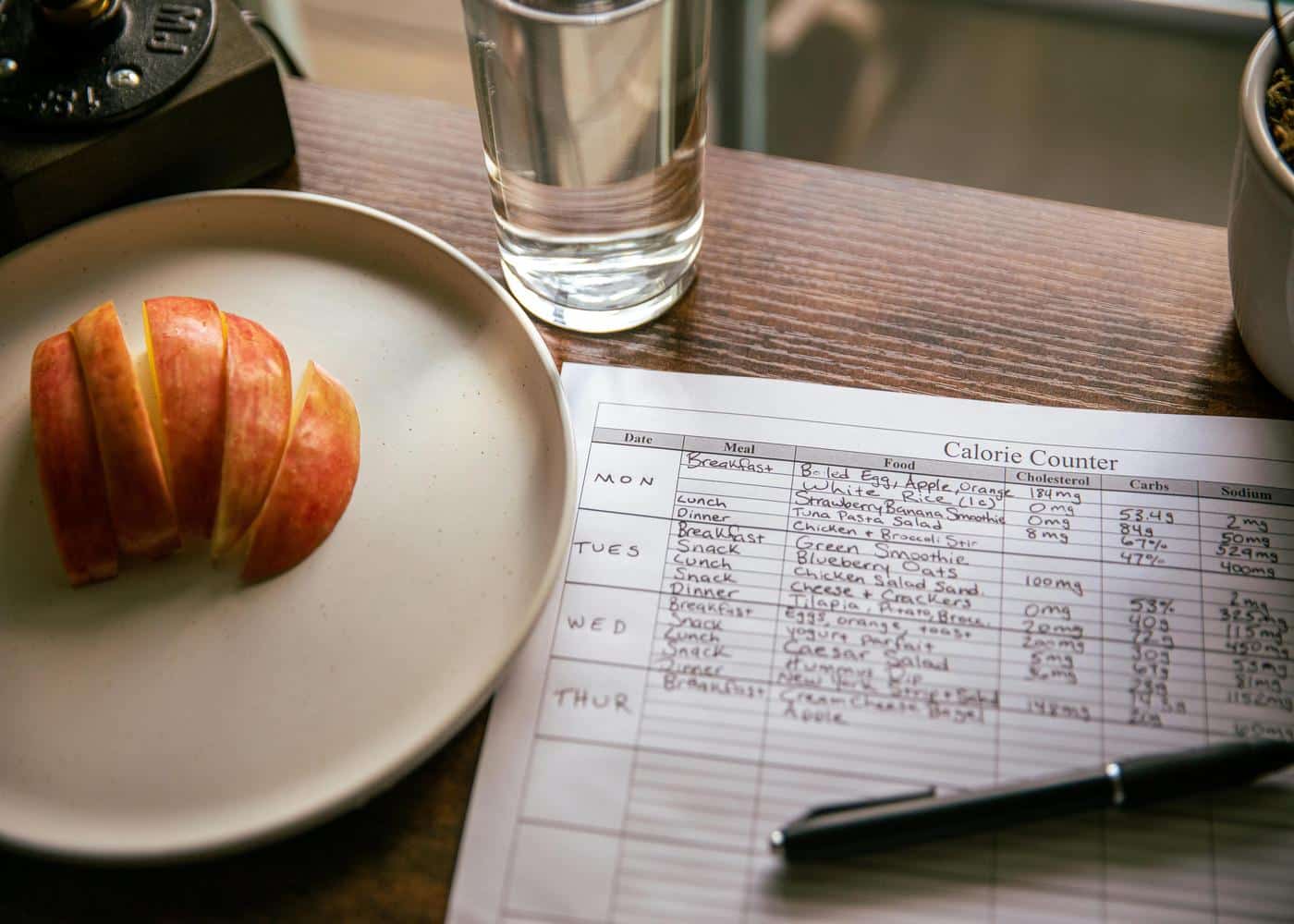
While following a structured plan is a great start, the true power of dietary intervention lies in long-term consistency and customization. Neura is designed to take the guesswork out of the equation.
By utilizing Neura, you can access a vast library of anti-inflammatory diet recipes that are tailored to what you actually enjoy eating. If you dislike salmon, Neura can suggest plant-based or alternative fish sources of omega-3s.
The Neura Agent also acts as your personal health concierge. It can automatically generate weekly grocery lists based on your selected plan, ensuring you never find yourself in the grocery aisle wondering what to buy.
Furthermore, Neura can send smart notification pushes to remind you to hydrate or suggest a specific snack when your energy levels typically dip.
By tracking your health metrics, Neura can see how your body responds to the anti-inflammation recipes you choose, automatically fine-tuning your guidance for optimal results - without you having to do a thing.
Foods to Avoid on an Anti-Inflammatory Diet

To maximize the benefits of the foods you are including, you must also eliminate the primary triggers of inflammation.
Added Sugars: High fructose corn syrup and table sugar trigger the release of inflammatory messengers called cytokines.
Refined Carbohydrates: White bread, pastries, and white flour products lack fiber and cause rapid spikes in blood sugar.
Trans Fats: Found in many processed snacks and fried foods, these are known to cause systemic inflammation.
Excessive Alcohol: Alcohol can irritate the gut lining and increase levels of C-reactive protein (CRP), a marker of inflammation.
Processed Meats: Sausages, bacon, and deli meats often contain nitrates and other chemicals that provoke an immune response.
What Else Can Cause Inflammation?
Diet is a primary driver, but it is not the only factor. Chronic stress causes the body to overproduce cortisol, which can eventually lead to a "resistance" to the hormone’s anti-inflammatory effects.
Lack of sleep is another major contributor; during deep sleep, the body performs critical repair work.
Finally, a sedentary lifestyle or, conversely, overtraining without adequate recovery can keep the body in a state of physical stress.
Addressing these lifestyle factors alongside your diet is the most effective way to see lasting change.
Final Thoughts: Neura 21-Day Anti-Inflammation Diet
Completing this 21-day plan is a practical step toward managing chronic inflammation through nutrition.
By choosing nutrient-dense whole foods over processed alternatives, you are supporting your body's ability to regulate its immune response and maintain energy levels.
While this guide provides a general roadmap, long-term success depends on consistency and adjusting your intake to suit your specific health needs.
Neura provides the tools to move from a general diet to a personalized strategy based on your own data and preferences. Following these principles consistently will help you build a sustainable foundation for better overall health.
Article FAQ
What is an anti-inflammatory diet?
An anti-inflammatory diet is a nutritional approach that prioritizes whole, nutrient-dense foods known to reduce systemic inflammation. Unlike restrictive weight-loss diets, this plan focuses on replacing pro-inflammatory triggers, such as refined sugars and trans fats, with ingredients high in antioxidants, vitamins, and omega-3 fatty acids. The goal is to support the body’s natural immune function and lower the risk of chronic diseases.
What makes a food anti-inflammatory?
A food is considered anti-inflammatory if it contains specific bioactive compounds that inhibit the production of inflammatory markers in the body. Key components include antioxidants (which neutralize free radicals), polyphenols found in plants, and omega-3 fatty acids, which block certain metabolic pathways that lead to swelling and tissue damage. Fiber also plays a role by maintaining a healthy gut microbiome, which is closely linked to immune regulation.
What is the 21-day anti-inflammatory diet?
The 21-day anti-inflammatory diet is a structured three-week reset designed to eliminate common dietary irritants and flood the body with healing nutrients. By following a set meal plan for 21 days, individuals can begin to notice improvements in energy, digestion, and joint comfort. This duration is typically long enough to break old habits and allow the body’s inflammatory markers to begin to stabilize.
How quickly can you see results on an anti-inflammatory diet?
While individual experiences vary, many people report improvements in bloating and energy levels within the first 7 to 10 days. Significant changes in skin clarity, joint pain, and cognitive function often become more apparent by the end of the full 21-day cycle as the body’s internal environment becomes less stressed.
Can I drink coffee on an anti-inflammatory diet?
Yes, coffee can be part of an anti-inflammatory lifestyle because it is rich in polyphenols and other antioxidant compounds. However, it is important to avoid adding inflammatory triggers like refined white sugar or artificial creamers. If you are sensitive to caffeine, which can sometimes spike cortisol and lead to stress-induced inflammation, consider switching to green tea or decaf.
Is a 21-day anti-inflammatory diet the same as a Mediterranean diet?
They are very similar, as both emphasize fruits, vegetables, lean proteins, and healthy fats like olive oil. However, an anti-inflammatory diet often goes a step further by specifically targeting and eliminating foods that may be "technically" allowed in some versions of the Mediterranean diet but are known to cause issues for some people, such as certain dairy products or high-glycemic grains.