The Best Nutrition Tracker Apps of 2026: Expert Reviewed
Nutrition
Key Findings
Top 2026 nutrition apps prioritize verified databases and integration with wearable devices. Modern platforms analyze this continuous physiological data to deliver actionable wellness steps. This shift allows users to rely on accurate personal metrics rather than basic manual logging.
Whether your primary goal is to lose weight, build muscle mass, manage a specific medical condition, or simply eat more mindfully, modern tools offer helpful data on your daily habits and routines.
The software market is currently full of various options. Deciding which platform deserves space on your smartphone requires looking past marketing materials and evaluating actual utility, database accuracy, and the overall user experience.
Some people require a rigorous macronutrient calculator, while others just want gentle reminders to consume more vegetables and water.
From established companies to newer software, we will help you find the exact program to meet your specific health goals and daily schedule.
How Can a Nutrition Tracking App Help You?

A well-designed nutrition tracking program removes much of the guesswork from your daily diet by providing hard data on your caloric intake and your specific macronutrient split.
People often underestimate how much food they eat and overestimate how much energy they burn through daily movement.
By carefully logging your meals, you confront the reality of your portion sizes and ingredient choices. This baseline level of awareness is a practical first step in modifying your behavior and reaching your goals.
Instead of viewing food items as inherently good or bad, you begin to view your meals as usable data. This objective perspective can help reduce the stress often associated with strict dieting or meal planning.
Understanding the basic science of proteins, carbohydrates, and dietary fats becomes much easier when you can see your daily intake represented in simple charts and graphs.
Many apps track nutrition, but the most effective ones help you establish long-term consistency rather than short-term restriction.
They sync securely with your fitness wearables to adjust your daily energy expenditure, provide visual graphs of your ongoing progress, and offer suggested recipes that fit your specific targets.
By automating the basic math involved in calorie counting, these applications free up your mental energy so you can focus on making practical choices at the grocery store and in your kitchen.
This approach helps integrate healthy eating into a busy work schedule or family life without requiring constant manual calculation.
Key Features to Look for in 2026:
The nutrition landscape has matured significantly over the years, and you should expect more from your digital tools than basic calorie addition. Here are the core features to evaluate:
Verified Food Databases: User-generated databases often contain duplicate or inaccurate entries. Reliable platforms utilize verified databases like the USDA or allow verified checkmarks to ensure your macronutrient data is correct.
Barcode and Label Scanning: Manually typing in individual ingredients is time-consuming. Quick barcode scanning and the ability to scan standard nutritional labels with your smartphone camera save time during meal prep and grocery shopping.
Wearable Device Integration: Your chosen software should communicate with your smartwatch or fitness tracker to pull in data regarding your daily step count, average heart rate, and active calorie burn.
Micronutrient Visibility: While protein and carbohydrates matter, your body also requires iron, magnesium, and essential vitamins. Platforms that highlight your vitamin and mineral intake offer a more complete picture of your health.
Dynamic Goal Adjustments: Static calorie goals do not account for metabolic changes. Your dietary needs shift based on your progress and daily activity levels. Modern programs adjust your targets automatically based on your weekly weight trends.


Our 8 Best Food & Nutrition Tracking Apps

We have evaluated the crowded software marketplace to highlight the eight most practical platforms available today. Among the best nutrition tracking apps, these selections stand out for their reliability, useful feature sets, and consistent user satisfaction.
1. MyFitnessPal
MyFitnessPal is a widely recognized name in the health and fitness software space.
Its primary advantage is a very large food database containing millions of user-submitted and verified items. This makes it easy to log almost any branded food item or common restaurant meal.
The platform offers a straightforward user interface where you can set your macronutrient goals, log your daily water intake, and track your exercise routines.
Over the years, the company has refined its barcode scanner and added a meal scanning feature that uses your camera to identify common foods.
While the free version contains advertisements, the premium subscription tier removes the visual clutter and provides deeper insights into your daily eating habits and macronutrient timing.
Best For: Beginners looking for a large available food database and a straightforward logging experience.
2. Cronometer
If strict data accuracy is your primary concern, Cronometer is a strong option.
Unlike platforms that rely heavily on unverified user submissions, Cronometer uses verified databases like the NCCDB and the USDA. This ensures that every food entry provides precise nutritional information.
Furthermore, Cronometer is known for its detailed micronutrient tracking. It breaks down your daily diet into dozens of specific vitamins, minerals, and amino acids.
This makes it a highly useful tool for vegans, people following ketogenic diets, or anyone managing a specific clinical nutrient deficiency under a doctor's supervision.
If you are looking for a capable free AI nutrition tracker, Cronometer incorporates intelligent auto-complete and predictive logging in its base version, though its most advanced charting features require a paid subscription.
For more, check out our full Cronometer review here.
Best For: Data-focused users, vegans, and individuals who want to track specific vitamins and minerals alongside their daily macros.
3. MacroFactor
MacroFactor was built by fitness professionals and represents a calculated approach to dietary software. Its defining feature is an adherence-neutral coaching algorithm.
If you eat over your target calories one day, the application does not prompt you with warnings or drastically reduce your calories the following day.
Instead, it uses your daily food log and your daily weight entries to constantly calculate your estimated total daily energy expenditure.
As your metabolism naturally adapts over time, MacroFactor adjusts your weekly targets to keep you aligned with your goals.
It removes the emotional aspect from daily dieting and relies purely on mathematics and weekly weight trends, making it effective for structured weightlifting programs.
Best For: Weightlifters, athletes, and anyone who wants a math-based approach to adjusting their calorie targets over time.
4. Lose It!
Lose It! combines a variety of tracking features with a bright and welcoming user interface. It focuses heavily on standard weight loss goals and community support features.
The application uses colorful icons to represent different food groups, making the daily logging process feel a bit more engaging.
It also includes a functional barcode scanner and a smart camera feature designed to identify basic food items from a simple photograph.
Lose It! works to keep its users motivated through social challenges and community interaction. You can join digital teams, share your weekly progress, and participate in friendly weight loss or daily activity challenges with other users.
For more, be sure to check out our personal review of Lose It!
Best For: Individuals seeking a highly visual interface and community motivation for their weight loss journey.
5. YAZIO
YAZIO is a popular app that offers a well-designed interface and a broad approach to diet management.
It goes beyond simple calorie counting by integrating intermittent fasting timers directly into the main dashboard.
You can choose from various common fasting protocols, such as the 16:8 or 5:2 methods, and the software will guide you through your designated eating windows.
YAZIO also features a sizable library of healthy recipes, complete with pre-calculated nutritional profiles.
You can add the specific ingredients from a chosen recipe directly to your daily food log with a single screen tap, which streamlines the meal planning process.
Best For: People who practice intermittent fasting and want built-in recipe suggestions alongside their daily macro tracking.
6. Noom
Noom takes a different path by focusing on the basic psychology of eating rather than just the mathematical tracking of calories.
It categorizes specific foods into a green, yellow, and orange color system based on their overall caloric density.
This visual traffic-light system trains you to choose foods that are high in physical volume but low in total calories, helping you stay full while maintaining a calorie deficit.
Noom also asks users to read brief daily lessons focused on behavior change, emotional eating triggers, and long-term habit formation. It pairs you with a digital coaching system to help keep you accountable to your goals.
Best For: Users who want to address their emotional relationship with food and rebuild their daily eating habits.
7. NutriSense
NutriSense pairs a digital tracking application with a continuous glucose monitor.
You apply a small sensor to your arm, and it sends your blood sugar data directly to the NutriSense app on your smartphone.
You log your daily meals within the app interface, and you can see how specific foods, stress levels, and exercise routines affect your glucose levels in real time.
This practical feedback loop provides clear information about your metabolic responses.
You might discover that a specific carbohydrate causes a noticeable blood sugar spike, while a meal balanced with protein and fats keeps your levels stable throughout the morning.
Best For: Individuals looking to monitor their metabolic responses and closely manage their daily blood sugar levels.
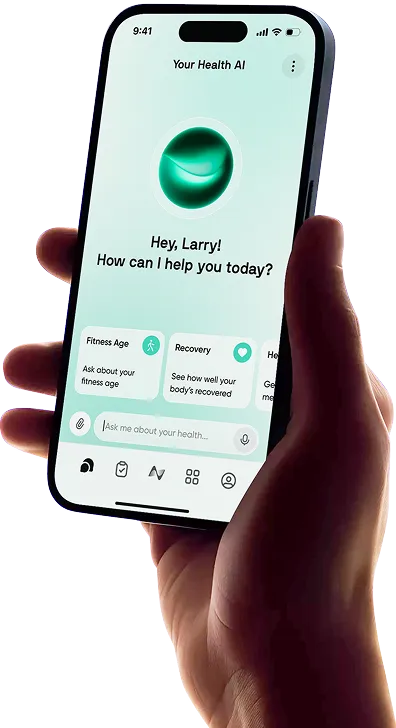
8. Neura
Neura automates many of the common tasks associated with diet and health management.
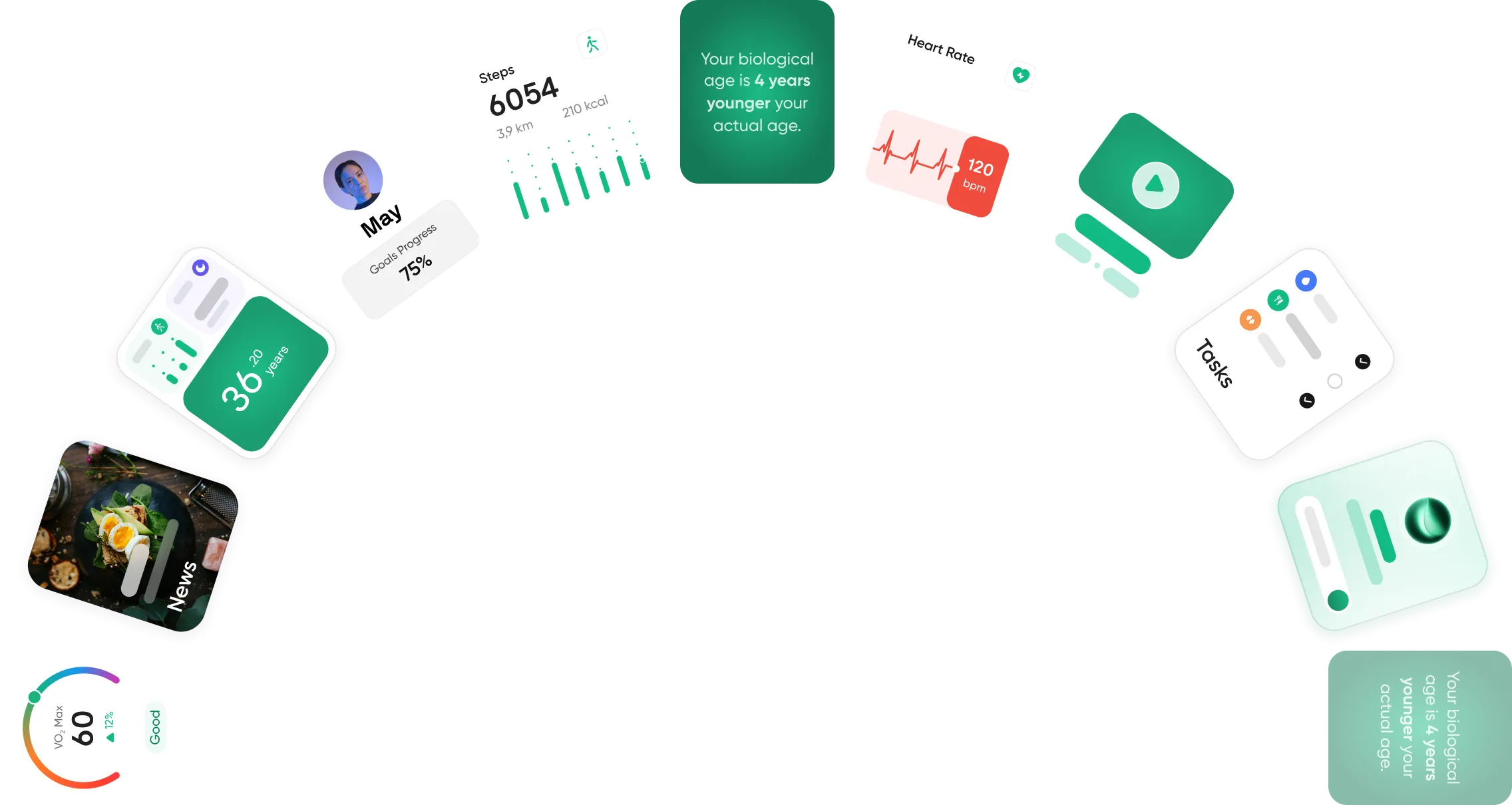
Functioning as an advanced nutrition tracking system, Neura analyzes your logged dietary preferences, daily physical activity, and recorded fitness data to generate tailored nutrition plans and next steps.
Instead of relying purely on manual input, Neura syncs directly with the most popular smart devices and fitness trackers on the market.
It continuously refines its daily recommendations based on the physiological data collected from your connected devices and apps, translating complex biometric data into actionable wellness steps.
Best For: Users who want a highly automated, actionable approach to improving their health and fitness.
Beyond Tracking: How Neura Transforms Your Nutrition

Most nutrition tools stop at logging what you eat. Neura goes a step further by helping you understand what your diet should look like based on you.
By bringing together your dietary preferences, health data, activity levels, and goals, Neura removes the guesswork from planning your meals.
Instead of following rigid, one-size-fits-all diets, you receive guidance that adapts in real time.
If your routine changes, your plan adjusts with it, whether that means increasing protein to support training, refining calorie intake for weight loss, or identifying foods that may be impacting your energy or sleep.
What makes this especially powerful is how effortless it feels. You can simply describe your goal in plain language, and Neura translates it into a practical, personalized approach to eating, complete with clear recommendations and actionable next steps.
Over time, as your data evolves, so does the guidance, becoming more precise and aligned with your body’s needs.
The result is a smarter, more intuitive way to approach nutrition, one that fits into your life rather than forcing you to fit into an ill-fitting and generic plan.
Final Thoughts: Best Nutrition Tracker Apps 2026
Taking control of your daily diet is a personal process, and the specific tool you choose should align with your daily lifestyle and long-term goals.
Whether you need the detailed accuracy of Cronometer, the habit-building focus offered by Noom, or the data integration of Neura, the software available today provides solid support for your health goals.
Consistency remains the most crucial factor in any health or fitness endeavor. The most useful software platform is simply the one you are willing to use consistently.
We recommend taking advantage of the free trial periods offered by these various companies.
Test out the different user interfaces, log a few typical meals, and see which system feels the most intuitive to you.
By utilizing a modern tracking application, you can organize your dietary data, make informed food choices, and work steadily toward your personal health objectives.
Article FAQ
How do you track your nutrition?
Tracking your nutrition involves logging your daily food and beverage intake to monitor your total calories, macronutrients, and micronutrients. You can use a digital application to scan barcodes, search verified food databases, or log meals using your smartphone camera. Reviewing this data over time allows you to adjust your portion sizes and ingredient choices to meet your specific health goals.
What is the best nutrition tracker app?
The best platform depends entirely on your individual daily routine. MyFitnessPal is a practical choice for beginners who want a massive food database, while Cronometer offers exceptional accuracy for detailed micronutrient tracking. If you want a comprehensive system that provides actionable wellness steps based directly on your wearable data, Neura is a highly effective option for 2026.
Are food tracking apps actually accurate?
Accuracy varies between different software programs. Platforms that rely heavily on user-generated databases often contain duplicate or incorrect entries. To ensure precise tracking, choose software that utilizes verified sources like the USDA database or requires administrative approval for user submissions. Weighing your solid foods with a digital kitchen scale will also drastically improve the accuracy of your personal logs.
Is there a completely free nutrition tracker available?
Yes, several platforms offer highly functional free versions. Programs like Cronometer and MyFitnessPal allow you to log your daily meals, scan basic item barcodes, and track your core macronutrients without a paid subscription. Premium subscription tiers typically unlock more advanced features like custom macro scheduling, intermittent fasting timers, and detailed data exportation.
How do I track macros when cooking at home?
Tracking homemade meals requires entering your raw ingredients into your chosen software. Most modern applications feature a custom recipe builder tool. You input all the bulk ingredients used in the recipe and specify the total number of servings. The system then calculates the exact nutritional profile per serving, which saves you time when logging leftovers later in the week.
Do nutrition trackers connect to fitness watches?
Most current tracking software syncs securely with popular smartwatches and fitness rings. This integration allows the application to automatically import your daily step count and active calorie burn. Advanced platforms like Nerua utilize this wearable data to provide realistic health insights and adjust your daily calorie targets automatically based on your real-time physical activity.