Neura: Transforming Raw Data into Personalized Health Insights
Health

Key Findings
Neura bridges the gap between raw wearable data and action by providing Personal health insights that adapt to your daily life. It centralizes metrics from various devices to create tailored health solutions, moving beyond generic advice to provide a clear roadmap for sleep, recovery, and long-term well-being.
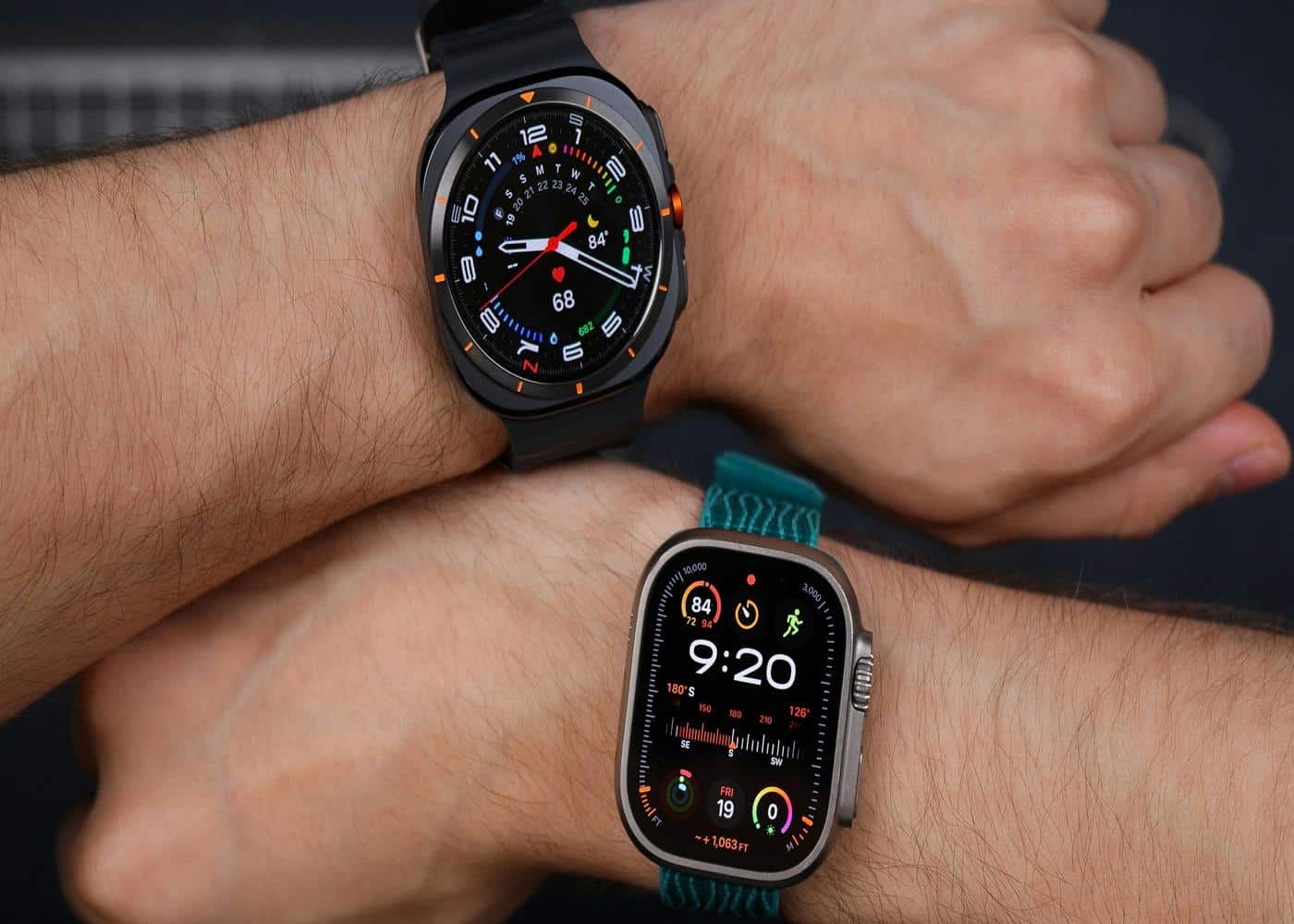
Current smart devices collect hundreds of daily data points, including resting heart rate, respiratory rate, sleep architecture, and daily steps.
However, for a large portion of users, data collection is the only step taken. The information remains raw and unprocessed, offering numerical values without clear direction.
A low sleep score confirms that a user slept poorly, but it does not provide a plan to improve sleep quality the following night.
An elevated resting heart rate is logged into a database, but the underlying cause remains unidentified.
Neura addresses this disconnect directly. By translating daily data into actionable steps, anyone can follow.
Neura is built to provide clear and proactive guidance informed by your wearables metrics, shifting the user experience from passive tracking to daily improvement.
What Do We Mean By Personalized Health?
Historically, medical and fitness guidelines have relied heavily on population averages.
While these general guidelines provide a baseline for individuals who are new to health tracking, they do not account for biological individuality.
Personalized health requires moving away from broad averages and focusing instead on individual baselines.
For example, a resting heart rate of fifty-five beats per minute is normal for an endurance athlete but unusual for someone with a sedentary lifestyle.
True personalization requires deep context, including an understanding of a user's age, daily activity level, chronotype, recent sleep history, and current goals. It involves analyzing how different variables interact over time.
Tracking how late evening screen time affects deep sleep percentages, or how afternoon caffeine impacts evening stress levels, allows for the creation of strategies that work for a specific body and schedule rather than forcing a user to adapt to a predetermined framework.
The Problem With Current Wearables and Apps
The primary issues with current fitness trackers and health applications is that they operate in isolated and passive silos. They record events but lack the situational context required to explain why those events occurred or what actions to take next.
A standard smartwatch will confirm a poor night of sleep and assign a low score. The user likely already feels fatigued, meaning the device is simply validating a known physical state without offering a remedy. At worst, they can even become a self-fulfilling prophecy.
Furthermore, many applications utilize static algorithmic goals. A device that demands ten thousand steps daily does not account for a user who completed a heavy resistance training session the day before and requires physical rest to recover from systemic fatigue.
It also does not factor in minor illnesses or injuries. When users fail to reach these static goals, the applications often break tracking streaks, which can cause frustration rather than motivation.
Data fragmentation compounds this problem. A user might track nutritional intake in one application, cardiovascular training in a GPS application, and physiological recovery using a smart ring.
Because these platforms do not share data, the software cannot form a complete picture of the user's health.
This lack of integration prevents users from identifying the specific daily habits that impede their progress.


The Solution: Fully Personalized Health Insights from Neura

Neura functions as a central operating system for your health. It gathers fragmented data streams from various devices and translates them into a cohesive, actionable daily plan.
When evaluating the best platforms for personalized health insights, the defining factor is the software's ability to adapt to the unpredictable variables of daily life.
Neura contextualizes your data. The platform operates on the principle that sleep, nutrition, stress, and physical activity are deeply intertwined.
By mapping these connections, Neura removes the guesswork. The platform synthesizes the information from connected wearables and presents direct steps tailored to the user's current state and personal health goals.
This functionality is driven by three core features.
The Neura Agent
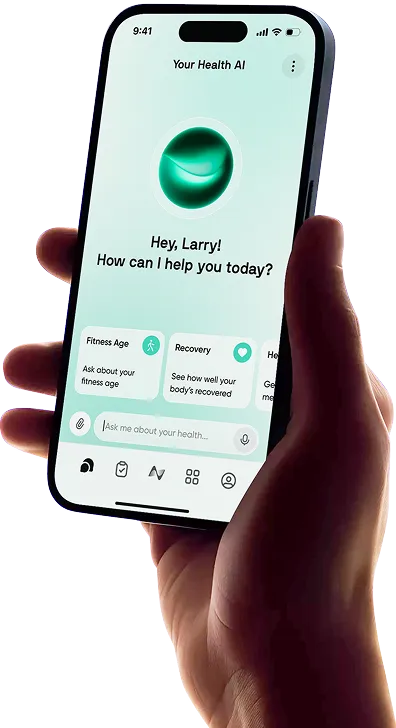
The Neura Agent is a continuous AI analysis system that learns user habits, routines, and physical responses.
Once a baseline is established, the Neura Agent becomes highly effective at identifying anomalies and patterns.
If a user's resting heart rate spikes consistently on nights following late work meetings, Neura Agent identifies the correlation.
It then provides actionable steps, such as suggesting a specific wind-down routine to help regulate the central nervous system before bed. The AI chat feature is also available to answer any questions users might have about their data or health journey.
Dynamic Health Plans
Traditional fitness routines often fail because they expect the user to adhere to a rigid schedule. Neura utilizes Dynamic Health Plans that adapt automatically to daily physiological data.
If a user's schedule calls for high-intensity interval training, but their sleep architecture data and stress metrics indicate central nervous system fatigue, the dynamic plan pivots.
If the metrics indicate that the user is fully recovered, the plan will suggest proceeding with the higher intensity session.
These tailored health programs ensure that daily expectations match the reality of the user's current physical capacity.
360 Sync
Accurate guidance requires a complete dataset. 360 Sync is the foundational integration feature that connects Neura with a user's existing hardware and software ecosystem.
This feature pulls data from smartwatches, fitness rings, chest straps, digital scales, and manual entries from nutrition or mood logs. By centralizing this information into a single dashboard, 360 Sync eliminates data silos.
This comprehensive synchronization allows the platform to generate guidance that factors in all available variables.
What Can Neura Help You Improve?

Applying Neura's analytical capabilities to specific areas of daily life results in measurable improvements. Because the guidance is tailored directly to the user's metrics, the strategies are highly targeted.
Sleep quality is one area of focus. Neura analyzes more than total sleep duration. It evaluates time spent in specific sleep stages, bedtime consistency, and more to ensure you can improve your sleep.
If a user lacks adequate deep sleep, Neura examines daytime behavioral data to find the cause. It might suggest shifting an exercise window to earlier in the day or modifying caffeine intake based on how the individual's data reflects their reality.
Physical recovery and nervous system regulation are also heavily prioritized. Neura can integrate tracking for heart rate variability and resting heart rate to gauge overall readiness for physical or mental stress.
If metrics indicate that a user is under-recovered, Neura prioritizes restorative actions. It provides tailored health solutions designed to aid recovery, suggesting specific exercises or active recovery routines.
This focused approach aids in managing physical burnout and reducing the overall risk of injury.
Neura also assists users in achieving defined goals, such as weight management, endurance training, or improving daily energy levels.
The platform builds a progressive pathway tailored to your exact goals, whatever they might be.
Final Thoughts: The Future of Personalized Health
Relying on generic fitness advice and reviewing fragmented data points is an inefficient approach to health management.
Neura represents a shift in the wellness space, moving users from a state of passive data collection to a state of proactive management based on their own metrics.
By integrating separate data streams and applying intelligent context, Neura clarifies the steps required to maintain and improve daily health.
As the platform processes more data over time, the guidance becomes more accurate and specific.
The demand for personalized health solutions will continue to expand as users recognize the limitations of static applications and generic advice.
Neura empowers users with the exact knowledge and actionable steps needed to optimize their routines based on their unique physiological data.
Article FAQ
What is personalized health guidance?
Personalized health guidance is a data-driven approach to wellness that moves away from one-size-fits-all advice. Instead of following generic population averages, this method uses your specific physiological data, such as heart rate variability, sleep architecture, and activity levels, to provide recommendations tailored to your unique biology and lifestyle. It ensures that your health plan adapts to how your body is actually responding in real time.
How to get personalized health insights?
To get personalized health insights, you must first collect consistent data through wearable devices or health apps. Once you have this raw data, you need a platform like Neura to synthesize and interpret the metrics. By connecting your devices to a central intelligence hub, the software can identify patterns, establish your personal baselines, and translate complex numbers into clear, actionable steps for your daily routine.
Which wearables are compatible with Neura?
Neura is designed to be hardware-agnostic, meaning it works with a wide variety of the most popular wearable devices on the market. Through 360 Sync, you can connect smart rings, smartwatches, and chest strap monitors. The platform aggregates data from these various sources into a single dashboard to provide a comprehensive view of your health without the need to toggle between multiple proprietary apps.
How does Neura help with recovery?
Neura monitors your autonomic nervous system by tracking heart rate variability (HRV) and resting heart rate (RHR). If these metrics indicate that your body is under significant stress or has not fully recovered from a previous workout, the platform will automatically adjust your health plan. It suggests lower-intensity activities or restorative practices to help you avoid overtraining and systemic burnout.
Can I use Neura to manage my diet?
Yes. Neura allows you to integrate nutritional data alongside your physiological metrics. By seeing how certain foods or eating windows impact your sleep quality and energy levels, you can refine your dietary choices. Whether you are following a ketogenic, carnivore, or anti-inflammatory protocol, Neura helps you understand exactly how these diets affect your body’s internal markers and recovery.
Is my health data secure?
Data privacy is a core component of the Neura platform. All physiological data and personal information are handled with strict adherence to modern security standards. Neura ensures that your metrics are used exclusively to generate your health insights and plans, giving you full control over your data while maintaining a secure environment for your personal health journey.