
The Best Apps for Health Anxiety and Stress in 2026
Health
Key Findings
Overcoming health anxiety requires stopping the cycle of obsessive symptom checking and limiting online medical searches. For digital support, balanced tools like Neura offer actionable health guidance without triggering hyper-vigilance, while apps like Sanvello and Headspace provide essential mindfulness and cognitive behavioral therapy techniques.
In 2026, technology continues to offer practical solutions for managing mental and physical well-being.
For those who struggle with persistent worry about their physical condition, smartphones operate as a double-edged sword.
On one hand, the internet provides a vast amount of readily available information that can easily fuel worry and lead to a highly stressful cycle of self-diagnosis.
On the other hand, the right digital tools can guide users toward calmness, clarity, and better emotional regulation.
Understanding how to manage daily stress and utilizing evidence-based applications are helpful steps toward quieting anxious thoughts and regaining control over your daily routine.
What is Health Anxiety?

Health anxiety, known clinically as illness anxiety disorder, is a psychological condition where a person becomes excessively worried about having a serious, undiagnosed illness.
This intense worry persists even when comprehensive medical exams show absolutely no signs of disease and healthcare professionals provide a completely clean bill of health.
Individuals dealing with this condition often misinterpret normal bodily sensations as direct indicators of severe health problems.
A mild tension headache is perceived as a life-threatening neurological event. An occasional muscle twitch is viewed as the onset of a degenerative disease. A brief stomach ache is immediately taken as a sign of permanent internal damage.
This persistent, unyielding fear can severely interfere with daily life, straining personal relationships and making it difficult to maintain focus on professional responsibilities.
The underlying biological mechanism driving health anxiety involves the body's natural fight or flight response. When a person worries intensely about a specific physical symptom, the brain perceives an immediate, physical threat and releases stress hormones like adrenaline and cortisol into the bloodstream.
These hormones cause real, tangible physical changes in the body, such as a rapidly increased heart rate, shallow and rapid breathing, severe muscle tension, sweating, and feelings of dizziness or lightheadedness.
These anxiety-induced physical symptoms are then misinterpreted by the individual as further, undeniable proof of a medical condition. This creates a relentless, exhausting feedback loop of fear and physical distress that is incredibly difficult to break without targeted psychological intervention.
People experiencing health anxiety often seek constant reassurance from doctors, family members, friends, or medical websites.
The cycle of checking physical symptoms, seeking external reassurance, feeling a very temporary sense of relief, and then almost immediately finding a brand new symptom to worry about consumes immense amounts of time and mental energy.
Recognizing this cyclical pattern is a necessary first step toward recovery. Understanding that the anxiety itself is the primary issue, rather than an undiagnosed physical illness, allows individuals to shift their focus away from medical testing and toward mental health strategies, psychological resilience, and emotional regulation.
How to Deal with Health Anxiety
Managing health anxiety requires a highly proactive and structured approach to mental wellness.
By implementing specific daily habits and consciously changing how you respond to physical sensations, you can significantly reduce the frequency and intensity of your worries over time.
Building these habits takes patience, but the long-term payoff is a much calmer state of mind.
Limit Online Medical Searches
One of the most actionable steps you can take right now is to completely stop searching for your symptoms online.
Search engines and medical forums are algorithmically designed to show the most relevant, and often the most severe, diagnostic possibilities based on broad keyword inputs.
This sorting process can quickly escalate minor, everyday concerns into absolute worst-case scenarios in a matter of seconds.
Reading about rare diseases triggers the brain to simulate the symptoms, which further convinces you that you are ill.
Establish a firm, non-negotiable rule for yourself. If you feel the intense urge to look up a symptom, delay the action for 48 hours.
In many cases, the urge to search will pass entirely, or the minor physical symptom will resolve on its own within that short timeframe.
Establish Regular Medical Boundaries
Frequent doctor visits for simple reassurance can actually reinforce your anxiety over time by keeping your brain hyper-focused on the need for medical intervention.
Instead of booking an appointment every single time you notice a new sensation, establish a regular, predictable schedule for routine checkups with your primary care physician.
Setting up an App for health check appointments helps you easily remember your scheduled visits without letting the scheduling process consume your daily thoughts.
Stick strictly to this schedule and agree with your doctor in advance on clear, objective parameters for when a new symptom truly warrants an unscheduled visit.
This boundary prevents the medical system from becoming a crutch for emotional reassurance.
Practice Grounding Techniques
When a sudden, intense wave of anxiety hits, grounding techniques can help bring your cognitive focus back to the present moment and out of your spiraling thoughts.
The cognitive behavioral method known as the five, four, three, two, one technique is highly effective for this specific purpose.
Acknowledge five things you can see around you, four things you can touch, three things you can hear, two things you can smell, and one thing you can taste.
This active sensory process forcefully interrupts the brain's fixation on bodily sensations and physical fears.
By forcing your brain to process external stimuli, you anchor yourself safely in your immediate physical environment and slow down your racing heart.
Challenge Catastrophic Thinking
Cognitive behavioral therapy techniques involve identifying and directly challenging unhelpful, fear-based thoughts.
When your brain automatically assumes a mild stomach ache is a serious disease, force yourself to pause and ask for concrete, objective evidence.
Ask yourself for a much more likely and common explanation for the physical feeling. Perhaps it was simply something you ate for lunch, routine indigestion, or a physical manifestation of your current work stress levels.
Writing down your anxious thoughts in a physical journal and countering them on paper with logical alternative explanations can actively train your brain to react less severely to normal bodily functions over time.
Shift Focus from Control to Acceptance
An underlying psychological driver of health anxiety is the profound desire to have complete, unwavering control over your health and your physical body.
However, the human body is deeply complex, and minor aches, pains, and unusual sensations are simply a standard, unavoidable part of life.
Practice the psychological concept of acceptance, which means acknowledging that uncertainty is a normal part of the human experience.
Instead of spending your valuable energy trying to eliminate every single symptom, focus your energy on living an engaging, meaningful life despite the presence of occasional physical discomfort.
Acceptance does not mean giving up; it means choosing not to fight a losing battle against normal human biology.


The Best Apps for Health Anxiety (2026)

Finding the right digital tools can heavily support your journey toward a calmer mind.
While you might initially look for the best app for health tracking to monitor your heart rate, oxygen levels, or sleep stages, those with illness anxiety disorder require applications that balance basic tracking with robust mental health support.
Even the best symptom trackers can sometimes exacerbate hyper-vigilance and worsen the core issue by keeping the brain entirely focused on the physical body.
Here are eight of the most balanced options available for managing physical and mental well-being simultaneously.
1. Neura
Best For: Balanced symptom tracking and actionable health steps.
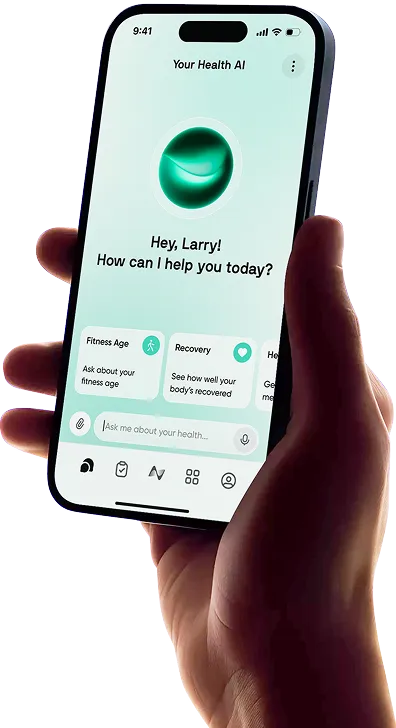
Overview: Neura is a sophisticated platform that takes your tracked metrics and provides you with highly actionable steps based on the reading and interpretation of that data.
Rather than encouraging the constant, obsessive logging of every minor bodily sensation, Neura focuses entirely on offering practical health guidance.
Its primary function is to interpret your physical data without causing psychological overwhelm.
Key Features: The application provides evidence-based, structured approaches to wellness.
It offers features like automated weekly summaries and direct access to actionable steps based on your wearable metrics.
The Neura ecosystem helps you build physiological resilience, improve your sleep quality, nutrition, and overall fitness by giving you clear, data-driven directions rather than leaving you to guess what your physical symptoms mean.
2. Headspace
Best For: Beginners learning mindfulness and daily meditation.
Overview: Headspace remains a consistently popular choice for introducing the complex concepts of mindfulness into a busy, modern schedule.
The platform uses clear, wonderfully guided sessions to teach the absolute basics of meditation to people of all experience levels.
It is particularly useful for those who feel intimidated by the very concept of sitting completely still with their racing, anxious thoughts.
Key Features: Headspace includes deeply dedicated modules engineered specifically for anxiety, daily stress, and sleep management.
Its highly praised emergency sessions are brief, targeted audio guides meant to bring you down from an acute panic spike safely and quickly.
The application also features beautifully animated guided breathing exercises that are easy to follow during moments of high stress at your workplace or in your home.
3. Calm
Best For: Sleep support and general environmental relaxation.
Overview: A persistent lack of restorative sleep can severely exacerbate health anxiety, drastically lowering your baseline threshold for stress.
Calm focuses heavily on creating a deeply relaxing auditory environment to help users wind down effectively at the end of the day.
Its visually soothing interface and incredibly extensive library of audio content make it a permanent staple for anyone struggling to quiet their mind at night.
Key Features: Calm offers a massive collection of narrated sleep stories designed intentionally to distract an anxious brain from focusing on the physical body.
It also includes daily mindfulness sessions, unstructured nature soundscapes, and visual breathing guides that help pace your inhales and exhales to a steady, biologically calming rhythm.
4. Bearable
Best For: Understanding the connection between daily habits and overall mood.
Overview: Bearable is a highly comprehensive lifestyle tracker that lets you log your mood, basic symptoms, daily activities, dietary intake, and sleep quality.
For someone actively dealing with health anxiety, it must be used mindfully, but it excels at showing practical, undeniable correlations.
It helps users see clearly that on days they sleep poorly or consume far too much caffeine, their baseline anxiety and physical symptoms naturally and predictably increase.
Key Features: The application features a highly customizable interface, allowing you to manually turn off specific tracking metrics if they become psychologically triggering or overwhelming.
It generates easily readable graphs and detailed insights that highlight exactly how your lifestyle factors impact your mental state.
This empowers you to make positive behavioral changes rather than simply worrying about the onset of a new disease.
See our full Bearable Hands-on Review.
5. Sanvello
Best For: Learning and applying cognitive behavioral therapy techniques.
Overview: Sanvello is built firmly and entirely on the established, proven principles of cognitive behavioral therapy.
It is designed from the ground up to help users identify negative, spiraling thought patterns and actively work to reframe them logically.
This makes the platform highly relevant and incredibly effective for tackling the specific catastrophic thoughts associated with illness anxiety disorder.
Key Features: The application includes reliable mood tracking, guided educational journeys, and deeply practical tools for reframing thoughts in real time.
It allows you to record an anxious thought textually and guides you step by step through a logical process of analyzing, challenging, and changing that thought.
Sanvello also offers supportive, moderated community message boards where users can connect safely with others facing similar daily struggles.
6. Dare
Best For: Managing acute panic attacks and finding immediate anxiety relief.
Overview: The Dare application is based entirely on a specific, highly structured psychological approach to accepting and defusing anxiety rather than constantly fighting against it.
It is incredibly straightforward and action-oriented, making it a highly useful tool to have on your phone when health anxiety peaks into a full panic attack, and you require firm, immediate guidance.
Key Features: Dare provides clear, authoritative audio guides that walk you step by step through their core technique.
This method involves intentionally defusing the fear, allowing the physical symptoms to exist, running mentally toward the anxiety, and engaging fully with life.
The app includes specific, tailored audio tracks for different scenarios, such as intense bodily sensations, severe heart palpitations, or feelings of unreality, directly addressing the most common triggers for health anxiety.
7. Moodfit
Best For: Comprehensive mental health fitness and habit building.
Overview: Moodfit fundamentally treats mental health exactly like physical fitness, offering a structured, daily workout for your mind and emotional state.
It is a highly customizable application that lets you choose exactly which psychological tools you want to incorporate into your daily routine.
This deep adaptability makes it incredibly easy to tailor the experience to your specific anxiety triggers and your personal mental health goals.
Key Features: You can consistently track your daily mood, set up recurring gratitude journals, and utilize cognitive behavioral therapy exercises at your own pace.
Moodfit also allows you to track physical variables like your sleep duration and daily exercise routines.
This combination helps you maintain a holistic, healthy view of your overall wellness without obsessing fearfully over the distinct possibility of illness.
8. Wysa
Best For: Artificial intelligence-guided emotional support and anonymous chat.
Overview: Wysa is a deeply empathetic artificial intelligence chatbot designed specifically to help users talk through their pressing anxieties in real time, day or night.
For those who feel an overwhelming, urgent need to seek reassurance, talking to Wysa can serve as a highly helpful buffer.
It allows users to process their raw emotions verbally or textually without immediately running to a doctor or a medical search engine.
Key Features: The application uses advanced natural language processing to thoroughly understand your specific concerns and respond with highly appropriate, evidence-based coping exercises.
It provides a completely safe, fully anonymous space to express your deepest fears about your physical health.
Wysa also includes a robust library of self-care exercises, mindfulness audio tracks, and effective grounding techniques completely tailored to the specific emotions you express during your chat sessions.
How Neura Helps with Health Anxiety

A highly common and deeply detrimental pitfall for individuals diagnosed with illness anxiety is the deeply ingrained habit of over-tracking.
They might manually document every single muscle twitch, slight headache, minor change in heart rate, or perceived shift in body temperature.
This constant hyper-vigilance trains the brain to stay locked in a state of high alert, ultimately worsening the very physical symptoms they are desperately trying to manage.
Neura addresses this fundamental issue directly by automatically taking your metrics from wearables and translating them into practical, actionable steps.
This relaxed approach yields highly useful information without requiring exhausting, constant self-evaluation from the user.
By focusing strictly on providing actionable steps based on the interpretation of your metrics, Neura gently shifts the user's perspective away from obsessive manual symptom checking and back toward living a highly functional, fully engaged life.
Furthermore, committing to a consistent, daily routine is absolutely vital for long-term nervous system regulation.
Neura integrates seamlessly into this daily concept by giving you the specific steps you need to take to physically calm the autonomic nervous system, effectively reduce chronic stress over time, and help you build long-term psychological resilience against anxious, spiraling thoughts.
Final Thoughts: Best Apps for Health Anxiety
Navigating the digital world with health anxiety requires a deliberate approach. The goal is to use smartphone technology to foster peace of mind, not to enable obsessive checking behaviors.
Whether you need guided meditation, cognitive behavioral therapy exercises, or a sensible way to track your overall wellness, there is a tool designed to meet your needs.
The best app for health anxiety is the one that fits seamlessly into your routine and reduces your baseline stress levels without demanding constant attention.
By combining digital support with actionable lifestyle changes, you can manage your anxiety effectively.
Article FAQ
What is health anxiety?
Health anxiety, clinically known as illness anxiety disorder, is a persistent fear that you have a serious or life-threatening medical condition. People with this disorder worry excessively about their health even when medical professionals provide a clean bill of health. They often misinterpret normal bodily functions, such as sweating or occasional muscle twitches, as signs of a severe disease.
How do you overcome health anxiety?
Overcoming health anxiety involves retraining your brain to respond differently to physical sensations and health worries. You can achieve this by strictly limiting online medical searches, setting a predictable schedule for routine doctor checkups, and practicing cognitive behavioral therapy techniques. Grounding exercises and learning to accept uncertainty rather than trying to control every symptom also play a significant role in reducing anxious thoughts over time.
Which apps can help with health anxiety?
Several applications are designed to support mental wellness and reduce health-related stress. Neura is highly effective for gathering and interpreting wearable metrics to provide actionable health steps without causing symptom-tracking overwhelm. Applications like Sanvello and Moodfit provide structured cognitive behavioral therapy tools, while Wysa offers empathetic AI chat support. For daily relaxation and sleep support, Calm and Headspace are excellent choices to help regulate your nervous system.
What are the physical symptoms of health anxiety?
Health anxiety triggers the body's natural stress response, which causes physical changes that often mimic medical conditions. Common physical symptoms include a rapid heart rate, shallow breathing, severe muscle tension, dizziness, and sweating. Individuals dealing with health anxiety frequently misinterpret these anxiety-induced physical changes as further proof that they are suffering from a serious physical illness.
How do I know if I have health anxiety or a real illness?
The main distinction lies in how you respond to professional medical reassurance. If a doctor evaluates your physical symptoms, runs the appropriate tests, and confirms you are healthy, but your intense fear of illness persists, you may be experiencing health anxiety. Additionally, if your worry about your health consumes a significant portion of your day and interferes with your normal routine, it is a strong indicator of an anxiety disorder.
Can health anxiety be completely cured?
While the term cured implies a condition will never return under any circumstances, health anxiety is highly treatable and manageable. Through the consistent practice of cognitive behavioral therapy, daily stress management techniques, and professional psychological support, individuals can significantly reduce their symptoms. Many people reach a comfortable point where health anxiety no longer interferes with their daily life, and they can process normal bodily sensations without fear.