10 Popular Fitness Trends Shaping Wellness in 2026
Fitness
Key Findings
Fitness in 2026 prioritizes data-driven personalization, dedicated physical recovery, and seamless daily integration. AI and biometric wearables now dictate workout intensity based on real-time sleep and stress metrics rather than static plans. Additionally, long gym sessions are being replaced by frequent daily micro-workouts and joint longevity programming designed for sustainable, lifelong movement.
As 2026 progresses, the approach to physical health and daily movement continues to focus on practical, science-backed methods.
The conversation has shifted away from aesthetic-only goals and exhaustive workout programs. Instead, the general public is adopting a broader view of well-being.
This perspective integrates mental health, functional physical capabilities, and structured recovery routines into a balanced daily lifestyle.
Tracking fitness industry trends reveals a move toward personalized, data-driven, and accessible exercise regimens.
Individuals are looking for routines that fit naturally into modern schedules rather than forcing their days around strict gym hours.
Understanding the specific concepts shaping how we exercise, recover, and view our bodies can help you build a personalized health routine that is effective and manageable for the long term.
The emphasis is on building habits that support a lifetime of movement rather than short-term fixes.
10 New Fitness Trends for 2026
Exploring these new fitness trends highlights a shift toward training methods that balance exertion with appropriate recovery. These ten developments represent how exercise is adapting to meet the practical needs of daily life.
1. Artificial Intelligence and Biometric Coaching
Wearable technology has moved past basic step counters and standard heart rate monitors. Today, fitness enthusiasts use artificial intelligence algorithms that analyze an array of personal biometric data.
These devices track heart rate variability, daily psychological stress levels, resting respiratory rates, and core body temperature to prescribe specific daily workout volumes.
AI coaching removes the guesswork from daily programming by providing dynamic guidance based on real-time data.
Users no longer follow static training plans. Instead, their applications suggest how hard to push their bodies based on their physiological state on any given day.
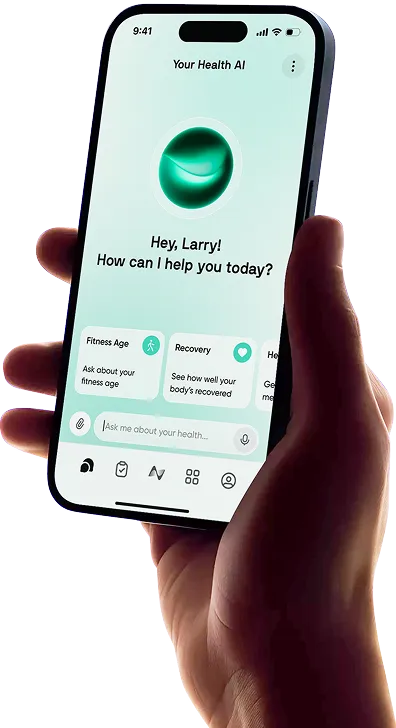
Platforms like Neura seamlessly integrate this concept by gathering metrics from your wearables to deliver actionable daily steps based on those precise readings.
This personalized approach reduces the risk of acute injury and helps prevent central nervous system fatigue over months of consistent training.
The integration of this technology allows for a measured approach to progressive overload, ensuring that users attempt difficult sessions when their bodies are prepared for the physical stress.
2. Making Room for Recovery
In previous years, recovery was frequently treated as an optional component of physical culture. In 2026, recovery takes priority in facility planning and consumer demand.
Health clubs and boutique studios are dedicating considerable square footage to recovery tools alongside traditional free weights and cardiovascular equipment.
Members now have regular access to cold plunge pools, infrared saunas, pneumatic compression boots, and specialized stretching tables.
This architectural shift acknowledges the biological reality that muscle growth, fat loss, and cardiovascular adaptations occur during periods of rest.
Facilities are transforming into comprehensive health centers rather than just utilitarian places to lift weights.
Trainers are also educating clients on the proper protocols for using these modalities, ensuring that cold exposure and heat therapy are timed correctly to aid physiological benefits without slowing the physical adaptations from strength training.
3. The Maturation of Micro-Workouts
The concept of the micro-workout involves breaking up daily physical activity into multiple short bursts of exercise lasting between five and ten minutes each.
This approach has gained steady adoption due to the persistence of remote and hybrid corporate work models. It remains a foundational element of the home fitness trends we see today.
People are moving away from the belief that a workout is only effective if it lasts for a full hour.
Spacing out multiple short intervals or focused mobility sessions throughout the workday provides cardiovascular and muscular benefits without requiring a large time commitment.
It also combats the negative postural effects of sitting at a computer desk for extended periods.
Common micro-workouts include a ten-minute kettlebell circuit before breakfast, a five-minute stretching routine at lunchtime, and a brisk walk in the afternoon.
This steady accumulation of movement often results in a higher total volume of daily activity than a single gym session.
4. Immersive and Mixed Reality Environments
Virtual reality and augmented reality headsets have become lighter, more comfortable, and resistant to sweat, making them viable tools for physical exercise.
Mixed reality technology allows users to safely see their actual physical surroundings to avoid tripping hazards while overlaying digital instructors, target nodes, or scenic environments.
This technology keeps stationary indoor cycling, indoor rowing, or treadmill running from becoming repetitive. Users can visually cycle through digital landscapes or participate in an interactive virtual boxing match in their living rooms.
This visual and auditory immersion provides a distraction from the physical exertion, allowing individuals to maintain their focus on their training program.
Developers are also creating cooperative environments where friends from different geographical locations can join the same virtual studio to complete a synchronized workout, adding a layer of social accountability to home-based routines.
5. Longevity and Joint Health Programming
There is a focus on the concept of healthspan, which refers to the number of years a person lives in capable health. Fitness programming in 2026 centers on joint longevity and sustainable movement.
High-intensity interval training is still utilized for cardiovascular health, but it is balanced with low-impact, deliberate movements that protect cartilage and connective tissues.
Practices like functional range conditioning, active mobility work, and steady-state Zone 2 cardiovascular training are common among all age groups.
The primary goal for many individuals is ensuring they possess the physical capability to hike, play sports, and move without pain as they age.
This shift has led to a rise in specialized classes that prioritize joint articulation and controlled rotations. Physical therapists frequently consult with fitness instructors to design programs that build strength while minimizing wear and tear on the skeletal system.
6. Social Wellness Clubs and Third Spaces
The desire for community-driven health spaces has influenced gym design significantly. Modern gyms are acting as third spaces, serving as community gathering hubs outside of the home and the workplace.
Fitness facilities now frequently incorporate cafes, lounge areas, and functional co-working spaces adjacent to the active gym floor.
People want to connect in person with others who share their health goals, and the social aspect of group exercise supports habit consistency.
Group classes are designed to foster communication and interaction. Facilities host community events, educational seminars, and social hours to build a sense of belonging among members.
This model shifts the focus from solitary exertion to collective well-being, making the gym a place where members want to spend time even on their active recovery days. The inclusion of amenities like quiet reading rooms further cements these locations as lifestyle hubs.
7. Sleep-Synced Training Regimens
Sleep is recognized by the medical community and the fitness industry as a foundational element of physical health.
In 2026, structured training programs are dictated by an individual's natural circadian rhythms and their nightly sleep quality metrics. Wearable trackers monitor deep sleep, light sleep, and rapid eye movement cycles.
By taking these overnight metrics directly from your connected devices, platforms like Neura give you actionable daily steps based on the reading and interpretation of your actual sleep data.
If a user experiences a documented night of fragmented sleep, Neura can offer a lighter version of that day’s session to accept or decline. It may suggest a light yoga routine or an active recovery walk outdoors instead of a demanding weightlifting session.
Conversely, if sleep metrics are optimal and recovery is high, the platform will encourage the user to tackle their scheduled intense workouts.
This integration of rest metrics directly into activity planning is becoming a standard practice. It teaches users to respect their biological limits and prevents the overtraining syndrome that often derails fitness goals.
8. Outdoor Hybrid Tracking and Navigation
The dividing line between indoor gym training and unstructured outdoor recreation has blurred. Smart footwear and GPS watches allow people to take structured programming out into natural environments.
Software applications adjust outdoor terrain difficulty and real-time elevation changes to match prescribed treadmill inclines or indoor track workout intensities.
A runner can receive adaptive audio coaching that adjusts to the actual hills they are climbing on a local trail.
This merges the predictability of indoor interval training with the mental health benefits of spending active time outdoors.
Additionally, mapping applications allow users to discover safe running and cycling routes that match their exact prescribed distance and elevation goals for the day.
This technology makes it easier for urban residents to find appropriate outdoor training spaces without having to plan complex routes manually.
9. Gamified Group Fitness Experiences
Fitness gamification has evolved past counting daily calories or tracking steps. Group fitness classes utilize heart rate monitors to project individual and group effort levels on screens, structuring the workouts like cooperative video games or team sports.
The room may need to reach a collective energy output or maintain a specific heart rate zone for a set duration to unlock the next phase of the class or complete a digital challenge.
This uses the psychology of play and positive reinforcement to motivate participants. It creates an engaging atmosphere where people focus on the cooperative goals of the digital game.
Instructors act as game moderators, guiding the class through different levels of difficulty and ensuring that everyone is contributing safely to the overall objective.
This approach has proven effective in retaining members who found traditional group fitness classes repetitive.
10. Kinetic Energy Harvesting Equipment
Environmental sustainability is a priority for consumers in 2026, and the fitness industry has responded by developing eco-friendly gym equipment.
Forward-thinking facilities feature specialized treadmills, stationary bikes, and rowing machines that capture human physical exertion and convert it into usable electricity.
This harvested clean energy is sent back into the grid to help power the facility's lighting, cooling fans, and audio systems.
Users appreciate knowing that their physical effort reduces the carbon footprint of their local gym. It adds a layer of motivation, as members can see how many watts of clean energy they have generated by the end of their workout session.
Facility owners also benefit from reduced utility costs, making this technology a practical investment for large commercial gyms.
As the technology becomes more efficient, smaller versions of these machines designed for home environments are becoming available.


Fitness Forecasts for 2026
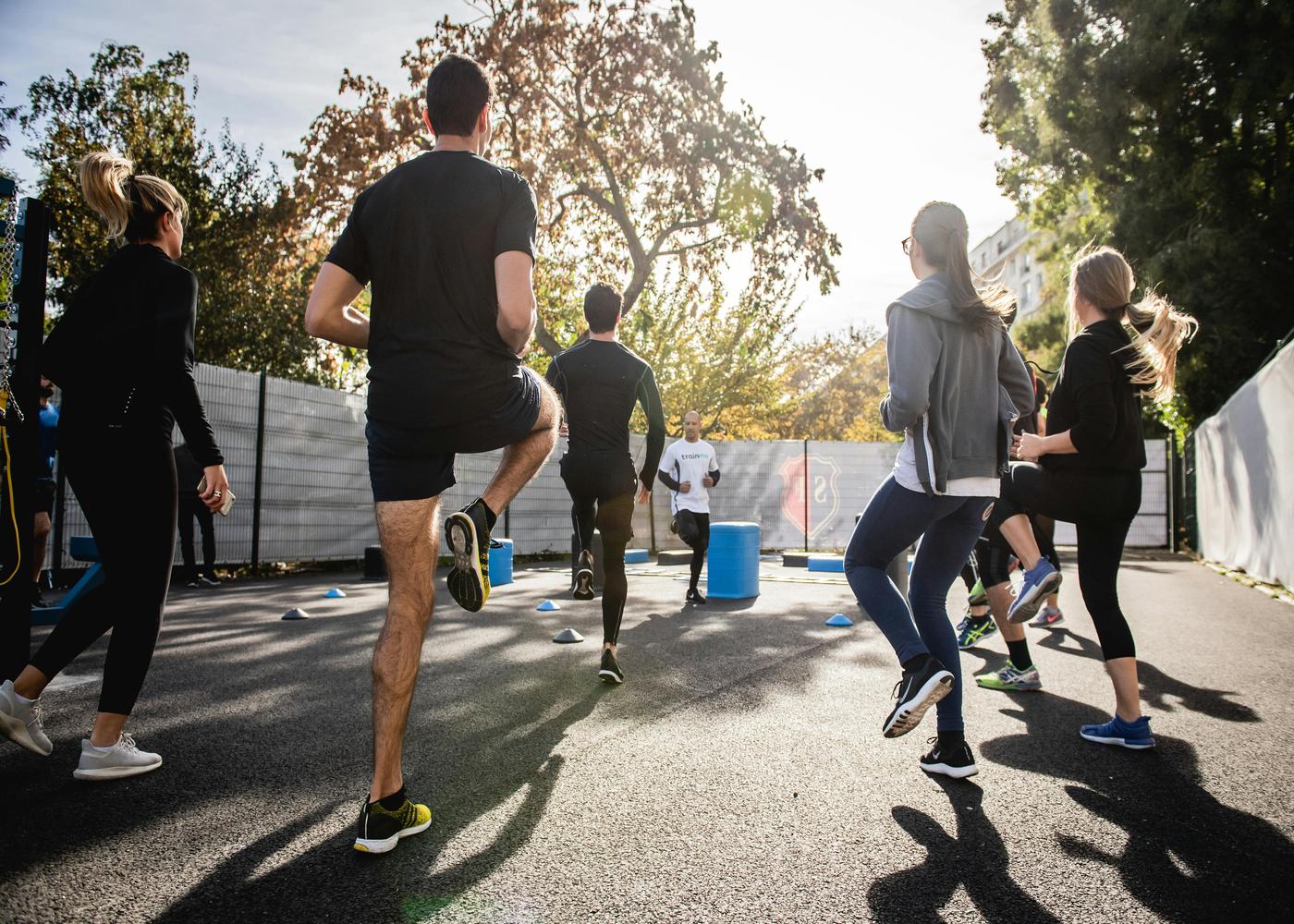
Industry experts, including sports scientists, clinical physical therapists, and facility directors, have expectations for how wellness will develop throughout the remaining months of the year.
The consensus is that the introduction of new fitness technology seen in previous years is stabilizing.
Instead of pushing consumers to adopt new gadgets constantly, the current focus is on refining existing technology so that it operates quietly and accurately in the background of our daily lives.
Tracking tools are becoming less intrusive and more intuitive to use for the average person.
Looking closely at the latest fitness trends, industry professionals expect personalization, sensible moderation, and long-term consistency to become the standard.
Nutritionists and personal trainers collaborate to offer comprehensive packages that address daily diet, physical movement, and stress management simultaneously.
We can also expect to see a rise in corporate wellness programs that provide employees with dedicated time during the workday to engage in micro-workouts or guided stretching routines.
This forecast predicts a fitness landscape that is integrated into daily life and supportive of long-term physical health.
How to Get Fit in 2026 With Neura
If you want to integrate these concepts into your daily life, digital platforms like Neura offer a starting point.
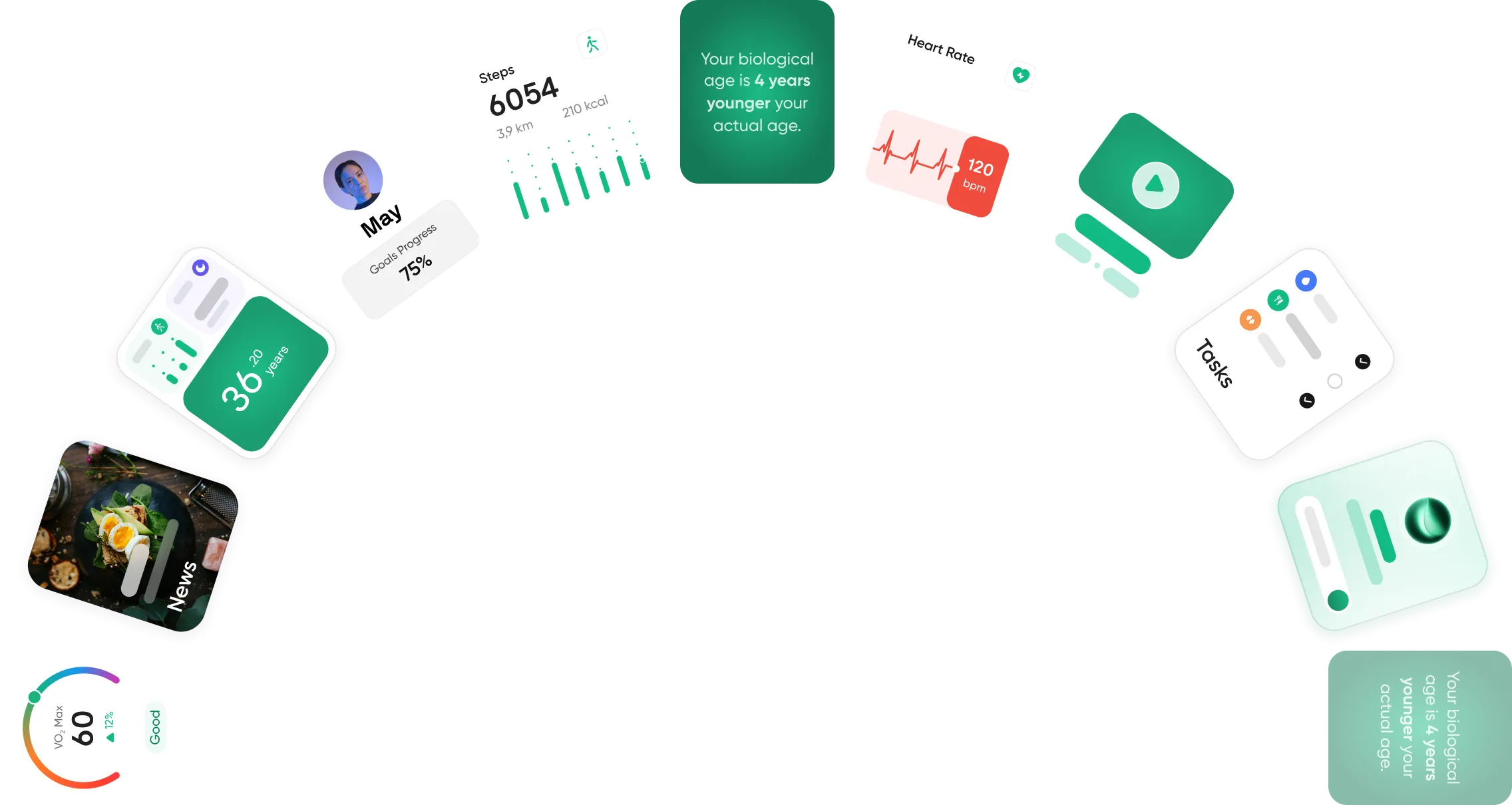
Neura represents the best of the current generation of wellness applications by bringing AI-driven coaching, biometric tracking, and recovery protocols into one unified system.
Getting fit with Neura does not require a large initial time investment. The platform starts by analyzing your specific baseline metrics, factoring in your current daily activity levels, your historical sleep quality, and your daily schedule.
Once your physiological baseline is established, Neura acts as a digital health instructor. It guides you through a customized blend of physical activities and wider wellness protocols tailored to your needs on any given day.
By utilizing a platform like Neura, you can take advantage of complex biometric data and personalized programming without needing to hire a full-time personal trainer or piece together multiple tracking apps.
Final Thoughts: The Most Popular Fitness Trends in 2026
The way society approaches daily exercise has matured. We are no longer treating the human body like a machine that needs to be constantly broken down, but rather recognizing it as a complex system that requires management, proper rest, and consistent movement.
The popular fitness trends dominating the conversation highlight a collective desire for health practices that fit naturally into our daily lives.
By embracing data-driven personalization, prioritizing physical recovery just as much as muscular exertion, and finding ways to incorporate movement into our everyday environments, anyone can build a fitness routine that lasts.
The days of dreading a mandatory hour at the gym are fading, replaced by a more balanced approach to physical longevity.
The goal for the modern individual is clear: move better, recover smarter, and build a foundation of health that supports an active and capable life.
Article FAQ
What are the most popular fitness trends for 2026?
The most popular fitness trends for 2026 focus heavily on personalization, physical recovery, and seamless technology integration. Key movements include artificial intelligence biometric coaching, recovery-first facility designs, the widespread adoption of daily micro-workouts, and sleep-synced training regimens that adapt directly to your current energy levels.
What role does technology play in fitness in 2026?
Technology acts as a supportive partner rather than a distraction. Advanced wearables and AI algorithms now analyze complex biometric data like heart rate variability and sleep cycles to prescribe exact, personalized daily workout volumes. Additionally, mixed reality environments and kinetic energy harvesting equipment make exercise more engaging and environmentally sustainable.
Are home workouts still popular in 2026?
Yes, home fitness remains very popular, but the approach has matured significantly. Instead of isolated, hour-long virtual classes, individuals are integrating short micro-workouts seamlessly throughout their workday. Immersive mixed reality headsets also allow users to participate in gamified, social group fitness experiences right from their living rooms.
How has fitness recovery changed recently?
Recovery is no longer an afterthought. It is now treated as an equal and essential component of physical health. Modern gyms dedicate significant floor space to specialized recovery tools like cold plunge pools, infrared saunas, and pneumatic compression boots. Modern programming also actively prioritizes joint longevity over maximum exertion.
What is a micro-workout?
A micro-workout is a short, highly focused burst of physical activity lasting between five and ten minutes. These brief sessions are designed to be spread consistently throughout the day. This method provides excellent cardiovascular and muscular benefits without requiring a large time commitment, making it an ideal solution for busy professionals.
How is AI used in personal training today?
AI is currently used to analyze a user's unique physiological data to create highly dynamic training plans. Instead of providing static routines, AI fitness platforms like Neura carefully monitor daily stress levels, sleep quality, and previous exertion to tell users exactly how hard they should train or exactly when they need to rest.