How Fit am I? 10 Simple Fitness Tests You Can Do at Home
Fitness
Key Findings
Determine your true fitness baseline and biological age using ten simple, equipment-free tests you can do at home. Apply these initial metrics to adaptive platforms like Neura to personalize your workouts, and retest every few months to guarantee real progress.
Finding out your baseline physical health gives you the exact facts you need to build an effective exercise program.
You do not need an expensive gym membership, specialized lab equipment, or a personal trainer to establish your starting point.
Conducting a series of targeted tests in your living room lets you accurately measure your cardiovascular endurance, muscular strength, flexibility, and balance.
This article will explain exactly what you need to do in order to determine your physical baseline
What is a “Biological Age?”

Learning how your biological age differs from your chronological age provides a clearer picture of your long-term health.
Chronological age is the exact number of years you have been alive since birth. This is a fixed number that progresses at a constant rate for everyone.
Biological age refers to the actual physiological condition of your body at the cellular level.
A person with a chronological age of forty who engages in regular resistance training, eats a nutrient-dense diet, and prioritizes sleep might possess the cellular health of someone years younger.
Poor lifestyle habits, chronic stress, and a lack of daily movement accelerate internal wear and tear. This causes the body to operate as if it were much older.
A clinical biological age test usually involves drawing blood in a medical facility to analyze DNA methylation or specific inflammatory biomarkers.
For a home-based estimate, you can use a digital biological age calculator. These digital tools ask for daily metrics like your resting heart rate, average blood pressure, and weekly exercise volume to estimate your internal aging process.
Improving your cardiovascular fitness and building lean muscle mass are direct, proven ways to lower your biological age over time.


10 Ways to Calculate How Fit You Are
Clear a little space in your living room, grab a stopwatch, and try these ten simple tests to get a real picture of your strength and stamina.
Test Aerobic Capacity: The Resting Heart Rate
Your resting heart rate provides a direct window into the efficiency of your cardiovascular system.
To perform this test, sit quietly in a comfortable chair for five minutes to let your nervous system settle. Locate your pulse on the thumb side of your wrist or on your neck. Set a timer and count the number of beats for a full sixty seconds.
A healthy result for an adult falls between sixty and one hundred beats per minute. Lower numbers indicate a stronger heart muscle that requires less effort to pump blood throughout the body.
A resting heart rate that stays above one hundred beats per minute is generally considered unhealthy. These higher numbers suggest your heart works much harder than necessary while at rest, which often points to a lack of cardiovascular conditioning, poor sleep, or high daily stress levels.
How to Improve:
Add Zone 2 cardiovascular training to your weekly routine. This involves exercising at a moderate pace where you can still hold a conversation without gasping for air.
Engaging in activities like cycling, jogging, or brisk walking for forty-five minutes a few times a week builds the aerobic base required to lower your resting pulse safely.
Test Cardiovascular Endurance: The Step Test
The step test reveals how well your heart recovers from physical stress.
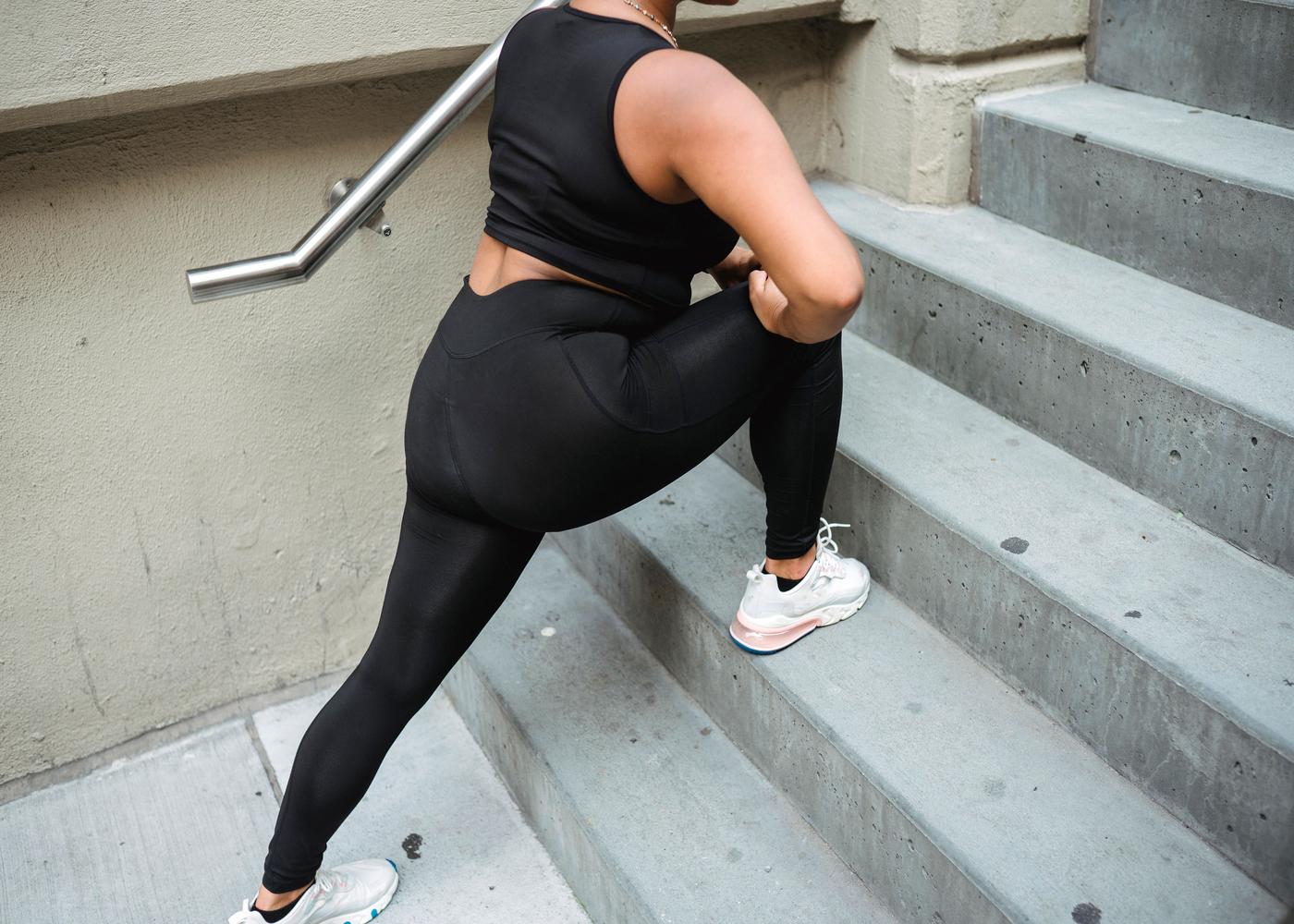
Find a sturdy box, a small bench, or a stair step that is twelve inches high. Step up with one foot, follow with the other, and step back down to the floor. Maintain a steady rhythm for three minutes.
Immediately sit down and count your pulse for one minute. A recovery heart rate that drops below one hundred beats per minute within that first minute shows a robust cardiovascular system.
If your heart rate stays elevated near your peak exercise rate, your recovery systems need conditioning.
How to Improve:
High-intensity interval training forces your heart to practice recovering between bursts of effort.
Alternate between one minute of hard effort on a stationary bike or rowing machine, followed by one minute of complete rest. Repeat this cycle for fifteen to twenty minutes to train your cardiovascular recovery.
Test Upper Body Strength: The Push-Up Test
The push-up indicates relative upper-body strength. It requires your chest, shoulders, and triceps to work together.
Start in a high plank position on the floor. Lower your body until your chest is an inch from the ground, then push back up to the starting position. You can drop to your knees if standard push-ups compromise your lower back posture.
A solid baseline for adult men is twenty consecutive repetitions. Adult women should aim for fifteen quality repetitions on either their toes or knees.
How to Improve:
If you struggle with full push-ups on the floor, practice incline push-ups with your hands elevated on a sturdy bench or countertop. This variation builds the core tension needed for the floor version. You can lower the surface height week by week until you reach the ground.
Supplemental exercises like dumbbell bench presses also build the required pressing strength.
Test Core Stability: The Plank Test
Core strength protects your spine and maintains posture during daily movements.
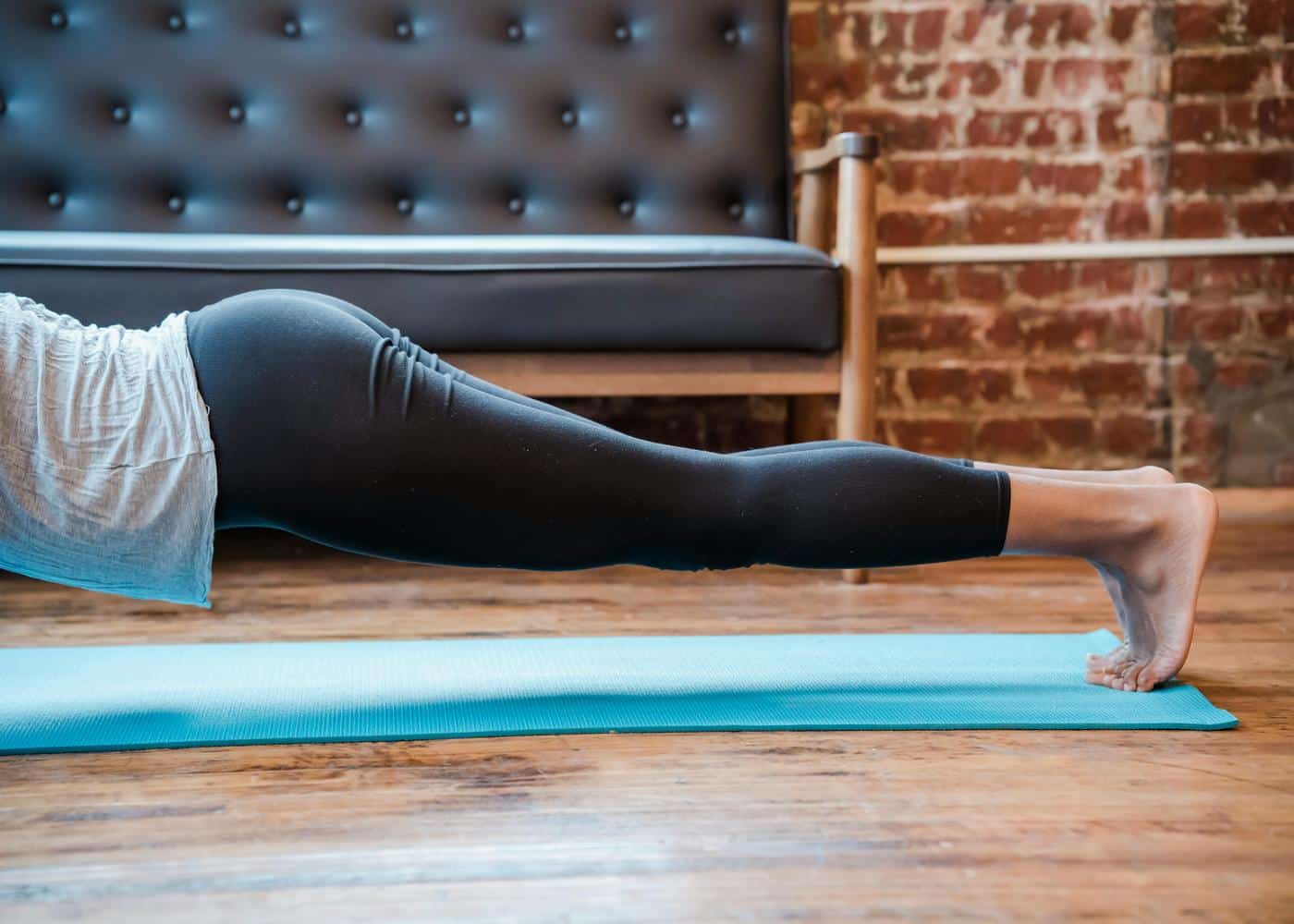
Get into a forearm plank position on the floor. Keep your elbows stacked beneath your shoulders and ensure your body forms a straight line from your head down to your heels. Hold this posture for as long as possible.
Stop the timer if your lower back dips toward the floor or your hips rise into the air. Holding an unbroken plank for sixty seconds is a standard baseline. Hitting the two-minute mark demonstrates excellent muscular endurance.
How to Improve:
Add dynamic core movements to your routine instead of just doing longer static planks.
The farmer's carry is a great option. Hold a heavy dumbbell in one hand and walk with an upright posture. This exercise teaches your core muscles to stabilize against shifting forces. This translates to a stronger stationary plank.
Test Lower Body Strength: The Wall Sit
The wall sit isolates your quadriceps and tests muscular endurance in the lower body.
Stand with your back flat against a wall. Slide down until your knees form a ninety-degree angle, mimicking the posture of sitting in a chair.
Start the clock and hold the position until your leg muscles fatigue. Aim for sixty seconds to establish a good baseline. Pushing past ninety seconds shows lower-body endurance that is above average.
How to Improve:
Wall sits are isometric holds, meaning the muscle does not change length during the movement.
To improve your time, build strength through a full range of motion. Add goblet squats, walking lunges, and step-ups to your routine to build the muscle power needed to support your body weight during static holds.
Test Upper Body Mobility: The Back Scratcher
Shoulder mobility degrades when we spend hours hunched over desks or steering wheels.
To test your mobility, reach your right arm straight up toward the ceiling and drop your hand down the middle of your back. Reach your left arm behind your lower back and slide that hand up your spine to meet the right one. Measure the gap between your fingers, then switch sides.
Your fingertips should touch or overlap. A gap of a few inches indicates tight latissimus dorsi muscles, stiff chest muscles, and restricted shoulder joint capsules.
How to Improve:
Incorporate dead hangs into your warm-up routine. Grab a pull-up bar and let your body weight hang for twenty to thirty seconds. This decompresses the spine and provides a passive stretch for tight shoulder joints.
Pectoral stretches in a doorway will also help open up the front of your shoulders.
Test Lower Body Flexibility: The Sit and Reach
Tight hamstrings alter your walking gait and contribute to lower back discomfort.
Sit on the floor with your legs straight out in front of you, and your feet flexed upward. Keep your knees pinned to the floor. Reach forward toward your toes as far as you can without pain and hold your maximum reach for two seconds.
Touching your toes is the baseline standard for lower-body flexibility. Reaching only your shins or your knees indicates a tight posterior chain.
How to Improve:
Static stretching has its place, but eccentric strengthening yields lasting mobility improvements.
Perform Romanian deadlifts with light dumbbells. Lowering the weight while keeping your legs straight actively lengthens the hamstrings under tension. This improves flexibility and strength simultaneously.
Test Balance: The Single Leg Stand
Balance relies on your nervous system and spatial awareness. It declines without consistent practice.
Stand barefoot on a hard, flat surface. Cross your arms over your chest, lift one foot a few inches off the floor, and close your eyes.
Stop the timer the moment you open your eyes, uncross your arms, or put your foot down to catch yourself. Fifteen seconds is a good goal for healthy adults. A time under five seconds indicates a need for dedicated balance training.
How to Improve:
Practice single-leg balances during routine daily tasks. Try standing on one leg while brushing your teeth or washing dishes.
Stacking this physical habit onto an existing daily routine trains your brain's balance centers without requiring extra time in your schedule.
Test Agility: The Line Jump
Agility training improves coordination and keeps your ankle joints resilient.
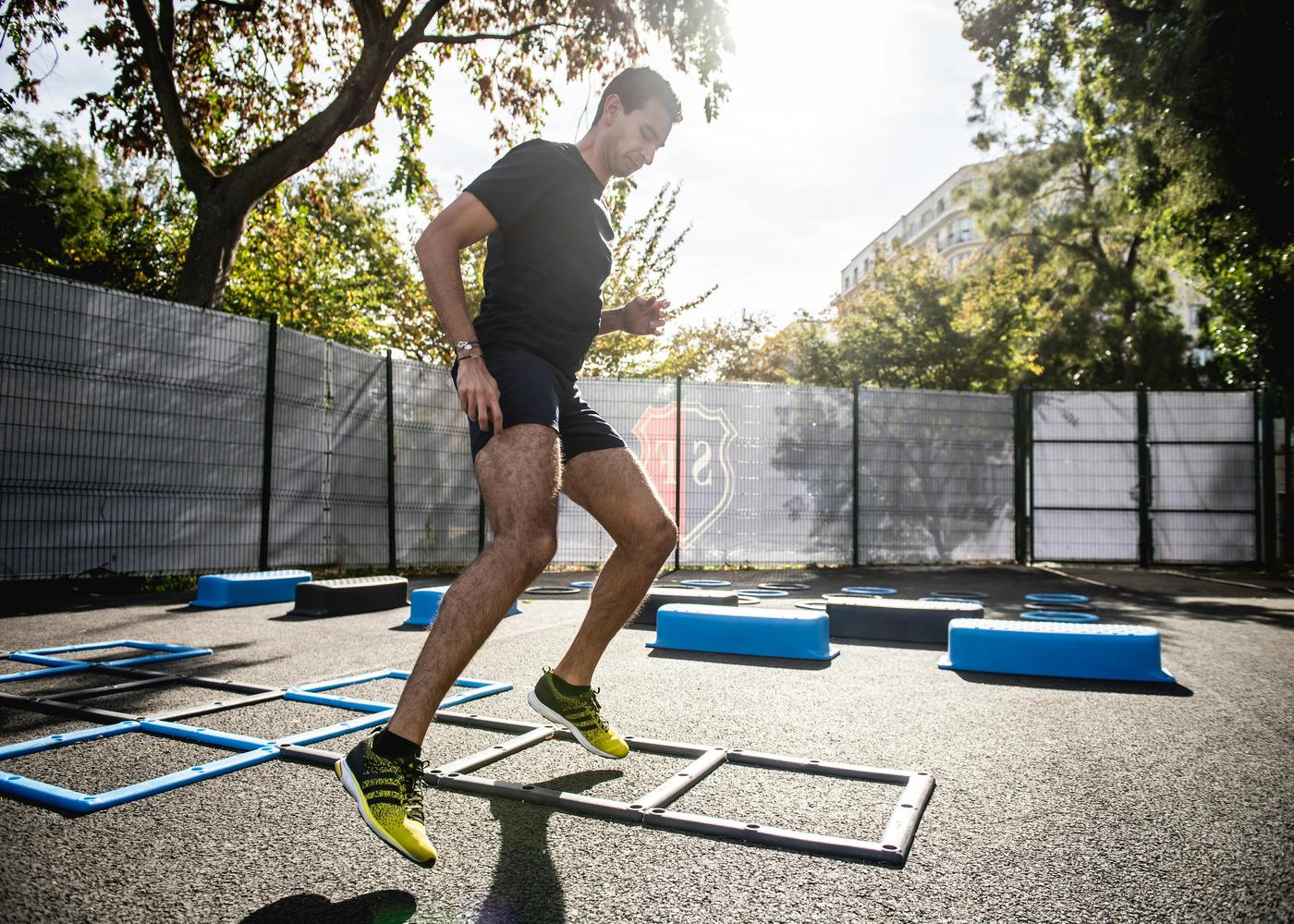
Place a piece of tape on the floor. Stand on one side, set a timer for thirty seconds, and jump laterally back and forth over the line as fast as you can.
Completing forty total jumps in thirty seconds demonstrates adequate foot speed and general athleticism.
How to Improve:
Incorporate an agility ladder or a jump rope into your fitness routine. Practicing precise footwork patterns trains your fast-twitch muscle fibers to fire with speed and accuracy.
Lateral bounds, where you jump from side to side, landing on one foot, also build the lateral power necessary for this test.
Test Functional Fitness: The Sit-to-Stand Test
This assessment mimics a daily movement pattern required for physical independence.
Sit in a standard, armless dining chair. Cross your arms over your chest to prevent using them for momentum. Stand up to a tall posture and sit back down as many times as possible in thirty seconds.
Completing twelve to fifteen repetitions demonstrates the leg strength and coordination needed to get out of bed or exit a vehicle with ease.
How to Improve:
Practice the box squat. Sit back onto a gym bench or a chair with a barbell or dumbbells. Pause for a second at the bottom, then drive back up to a standing position.
This pause eliminates bouncing momentum and builds true strength from a dead stop. This carries over directly to daily functional movements.
How to Improve Your Fitness Levels with Neura
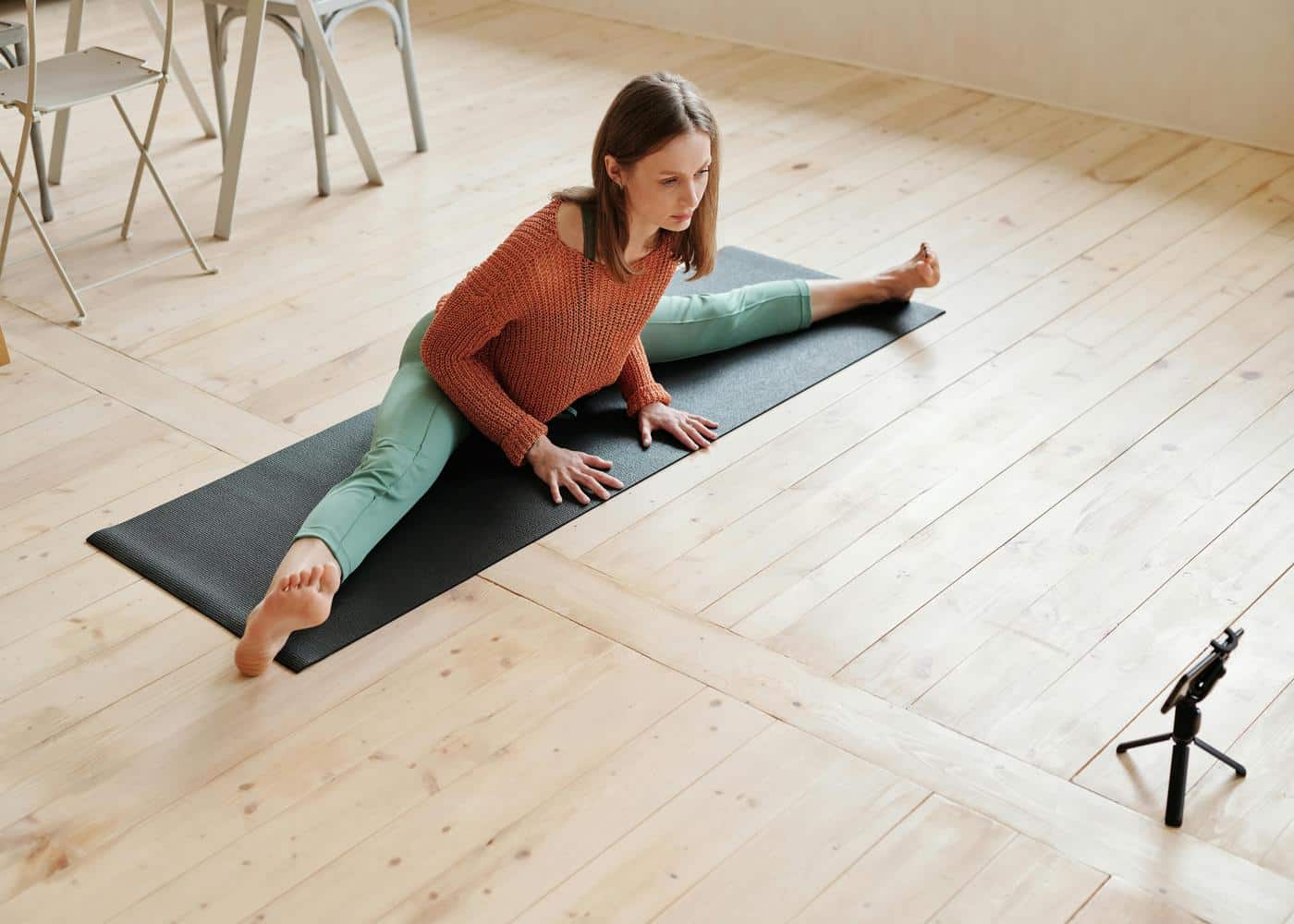
Gathering baseline data is the first step, but applying that information to a structured routine requires a bit of planning.
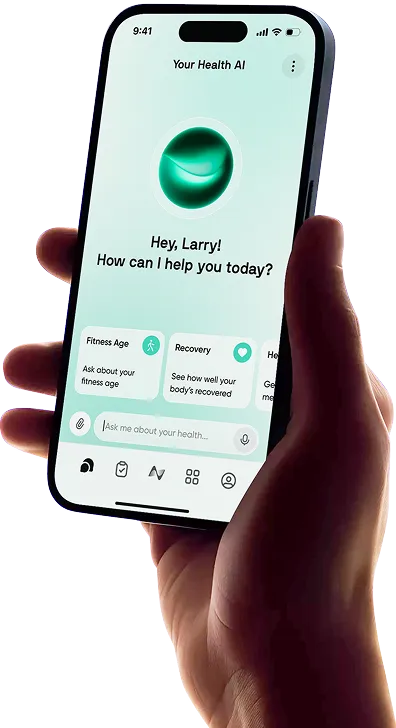
Neura acts as an adaptive digital coach that builds a clear path forward. Instead of providing a generic template, Neura takes your baseline and creates a personalized workout schedule based on your current capabilities.
For example, if your sit-to-stand test was strong but your upper body mobility was restricted, Neura can automatically incorporate exercises that target mobility work into your weekly sessions.
Offloading the programming and scheduling to Neura allows you to focus your attention entirely on execution.
Final Thoughts: Testing How Fit You Are
The ten fitness tests outlined above are practical tools designed to help you build a more capable and resilient physical foundation.
They highlight the specific muscle groups and energy systems that require more attention in your weekly routine.
Treat your fitness journey as an ongoing process of data collection and physical adaptation.
Log your initial test results in a notebook or spreadsheet. Set a calendar reminder to retest yourself in eight weeks under the exact same conditions.
Observing an increase in your push-up count or a decrease in your resting heart rate provides concrete proof that your training methods are working.
If certain metrics remain stagnant, you will know to adjust your volume or intensity. Consistently checking your baseline allows you to train with intention and track your true progress over the long term.

Article FAQ
How do I know how fit I am?
To know how fit you are, perform simple physical assessments at home instead of relying on guesswork. Test your cardiovascular endurance with a three-minute step test, check your upper body strength using push-ups, and measure your core stability with a timed plank. Recording these results gives you a clear, factual baseline of your current physical condition.
What is biological age?
Biological age is a measurement of how well your body functions at the cellular level compared to your actual chronological age in years. It accounts for your daily lifestyle habits, diet, stress levels, and exercise routine. A lower biological age indicates healthier cells and a stronger, more resilient internal system.
How to increase fitness levels?
If you want to know how to increase fitness levels, the most effective approach is combining regular cardiovascular exercise with weekly resistance training. Aim for at least one hundred and fifty minutes of moderate aerobic activity per week, plus two days of full-body strength training. Focus on progressive overload to continually challenge your muscles and heart.
Can you reverse your biological age?
Yes, you can actively improve and lower your biological age. By adopting healthier lifestyle habits like regular cardiovascular exercise, strength training, eating a nutrient-dense diet, and prioritizing quality sleep, you can improve your cellular health. These positive daily changes help your internal systems function as if they were years younger.
How often should I test my fitness levels?
You should test your fitness levels every eight to twelve weeks. This timeframe gives your body enough time to adapt to your current exercise routine and build new muscle or cardiovascular endurance. Checking your baseline on a set schedule ensures your workouts remain effective and helps you track tangible progress.
What is a good resting heart rate?
A good resting heart rate for most healthy adults falls between sixty and one hundred beats per minute. Highly active individuals and endurance athletes often have resting heart rates closer to forty or fifty beats per minute. A lower number generally indicates a stronger, more efficient heart that requires less effort to pump blood.