Spotting and Recovering from Physical Burnout: How To Guide
Fitness
Key Findings
Physical burnout is a severe physiological depletion caused by chronic stress, not just standard tiredness. Key warning signs include persistent insomnia, unexplained muscle tension, and a weakened immune system. Recovering your health requires a structured approach: prioritize high-quality sleep, consume nutrient-dense foods, establish firm boundaries, and replace intense exercise with gentle movement.

Pushing your physical limits for too long eventually leads to a profound state of exhaustion that permeates every system in your body.
When you consistently ignore the basic biological requirements for rest, nutrition, and recovery, your body will inevitably force you to stop by shutting down non-essential functions.
Plowing through these critical warning signals only deepens the cycle of fatigue, leading to a state of systemic depletion that standard rest cannot easily fix.
This persistent imbalance disrupts your hormones, weakens your immune response, and leaves you feeling perpetually drained regardless of how much you sleep.
Understanding how to identify severe bodily depletion is the first crucial step toward taking the actionable measures necessary to restore your health and regain your energy.
By recognizing the specific triggers and physiological responses associated with overexertion, you can begin to rebuild your vitality and prevent long-term damage to your physical well-being.
What is Physical Burnout?

Physical burnout is a state of profound physiological exhaustion caused by prolonged stress and overexertion. Unlike standard tiredness that resolves after a good night of sleep, this condition is chronic and deeply ingrained in your cellular function.
It occurs when your body's demand for energy consistently exceeds its capacity to produce and recover that energy over an extended period. This chronic imbalance disrupts your central nervous system, alters your hormone production, and impairs your immune response.
You are no longer just tired; your basic biological systems are struggling to perform their standard daily functions.
It is a biological protective mechanism where your body drastically slows down all non-essential operations to preserve its remaining, severely limited resources. Recognizing this state is critical because pushing through it will only cause further damage to your health.
Physical Burnout Symptoms
Recognizing the specific physical burnout symptoms early can prevent months of difficult rehabilitation. The following are the most common manifestations of a body that has been pushed too far.
Chronic Fatigue and Sleep Disturbances
When exhaustion sets in deeply, it often disrupts your natural sleep cycles. You might find yourself exhausted during the day but entirely unable to fall asleep at night.
This paradoxical insomnia is a hallmark of severe overexertion. Even when you do manage to sleep for eight or nine hours, you wake up feeling completely unrefreshed.
Your body remains in a constant state of weariness that no amount of rest seems to cure. This chronic fatigue permeates every aspect of your life, making simple tasks like getting out of bed or preparing a meal feel insurmountable.
Your energy reserves are completely depleted, and your body struggles to perform basic cellular repair during the night. Consequently, your overall stamina drops significantly, leaving you drained before the day even begins.
Unexplained Muscle Aches and Tension
A body under extreme stress will often manifest that tension directly within the muscular system. You may start noticing unexplained aches, stiffness, or sharp pains in your muscles and joints, even if you have not engaged in any strenuous athletic activity.
This occurs because chronic stress keeps your muscles in a state of guarded tension to protect you from perceived threats.
Over time, this constant contraction leads to deep muscle fatigue and pain. Common problem areas include the neck, shoulders, and lower back.
You might also experience frequent tension headaches or jaw pain from unconsciously clenching your teeth. These physical pains are direct, undeniable signals that your central nervous system is overwhelmed and entirely struggling to relax.
Frequent Illness and Weakened Immunity
Your immune system requires massive amounts of energy to function correctly. When you are severely depleted, your body redirects its limited resources away from immune defense to simply keep your vital organs functioning.
As a result, your natural defenses drop, leaving you highly susceptible to every passing virus and bacterial infection. You may find yourself catching colds much more frequently than usual.
Furthermore, the recovery time for these minor illnesses stretches out significantly. A common cold that normally takes a few days to shake off might linger for several weeks.
This persistent state of mild illness is a clear indicator that your bodily systems are compromised and desperately require an extended period of proper rest and rehabilitation.
Gastrointestinal Issues and Appetite Changes
The connection between your brain and your gut is incredibly sensitive to stress and exhaustion. When you push your body past its limits, your digestive system is often one of the first things to suffer.
You might experience persistent nausea, stomach cramps, severe bloating, or irregular bowel movements.
Additionally, severe exhaustion heavily impacts your appetite. Some individuals completely lose their desire to eat, finding the mere thought of food unappealing.
Others might experience intense cravings for high sugar or heavily processed foods as the body desperately searches for quick sources of energy.
These gastrointestinal disruptions prevent you from absorbing the necessary nutrients your body needs to heal, creating a vicious cycle of continued depletion and fatigue.
Heart Palpitations and Cardiovascular Strain
Cardiovascular anomalies are common indicators of extreme physical exhaustion. When your body is constantly running on empty, your adrenal glands pump out stress hormones like cortisol and adrenaline to keep you functioning.
This hormonal flood forces your heart to work much harder than necessary. You might notice your resting heart rate is significantly higher than your normal baseline.
Frequent heart palpitations, where your heart feels like it is skipping a beat or fluttering in your chest, are also prevalent.
You could even experience sudden spikes in blood pressure or shortness of breath during very mild exertion. These symptoms highlight the intense strain placed on your cardiovascular system by chronic overwork and insufficient recovery.
What Causes Physical Burnout?
Understanding the root causes of your depletion is vital for preventing it from happening again. This exhaustion is rarely the result of a single event. It is the accumulation of multiple stressors over time.
Chronic Overworking: Consistently working long hours without taking adequate breaks or vacations drains your energy reserves faster than they can be replenished.
Insufficient Sleep: Routinely getting less than seven hours of sleep prevents your body from completing necessary repair processes and regulating essential hormones.
Prolonged Psychological Stress: Constant worry regarding finances, relationships, or career pressures keeps your nervous system in a sympathetic state, leading to systemic fatigue.
Poor Nutritional Habits: Relying on processed foods, excess sugar, and caffeine deprives your body of the essential micronutrients required for natural energy production.
Overtraining: Engaging in high-intensity workouts without scheduling proper rest days causes cumulative muscle damage and central nervous system fatigue.


How to Recover from Physical Burnout

Healing from deep exhaustion requires a deliberate and structured approach to your daily routine. You must prioritize recovery with the same dedication you previously applied to your work or training.
Prioritize Restorative Sleep Habits
Recovery fundamentally begins with sleep, but merely spending time in bed is not enough. You must focus on the quality and restorative nature of your sleep.
Start by establishing a strict sleep schedule, going to bed and waking up at the exact same time every day, including weekends. This consistency helps regulate your circadian rhythm.
Create a nighttime routine that signals to your brain that it is time to wind down. This routine should begin at least one hour before bed and must exclude all electronic devices, as the blue light emitted by screens severely inhibits the production of melatonin.
Instead, engage in calming activities like reading a physical book, taking a warm bath, or practicing light stretching.
Ensure your bedroom environment is optimized for sleep by keeping it dark, quiet, and cool. Investing in blackout curtains and a high-quality mattress can make a substantial difference.
By treating your sleep environment as a sanctuary dedicated solely to rest, you provide your body with the necessary foundation to begin cellular repair and hormonal balance.
Implement Active Recovery Techniques
While passive rest is crucial, incorporating active recovery techniques can significantly accelerate your healing process.
Active recovery involves low-intensity movements and therapies designed to promote blood flow and reduce muscle tension without placing additional stress on your central nervous system.
Foam rolling is an excellent method for releasing myofascial tightness and improving tissue elasticity. Spending just ten minutes a day rolling out major muscle groups can alleviate the deep aches associated with exhaustion.
Contrast water therapy, which involves alternating between hot and cold water in the shower, can also stimulate circulation and reduce systemic inflammation.
Additionally, dedicated mobility work focused on joint health helps alleviate the stiffness that accumulates from prolonged stress.
These techniques help flush out metabolic waste products from your tissues and deliver oxygen-rich blood to areas that need healing.
By actively participating in your physical restoration, you help your body transition out of a chronic threat state and into a parasympathetic state, which is vital for long-term recovery.
Optimize Nutrition for Energy Replenishment
Food is the fuel your body uses to repair itself, and during a state of extreme depletion, your nutritional choices are more important than ever.
You must focus on consuming whole, nutrient-dense foods that provide sustained energy rather than quick spikes and crashes.
Prioritize complex carbohydrates like sweet potatoes, brown rice, and oats, which offer a steady release of glucose. Combine these with high-quality proteins to support muscle repair and healthy fats, such as avocados and nuts, to support brain health and hormone production.
Hydration is equally critical. Even mild dehydration can exacerbate feelings of fatigue. Aim to drink plenty of water throughout the day.
It is also vital to drastically reduce your intake of alcohol and caffeine. While caffeine might seem like a necessary tool to combat tiredness, it artificially stimulates your adrenal glands and masks the underlying fatigue, ultimately prolonging the recovery process.
By feeding your body the correct building blocks, you facilitate true cellular energy production instead of relying on artificial stimulation.
Establish Firm Work and Life Boundaries
Physical exhaustion rarely happens in a vacuum. It is usually the result of consistently overextending yourself in your personal or professional life.
To heal, you must fundamentally change how you allocate your time and energy by setting rigid boundaries.
This means learning to say no to new projects, social obligations, or extra responsibilities that do not serve your immediate need for rest. You have to clearly communicate your limits to your colleagues, managers, and family members.
Once your designated workday is over, completely disconnect from work-related communications. Do not check emails or take work calls during your personal time.
It is crucial to monitor yourself for the signs of physical burnout so you can adjust your boundaries before you relapse into old habits.
Create dedicated blocks of time in your calendar solely for yourself, treating them with the same importance as a mandatory business meeting.
Protecting your energy is a necessary defense mechanism that allows your nervous system the uninterrupted time it needs to fully reset and recover.
Engage in Stress Reduction Practices
Because exhaustion is deeply tied to chronic stress, actively managing your mental state is a required component of physical healing. You need to implement daily practices that directly calm your nervous system.
Mindfulness meditation is a powerful tool for this. Spending just ten to fifteen minutes a day observing your thoughts without judgment can significantly lower cortisol levels.
Deep breathing exercises, such as box breathing or diaphragmatic breathing, provide an immediate physiological cue to your body to relax.
Journaling is another effective method for processing the mental clutter and anxieties that often accompany severe fatigue. Getting your thoughts out of your head and onto paper can reduce mental load and promote better sleep.
If your stress is deeply rooted in complex life situations, seeking the guidance of a licensed professional can provide you with personalized coping strategies.
Making stress reduction a non-negotiable part of your daily routine ensures that you are treating the root cause of your exhaustion, rather than just managing the physical symptoms.
Gradually Reintroduce Gentle Movement
When you are ready to start exercising again, you must approach movement with extreme caution and patience.
Jumping back into high-intensity workouts will immediately shock your system and plunge you right back into a state of depletion. Instead, you must gradually reintroduce gentle, low-impact movement.
Start with short, leisurely walks in nature, which offer the combined benefits of mild cardiovascular exercise and the stress-reducing effects of the outdoors.
Restorative yoga or tai chi are also excellent options, as they focus on the mind-body connection, flexibility, and controlled breathing without elevating your heart rate excessively.
Listen closely to your body during and after these activities. If you feel excessively tired the next day, you have done too much and need to scale back.
The goal of this movement is not to burn calories or build muscle, but rather to gently remind your body how to move efficiently and to rebuild your baseline stamina over a period of several weeks or months.
Overcoming Physical Exhaustion With Neura

Navigating the path back to full health is complex, but utilizing modern tools can streamline the process.
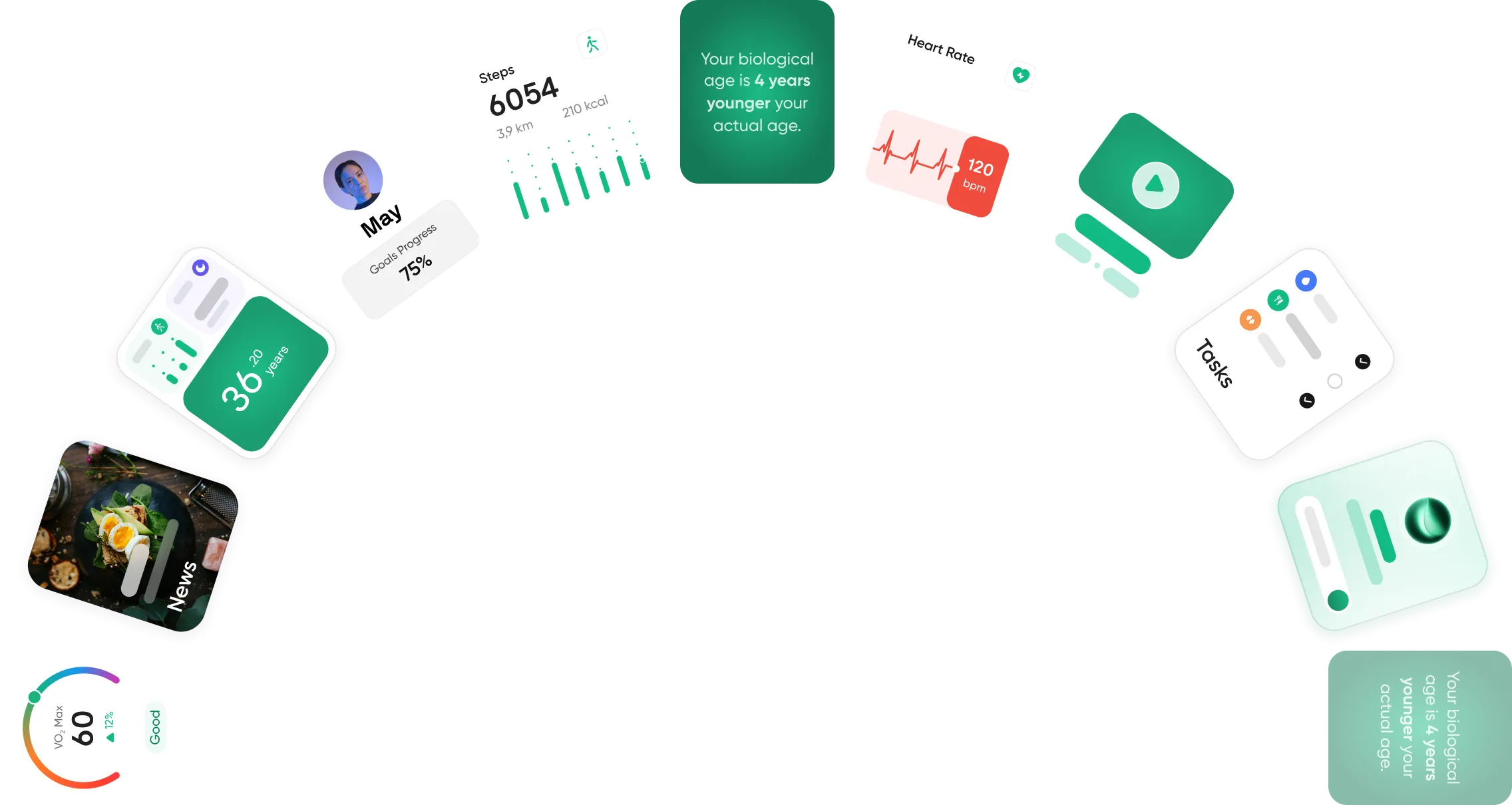
Neura offers a comprehensive platform designed to assist your healing journey by providing structure and actionable data. By utilizing consolidated metric tracking, the system seamlessly integrates data from your preferred wearable devices, smart rings, and fitness trackers into one centralized location.
This precise biological data allows Neura to create adaptive plans that automatically adjust based on your daily energy reserves, sleep architecture, and current recovery progress.
This takes the guesswork out of your rehabilitation, providing you with a structured, data-driven approach to safely regaining your vitality.
Final Thoughts: Physical Burnout Recovery
Restoring your health after severe physiological depletion is a slow process that requires patience and specific lifestyle adjustments.
By prioritizing restorative sleep, establishing clear physical boundaries, and using data-driven tracking tools, you can navigate your physical burnout recovery and reduce the risk of future relapse.
Consistent physical output requires a stable foundation of health. While it can be tempting to ignore fatigue, responding to your body’s signals is the only sustainable way to maintain long-term function.
As you progress, respect your biological limits and apply the same discipline to your rest that you previously applied to your training.
Taking the necessary time to heal is a practical requirement for ensuring your future vitality and physical well-being.
Article FAQ
What is physical burnout?
Physical burnout is a state of severe, chronic physiological exhaustion. It happens when your body is pushed beyond its limits for an extended period without adequate rest, leading to a breakdown in standard bodily functions, hormone production, and energy recovery systems.
What does physical burnout feel like?
It feels like a deep weariness that simply does not go away after resting. You might feel physically heavy, constantly drained, and completely unable to perform simple daily tasks. It is often accompanied by a profound sense of weakness and a total lack of physical stamina, making even getting out of bed feel like a monumental effort.
What are the physical symptoms of burnout?
The most common indicators include persistent fatigue, paradoxical insomnia, where you are tired but cannot sleep, unexplained muscle aches, and frequent tension headaches. You might also experience digestive issues, a weakened immune system leading to frequent illnesses, and cardiovascular strain, such as a higher resting heart rate or palpitations.
How do you fix physical burnout?
Fixing severe exhaustion requires a multi-step approach centered entirely on deep recovery. You need to enforce strict boundaries around your work and personal obligations, prioritize eight to nine hours of high-quality sleep every night, consume nutrient-dense whole foods, and replace intense exercise with gentle movement like walking or restorative yoga.
How long does it take to recover from physical burnout?
Recovery time varies significantly depending on the severity and duration of your depletion. Mild exhaustion might resolve in a few weeks with proper rest and boundary setting. However, severe and chronic burnout can take several months to over a year of dedicated rehabilitation and permanent lifestyle changes before your energy levels fully return to their normal baseline.
What is the difference between physical and mental burnout?
Mental burnout primarily affects your cognitive function and emotional state, often causing cynicism, brain fog, detachment, and a severe lack of motivation. Physical burnout directly impacts your body's physiological systems, resulting in tangible symptoms like muscle pain, frequent illness, and sheer physical exhaustion. While they have different primary symptoms, the two conditions very frequently occur together.