The 10 Best Fitness Apps for Men: Tried and Tested 2026
Fitness

Key Findings
The right fitness application removes friction from your routine. Choose Fitbod for automated lifting, Strong for manual logging, Strava for cardio, or Nike Training Club for free video coaching.
Finding a solid training app takes time and patience. The app stores are full of applications that overpromise and underdeliver.
Sorting through the noise to find the best exercise app for men requires testing these apps in a real gym environment. We want an application that matches our specific training style without getting in the way.
Some guys want a blank digital logbook to record their numbers and track their volume. Others prefer a guided program to build endurance or a community to keep them accountable.
If an application disrupts your focus, drains your battery, or hides basic functions behind an expensive paywall, it gets deleted.
We are here to look at what actually works on the gym floor. This list breaks down ten applications that provide actual value. We structured our review based on how these apps function when you are putting in the work.
What Do We Look for in a Fitness App for Men?

Testing these applications means taking them onto the gym floor and out onto the pavement. We evaluate them on pure utility rather than marketing claims. Here are the core criteria we use to filter out the junk.
Ease of use: The interface needs to be fast and intuitive. Entering your numbers should take two taps. Complex menus ruin your focus during a heavy session. You do not want to be searching for an exercise when you only have ninety seconds of rest.
Depth of features: A good application provides built-in plate calculators, one rep max estimators, and volume load charts. It handles the math so you can focus on the movement. Having a library of substitute exercises is also key when someone is hogging the squat rack.
Data integration: Your training log needs to communicate with your wearables. Syncing heart rate and sleep data provides a realistic view of your physical state. This prevents you from pushing too hard on days when your body needs rest.
Value: Subscriptions must deliver ongoing utility. If a free application offers the same tools as a paid subscription, we highlight the free option. We looked at whether the cost justified the features provided.


Our Best Fitness Apps for Men

These ten tried-and-tested applications deliver real utility on the gym floor, whether you need a data-driven coach, a streamlined logbook, or a global cardio community.
1. Fitbod
Fitbod builds a custom routine based on your current recovery status. You tell the application what equipment you own. The algorithm then looks at your previous sessions and generates a workout targeting fresh muscle groups.
It calculates your working weight based on past performance to ensure you hit progressive overload. This setup makes it a solid AI personalized fitness app for athletes who want structured progression.
The interface is visual. It displays a body heat map indicating which muscles are ready for exertion and which need rest.
Fitbod considers even the minor stabilizer muscles when calculating your recovery. It adapts to your environment without missing a beat.
If you switch from a commercial gym to a hotel weight room with limited dumbbells, the app adjusts the routine on the spot to match your exact surroundings. It also integrates with Apple Health to read your past cardio sessions, adjusting leg day if you just ran five miles.
Key Features:
Generates daily routines based on muscle recovery percentages.
Adjusts exercises based on your specific gym equipment inventory.
Best For: Lifters who want their programming automated based on their current physical readiness.
2. Strong
Strong is a digital logbook built for efficiency. It offers a clean interface devoid of social feeds or video classes. You build your routine, input your numbers, and get to work.
The application tracks your lifetime volume and alerts you when you hit a new personal record. Seeing your entire history of a specific lift gives you the confidence to add five more pounds to the bar.
The built-in timer kicks in the moment you check off a set, keeping your session on a strict schedule. It stays out of your way and lets you focus on lifting.
The application includes a native plate calculator, saving you mental energy when loading the barbell.
You can group exercises into supersets or drop sets with a single tap. The data export tool allows you to back up your entire lifting history to a spreadsheet for personal review.
The interface works well in dark mode, which is easier on the eyes during early morning sessions.
Key Features:
Clean grid interface for rapid data entry between sets.
Automated rest timers and native plate calculators.
Best For: Men who follow established programs and need a reliable logging tool.
3. Strava
Strava dominates the endurance space. It tracks your running, cycling, and swimming routes using GPS data. The application records your pace, elevation gain, and total distance traveled.
The segment feature divides popular routes into timed sections. This allows you to compare your speed against local peers. This local leaderboard adds a competitive layer to standard cardio sessions.
Strava functions as a social network for athletes. You can view your friends' routes, comment on their activities, and join clubs based on your location or interests.
The app frequently hosts community challenges, like completing a certain distance in a month to earn a digital badge.
The safety beacon feature lets you share your live location with trusted contacts during long runs. It provides real peace of mind when training far from home. It also connects with smart bike trainers for indoor rides during bad weather.
Key Features:
Accurate GPS route mapping and pace analysis.
Segment leaderboards for local competition.
Best For: Runners and cyclists who want route data and community-driven competition.
4. Nike Training Club
Nike Training Club provides a massive library of video-guided routines at no cost. You get access to professional coaches teaching mobility, core strength, and interval training.
Because it requires zero financial commitment and guides you through every movement, it stands out as the best fitness app for beginners.
You can select a single workout or follow a multi-week program to build a foundational level of fitness. They have programs designed for yoga, bodyweight strength, and full gym setups.
The production quality is high. The coaches explain proper form and pacing throughout the entire session. You can cast the workouts to your television for a better viewing experience.
The application includes routines that require zero equipment, making it a great app for home workouts or hotel rooms.
They also feature guest appearances from professional athletes who share their exact training routines.
Key Features:
On-demand video classes led by credentialed trainers.
Structured multi-week programs for different fitness levels.
Best For: Guys looking for structured video instruction without paying a monthly fee.
5. Hevy
Hevy blends a traditional workout logger with a social network. You record your sets and view your volume progression through detailed charts.
The application allows you to follow other users, view their routines, and copy their workouts to your own profile. It provides a way to find new exercises and stay motivated by watching the progress of your peers.
For guys who want that mix of data and community, this is a top choice and often considered the best workout app for men. The interface supports complex routines, including giant sets and custom rest periods for specific exercises.
If an exercise is missing from their database, you can create a custom movement and track it just like a standard lift.
The developers update the app frequently based on user feedback. The application provides a breakdown of your muscle group engagement at the end of every week. You can leave comments on a friend's workout to keep them accountable.
Key Features:
Comprehensive logging tools with detailed progress charts.
Social feed to share routines and track friends' progress.
Best For: Lifters who want to log their data while engaging with a community for motivation.
6. Future
Future pairs you with a human coach. You do an initial consultation to discuss your goals, schedule, and injury history. Your coach then builds a weekly plan directly in the app. They monitor your completion rates and synced biometric data.
If you miss a day or have to travel, your coach adjusts the schedule to keep you on track. It provides the accountability of a personal trainer in a digital format.
The application relies on audio messages. Your coach will send you a voice note before your workout to review the plan and provide cues for specific lifts. They will text you the day after a grueling leg day to see how your body feels.
You can record a video of your sets and send it to your coach for direct form correction. The coaches check in on your nutrition and hydration, keeping you honest outside the gym.
Key Features:
Direct messaging and audio feedback from a dedicated coach.
Customized weekly programming that adapts to your life schedule.
Best For: Men who need strict accountability and expert guidance to maintain a routine.
7. Centr
Centr handles fitness from multiple angles. It provides daily workout routines alongside meal plans and guided meditations.
The workouts lean toward functional movement and athletic conditioning. The nutrition side generates grocery lists based on your selected meal plan.
It is a consolidated application for men who want to manage their movement, diet, and mental focus in one place.
The user interface acts as a daily planner. You open the application in the morning and see your scheduled physical activity, your recommended meals, and a recovery task.
The content features a rotating cast of experts in different fields. Combining everything into one app saves money compared to paying for a meditation app, a meal prep service, and a gym program separately.
You get access to strength coaches, chefs, and sports psychologists within a single subscription. The app frequently drops new content blocks, keeping the daily routine from getting stale.
Key Features:
Daily planner with scheduled workouts, meals, and mindfulness tasks.
Nutrition tools, including recipe guides and automated grocery lists.
Best For: Guys who want a unified approach to exercise, diet, and stress management.
8. JuggernautAI
JuggernautAI uses complex periodization to increase your absolute strength. It targets powerlifters focusing on the squat, bench press, and deadlift.
You input your personal records and weak points during setup. Before you train, you answer a few questions about your diet, sleep, and physical soreness. The system alters your daily volume and intensity based on those answers to ensure you peak at the right time.
The algorithm manages your entire training block. It transitions you from hypertrophy phases into strength and peaking phases smoothly.
The application provides detailed charts showing your estimated one rep max for each core lift. It adapts to your progress, adding weight to the bar only when the data shows you are capable of handling it safely.
The setup process takes a few minutes, but that upfront data entry pays off with accurate programming.
Key Features:
Periodized programming designed specifically for powerlifting.
Daily readiness check-ins that adjust your prescribed workload.
Best For: Serious strength athletes aiming to increase their numbers on the big three lifts.
9. Aaptiv
Aaptiv replaces video instruction with audio cues. You select a class, put your phone in your pocket, and listen to the coach over a music playlist.
The instructor tells you when to sprint, when to increase the incline, or when to rest. It is a solid format for treadmill running or outdoor workouts where staring at a screen is a hazard.
The audio format forces you to focus on your breathing and your pacing rather than watching a timer count down.
The application lets you filter classes by duration, target heart rate zone, and musical genre. They update the music playlists constantly, so you never get bored hearing the same tracks.
It integrates with smartwatches, allowing you to leave your phone in the locker room while you train on the gym floor. They offer programs designed to help you run your first 5K or train for a half-marathon.
Key Features:
Audio-guided coaching for screen-free training.
Classes categorized by machine, duration, and music genre.
Best For: Guys who want coaching during their cardio sessions without watching a video.
10. Caliber
Caliber focuses on the science of progressive overload. The app includes a scoring system that measures your strength balance across different muscle groups. This highlights weak areas and helps you build a symmetrical physique.
The application offers a robust set of free logging tools. You have the option to upgrade to a premium tier for one-on-one coaching and form checks.
The application provides detailed video tutorials for every exercise in its database. The written instructions explain the biomechanics of the movement, ensuring you target the correct muscle fibers.
Caliber tracks your estimated one rep max and your total volume load for each session, plotting the data on a clean graph to visualize your long-term progress.
The developers host weekly office hours in the app to answer user questions about programming and form.
Key Features:
Strength scoring system to identify muscular imbalances.
Science-based workout templates focused on progressive overload.
Best For: Analytical lifters who want objective strength metrics to guide their training.
Build Your Ideal Fitness Plan with Neura

Tracking your gym sessions covers half the equation. The other half involves managing what happens outside the gym since physical adaptation occurs during rest.
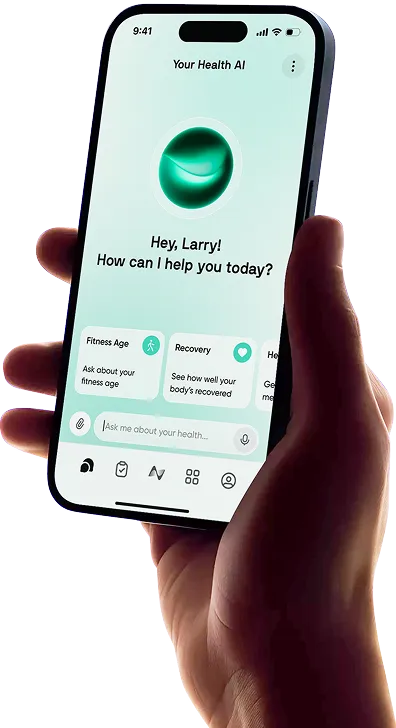
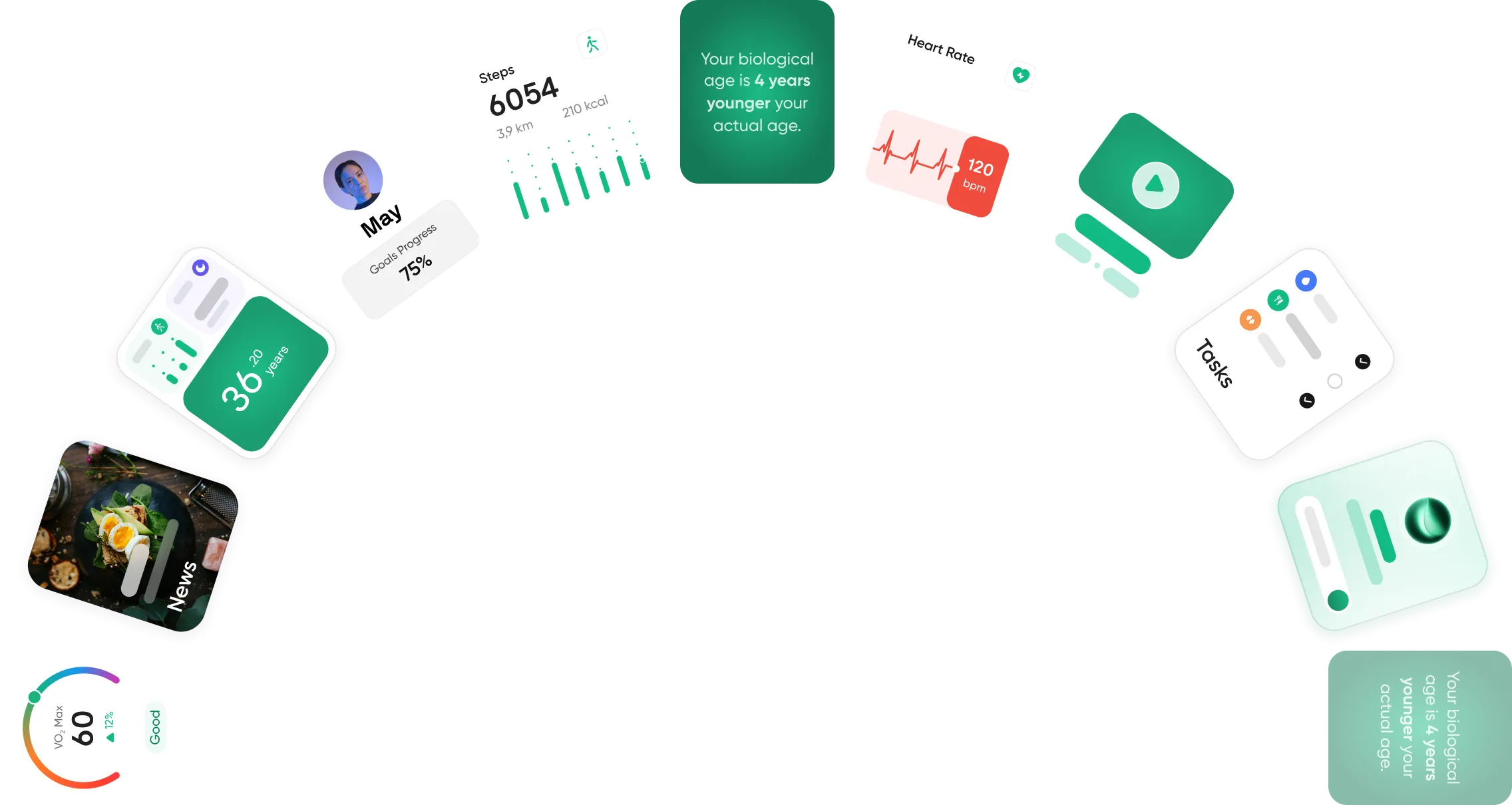
Neura provides an application to consolidate your data, so you get a full picture of your health. Instead of looking at your sleep tracker, your workout log, and your heart rate monitor in isolation, Neura pulls all that information into one dashboard.
The system analyzes your resting heart rate and sleep architecture to gauge your physical readiness.
If your smart ring shows a spike in stress or poor sleep quality, Neura gives you actionable insights on how to adjust your training for the day.
It might see you have a heavy deadlift session scheduled in JuggernautAI, but suggest you swap it for a light mobility routine in Nike Training Club instead.
Then, if your Strava data shows a brutal weekend cycling session, Neura can dial back the volume targets in Strong for your Monday lifting workout.
This integration helps you avoid overtraining because you match your physical output to your actual recovery capacity.
Aligning your gym efforts with your daily health metrics ensures you make consistent progress without burning out or risking injury. Neura bridges the gap between exertion and recovery by turning scattered data into a cohesive daily action plan.
Final Thoughts: Fitness Apps for Men
Selecting the right application is about removing friction from your routine. The apps we covered represent the most capable options available in 2026.
Figure out what you need your phone to do for you on the gym floor. Download a few apps, use the free trials, and test the interfaces during a real workout. Check how the application handles data entry when your hands are sweaty and your heart rate is elevated.
Once you find the app that fits your workflow, stick with it. Jumping from program to program kills your momentum.
Technology should handle the math, the scheduling, and the data analysis. Your job is to show up and put in the effort. Pair a solid tracking app with consistent discipline, and your physical goals become a matter of time and execution.
Article FAQ
What is the best workout app for men?
It depends entirely on your goals. For heavy lifting, Strong or Hevy are excellent choices. For endurance and cardio, Strava takes the lead. If you want an app to generate the workouts for you based on muscle recovery, Fitbod is a great all-around option.
What is the best workout app for men over 40?
Centr is a fantastic option here. As we age, recovery, mobility, and nutrition become just as important as lifting heavy weights. Centr combines functional movement, meal planning, and stress management into one application. It helps you build sustainable habits without destroying your joints.
Which app is best for men who want to get ripped?
Getting ripped comes down to progressive overload and dialing in your nutrition. JuggernautAI and Fitbod are incredible for pushing your strength limits through structured programming. Pair one of those with a solid daily nutrition tracker, and you have the blueprint for building serious muscle mass.
What is the best free workout app for men?
Nike Training Club is tough to beat in the free category. It provides high-quality video-guided routines from professional coaches without hiding anything behind a subscription wall. Hevy also offers a very generous free tier if you just want a clean space to log your own lifting numbers.
Are paid workout apps worth the money?
Yes, if they solve a specific problem for you. Paying for an app that handles all the math, periodization, and progressive overload tracking saves you hours of planning. Think of it like paying a fraction of a personal trainer's rate to get an adaptable plan right in your pocket.
Can an app replace a personal trainer?
Applications like Future bridge that gap directly by pairing you with a real human coach through your phone. Pure tracking apps replace the programming side of a trainer perfectly. They cannot physically correct your form mid-set, so you still need to pay close attention to your technique.