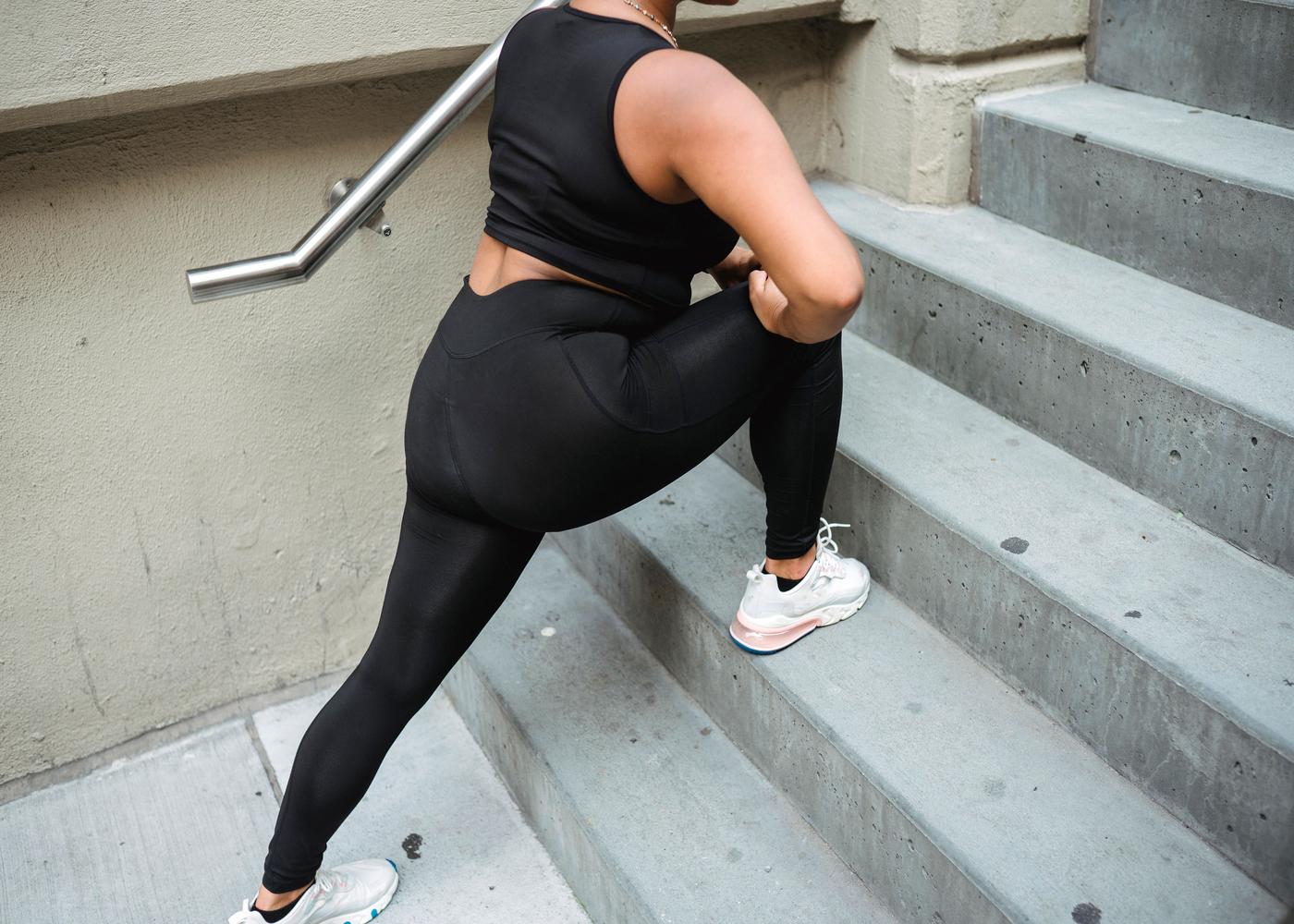
GLP-1 Workout Plan: 4-Week Routine for Muscle Retention & Weight Loss
Fitness

Key Findings
Losing weight with GLP-1 is effective, but adding movement ensures you burn fat instead of muscle. This 4-week plan uses simple, equipment-free moves to help you stay strong and keep your energy steady. Follow along to protect your muscle mass and build habits that stick.

Losing weight is a big change, and if you are using GLP-1 medication to help manage your appetite and blood sugar, you are likely seeing some real shifts in your body.
It is easier to stick to your food goals when you are not fighting constant hunger signals all day long.
But here is the thing that people do not talk about enough: when you lose weight, your body does not just get rid of fat. It also breaks down muscle tissue for energy.
You want to keep your muscles so you stay strong, move well, and keep your body running efficiently.
Balancing your medication with a bit of movement is where the actual results come from. Getting the most out of your routine does not have to feel like a chore or a complicated science experiment.
Why is a GLP-1 Exercise Program Important?

It is easy to think that because the medication is doing the heavy lifting, you can just cruise. But being active while on these meds is the best way to make sure your results actually stick around.
Keeping Your Muscle Mass
Think of your muscles like a fire. The more muscle you have, the more energy your body burns all day long, even when you are just hanging out on the couch.
If you do not use your muscles, your body might decide they are taking up too much energy and start breaking them down.
Doing some strength work keeps that fire burning. It sends a message to your body that your muscles are important and should stay put.
For more help maintaining healthy muscle mass and promoting healthy weight loss, check out our recommended supplement list for GLP-1 users.
Helping Your Metabolism
We all want a metabolism that runs smoothly. When you use a structured GLP-1 exercise program, you help your body stay efficient at processing energy.
Your cells get better at using glucose, which keeps your blood sugar levels nice and steady.
It is like giving your body a little extra help to keep your energy levels consistent throughout the afternoon instead of crashing after lunch.
Strengthening Your Bones
Losing weight quickly is hard on your frame. When you carry less weight, your bones have less pressure on them, but you still need to keep them strong.
Doing movements that involve your own body weight helps keep your bones dense and healthy. It is a long-term goal for your physical health that you will appreciate later on.
Boosting Your Mood
Life is stressful, and trying to change your health habits can add to that stress. Moving your body is one of the quickest ways to clear your head.
It releases chemicals that help you feel more relaxed and positive. Even if you only have a few minutes, getting moving can turn a bad day around and help you feel more like yourself.
Improving Mobility
As your body composition changes, the way you move in daily life changes too. Strengthening your muscles helps you maintain your balance and agility.
The best exercises while on GLP-1 are those that mimic the movements you do in everyday life, ensuring that as you get lighter, you also feel more capable and in control of your body.


4-Week GLP-1 Workout Routine

This 4-week GLP-1 workout plan is designed to support fat loss, muscle retention, energy, mobility, and consistency without making exercise feel overwhelming.
Because GLP-1 medications can reduce appetite and sometimes cause nausea or fatigue, the aim is not to train as hard as possible. It is to build a sustainable routine that helps you stay active, preserve strength, and recover well.
Start slowly and pay attention to how your body responds. If you have a medical condition, take medication, or are new to exercise, speak with a healthcare professional before beginning.
Week 1: Build Your Foundation
The first week is about easing into regular movement. The sessions combine gentle cardio, mobility work, and basic strength exercises, but every workout should feel comfortable. You should usually finish with some energy left rather than feeling completely drained.
Day 1: Full-Body Strength Basics
Begin with two sets of 10 chair squats, sitting your hips back until you lightly touch the seat before standing again.
Follow these with two sets of 10 wall push-ups, keeping the movement slow and controlled. Next, complete two sets of 12 glute bridges and two sets of 12 standing calf raises.
Finish with a relaxed 10 to 15-minute walk. Keep the entire session light and treat it as a chance to learn the movements rather than test your limits.
Day 2: Low-Impact Cardio
Take a 20-minute brisk walk at a pace that raises your breathing slightly but still allows you to hold a conversation.
Afterward, spend around five minutes loosening up with shoulder rolls, hip circles, ankle circles, cat-cow stretches, and standing side bends.
If nausea tends to be worse in the morning, there is no need to force an early workout. Try moving later in the day, once you have eaten and had time to hydrate.
Day 3: Core and Mobility
Today’s session supports posture, balance, and body control without placing too much demand on your energy.
Complete two sets of eight dead bugs per side, extending the opposite arm and leg slowly from a position on your back. Then perform two sets of eight bird dogs per side and two sets of 10 seated knee lifts per side.
Finish with 30 seconds in child’s pose, a 20-second hip flexor stretch on each side, and an easy 10-minute walk.
Day 4: Rest or Gentle Walking
Take a full rest day if you feel tired or sore. If you would prefer to move, a 15 to 20-minute gentle walk is enough.
Recovery is an active part of the plan, so use today to focus on hydration, protein, and sleep, particularly if your appetite has been lower than usual.
Day 5: Full-Body Strength
Return to strength training with two sets of 10 bodyweight squats, keeping your chest lifted and your knees tracking in the same direction as your toes.
Continue with two sets of eight incline push-ups using a wall, counter, or bench, followed by two sets of 10 rows per side using a dumbbell or filled water bottle.
Complete two sets of 12 glute bridges and finish with two forearm plank holds of 15 to 20 seconds. If you become lightheaded at any point, stop, sit down, drink some water, and reduce the intensity before continuing.
Day 6: Easy Cardio and Stretching
Choose walking, cycling, or swimming and continue for 20 to 25 minutes at an easy pace.
The activity should feel refreshing rather than exhausting. Afterward, spend around eight minutes stretching your hamstrings, quadriceps, chest, calves, and lower back.
Day 7: Recovery Day
Use the final day of Week 1 to check in with your body. You can take a 10 to 20-minute easy walk, followed by three minutes of slow nasal breathing and five minutes of light stretching.
Before progressing, consider how the week affected your energy, nausea, appetite, soreness, sleep, and motivation. If the sessions felt unusually difficult, repeat the same level next week rather than increasing the workload.
Week 2: Add Consistency and Light Progression
Week 2 adds a little more training volume while keeping the routine approachable.
The goal is to become more comfortable with regular strength and cardio sessions without making a dramatic jump in intensity.
Day 1: Lower-Body Strength
Start with three sets of eight goblet squats, holding a dumbbell or another manageable household item at chest height.
Move on to two sets of eight step-ups per leg using a low stair or sturdy platform, then complete three sets of 12 glute bridges and two sets of 15 standing calf raises.
End the session with an easy 10-minute walk. Take as much rest as you need between sets, especially if rushing makes you feel nauseated or dizzy.
Day 2: Cardio Base
Walk briskly or use a stationary bike for 25 minutes at a moderate but comfortable pace.
Follow the cardio with five minutes of gentle mobility, moving through hip circles, arm circles, ankle rocks, and easy spinal twists.
You should notice your breathing increase during the main session without feeling as though you are struggling to keep up.
Day 3: Upper Body and Core
Begin with three sets of eight incline push-ups. Then complete three sets of 10 seated resistance band rows, drawing your elbows back and gently squeezing your shoulder blades together. Add two sets of 10 seated shoulder presses with light dumbbells.
For your core, perform two sets of 10 dead bugs per side and two 15-second side-plank holds per side from your knees. Prioritize controlled movement over completing the repetitions quickly.
Day 4: Rest or Active Recovery
You can rest completely today or take a 20-minute easy walk followed by a few gentle stretches.
A rest day is still productive. Allowing your body to recover supports muscle retention, steadier energy, and better-quality workouts later in the week.
Day 5: Full-Body Strength
Complete three sets of 10 bodyweight squats, then move into two sets of 10 dumbbell Romanian deadlifts.
During the deadlifts, push your hips back while keeping your back flat and the weights close to your legs.
Continue with two sets of 10 wall or incline push-ups and two sets of 10 one-arm dumbbell rows per side. Finish with three 20 to 30-second farmer’s carries, walking steadily while holding dumbbells or household items at your sides.
Day 6: Longer Low-Intensity Cardio
Choose a low-impact activity you enjoy, such as walking, cycling, swimming, or using an elliptical. Continue for 30 minutes at a low to moderate intensity, then stretch for five to eight minutes.
The session should leave you feeling gently worked, not exhausted.
Day 7: Recovery and Check-In
Take a relaxed 15-minute walk, then spend around 10 minutes doing gentle yoga or stretching.
You can also add three minutes of slow breathing if it helps you unwind.
If your appetite is low, be cautious about completing demanding workouts on an empty stomach. A small, protein-rich snack may help, but follow the nutrition guidance provided by your healthcare team.
Week 3: Build Strength and Stamina
By Week 3, the routine should feel more familiar. This week introduces slightly more challenge through longer strength sessions and beginner-friendly cardio intervals while still leaving enough room for recovery.
Day 1: Full-Body Strength
Complete three sets of 10 goblet squats, followed by three sets of 10 dumbbell rows per side.
Next, perform three sets of 12 glute bridges or hip thrusts and three sets of eight to 10 incline push-ups. Finish with three 20-second plank holds.
Keep every repetition controlled. Moving more slowly can make lighter weights effective and helps you maintain good form as the session becomes more challenging.
Day 2: Cardio Intervals for Beginners
Warm up with an easy five-minute walk. Then alternate between one minute of brisk walking and one minute of easy walking for 10 rounds.
Follow the intervals with a five-minute cool-down walk and five minutes of stretching.
The brisk portions should feel purposeful but manageable. If you cannot recover during the easy minute, slow down or complete fewer rounds.
Day 3: Mobility and Core
Start with 10 cat-cow repetitions and a 30-second hip flexor stretch on each side. Then complete three sets of eight bird dogs per side and three sets of eight dead bugs per side.
Add a 30-second seated twist on each side before finishing with an easy 10 to 15-minute walk.
Think of this as a restorative session. Move slowly, breathe normally, and focus on how each exercise feels.
Day 4: Lower-Body Strength
Begin with three sets of eight step-ups per leg, followed by three sets of 10 dumbbell Romanian deadlifts.
Continue with two sets of eight reverse lunges per leg, two sets of 15 glute bridges, and two wall-sit holds of 20 to 30 seconds.
If reverse lunges feel too demanding or unsteady, hold the back of a chair for support. You can also replace them with sit-to-stand squats and still get a useful lower-body workout.
Day 5: Rest or Gentle Walk
Give your muscles time to adapt with either a full rest day or 20 minutes of gentle walking.
Focus on hydration, protein, and a good night’s sleep rather than adding another hard session.
Day 6: Upper Body and Conditioning
Complete three sets of 10 seated shoulder presses and three sets of 12 resistance band rows. Follow these with two sets of 10 incline push-ups, then perform three 30-second farmer’s carries.
Finish with 10 to 15 minutes of easy cardio to add a little conditioning without making the workout overly demanding.
Day 7: Active Recovery
Spend 10 minutes stretching your full body, then take a relaxed 15 to 20-minute walk. Finish with three minutes of slow breathing.
This session should help you feel better going into the final week. If you feel unusually fatigued, shorten it or rest completely. Consistency matters more than forcing every workout.
Week 4: Strengthen, Stabilize, and Build Momentum
The final week brings together everything you have practiced. Strength sessions remain the priority for protecting muscle, while cardio and recovery work help support fitness, energy, and a routine you can sustain.
Day 1: Full-Body Strength Progression
Start with three sets of 10 to 12 goblet squats, then complete three sets of 10 dumbbell Romanian deadlifts.
Continue with three sets of 10 dumbbell rows per side and three sets of 10 incline push-ups. Finish with three plank holds of 25 to 30 seconds.
Use this repeated session to notice what has changed. If movements that felt difficult in Week 1 now feel steadier or more controlled, that is meaningful progress even if the weight you use has not increased.
Day 2: Steady Cardio
Walk, cycle, swim, or use an elliptical for 30 to 35 minutes at an easy to moderate pace.
Keep your breathing steady and avoid pushing toward exhaustion. Finish with five minutes of gentle stretching to help your body settle after the longer session.
Day 3: Core, Balance, and Mobility
Begin with two supported single-leg balance holds of 20 seconds per side, using a wall or chair if needed.
Then complete three sets of 10 bird dogs per side, three sets of 10 dead bugs per side, and two 20-second side-plank holds per side from your knees.
Finish with five minutes of hip and hamstring stretches.
Day 4: Strength and Muscle Retention
Complete three sets of 12 chair squats or goblet squats and three sets of 10 step-ups per leg.
Follow these with three sets of 10 seated shoulder presses, three sets of 12 resistance band rows, and two sets of 10 glute bridge marches per side.
Resistance training is particularly valuable during weight loss because it gives your body a reason to retain lean tissue.
Pairing it with adequate protein across the day can provide further support, so discuss an appropriate target with your healthcare team if you are unsure.
Day 5: Rest or Recovery Walk
Rest completely or take a 20 to 25-minute gentle walk. Keep the pace comfortable and resist the temptation to turn it into another hard workout. Today is intended to help you manage fatigue before the final sessions.
Day 6: Cardio and Light Full-Body Circuit
Warm up with 15 minutes of easy cardio. Then complete two or three rounds of a simple circuit consisting of 10 bodyweight squats, eight incline push-ups, 10 glute bridges, 10 band rows, and a 20-second plank.
Move smoothly from one exercise to the next, resting whenever needed. Finish with a five-minute cool-down walk and stop the circuit before your form begins to break down, even if that means completing fewer rounds than planned.
Day 7: Final Recovery and Reflection
Finish the plan with a relaxed 20-minute walk, 10 minutes of full-body stretching, and three minutes of slow breathing.
This is also a good opportunity to look beyond the number on the scale and consider changes in your energy, strength, mood, appetite, sleep, consistency, and confidence.
The best GLP-1 workout routine is one you can continue building on. After these four weeks, you might repeat the plan with slightly heavier weights, add a few repetitions, or gradually extend your cardio sessions.
Make one change at a time and continue adjusting the routine around your energy, recovery, and medical guidance.
GLP-1 Diet Plan

Your nutrition is the fuel that powers your recovery and muscle repair. When you are on GLP-1 medication, your hunger cues often change, and you might find that you just do not feel like eating as much as you used to.
While this can be helpful for weight loss, it creates a tricky situation. If you do not eat enough, your body will break down muscle tissue to get the energy it needs.
Since we are working on keeping your muscles strong, you need to be very intentional about your meals.
Prioritize Protein
Protein is the building block for the muscle you are trying to retain. Aim for a high-quality protein source like poultry, fish, eggs, Greek yogurt, or beans at every meal. If you struggle to eat enough, try smaller, more frequent portions.
Focus on Nutrient Density
Prioritize whole foods like vegetables, fruits, whole grains, and healthy fats. These provide the necessary vitamins and minerals your body needs to function well while in a caloric deficit.
Hydration and Digestion
These medications slow down digestion, which can lead to dehydration or constipation. Sip water consistently throughout the day, and consider adding electrolytes if you are moving a lot. Fiber-rich foods like leafy greens and lentils will also help keep your digestive system on track.
Eat on a Schedule
If you rely solely on hunger cues, you might end up skipping meals. Try setting a loose schedule for your eating to ensure you get a steady supply of energy for muscle repair.
For more specific meal ideas and daily targets, check out our dedicated GLP-1 diet plan.
Track Your Weight Loss Progress With Neura
Weight loss is rarely a straight line, and the scale often misses the full picture. Factors like hydration, sodium intake, and sleep quality can cause the number to fluctuate daily, which can be frustrating.
Using the Neura tool allows you to log your workouts and how you feel alongside your weight to help you spot real trends. When you use Neura to track your progress, you move past just watching the scale.
For example, when you complete your Week 3 tempo squats, log the session in the app. Over time, you can compare your logged energy levels on the days you strength train against the days you only take a walk.
Seeing that your energy is more stable on the days you stick to the resistance routine provides clear evidence that your movement is working.
This data keeps you grounded and helps you focus on building habits rather than obsessing over daily weight shifts. Tracking shows you the proof of the work you are putting in.
Final Thoughts: The Best Workout on GLP-1
You do not need to be an athlete to see the benefits of moving. The best workout on GLP-1 is simply the one you can stick with when life gets busy.
If you miss a day, don’t sweat it. Just get back to it the next day.
The point is not perfection; it is just showing up for yourself and keeping your muscles strong while your body changes.
Keep eating your protein, stay hydrated, and keep moving.
Article FAQ
Can you work out while on GLP-1?
Yes, you can absolutely work out while on GLP-1. In fact, it is recommended. Exercise helps maintain your muscle mass and supports your metabolism, which keeps your energy levels more stable throughout the day. You do not need to change your entire lifestyle, but adding consistent movement is a smart way to get the most out of your medication.
Can you lose weight on GLP-1 without exercise?
Yes, you can lose weight on GLP-1 without exercise because the medication helps you manage your appetite and caloric intake. However, without regular movement, a larger portion of the weight you lose may come from muscle tissue rather than body fat. Adding exercise helps ensure that you are losing fat while keeping the muscle that makes you feel strong and capable.
Why am I losing muscle on GLP-1?
Muscle loss often happens because your body is in a caloric deficit. If you are not providing a reason for your body to hold onto muscle, such as resistance training, your body may use muscle tissue as an energy source when it needs more fuel. Regular movement, even bodyweight exercises, sends a signal to your body to prioritize fat stores for energy instead of your hard-earned muscle.
How much protein should I eat on GLP-1?
Because GLP-1 medications can lower your appetite, it can be tricky to get enough nutrition. You should aim to include a high-quality protein source at every single meal, such as chicken, fish, eggs, beans, or Greek yogurt. Protein is the primary building block for your muscles, and getting enough of it is essential to prevent muscle breakdown while you are losing weight.
Does exercise help with GLP-1 side effects?
For many people, yes. Movement can help with digestion and can give your energy levels a boost, which is useful if you are feeling sluggish. Being active also helps with mood regulation, which can make the transition to changing your habits feel less stressful.
What is the best time of day to work out on GLP-1?
The best time to work out is whenever you can stay consistent. Whether you prefer morning, afternoon, or evening does not matter as much as your ability to stick to the routine. Consistency is the secret to seeing long-term results, so pick a time that fits naturally into your daily life and stick with it.