
Top 10 Exercises to Boost Your Immune System
Fitness

Key Findings
Regular movement boosts immune function by improving the circulation of white blood cells and lowering stress hormones like cortisol. Activities such as walking, yoga, and swimming stimulate the lymphatic system to help your body detect and neutralize pathogens more effectively without the risk of overtraining.

Maintaining a robust defense against illness requires more than just luck or vitamins.
Physical activity acts as a natural catalyst for internal defenses, helping the body identify and neutralize pathogens more effectively.
While high-intensity training has its place, the relationship between movement and immunity centers on consistency and moderation.
Selecting specific exercises helps mobilize immune cells and reduces the impact of stress on the body.
Does Exercise Really Help Boost Immune Function?

The connection between movement and health is scientifically profound. When you engage in regular activity, you are not just building muscle or improving cardiovascular health; you are fundamentally altering the way your white blood cells behave.
Here are several ways that staying active enhances your natural defenses:
Increased Circulation of Immune Cells: Physical activity improves blood and lymph flow. As your heart rate rises, immune cells like neutrophils and "natural killer" cells circulate more rapidly, allowing them to detect infections earlier than they might in a sedentary body.
Temporary Rise in Body Temperature: Much like a fever helps the body fight off an infection, the slight increase in body temperature during and immediately after exercise may prevent bacteria from growing and help the body fight infection more effectively.
Reduction in Stress Hormones: Chronic stress releases cortisol, which is known to suppress immune function. Regular movement lowers these stress hormones, protecting the integrity of your immune response over the long term.
Improved Sleep Quality: Exercise helps regulate your circadian rhythm. Deep sleep is the primary period during which the body produces cytokines, proteins that target infection and inflammation.
Lowered Systemic Inflammation: While intense exercise causes short-term inflammation, a consistent routine of moderate activity reduces chronic low-grade inflammation, which is a major contributor to a weakened immune system.
Enhanced Vaccine Response: Studies have shown that people who maintain an active lifestyle often have a stronger antibody response to vaccinations compared to those who do not exercise.
Build an Immune-Boosting Workout with Neura
Creating a balanced routine can be a challenge, especially when trying to find the "sweet spot" between enough intensity to trigger benefits and too much intensity that leads to exhaustion.
This is where Neura becomes an essential partner in your wellness journey. Neura uses advanced data analysis to evaluate your current fitness level, recovery needs, and health goals to design a truly immune-boosting workout tailored to you.
Instead of following a generic plan, Neura adapts to your daily life. If your sleep data shows a restless night or your heart rate variability indicates you are under stress, Neura will automatically suggest a restorative session like yoga or walking instead of a high-impact routine.
This ensures you are always supporting your body rather than depleting it. By integrating your biometric feedback, Neura helps you stay consistent without overtraining, which is the most effective way to ensure your exercise habits are serving your health rather than hindering it.


The Best Exercises to Boost Your Immune System

The following activities improve circulation and stimulate the lymphatic system to enhance immune resilience without causing excessive physical stress.
1. Brisk Walking
Walking is perhaps the most underrated tool for longevity and health. It is low-impact, accessible, and highly effective at mobilizing the lymphatic system.
Unlike the circulatory system, which has the heart to pump blood, the lymphatic system relies on muscle contraction to move lymph fluid, which carries waste and immune cells, throughout the body.
Walking is the best way to boost immune system function for those who are just starting a fitness journey or recovering from a sedentary period.
It provides a steady aerobic stimulus without the high cortisol spikes associated with sprinting or heavy lifting. This makes it a sustainable daily habit that keeps the immune system "patrolling" the body for pathogens without causing excessive systemic fatigue.
Who it is best for: Everyone, particularly seniors, individuals returning to exercise, or those looking for an active recovery activity.
Step-by-Step Guide:
Find a comfortable pair of supportive shoes and head to a flat surface or a treadmill.
Maintain a pace where your heart rate is elevated, but you can still hold a brief conversation.
Aim for a "brisk" pace, which is typically around 3 to 4 miles per hour.
Keep your posture upright, swing your arms naturally, and land softly on your heels, rolling through to the toes.
Volume: Perform this for 30 to 45 minutes daily. If you are a beginner, start with 15 minutes and add 5 minutes every week.
2. Yoga
Yoga combines physical movement with mindfulness, creating a dual approach to health. By moving through various "asanas" or poses, you stimulate various organs and promote lymphatic drainage.
The inversions found in yoga, where the head is below the heart, are particularly helpful for moving lymph from the lower extremities back toward the heart and chest.
Yoga is excellent for reducing the "fight or flight" response of the sympathetic nervous system. When the body is in a relaxed parasympathetic state, it can dedicate more resources to cellular repair and immune defense.
This makes it one of the most effective exercises to boost immunity because it addresses both physical and psychological stressors.
Who it is best for: Individuals with high-stress jobs or those who experience joint stiffness and want to improve flexibility while supporting their health.
Step-by-Step Guide:
Begin in a "Mountain Pose," standing tall with your feet together.
Transition into a "Downward Dog" by placing your hands on the floor and pushing your hips toward the ceiling. Hold for five deep breaths.
Move through a "Sun Salutation" sequence to warm up the body.
Focus on "Cobra Pose" to open the chest and "Child’s Pose" for relaxation.
Volume: Practice for 20 to 60 minutes, three times per week. Hold each pose for 30 to 60 seconds.
3. Swimming
Swimming is a full-body workout that is exceptionally easy on the joints. The hydrostatic pressure of the water actually assists in blood circulation, helping the heart move blood more efficiently through the body.
Because it involves deep, rhythmic breathing, it also strengthens the respiratory system, which is the first line of defense against airborne pathogens.
The cool temperature of the water can also act as a mild "cold stressor," which some studies suggest can help "prime" the immune system to react more quickly to threats.
It builds endurance and strength without the inflammatory "pounding" that comes from running on pavement.
Who it is best for: People with joint pain, arthritis, or those who are overweight and need a low-impact but high-energy-burning activity.
Step-by-Step Guide:
Start with a slow warm-up lap using a breaststroke or freestyle.
Focus on long, fluid strokes.
Ensure you are breathing bilaterally (on both sides) to keep the neck and shoulders balanced.
If you are not a strong swimmer, use a kickboard to focus on leg movement while keeping your head above water.
Volume: Swim for 20 to 40 minutes. Start with 2 lengths of the pool, followed by 30 seconds of rest, repeating this 10 times. Increase the number of lengths as your stamina improves.
4. Tai Chi
Tai Chi is often described as "meditation in motion." This ancient Chinese practice involves slow, deliberate movements and deep breathing.
It has been shown in clinical trials to improve the immune response, specifically increasing the levels of T-cells in the body, which are vital for fighting off viruses.
The slow pace of Tai Chi makes it one of the safest exercises to boost immune system markers without the risk of injury.
It focuses on the flow of energy and the integration of the mind and body. The deliberate transition between poses helps with balance, coordination, and the reduction of cortisol levels.
Who it is best for: Older adults or individuals looking for a low-intensity, meditative form of movement that focuses on balance and longevity.
Step-by-Step Guide:
Stand with your feet shoulder-width apart and knees slightly bent.
Follow a "Short Form" sequence, which typically begins with "Commencing," where you slowly raise and lower your arms.
Move into "Parting the Wild Horse's Mane" by shifting weight from one foot to the other while moving your hands in a circular motion.
Every movement should be fluid, like moving through water.
Volume: 20 to 30 minutes daily. The focus should be on the quality of movement and breathing rather than speed or repetitions.
5. Strength Training (Resistance Training)
Lifting weights or using resistance bands is not just for bodybuilders. Building muscle mass provides the body with a reservoir of amino acids that the immune system uses during times of infection.
Muscle tissue also produces "myokines," which are small proteins that have anti-inflammatory effects and help regulate the immune system.
Moderate strength training helps maintain a healthy metabolism and reduces the risk of chronic diseases like type 2 diabetes, which are known to compromise the immune system.
By keeping the body structurally sound, you ensure that you remain mobile and capable of other forms of exercise.
Who it is best for: Everyone, as age-related muscle loss (sarcopenia) can lead to a gradual decline in overall health and immunity.
Step-by-Step Guide:
Focus on compound movements that use multiple joints.
Start with bodyweight squats: stand with feet hip-width apart, lower your hips as if sitting in a chair, and return to standing.
Perform push-ups (on knees if necessary) and lunges.
If using weights, select a weight where you can perform 10 to 12 repetitions with good form.
Volume: 2 to 3 sessions per week. Perform 3 sets of 10 to 12 reps for 6 to 8 different exercises covering all major muscle groups.
6. Cycling
Cycling is an excellent aerobic exercise that can be done outdoors or on a stationary bike. It focuses on the large muscle groups in the legs, which trigger significant blood flow.
Research has shown that long-distance cyclists often have the immune systems of much younger people, specifically regarding the production of T-cells by the thymus gland.
The thymus usually starts to shrink after puberty, but regular aerobic exercise like cycling can slow this process down.
Whether you are commuting to work or riding through a park, the steady-state cardio keeps the heart strong and the immune system vigilant.
Who it is best for: People who enjoy being outdoors or those who need a cardiovascular workout that doesn't stress the knees as much as running.
Step-by-Step Guide:
Adjust your bike seat so there is a slight bend in your knee at the bottom of the pedal stroke.
Begin with a 5-minute easy spin to warm up.
Maintain a steady cadence (pedal speed) of about 70 to 90 revolutions per minute.
Keep your back straight and your grip on the handlebars light to avoid tension in the shoulders.
Volume: 30 to 60 minutes, 3 to 4 times per week. Aim for a moderate intensity where you are breathing harder but not gasping for air.
7. Deep Breathing Exercises
While not a "workout" in the traditional sense, breathing exercises to boost immune system performance are backed by significant science.
Techniques like the Wim Hof Method or Box Breathing can influence the autonomic nervous system. By consciously controlling the breath, you can reduce the production of pro-inflammatory cytokines.
Deep diaphragmatic breathing increases the oxygenation of the blood and helps the lymphatic system move fluid more effectively through the chest cavity.
It is a tool that can be used anywhere and at any time to instantly lower stress levels and support your internal health.
Who it is best for: Anyone experiencing high levels of anxiety or those with respiratory concerns, looking to improve lung capacity.
Step-by-Step Guide:
Sit or lie down in a comfortable position.
Place one hand on your chest and the other on your belly.
Inhale deeply through your nose for a count of four, ensuring your belly rises rather than your chest. Hold the breath for four counts.
Exhale slowly through your mouth for a count of four. Hold the empty breath for four counts.
Volume: Repeat this cycle for 5 to 10 minutes, once or twice daily, especially before bed or after a workout.
8. Pilates
Pilates focuses on core strength, posture, and controlled movement. Similar to yoga, it emphasizes the mind-body connection but with a greater focus on muscular endurance and "centering."
A strong core supports the internal organs and improves the efficiency of the circulatory system.
The emphasis on controlled, rhythmic breathing during Pilates ensures that the blood is well-oxygenated.
Because Pilates is typically done in a controlled environment with a focus on alignment, it is an excellent way to strengthen the body without the risk of overtraining or injury that can temporarily suppress the immune system.
Who it is best for: Individuals looking to improve their posture, core strength, and overall functional movement patterns.
Step-by-Step Guide:
Start with the "Hundred": lie on your back, lift your legs to a tabletop position, and lift your head and shoulders.
Pump your arms up and down while breathing in for five counts and out for five counts.
Move into "The Plank" to build core stability, holding for 30 seconds while maintaining a straight line from head to heels.
Volume: 30 to 45 minutes, 2 to 3 times per week. Focus on the precision of each movement rather than the number of reps.
9. Hiking
Hiking combines the benefits of walking with the added advantage of being in nature.
"Forest bathing," or simply spending time in wooded areas, has been shown to increase the number and activity of natural killer (NK) cells.
Plants emit phytoncides, which are antimicrobial organic compounds that, when inhaled by humans, appear to boost our own immune defenses.
The uneven terrain of a hiking trail also engages smaller stabilizer muscles that aren't used on flat pavement. This leads to a more comprehensive physical stimulus and a higher caloric burn, all while providing a mental break from the digital world.
Who it is best for: Nature lovers and those looking for a workout that feels more like an adventure than a chore.
Step-by-Step Guide:
Choose a trail that matches your fitness level.
Use trekking poles if you need extra stability.
Wear moisture-wicking clothing and sturdy boots.
Start with a slow pace to allow your body to adjust to the elevation and terrain.
Take breaks to hydrate and enjoy the surroundings.
Volume: One 60 to 90-minute hike per week. If you have access to trails, even a 30-minute walk in a wooded park can provide benefits.
10. Jumping Rope
Jumping rope is a high-efficiency cardiovascular exercise that provides a massive boost to the lymphatic system. The vertical "bouncing" motion is one of the most effective ways to move lymph fluid against gravity.
It is also an excellent way to improve bone density and cardiovascular health in a short amount of time.
Because it is high-intensity, it should be used sparingly compared to walking or yoga. However, including short bursts of jumping can "wake up" the immune system and improve your overall metabolic rate.
Who it is best for: Individuals with limited time who are already in relatively good physical shape and have healthy joints.
Step-by-Step Guide:
Hold the handles of the jump rope with a light grip.
Keep your elbows close to your ribs.
Use your wrists to turn the rope rather than your whole arms.
Jump only high enough to clear the rope (about an inch off the ground).
Land softly on the balls of your feet with a slight bend in the knees.
Volume: Start with 1 minute of jumping followed by 1 minute of rest. Repeat 5 to 10 times. Gradually increase the jumping intervals as you get fitter.
What Else Can I Do to Support My Immune System?
Exercise is a cornerstone of health, but it does not exist in a vacuum. To maximize the benefits of your workouts, you must support your body through other lifestyle choices.
Nutrition is paramount; a diet rich in colorful vegetables, fruits, lean proteins, and healthy fats provides the micronutrients (like Vitamin C, D, and Zinc) that immune cells need to function. Immune system health can also be supported with a targeted regimen of natural supplements.
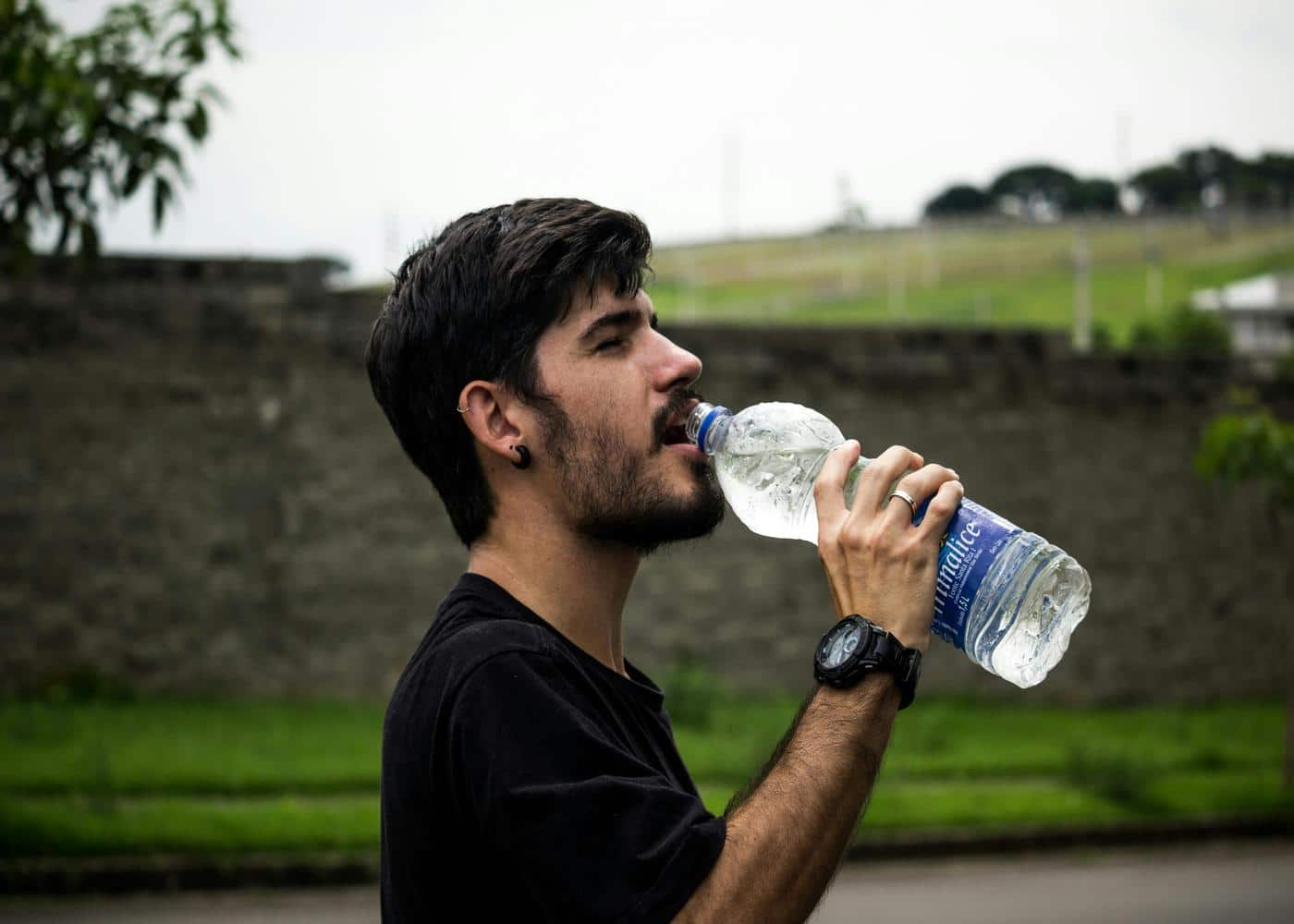
Hydration is equally important. Water is a key component of lymph, so staying hydrated ensures that your immune cells can travel where they are needed.
Furthermore, managing sleep hygiene is non-negotiable. Aim for 7 to 9 hours of quality sleep, as this is when your body performs its most critical "maintenance" on the immune system.
Finally, social connection and a positive outlook have been linked to better health outcomes, suggesting that your mental state is just as important as your physical state.
Important Considerations
While exercise is generally beneficial, it is important to listen to your body. If you are already feeling symptomatic (fever, body aches, or a hacking cough), it is usually better to rest than to push through a workout.
Intense exercise while sick can actually divert energy away from your immune system and prolong the illness.
Medical Disclaimer: Always consult with a healthcare professional before starting a new exercise regimen, especially if you have underlying health conditions such as heart disease, respiratory issues, or autoimmune disorders.
The information provided here is for educational purposes and is not a substitute for professional medical advice.
Sample Immune Boosting Exercise Routine
Supporting your immune system through exercise isn’t about pushing harder; it’s about creating the right physiological environment for immune cells to function optimally.
Consistent, moderate activity improves immune surveillance (how efficiently immune cells move through the body), reduces chronic inflammation, and regulates stress hormones like cortisol.
This routine is designed to balance circulation, muscle stimulation, and recovery, all of which directly influence immune resilience.
Weekly Structure Overview
3–4 days: Moderate-intensity cardio (enhances immune cell circulation)
2–3 days: Strength training (supports anti-inflammatory signaling and metabolic health)
Daily: Light movement + mobility (keeps lymphatic system active)
1–2 days: Active recovery or full rest (prevents immune suppression from overtraining)
Day 1: Cardio + Core (30–40 min)
Brisk walking, cycling, or swimming (20–30 min at conversational pace)
Plank holds (3 × 30–45 sec)
Dead bugs or bird dogs (3 × 10 reps each side)
How this supports your immune system:
Moderate cardio increases blood flow and lymphatic circulation, which helps immune cells like natural killer cells and neutrophils move more efficiently throughout the body. This improves early detection and response to pathogens.
Core exercises like planks and bird dogs play a more indirect but important role. They improve posture and breathing mechanics, allowing for deeper diaphragmatic breathing. This enhances oxygen exchange and supports the lymphatic system, which relies on muscle contractions and breathing, not a pump like the heart, to move immune fluid.
Day 2: Strength Training (Full Body)
Squats or lunges (3 × 8–12 reps)
Push-ups or bench press (3 × 8–12 reps)
Rows or pull-ups (3 × 8–12 reps)
Optional: light core work
How this supports your immune system:
Resistance training stimulates the release of myokines, signaling molecules produced by muscle contractions that have anti-inflammatory effects. These help counteract chronic low-grade inflammation, which is linked to weakened immune response.
Compound movements like squats and rows also improve glucose metabolism and insulin sensitivity, which is crucial because metabolic dysfunction is strongly associated with impaired immune function.
Additionally, maintaining muscle mass is key for long-term immunity. Muscle acts as a reservoir of amino acids, which the body can use during illness or stress to produce immune cells and antibodies.
Day 3: Active Recovery + Mobility (20–30 min)
Light yoga or stretching
Easy walking (10–20 min)
Deep breathing exercises
How this supports your immune system:
Recovery days are where much of the immune benefit actually happens. Gentle movement promotes lymphatic drainage, helping remove waste products and circulate immune cells without adding stress.
Mobility work and stretching also activate the parasympathetic nervous system (“rest and digest”), which reduces cortisol levels. Chronically elevated cortisol can suppress immune function, so this downregulation is critical.
Breathing exercises further enhance this effect by improving vagal tone, which is linked to better immune regulation and lower systemic inflammation.
Day 4: Cardio Intervals (25–35 min)
5 min warm-up
5 rounds: 1 min faster pace (moderately hard), 2 min easy pace
5 min cool-down
How this supports your immune system:
Short intervals of increased intensity can temporarily elevate immune cell activity, improving the body’s readiness to respond to threats.
Unlike prolonged high-intensity training (which can suppress immunity), these controlled intervals create a hormetic response, a small, beneficial stress that strengthens the system over time.
They also improve cardiorespiratory fitness, which is strongly linked to lower risk of infection and better outcomes when illness does occur.
Day 5: Strength + Stability
Romanian deadlifts (3 × 8–10 reps)
Shoulder press (3 × 8–10 reps)
Resistance band work (shoulders/hips)
Balance exercises (single-leg holds)
How this supports your immune system:
This session reinforces muscular strength while adding a focus on joint stability and neuromuscular control. Injury prevention is an often-overlooked part of immune health because injuries increase inflammation and can disrupt training consistency.
Stability work also engages smaller stabilizing muscles and improves coordination, contributing to more efficient movement patterns and lower systemic stress during exercise.
Resistance band exercises, in particular, provide low-impact muscle activation, which is useful for maintaining immune benefits without overloading the nervous system.
Day 6: Light Movement (Optional)
Walking, hiking, or recreational activity (30–60 min)
How this supports your immune system:
Low-intensity movement keeps the body in a circulatory and recovery-friendly state. It encourages continued immune cell movement while avoiding additional stress.
Outdoor activity may offer added benefits through sunlight exposure (vitamin D production) and reduced psychological stress; both of which play important roles in immune regulation.
Day 7: Rest and Reset
Full rest or gentle stretching
How this supports your immune system:
Complete rest allows the body to fully recover and adapt. Without adequate recovery, repeated training stress can lead to elevated cortisol, systemic inflammation, and temporary immune suppression.
Rest is when the body reallocates resources toward repair, immune cell production, and strengthening defense mechanisms—making it just as important as active training days.
Key Guidelines for Immune Support
Prioritize consistency over intensity: Regular moderate exercise enhances immune surveillance more effectively than sporadic intense workouts
Avoid overtraining: Excessive intensity or volume can suppress immune function, especially when combined with poor sleep or stress
Support recovery: Nutrition, hydration, and sleep are essential for immune adaptation
Adjust when needed: If you feel run down, reducing intensity or taking extra rest can help prevent illness
This type of routine works because it aligns with how the immune system responds best: frequent stimulation through movement, balanced by sufficient recovery to adapt and strengthen.

Final Thoughts: Best Exercises for Immune System
Consistency is the secret ingredient to a resilient immune system. You do not need to run marathons or lift massive weights to see a benefit.
In fact, a moderate approach is often more effective for long-term health than sporadic, high-intensity efforts that leave you drained.
By incorporating a mix of aerobic activity, strength training, and mindful movement like yoga or Tai Chi, you create an environment where your body can thrive.
Remember that movement should be something you enjoy. Whether it’s a quiet hike in the woods or a quick session with a jump rope, the best exercise is the one you will actually do. Keep your body moving, stay hydrated, and let your natural defenses do the rest.
Article FAQ
Can exercise boost your immune system?
Yes, regular physical activity is one of the most effective ways to strengthen your natural defenses. Exercise promotes healthy circulation, which allows immune cells to move through the body more efficiently. It also helps reduce systemic inflammation and lowers stress hormones like cortisol that can otherwise suppress your immune response.
What can I take to boost my immune system?
While exercise is a physical catalyst, your body requires specific nutrients to fuel its defense mechanisms. Focus on a diet rich in Vitamin C (citrus, bell peppers), Vitamin D (fatty fish, sunlight), and Zinc (seeds, legumes). Many people also find success with probiotics to support gut health, as a large portion of the immune system resides in the digestive tract.
How much exercise is needed for immune health?
For most adults, 150 minutes of moderate-intensity aerobic activity per week is the ideal target. This breaks down to about 30 minutes of movement, five days a week. It is important to avoid overtraining, as extreme or prolonged exertion without adequate recovery can temporarily weaken your resistance to illness.
Is it okay to exercise while I am sick?
A common rule of thumb is the "neck check." If your symptoms are above the neck, such as a runny nose or sneezing, light movement like walking is usually fine. However, if you have a fever, body aches, or a cough, it is best to rest. Forcing a workout during a systemic infection can divert energy away from your recovery.
Can high-intensity training hurt my immunity?
Temporarily, yes. Very intense or long-duration workouts can create an "open window" of 3 to 24 hours where the immune system is slightly suppressed due to the high physical stress placed on the body. To prevent this, ensure you are refueling with carbohydrates and getting plenty of sleep after strenuous sessions.
Does being fit mean I won’t get sick?
While being fit significantly reduces your risk of getting sick and often shortens the duration of an illness, it is not a total guarantee of immunity. Fitness improves your body's ability to respond to threats, but hygiene practices like handwashing and getting adequate sleep remain critical components of staying healthy.