Table of Contents

Share this Article

Unlock Your
Smarter Health

Take a 7-day free trial -

pay only if you like it.

Unlock Your
Smarter Health

Take a 7-day free trial -

pay only if you like it.

Unlock Your
Smarter Health

Take a 7-day free trial -

pay only if you like it.

Are breathing exercises good for you?

Dec 17, 2025

Dec 17, 2025

Health

Health

Health

11 minutes reading time

11 min read time

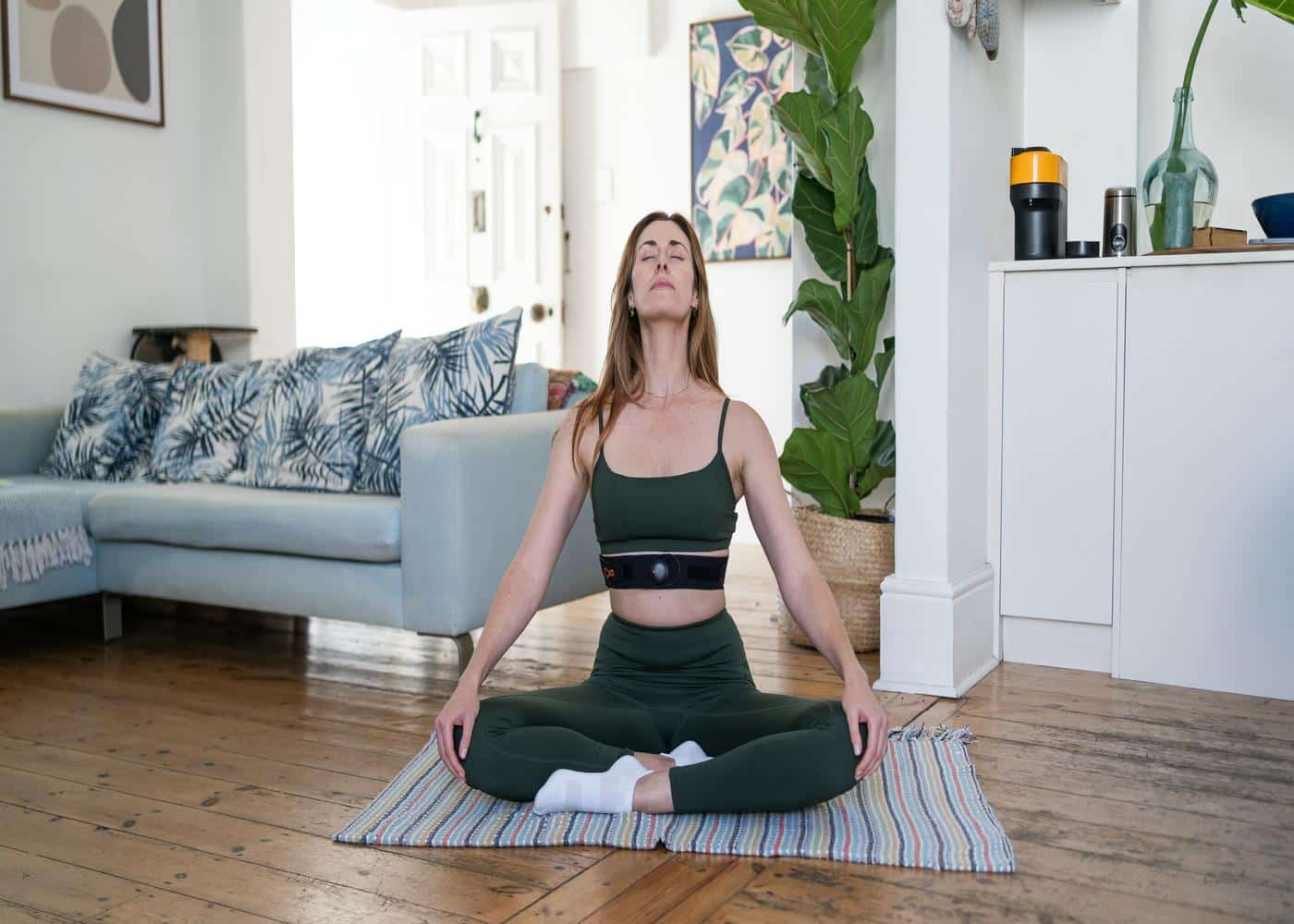
Woman practicing breathwork while in a yoga pose

Key Findings

Breathing exercises are a simple, low-risk way to support both mental and physical health. Regular practice can help calm the nervous system, reduce stress and anxiety, support healthy blood pressure, and improve sleep quality. While breathing exercises are not a replacement for medical treatment, they can be a valuable daily habit that complements a healthy lifestyle.

All The Benefits of Breathing Exercises

Breathing is something we do automatically, yet how we breathe can have a powerful effect on both physical and mental health.

In recent years, breathing exercises have gained attention for their potential to reduce stress, improve focus, support heart and lung health, and even enhance sleep. 

From yoga studios to medical settings, controlled breathing techniques are increasingly recommended as a simple and accessible wellness tool.

But are breathing exercises actually good for you, and if so, how do they work?

Breathing exercises involve consciously controlling the rhythm, depth, or pattern of breathing. Unlike normal, unconscious breathing, these techniques encourage slower, deeper breaths that engage the diaphragm rather than shallow chest breathing. 

This shift can influence the nervous system, circulation, and oxygen delivery throughout the body. While breathing exercises are not a cure for medical conditions, research and clinical experience suggest they can play a supportive role in overall health when practiced regularly.

How Breathing Exercises Affect the Body

One of the main reasons breathing exercises are beneficial is their effect on the nervous system. Slow, controlled breathing activates the parasympathetic nervous system, which is responsible for rest and recovery. 

This helps counterbalance the stress response driven by the sympathetic nervous system. As breathing slows, heart rate often decreases, blood pressure may drop slightly, and muscles begin to relax.

Breathing exercises also influence oxygen and carbon dioxide balance. Many people breathe too quickly or shallowly, which can lead to inefficient gas exchange.

Deep, steady breathing allows the lungs to fully expand and contract, improving oxygen delivery to tissues and supporting more efficient removal of carbon dioxide. 

Over time, this can contribute to better stamina, reduced breathlessness, and improved respiratory awareness.

Another important effect involves the vagus nerve, a major communication pathway between the brain and the body. Stimulating the vagus nerve through slow breathing may help regulate mood, digestion, and immune responses. 

This is one reason breathing techniques are often recommended for anxiety, digestive discomfort, and stress-related conditions.


Mental Health and Emotional Benefits

Breathing exercises are widely used to support mental well-being. Stress, anxiety, and overwhelm often lead to rapid, shallow breathing, which can reinforce feelings of panic or tension.

By consciously slowing the breath, many people experience a calming effect that helps interrupt this cycle.

For individuals with anxiety, breathing exercises can reduce symptoms such as racing thoughts, chest tightness, and dizziness. 

While they do not replace therapy or medication when those are needed, they are frequently used as a complementary tool in cognitive behavioral therapy and mindfulness practices. Focused breathing can also improve attention and mental clarity by anchoring awareness in the present moment.

Breathing exercises may also support emotional regulation. Practicing slow breathing during moments of frustration or stress can create a pause that makes it easier to respond thoughtfully rather than react impulsively. Over time, this can build resilience and improve coping skills in daily life.


Physical Health Benefits

Beyond mental well-being, breathing exercises can support several aspects of physical health.

For people with asthma, chronic obstructive pulmonary disease, or other respiratory conditions, certain breathing techniques are used in pulmonary rehabilitation programs to improve breath control and reduce breathlessness.

Techniques such as pursed lip breathing can help keep airways open longer and make breathing feel easier during exertion.

Heart health may also benefit indirectly. Slow breathing has been shown to influence heart rate variability, a marker associated with cardiovascular resilience. 

While breathing exercises alone cannot prevent heart disease, they may support heart health when combined with exercise, nutrition, and medical care.

Breathing exercises can also support posture and core stability. Diaphragmatic breathing engages muscles in the abdomen and lower ribcage, which play a role in spinal support. This can be especially helpful for people who sit for long periods or experience tension in the neck and shoulders.


Breathing Exercises for Sleep and Energy

Many people turn to breathing exercises to improve sleep. Slow, rhythmic breathing before bed can help signal to the body that it is time to wind down.

Techniques that emphasize long exhalations are particularly useful for reducing nighttime restlessness and quieting the mind. 

For people who struggle with racing thoughts at bedtime, focusing on the breath provides a gentle distraction that can make it easier to fall asleep.

Interestingly, breathing exercises can also be energizing when used differently. Faster or more stimulating breathing patterns are sometimes used in yoga or athletic training to increase alertness and focus.

The key is matching the breathing technique to the desired outcome, whether that is relaxation or activation.

Common Types of Breathing Exercises

There are many breathing exercises, but most share the goal of slowing the breath and increasing awareness. 

Diaphragmatic breathing involves breathing deeply into the belly rather than the chest. 

Box breathing follows a structured pattern of inhaling, holding, exhaling, and holding again for equal counts. 

Alternate nostril breathing, often used in yoga, involves breathing through one nostril at a time to promote balance and focus.

Each technique offers slightly different benefits, but consistency matters more than choosing a perfect method. Even a few minutes of slow, mindful breathing each day can have noticeable effects over time.

Are There Any Risks?

For most healthy people, breathing exercises are safe. However, some individuals may feel lightheaded or uncomfortable if they breathe too deeply or too quickly, especially when first starting. 

People with certain medical conditions, such as severe lung disease or panic disorder, should approach new breathing techniques cautiously and may benefit from guidance from a healthcare professional.

It is also important to avoid forcing the breath. Breathing exercises should feel comfortable and natural, not strained. If a technique causes discomfort, dizziness, or increased anxiety, it is best to stop and return to normal breathing.

Making Breathing Exercises Part of Daily Life

One of the biggest advantages of breathing exercises is their accessibility. They require no equipment, can be done almost anywhere, and take only a few minutes. 

Many people find it helpful to link breathing practice to an existing routine, such as practicing in the morning, during a work break, or before bed.

Consistency is more important than duration. Short, regular sessions are more effective than occasional long ones. Over time, increased awareness of breathing patterns can also carry over into daily activities, helping people notice and correct shallow or tense breathing habits.

Final Thoughts: Benefits of Breathwork

Breathing exercises are good for you in many ways, supporting both mental and physical health. 

By influencing the nervous system, improving oxygen efficiency, and promoting relaxation, they offer a simple yet powerful tool for managing stress, improving focus, and supporting overall well-being. 

While they are not a substitute for medical care, breathing exercises can be a valuable addition to a healthy lifestyle. With regular practice and a gentle approach, many people find that paying attention to the breath leads to meaningful improvements in how they feel day to day.

Article FAQ

Can breathing exercises lower blood pressure?

Breathing exercises may help lower blood pressure modestly by activating the parasympathetic nervous system, which promotes relaxation. Slow, deep breathing can reduce heart rate and ease tension in blood vessels, supporting healthier blood pressure levels over time. They work best as part of a broader lifestyle approach that includes exercise, nutrition, and medical care when needed.

How do breathing exercises help?

Breathing exercises help by calming the nervous system, improving oxygen exchange, and increasing awareness of breathing patterns. This can reduce stress, improve focus, support emotional regulation, and make breathing more efficient. Over time, regular practice may contribute to better sleep, reduced anxiety, and improved physical comfort.

What breathing exercises help with anxiety?

Techniques that emphasize slow, steady breathing are often helpful for anxiety. Diaphragmatic breathing, box breathing, and paced breathing with longer exhalations are commonly used. These methods can interrupt rapid, shallow breathing patterns that often accompany anxiety and help the body return to a calmer state.

How often should you do breathing exercises?

Breathing exercises can be done daily, even for just a few minutes at a time. Many people benefit from practicing once or twice a day, such as in the morning or before bed. Consistency is more important than length, and regular practice helps reinforce calmer breathing patterns.

Can breathing exercises improve sleep?

Yes, breathing exercises can support better sleep by helping the body relax and shift out of a stressed state. Slow breathing before bed can reduce mental chatter, lower heart rate, and signal that it is time to rest. This may make it easier to fall asleep and improve overall sleep quality.

Are breathing exercises safe for everyone?

Breathing exercises are generally safe for most people, but some may feel lightheaded if they breathe too deeply or quickly. Individuals with respiratory conditions, cardiovascular issues, or panic disorders should start gently and may want to consult a healthcare professional before trying new techniques.
Do You Have a Question? Ask Neura AI

Do You Have a Question? Ask Neura AI

Got Questions? We've Got Answers

What exactly is Neura app?

Neura is a holistic AI health assistant that acts as your personal wellness coach. It combines your wearable data, lifestyle habits, and health metrics to deliver personalized plans, daily micro-tasks, mini-podcasts, and actionable insights to improve sleep, fitness, recovery, and longevity.

How does Neura work?

1. Answer a quick onboarding quiz (1–2 min). 2. Set your goals (e.g., better sleep, running a 5K). 3. Connect your wearables or apps for real-time health data. 4. Receive a daily, AI-personalized plan and mini-podcasts. 5. Track progress on your dashboard while Neura optimizes automatically.

Do I need a wearable or fitness tracker to use Neura?

No. You can start with just your phone and basic input. Wearables like Apple Watch, Garmin, Oura, or Fitbit unlock deeper, real-time insights and premium metrics, but they are optional.

Is my data safe and private?

Absolutely. Neura uses end-to-end encryption, is GDPR/HIPAA compliant, and gives you full control over data exports and deletion. Only anonymized data is processed for AI improvements.

What kind of results can I expect with Neura?

Most users report noticeable improvements in sleep quality, daily energy, and habit consistency within 2–3 weeks. Real-time insights help you save hours each week by replacing endless self-tracking and guesswork with an AI-driven health plan.

What devices and apps can Neura connect to?

Neura integrates with 90+ apps and devices like Apple Health, Google Fit, Garmin, Oura, Fitbit, Polar, Suunto, Peloton, Zwift, Withings, Eight Sleep, and more. You can also upload lab results for advanced analysis.

What’s included in the free plan?

The free Neura Plan comes with all the basic features you need to kickstart your holistic health and fitness journey. Those include our core AI chat (single-chat memory), a standard health plan with one active goal, up to 5 customizable Health Hub widgets, and daily auto-sync with limited integrations. Upgrade to Neura iQ for unlimited AI chat with persistent multi-session memory, multiple simultaneous Health Plans, and real-time data sync from 100+ integrations with 360° Health Sync, alongside all other premium features.

How is Neura different from other health apps or trackers?

Neura isn’t just a tracker – it’s a smart health operating system. It pulls together your data, analyzes it in real time, and gives you proactive, science-backed recommendations tailored to your lifestyle, without the hassle of manual research or multiple apps.

Can I cancel or get a refund if I’m not satisfied?

Yes. Neura Free is free forever, and Neura iQ comes with a 7-day free trial. After upgrading, you can cancel anytime. If you’re not satisfied within 30 days, we offer a full refund—no questions asked.

How do I get started with Neura?

Simply sign up with your email to claim free early access. You can start in less than 2 minutes, connect your wearables later, and immediately receive your personalized plan and first mini-podcast.

Ready to Transform
Your Health with Neura?

Don't wait, we have limited spots for the beta sign up

Got Questions? We've Got Answers

What exactly is Neura app?

Neura is a holistic AI health assistant that acts as your personal wellness coach. It combines your wearable data, lifestyle habits, and health metrics to deliver personalized plans, daily micro-tasks, mini-podcasts, and actionable insights to improve sleep, fitness, recovery, and longevity.

How does Neura work?

1. Answer a quick onboarding quiz (1–2 min). 2. Set your goals (e.g., better sleep, running a 5K). 3. Connect your wearables or apps for real-time health data. 4. Receive a daily, AI-personalized plan and mini-podcasts. 5. Track progress on your dashboard while Neura optimizes automatically.

Do I need a wearable or fitness tracker to use Neura?

No. You can start with just your phone and basic input. Wearables like Apple Watch, Garmin, Oura, or Fitbit unlock deeper, real-time insights and premium metrics, but they are optional.

Is my data safe and private?

Absolutely. Neura uses end-to-end encryption, is GDPR/HIPAA compliant, and gives you full control over data exports and deletion. Only anonymized data is processed for AI improvements.

What kind of results can I expect with Neura?

Most users report noticeable improvements in sleep quality, daily energy, and habit consistency within 2–3 weeks. Real-time insights help you save hours each week by replacing endless self-tracking and guesswork with an AI-driven health plan.

What devices and apps can Neura connect to?

Neura integrates with 90+ apps and devices like Apple Health, Google Fit, Garmin, Oura, Fitbit, Polar, Suunto, Peloton, Zwift, Withings, Eight Sleep, and more. You can also upload lab results for advanced analysis.

What’s included in the free plan?

The free Neura Plan comes with all the basic features you need to kickstart your holistic health and fitness journey. Those include our core AI chat (single-chat memory), a standard health plan with one active goal, up to 5 customizable Health Hub widgets, and daily auto-sync with limited integrations. Upgrade to Neura iQ for unlimited AI chat with persistent multi-session memory, multiple simultaneous Health Plans, and real-time data sync from 100+ integrations with 360° Health Sync, alongside all other premium features.

How is Neura different from other health apps or trackers?

Neura isn’t just a tracker – it’s a smart health operating system. It pulls together your data, analyzes it in real time, and gives you proactive, science-backed recommendations tailored to your lifestyle, without the hassle of manual research or multiple apps.

Can I cancel or get a refund if I’m not satisfied?

Yes. Neura Free is free forever, and Neura iQ comes with a 7-day free trial. After upgrading, you can cancel anytime. If you’re not satisfied within 30 days, we offer a full refund—no questions asked.

How do I get started with Neura?

Simply sign up with your email to claim free early access. You can start in less than 2 minutes, connect your wearables later, and immediately receive your personalized plan and first mini-podcast.

Ready to Transform
Your Health with Neura?

Don't wait, we have limited spots for the beta sign up

Got Questions? We've Got Answers

What exactly is Neura app?

Neura is a holistic AI health assistant that acts as your personal wellness coach. It combines your wearable data, lifestyle habits, and health metrics to deliver personalized plans, daily micro-tasks, mini-podcasts, and actionable insights to improve sleep, fitness, recovery, and longevity.

How does Neura work?

1. Answer a quick onboarding quiz (1–2 min). 2. Set your goals (e.g., better sleep, running a 5K). 3. Connect your wearables or apps for real-time health data. 4. Receive a daily, AI-personalized plan and mini-podcasts. 5. Track progress on your dashboard while Neura optimizes automatically.

Do I need a wearable or fitness tracker to use Neura?

No. You can start with just your phone and basic input. Wearables like Apple Watch, Garmin, Oura, or Fitbit unlock deeper, real-time insights and premium metrics, but they are optional.

Is my data safe and private?

Absolutely. Neura uses end-to-end encryption, is GDPR/HIPAA compliant, and gives you full control over data exports and deletion. Only anonymized data is processed for AI improvements.

What kind of results can I expect with Neura?

Most users report noticeable improvements in sleep quality, daily energy, and habit consistency within 2–3 weeks. Real-time insights help you save hours each week by replacing endless self-tracking and guesswork with an AI-driven health plan.

What devices and apps can Neura connect to?

Neura integrates with 90+ apps and devices like Apple Health, Google Fit, Garmin, Oura, Fitbit, Polar, Suunto, Peloton, Zwift, Withings, Eight Sleep, and more. You can also upload lab results for advanced analysis.

What’s included in the free plan?

The free Neura Plan comes with all the basic features you need to kickstart your holistic health and fitness journey. Those include our core AI chat (single-chat memory), a standard health plan with one active goal, up to 5 customizable Health Hub widgets, and daily auto-sync with limited integrations. Upgrade to Neura iQ for unlimited AI chat with persistent multi-session memory, multiple simultaneous Health Plans, and real-time data sync from 100+ integrations with 360° Health Sync, alongside all other premium features.

How is Neura different from other health apps or trackers?

Neura isn’t just a tracker – it’s a smart health operating system. It pulls together your data, analyzes it in real time, and gives you proactive, science-backed recommendations tailored to your lifestyle, without the hassle of manual research or multiple apps.

Can I cancel or get a refund if I’m not satisfied?

Yes. Neura Free is free forever, and Neura iQ comes with a 7-day free trial. After upgrading, you can cancel anytime. If you’re not satisfied within 30 days, we offer a full refund—no questions asked.

How do I get started with Neura?

Simply sign up with your email to claim free early access. You can start in less than 2 minutes, connect your wearables later, and immediately receive your personalized plan and first mini-podcast.

Ready to Transform
Your Health with Neura?

Don't wait, we have limited spots for the beta sign up

Got Questions? We've Got Answers

What exactly is Neura app?

Neura is a holistic AI health assistant that acts as your personal wellness coach. It combines your wearable data, lifestyle habits, and health metrics to deliver personalized plans, daily micro-tasks, mini-podcasts, and actionable insights to improve sleep, fitness, recovery, and longevity.

How does Neura work?

1. Answer a quick onboarding quiz (1–2 min). 2. Set your goals (e.g., better sleep, running a 5K). 3. Connect your wearables or apps for real-time health data. 4. Receive a daily, AI-personalized plan and mini-podcasts. 5. Track progress on your dashboard while Neura optimizes automatically.

Do I need a wearable or fitness tracker to use Neura?

No. You can start with just your phone and basic input. Wearables like Apple Watch, Garmin, Oura, or Fitbit unlock deeper, real-time insights and premium metrics, but they are optional.

Is my data safe and private?

Absolutely. Neura uses end-to-end encryption, is GDPR/HIPAA compliant, and gives you full control over data exports and deletion. Only anonymized data is processed for AI improvements.

What kind of results can I expect with Neura?

Most users report noticeable improvements in sleep quality, daily energy, and habit consistency within 2–3 weeks. Real-time insights help you save hours each week by replacing endless self-tracking and guesswork with an AI-driven health plan.

What devices and apps can Neura connect to?

Neura integrates with 90+ apps and devices like Apple Health, Google Fit, Garmin, Oura, Fitbit, Polar, Suunto, Peloton, Zwift, Withings, Eight Sleep, and more. You can also upload lab results for advanced analysis.

What’s included in the free plan?

The free Neura Plan comes with all the basic features you need to kickstart your holistic health and fitness journey. Those include our core AI chat (single-chat memory), a standard health plan with one active goal, up to 5 customizable Health Hub widgets, and daily auto-sync with limited integrations. Upgrade to Neura iQ for unlimited AI chat with persistent multi-session memory, multiple simultaneous Health Plans, and real-time data sync from 100+ integrations with 360° Health Sync, alongside all other premium features.

How is Neura different from other health apps or trackers?

Neura isn’t just a tracker – it’s a smart health operating system. It pulls together your data, analyzes it in real time, and gives you proactive, science-backed recommendations tailored to your lifestyle, without the hassle of manual research or multiple apps.

Can I cancel or get a refund if I’m not satisfied?

Yes. Neura Free is free forever, and Neura iQ comes with a 7-day free trial. After upgrading, you can cancel anytime. If you’re not satisfied within 30 days, we offer a full refund—no questions asked.

How do I get started with Neura?

Simply sign up with your email to claim free early access. You can start in less than 2 minutes, connect your wearables later, and immediately receive your personalized plan and first mini-podcast.

Ready to Transform
Your Health with Neura?

Don't wait, we have limited spots for the beta sign up