Get exclusive access and
enjoy a 7-day Neura iQ trial.

Get exclusive access and enjoy a 7-day
Neura iQ trial — free, personalized, and powerful.

Table of Contents

Share this Article

How to monitor heart arrhythmia?

Dec 15, 2025

Dec 15, 2025

Tech

Tech

Tech

12 minutes reading time

12 min read time

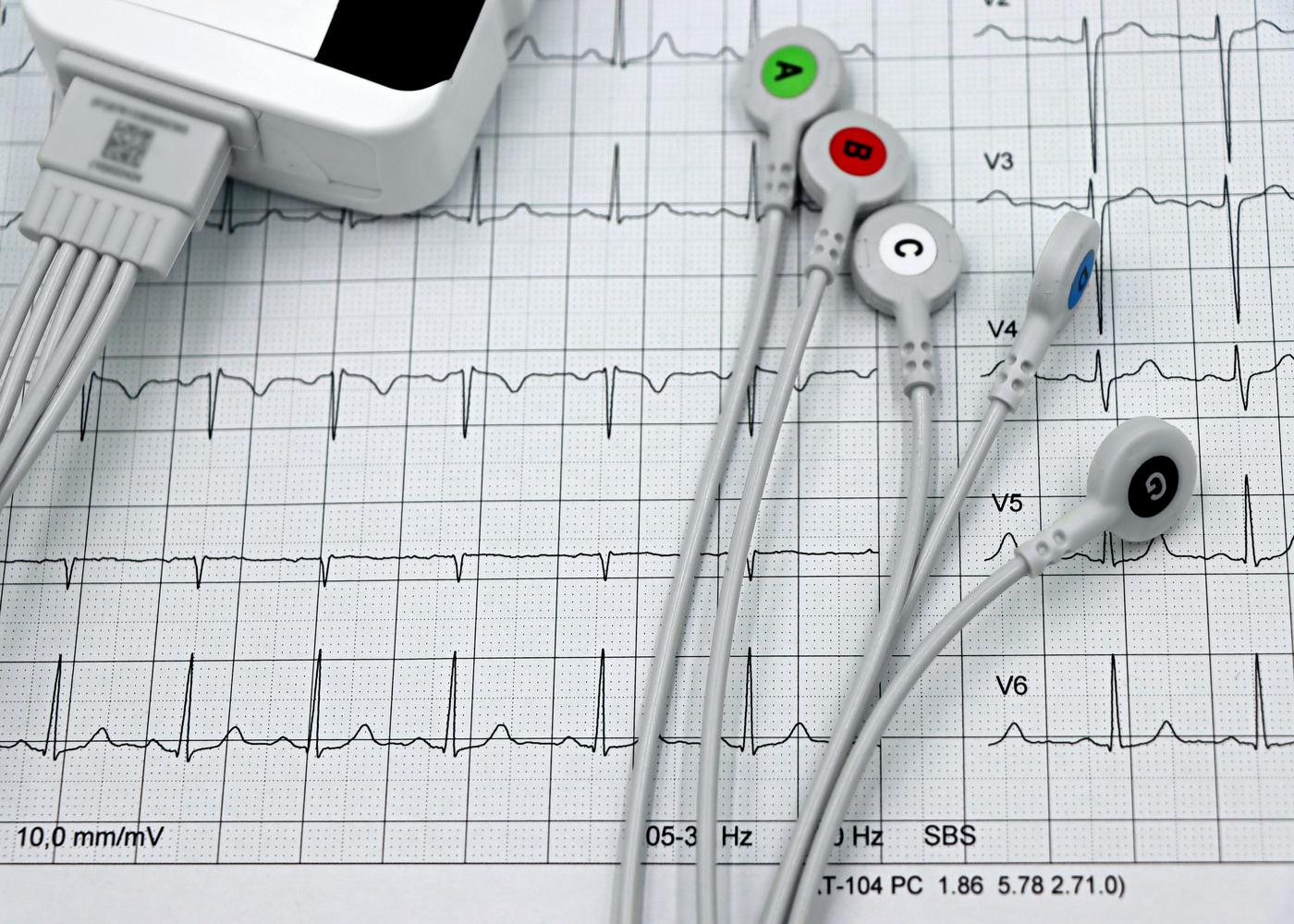
Image of a heart arrhytmia test and holter monitor

Key Findings

Monitoring heart arrhythmia helps detect irregular heartbeats early. From pulse checks and smartwatches to Holter monitors and AI platforms like Neura, tracking your heart rhythm combined with lifestyle changes and medical guidance improves detection, management, and overall heart health.

Monitoring Heart Arrhythmia At-home

Heart arrhythmia, an irregular heartbeat, can range from harmless to serious. Monitoring your heart rhythm is essential if you have symptoms such as palpitations, dizziness, shortness of breath, or a history of heart disease. Understanding the best ways to track arrhythmias can help you manage your health effectively and provide crucial information to your doctor.


Why Monitoring Matters

Monitoring heart arrhythmia helps detect abnormal rhythms early. Some arrhythmias, like atrial fibrillation, increase the risk of stroke and heart failure. Early detection allows for timely treatment, reducing complications. Tracking your heart rhythm also helps identify triggers, such as stress, caffeine, or certain medications, which may worsen irregular heartbeat episodes.

Methods to Monitor Heart Arrhythmia

There are several options to monitor heart arrhythmia, ranging from simple at-home tools to advanced medical devices. The choice depends on the severity of symptoms, the frequency of arrhythmia, and your doctor’s recommendations.


1. Pulse Checking

The simplest method is checking your pulse. Place your fingers on your wrist or neck and feel the heartbeat. Note whether the rhythm is steady or irregular. While this method is easy and free, it is not always accurate, especially for brief or subtle arrhythmias.


2. Home ECG and Heart Monitors

Portable electrocardiogram (ECG) devices have become widely available. These devices, including wearable patches and handheld monitors, record your heart’s electrical activity. Some devices connect to smartphones and provide real-time results. This method is effective for capturing intermittent arrhythmias and sharing data with your healthcare provider.


3. Smartwatches and Fitness Trackers

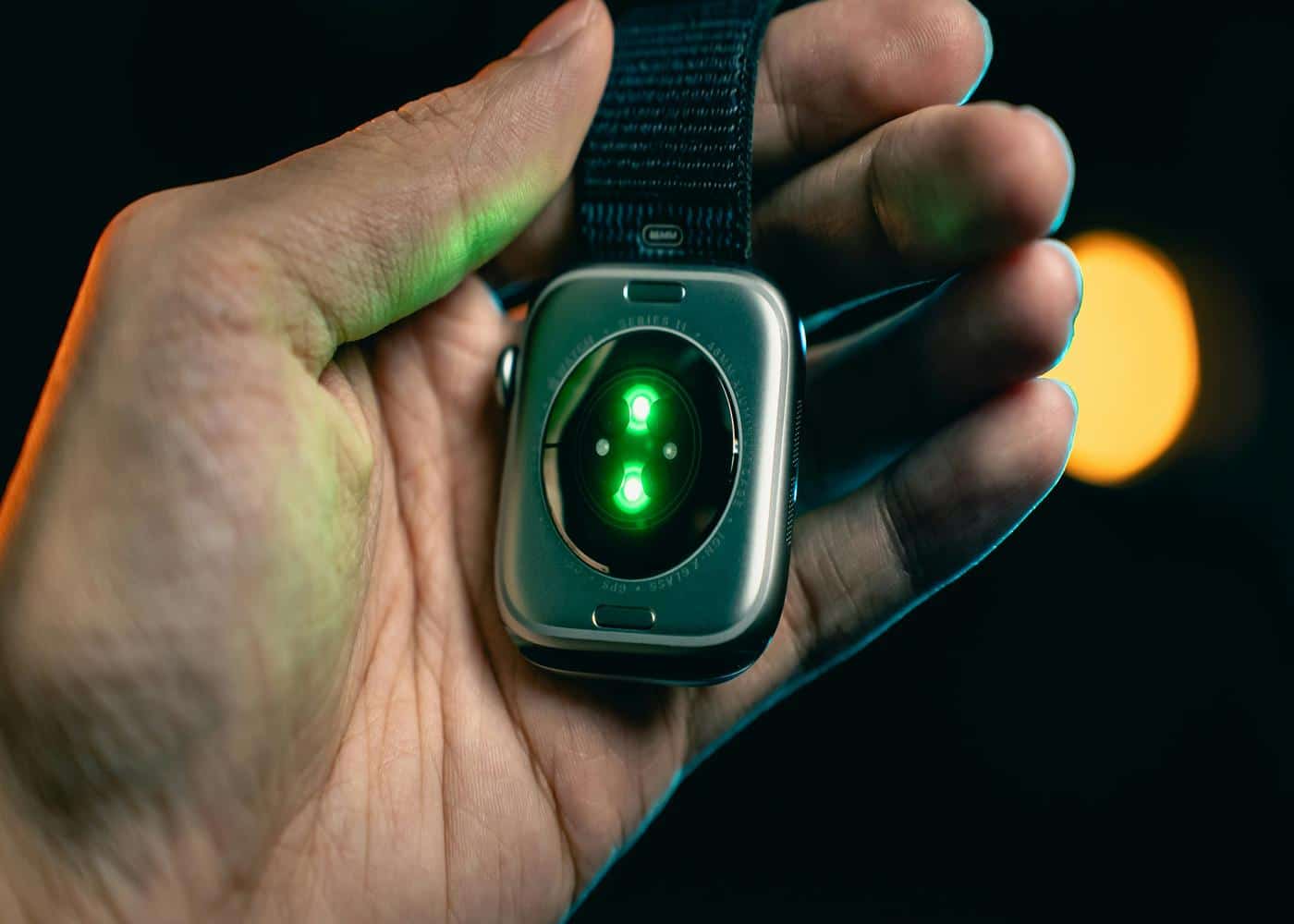
Modern smartwatches can detect irregular heart rhythms and alert you if an arrhythmia is suspected. Many of these devices include ECG functionality and can record episodes that occur during daily activities. While convenient, they should not replace professional medical evaluation.


4. Ambulatory ECG (Holter Monitor)

For more persistent monitoring, your doctor may prescribe a Holter monitor. This portable device records your heart activity continuously, usually for 24 to 48 hours. Holter monitoring is effective for detecting arrhythmias that occur frequently and helps doctors adjust treatment plans.


5. Event Recorders and Patch Monitors

Event recorders are worn for weeks and activate when you notice symptoms. Some patch monitors provide continuous tracking for up to two weeks. These devices are ideal for detecting rare or unpredictable arrhythmias and provide a detailed record for medical evaluation.


6. Implantable Loop Recorders

For patients with infrequent but concerning arrhythmias, implantable loop recorders offer long-term monitoring for up to three years. These devices are placed under the skin and automatically record abnormal heart rhythms, alerting your doctor to significant events.

Popular Fitness Trackers That Can Detect Arrhythmia

Fitness trackers and smartwatches have become more than just step counters. Many now include advanced heart monitoring features, making them a convenient tool for spotting potential arrhythmias. While these devices are not a replacement for medical diagnosis, they can alert users to irregular heart rhythms and help guide timely medical evaluation. Here are some of the top options available today.


1. Apple Watch Series 9

The Apple Watch Series 9 offers a built-in ECG app that allows users to record their heartbeat and check for signs of atrial fibrillation. It also features irregular rhythm notifications, which alert users if an abnormal rhythm is detected in the background. With seamless integration with the iPhone Health app, users can easily share ECG readings with doctors.

Best for: Apple ecosystem users seeking reliable heart monitoring, daily alerts, and professional-level ECG data.


2. Fitbit Sense 2

Fitbit Sense 2 includes ECG functionality alongside heart rate tracking, heart rate variability monitoring, and stress tracking. Its sleep tracking and wellness-focused features make it suitable for users who want a holistic view of their heart health. The device can alert users to irregular heart rhythms and provide trends over time, which is useful for both self-monitoring and discussions with healthcare providers.

Best for: Individuals looking for a mix of arrhythmia detection and overall wellness insights.


3. Samsung Galaxy Watch 6

This watch combines ECG monitoring with blood pressure tracking and notifications for irregular heart rhythms. It is compatible with Samsung Health, making it easy to monitor trends and generate reports for medical review. The device also tracks daily activity and sleep, providing context for heart rate changes.

Best for: Android users who want a smartwatch that integrates fitness and heart health features.


4. Withings ScanWatch

The Withings ScanWatch offers clinical-grade ECG and SpO2 measurement, with continuous heart rate monitoring and sleep tracking. Its hybrid design resembles a traditional watch, appealing to users who prefer a classic look without compromising on advanced health monitoring. The ScanWatch can automatically detect atrial fibrillation and provide detailed reports for physicians.

Best for: People who prefer a discreet, hybrid watch with medically validated heart monitoring.


5. Garmin Venu 3

Garmin Venu 3 focuses on fitness enthusiasts while providing health monitoring features such as heart rate alerts, pulse oximeter readings, stress tracking, and sleep analysis. While it does not have full ECG functionality like the Apple Watch or Fitbit Sense 2, it can detect unusual heart rate patterns and alert users promptly.

Best for: Active users who want fitness tracking combined with irregular heart rate alerts.

How Neura Helps Monitor Heart Arrhythmia

Neura offers a comprehensive approach to monitoring heart health, including the detection and management of arrhythmias. By combining wearable integration, real-time data tracking, and AI-driven insights, Neura allows users to monitor their heart rhythm continuously and understand potential irregularities.

Neura connects to a wide range of wearables and medical devices, syncing heart rate, ECG readings, and other relevant health metrics. This enables users to see trends over time, such as episodes of elevated or irregular heart rates, and provides a clear visual record that can be shared with healthcare providers.

Your dedicated AI coach can alert you to unusual patterns, suggest lifestyle adjustments, and recommend follow-up with a doctor when necessary. Users can interact with the AI in real time, ask questions about heart health, and receive guidance tailored to their personal health profile.

Neura also allows you to upload lab results, track medications, and set goals for heart health, creating a holistic view of cardiovascular wellness. 

By integrating continuous monitoring, AI-driven analysis, and actionable recommendations, Neura helps users stay proactive about detecting and managing heart arrhythmias before they become serious.

Tips for Effective Monitoring

Consistency is key when monitoring arrhythmias. Keep a log of symptoms, time of occurrence, and any potential triggers. Share this information with your doctor to help identify patterns and guide treatment. Avoid relying solely on consumer devices. While they are useful for spotting irregular rhythms, professional evaluation is essential for accurate diagnosis and management.

Lifestyle adjustments can also improve monitoring accuracy. Maintain regular physical activity, follow a balanced diet, manage stress, and limit caffeine and alcohol intake. These habits may reduce the frequency of arrhythmia episodes and improve overall heart health.


When to Seek Medical Attention

Seek immediate medical care if you experience severe chest pain, fainting, shortness of breath, or rapid irregular heartbeat lasting more than a few minutes. Regular monitoring is important, but it cannot replace emergency care in life-threatening situations.

Final Thoughts: Tracking a Heart Arrhythmia

Monitoring heart arrhythmia is essential for anyone at risk or experiencing irregular heartbeats. From simple pulse checks to advanced devices like Holter monitors and implantable recorders, there are multiple ways to track your heart rhythm. 

Combining consistent monitoring with lifestyle adjustments and professional guidance can help detect problems early, prevent complications, and improve heart health. Regular communication with your doctor ensures that monitoring results lead to effective treatment decisions.

Article FAQ

How can I tell if I have a heart arrhythmia?

You may notice symptoms like a racing, fluttering, or irregular heartbeat, dizziness, shortness of breath, or fainting. However, some arrhythmias have no noticeable symptoms. Regular monitoring with a wearable, ECG device, or professional evaluation can help detect arrhythmias early.

Can a smartwatch detect arrhythmia?

Yes, many smartwatches, including Apple Watch, Fitbit, and Samsung Galaxy Watch, can detect irregular heart rhythms. Some models offer ECG functionality, which allows you to record your heartbeat and share the results with your doctor. While helpful, they are not a substitute for medical diagnosis.

How often should I monitor my heart rhythm?

The frequency depends on your symptoms and risk factors. If you experience frequent palpitations or have a history of heart disease, daily monitoring may be recommended. For occasional or mild symptoms, periodic checks using a wearable or pulse monitoring may suffice. Always follow your doctor’s advice.

What is the most accurate way to monitor arrhythmia?

Professional devices like Holter monitors, patch monitors, and implantable loop recorders provide the most accurate monitoring. They record continuous heart activity over extended periods, making it easier to detect intermittent or rare arrhythmias.

Can lifestyle changes help reduce arrhythmia episodes?

Yes, lifestyle changes such as regular exercise, a balanced diet, stress management, limiting caffeine and alcohol, and avoiding tobacco can help reduce the frequency of arrhythmia episodes. Monitoring your heart rhythm can help track the impact of these changes.

How does Neura help with heart arrhythmia monitoring?

Neura integrates data from wearables and medical devices, tracks heart rate and ECG readings, and provides AI-driven insights. The 24/7 Neura AI Health Coach alerts you to unusual patterns, suggests lifestyle adjustments, and offers guidance for follow-up with your doctor, helping you proactively manage arrhythmias.
Got Questions? We've Got Answers

What exactly is Neura app?

Neura is a holistic AI health assistant that acts as your personal wellness coach. It combines your wearable data, lifestyle habits, and health metrics to deliver personalized plans, daily micro-tasks, mini-podcasts, and actionable insights to improve sleep, fitness, recovery, and longevity.

How does Neura work?

1. Answer a quick onboarding quiz (1–2 min). 2. Set your goals (e.g., better sleep, running a 5K). 3. Connect your wearables or apps for real-time health data. 4. Receive a daily, AI-personalized plan and mini-podcasts. 5. Track progress on your dashboard while Neura optimizes automatically.

Do I need a wearable or fitness tracker to use Neura?

No. You can start with just your phone and basic input. Wearables like Apple Watch, Garmin, Oura, or Fitbit unlock deeper, real-time insights and premium metrics, but they are optional.

Is my data safe and private?

Absolutely. Neura uses end-to-end encryption, is GDPR/HIPAA compliant, and gives you full control over data exports and deletion. Only anonymized data is processed for AI improvements.

What kind of results can I expect with Neura?

Most users report noticeable improvements in sleep quality, daily energy, and habit consistency within 2–3 weeks. Real-time insights help you save hours each week by replacing endless self-tracking and guesswork with an AI-driven health plan.

What devices and apps can Neura connect to?

Neura integrates with 90+ apps and devices like Apple Health, Google Fit, Garmin, Oura, Fitbit, Polar, Suunto, Peloton, Zwift, Withings, Eight Sleep, and more. You can also upload lab results for advanced analysis.

What’s included in the free plan?

The free Neura Plan comes with all the basic features you need to kickstart your holistic health and fitness journey. Those include our core AI chat (single-chat memory), a standard health plan with one active goal, up to 5 customizable Health Hub widgets, and daily auto-sync with limited integrations. Upgrade to Neura iQ for unlimited AI chat with persistent multi-session memory, multiple simultaneous Health Plans, and real-time data sync from 100+ integrations with 360° Health Sync, alongside all other premium features.

How is Neura different from other health apps or trackers?

Neura isn’t just a tracker – it’s a smart health operating system. It pulls together your data, analyzes it in real time, and gives you proactive, science-backed recommendations tailored to your lifestyle, without the hassle of manual research or multiple apps.

Can I cancel if I am not satisfied?

Yes. Neura Free is free forever, and Neura iQ comes with a 7-day free trial. After upgrading, you can cancel anytime. If you’re not satisfied within 30 days, we offer a full refund—no questions asked.

How do I get started with Neura?

Simply sign up with your email to claim free early access. You can start in less than 2 minutes, connect your wearables later, and immediately receive your personalized plan and first mini-podcast.

Got Questions? We've Got Answers

What exactly is Neura app?

Neura is a holistic AI health assistant that acts as your personal wellness coach. It combines your wearable data, lifestyle habits, and health metrics to deliver personalized plans, daily micro-tasks, mini-podcasts, and actionable insights to improve sleep, fitness, recovery, and longevity.

How does Neura work?

1. Answer a quick onboarding quiz (1–2 min). 2. Set your goals (e.g., better sleep, running a 5K). 3. Connect your wearables or apps for real-time health data. 4. Receive a daily, AI-personalized plan and mini-podcasts. 5. Track progress on your dashboard while Neura optimizes automatically.

Do I need a wearable or fitness tracker to use Neura?

No. You can start with just your phone and basic input. Wearables like Apple Watch, Garmin, Oura, or Fitbit unlock deeper, real-time insights and premium metrics, but they are optional.

Is my data safe and private?

Absolutely. Neura uses end-to-end encryption, is GDPR/HIPAA compliant, and gives you full control over data exports and deletion. Only anonymized data is processed for AI improvements.

What kind of results can I expect with Neura?

Most users report noticeable improvements in sleep quality, daily energy, and habit consistency within 2–3 weeks. Real-time insights help you save hours each week by replacing endless self-tracking and guesswork with an AI-driven health plan.

What devices and apps can Neura connect to?

Neura integrates with 90+ apps and devices like Apple Health, Google Fit, Garmin, Oura, Fitbit, Polar, Suunto, Peloton, Zwift, Withings, Eight Sleep, and more. You can also upload lab results for advanced analysis.

What’s included in the free plan?

The free Neura Plan comes with all the basic features you need to kickstart your holistic health and fitness journey. Those include our core AI chat (single-chat memory), a standard health plan with one active goal, up to 5 customizable Health Hub widgets, and daily auto-sync with limited integrations. Upgrade to Neura iQ for unlimited AI chat with persistent multi-session memory, multiple simultaneous Health Plans, and real-time data sync from 100+ integrations with 360° Health Sync, alongside all other premium features.

How is Neura different from other health apps or trackers?

Neura isn’t just a tracker – it’s a smart health operating system. It pulls together your data, analyzes it in real time, and gives you proactive, science-backed recommendations tailored to your lifestyle, without the hassle of manual research or multiple apps.

Can I cancel if I am not satisfied?

Yes. Neura Free is free forever, and Neura iQ comes with a 7-day free trial. After upgrading, you can cancel anytime. If you’re not satisfied within 30 days, we offer a full refund—no questions asked.

How do I get started with Neura?

Simply sign up with your email to claim free early access. You can start in less than 2 minutes, connect your wearables later, and immediately receive your personalized plan and first mini-podcast.

Got Questions? We've Got Answers

What exactly is Neura app?

Neura is a holistic AI health assistant that acts as your personal wellness coach. It combines your wearable data, lifestyle habits, and health metrics to deliver personalized plans, daily micro-tasks, mini-podcasts, and actionable insights to improve sleep, fitness, recovery, and longevity.

How does Neura work?

1. Answer a quick onboarding quiz (1–2 min). 2. Set your goals (e.g., better sleep, running a 5K). 3. Connect your wearables or apps for real-time health data. 4. Receive a daily, AI-personalized plan and mini-podcasts. 5. Track progress on your dashboard while Neura optimizes automatically.

Do I need a wearable or fitness tracker to use Neura?

No. You can start with just your phone and basic input. Wearables like Apple Watch, Garmin, Oura, or Fitbit unlock deeper, real-time insights and premium metrics, but they are optional.

Is my data safe and private?

Absolutely. Neura uses end-to-end encryption, is GDPR/HIPAA compliant, and gives you full control over data exports and deletion. Only anonymized data is processed for AI improvements.

What kind of results can I expect with Neura?

Most users report noticeable improvements in sleep quality, daily energy, and habit consistency within 2–3 weeks. Real-time insights help you save hours each week by replacing endless self-tracking and guesswork with an AI-driven health plan.

What devices and apps can Neura connect to?

Neura integrates with 90+ apps and devices like Apple Health, Google Fit, Garmin, Oura, Fitbit, Polar, Suunto, Peloton, Zwift, Withings, Eight Sleep, and more. You can also upload lab results for advanced analysis.

What’s included in the free plan?

The free Neura Plan comes with all the basic features you need to kickstart your holistic health and fitness journey. Those include our core AI chat (single-chat memory), a standard health plan with one active goal, up to 5 customizable Health Hub widgets, and daily auto-sync with limited integrations. Upgrade to Neura iQ for unlimited AI chat with persistent multi-session memory, multiple simultaneous Health Plans, and real-time data sync from 100+ integrations with 360° Health Sync, alongside all other premium features.

How is Neura different from other health apps or trackers?

Neura isn’t just a tracker – it’s a smart health operating system. It pulls together your data, analyzes it in real time, and gives you proactive, science-backed recommendations tailored to your lifestyle, without the hassle of manual research or multiple apps.

Can I cancel if I am not satisfied?

Yes. Neura Free is free forever, and Neura iQ comes with a 7-day free trial. After upgrading, you can cancel anytime. If you’re not satisfied within 30 days, we offer a full refund—no questions asked.

How do I get started with Neura?

Simply sign up with your email to claim free early access. You can start in less than 2 minutes, connect your wearables later, and immediately receive your personalized plan and first mini-podcast.

Got Questions? We've Got Answers

What exactly is Neura app?

Neura is a holistic AI health assistant that acts as your personal wellness coach. It combines your wearable data, lifestyle habits, and health metrics to deliver personalized plans, daily micro-tasks, mini-podcasts, and actionable insights to improve sleep, fitness, recovery, and longevity.

How does Neura work?

1. Answer a quick onboarding quiz (1–2 min). 2. Set your goals (e.g., better sleep, running a 5K). 3. Connect your wearables or apps for real-time health data. 4. Receive a daily, AI-personalized plan and mini-podcasts. 5. Track progress on your dashboard while Neura optimizes automatically.

Do I need a wearable or fitness tracker to use Neura?

No. You can start with just your phone and basic input. Wearables like Apple Watch, Garmin, Oura, or Fitbit unlock deeper, real-time insights and premium metrics, but they are optional.

Is my data safe and private?

Absolutely. Neura uses end-to-end encryption, is GDPR/HIPAA compliant, and gives you full control over data exports and deletion. Only anonymized data is processed for AI improvements.

What kind of results can I expect with Neura?

Most users report noticeable improvements in sleep quality, daily energy, and habit consistency within 2–3 weeks. Real-time insights help you save hours each week by replacing endless self-tracking and guesswork with an AI-driven health plan.

What devices and apps can Neura connect to?

Neura integrates with 90+ apps and devices like Apple Health, Google Fit, Garmin, Oura, Fitbit, Polar, Suunto, Peloton, Zwift, Withings, Eight Sleep, and more. You can also upload lab results for advanced analysis.

What’s included in the free plan?

The free Neura Plan comes with all the basic features you need to kickstart your holistic health and fitness journey. Those include our core AI chat (single-chat memory), a standard health plan with one active goal, up to 5 customizable Health Hub widgets, and daily auto-sync with limited integrations. Upgrade to Neura iQ for unlimited AI chat with persistent multi-session memory, multiple simultaneous Health Plans, and real-time data sync from 100+ integrations with 360° Health Sync, alongside all other premium features.

How is Neura different from other health apps or trackers?

Neura isn’t just a tracker – it’s a smart health operating system. It pulls together your data, analyzes it in real time, and gives you proactive, science-backed recommendations tailored to your lifestyle, without the hassle of manual research or multiple apps.

Can I cancel if I am not satisfied?

Yes. Neura Free is free forever, and Neura iQ comes with a 7-day free trial. After upgrading, you can cancel anytime. If you’re not satisfied within 30 days, we offer a full refund—no questions asked.

How do I get started with Neura?

Simply sign up with your email to claim free early access. You can start in less than 2 minutes, connect your wearables later, and immediately receive your personalized plan and first mini-podcast.