Table of Contents

Share this Article

Unlock Your
Smarter Health

Take a 7-day free trial -

pay only if you like it.

Unlock Your
Smarter Health

Take a 7-day free trial -

pay only if you like it.

Unlock Your
Smarter Health

Take a 7-day free trial -

pay only if you like it.

What is the “Quantified Self” movement?

Jan 6, 2026

Jan 6, 2026

Tech

Tech

Tech

12 minutes reading time

12 min read time

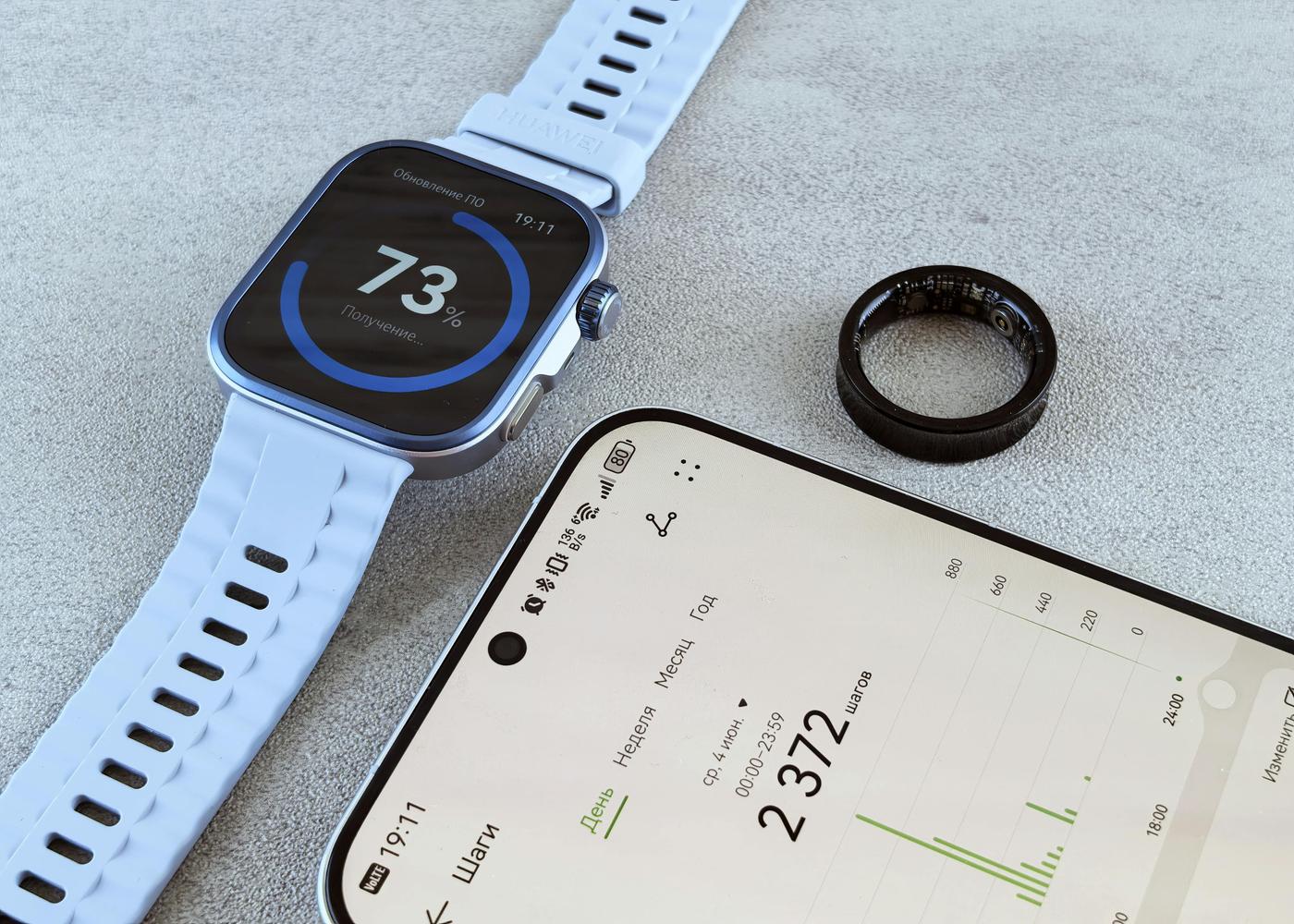
Quantified Self: Image of a smartwatch, smart ring, and step tracking app on a phone

Key Findings

The Quantified Self is a global movement focused on self-tracking through data. By using wearable sensors, mobile apps, and lab tests, individuals monitor biological, physical, and behavioral metrics to identify patterns in their health. The goal is to use this "self-knowledge through numbers" to optimize performance, improve well-being, and make data-driven decisions about lifestyle changes.

Understanding The Quantified Self

The Quantified Self movement refers to the practice of tracking various aspects of daily life with technology to gain deep insights into one’s own biology and behavior. 

The movement was popularized in the late 2000s and has since evolved from a niche hobby for tech enthusiasts into a mainstream health trend.

At its core, the Quantified Self is about moving away from guesswork and toward objective data. Instead of wondering why you feel tired or guessing if a new diet is working, you use measurable metrics to see exactly how your body is responding to different inputs.

The Quantified Self Subculture

While the practice of self-tracking is now a mass-market phenomenon, it began as a tight-knit subculture of technophiles and "personal scientists." 

This community transformed the act of keeping a journal into a data-driven discipline, fostering a global network of individuals dedicated to the idea that numbers can reveal truths that feelings often hide.


Origins and Key Figures

The movement was officially formalized in 2007 by Gary Wolf and Kevin Kelly, both editors at Wired magazine. They coined the term "Quantified Self" to describe a burgeoning trend they saw among early adopters who were using emerging technologies to log every facet of their lives.

The subculture truly took root through Quantified Self Show & Tell meetups. The first gathering was held in Kelly’s studio in Pacifica, California, where participants were given 15 minutes to answer three core questions: What did you do? How did you do it? What did you learn? 

This anthropological approach helped the movement grow from a small group of Silicon Valley enthusiasts into an international organization with chapters in over 30 countries.

Other influential figures include the late Seth Roberts, an experimental psychologist who became an icon in the community for his "self-experiments" on sleep and mood. 

His work exemplified the subculture's DIY spirit, proving that an individual could use rigorous self-tracking to discover personalized health insights that large-scale clinical trials might miss.


The Community Hubs: Reddit and Beyond

The digital home for this subculture is largely centered on the r/QuantifiedSelf subreddit. 

This community serves as a technical forum where "system nerds" share custom-built tracking frameworks, discuss the accuracy of new wearables, and troubleshoot API integrations for their personal data warehouses.

Unlike mainstream fitness groups, the subreddit focuses on the "how" of data collection. Discussions often involve:


  • Personal Science: Sharing "N-of-1" studies where a single person acts as both the scientist and the subject.


  • App Fragmentation: Finding ways to centralize data from various sources like Oura, Strava, and Apple Health into a single dashboard.


  • Ethics and Privacy: debating the "data exhaust" created by modern devices and seeking privacy-first, local-storage alternatives to big-tech clouds.


The "Show & Tell" Ethos

What sets this subculture apart is its rejection of "data fetishism" for its own sake. The community emphasizes that data is only valuable if it leads to self-knowledge

Members often share stories of profound discovery, such as identifying a rare medical condition by tracking heart rate patterns or realizing that a "healthy" habit like meditation was actually increasing their personal stress levels.

In this subculture, the self is viewed as a "communal achievement." By sharing their individual data experiments, members contribute to a collective wisdom that helps others navigate their own biological mysteries.


The Tools of the Trade

The movement is powered by a rapidly expanding ecosystem of hardware and software.


  • Wearables: Devices like smartwatches, rings, and chest straps provide continuous monitoring of movement and heart health.


  • Continuous Glucose Monitors (CGM): Once reserved for diabetics, these are now used by healthy individuals to see how their blood sugar reacts to specific foods in real time.


  • Smart Scales: These measure body composition, including body fat percentage, muscle mass, and water weight.


  • Mobile Apps: These act as the "command center," aggregating data from various devices to provide long-term trends and correlations.

The Metrics of Self-Tracking

Modern technology allows individuals to track almost every conceivable biological marker. These metrics generally fall into three categories.


Biological and Physiological Data

This includes internal markers that reflect how your body is functioning. Common data points include resting heart rate, heart rate variability (HRV), blood glucose levels, and oxygen saturation. 

With the rise of at-home testing kits, many people also track their gut microbiome composition, hormone levels, and genetic predispositions.


Activity and Performance Data

This is the most common form of tracking, often managed through smartwatches or rings. It encompasses daily step counts, active minutes, calories burned, and specific workout performance. 

More advanced trackers also monitor posture, gait, and even the force of impact during running.


Environmental and Behavioral Data

To understand the full picture, many trackers also monitor external factors. This includes sleep duration and quality, ambient room temperature, light exposure, and screen time. 

Some individuals also log their food intake, mood, and cognitive performance to see how they correlate with their physiological data.

Why People Join the Movement

The motivation behind the Quantified Self movement is usually centered on one of three goals: optimization, recovery, or discovery.


Peak Performance

Athletes and high-level professionals use self-tracking to find their "biological edge." 

By monitoring HRV, for example, they can determine if their nervous system has recovered enough for a high-intensity workout or if they should prioritize rest. This data-driven approach helps prevent burnout and maximizes efficiency.


Managing Chronic Conditions

For individuals with health challenges, the Quantified Self provides a sense of agency. 

Tracking blood sugar, inflammation markers, or symptom triggers allows patients to work more effectively with their healthcare providers. It turns a vague list of symptoms into a clear data set that can lead to more accurate treatments.


Curiosity and Self-Discovery

Some people track purely for the sake of interest. They enjoy seeing how a late-night meal affects their sleep architecture or how a morning meditation session impacts their stress levels throughout the day. 

This creates a feedback loop that encourages healthier habits through immediate, visible evidence.

Potential Pitfalls of Over-Tracking

While data is powerful, it can also be overwhelming. One risk of the Quantified Self movement is "data fatigue," where an individual becomes more focused on the numbers than on how they actually feel. 

In some cases, constant tracking can lead to anxiety, especially if a user becomes hyper-fixated on a specific metric that may naturally fluctuate.

There is also the question of data privacy. As users log their most intimate biological information into third-party apps, the security of that data becomes a significant concern. It is essential for participants to understand where their data is stored and who has access to it.

Final Thoughts: Knowledge Through Data

The Quantified Self movement is more than just a collection of gadgets; it is a shift in the human relationship with health. It empowers individuals to become the "CEO of their own body," using hard data to steer their lifestyle choices.

By observing the patterns in our own lives, we can move beyond generic health advice and find what specifically works for our unique biology. 

As technology continues to shrink and become more accurate, the ability to monitor our internal state will only become more seamless. The ultimate goal of the movement is not just to collect data, but to use that data to live a more intentional, healthy, and high-performing life.

Article FAQ

What does the Quantified Self mean?

The Quantified Self refers to a movement and subculture dedicated to "self-knowledge through numbers." It involves using technology, such as wearable sensors, apps, and software, to track biological, physical, and behavioral data. By analyzing these metrics, individuals seek to identify patterns, improve their health, and make more informed decisions about their daily lives.

How do I get started with self-tracking?

The easiest way to start is by identifying a single question you want to answer, such as "How does caffeine affect my sleep?" Begin with a simple tool, like a wearable tracker or even a manual journal, to record that specific metric. The Quantified Self community emphasizes starting small and focusing on data that is relevant, convenient, and trustworthy.

What are the benefits of the Quantified Self movement?

Self-tracking provides objective feedback that can lead to better health outcomes, increased productivity, and enhanced self-awareness. For many, it offers a sense of agency over their biology, particularly for managing chronic conditions or optimizing athletic performance. It allows you to move beyond general health advice to find what works specifically for your unique body.

Can self-tracking be bad for mental health?

While data is empowering, over-tracking can lead to "data fetishism" or anxiety. Some individuals may become hyper-fixated on hitting specific numerical goals, leading to feelings of inadequacy if those targets are missed. It is important to balance data with personal intuition and remember that metrics are a tool for self-understanding, not a definitive judgment of your worth.

Is my personal data safe with tracking apps?

Data privacy is a significant concern within the movement. Many apps store sensitive biological information on third-party servers, which can be vulnerable to breaches or shared with advertisers and insurers. Experienced trackers often look for "privacy-first" tools that allow for local data storage or use open-source platforms to keep their information under their own control.

What is the "Show and Tell" ethos?

The "Show and Tell" ethos is the core of the Quantified Self subculture. It involves members sharing their personal data experiments in public forums or meetups. Instead of presenting polished marketing pitches, participants answer three simple questions: What did I do? How did I do it? What did I learn? This encourages collective learning and helps others apply similar methods to their own lives.

Do You Have a Question? Ask Neura AI

Do You Have a Question? Ask Neura AI

Got Questions? We've Got Answers

What exactly is Neura app?

Neura is a holistic AI health assistant that acts as your personal wellness coach. It combines your wearable data, lifestyle habits, and health metrics to deliver personalized plans, daily micro-tasks, mini-podcasts, and actionable insights to improve sleep, fitness, recovery, and longevity.

How does Neura work?

1. Answer a quick onboarding quiz (1–2 min). 2. Set your goals (e.g., better sleep, running a 5K). 3. Connect your wearables or apps for real-time health data. 4. Receive a daily, AI-personalized plan and mini-podcasts. 5. Track progress on your dashboard while Neura optimizes automatically.

Do I need a wearable or fitness tracker to use Neura?

No. You can start with just your phone and basic input. Wearables like Apple Watch, Garmin, Oura, or Fitbit unlock deeper, real-time insights and premium metrics, but they are optional.

Is my data safe and private?

Absolutely. Neura uses end-to-end encryption, is GDPR/HIPAA compliant, and gives you full control over data exports and deletion. Only anonymized data is processed for AI improvements.

What kind of results can I expect with Neura?

Most users report noticeable improvements in sleep quality, daily energy, and habit consistency within 2–3 weeks. Real-time insights help you save hours each week by replacing endless self-tracking and guesswork with an AI-driven health plan.

What devices and apps can Neura connect to?

Neura integrates with 90+ apps and devices like Apple Health, Google Fit, Garmin, Oura, Fitbit, Polar, Suunto, Peloton, Zwift, Withings, Eight Sleep, and more. You can also upload lab results for advanced analysis.

What’s included in the free plan?

The free Neura Plan comes with all the basic features you need to kickstart your holistic health and fitness journey. Those include our core AI chat (single-chat memory), a standard health plan with one active goal, up to 5 customizable Health Hub widgets, and daily auto-sync with limited integrations. Upgrade to Neura iQ for unlimited AI chat with persistent multi-session memory, multiple simultaneous Health Plans, and real-time data sync from 100+ integrations with 360° Health Sync, alongside all other premium features.

How is Neura different from other health apps or trackers?

Neura isn’t just a tracker – it’s a smart health operating system. It pulls together your data, analyzes it in real time, and gives you proactive, science-backed recommendations tailored to your lifestyle, without the hassle of manual research or multiple apps.

Can I cancel or get a refund if I’m not satisfied?

Yes. Neura Free is free forever, and Neura iQ comes with a 7-day free trial. After upgrading, you can cancel anytime. If you’re not satisfied within 30 days, we offer a full refund—no questions asked.

How do I get started with Neura?

Simply sign up with your email to claim free early access. You can start in less than 2 minutes, connect your wearables later, and immediately receive your personalized plan and first mini-podcast.

Ready to Transform
Your Health with Neura?

Don't wait, we have limited spots for the beta sign up

Got Questions? We've Got Answers

What exactly is Neura app?

Neura is a holistic AI health assistant that acts as your personal wellness coach. It combines your wearable data, lifestyle habits, and health metrics to deliver personalized plans, daily micro-tasks, mini-podcasts, and actionable insights to improve sleep, fitness, recovery, and longevity.

How does Neura work?

1. Answer a quick onboarding quiz (1–2 min). 2. Set your goals (e.g., better sleep, running a 5K). 3. Connect your wearables or apps for real-time health data. 4. Receive a daily, AI-personalized plan and mini-podcasts. 5. Track progress on your dashboard while Neura optimizes automatically.

Do I need a wearable or fitness tracker to use Neura?

No. You can start with just your phone and basic input. Wearables like Apple Watch, Garmin, Oura, or Fitbit unlock deeper, real-time insights and premium metrics, but they are optional.

Is my data safe and private?

Absolutely. Neura uses end-to-end encryption, is GDPR/HIPAA compliant, and gives you full control over data exports and deletion. Only anonymized data is processed for AI improvements.

What kind of results can I expect with Neura?

Most users report noticeable improvements in sleep quality, daily energy, and habit consistency within 2–3 weeks. Real-time insights help you save hours each week by replacing endless self-tracking and guesswork with an AI-driven health plan.

What devices and apps can Neura connect to?

Neura integrates with 90+ apps and devices like Apple Health, Google Fit, Garmin, Oura, Fitbit, Polar, Suunto, Peloton, Zwift, Withings, Eight Sleep, and more. You can also upload lab results for advanced analysis.

What’s included in the free plan?

The free Neura Plan comes with all the basic features you need to kickstart your holistic health and fitness journey. Those include our core AI chat (single-chat memory), a standard health plan with one active goal, up to 5 customizable Health Hub widgets, and daily auto-sync with limited integrations. Upgrade to Neura iQ for unlimited AI chat with persistent multi-session memory, multiple simultaneous Health Plans, and real-time data sync from 100+ integrations with 360° Health Sync, alongside all other premium features.

How is Neura different from other health apps or trackers?

Neura isn’t just a tracker – it’s a smart health operating system. It pulls together your data, analyzes it in real time, and gives you proactive, science-backed recommendations tailored to your lifestyle, without the hassle of manual research or multiple apps.

Can I cancel or get a refund if I’m not satisfied?

Yes. Neura Free is free forever, and Neura iQ comes with a 7-day free trial. After upgrading, you can cancel anytime. If you’re not satisfied within 30 days, we offer a full refund—no questions asked.

How do I get started with Neura?

Simply sign up with your email to claim free early access. You can start in less than 2 minutes, connect your wearables later, and immediately receive your personalized plan and first mini-podcast.

Ready to Transform
Your Health with Neura?

Don't wait, we have limited spots for the beta sign up

Got Questions? We've Got Answers

What exactly is Neura app?

Neura is a holistic AI health assistant that acts as your personal wellness coach. It combines your wearable data, lifestyle habits, and health metrics to deliver personalized plans, daily micro-tasks, mini-podcasts, and actionable insights to improve sleep, fitness, recovery, and longevity.

How does Neura work?

1. Answer a quick onboarding quiz (1–2 min). 2. Set your goals (e.g., better sleep, running a 5K). 3. Connect your wearables or apps for real-time health data. 4. Receive a daily, AI-personalized plan and mini-podcasts. 5. Track progress on your dashboard while Neura optimizes automatically.

Do I need a wearable or fitness tracker to use Neura?

No. You can start with just your phone and basic input. Wearables like Apple Watch, Garmin, Oura, or Fitbit unlock deeper, real-time insights and premium metrics, but they are optional.

Is my data safe and private?

Absolutely. Neura uses end-to-end encryption, is GDPR/HIPAA compliant, and gives you full control over data exports and deletion. Only anonymized data is processed for AI improvements.

What kind of results can I expect with Neura?

Most users report noticeable improvements in sleep quality, daily energy, and habit consistency within 2–3 weeks. Real-time insights help you save hours each week by replacing endless self-tracking and guesswork with an AI-driven health plan.

What devices and apps can Neura connect to?

Neura integrates with 90+ apps and devices like Apple Health, Google Fit, Garmin, Oura, Fitbit, Polar, Suunto, Peloton, Zwift, Withings, Eight Sleep, and more. You can also upload lab results for advanced analysis.

What’s included in the free plan?

The free Neura Plan comes with all the basic features you need to kickstart your holistic health and fitness journey. Those include our core AI chat (single-chat memory), a standard health plan with one active goal, up to 5 customizable Health Hub widgets, and daily auto-sync with limited integrations. Upgrade to Neura iQ for unlimited AI chat with persistent multi-session memory, multiple simultaneous Health Plans, and real-time data sync from 100+ integrations with 360° Health Sync, alongside all other premium features.

How is Neura different from other health apps or trackers?

Neura isn’t just a tracker – it’s a smart health operating system. It pulls together your data, analyzes it in real time, and gives you proactive, science-backed recommendations tailored to your lifestyle, without the hassle of manual research or multiple apps.

Can I cancel or get a refund if I’m not satisfied?

Yes. Neura Free is free forever, and Neura iQ comes with a 7-day free trial. After upgrading, you can cancel anytime. If you’re not satisfied within 30 days, we offer a full refund—no questions asked.

How do I get started with Neura?

Simply sign up with your email to claim free early access. You can start in less than 2 minutes, connect your wearables later, and immediately receive your personalized plan and first mini-podcast.

Ready to Transform
Your Health with Neura?

Don't wait, we have limited spots for the beta sign up

Got Questions? We've Got Answers

What exactly is Neura app?

Neura is a holistic AI health assistant that acts as your personal wellness coach. It combines your wearable data, lifestyle habits, and health metrics to deliver personalized plans, daily micro-tasks, mini-podcasts, and actionable insights to improve sleep, fitness, recovery, and longevity.

How does Neura work?

1. Answer a quick onboarding quiz (1–2 min). 2. Set your goals (e.g., better sleep, running a 5K). 3. Connect your wearables or apps for real-time health data. 4. Receive a daily, AI-personalized plan and mini-podcasts. 5. Track progress on your dashboard while Neura optimizes automatically.

Do I need a wearable or fitness tracker to use Neura?

No. You can start with just your phone and basic input. Wearables like Apple Watch, Garmin, Oura, or Fitbit unlock deeper, real-time insights and premium metrics, but they are optional.

Is my data safe and private?

Absolutely. Neura uses end-to-end encryption, is GDPR/HIPAA compliant, and gives you full control over data exports and deletion. Only anonymized data is processed for AI improvements.

What kind of results can I expect with Neura?

Most users report noticeable improvements in sleep quality, daily energy, and habit consistency within 2–3 weeks. Real-time insights help you save hours each week by replacing endless self-tracking and guesswork with an AI-driven health plan.

What devices and apps can Neura connect to?

Neura integrates with 90+ apps and devices like Apple Health, Google Fit, Garmin, Oura, Fitbit, Polar, Suunto, Peloton, Zwift, Withings, Eight Sleep, and more. You can also upload lab results for advanced analysis.

What’s included in the free plan?

The free Neura Plan comes with all the basic features you need to kickstart your holistic health and fitness journey. Those include our core AI chat (single-chat memory), a standard health plan with one active goal, up to 5 customizable Health Hub widgets, and daily auto-sync with limited integrations. Upgrade to Neura iQ for unlimited AI chat with persistent multi-session memory, multiple simultaneous Health Plans, and real-time data sync from 100+ integrations with 360° Health Sync, alongside all other premium features.

How is Neura different from other health apps or trackers?

Neura isn’t just a tracker – it’s a smart health operating system. It pulls together your data, analyzes it in real time, and gives you proactive, science-backed recommendations tailored to your lifestyle, without the hassle of manual research or multiple apps.

Can I cancel or get a refund if I’m not satisfied?

Yes. Neura Free is free forever, and Neura iQ comes with a 7-day free trial. After upgrading, you can cancel anytime. If you’re not satisfied within 30 days, we offer a full refund—no questions asked.

How do I get started with Neura?

Simply sign up with your email to claim free early access. You can start in less than 2 minutes, connect your wearables later, and immediately receive your personalized plan and first mini-podcast.

Ready to Transform
Your Health with Neura?

Don't wait, we have limited spots for the beta sign up