
Do smartwatches use ECG?
Tech
Key Findings
Smartwatches do use ECG technology, but in a simplified, single-lead form suitable for consumer use. They can help detect atrial fibrillation and monitor heart rhythm over time, providing valuable insights for people at risk or those experiencing irregular heartbeats. While reasonably accurate for screening, smartwatch ECG is not a replacement for clinical testing and cannot diagnose heart attacks or other complex heart conditions.
ECG and Smartwatch Capabilities
Smartwatches have evolved from simple step counters into powerful health tracking devices. One of the most talked-about features in recent years is ECG monitoring. Many people now wonder whether smartwatches truly use ECG technology and how reliable it is. Understanding what smartwatch ECG can and cannot do helps set realistic expectations and avoid confusion.
What ECG Means in a Smartwatch
ECG stands for electrocardiogram, a test that measures the electrical signals that control your heartbeat. In clinical settings, ECGs use multiple electrodes placed across the chest and limbs to provide a detailed picture of heart activity.
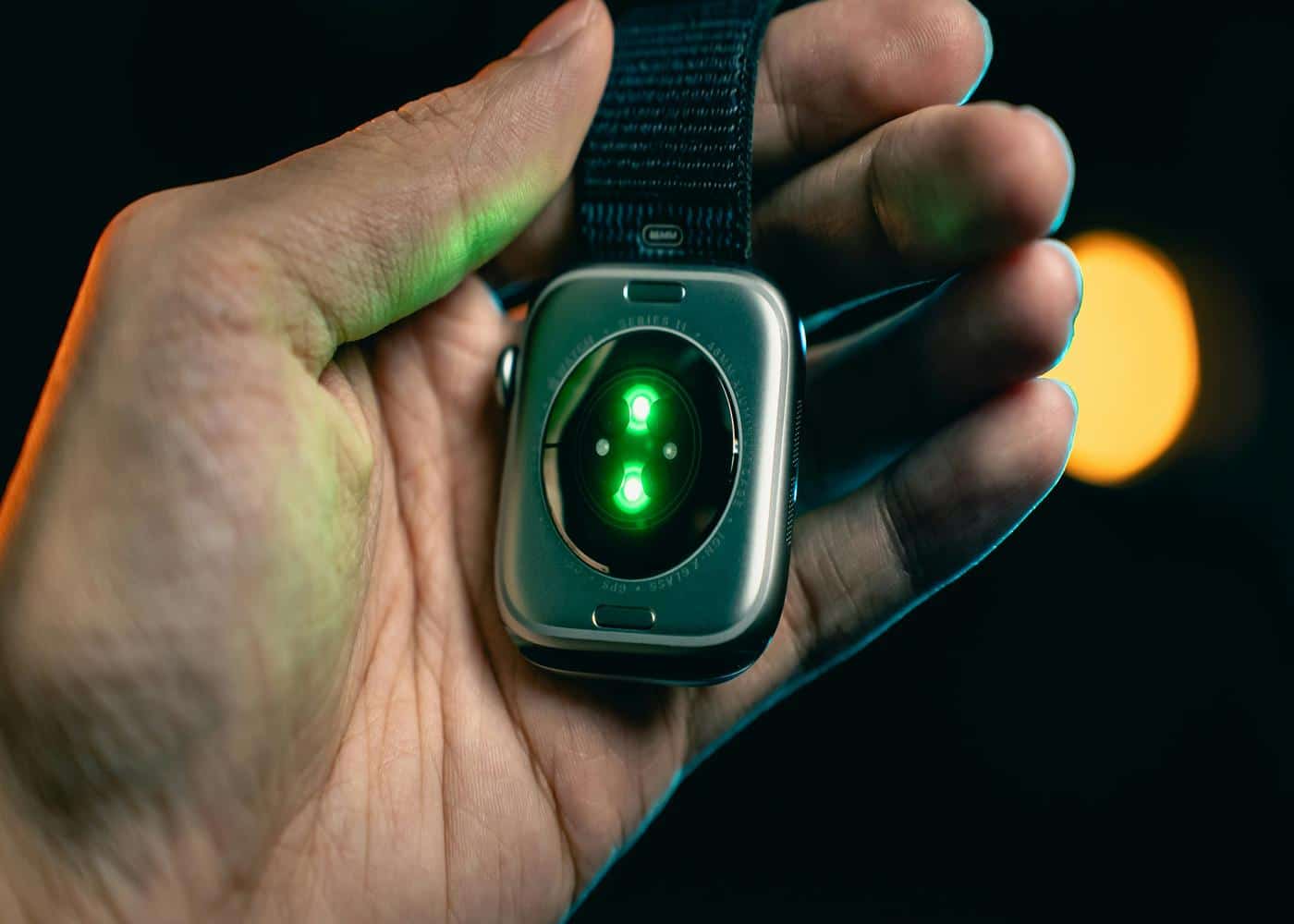
Smartwatches that offer ECG use a simplified version of this technology. Instead of many electrodes, they rely on sensors built into the watch case and crown. When you place a finger on the crown while wearing the watch, it completes an electrical circuit that allows the device to record a single-lead ECG.
This means smartwatches do use real ECG technology, but in a limited and consumer-focused form rather than a medical-grade diagnostic system.
How Smartwatch ECG Actually Works
When you activate the ECG feature on a smartwatch, the device measures tiny electrical signals generated by your heart as it beats. These signals are detected through the skin and converted into a waveform that represents your heart rhythm.
Most smartwatch ECG readings take around thirty seconds. During this time, you need to remain still and keep consistent contact with the sensors. The watch then analyzes the data to detect irregular rhythms, particularly atrial fibrillation.
The results are typically displayed as a simple classification, such as normal rhythm, irregular rhythm, or inconclusive. Some devices allow you to export the recording as a PDF that can be shared with a healthcare professional.
What Smartwatch ECG Can Detect
Smartwatch ECG features are primarily designed to screen for atrial fibrillation. This condition causes an irregular and often rapid heart rhythm that increases the risk of stroke if left untreated.
Many smartwatches can detect irregular patterns that suggest atrial fibrillation, especially when symptoms are intermittent. This can be helpful for people who experience occasional palpitations that are difficult to capture during a doctor visit.
However, smartwatch ECG cannot reliably detect heart attacks, structural heart problems, or other complex arrhythmias. It is not a replacement for medical testing or professional diagnosis.
Popular Smartwatches with ECG Functionality
Several smartwatches now include ECG features, offering users a convenient way to monitor their heart rhythm. Each device has its own strengths, limitations, and unique considerations.
Apple Watch Series 8
The Apple Watch Series 8 allows single-lead ECG recording and can detect irregular heart rhythms. Results can be exported as a PDF for your doctor. It integrates with iOS Health for long-term tracking and sends notifications if irregular rhythms are detected. Accuracy is high when worn correctly, but readings can be affected by motion or poor skin contact.
Samsung Galaxy Watch 6
Samsung’s Galaxy Watch 6 includes ECG functionality compatible with Samsung Health Monitor. It can detect atrial fibrillation and record heart rhythm patterns over time. Users can share data with healthcare providers. Some features require pairing with a compatible Samsung smartphone.
Fitbit Sense 2
Fitbit Sense 2 offers ECG readings to screen for atrial fibrillation and includes other health monitoring tools like stress tracking and heart rate variability. The device is user-friendly and suitable for daily wear, though the ECG feature may have limitations compared with multi-lead clinical systems.
Withings ScanWatch
The Withings ScanWatch combines traditional watch design with ECG and heart rate monitoring. It provides irregular rhythm notifications and can track long-term cardiovascular trends. Battery life is longer than most smartwatches, but it offers fewer smartwatch apps and features.
Garmin Venu 3
Garmin Venu 3 includes ECG-like heart rhythm monitoring along with advanced fitness metrics. It provides alerts for irregular heart rates and integrates with Garmin Connect for health tracking. Some users may find it less intuitive than Apple or Samsung devices for ECG readings.
Accuracy and Limitations
Studies have shown that smartwatch ECG can be reasonably accurate for detecting atrial fibrillation in certain populations. Accuracy improves when users follow instructions carefully and take readings while still.
There are also limitations to consider. Motion, poor skin contact, cold temperatures, and improper fit can affect results. False positives and inconclusive readings are possible, which may cause unnecessary anxiety.
Because smartwatch ECG uses a single lead, it lacks the detailed information provided by clinical ECG systems. This limits its ability to identify other heart conditions.
Safety and Regulation
In many regions, smartwatch ECG features are regulated as medical devices and require approval from health authorities. This helps ensure that the technology meets basic safety and performance standards.
Despite this oversight, smartwatch ECG is intended to complement medical care, not replace it. Any concerning symptoms such as chest pain, dizziness, or shortness of breath, should always prompt medical attention regardless of smartwatch readings.
Who Might Benefit Most
Smartwatch ECG may be most useful for people who have a higher risk of atrial fibrillation, such as older adults or those with a family history of heart rhythm disorders. It can also benefit individuals who experience occasional symptoms and want a way to capture irregular rhythms when they occur.
For healthy individuals without symptoms, ECG features may provide reassurance but are not essential. They should be viewed as a screening and awareness tool rather than a diagnostic device.
Final Thoughts: Smartwatch ECG Functionality
Smartwatches do use ECG technology, but in a simplified and consumer-friendly form. They can provide valuable insights into heart rhythm and help detect atrial fibrillation in some cases. At the same time, they have clear limitations and should not be relied upon for diagnosis or emergency decisions.
When used with the right expectations, a smartwatch ECG can be a helpful addition to personal health monitoring and an entry point for conversations with healthcare professionals.
Article FAQ
Which Apple Watch has ECG?
Apple Watches from Series 4 onward include ECG functionality. This allows users to record a single lead ECG and detect irregular heart rhythms. The feature works best when worn snugly and used according to Apple’s instructions.
What can a smartwatch ECG detect?
Smartwatch ECG primarily screens for atrial fibrillation, an irregular heart rhythm that can increase the risk of stroke. Some devices may detect other irregularities, but they are not capable of diagnosing heart attacks, structural heart problems, or more complex arrhythmias.
What does ECG stand for?
ECG stands for electrocardiogram. It is a test that measures the electrical activity of the heart to detect rhythm irregularities and other cardiac conditions.
Are smartwatch ECG readings accurate?
Smartwatch ECG readings can be reasonably accurate for detecting atrial fibrillation when used correctly. Accuracy may be affected by motion, poor skin contact, or improper fit. They are not a replacement for professional medical ECG testing.
Can smartwatches replace a doctor’s ECG?
No. Smartwatches are designed for screening and awareness rather than diagnosis. Any concerning symptoms or abnormal readings should prompt consultation with a healthcare professional.
Who should use smartwatch ECG features?
People at higher risk of atrial fibrillation, those with occasional palpitations, or individuals who want ongoing heart rhythm awareness may benefit most. Healthy users may use it for reassurance, but it is not essential for everyone.