
The 10 Best Immune System Support Supplements for Adults
Health
Key Findings
A balanced diet provides the foundation for your immune system, but targeted supplements can successfully bridge daily nutritional gaps. Essential nutrients like Vitamin C, Vitamin D, and Zinc directly support cellular defense functions, while botanical extracts like elderberry and echinacea offer short-term respiratory support. For optimal results, these supplements must be combined with consistent health habits, including adequate sleep, regular exercise, and stress management.
Why you Should Care?
A healthy immune system means faster recovery, better skin, and more vitality.

The immune system relies on a consistent supply of specific nutrients to function properly.
While a balanced diet is the best way to obtain these essential components, dietary gaps frequently occur due to busy schedules, restricted eating habits, or individual health factors.
When daily food intake falls short, targeted supplementation provides a practical method for delivering necessary vitamins, minerals, and botanical compounds directly to the body.
Understanding how these specific immune system supplements work at the cellular level clarifies their role in maintaining everyday physical health. Using high-quality supplements to support immunity can help address these nutritional deficiencies.
What Nutrients Does Your Immune System Need to Perform?

The body uses macronutrients and micronutrients to maintain its defense systems.
Proteins provide amino acids for cellular structure. Vitamins and minerals facilitate the chemical reactions within these cells.
For example, vitamins protect cell membranes and assist in antibody production. Minerals are involved in white blood cell development and inflammatory regulation.
A consistent supply of these nutrients ensures the body can identify and respond to foreign agents efficiently.
What Effect Can Vitamin Deficiency Have on Your Immune System?
A lack of necessary vitamins and minerals can impair the body's defense mechanisms. Recognizing the signs of a potential nutrient deficiency is a practical step in maintaining your health.
Potential signs of an immunological vitamin deficiency include:
Frequent respiratory infections or common colds.
Minor cuts and scrapes taking significantly longer to heal than usual.
Persistent fatigue and lack of energy despite getting adequate sleep.
Increased joint discomfort and localized inflammation.
Unexplained skin issues such as unusual dryness or frequent rashes.


The Best Supplements for Immunity Support
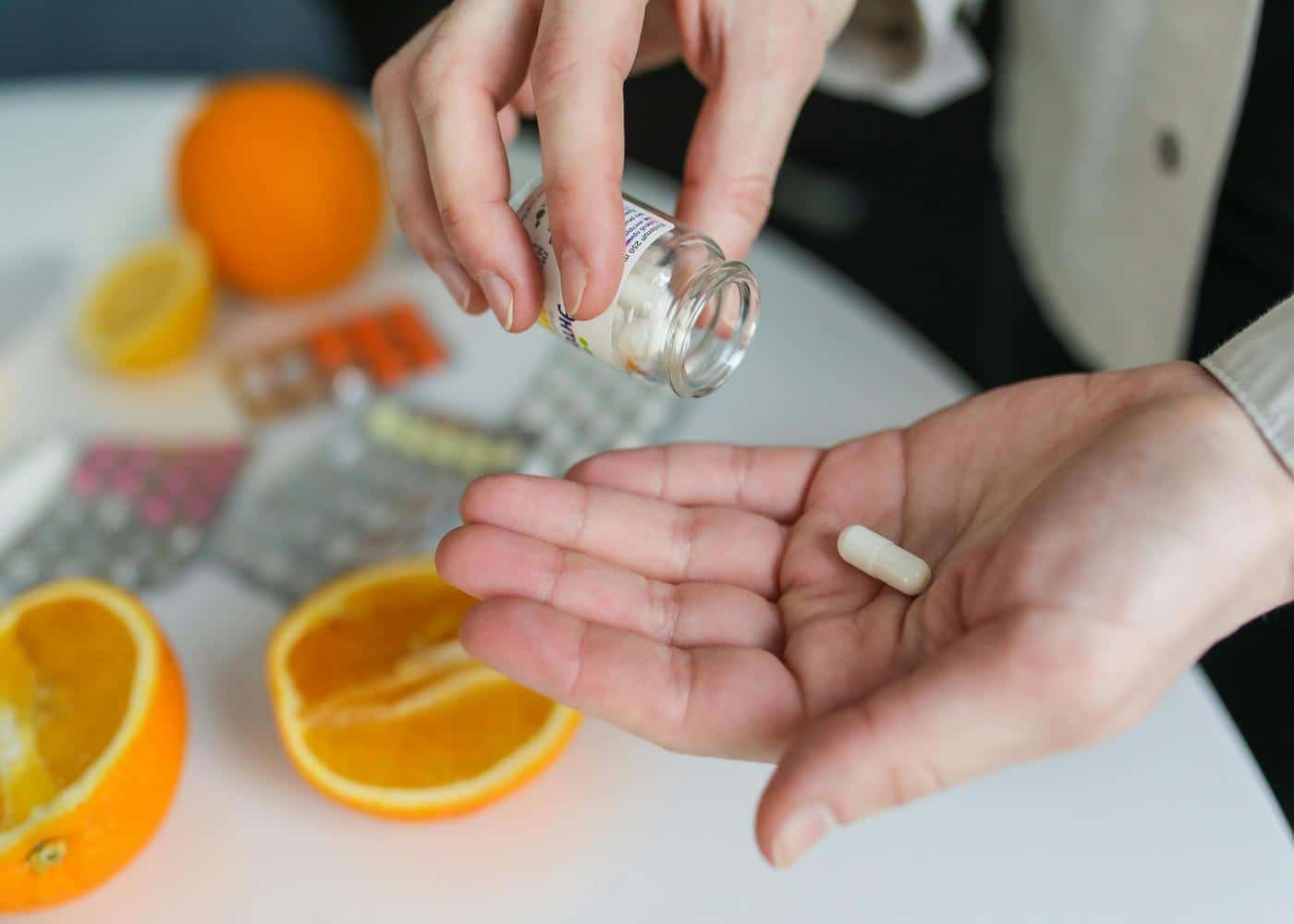
While a healthy diet is your best foundation, the ten options below help correct daily nutritional shortfalls. They deliver the specific vitamins, minerals, and plant extracts your body needs to maintain its defense system.
1. Vitamin C
Vitamin C is one of the most well-known nutrients for keeping your body healthy. Because your body cannot make or store Vitamin C, you must get it every day through your diet or from supplements.
It acts as an antioxidant, which is a substance that protects your cells from the daily wear and tear caused by your environment and normal bodily processes.
Vitamin C works directly with your white blood cells, making them better at finding and destroying unwanted invaders. It also helps your body clean out old, tired immune cells and replace them with fresh, active ones.
In addition, Vitamin C is necessary for your body to produce collagen. Collagen is the building block of your skin, and your skin is your body's first line of physical defense against the outside world. Keeping your skin healthy naturally supports your overall protection.
Since your body flushes out any extra Vitamin C it does not need, many people choose to take it daily. It is usually found as ascorbic acid, but if that bothers your stomach, you can look for gentler options like sodium ascorbate.
Natural Sources of Vitamin C
Oranges and lemons
Red bell peppers
Strawberries
Broccoli
Tomatoes
2. Vitamin D
Vitamin D is unique because your body treats it more like a hormone than a regular vitamin. Your skin naturally makes Vitamin D when it is exposed to direct sunlight.
However, spending most of our time indoors, living in certain climates, and wearing sunscreen often prevents our bodies from making enough. This makes taking a supplement a smart choice for many adults.
This vitamin talks directly to your white blood cells, helping them recognize and respond to physical threats. It also helps keep your body calm by managing inflammation.
This means it stops your body from overreacting to minor issues, saving your energy and preventing unnecessary soreness.
Having low levels of Vitamin D is incredibly common, and people with low levels often find themselves catching winter bugs more frequently.
When looking for a supplement, you will mostly see Vitamin D2 and Vitamin D3. Vitamin D3 is the form your body prefers and is much better at raising your levels.
Since it needs fat to be absorbed properly, you should always take Vitamin D with a meal that includes some healthy fats.
Natural Sources of Vitamin D
Salmon and mackerel
Cow's milk
Plant-based milks
Egg yolks
UV-treated mushrooms, such as white button or portobello
3. Zinc
Zinc is an essential mineral that your body uses for hundreds of different daily tasks. Your body does not have a way to store zinc for later, so you need a steady supply from your food or supplements to maintain your baseline health.
It is heavily involved in breaking down food, building DNA, and creating proteins.
When it comes to your defense system, zinc is required to build and support your fast-acting white blood cells. These are the cells that rush in first when your body detects a foreign invader.
Zinc also acts like a communication network, allowing different parts of your immune system to talk to each other and coordinate a strong response. Without enough zinc, this communication breaks down, and your defense cells become sluggish.
You can find zinc in several supplement forms, like zinc gluconate or zinc citrate. Zinc picolinate is often recommended because it is very easy for your body to absorb.
Many people also use zinc lozenges to soothe their throats directly. Just be careful to follow the dosage instructions, as taking too much zinc can stop your body from absorbing other important minerals.
Natural Sources of Zinc
Oysters
Beef and poultry
Pumpkin seeds
Lentils and chickpeas
Almonds
4. Probiotics
Probiotics are friendly bacteria and yeasts that are good for your health, especially your digestive system.
It surprises many people to learn that a large portion of your immune system lives right inside your gut. The helpful bacteria in your stomach and intestines work around the clock with your body's natural defenses to keep you healthy.
These good bacteria help protect the lining of your gut, creating a strong physical barrier that stops harmful substances from slipping into your bloodstream. They also crowd out the bad bacteria by taking up space and consuming the available food.
As these friendly microbes digest the fiber you eat, they create byproducts that give energy to your colon cells and help regulate your entire defense system.
Taking a probiotic supplement introduces millions of these helpful bacteria directly into your digestive tract. This is especially useful if your normal gut balance has been thrown off by stress, a poor diet, or a recent round of antibiotics.
Keeping your gut happy is one of the most direct ways to support your daily physical resilience.
Natural Sources of Probiotics
Yogurt with live active cultures
Kefir
Sauerkraut
Kimchi
Kombucha
5. Vitamin E
Vitamin E is a group of fat-soluble compounds, but there is one specific type that your body uses the most. It is found in very high amounts inside your immune cells, which shows just how important it is for keeping your defenses strong.
The main job of Vitamin E is to work as an antioxidant. It acts like a shield for your cells, protecting their delicate outer layers from damage.
When your body is fighting off a threat, your immune cells multiply rapidly. Vitamin E ensures that these brand-new cells stay healthy and are fully capable of doing their jobs.
It also provides direct support to the specific white blood cells that remember past threats, helping them react faster the next time.
As we get older, our immune cells naturally slow down. Keeping your Vitamin E levels up is a great way to support those cells and keep your defenses acting youthful and responsive.
Because it needs fat to break down, you must take Vitamin E with food. Natural forms of Vitamin E are usually much easier for your body to process than synthetic versions.
Natural Sources of Vitamin E
Sunflower seeds
Almonds
Spinach
Avocados
Peanut butter
6. Selenium
Selenium is a mineral that your body only needs in very tiny amounts, but it plays a big role in keeping you healthy. It is a core building block for special proteins that your body uses to protect DNA and manage hormones.
Many of these proteins act as built-in antioxidants. They constantly work to neutralize harmful compounds in your bloodstream, lowering the overall stress on your body.
When your baseline physical stress is low, your immune system does not have to work as hard daily. This means it has plenty of energy in reserve to fight off actual outside threats when they appear.
Selenium also helps direct the chemical signals that tell your white blood cells where to go and what to do.
The amount of selenium you get from food depends entirely on how rich the farming soil was where the food grew. Because soil quality varies so much, taking a supplement provides a reliable daily amount.
However, you must measure your selenium intake very carefully. Taking more than the recommended dose can be harmful, so stick strictly to the label instructions.
Natural Sources of Selenium
Brazil nuts
Yellowfin tuna
Sardines
Chicken breast
Whole wheat pasta
7. Garlic Extract
Garlic is much more than just a popular kitchen staple. It has been used for centuries across the world to support general health and wellness. The secret to garlic's health benefits lies in a specific natural chemical it contains.
When you crush, chew, or chop a clove of raw garlic, it releases a powerful compound that interacts directly with your white blood cells. Studies show that this compound essentially wakes up your defense cells, making them more active and ready to handle physical stressors.
Garlic also provides a general boost of antioxidants that protect cells throughout your entire body. To get the maximum benefit from regular garlic, you have to eat it completely raw, as cooking destroys the most helpful compounds.
Since raw garlic has an incredibly strong smell and can easily upset your stomach, aged garlic extract is a very popular alternative. The aging process locks in the health benefits while making it completely gentle on your stomach and eliminating the harsh odor, making it perfect for daily use.
Natural Sources of Garlic
Raw garlic cloves
Aged garlic extract
Roasted garlic bulbs
Garlic powder
Garlic-infused oils
8. Elderberry
Elderberry comes from the dark purple fruit of the elder tree and is a traditional favorite for supporting health during the cold winter months.
These berries are packed with natural plant pigments that give them their rich color. These same pigments act as excellent antioxidants, protecting your cells from everyday damage.
The compounds found in elderberries interact directly with your internal defense network. They help your body produce the specific chemical signals needed to guide your immune cells exactly where they are needed most.
By helping coordinate this response, elderberry makes it easier for your body to bounce back from seasonal stressors. It is commonly used as a short-term boost when the weather turns cold, rather than a vitamin you take every single day of the year.
It is very important to know that raw elderberries, as well as the leaves of the plant, can make you very sick. They must be professionally cooked and processed.
Buying commercial syrups, gummies, or capsules ensures you get all the benefits of the berry without any of the natural toxins.
Natural Sources of Elderberry
Commercially prepared elderberry syrup
Cooked whole elderberries
Elderberry tea
Elderberry jam
Pressed elderberry juice
9. Echinacea
Echinacea is a popular flowering plant native to North America, easily recognized by its bright purple petals. The roots and leaves of this plant contain a unique mix of natural compounds that work together to support your physical defenses.
Instead of just providing general nutrition, echinacea actively wakes up the part of your immune system responsible for clearing foreign material out of your bloodstream. It encourages your white blood cells to actively seek out and remove unwanted particles.
Because of how it works, echinacea is not usually taken as an everyday vitamin. Most people get the best results by taking it for a short period at the very first sign of feeling run down. This gives your body a quick, targeted burst of support exactly when it needs it.
You can find echinacea in many forms, including hot teas, liquid drops, and capsules. When shopping for a supplement, look for products that guarantee a standardized amount of the active ingredients, as this ensures you are getting a reliable and effective dose every time.
Natural Sources of Echinacea
Echinacea tea
Simmered echinacea root tea
Liquid extract drops
Expressed juice from the plant
Dried echinacea petals
10. Turmeric (Curcumin)
Turmeric is the bright yellow spice commonly used in curries and traditional cooking. The most important part of turmeric is a compound called curcumin. Curcumin is what gives the spice its vibrant color and its powerful health benefits.
Curcumin talks to many different types of white blood cells, helping them stay active and alert. Its most famous benefit is its ability to manage and balance inflammation.
While some inflammation is a normal and necessary part of healing, too much of it can leave you feeling stiff, sore, and exhausted. Curcumin helps keep this response under control, allowing your body to protect itself without causing unnecessary wear and tear on your healthy tissues.
The biggest problem with plain turmeric is that your digestive system struggles to absorb it. Most of it passes right through you.
To fix this, high-quality supplements combine turmeric with black pepper extract. The black pepper acts as a key, unlocking the curcumin and allowing your body to easily absorb it into your bloodstream for maximum benefits.
Natural Sources of Turmeric
Grated fresh turmeric root
Ground turmeric powder
Golden milk, a warm drink made with turmeric and milk
Curry dishes
Turmeric tea
Are Immune Support System Supplements Safe?

For most adults, taking dietary supplements is safe when following the manufacturer's recommended dosages.
However, fat-soluble vitamins like D and E can accumulate in the liver and fatty tissues if taken in excess over long periods.
Water-soluble vitamins are generally excreted in urine, but very high doses can still cause digestive upset.
Botanical extracts can interact with prescription medications or affect how the liver metabolizes certain drugs.
Consulting a healthcare provider before starting new supplements is a standard and necessary practice, particularly for individuals with existing medical conditions or those taking daily medications.
Other Important Considerations
Supplements are just one factor in maintaining overall health, and several other habits are equally necessary for optimal physical function.
Get adequate sleep: Deep sleep is required for cellular repair and the formation of immune memory. Adults generally require seven to nine hours of quality rest per night.
Manage daily stress: Chronic stress increases cortisol production. Sustained high cortisol levels physically suppress white blood cell function over time.
Maintain proper hydration: Water is necessary to produce lymph. This is the specific fluid that transports white blood cells throughout the entire body.
Engage in regular exercise: Consistent physical activity improves blood circulation. This helps immune cells move freely and efficiently through your system.
Eat a balanced diet: Whole foods provide a complex matrix of fiber, vitamins, and minerals that isolated supplements simply cannot fully replicate.
Final Thoughts: Immune Supplements for Adults
Supporting the body's defense system requires consistent attention to basic health practices. While diet, sleep, and exercise are the primary factors, dietary gaps can occur.
In these situations, supplements offer a targeted way to provide the body with essential vitamins, minerals, and botanical compounds.
By understanding how specific nutrients function at a cellular level, individuals can make informed decisions about which products align with their needs.
Prioritize quality formulations, adhere to recommended dosages, and view these immune supplements for adults as a complementary tool in an overall strategy for maintaining physical health.

Article FAQ
Do immune support supplements work?
Yes, immune support supplements work by filling nutritional gaps in your daily diet. They provide the specific vitamins and minerals your body physically requires to maintain a functioning defense system. However, they are most effective when combined with a healthy lifestyle rather than acting as a standalone solution.
What supplements boost the immune system?
The most effective supplements for supporting your internal defense network include Vitamin C, Vitamin D, and Zinc. Other beneficial options are probiotics for gut health, Vitamin E, Selenium, and botanical extracts like Garlic, Elderberry, Echinacea, and Turmeric. These specific nutrients help different types of white blood cells function efficiently.
What else can I do to boost my immune system?
Beyond taking targeted supplements, you can support your body by getting seven to nine hours of sleep each night and actively managing daily stress. Staying well-hydrated, engaging in regular physical exercise, and eating a balanced diet full of whole foods also play a primary role in maintaining your overall health.
Can I take immune supplements every day?
You can take many foundational nutrients, such as Vitamin C and Vitamin D, safely every day. However, targeted herbal supplements like Echinacea or Elderberry are generally better suited for short-term use when you feel your body needs immediate support. Always check the manufacturer's label for specific daily dosage recommendations.
How long does it take for immune supplements to work?
The timeline depends heavily on the specific nutrient and your current baseline health. Water-soluble vitamins like Vitamin C absorb into the bloodstream quickly, while fat-soluble vitamins and minerals may take several weeks of consistent daily use to raise your body's levels enough to show a noticeable physiological effect.
Are there side effects to taking immune supplements?
Most supplements are entirely safe for healthy adults when taken exactly at the recommended doses. Taking excessive amounts of certain vitamins or minerals can lead to digestive discomfort or toxicity over time. Botanical extracts can also interact with prescription medications, so consulting a healthcare provider is always recommended.