
The Impact of Pollution on Mental Health: The Hidden Cost of Urbanization and Climate Change
News
Key Findings
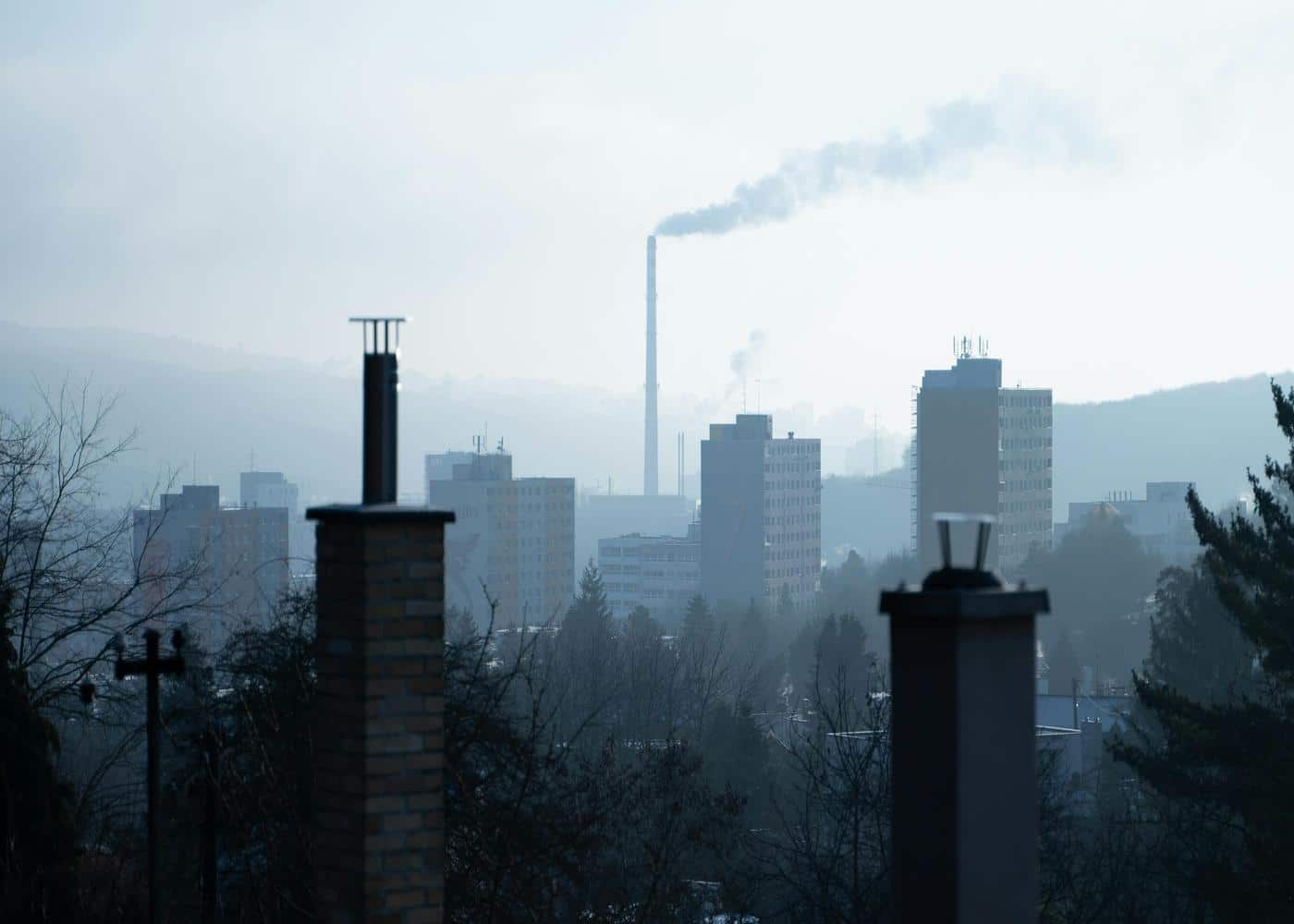
A comprehensive synthesis of current European environmental and public health data reveals that physical pollutants are direct, biological drivers of psychiatric vulnerability. The effects of air pollution on mental health are profound, linking particulate exposure to neuroinflammation, depression, and cognitive decline. Simultaneously, the effects of noise pollution on mental health elevate stress hormones and suicide risk. Chemical toxicants alter early neurodevelopment, while climate change drives acute trauma and widespread eco-anxiety. Ultimately, mitigating the effects of pollution on mental health requires urgent policy interventions and expanded nature-based solutions.
Why you Should Care?
The air we breathe, the noise we endure, and the climate we inhabit are actively driving anxiety, depression, and cognitive decline.

Mental health disorders represent one of the most profound and rapidly growing public health challenges of the modern era.
In the European Union alone, the Global Burden of Disease Study indicated that more than 11 million disability-adjusted life years were lost in 2023 due to mental health disorders, making these disorders the sixth largest burden of disease across the continent.
According to data from the European Health Interview Survey, mental health problems affect approximately one in six people in the EU, with 7.2 percent of citizens suffering from chronic depression (Eurostat, 2021).
Multiple more extensive studies show a significant and sustained increase in the prevalence and incidence of mental health disorders across Europe over the last two decades (Lozano-Sánchez et al., 2024; Momen et al., 2025).
Yet, despite these escalating numbers, public health systems have systematically underrepresented psychiatric care in their budgets and resource allocations.
Historically, the etiology of mental health disorders has been viewed primarily through a localized, individual lens. Researchers and clinicians have focused on intrinsic factors such as genetics, biological predispositions, and immediate socioeconomic or psychological determinants.
However, this traditional framework is rapidly expanding to include a critical and previously underappreciated risk factor, which is the physical environment.
The European Commission has pointed out the importance of addressing the environmental determinants that promote good mental health along with biological and socioeconomic factors.
It is becoming increasingly clear that the health of our planet and the health of our neurology are inextricably linked.
The invisible crisis: How our environment is reshaping our mental wellbeing

The relationship between physical health and exposure to pollution is well established. We readily understand how poor air quality damages the lungs, how contaminated water affects the gastrointestinal tract, and how extreme temperatures stress the cardiovascular system.
Yet, the impact of environmental stressors on the human nervous system and psychiatric well-being remains an invisible crisis.
Environmental pollution and climate change are not merely passive background issues. They are active biological and psychological stressors that fundamentally reshape our mental health.
The underlying mechanisms connecting environmental hazards to mental illness are complex, but scientific consensus is forming around key neurological pathways. Emerging evidence suggests that pollution triggers mental disorders, aggravates existing symptoms, and contributes to the long-term etiology of diseases through chronic exposure.
Research increasingly identifies systemic inflammation and oxidative stress as the primary biological pathways bridging environmental toxins and psychological distress (King et al., 2022).
The effects of pollution on mental health are profound. When the human body is repeatedly bombarded by pollutants or extreme environmental conditions, the resulting physiological stress response can alter neurotransmitter function, impact brain architecture, and severely compromise psychological resilience.
Effects of air pollution on mental health
Air pollution is arguably the most pervasive environmental hazard globally, and its neurological consequences are alarming.
The intersection of air pollution and mental health is one of the most heavily researched areas in environmental psychiatry. Neurological studies indicate that exposure to outdoor air pollution during critical stages of brain development, such as in utero, early childhood, and adolescence, is associated with both structural and functional brain changes.
The exact causal pathways are continuously being mapped, but current evidence suggests that fine particulate matter can cross the blood-brain barrier, causing local neuroinflammation. Furthermore, outdoor air pollutants can cause profound changes to neurotransmitters, neuromodulators, and their metabolites (Bhui et al., 2023).
Epidemiological associations strongly support these biological findings. Comprehensive expert assessments and meta-analyses investigating the effects of air pollution on depression and wider mental health consistently show a statistically significant association between long-term exposure to poor air quality and an increased risk of depressive disorders.
The strongest evidence currently available points to fine particulate matter (PM2.5) and nitrogen dioxide (NO2). Chronic exposure to these pollutants is linked to the onset of new depressive episodes, while acute high-pollution periods severely exacerbate existing depressive symptoms (Braithwaite et al., 2019; Buoli et al., 2018).
To fully understand the effects of air pollution on mental health, we must look at both structural brain changes and behavioral outcomes across the human lifespan.
Long-term exposure has been associated with generalized anxiety, bipolar disorder, and an elevated risk of suicide (Liu et al., 2021). In elderly populations, long-term exposure to air pollution has been strongly correlated with a progressive decline in mental function, increasing the risk of dementia and exacerbating the development of neurodegenerative conditions like Alzheimer's disease (Wang et al., 2022; Kulick et al., 2020).
Meanwhile, short-term peaks in air pollution are consistently and statistically significantly associated with worsening schizophrenia symptoms and escalating acute anxiety (Radua et al., 2024).
For developing minds, the threat is particularly acute. Traffic-related air pollution exposure during childhood appears to result in higher generalized anxiety rates in teenagers (Brunst et al., 2019), while post-natal exposure to PM2.5 in the first years of life shows a moderate association with autism spectrum disorder (Castro et al., 2023).
Noise pollution and mental health: A long-term strain
While often dismissed as a mere nuisance of urban living, environmental noise is a potent physiological stressor with severe, documented implications for human neurology.
The relationship between noise pollution and mental health is mediated by the chronic activation of the autonomic nervous system.
Chronic exposure to low-level noise disrupts the body’s baseline equilibrium. It chronically activates the body's stress response and causes severe sleep disturbances. These combined effects lead directly to inflammation and oxidative stress, which subsequently contribute to profound psychiatric vulnerability.
Road traffic noise is the most extensively studied source of noise in relation to mental health. Evidence from systematic reviews and meta-analyses utilizing the day-evening-night-level (Lden) metric suggests that for every 10-decibel increase in noise, there is a small but statistically significant increase in the risk of depression and anxiety (Hegewald et al., 2020). Recent large cohort studies that meticulously adjust for sociodemographic and environmental confounders confirm these risk increases (Eze et al., 2020).
The effects of noise pollution on mental health extend far beyond temporary annoyance. Alarmingly, extensive research has also identified a significant 4.0 percent increase in suicide rates per 10-decibel increase in road traffic noise at the place of residence (Wicki et al., 2023).
For younger populations, residential exposure to road traffic noise is linked to a higher prevalence of behavioral issues, which heavily impacts their long-term mental well-being.
Aircraft and railway noise also present their own unique risks. Aircraft noise, in particular, has been strongly linked to mental health disorders. Research has found up to a 12 percent increase in depression risk per 10-decibel Lden increase in aircraft noise, representing a substantially stronger psychiatric association than road or rail noise (Hegewald et al., 2020).
Aircraft noise also causes significantly greater psychological annoyance than other transport sources at similar decibel levels.
This state of continual low-level stress acts as a crucial factor in the causal pathway between environmental noise and poor mental health, generating feelings of powerlessness and chronic frustration that lead to severe anxiety and depressive episodes.
Exposure to chemicals and pesticides
The chemical pollution of our daily environments introduces yet another potent vector for psychiatric harm.
Heavy metals, endocrine-disrupting chemicals, agricultural pesticides, and second-hand smoke have all been heavily implicated in the disruption of neurodevelopment and the precipitation of mental illness. Because these substances often interfere directly with the endocrine system or damage delicate neural tissue, their effects are most profound when exposure occurs during highly sensitive developmental windows, such as gestation and early childhood.
Lead (Pb) is one of the most thoroughly documented neurotoxicants in the scientific literature. The most consistent findings relate to the links between prenatal or early childhood lead exposure and severe psychiatric outcomes later in life.
There is robust evidence indicating an increased risk of developing major depressive disorders in young adulthood following childhood exposure to lead (Neuwirth et al., 2020).
Furthermore, multiple studies have established a firm association between prenatal lead exposure and the subsequent development of schizophrenia (Opler et al., 2004, 2008).
While the evidence for other heavy metals like cadmium and mercury is currently less conclusive regarding specific psychiatric diagnoses, their general capacity to degrade brain health remains a significant public health concern.
Endocrine-disrupting chemicals, particularly Bisphenol A (BPA) and various phthalates, are ubiquitous in modern consumer products. Identified studies have consistently found a positive association between prenatal BPA exposure and the development of childhood depression and anxiety (Van Den Bosch and Meyer-Lindenberg, 2019).
There is also substantial evidence suggesting that these chemicals exert sex-specific effects on the developing brain, altering the precise hormonal pathways that dictate emotional regulation and stress responses throughout life.
Finally, second-hand smoke represents a highly prevalent form of localized chemical air pollution with severe psychological consequences. Exposure to second-hand smoke is consistently linked to depression and schizophrenia, particularly in vulnerable groups like pregnant women and young children.
Research indicates that second-hand smoke results in a significantly increased risk of antenatal depression (Padhani et al., 2024). For growing adolescents, home exposure is associated with increased depressive symptoms, suicidal ideation, and lower overall cognitive function (Kim et al., 2016; Bang et al., 2017).
Climate change and mental health
Beyond localized forms of pollution, the overarching crisis of global climate change is exerting a massive, compounding toll on human psychology.
The mental health impacts of climate change can be categorized into direct traumas caused by acute extreme weather events, the physiological strain of extreme heat, and the chronic distress associated with witnessing global environmental degradation (Lawrance et al., 2021). Worldwide, climate change is expected to worsen mental health outcomes dramatically across all demographics (Romanello et al., 2021).
The losses, damages, and forced displacement associated with extreme weather events such as flooding and wildfires have an immediate and devastating effect on mental stability.
The psychological trauma resulting from a climate disaster can frequently outpace the rate of physical injury. Individuals displaced by floods frequently suffer from Post-Traumatic Stress Disorder (PTSD), severe anxiety, and clinical depression, with symptom severity directly proportional to the magnitude of the disruption to their daily routines (Fernandez et al., 2015).
Similarly, populations affected by wildfires report higher consumption of drugs used to treat sleeping and anxiety disorders, alongside elevated rates of hostility and paranoia, with symptoms persisting for years after the actual fires are extinguished (Caamano-Isorna et al., 2011; Papanikolaou et al., 2011).
High temperatures also have a direct, measurable impact on brain function and emotional regulation. Heatwaves are consistently associated with mood disorders, worsened behavioral control, and a documented increase in aggressive behavior and violent crime.
There are also clear links between abnormally high temperatures and an increase in suicide risk, as well as a surge in mental health-related emergency department visits (Thompson et al., 2018).
People with pre-existing psychiatric conditions are acutely vulnerable to extreme heat. The risk of mortality for mental health patients during hot periods is dramatically increased by the physiological interaction between heat and common psychotropic drugs, which often impair the body's natural ability to regulate core temperature (Page et al., 2012).
Furthermore, the existential threat of climate change is generating new psychological paradigms. "Solastalgia" describes the profound anguish induced by environmental changes destroying one's beloved home environment (Albrecht et al., 2007).
"Eco-anxiety" is another chronic fear of environmental cataclysm, driven by observing the seemingly irrevocable impact of climate change.
These phenomena are particularly prevalent among youth. Global surveys reveal that climate change is one of the biggest causes of concern for young people. Across several European countries, feelings about climate change negatively affect the daily life and functioning of nearly half of surveyed children and young people, with 75 percent judging their future as explicitly frightening (Hickman et al., 2021).


An uneven burden: Who suffers most?

The psychiatric consequences of pollution and climate change are not distributed equally across the population. The likelihood of developing mental disorders from environmental stressors is heavily dictated by socioeconomic status, age, and pre-existing health conditions, making this a profound issue of environmental justice.
Children and adolescents from disadvantaged backgrounds are reportedly two to three times more likely to suffer from mental illness compared to their wealthier peers (Reiss, 2013).
This baseline vulnerability is compounded by the fact that lower socioeconomic groups are systematically more exposed to environmental hazards. Marginalized communities are frequently situated closer to major roadways, industrial sites, and urban heat islands, resulting in significantly higher cumulative exposure to ambient air pollution, noise, and extreme temperatures (Fairburn et al., 2019).
Because these groups typically have fewer financial resources to adapt to these hazards or recover from extreme weather events, the psychological impact of environmental degradation is drastically accentuated in poorer populations.
Age also firmly dictates physiological vulnerability. Children and young people are more exposed to air pollution due to their higher respiratory rates relative to their body mass, and their rapidly developing nervous systems are exquisitely sensitive to neurotoxicants.
Conversely, the elderly face unique risks, as long-term pollution exposure accelerates cognitive decline, and environmental extremes like heatwaves pose immediate threats to their physical and cognitive stability.
Indigenous communities and rural farmers also face disproportionate mental health risks, as their direct livelihoods and cultural identities are eroded by changing weather patterns and persistent droughts, placing immense strain on community cohesion (Cianconi et al., 2020).
The Future of Mental Health and Climate Change

Understanding the trajectory of these environmental health impacts requires carefully examining the regulatory and social frameworks we choose to implement today.
The future of mental health in Europe and globally hinges entirely on our ability to mitigate pollution at the source and adapt to the climate changes that are already locked into our atmospheric system.
What is the best-case scenario?
In the best-case scenario, governments and health organizations will fully embrace the "One Health" approach. This is a vital scientific and policy paradigm that explicitly recognizes the deep, inescapable interconnectedness between human, animal, and environmental health.
This approach dictates that preventing environmental degradation is fundamentally equivalent to preventing human neurological and psychiatric disease.
From a policy perspective, strict adherence to frameworks like the European Union’s Zero Pollution Action Plan is absolutely critical. This plan aims to reduce air, water, and soil pollution to levels no longer considered harmful to human health and ecosystems by 2050.
Achieving these targets requires transitioning away from fossil fuels, strictly enforcing chemical regulations, phasing out neurotoxic substances, and completely redesigning urban traffic management to minimize both toxic emissions and intrusive transportation noise.
Furthermore, the best-case scenario involves the widespread implementation of Nature-based Solutions (NbS). Expanding access to high-quality green and blue spaces in urban environments serves a powerful dual purpose.
Environmentally, these spaces mitigate urban heat islands, absorb floodwaters, and actively filter air pollution. Psychologically, regular exposure to nature provides a measurable protective effect against mental disorders. Time spent in natural environments reduces stress hormone levels, facilitates cognitive recovery, and fosters community social connectedness (Bratman et al., 2012).
By integrating these solutions, urban planners can create environments that actively heal the human mind rather than harm it.
And the worst case?
If greenhouse gas emissions remain unmitigated and critical environmental regulations are rolled back or ignored, the worst-case scenario will see an exponential and unmanageable rise in the global psychiatric burden.
The frequency and intensity of extreme heatwaves and severe flooding will continue to increase relentlessly, creating millions of new cases of complex trauma and permanent displacement.
Projections estimate that without proactive adaptation, coastal flooding alone could potentially cause five million additional cases of mild depression annually in the European Union by the end of the century (Bosello et al., 2012).
In this dire scenario, severe resource scarcity driven by systemic droughts and agricultural collapse will place unimaginable strain on local and global communities.
This will predictably lead to increased violence, forced mass migration, and a breakdown of social cohesion. The socioeconomic divide will widen dramatically, leaving vulnerable populations trapped in highly polluted, dangerously hot environments with entirely overwhelmed mental health care systems that are unable to cope with the sheer volume of psychiatric distress.
A note on current data limitations
While the current scientific evidence linking pollution to mental health is highly compelling, researchers readily acknowledge that the study of environmental psychiatry is still evolving.
Demonstrating definitive, isolated causation between specific pollutants and complex mental health outcomes requires overcoming significant methodological and statistical challenges.
A primary limitation is the current dominance of cross-sectional studies in the existing literature. These studies capture a snapshot in time rather than tracking individuals across their entire lifespan.
There is an urgent, recognized need for more long-term, comprehensive cohort studies to definitively isolate environmental influences from other confounding social, genetic, and biological determinants.
Variables such as neighborhood poverty, lack of access to healthcare, and baseline workplace stress are incredibly difficult to separate completely from ambient pollution exposure.
Additionally, psychological mediators like "annoyance" in noise pollution studies complicate the pure biological measurement of risk. Bridging these critical data gaps will require unprecedented cooperation between toxicologists, urban planners, climatologists, and clinical psychiatrists.
Final Thoughts: How Pollution is Changing Mental Health

The health of the human mind cannot be isolated from the health of the physical environment in which it exists.
A growing, robust body of scientific evidence makes it unequivocally clear that environmental pollution and climate change are not just ecological crises. They are imminent, severe public psychiatric emergencies.
Toxic air pollution is inflaming our nervous systems, chronic transportation noise is exhausting our physiological stress responses, chemical exposures are permanently altering neurodevelopment, and the relentless march of climate change is traumatizing communities and paralyzing younger generations with profound fear.
For far too long, mental health treatment has relied almost exclusively on individual-level interventions, such as clinical psychotherapy and psychopharmacology. While these tools remain incredibly vital for patient care, they are inherently insufficient to combat a systemic, population-level environmental crisis. We cannot simply medicate entire populations to cope with toxic air quality and collapsing global ecosystems.
Addressing this massive, invisible crisis requires a radical and immediate shift in public policy and healthcare integration. Mental health considerations and neurological protections must be explicitly written into climate adaptation plans, urban development protocols, and strict pollution regulations.
Protecting clean air, ensuring quiet residential zones, eliminating neurotoxic chemicals from consumer products, and stabilizing our climate are no longer just distant environmental goals. They are essential, non-negotiable medical interventions required to safeguard the psychological and neurological future of humanity.
Only by fixing our physical environment can we truly begin to fix our mental health crisis.

Bibliography
Albrecht, G., et al. (2007). Solastalgia: the distress caused by environmental change. Australasian Psychiatry, 15(sup1), pp. S95-S98. DOI: 10.1080/10398560701701288
Bang, Y., et al. (2017). Secondhand Smoking Is Associated with Poor Mental Health in Korean Adolescents. The Tohoku Journal of Experimental Medicine, 242(4), pp. 317-326.
Bhui, K., et al. (2023). Air quality and mental health: evidence, challenges and future directions. BJPsych Open, 9(4), p. e120. DOI: 10.1192/bjo.2023.507
Bosello, F., et al. (2012). Economic impacts of climate change in Europe: sea-level rise. Climatic Change, 112(1), pp. 63-81. DOI: 10.1007/s10584-011-0340-1
Braithwaite, I., et al. (2019). Air Pollution (Particulate Matter) Exposure and Associations with Depression, Anxiety, Bipolar, Psychosis and Suicide Risk: A Systematic Review and Meta-Analysis. Environmental Health Perspectives, 127(12), p. 126002. DOI: 10.1289/EHP4595
Bratman, G. N., et al. (2012). The impacts of nature experience on human cognitive function and mental health. Annals of the New York Academy of Sciences, 1249, pp. 118-136. DOI: 10.1111/j.1749-6632.2011.06400.x
Brunst, K. J., et al. (2019). Myo-inositol mediates the effects of traffic-related air pollution on generalized anxiety symptoms at age 12 years. Environmental Research, pp. 71-78.
Buoli, M., et al. (2018). Is there a link between air pollution and mental disorders? Environment International, 118, pp. 154-168. DOI: 10.1016/j.envint.2018.05.044
Caamano-Isorna, F., et al. (2011). Respiratory and mental health effects of wildfires: an ecological study in Galician municipalities (north-west Spain). Environmental Health, 10(1), pp. 1-9. DOI: 10.1186/1476-069X-10-48
Castro, A., et al. (2023). Environmental health risks to children and adolescents: an umbrella review on indoor and outdoor air pollution. ETC HE Report 2022/22, European Topic Centre on Human Health and Environment.
Cianconi, P., et al. (2020). The impact of climate change on mental health: a systematic descriptive review. Frontiers in Psychiatry, 11, 74. DOI: 10.3389/fpsyt.2020.00074
Eurostat (2021). 7.2% of people in the EU suffer from chronic depression. European Commission.
Eze, I. C., Foraster, M., Schaffner, E., et al. (2020). Incidence of depression in relation to transportation noise exposure and noise annoyance in the SAPALDIA study. Environment International, 144, 106014. DOI: 10.1016/j.envint.2020.106014
Fairburn, J., et al. (2019). Social Inequalities in Exposure to Ambient Air Pollution: A Systematic Review in the WHO European Region. International Journal of Environmental Research and Public Health, 16(17), p. 3127.
Fernandez, A., et al. (2015). Flooding and mental health: a systematic mapping review. PLoS ONE, 10(4), e0119929. DOI: 10.1371/journal.pone.0119929
Hegewald, J., Schubert, M., Freiberg, A., et al. (2020). Traffic Noise and Mental Health: A Systematic Review and Meta-Analysis. International Journal of Environmental Research and Public Health, 17(17), 6175. DOI: 10.3390/ijerph17176175
Hickman, C., et al. (2021). Climate anxiety in children and young people and their beliefs about government responses to climate change: a global survey. The Lancet Planetary Health, 5(12), E863-E873. DOI: 10.1016/S2542-5196(21)00278-3
Kim, N. H., et al. (2016). Secondhand Smoke Exposure and Depressive Symptoms among Korean Adolescents: JS High School Study. PLoS ONE, 11(12), p. e0168754.
King, J. D., et al. (2022). Air pollution and mental health: associations, mechanisms and methods. Current Opinion in Psychiatry, 35(3), pp. 192-199.
Kulick, E. R., et al. (2020). Long-term exposure to air pollution and trajectories of cognitive decline among older adults. Neurology, 94(17), pp. e1782-e1792.
Lawrance, D. E., et al. (2021). The impact of climate change on mental health and emotional wellbeing: current evidence and implications for policy and practice. Grantham Institute, Briefing Paper No 36.
Liu, Q., et al. (2021). Association between particulate matter air pollution and risk of depression and suicide: a systematic review and meta-analysis. Environmental Science and Pollution Research, 28(8), pp. 9029-9049.
Lozano-Sánchez, F. S., Aragonès, E., López Jiménez, T., et al. (2024). Temporal trends and social inequities in adolescent and young adult mental health disorders in Catalonia, Spain: a 2008 to 2022 primary care cohort study. Child and Adolescent Psychiatry and Mental Health, 18(1), 159. DOI: 10.1186/s13034-024-00849-2
Momen, N. C., Plana-Ripoll, O., Agerbo, E., et al. (2025). Mental Health Disorder Trends in Denmark According to Age, Calendar Period, and Birth Cohort. PubMed ID: 39602130.
Neuwirth, L. S., & Lopez, O. E. (2020). Low-level lead exposure impairs fronto-executive functions: A call to update the DSM-5 with lead poisoning as a neurodevelopmental disorder. Psychology and Neuroscience, 13(3), 299-325. DOI: 10.1037/pne0000213
Opler, M. G., Buka, S. L., Groeger, J., et al. (2008). Prenatal Exposure to Lead, δ-Aminolevulinic Acid, and Schizophrenia: Further Evidence. Environmental Health Perspectives, 116(11), 1586-1590. DOI: 10.1289/ehp.10464
Padhani, Z. A., et al. (2024). Cited extensively in the European Topic Centre on Human Health and Environment (ETC HE) Report 2025/13 regarding systematic reviews of second-hand smoke exposure and antenatal depression.
Page, L. A., et al. (2012). Temperature-related deaths in people with psychosis, dementia and substance misuse. The British Journal of Psychiatry, 200(6), pp. 485-490. DOI: 10.1192/bjp.bp.111.100404
Papanikolaou, V., et al. (2011). Psychological distress following wildfires disaster in a rural part of Greece: a case-control population-based study. International Journal of Emergency Mental Health.
Radua, J., et al. (2024). Cited in major psychiatric meta-analyses and European environmental assessments regarding short-term air pollution peaks and the exacerbation of schizophrenia symptoms.
Reiss, F. (2013). Socioeconomic inequalities and mental health problems in children and adolescents: A systematic review. Social Science & Medicine, 90, pp. 24-31.
Romanello, M., et al. (2021). The 2021 report of the Lancet Countdown on health and climate change: code red for a healthy future. The Lancet. DOI: 10.1016/S0140-6736(21)01787-6
Thompson, R., et al. (2018). Associations between high ambient temperatures and heat waves with mental health outcomes: a systematic review. Public Health, 161, pp. 171-191. DOI: 10.1016/j.puhe.2018.06.008
Van Den Bosch, M., & Meyer-Lindenberg, A. (2019). Environmental Exposures and Depression: Biological Mechanisms and Epidemiological Evidence. Annual Review of Public Health, 40, 239-259. DOI: 10.1146/annurev-publhealth-040218-044106
Wang, X., et al. (2022). Association of improved air quality with lower dementia risk in older women. Proceedings of the National Academy of Sciences (PNAS), 119(2), p. e2107833119.
Wicki, B., Schäffer, B., Spörri, A., et al. (2023). Suicide and Transportation Noise: A Prospective Cohort Study from Switzerland. Environmental Health Perspectives, 131(3), 37013. DOI: 10.1289/EHP11587
Article FAQ
How can noise pollution affect mental and physical health?
Noise pollution affects physical and mental health by forcing the body into a state of chronic stress. Continuous exposure to traffic or aircraft noise disrupts sleep architecture and persistently activates the autonomic nervous system. This biological strain leads to systemic inflammation, which increases the physical risk of cardiovascular diseases while significantly elevating the mental risks of clinical depression and severe anxiety.
Does air pollution affect mental health?
Yes, robust scientific evidence confirms that air pollution directly affects mental health. Fine particulate matter (PM2.5) and nitrogen dioxide can cross the blood-brain barrier to cause neuroinflammation and oxidative stress. Long-term exposure is statistically linked to higher rates of depression, anxiety disorders, and accelerated cognitive decline, while short-term pollution spikes can exacerbate existing psychiatric conditions.
What are the psychological effects of climate change?
Climate change impacts mental health through both acute trauma and chronic distress. Extreme weather events like floods and wildfires directly cause Post-Traumatic Stress Disorder (PTSD) and severe clinical depression. Additionally, the ongoing threat of environmental degradation triggers "eco-anxiety" and "solastalgia," which are chronic forms of existential fear and grief that disproportionately paralyze children and younger generations.
Can chemical pollution and heavy metals cause depression?
Exposure to neurotoxic chemicals and heavy metals is a heavily documented risk factor for psychiatric conditions. Early childhood or prenatal exposure to lead is consistently linked to the development of major depressive disorders and schizophrenia later in life. Furthermore, endocrine-disrupting chemicals can alter the precise hormonal pathways that dictate emotional regulation and stress responses.
Who is most vulnerable to the mental health impacts of pollution?
The psychiatric burden of pollution is highly unequal and disproportionately affects children, the elderly, and lower-income communities. Developing brains are exceptionally sensitive to environmental neurotoxicants, while older adults face accelerated cognitive decline from poor air quality. Furthermore, marginalized socioeconomic groups often live closer to industrial sites and suffer higher cumulative exposure with fewer financial resources for adaptation.
How do nature-based solutions improve mental health?
Nature-based solutions improve mental health by actively lowering stress hormones and facilitating cognitive recovery. Regular exposure to high-quality green and blue spaces acts as a protective buffer against psychiatric disorders. Environmentally, these natural spaces also mitigate urban heat islands and filter localized air pollution, creating urban ecosystems that actively support human neurology rather than degrading it.