How to Monitor Your Daily Health at Home & What to Look For
Health
Key Findings
Effective health monitoring requires establishing a personal baseline rather than chasing arbitrary goals. This guide identifies three critical areas for tracking: cardiovascular resilience, metabolic fuel, and recovery. The key finding is that hardware alone is insufficient. Context is required to make data actionable. Platforms like Neura Health bridge this gap, connecting raw metrics from devices to the specific daily habits that drive long-term physical optimization.
For decades, health monitoring was a rare event. You went to a doctor once a year, had your blood pressure checked, stepped on a scale, and received a brief snapshot of your condition. If a problem was developing, it could silently progress for months or years before anyone noticed.
That model is now obsolete. We have moved from the era of reactive medicine to proactive optimization.
Today, clinical-grade sensors are available to everyone. We can now measure the subtle fluctuations in our biology every single day. This shift allows you to stop guessing about your well-being and start understanding the precise impact of your lifestyle choices. By monitoring specific biomarkers daily, you can catch downward trends early and reinforce the habits that actually work.
What Health Metrics Should I Monitor?
You do not need to measure everything. Data for the sake of data is just noise. To get a clear picture of your vitality, it is best to focus on three core categories: cardiovascular resilience, recovery, and metabolic stability.
1. Cardiovascular Resilience
Your heart is the engine of your longevity. The most critical metric here is Resting Heart Rate (RHR). This is the number of times your heart beats per minute when you are completely at rest. A lower number generally means your heart is more efficient. A sudden spike in RHR is often the first physiological sign of illness or excessive stress.
Alongside this, you should track Heart Rate Variability (HRV). Unlike heart rate, you want this number to be high. HRV measures the resilience of your nervous system. A high score means your body is ready to handle stress, while a low score signals a need for rest. Finally, keeping an eye on Blood Pressure is essential, as high readings are often symptomless until damage is done.
2. Rest & Recovery
Sleep is when your body repairs itself, but total time in bed tells only half the story. You need to understand your Sleep Architecture, specifically the balance between Deep sleep (physical repair) and REM sleep (cognitive repair).
If your Deep sleep is consistently low, you will feel drained regardless of how long you stayed in bed. It is also wise to monitor Blood Oxygen (SpO2) levels overnight. Frequent drops in oxygen saturation can be a red flag for sleep apnea or airway issues that rob your fuel cells.
3. Metabolic Fuel
Your energy levels are dictated by how your body processes fuel. Tracking Blood Glucose stability is becoming common even for non-diabetics. The goal is to avoid the sharp spikes and crashes that drive inflammation and the mid-afternoon slump.
This pairs with tracking Active Zone Minutes. The old "10,000 steps" rule is outdated; what matters is the time spent with your heart rate elevated enough to improve aerobic fitness.
4. Body Composition
Weight is a blunt instrument; what matters for longevity is composition. You should monitor your Body Composition, specifically the ratio of lean muscle to visceral fat.
Muscle is effectively "longevity currency"; it acts as a reservoir for glucose disposal, protects your metabolism, and supports your skeletal system. Watching the scale go down is not a win if you are sacrificing muscle tissue to achieve it; you want to ensure you are burning fat while preserving the lean mass that keeps you functional.
5. Immune Readiness
While often overlooked, your body usually knows it is fighting something long before you feel symptoms. Monitoring Skin Temperature and Respiratory Rate acts as a "check engine" light for your immune system.
Most modern wearables now establish a baseline for these metrics overnight. A sudden deviation, such as a slightly elevated temperature or an increase in breaths per minute, is a reliable signal that your body is under load, fighting a virus, or managing a hormonal shift, giving you a heads-up days before you physically crash.


How to Monitor Your Health
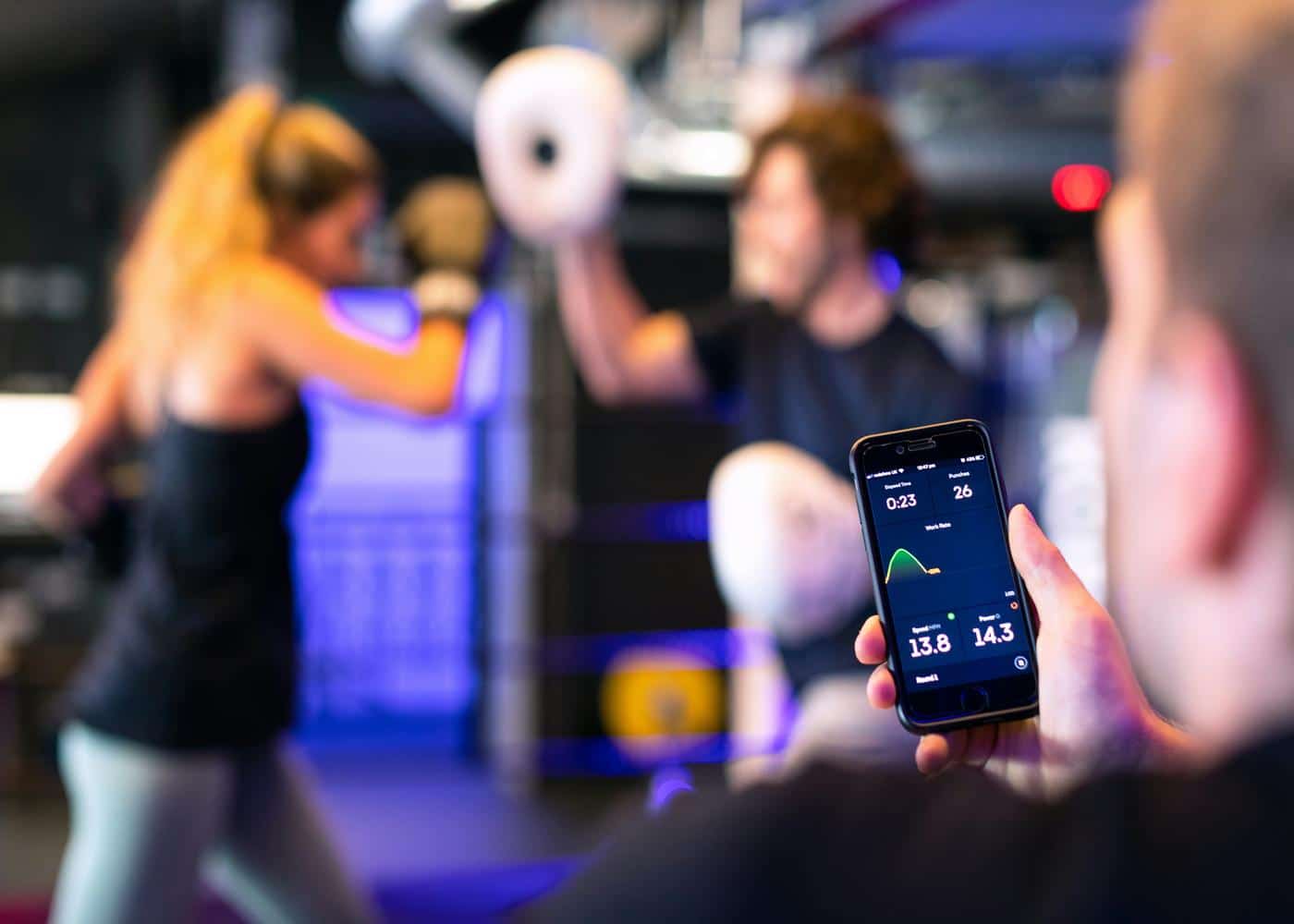
The key to consistency is automation. If you have to manually log everything, you will eventually stop.
The best strategy is to build a tracking "stack" of hardware and software that passively collects data for you, allowing you to monitor your health daily without it feeling like a chore.
Fitness Trackers & Wearables
Hardware is the foundation of your system. These devices act as the sensors that capture the raw data for the metrics listed above.
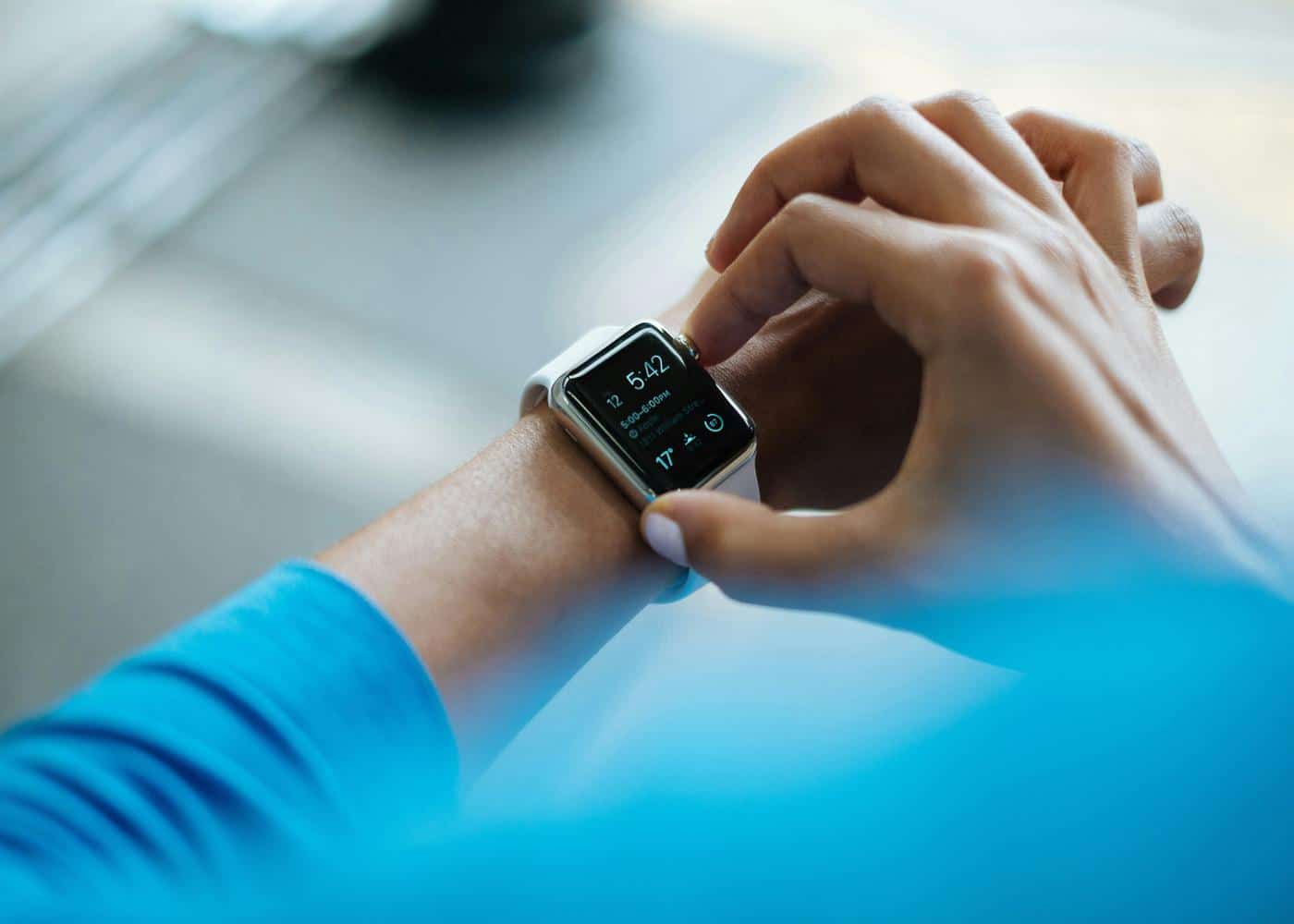
Smartwatches are generally the most versatile tools for tracking Metabolic Fuel and Cardiovascular Resilience. Because they are worn during the day, they excel at capturing Active Zone Minutes and real-time heart rate data.
Both the Samsung Watch and the Apple Watch are widely considered two of the best watches to monitor your health because they balance deep fitness tracking with FDA-cleared heart features, seamlessly integrating medical-grade alerts into your daily life.
However, many people find sleeping with a watch uncomfortable, which leads to gaps in their Rest & Recovery data. This is where smart rings shine.
Devices like the Oura Ring 4 are excellent for users who want "invisible" tracking. Rings that monitor your health utilize the arteries in the finger to capture highly accurate Sleep Architecture, SpO2, and Skin Temperature readings without the distraction of a glowing screen.
For those who want to go deeper into Body Composition or precise cardio data, specialized biohacking gadgets can fill the gaps. Smart scales can track your muscle-to-fat ratio, while chest straps like the Polar H10 measure the electrical signal of the heart directly. The Polar H10 is often ranked among the top biohacking gadgets to monitor your health under $100, proving that clinical-grade precision does not always require a massive investment.
Health & Fitness Tracking Apps
Hardware collects the data, but software gives it meaning. The raw numbers on your wrist, steps, heart rate, sleep stages, etc., are useless without the context to explain them. To truly monitor your health, you need applications that can translate these isolated metrics into actionable advice.
Nutrition is the foundation of your vitality, yet most apps stop at simple calorie counting. This is often too blunt a tool for true optimization. Apps like Cronometer go much deeper, tracking over 80 specific micronutrients. This ensures you aren't just hitting a macro goal, but actually getting the precise vitamins and minerals, like magnesium, zinc, and Omega-3s, required for deep sleep and hormonal balance.
This level of detail pairs perfectly with metabolic tools like Zero, which tracks your fasting windows. Zero helps you correlate your fasting hours with your biometric data, showing you exactly how digestive rest impacts your resting heart rate and inflammation levels. It reveals the tangible difference in recovery between finishing dinner at 6:00 PM versus 9:00 PM.
Sleep data requires even more interpretation. While a smart ring can tell you how you slept last night, an app like Rise tells you what to do about it today. It tracks your "sleep debt" over a rolling two-week period to give you a real picture of your accumulated fatigue, rather than just a nightly snapshot.
Even more valuable is its ability to map your daily circadian energy peaks and dips. This allows you to schedule your most demanding cognitive tasks for when your brain is naturally most alert, and save low-focus admin work for your inevitable energy slumps.
Monitor Your Daily Health With Neura
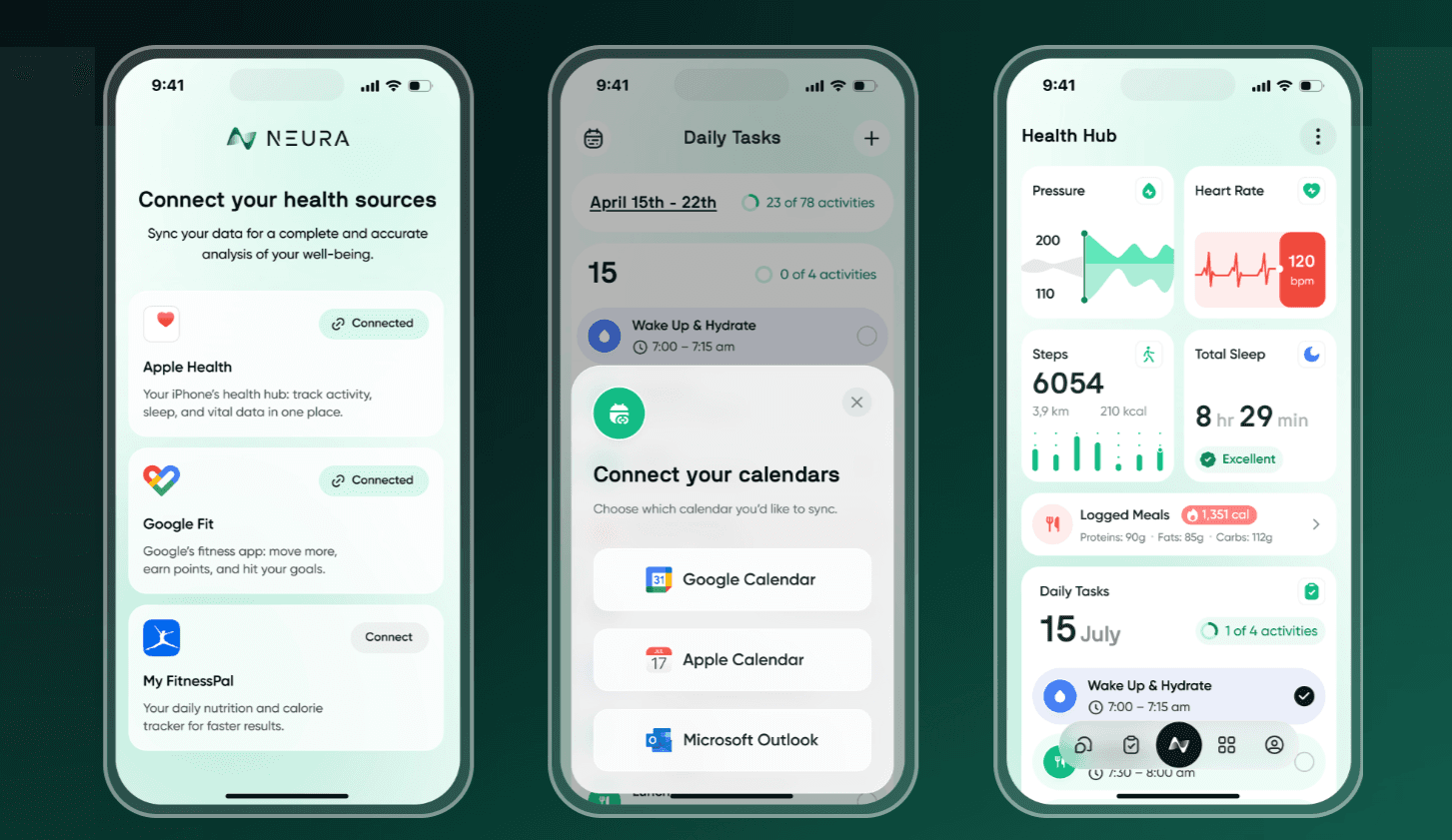
The biggest challenge with the modern health stack is fragmentation. You have sleep stats in Oura, nutrition logs in Cronometer, and workout data in Apple Health. None of them talk to each other.
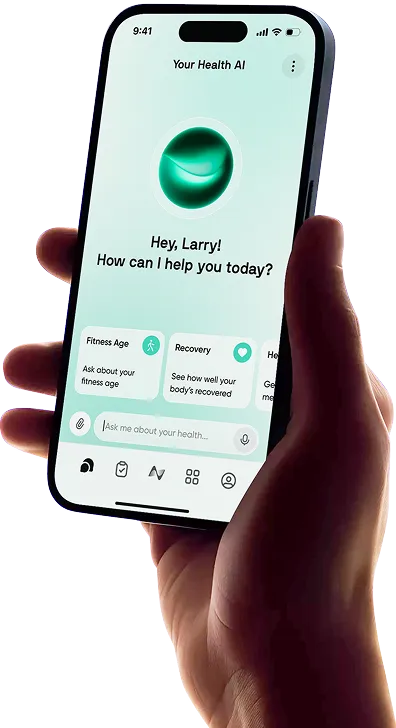
Neura Health acts as the central operating system that solves this problem. It consolidates these absurd data streams into a single, unified narrative. Instead of just viewing your metrics in isolation, Neura connects the dots. It might reveal that your deep sleep consistently drops on days you eat late, or that your HRV spikes when you prioritize morning sunlight.
When you monitor your health through this unified lens, you move beyond simple observation. You start to understand the "why" behind your data. This clarity allows you to stop guessing and start making small, evidence-based adjustments that compound into significant long-term health improvements.
When Should I See a Medical Professional?
Home health monitoring is an incredible tool for early detection, but it is not a replacement for professional medical advice. Think of your wearable data as a "check engine" light for your body. It can tell you something is wrong, but it cannot always tell you exactly what it is or how to fix it.
While minor fluctuations are normal, there are specific data patterns that warrant a conversation with your doctor.
Persistent Heart Rate Changes
A resting heart rate that stays consistently high (over 100 bpm) when you are not active, or a rate that stays surprisingly low without a history of athletic training, can be a sign of thyroid issues, anemia, or heart conditions. Additionally, if your smartwatch notifies you of an "Irregular Rhythm" or signs of Atrial Fibrillation (AFib), you should seek a clinical ECG to confirm.
Sudden Drops in Oxygen
Your SpO2 levels should remain relatively stable. If you notice your nightly average dropping consistently below 90%, or if you see deep dips in oxygen saturation accompanied by loud snoring or gasping during sleep, this is a strong indicator of sleep apnea and should be evaluated by a sleep specialist.
Unexplained Weight Shifts
Rapid weight loss or gain without a change in diet or activity is a significant red flag. While your smart scale might frame this as a change in "body composition," sudden shifts can indicate metabolic disorders, hormonal imbalances, or fluid retention related to heart or kidney function.
Hypertension Trends
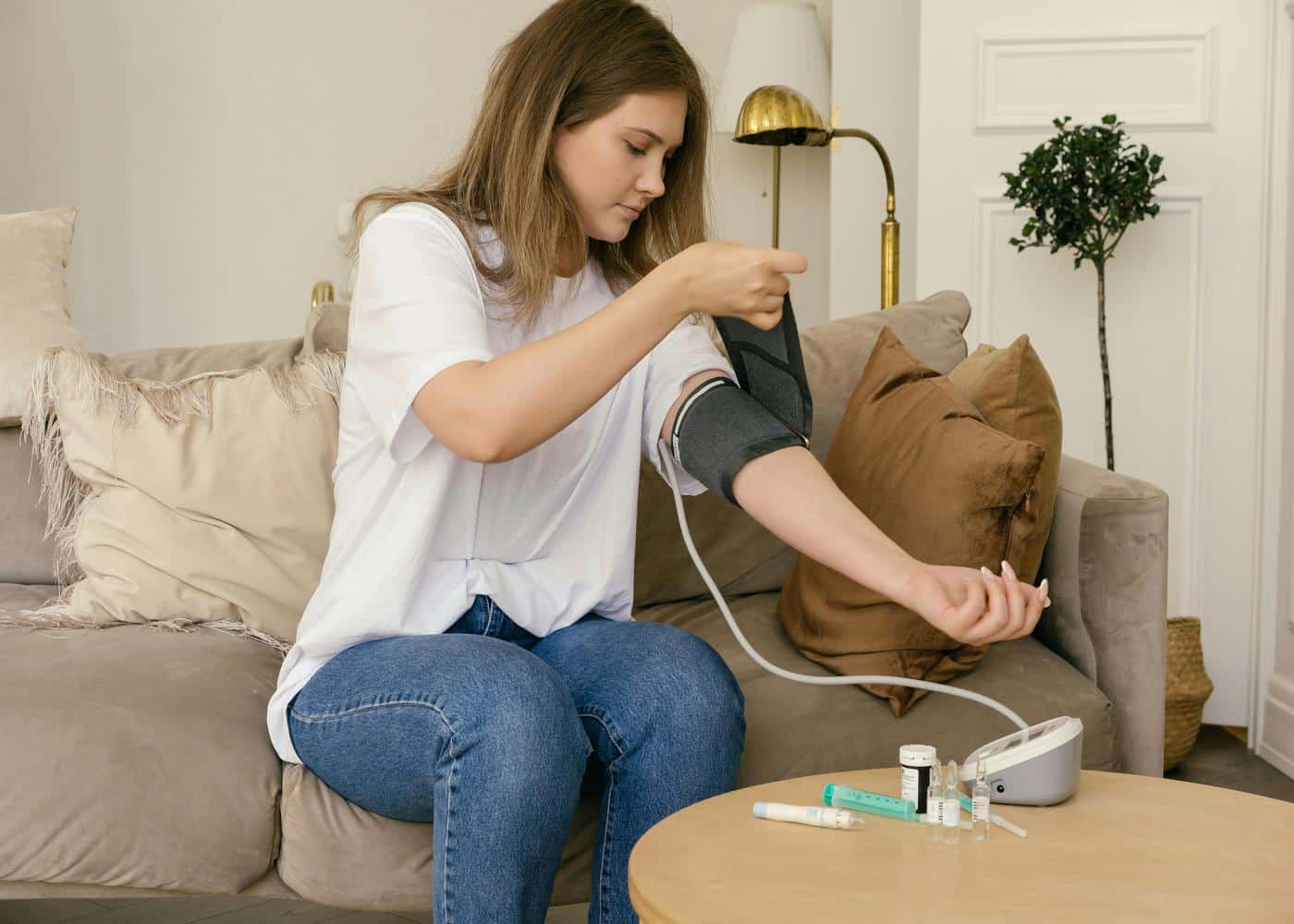
Occasional high blood pressure can happen due to stress or caffeine. However, if your home monitor consistently reads above 130/80 mmHg over the course of a week, or if you ever see a reading exceeding 180/120 mmHg, immediate medical attention is required.
Symptoms Over Data
The most important rule of home monitoring is to listen to your body first and your device second. If your watch says you are "recovered" and "ready to train," but you feel chest pain, severe fatigue, or shortness of breath, ignore the device. Technology is not infallible. If you feel unwell, see a professional regardless of what your data says.
Final Thoughts: Monitoring Your Health
Your body is constantly sending you signals. For the first time in history, we have the technology to listen to them clearly.
The goal is not to become obsessed with every graph and number. It is to establish a baseline of "normal" for your unique physiology. Once you know your baseline, you gain peace of mind. You can spot the deviations that matter and ignore the noise. Whether you use a simple smart scale or a full suite of sensors, the most important step is to start listening.
Article FAQ
How do you monitor your health status effectively?
To monitor your health status effectively, you need a combination of subjective feeling and objective data. Start by tracking key biomarkers like resting heart rate and sleep quality using a wearable device. Combine this with regular self-assessments of your energy levels and mood. Finally, use an app like Neura Health to aggregate this data, allowing you to spot long-term trends rather than just daily fluctuations.
What is the best watch to monitor your health?
There is no definitive answer, as it depends on your specific needs. For iPhone users, the Apple Watch Series 10 is often the top choice due to its FDA-cleared heart features. However, if you prioritize battery life and athletic data, Garmin watches (like the Venu 3) are superior, offering weeks of charge and deep recovery metrics. For Android users, the Google Pixel Watch 3 or Samsung Galaxy Watch provides excellent alternatives with deep integration into the Android ecosystem.
How can you monitor your cardiovascular health?
You can monitor your cardiovascular health at home by tracking two primary metrics: Resting Heart Rate (RHR) and blood pressure. A low RHR generally indicates a strong, efficient heart, while consistent blood pressure readings give insight into your vascular health. For deeper insights, measuring Heart Rate Variability (HRV) can tell you how well your cardiovascular system is recovering from stress.
Why is it important to monitor your health?
It is important to monitor your health because prevention is far more effective than reactionary care. Most chronic conditions, from hypertension to metabolic disease, develop silently over years. By monitoring your biomarkers daily, you can detect these negative trends early, often long before symptoms appear, and make the lifestyle adjustments necessary to reverse them.
Do I need a continuous glucose monitor (CGM) if I am not diabetic?
While not strictly necessary, a CGM is a powerful tool for metabolic optimization. It reveals how your body reacts to specific foods, stress, and sleep patterns. Many non-diabetics use them to avoid energy crashes, improve mental clarity, and prevent insulin resistance by keeping their blood sugar stable throughout the day.
Is heart rate variability (HRV) really that important?
Yes, HRV is arguably the single most important metric for recovery. Unlike resting heart rate, which just tells you how fast your heart is beating, HRV tells you how balanced your nervous system is. A high HRV indicates you are recovered and ready for strain, while a low HRV suggests you are physically or mentally stressed and need to prioritize rest.