
Table of Contents

Share this Article

Unlock Your
Smarter Health

Take a 7-day free trial -

pay only if you like it.

Unlock Your
Smarter Health

Take a 7-day free trial -

pay only if you like it.

Symptoms of Low Testosterone in Men: What to Look Out For

December 15, 2025

December 15, 2025

Health

Health

Health

12 minutes reading time

12 min read time

Low testorone symptoms - B&W image of a man breaking bricks with his hand

Key Findings

Low testosterone symptoms often develop gradually and affect physical strength, energy, mood, sexual health, sleep, and motivation. Because reduced testosterone levels influence multiple systems in the body, symptoms are frequently misattributed to aging or stress. Recognizing patterns early and confirming levels through proper testing allows men to address hormonal imbalance before it significantly impacts long term health and quality of life.
Testosterone is often discussed in narrow terms, usually in connection with masculinity or aging. In reality, it is a foundational hormone that supports nearly every major system in the male body. 

From physical strength and metabolic health to mood, motivation, and sexual function, testosterone plays a continuous role throughout adulthood.

As men age, testosterone levels naturally decline. However, when levels fall below a healthy range, the resulting symptoms can be far more disruptive than many expect. 

Low testosterone symptoms often appear gradually and are frequently mistaken for stress, poor sleep, burnout, or simply getting older. This makes awareness critical. Recognizing the early signs of reduced testosterone allows men to seek appropriate testing and address potential issues before they significantly affect quality of life.

Why Do Testosterone Levels Matter

Testosterone influences how the body builds and maintains muscle, regulates fat distribution, produces red blood cells, and preserves bone density. It also plays a central role in energy regulation, cognitive sharpness, emotional stability, and sexual health.

When testosterone levels are healthy, the body is better equipped to recover from physical stress, maintain lean mass, and sustain motivation. When levels decline, multiple systems are affected at once. Reduced testosterone levels can lead to changes in body composition, slower recovery, lower energy, and shifts in mood or mental clarity.

While some decline is expected with age, low testosterone is not solely an aging issue. Chronic stress, insufficient sleep, obesity, certain medications, and underlying medical conditions can all suppress testosterone production. This is why understanding testosterone levels matters not just for aging men, but for overall long-term health.


How to Track Testosterone Levels

Testing for testosterone - man receiving a blood test

Symptoms alone are not enough to determine whether testosterone is low. Many of the signs associated with hormonal imbalance overlap with other health concerns, including depression, thyroid disorders, and nutritional deficiencies.

The most accurate way to assess testosterone is through blood testing ordered by a healthcare provider. Testosterone is typically measured in the morning, when levels are highest. In some cases, testing may be repeated to confirm consistency, as hormone levels can fluctuate.

Tracking testosterone may include total testosterone and, in some cases, free testosterone, which represents the portion of the hormone that is biologically active. Results should always be interpreted alongside symptoms, lifestyle factors, and overall health markers rather than in isolation.

Men who experience ongoing symptoms should avoid self-diagnosis and instead work with a qualified professional to determine whether hormone levels are contributing to how they feel.

Woman with phone on blue sky background

Unlock Your
Smarter Health

Woman with phone on blue sky background

Unlock Your
Smarter Health

Unlock Your
Smarter Health

Take a 7-day free trial - pay only if you like it.

Woman with phone on blue sky background

Unlock Your
Smarter Health

What Are the Signs of Low Testosterone in Men

Signs of low testosterone - man holding his face in exhaustion

Low testosterone rarely presents as a single, isolated issue. Instead, symptoms tend to emerge gradually and affect multiple areas of health at once. Because testosterone influences physical performance, sexual function, mood, metabolism, and recovery, the signs of reduced testosterone often appear as a pattern rather than a clear on/off switch.


Persistent Fatigue and Reduced Physical Capacity

One of the most common low testosterone symptoms is ongoing fatigue that does not resolve with rest. Men often describe feeling drained throughout the day, with less physical stamina and motivation than before. Exercise may feel disproportionately difficult, and recovery between workouts can take longer, even when training volume remains unchanged.

Over time, reduced testosterone levels make it harder to maintain lean muscle mass and physical strength. Some men notice strength plateaus or a gradual loss of muscle despite consistent effort. Increased fat accumulation, particularly around the midsection, may also occur as testosterone’s influence on metabolism declines.


Changes in Sexual Health and Libido

Sexual health changes are among the most recognizable signs of reduced testosterone, though they are not always openly discussed. A noticeable decline in libido is common, often accompanied by fewer spontaneous or morning erections. Interest in sexual activity may diminish, even in the absence of relationship or psychological issues.

Erectile dysfunction can also emerge or worsen when testosterone levels are low, particularly when combined with cardiovascular or metabolic factors. In some cases, fertility may be affected due to decreased sperm production, which can be especially concerning for younger men experiencing a hormonal imbalance.


Mood Changes and Emotional Well-being

Testosterone plays an important role in emotional regulation and mental resilience. When levels decline, men may experience mood changes that feel unfamiliar or difficult to explain. Irritability, low mood, and reduced stress tolerance are commonly reported.

Some men experience depressive symptoms, including a sense of emotional flatness or withdrawal from activities they previously enjoyed. Anxiety may increase, and emotional responses may feel less stable. These changes are often misattributed to stress or burnout, delaying proper evaluation.


Cognitive Function and Mental Clarity

Low testosterone symptoms often include changes in cognitive performance. Men may notice difficulty concentrating, slower mental processing, or frequent lapses in memory. This mental fog can interfere with work, decision-making, and daily responsibilities.

While cognitive changes can stem from many causes, the combination of mental fatigue with physical and emotional symptoms may point toward reduced testosterone levels as a contributing factor.


Sleep Disruption and Poor Recovery

Sleep and testosterone are closely linked. Testosterone production peaks during deep sleep, and poor sleep quality can significantly suppress hormone levels. Men with low testosterone may struggle to fall asleep, wake frequently during the night, or wake feeling unrefreshed.

This creates a cycle where poor sleep further reduces testosterone, worsening fatigue, mood changes, and recovery. Over time, this feedback loop can intensify symptoms if left unaddressed.


Additional Physical and Metabolic Signs

Beyond the more well-known symptoms, low testosterone can also affect other aspects of physical health. Some men experience thinning body or facial hair, changes in skin texture, or increased sensitivity to temperature. Hot flashes, while less common, can occur in cases of significant hormonal imbalance.

Reduced red blood cell production may contribute to feelings of weakness or shortness of breath during exertion. Bone density may gradually decline, increasing fracture risk over time, particularly in older men.


Loss of Drive and Motivation

A less obvious but impactful sign of low testosterone is a decline in motivation and drive. Men may feel less ambitious, competitive, or engaged in their daily lives. Tasks that once felt manageable may now feel overwhelming or uninteresting.

This loss of drive can affect professional performance, relationships, and overall confidence, compounding the emotional impact of other symptoms.


Long-Term Health Considerations

When low testosterone goes untreated, it may contribute to broader health concerns over time. Chronically low levels have been associated with metabolic changes, reduced bone strength, and increased cardiovascular risk factors. While testosterone alone is not the sole cause of these issues, it plays an important supporting role in overall health maintenance.

Recognizing these signs early is essential. While any one symptom can have multiple causes, the presence of several persistent changes may indicate reduced testosterone levels that deserve medical attention. Identifying the issue early allows for appropriate testing, lifestyle adjustments, and professional guidance to support long-term health.

Final Thoughts: Low Testosterone Symptoms

Low testosterone signs - man sitting slumped on edge of the bed

Low testosterone symptoms can be easy to dismiss, especially when they develop gradually. However, persistent changes in energy, strength, mood, sexual health, and recovery should not be ignored. These signs are not simply about aging. They are signals that the body may be out of balance.

Understanding the signs of reduced testosterone empowers men to take a proactive approach to their health. Proper testing, lifestyle evaluation, and professional guidance can clarify whether symptoms are hormone-related or driven by other factors.

Testosterone levels matter because they influence how men feel, move, and function every day. Paying attention to low testosterone symptoms is not about chasing youth, but about supporting long-term vitality, resilience, and quality of life.
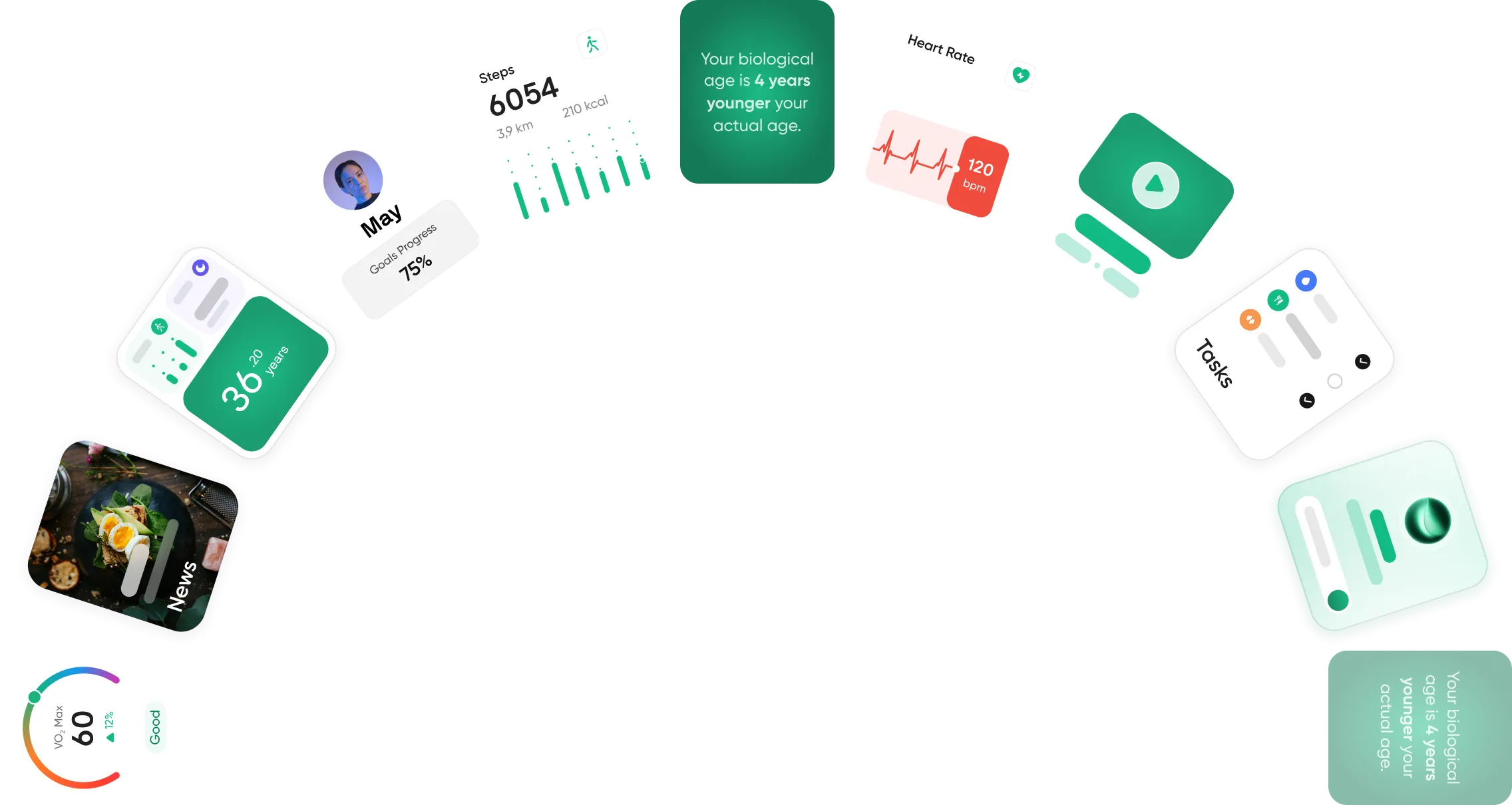
Unlock Your Smarter Health

Get exclusive access and enjoy a 7-day Neura
iQ trial — free, personalized, and powerful.

Unlock Your Smarter Health

Get exclusive access and enjoy a 7-day Neura
iQ trial — free, personalized, and powerful.

Unlock Your Smarter Health

Get exclusive access and enjoy a 7-day Neura iQ trial — free, personalized, and powerful.

Unlock Your Smarter Health

Get exclusive access and enjoy a 7-day Neura
iQ trial — free, personalized, and powerful.

Article FAQ

Does masturbation cause low testosterone?

No. Masturbation does not cause low testosterone. Research shows that testosterone levels may fluctuate briefly during sexual activity, but these changes are temporary and do not lead to long-term hormone suppression. There is no credible scientific evidence linking masturbation to chronically reduced testosterone levels.

What causes low testosterone in young males?

Low testosterone in younger men is often linked to lifestyle and health factors rather than age. Chronic stress, poor sleep, obesity, excessive alcohol use, anabolic steroid exposure, and certain medications can all suppress testosterone production. Medical conditions such as hormonal disorders, testicular injury, or metabolic disease may also contribute and should be evaluated by a healthcare provider.

What is a dangerously low testosterone level?

While “dangerously low” is not a strict medical threshold, testosterone levels consistently below the normal clinical range may increase the risk of bone loss, anemia, fatigue, sexual dysfunction, and metabolic issues. Symptoms and overall health matter just as much as the number itself, which is why results should always be interpreted by a qualified professional.

How do I know if I have low testosterone?

The only reliable way to know is through blood testing ordered by a healthcare provider. Symptoms such as persistent fatigue, low libido, muscle loss, mood changes, and poor recovery may suggest low testosterone, but they are not diagnostic on their own. Morning blood tests are typically used to confirm hormone levels.

Can low testosterone cause ED?

Yes. Low testosterone can contribute to erectile dysfunction, particularly by reducing sexual desire and impairing the hormonal support needed for normal erectile function. However, ED is often multifactorial, involving circulation, nerve health, and psychological factors, so testosterone is usually one part of a broader evaluation.

Can low testosterone be reversed naturally?

In some cases, yes. Improving sleep quality, reducing stress, maintaining a healthy weight, limiting alcohol, and engaging in regular resistance training can support healthier testosterone levels. However, when low testosterone is caused by underlying medical conditions, professional treatment may be necessary.

Read More

Read More

Read More

Read More

Enter your email for free
early access + 7-day Neura iQ trial

Enter your email for free early access + 7-day Neura iQ trial

Limited beta spots!

Got Questions? We've Got Answers

What exactly is Neura app?

Neura is a holistic AI health assistant that acts as your personal wellness coach. It combines your wearable data, lifestyle habits, and health metrics to deliver personalized plans, daily micro-tasks, mini-podcasts, and actionable insights to improve sleep, fitness, recovery, and longevity.

How does Neura work?

1. Answer a quick onboarding quiz (1–2 min). 2. Set your goals (e.g., better sleep, running a 5K). 3. Connect your wearables or apps for real-time health data. 4. Receive a daily, AI-personalized plan and mini-podcasts. 5. Track progress on your dashboard while Neura optimizes automatically.

Do I need a wearable or fitness tracker to use Neura?

No. You can start with just your phone and basic input. Wearables like Apple Watch, Garmin, Oura, or Fitbit unlock deeper, real-time insights and premium metrics, but they are optional.

Is my data safe and private?

Absolutely. Neura uses end-to-end encryption, is GDPR/HIPAA compliant, and gives you full control over data exports and deletion. Only anonymized data is processed for AI improvements.

What kind of results can I expect with Neura?

Most users report noticeable improvements in sleep quality, daily energy, and habit consistency within 2–3 weeks. Real-time insights help you save hours each week by replacing endless self-tracking and guesswork with an AI-driven health plan.

What devices and apps can Neura connect to?

Neura integrates with 90+ apps and devices like Apple Health, Google Fit, Garmin, Oura, Fitbit, Polar, Suunto, Peloton, Zwift, Withings, Eight Sleep, and more. You can also upload lab results for advanced analysis.

What’s included in the free plan?

The free Neura Plan comes with all the basic features you need to kickstart your holistic health and fitness journey. Those include our core AI chat (single-chat memory), a standard health plan with one active goal, up to 5 customizable Health Hub widgets, and daily auto-sync with limited integrations. Upgrade to Neura iQ for unlimited AI chat with persistent multi-session memory, multiple simultaneous Health Plans, and real-time data sync from 100+ integrations with 360° Health Sync, alongside all other premium features.

How is Neura different from other health apps or trackers?

Neura isn’t just a tracker – it’s a smart health operating system. It pulls together your data, analyzes it in real time, and gives you proactive, science-backed recommendations tailored to your lifestyle, without the hassle of manual research or multiple apps.

Can I cancel or get a refund if I’m not satisfied?

Yes. Neura Free is free forever, and Neura iQ comes with a 7-day free trial. After upgrading, you can cancel anytime. If you’re not satisfied within 30 days, we offer a full refund—no questions asked.

How do I get started with Neura?

Simply sign up with your email to claim free early access. You can start in less than 2 minutes, connect your wearables later, and immediately receive your personalized plan and first mini-podcast.

Ready to Transform
Your Health with Neura?

Don't wait, we have limited spots for the beta sign up

Got Questions? We've Got Answers

What exactly is Neura app?

Neura is a holistic AI health assistant that acts as your personal wellness coach. It combines your wearable data, lifestyle habits, and health metrics to deliver personalized plans, daily micro-tasks, mini-podcasts, and actionable insights to improve sleep, fitness, recovery, and longevity.

How does Neura work?

1. Answer a quick onboarding quiz (1–2 min). 2. Set your goals (e.g., better sleep, running a 5K). 3. Connect your wearables or apps for real-time health data. 4. Receive a daily, AI-personalized plan and mini-podcasts. 5. Track progress on your dashboard while Neura optimizes automatically.

Do I need a wearable or fitness tracker to use Neura?

No. You can start with just your phone and basic input. Wearables like Apple Watch, Garmin, Oura, or Fitbit unlock deeper, real-time insights and premium metrics, but they are optional.

Is my data safe and private?

Absolutely. Neura uses end-to-end encryption, is GDPR/HIPAA compliant, and gives you full control over data exports and deletion. Only anonymized data is processed for AI improvements.

What kind of results can I expect with Neura?

Most users report noticeable improvements in sleep quality, daily energy, and habit consistency within 2–3 weeks. Real-time insights help you save hours each week by replacing endless self-tracking and guesswork with an AI-driven health plan.

What devices and apps can Neura connect to?

Neura integrates with 90+ apps and devices like Apple Health, Google Fit, Garmin, Oura, Fitbit, Polar, Suunto, Peloton, Zwift, Withings, Eight Sleep, and more. You can also upload lab results for advanced analysis.

What’s included in the free plan?

The free Neura Plan comes with all the basic features you need to kickstart your holistic health and fitness journey. Those include our core AI chat (single-chat memory), a standard health plan with one active goal, up to 5 customizable Health Hub widgets, and daily auto-sync with limited integrations. Upgrade to Neura iQ for unlimited AI chat with persistent multi-session memory, multiple simultaneous Health Plans, and real-time data sync from 100+ integrations with 360° Health Sync, alongside all other premium features.

How is Neura different from other health apps or trackers?

Neura isn’t just a tracker – it’s a smart health operating system. It pulls together your data, analyzes it in real time, and gives you proactive, science-backed recommendations tailored to your lifestyle, without the hassle of manual research or multiple apps.

Can I cancel or get a refund if I’m not satisfied?

Yes. Neura Free is free forever, and Neura iQ comes with a 7-day free trial. After upgrading, you can cancel anytime. If you’re not satisfied within 30 days, we offer a full refund—no questions asked.

How do I get started with Neura?

Simply sign up with your email to claim free early access. You can start in less than 2 minutes, connect your wearables later, and immediately receive your personalized plan and first mini-podcast.

Ready to Transform
Your Health with Neura?

Don't wait, we have limited spots for the beta sign up

Got Questions? We've Got Answers

What exactly is Neura app?

Neura is a holistic AI health assistant that acts as your personal wellness coach. It combines your wearable data, lifestyle habits, and health metrics to deliver personalized plans, daily micro-tasks, mini-podcasts, and actionable insights to improve sleep, fitness, recovery, and longevity.

How does Neura work?

1. Answer a quick onboarding quiz (1–2 min). 2. Set your goals (e.g., better sleep, running a 5K). 3. Connect your wearables or apps for real-time health data. 4. Receive a daily, AI-personalized plan and mini-podcasts. 5. Track progress on your dashboard while Neura optimizes automatically.

Do I need a wearable or fitness tracker to use Neura?

No. You can start with just your phone and basic input. Wearables like Apple Watch, Garmin, Oura, or Fitbit unlock deeper, real-time insights and premium metrics, but they are optional.

Is my data safe and private?

Absolutely. Neura uses end-to-end encryption, is GDPR/HIPAA compliant, and gives you full control over data exports and deletion. Only anonymized data is processed for AI improvements.

What kind of results can I expect with Neura?

Most users report noticeable improvements in sleep quality, daily energy, and habit consistency within 2–3 weeks. Real-time insights help you save hours each week by replacing endless self-tracking and guesswork with an AI-driven health plan.

What devices and apps can Neura connect to?

Neura integrates with 90+ apps and devices like Apple Health, Google Fit, Garmin, Oura, Fitbit, Polar, Suunto, Peloton, Zwift, Withings, Eight Sleep, and more. You can also upload lab results for advanced analysis.

What’s included in the free plan?

The free Neura Plan comes with all the basic features you need to kickstart your holistic health and fitness journey. Those include our core AI chat (single-chat memory), a standard health plan with one active goal, up to 5 customizable Health Hub widgets, and daily auto-sync with limited integrations. Upgrade to Neura iQ for unlimited AI chat with persistent multi-session memory, multiple simultaneous Health Plans, and real-time data sync from 100+ integrations with 360° Health Sync, alongside all other premium features.

How is Neura different from other health apps or trackers?

Neura isn’t just a tracker – it’s a smart health operating system. It pulls together your data, analyzes it in real time, and gives you proactive, science-backed recommendations tailored to your lifestyle, without the hassle of manual research or multiple apps.

Can I cancel or get a refund if I’m not satisfied?

Yes. Neura Free is free forever, and Neura iQ comes with a 7-day free trial. After upgrading, you can cancel anytime. If you’re not satisfied within 30 days, we offer a full refund—no questions asked.

How do I get started with Neura?

Simply sign up with your email to claim free early access. You can start in less than 2 minutes, connect your wearables later, and immediately receive your personalized plan and first mini-podcast.

Ready to Transform
Your Health with Neura?

Don't wait, we have limited spots for the beta sign up

Got Questions? We've Got Answers

What exactly is Neura app?

Neura is a holistic AI health assistant that acts as your personal wellness coach. It combines your wearable data, lifestyle habits, and health metrics to deliver personalized plans, daily micro-tasks, mini-podcasts, and actionable insights to improve sleep, fitness, recovery, and longevity.

How does Neura work?

1. Answer a quick onboarding quiz (1–2 min). 2. Set your goals (e.g., better sleep, running a 5K). 3. Connect your wearables or apps for real-time health data. 4. Receive a daily, AI-personalized plan and mini-podcasts. 5. Track progress on your dashboard while Neura optimizes automatically.

Do I need a wearable or fitness tracker to use Neura?

No. You can start with just your phone and basic input. Wearables like Apple Watch, Garmin, Oura, or Fitbit unlock deeper, real-time insights and premium metrics, but they are optional.

Is my data safe and private?

Absolutely. Neura uses end-to-end encryption, is GDPR/HIPAA compliant, and gives you full control over data exports and deletion. Only anonymized data is processed for AI improvements.

What kind of results can I expect with Neura?

Most users report noticeable improvements in sleep quality, daily energy, and habit consistency within 2–3 weeks. Real-time insights help you save hours each week by replacing endless self-tracking and guesswork with an AI-driven health plan.

What devices and apps can Neura connect to?

Neura integrates with 90+ apps and devices like Apple Health, Google Fit, Garmin, Oura, Fitbit, Polar, Suunto, Peloton, Zwift, Withings, Eight Sleep, and more. You can also upload lab results for advanced analysis.

What’s included in the free plan?

The free Neura Plan comes with all the basic features you need to kickstart your holistic health and fitness journey. Those include our core AI chat (single-chat memory), a standard health plan with one active goal, up to 5 customizable Health Hub widgets, and daily auto-sync with limited integrations. Upgrade to Neura iQ for unlimited AI chat with persistent multi-session memory, multiple simultaneous Health Plans, and real-time data sync from 100+ integrations with 360° Health Sync, alongside all other premium features.

How is Neura different from other health apps or trackers?

Neura isn’t just a tracker – it’s a smart health operating system. It pulls together your data, analyzes it in real time, and gives you proactive, science-backed recommendations tailored to your lifestyle, without the hassle of manual research or multiple apps.

Can I cancel or get a refund if I’m not satisfied?

Yes. Neura Free is free forever, and Neura iQ comes with a 7-day free trial. After upgrading, you can cancel anytime. If you’re not satisfied within 30 days, we offer a full refund—no questions asked.

How do I get started with Neura?

Simply sign up with your email to claim free early access. You can start in less than 2 minutes, connect your wearables later, and immediately receive your personalized plan and first mini-podcast.

Ready to Transform
Your Health with Neura?

Don't wait, we have limited spots for the beta sign up