
Quantified Health At Home: What Is It and How To Get Started
Health
Key Findings
Healthcare is shifting from episodic visits to continuous home monitoring. This article explores how to quantify your biology using four essential pillars: wearables, biological testing, metabolic sensors, and environmental tracking. It identifies Heart Rate Variability as a critical metric and highlights Neura Health as the central operating system needed to aggregate these fragmented data streams into actionable, personalized insights.
For most of human history, the concept of "health" was reactive. It was something that happened to you, usually in a doctor's office, and usually when something had already gone wrong.
The traditional model was episodic. You felt sick. You made an appointment. You got a measurement. You went home. In between those visits, you were flying blind. You had no idea what your blood pressure was doing during a stressful meeting or how your blood sugar responded to your morning bagel.
That model is now obsolete.
We have entered the era of continuous health. The technology required to monitor human biology is no longer locked behind hospital doors or expensive laboratory paywalls. It is on your wrist. It is in your pocket. It is everywhere.
This shift has given rise to a completely new way of living. One that allows you to take full ownership of your physiology every single day. By bringing clinical-grade metrics into the home, we can stop reacting to illness and start engineering wellness.
What is Quantified Self Health?
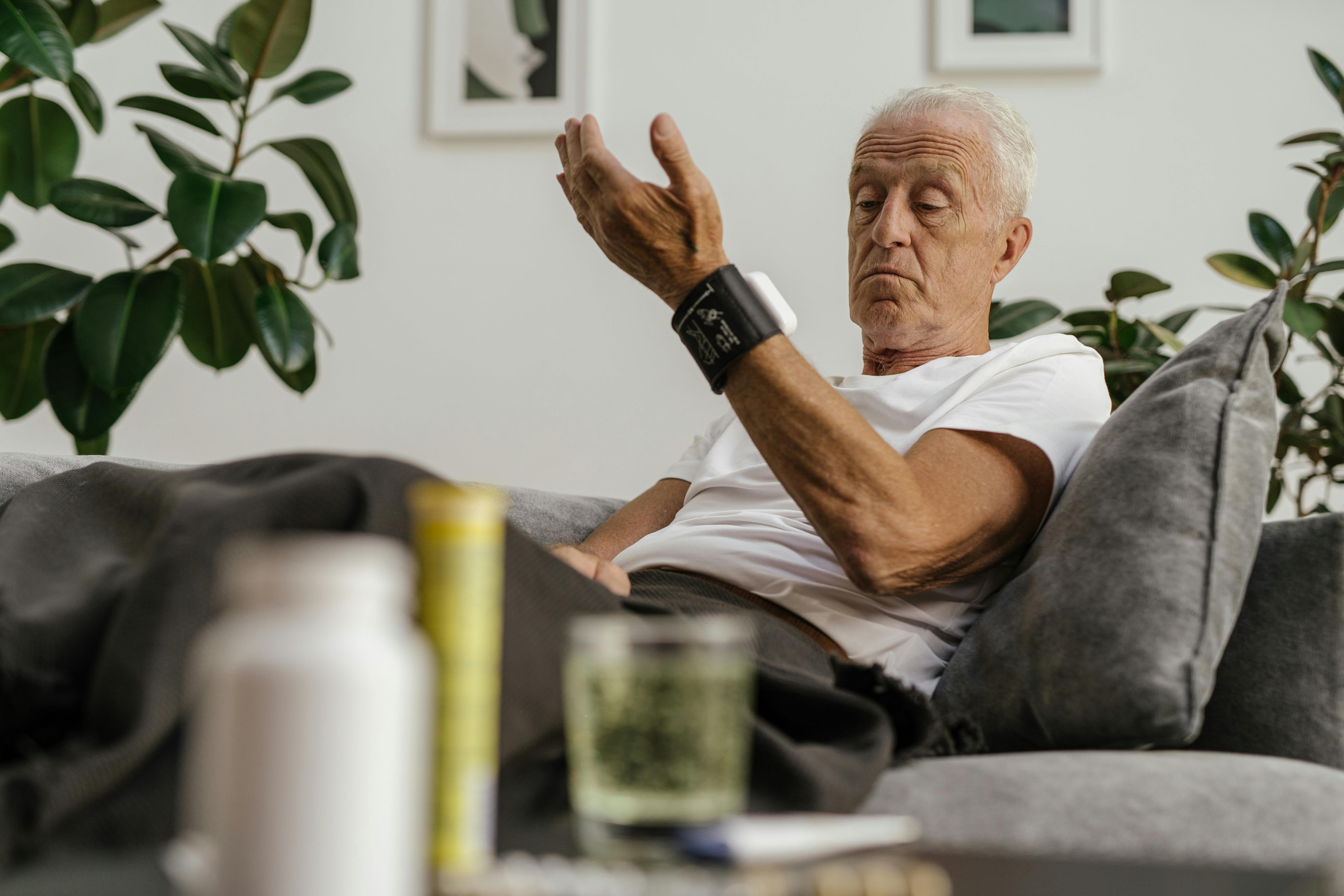
Quantified self-health is the practice of using technology to collect data on your daily life and biometrics. It is the rigorous application of the scientific method to the self.
At its core, quantified health is about visibility.
Most biological processes happen beneath the surface. You cannot feel your cortisol rising during a traffic jam. You cannot feel your deep sleep cycles shortening after a glass of wine. You cannot feel your insulin sensitivity dropping after a week of poor diet.
These processes are invisible to the naked eye. But they are not invisible to sensors.
Quantified health makes the invisible visible. It uses a combination of hardware sensors and software to track inputs and outputs.
Inputs are the things you do to your body. This includes your diet, your exercise intensity, your supplement stack, and your environment.
Outputs are how your body responds. This includes your heart rate variability, your glucose levels, your sleep efficiency, and your mood.
By following these two sides of the equation, you move from guessing about your health to knowing. You create a feedback loop. You try something, you measure the result, and you adjust.
This, is the essence of biohacking.
Why is Self-Quantification Important?
The primary benefit of this approach is personalization.
General medical advice is based on population averages. It is statistical. It tells you what works for most people, most of the time. It operates on a bell curve.
But you are not a statistic. You are a unique biological system with your own genetics, your own microbiome, and your own lifestyle constraints.
Self-quantification allows you to discover your own rules.
You might learn that you are genetically sensitive to caffeine and that drinking it after 12 PM destroys your deep sleep. Your partner, however, might metabolize it quickly and be fine.
You might find that high-intensity interval training spikes your inflammation levels and hurts your recovery, while slow, steady-state cardio improves your heart rate variability.
Without data, you are just guessing. You are following a generic script that was written for the "average" human.
This approach also shifts the focus to prevention.
Traditional medicine is excellent at acute care. It saves lives when things go catastrophically wrong. But it often waits for symptoms to appear before acting. By the time you feel sick, the problem may have existed for months or even years.
Continuous tracking allows you to catch subtle deviations in your baseline early.
You might notice your resting heart rate creeping up over three weeks. You might notice your sleep quality slowly degrading. These are the "check engine lights" of the body. Catching them early allows you to intervene before the engine starts smoking.


The Core Metrics: What Numbers Actually Matter
Before you buy a single device, you need to understand what you are measuring. Not all data is created equal.
To quantify health effectively, you need to focus on the metrics that serve as high-leverage indicators of your systemic condition.
Heart Rate Variability (HRV)
This is arguably the single most important metric for the quantified self.
HRV is not the same as heart rate. It measures the variation in time between consecutive heartbeats.
A healthy heart does not beat like a metronome. It speeds up when you inhale and slows down when you exhale. This variation shows that your nervous system is responsive and adaptable.
High HRV generally indicates that your body is in a "rest and digest" state. It means you are recovered and ready for stress.
Low HRV suggests your body is in a "fight or flight" state. It indicates stress, illness, overtraining, or poor recovery. Tracking this daily gives you a direct window into your nervous system.
Resting Heart Rate (RHR)
This is the number of times your heart beats per minute while you are at complete rest.
It is a powerful proxy for cardiovascular efficiency and overall fitness. As your heart gets stronger, it pushes more blood with each beat, so it doesn't need to beat as often.
A sudden spike in RHR is often the first sign of an oncoming infection. Many quantified self users notice their RHR jump 24 to 48 hours before they actually feel sick.
Sleep Stages
Sleep is not a monolith. It is a complex architecture of different phases.
Deep Sleep (Slow Wave Sleep) is for physical restoration. It is when your body repairs muscle, strengthens bones, and cleanses toxins from the brain.
REM Sleep (Rapid Eye Movement) is for mental restoration. It is when you process emotions and consolidate memories.
Tracking the duration of these stages is far more important than tracking just the total hours you slept. You can sleep for eight hours but only get ten minutes of Deep Sleep, leaving you exhausted.
Pulse Wave Velocity (PWV)
This is a more advanced metric, but it is becoming accessible in home scales.
PWV measures the speed at which the pressure wave generated by your heart moves through your arteries. It is a direct measure of arterial stiffness.
Stiff arteries are a leading indicator of cardiovascular age and risk. Tracking this allows you to monitor your heart health over decades, not just days.
How to Quantify Health at Home
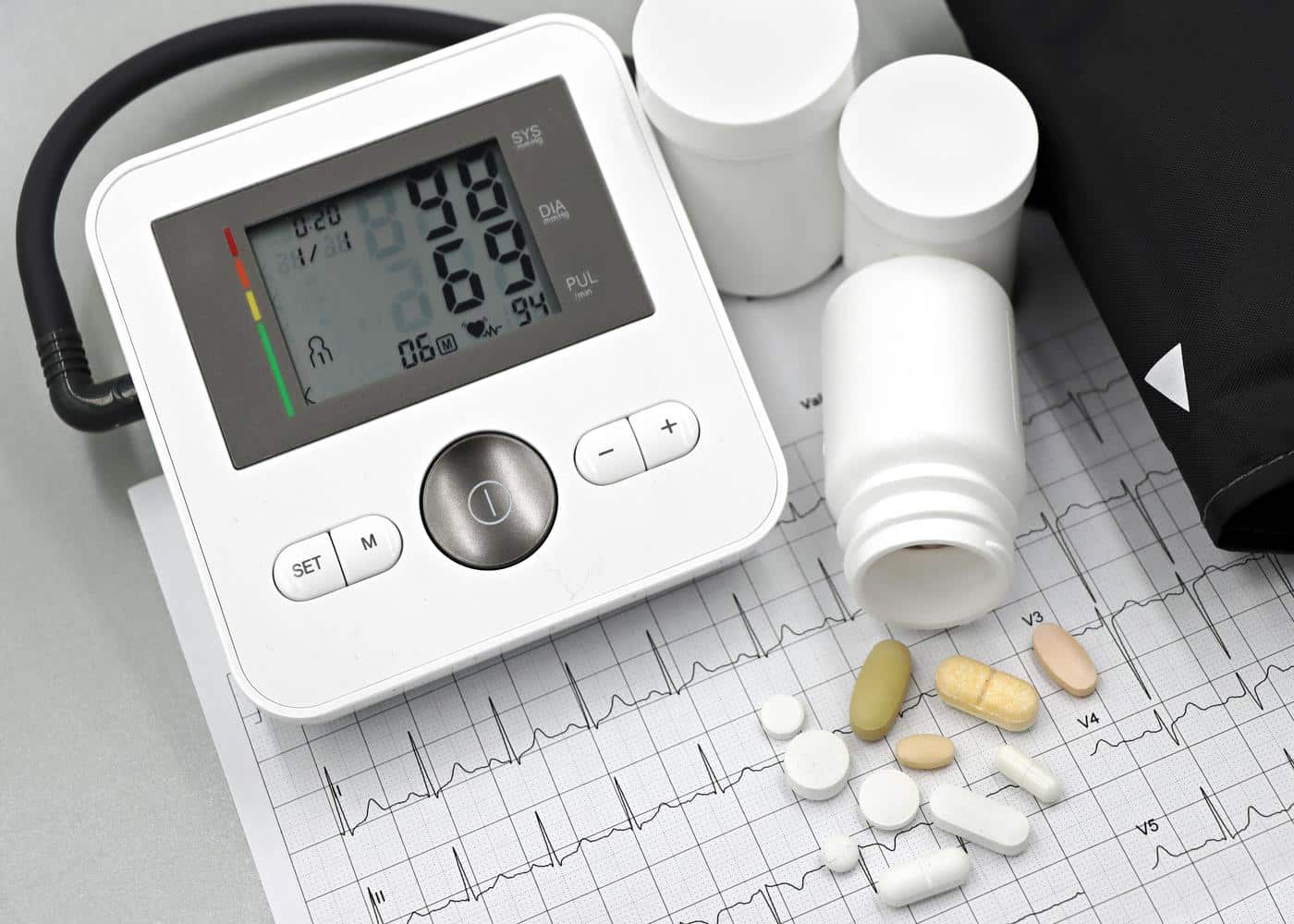
Getting started does not require a Ph.D. or a laboratory. You can build a robust monitoring system using consumer tools available today.
The key is to build a "stack" of technology that covers the major pillars of health.
Wearable Technology
This is the easiest entry point and the foundation of most home setups.
The market is filled with options, but for health tracking, you want devices that offer "passive" monitoring. You do not want to have to remember to press a button.
Smart rings have become incredibly popular for this reason. They sit on your finger and collect data 24/7. Because the arteries in the finger are close to the surface, they often provide cleaner data for heart rate and oxygen saturation than wrist-based devices.
Smartwatches are the other major category. They are excellent for activity tracking and often include advanced sensors like ECGs (electrocardiograms) to detect heart rhythm irregularities.
The goal with wearables is consistency. You need to wear them every night to establish a reliable baseline.
Biological Testing
Wearables track what is happening on the outside. Biological testing tracks what is happening on the inside.
At-home blood panels have revolutionized this space. You no longer need a doctor's referral to check your cholesterol or hormone levels.
Companies now mail kits that allow you to collect a small blood sample from your finger. You mail it back and receive a detailed digital analysis.
You should look to track biomarkers like Vitamin D (essential for immunity), Magnesium (critical for hundreds of enzymatic processes), hs-CRP (a marker of systemic inflammation), and HbA1c (a measure of average blood sugar).
Genetic testing is another powerful tool in this pillar. A simple saliva swab can reveal your predispositions.
You might learn you have a gene variant that makes it hard for you to absorb Vitamin B12. Or you might find you are genetically prone to tendon injuries. This data helps you tailor your diet and training to your specific DNA.
Continuous Metabolic Monitoring
Metabolic health is the foundation of energy. It dictates how your body processes fuel.
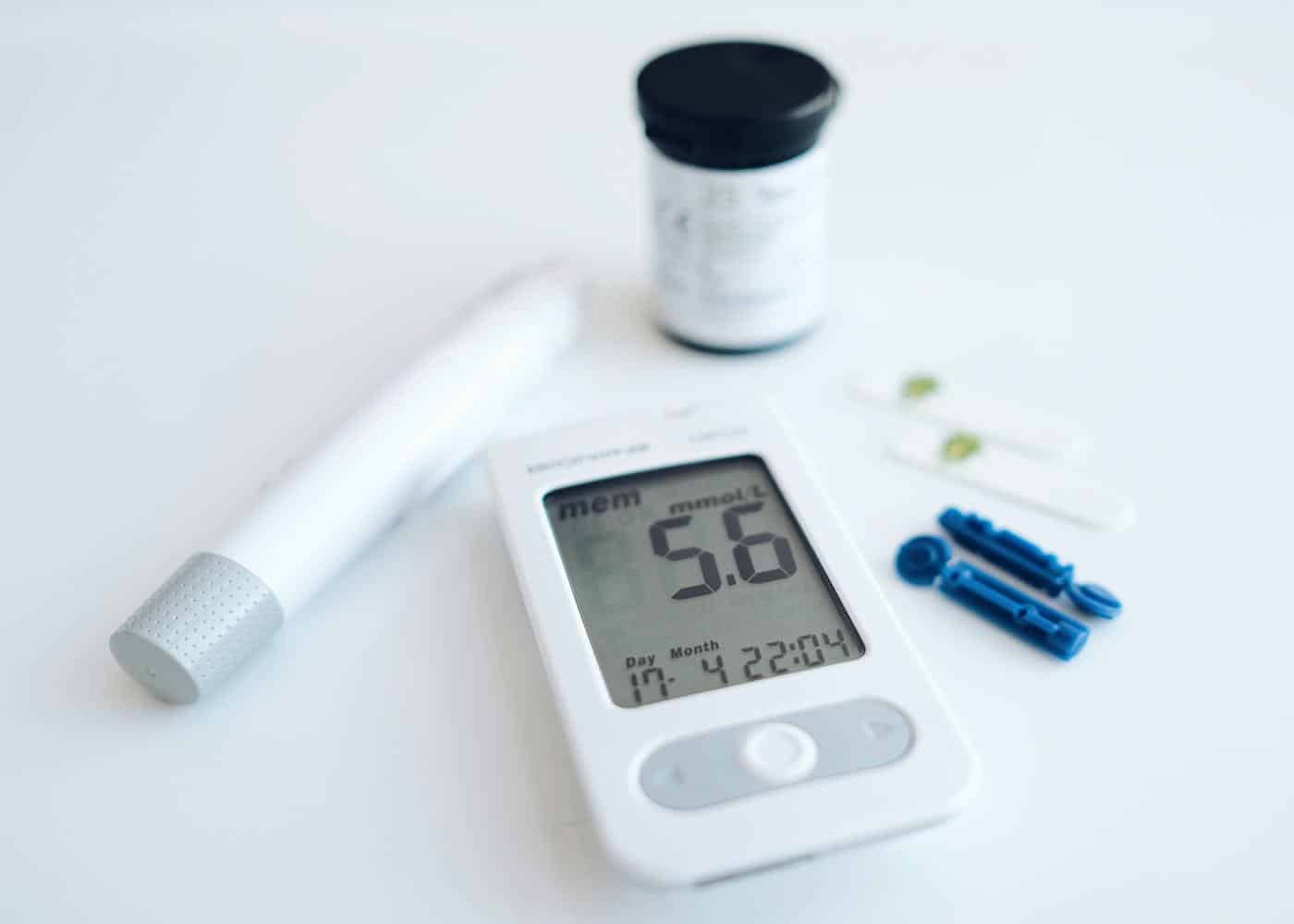
Continuous Glucose Monitors (CGMs) are small sensors applied to the back of the arm. They were originally designed for diabetics, but they have been adopted by the health optimization community.
A CGM measures your blood sugar levels in real-time, 24 hours a day, for up to two weeks.
This allows you to see the immediate impact of your food. You can see exactly how a bowl of pasta affects your energy curve compared to a steak. You can see how stress at work spikes your glucose even if you haven't eaten anything.
This turns nutrition from a guessing game into a precise experiment. You stop asking "is this food healthy?" and start asking "is this food healthy for me ?"
Environmental Tracking
Your biology exists within an environment. If your environment is toxic, your health will suffer.
We often ignore the air we breathe and the light we see, but they are critical inputs.
Smart air quality monitors can detect levels of CO2, particulate matter (PM2.5), and volatile organic compounds (VOCs) in your home.
High CO2 levels in your bedroom can significantly impair your sleep quality and cognitive function the next day. High particulate matter from cooking or pollution can drive systemic inflammation.
Tracking light exposure is also critical. Smart sensors can now track the lux (light intensity) you are exposed to. Understanding how much natural light you get in the morning versus artificial light at night can help you reset your circadian rhythm for better sleep.
Self Quantification with Neura Health
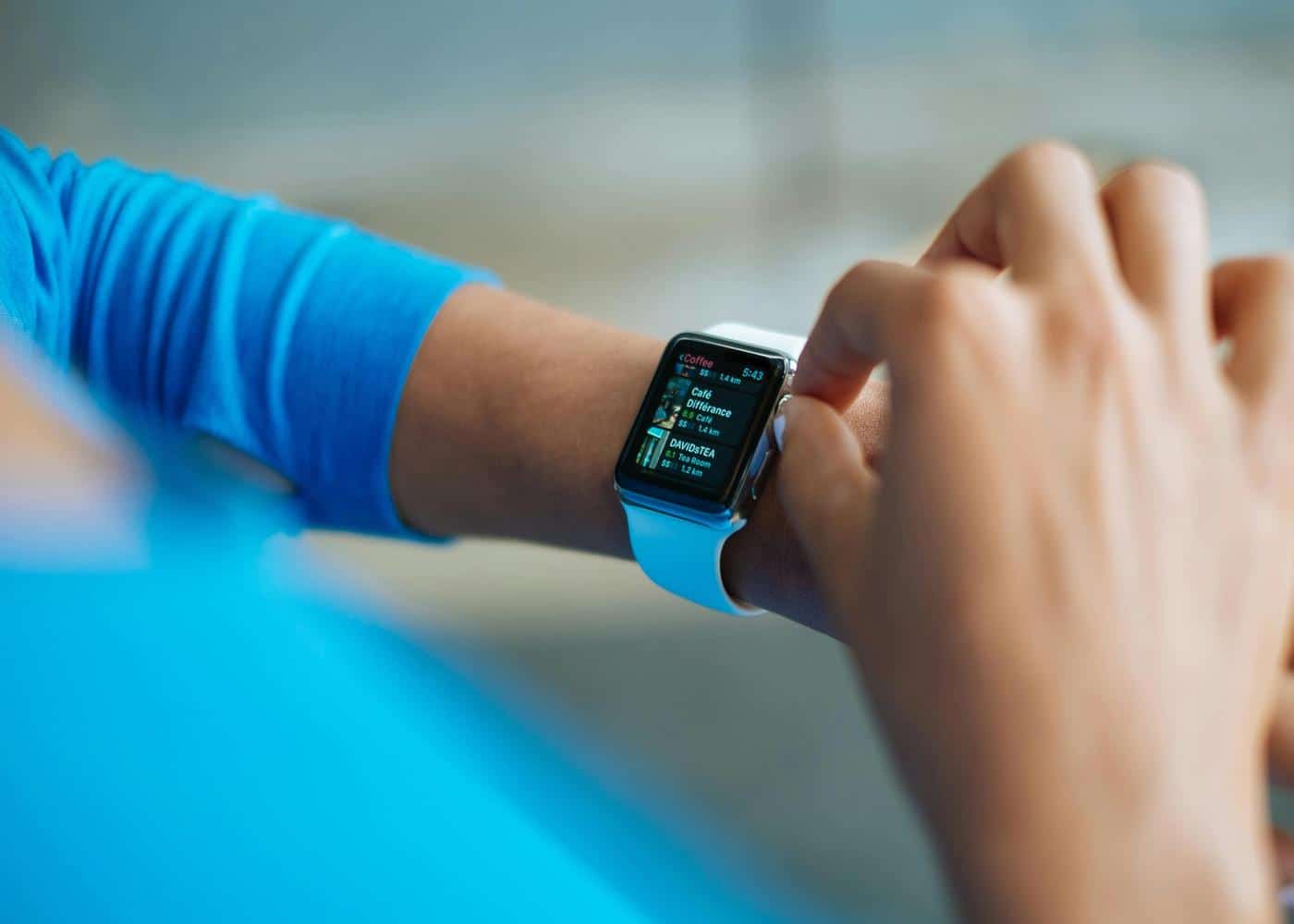
The biggest challenge with home quantification is fragmentation.
You have a ring for sleep. You have a watch for running. You have a portal for your blood results. You have an app for your food.
This creates a data silo problem. It is a puzzle with the pieces scattered across different rooms. You have all the information, but you cannot see the picture.
This is where Neura Health changes the game.
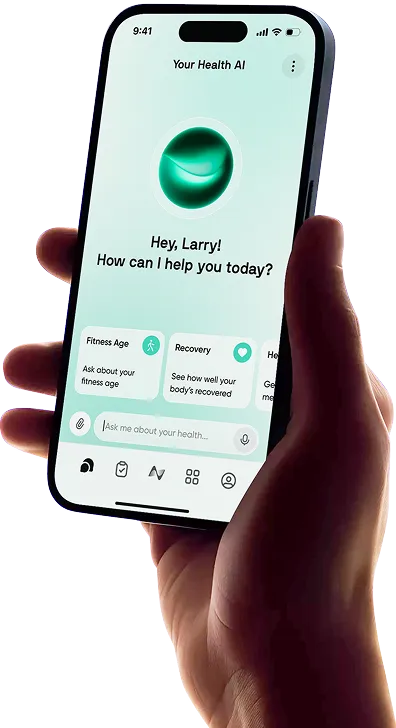
Neura solves the fragmentation problem by acting as the aggregator. It functions as a "Health Operating System."
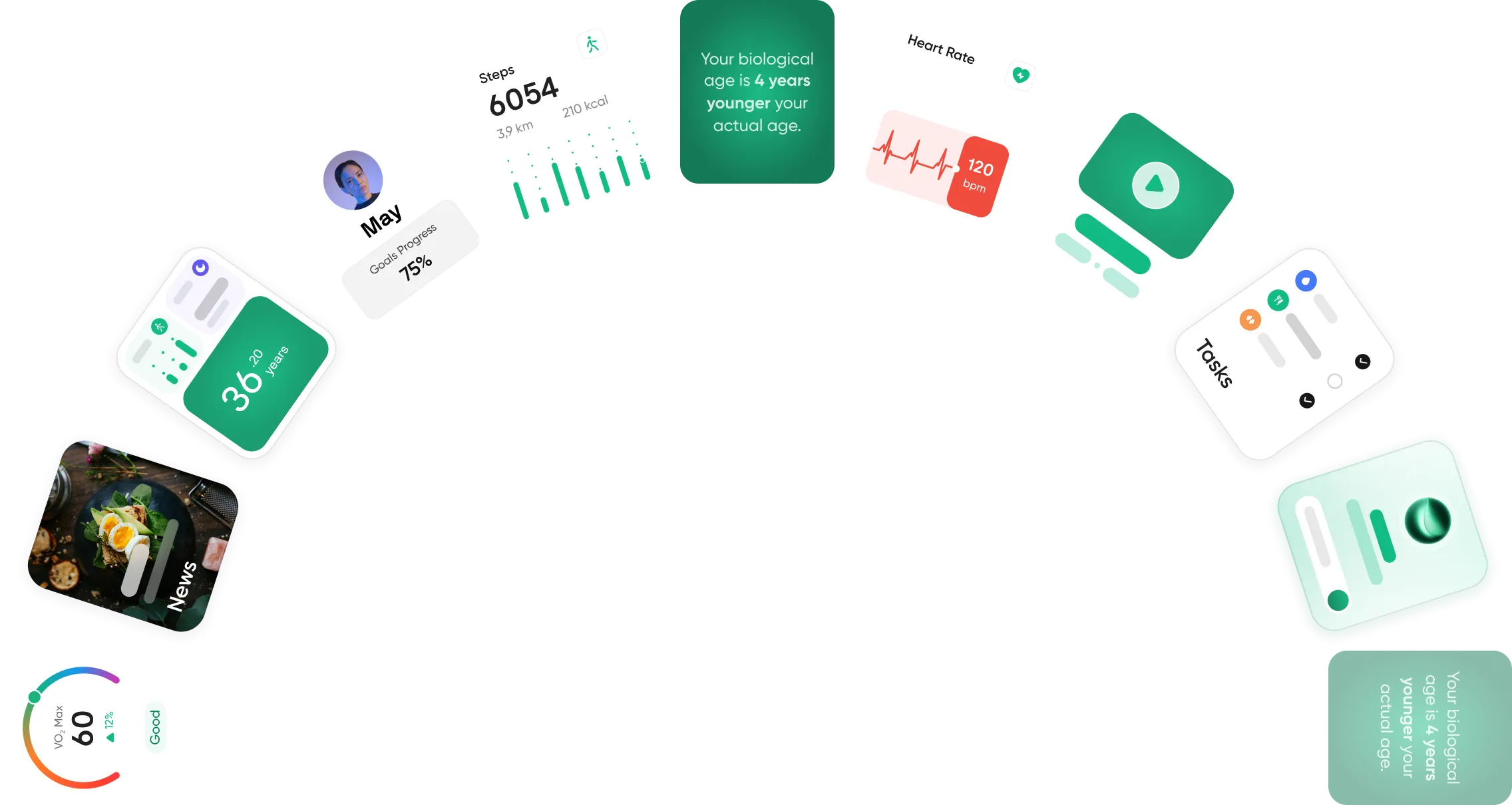
Neura connects to your wearables via API. It imports your lab results. It syncs with your nutrition apps. It brings all these isolated data streams into a single, unified dashboard.
But aggregation is just the first step. The real value comes from synthesis.
Neura uses proprietary AI to find connections between these data points.
It might notice that your deep sleep scores drop by 15% on days where your home air quality monitor reports high CO2 levels.
It might correlate a spike in your resting heart rate with a specific meal you logged in your nutrition app two days prior.
It might detect that your recovery scores are trending down while your training volume is trending up, warning you of potential burnout before you feel the fatigue.
Neura transforms the raw data of self-tracking into actionable intelligence. It builds a dynamic health plan based on your unique numbers. It ensures that the data you collect actually leads to behavior change.
Final Thoughts: Understanding Your Health
The goal of quantifying your health is not to become a robot. It is not to obsess over every decimal point or to live your life on a spreadsheet.
The goal is to better understand yourself.
Data is simply a language. It is the language your body uses to communicate its needs. For too long, we have been unable to understand that language. We ignored the signals until they became screams.
By learning to speak this language, you gain agency. You stop being a passenger in your own body and start being the pilot.
You learn exactly what you need to do to feel your best. You learn how to sleep deeply, how to recover quickly, and how to fuel efficiently.
This journey does not have to be overwhelming. You do not need to buy every device on day one.
Start small. Pick one metric that matters to you. Maybe it is your sleep. Maybe it is your steps.
Track it. Understand it. Optimize it.
Then add another layer. Over time, you will build a comprehensive picture of your own biology. You will build a manual for your own body.
In the end, the expert on your health should not be a doctor you see once a year. The expert on your health should be you.
Article FAQ
How do you quantify a person's health?
You quantify health by measuring specific biological markers to create an objective picture of physiological function. Instead of relying on how a person "feels," you track measurable data points. This includes inputs like caloric intake and exercise volume, alongside outputs like heart rate variability (HRV), sleep efficiency, blood glucose levels, and hormonal profiles.
What is the difference between lifespan and healthspan?
Lifespan refers to the total number of years a person lives. Healthspan refers to the number of years a person lives in good health, free from chronic disease or disability. The goal of quantified health is not just to extend lifespan but to maximize healthspan so that your later years are active and vital.
What is the single most important metric for a beginner to track?
While it depends on your goals, Heart Rate Variability (HRV) is widely considered the most valuable overall metric. It provides a direct view into the state of your autonomic nervous system and your ability to manage stress. It acts as a global summary of your recovery status and general well-being.
Can I quantify my health without expensive wearables?
While wearables provide passive data, you can begin by manually tracking subjective metrics. Keeping a daily log of your mood, energy levels (on a scale of 1-10), and food intake is a valid and powerful form of self-quantification. This qualitative data can reveal patterns even without a heart rate monitor.
How accurate are consumer health trackers compared to medical devices?
Consumer trackers are generally "wellness grade" rather than "medical grade." They may not be as perfectly precise as hospital equipment, but they are highly accurate for tracking trends over time. The value lies in seeing the relative changes in your baseline (eg, is my heart rate going up or down?) rather than the absolute number itself.
How often should I do at-home blood testing?
For the general population, an annual test is standard. However, for those actively trying to optimize specific markers or change their biology, testing every three to six months is often recommended. This frequency allows you to see if your lifestyle interventions (like a new diet or supplement) are actually working.