
The 5 Best Self-Tracking Apps for Health & Fitness in 2026
Tech

Key Findings
The self-tracking app landscape in 2026 is defined by holistic integration. This guide highlights Cronometer for nutritional precision, Neura Health for data aggregation and analysis, Oura for sleep architecture, Bearable for subjective symptom tracking, and Whoop for cardiovascular strain management. Effective health optimization requires a connected ecosystem where sensors and software interpretation work together to drive measurable improvement.
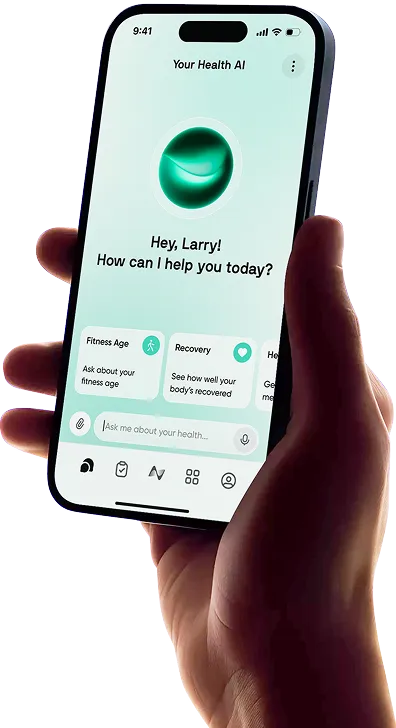
For the dedicated health optimizer, data has always been the primary currency. The question has never been whether to track, but how to track with greater precision and utility.
In 2026, the quantified self landscape has matured beyond simple counting and recording. It has evolved into a sophisticated ecosystem of clinical-grade diagnostics, metabolic analysis, and neurological monitoring that fits in your pocket.
However, the proliferation of sensors and trackers has introduced a new layer of complexity.
The challenge for the modern professional user is not data scarcity, but data noise.
The app store is saturated with tools that promise optimization but often deliver only isolated metrics. For the user who has moved beyond the basics, the priority is finding tools that offer depth, interoperability, and genuine insight.
This guide provides a critical analysis of the current market. We have identified the platforms that offer the rigorous data fidelity required by serious users.
These are the tools that transform raw biometrics into a cohesive strategy for longevity and performance.
What is a Self Tracker App?
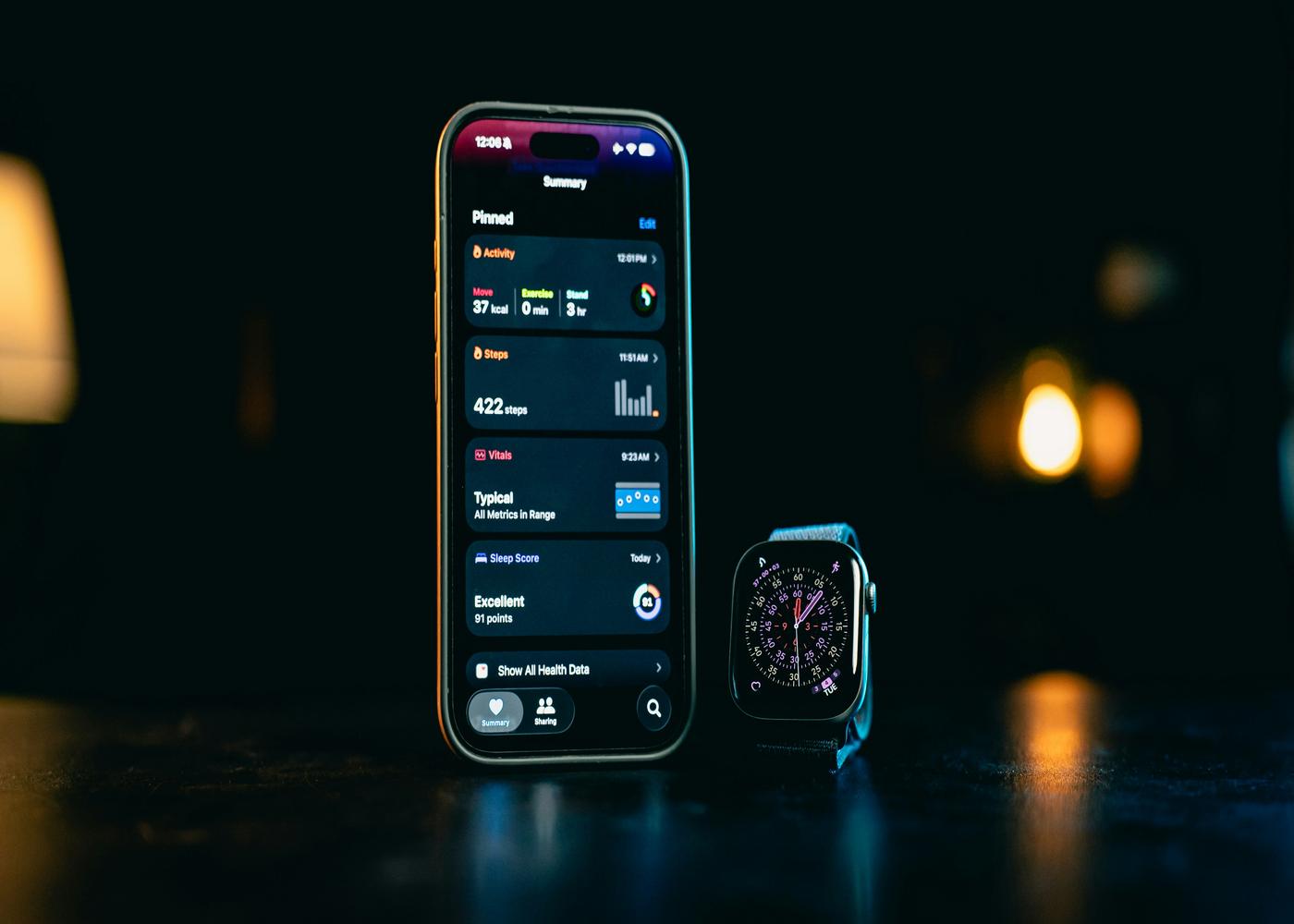
A self-tracker app is a software platform designed to aggregate, visualize, and analyze longitudinal personal data.
Unlike standard fitness applications that log discrete events, a true self-tracker functions as a continuous monitoring system for the human body. It seeks to establish correlations between lifestyle inputs and biological outputs.
The current generation of self-tracking technology has shifted from active manual logging to passive automated ingestion. The most effective tools in this category use APIs to pull data from a diverse array of hardware sensors in the background. This allows for the construction of a comprehensive digital phenotype without requiring constant user intervention.
The distinguishing feature of a top-tier app in 2026 is its ability to contextualize this data.
It moves beyond descriptive analytics (what happened) to diagnostic and predictive analytics (why it happened and what to do next).
These platforms serve as the interface between your daily choices and your physiological reality.


The Best Self-Tracking Apps 2026

Below is a breakdown of the five most capable platforms available this year. These selections prioritize data integrity, integration capabilities, and analytical depth.
1. Cronometer
Best For: Precision Nutrition & Micronutrient Analysis
For the user who demands accuracy in their nutritional data, Cronometer remains the industry standard.
It distinguishes itself by relying exclusively on verified lab data rather than crowdsourced entries, ensuring that the nutritional profile is accurate down to the milligram.
Overview: Cronometer is the preferred tool for those practicing caloric restriction, ketogenic diets, or specific nutrient timing protocols.
It provides a level of granularity that allows users to track over 80 different micronutrients. This is essential for identifying subtle deficiencies that may be impacting energy levels or hormonal function.
Key Features:
Micronutrient Tracking: Offers detailed breakdowns of vitamins and minerals, allowing for the precise management of intake beyond just macronutrients.
Biometric Integration: Syncs seamlessly with activity trackers to adjust caloric needs dynamically based on daily energy expenditure.
Custom Targets: Enables the setting of specific thresholds for nutrients, supporting advanced dietary experiments and strict medical protocols.
Why It Wins: In a market filled with estimation, Cronometer offers precision. It is the essential tool for users who view food as a biochemical input.
2. Neura Health
Best For: Holistic Aggregation & AI-Driven Action
Neura Health stands as the premier solution for the problem of ecosystem fragmentation.
While many apps excel in a specific vertical, Neura functions as a holistic "Health Operating System" (HealthOS). It is engineered to unify the disjointed data streams from your various devices into a single, actionable narrative.
Overview: Neura is built on a philosophy of hardware neutrality. It integrates with over 50+ wearables, applications, and medical databases. This ensures that a user is not locked into a single proprietary ecosystem.
The platform then aggregates this multi-source data and processes it through an interpretation layer. Neura uses general-purpose AI models, grounded in curated clinical and scientific sources it retrieves and in the user's specific real-time biometrics, to provide context-aware analysis.
Key Features:
360° Health Sync: A backend aggregation engine that simultaneously ingests and normalizes data from wearables, apps, and labs to create a unified Health Profile.
Neura AI Coach: An intelligence interface that answers queries by cross-referencing live user data. It can identify how specific metrics correlate with nutritional inputs, sleep data, activity levels, and more.
Dynamic Health Plans: These are personal protocols you can ask Neura to adjust at any time; when your recovery data suggests an easier day, Neura offers a lighter session for you to accept or decline.
Conflict Checking: A safety logic layer that analyzes new supplement or medication entries against the existing profile to identify potential contradictions.
Why It Wins: Neura bridges the gap between raw data and lifestyle strategy. It is the only platform that offers both the aggregation of a dashboard and the directive guidance of a coach.
3. Oura
Best For: Sleep Architecture & Recovery Scores
Oura has successfully transitioned from a hardware manufacturer to a software leader. The Oura app defines how the industry visualizes and understands the complexities of sleep and recovery.
Overview: The Oura platform excels at signal processing. It distills millions of nocturnal data points into actionable daily scores. By monitoring heart rate variability, temperature deviation, and respiratory rate, it provides a clear picture of the body's autonomic nervous system balance. This allows high-performing users to gauge their readiness for strain with high accuracy.
Key Features:
Readiness Score: A proprietary metric that quantifies the body's capacity for load based on the quality of the previous night's recovery.
Sleep Staging: A visualization of sleep cycles that helps users identify disturbances in Deep or REM sleep phases.
Temperature Trend: A highly sensitive metric that detects minute changes in basal body temperature, often serving as an early warning system for illness.
Why It Wins: It simplifies complex physiology without diluting the insight. Oura provides the most reliable daily feedback loop for low-stress recovery management.
4. Bearable
Best For: Mood, Symptoms & Subjective Correlation
Objective data tells only half the story. Bearable is the leading self-tracking app for capturing subjective user experiences and correlating them with objective metrics.
Overview: Bearable is designed for the rigorous tracking of variables that sensors cannot measure. It allows users to log mood, symptom severity, medication timing, and social factors.
The platform then uses correlation analysis to overlay this manual data with automatically synced health metrics. This reveals patterns that might otherwise remain invisible, such as the relationship between low exercise and high anxiety levels.
Key Features:
Customizable Logging: A modular interface that allows users to build their own tracking parameters for symptoms, mood, and habits.
Insight Graphs: Powerful visualization tools that automatically highlight strong positive or negative correlations between different variables.
Passive Syncing: Integrates with Apple Health and Google Fit to pull in sleep and activity data for comparison against subjective logs.
Why It Wins: It provides the context that hardware misses. Bearable is the most effective tool for users managing chronic conditions or conducting detailed N=1 lifestyle experiments.
5. Whoop
Best For: Strain Management & Cardiovascular Load
Whoop offers a platform specifically engineered for the optimization of human performance. It is distinct in its focus on cardiovascular strain and its impact on the central nervous system.
Overview: The Whoop ecosystem is built around the balance of strain and recovery. It does not simply track activity but quantifies the total cardiovascular load accumulated throughout the day.
This includes workout stress as well as general life stress. It then compares this accumulation against recovery metrics to provide directive guidance on how hard the user should push the next day.
Key Features:
Strain Coach: An adaptive feature that suggests an optimal strain target for the day based on morning recovery metrics.
Weekly Performance Assessments: Comprehensive reports that analyze long-term trends in sleep performance and cardiovascular efficiency.
Journal Feature: A daily questionnaire that allows users to tag behaviors to analyze their impact on recovery scores.
Why It Wins: It is prescriptive rather than just descriptive. Whoop drives behavioral adaptation by explicitly telling the user when to train and when to rest.
Other Self-Tracking Devices
To fully leverage these applications, the professional biohacking user requires high-fidelity hardware inputs. The market for self-tracking devices has expanded to include specialized tools for almost every biological system.
Smart Rings
Smart rings like Oura and Ultrahuman offer a discreet solution for 24/7 biometric monitoring. The finger provides a stronger pulse signal than the wrist, making these devices particularly effective for capturing accurate heart rate variability and sleep architecture data without the bulk of a watch.
Continuous Glucose Monitors (CGMs)
Originally medical devices, CGMs from manufacturers like Dexcom and Abbott have become staples in the metabolic health community. They provide a continuous stream of interstitial glucose data.
This allows users to observe the immediate glycemic response to specific foods, stress, and exercise, enabling precise metabolic tuning.
Chest Straps
For the user who trains based on specific heart rate zones, the optical sensors on wrists and rings are often insufficient.
Chest straps like the Polar H10 use electrocardiography (ECG) to measure the electrical activity of the heart. This remains the gold standard for accuracy during high-intensity interval training.
Metabolic Analyzers
Devices such as Lumen and PNOE bring laboratory-grade metabolic testing into the home. These breath analyzers measure the concentration of carbon dioxide in the user's exhalation to determine their respiratory exchange ratio.
This data reveals whether the body is primarily burning fat or carbohydrates for fuel, allowing for highly specific nutritional adjustments.
EEG Headbands
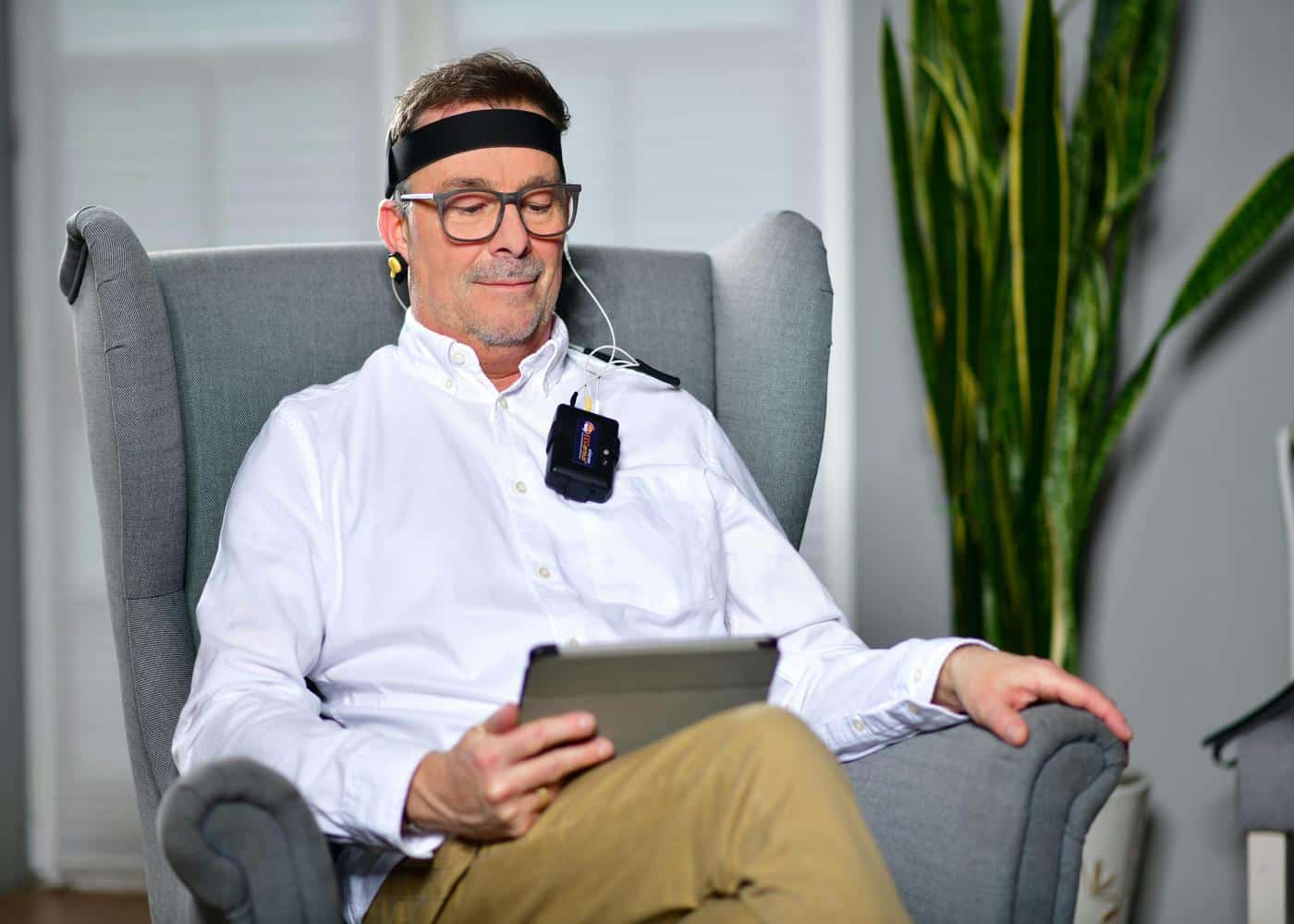
Brain health tracking is the new frontier. Headbands like the Muse device use electroencephalography (EEG) sensors to detect brainwave activity.
They are primarily used to quantify meditation states and focus levels, providing real-time neurofeedback that helps users train their ability to regulate mental states and reduce stress.
Smart Scales
Modern body composition analyzers, such as the Withings Body Scan, go far beyond simple weight measurement. These devices use multifrequency bioelectrical impedance analysis to segment body composition.
They can provide data on visceral fat, muscle mass imbalances between limbs, and even vascular age, offering a structural view of health to complement metabolic data.
Important Considerations
Even for the experienced user, selecting the right tools requires careful evaluation of several technical and privacy factors:
Data Privacy and Ownership: The aggregation of biological data creates a highly sensitive digital footprint. When evaluating health tracking apps, prioritize those with a transparent business model. Premium subscription services (SaaS) are generally preferable to free platforms, as they are less likely to monetize user data through third-party sales. Ensure that any chosen platform is compliant with major data protection standards like GDPR and HIPAA.
The "Walled Garden" Effect: Data silos undermine the quantified self philosophy. Avoid ecosystems that restrict data export or lack API integration. The utility of your data increases when it can be cross-referenced. Prioritize hardware and software that support open standards and seamless integration with major repositories like Apple Health and Google Fit.
Battery Life and Friction: Data continuity is essential for accurate trend analysis. Devices with short battery life often lead to gaps in data collection. For sleep and recovery tracking, pleaseuse devices with multi-day battery life to ensure consistent nocturnal monitoring without the interruption of frequent charging.
Actionability vs. Information: Data accumulation is not an end in itself. The most valuable tools are those that facilitate decision-making. Assess whether a platform offers actionable insights or simply raw visualization. The goal is to reduce the cognitive load of analysis, not increase it.
Final Thoughts: Health Tracking Apps
The quantified self movement has graduated from a niche hobby to a professional discipline. The tools available in 2026 offer capabilities that rival clinical diagnostics. This democratization of data empowers the individual to take full ownership of their biology.
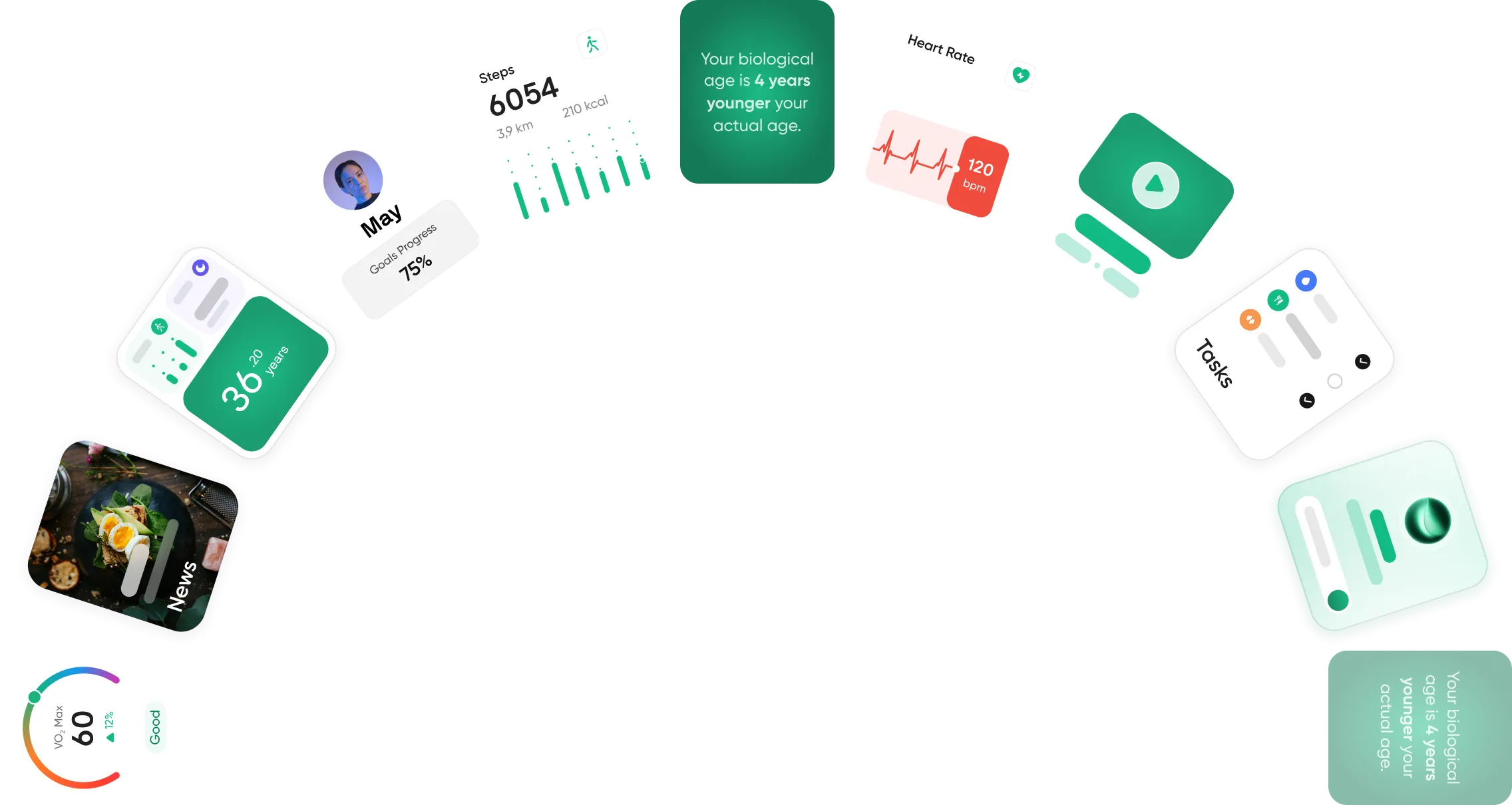
The strategy for the future is integration. No single sensor can capture the totality of human health. The optimal approach is to build a modular ecosystem of specialized sensors fed into a centralized intelligence hub like Neura Health.
This structure ensures that every data point, from glucose spikes to REM cycles, contributes to a unified understanding of the self.
By leveraging the best hardware and software, the professional user can move beyond maintenance and toward true optimization. The objective is to use this data to construct a life that is not only quantified but qualitatively better.
Article FAQ
What is self-tracking?
Self-tracking is the systematic recording of personal data to gain insights into one's biology and behavior. It involves monitoring inputs (like food, medication, or caffeine), states (like mood or energy levels), and outputs (like sleep quality or heart rate variability). The primary goal is to move beyond intuition and use objective data to optimize physical and mental performance.
What is the best health tracking device?
There is no single "best" device, as the right choice depends entirely on your specific goals. For sleep and recovery, smart rings like Oura are often preferred for their form factor. For athletic training and heart rate accuracy, chest straps like the Polar H10 remain the gold standard. For general lifestyle and notification management, smartwatches like the Apple Watch or Garmin are unmatched. The best strategy is often to combine specialized hardware with a centralized aggregator app.
Do I need a wearable to track my health effectively?
While wearables provide high-fidelity passive data like heart rate variability and temperature, they are not strictly necessary to begin. You can start by tracking subjective metrics such as mood, energy, and nutritional intake using just your smartphone. However, adding a wearable significantly deepens the insight by providing objective physiological data to correlate with your subjective logs.
Are paid tracking apps worth the money?
In the realm of health data, you generally get what you pay for. Free apps often monetize by selling user data to advertisers or third parties, which creates a privacy risk. Premium subscription apps (SaaS) typically offer superior data privacy, no ads, and deeper analytical features. For users serious about optimization and security, the cost of a premium service is usually an investment in data integrity.
Can health tracking apps diagnose medical conditions?
No, consumer health apps are designed for wellness and optimization, not medical diagnosis. While they can detect anomalies, such as an unusually high heart rate or low oxygen saturation, that may prompt you to seek medical advice, they cannot replace a doctor. They should be viewed as tools for monitoring trends rather than definitive diagnostic instruments.
What is the difference between active and passive tracking?
Passive tracking occurs automatically in the background without user intervention, such as a ring measuring your sleep stages or a phone counting your steps. Active tracking requires manual input, such as logging a meal, recording a mood, or noting a symptom. The most effective self-tracking strategies combine both passive biological data and active contextual data to create a complete picture of health.