The Best Biohacking Apps and Tools For Tracking & Optimization
Tech
Key Findings
This guide explores how specialized tools, such as Cronometer for nutrition, EliteHRV for nervous system balance, and Zero for metabolic health, can be paired with centralized aggregators like Neura Health to create a cohesive data ecosystem. The central finding is that effective optimization requires connecting these disparate data streams, ensuring that raw metrics are translated into a unified and actionable strategy.
There is a fundamental difference between being "healthy" and being "optimized." Traditional health has historically been defined by the absence of illness. If you weren't sick, you were healthy.
Optimization, however, is the pursuit of peak performance. It is the refusal to accept "average" as the baseline for your energy, focus, and longevity.
This pursuit is the core of biohacking.
Nowadays, biohacking is more accessible than ever; we have access to diagnostic tools that were once the exclusive domain of elite athletes and longevity researchers. Your smartphone has the potential to perform as a command center for your biology.
But with this access comes a new challenge: overload. The market is saturated with gadgets and trackers promising to improve your life. To truly optimize your physiology, you need to separate the signal from the noise.
You need a curated stack of software and hardware that works together to deliver measurable results. That’s where we come in.
What is Biohacking?
At its simplest, biohacking is systems thinking applied to human biology.
A biohacker does not see the body as a black box that is largely out of their control. Instead, they view it as a complex biological system with inputs and outputs. If you change the inputs (diet, light, movement, supplements), you change the outputs (energy, focus, sleep quality, lifespan).
Biohacking is the art and science of controlling these variables. It ranges from simple lifestyle changes, like intermittent fasting, to advanced technological interventions, like continuous glucose monitoring.
The goal is always the same: to gain agency over your own physiology.
The Role of Biohacking Tech
Technology is the lever that makes modern biohacking possible. Without it, you are flying blind. There are three primary roles that technology plays in this ecosystem.
Data Aggregation
The human body generates terabytes of data every day. Your heart rate, body temperature, and blood glucose are constantly fluctuating.
The rise of biohacking technology allows us to capture these data streams passively. This accumulation of data creates a baseline, allowing you to identify what is normal for you and, more importantly, what is not.
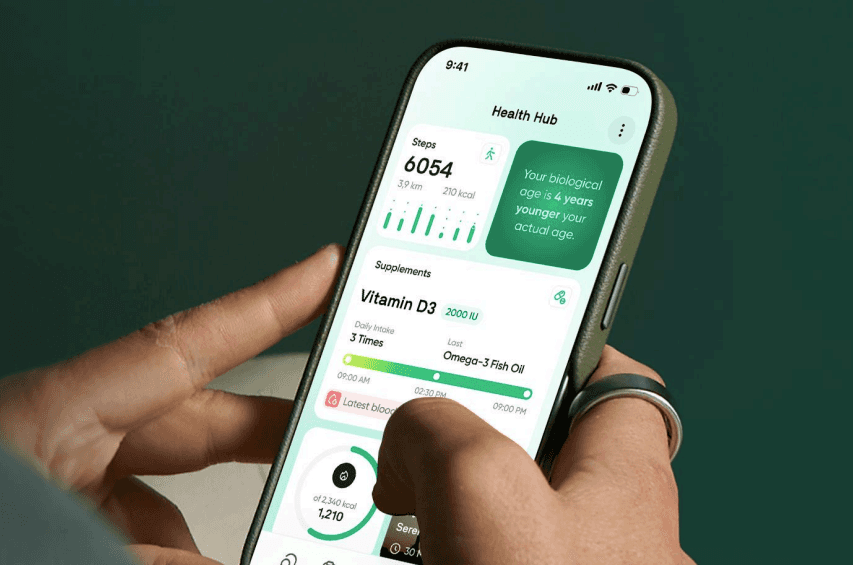
Ultimately, the best biomarker tracking apps in 2026 need to be able to seamlessly ingest and interpret health data from pretty much anywhere, be that wearables, medical tests, or other biohacking tech.
The Feedback Loop
Data is useless without a feedback loop. If you try a new magnesium supplement to improve your sleep, you need to know if it actually worked.
Biohacking tools provide objective evidence. They allow you to run conflict checks, long-term trend analysis, and other experiments on yourself with a level of rigor that was previously impossible outside of a clinical trial.
N=1 Personalization
The ultimate goal of this technology is personalization. Most medical advice is based on population averages, but you are not an average. You are a specific individual with unique genetics and lifestyle constraints.
The right tools help you build a protocol that is tailored specifically to your biology, rather than following a generic template.

The Best Biohackers Apps for 2026
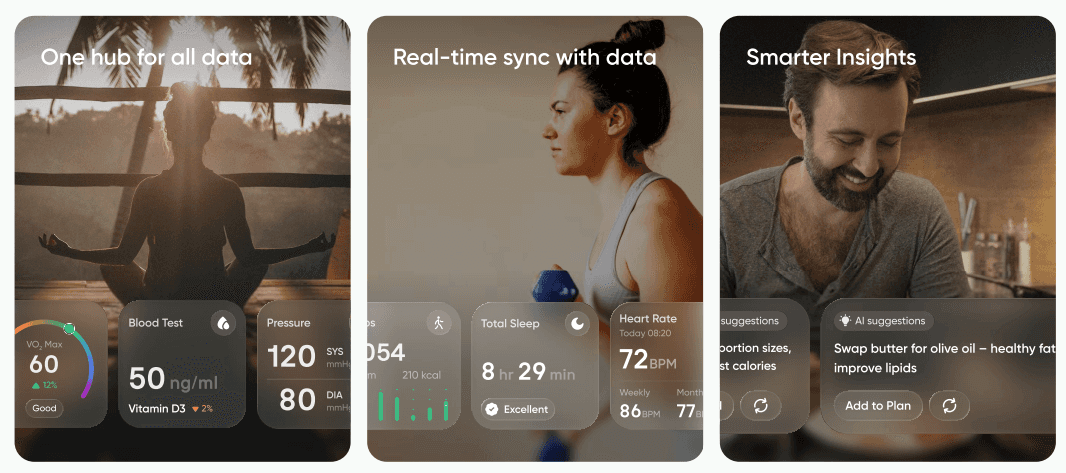
Software is the brain of your biohacking operation. These applications allow you to visualize your data, plan your interventions, and track your progress. In our roundup of the best biohacking apps 2026, these five platforms stand out for their depth and utility.
1. Cronometer
Best For: Nutritional Precision
For the biohacker, food is not just fuel; it is information. Cronometer is the gold standard for tracking that information with clinical precision. Unlike other trackers that rely on crowdsourced data, Cronometer uses verified lab databases to ensure accuracy.
Overview: The app allows you to track over 80 micronutrients, from magnesium to Vitamin K2. This level of granularity is essential for identifying nutritional gaps that may be holding back your performance. It is particularly powerful for those following strict protocols like ketogenic or paleo diets.
Why It Works: You cannot optimize what you do not measure. Cronometer ensures that your nutritional data is accurate down to the milligram.
2. EliteHRV
Best For: Nervous System Training
EliteHRV is widely considered one of the top biohacking apps for stress management. It focuses entirely on Heart Rate Variability (HRV), the most important biomarker for nervous system health.
Overview: The app allows you to take daily "Morning Readiness" readings using a compatible heart rate monitor. It then gives you a score of 1 to 10, indicating how balanced your autonomic nervous system is. It helps you decide whether to push hard in the gym or prioritize recovery.
Why It Works: It takes the guesswork out of recovery. Instead of relying on how you feel, you rely on the objective state of your nervous system.
3. Neura Health
Best For: Centralized Data & AI Strategy
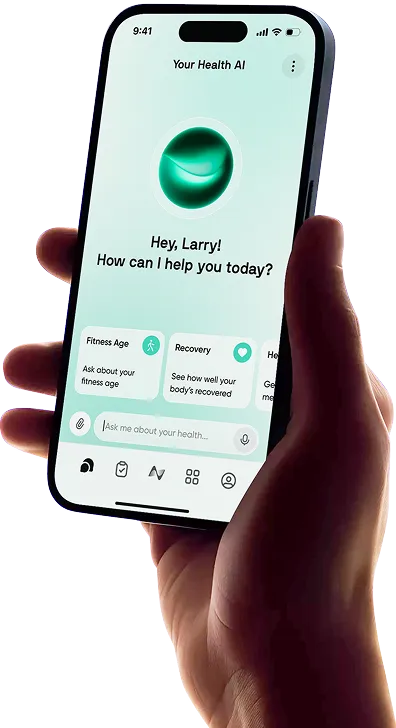
Neura Health is the foundation of the modern biohacker's stack. While other apps focus on specific verticals like diet or meditation, Neura acts as the central operating system. It solves the problem of data silos by aggregating inputs from your entire ecosystem.
Overview: Neura integrates with over 100 devices and services, allowing you to pull data from your Oura Ring, your Garmin watch, and your nutrition apps into a single dashboard. It then uses context-aware AI to interpret this data. If your deep sleep scores drop, Neura can cross-reference that with your nutrition logs or stress levels to find the root cause. It transforms disjointed data into a cohesive strategy.
Why It Works: Every biohacker app and tool needs a central hub. Neura is the only platform that allows you to see the full picture of your health in one place.
4. Zero
Best For: Fasting & Metabolic Flexibility
Intermittent fasting is a cornerstone of many biohacking protocols, and Zero is the premier tool for tracking it. It gamifies the fasting experience while providing deep educational content on metabolic health.
Overview: Zero tracks your fasting windows and visualizes your progress over time. It helps you align your eating schedule with your circadian rhythm, which is critical for hormonal balance. The app also integrates with Apple Health to correlate your fasting data with your sleep and activity metrics.
Why It Works: Consistency is key with fasting. Zero provides the structure and accountability needed to make time-restricted feeding a sustainable habit.
5. Brain.fm
Best For: Neuro-Optimization & Focus
Biohacking is not just about the body; it is about the mind. Brain.fm uses functional music to steer your cognitive state on demand.
Overview: Unlike standard white noise, Brain.fm uses AI-generated audio that is scientifically engineered to entrain your brainwaves. It can shift your brain into a state of deep focus, relaxation, or sleep within minutes. It is a powerful tool for "state management," allowing you to switch gears instantly.
Why It Works: It is a "digital drug" for focus. It allows you to hack your own attention span without relying on stimulants.
More Must-Have Biohacking Tools

Software needs hardware. To feed these apps with high-quality data, you need the right sensors. These are the best biohacking tools available to the consumer today.
Continuous Glucose Monitors (CGMs)
Once reserved for diabetics, CGMs have become a staple of the metabolic health community. Devices like the Freestyle Libre or Dexcom attach to your arm and measure your blood sugar in real-time. This allows you to see exactly how different foods impact your energy levels. It is the ultimate tool for personalized nutrition.
Smart Rings
For sleep and recovery tracking, form factor matters. Smart rings like the Oura Ring or Ultrahuman Air are discreet and comfortable enough to wear 24/7. They provide high-fidelity data on sleep stages, body temperature trends, and HRV without the bulk of a smartwatch.
Apollo Neuro
Most wearables just track your stress; the Apollo Neuro actively reduces it. It is a wearable device that uses touch therapy (vibrations) to signal safety to the brain. Clinical trials have shown it can improve HRV and focus by balancing the nervous system. It is a powerful hardware tool for active state regulation.
Red Light Therapy Panels
Photobiomodulation, or red light therapy, uses specific wavelengths of light to stimulate mitochondrial energy production. Panels from companies like Joovv are used by biohackers to reduce inflammation, improve skin health, and speed up muscle recovery. It is a non-invasive way to upgrade your cellular function.
Final Thoughts: Best Biohacking Apps 2026
The definition of health is changing. We are increasingly moving away from a passive model of care and toward an active model of optimization. The tools listed above represent the best of this new paradigm.
However, it is important to remember that technology is a means to an end, not the end itself. The goal is not to have the most data; the goal is to have the most energy, the sharpest mind, and the longest health span.
When reviewing the best biohacking apps, start with the fundamentals. Build a stack that covers your sleep, your nutrition, and your nervous system. Ensure you have fitness apps compatible with biohacking tech so that your ecosystem remains connected.
By combining the right biohacking tools with a centralized platform like Neura Health, you can turn the chaotic noise of modern life into a clear signal for a better you.
Article FAQ
What is biohacking technology?
Biohacking technology refers to the suite of hardware and software tools used to measure and optimize human biology. This includes wearable sensors that track physiological data, apps that analyze health trends, and active devices like red light panels or neuro-stimulation wearables designed to enhance physical and cognitive performance.
How do I start biohacking for beginners?
The most effective way to start biohacking is by establishing a baseline for your "Big Three" metrics: sleep, diet, and activity. You can begin by using a simple tracking app to monitor your sleep hours and nutritional intake. Once you have this data, you can start making small, measurable changes to your routine to see what improves your energy and focus.
Is biohacking safe?
Most entry-level biohacking, such as tracking biometrics, intermittent fasting, or optimizing sleep hygiene, is considered very safe for healthy individuals. However, more advanced protocols involving supplements or extreme physical stressors should always be approached with caution and discussed with a medical professional to avoid unintended side effects.
What are the most common examples of biohacking?
Common examples range from lifestyle interventions like cold water immersion and time-restricted eating to technological applications like using blue-light blocking glasses at night or wearing a Continuous Glucose Monitor (CGM) to track blood sugar responses to food.
Do biohacking apps really work?
Biohacking apps work by providing the objective data needed to make behavior changes. While an app cannot physically change your biology on its own, it acts as a feedback loop. By showing you exactly how a glass of wine affects your sleep or how stress affects your heart rate, it empowers you to make choices that lead to measurable physiological improvements.
What is the difference between wellness and biohacking?
Wellness generally focuses on maintaining health and preventing illness through balance. Biohacking focuses on optimization and enhancement through experimentation. A biohacker does not just want to be "not sick"; they want to engineer their physiology to perform at the absolute peak of its potential.