
8 Best Longevity Apps for Health Tracking in 2026
Tech
Key Findings
The strongest longevity apps focus on different parts of health rather than trying to measure everything equally well. InsideTracker is best for blood biomarkers, Humanity for a simple aging score, Neura for connected health-data analysis, WHOOP for fitness and Pace of Aging, Oura for sleep and recovery, Cronometer for nutrition, ZOE for food quality and gut-health support, and Rejuve for people interested in an emerging, research-oriented longevity platform.
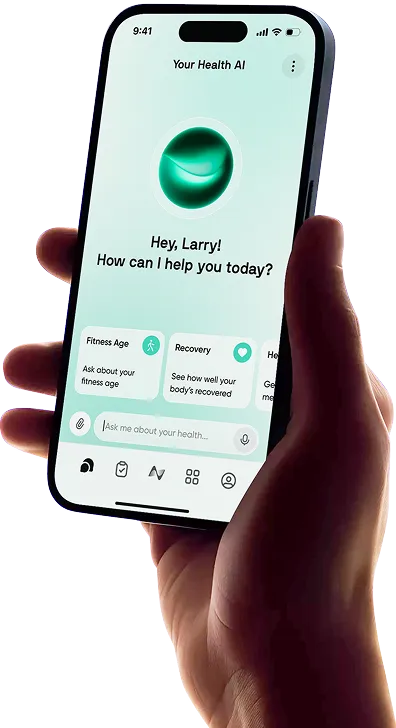
Longevity apps promise to help you live healthier for longer, but they take very different approaches to that goal. Some analyze blood biomarkers. Others monitor sleep, recovery, nutrition, cardiovascular fitness, or an estimated biological age.
The best longevity app for you depends on what you want to measure and how much effort you are willing to put into tracking it.
For blood biomarker analysis, InsideTracker offers the most established testing platform in this guide. Humanity makes biological-age tracking simple, while WHOOP and Oura are stronger for continuous sleep and recovery data. Cronometer provides the most detailed nutrition tracking, and Neura is designed for people who want to connect information from multiple health apps and devices in one place.
No consumer longevity app can tell you exactly how long you will live. Biological-age scores and aging-rate estimates are models, not direct measurements of the aging process. Their real value lies in helping you notice trends, build healthier routines, and have better-informed conversations with qualified healthcare professionals.
The Best Longevity Apps at a Glance
App | Best for | Main data used | Extra hardware required | Current cost |
|---|---|---|---|---|
InsideTracker | Blood biomarker analysis | Blood tests, fitness data, lifestyle information | Blood test | $149/year membership; comprehensive test packages cost extra |
Humanity | Simple biological-age tracking | Movement, heart rate, sleep, lifestyle and optional blood data | No, but a wearable improves the data | Free with optional in-app subscriptions |
Neura | Connecting fragmented health data | Wearables, apps, devices and self-reported information | No | Free Basic plan; Neura iQ from $29/month |
WHOOP | Fitness, recovery and Pace of Aging | Sleep, strain, recovery, heart rate and fitness | WHOOP device | Peak membership from $239/year |
Oura | Sleep and recovery trends | Sleep, temperature, heart rate, HRV and movement | Oura Ring | Ring purchase plus $5.99/month or $69.99/year |
Cronometer | Nutrition and micronutrients | Food intake, nutrients, weight and connected activity data | No | Free; Gold $10.99/month or $59.99/year in the US App Store |
ZOE | Food quality and gut-health habits | Meal logs, food diversity and optional gut-health testing | No | Free app; ZOE Plus $15.99/month or $99.99/year |
Rejuve | Emerging longevity tracking | Surveys, wearables, habits and optional lab data | No | Free; Pro announced at $11.99/month |
Prices and product availability were checked in August 2026. They may vary by region and can change over time.
What Is a Longevity App?
A longevity app is a health-tracking tool designed to help you monitor factors associated with long-term health and healthspan.
Healthspan is the portion of your life spent in relatively good health. It is different from lifespan, which simply describes how long you live. Most longevity apps are therefore better understood as healthspan tools rather than lifespan predictors.
Depending on the app, a longevity platform may track:
Sleep duration and regularity
Resting heart rate and heart rate variability
Daily movement and exercise
Cardiovascular fitness
Body composition
Blood glucose and other metabolic indicators
Blood lipids, hormones and inflammatory markers
Protein, fiber, vitamins and minerals
Stress, mood and recovery
Medication, supplement and lifestyle habits
The app may then turn these measurements into scores, trends, recommendations, or an estimate of biological age.
Longevity Apps vs. Fitness Trackers
A fitness tracker usually focuses on activity, workouts, sleep and recovery. A longevity app attempts to place those measurements within a longer-term health context.
The distinction is not always clear. WHOOP and Oura began primarily as wearable platforms but now include features related to cardiovascular age, healthspan and aging. InsideTracker starts with blood biomarkers, while Neura is intended to connect data generated by several different platforms.
A fitness tracker can therefore be part of a longevity-tracking system without being a complete longevity platform on its own.
What Can a Longevity App Actually Measure?
Consumer apps can measure or organize data such as heart rate, movement, sleep timing, food intake, body weight and laboratory results. Some can identify correlations, such as whether your sleep tends to improve on days when you exercise earlier or avoid alcohol.
These patterns can be useful, particularly when they appear consistently over weeks or months.
However, an app usually cannot determine why a change happened. If your resting heart rate rises after you begin a supplement, for example, the timing alone does not prove that the supplement caused the increase. Illness, stress, sleep, training and measurement error may also be involved.
What Can a Longevity App Not Tell You?
A longevity app cannot accurately predict your lifespan or guarantee that a particular habit will prevent disease. It also cannot replace a medical evaluation, diagnose illness, or determine that a change in a biological-age score represents genuine reversal of aging.
Biological age is not something that can be observed directly. It is an estimate produced by applying a model to selected data. Different models can produce different ages for the same person because they use different inputs and were trained for different purposes.
Research into wearable biomarkers and aging clocks is developing quickly, but scientists have not established one universally accepted measure of biological age. A 2025 perspective in npj Aging describes biological age as an abstract, model-dependent concept rather than a directly measurable property.
How We Chose the Best Longevity Apps
We evaluated current longevity tracking and monitoring tools using six criteria:
Data quality: Does the app use objective measurements, self-reported information, or both?
Scope: Does it cover one health area deeply or connect several areas effectively?
Actionability: Does it help users decide what to do with the information?
Transparency: Does the company explain what its scores and estimates represent?
Usability: Can someone use the app consistently without turning health tracking into a full-time job?
Value: Are its features appropriate for the cost of the subscription, testing or required hardware?
We also considered platform support, integrations, data-export options and important limitations.


The 8 Best Longevity Apps for 2026
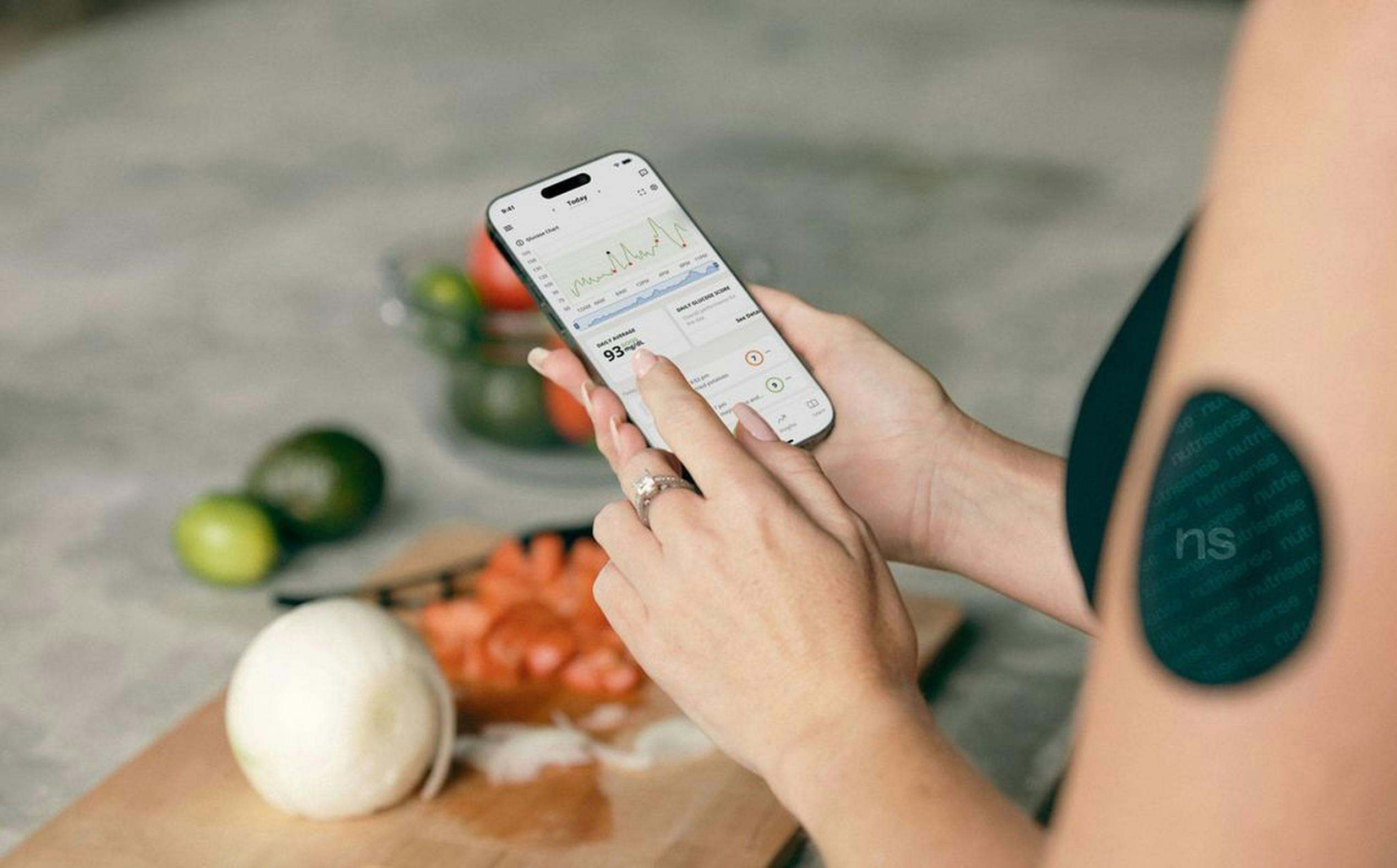
With all that said, here are the eight best tools for building a data-driven strategy for your future health.
1. InsideTracker: Best for Blood Biomarker Analysis
Best for: People who want detailed blood testing and measurable biomarker trends
Platforms: iOS, Android and web
Price: $149 per year for membership; the Membership + Ultimate blood test is currently $489 in the US
Hardware or testing required: Blood testing is needed for the fullest analysis
InsideTracker is the strongest option in this list for people who want to base their longevity tracking on laboratory data.
Its Ultimate test currently analyzes 54 biomarkers across 10 Healthspan Categories. These include areas such as heart health, metabolism, inflammation, sleep, endurance and hormone balance. Results are presented alongside suggested changes involving nutrition, exercise, lifestyle and supplements.
Members can also upload compatible blood results obtained elsewhere. This may be useful if you already receive regular testing through a doctor, employer or independent laboratory and do not want to purchase every test directly from InsideTracker.
The advantage of blood data is that it can show changes that a wearable cannot measure. Lipids, HbA1c, vitamin D, liver enzymes and blood-cell measurements provide a different view of health from step counts or sleep scores.
The limitation is that a blood test is still only a snapshot. Biomarkers can change because of illness, training, hydration, medication and many other factors. Results that are outside a reference range should be discussed with a healthcare professional rather than treated solely through an app.
What we like: InsideTracker provides detailed biomarker analysis, organizes results into understandable categories and supports repeated testing over time. It is especially useful for people who value objective laboratory data.
Potential drawbacks: Full testing is expensive, availability varies by country, and recommendations may encourage users to focus heavily on optimization. Testing should complement appropriate medical care rather than replace it.
2. Humanity: Best for a Simple Biological-Age Score
Best for: People who want a clear, motivating estimate of their aging direction
Platforms: iPhone and Apple Watch, with support for connected data sources
Price: Free to download with optional paid subscriptions
Hardware or testing required: No, although connected wearable and blood data can improve the available inputs
Humanity turns movement, heart-rate patterns, sleep and lifestyle information into a biological-age estimate and Rate of Aging score.
Its main strength is accessibility. Rather than presenting dozens of separate measurements, Humanity attempts to show whether your current behavior is moving your health in a more or less favorable direction. Its H Score rewards positive actions across movement, nutrition, mental well-being and recovery.
Users can also upload recent blood-test results. Humanity says its blood-age model uses markers including glucose, cholesterol and full blood count data.
The app can be motivating if you respond well to a single score and regular feedback. However, its biological age should be interpreted as a model-generated estimate. A change in the score means that the inputs or model output changed. It does not prove that your cells or organs have literally become a specific number of years younger.
What we like: Humanity makes longevity tracking approachable and converts everyday behaviors into an easy-to-follow direction of travel.
Potential drawbacks: A single aging score can oversimplify health, and Humanity is currently centered on Apple’s ecosystem. Users who want detailed control over every metric may find it less informative than a full biomarker platform.
3. Neura: Best for Connecting Health Data From Multiple Sources
Best for: People using several wearables, health apps or connected devices
Platforms: Currently available through limited beta access
Price: Neura Basic is free; Neura iQ starts at $29 per month
Hardware or testing required: No
Neura is designed to address a common problem in health tracking: your sleep, exercise, nutrition and body data often live in different apps.
Neura’s 360 Health Sync supports more than 50 integrations across apps, wearables, medical devices and health-data platforms. Current supported sources include Apple Health, Health Connect, Fitbit, Oura and Ultrahuman, among others.
Instead of asking users to compare dashboards manually, Neura brings the available information into one Health Profile. The Neura Agent then uses that profile to provide personalized educational guidance and help build daily Health Plans around the user’s goals.
This approach can be useful when context matters. A hard workout may be appropriate after several nights of good sleep but less helpful during a period of poor recovery. Similarly, nutrition or training patterns may become easier to understand when they are viewed alongside sleep and stress trends.
Neura can help identify recurring associations in connected data, but it cannot establish cause and effect. It is also currently in beta, so access and features may continue to change.
What we like: Neura focuses on connecting existing data rather than requiring users to replace every device they already own. Its daily plans and coaching layer are intended to translate information into manageable next steps.
Potential drawbacks: Neura is newer than several other platforms in this list and remains in beta. Its usefulness depends partly on the quality and consistency of the data connected to it. Neura is a wellness and educational tool, not a medical device.
4. WHOOP: Best for Fitness, Recovery and Pace of Aging
Best for: Active people who want continuous recovery and healthspan tracking
Platforms: iOS and Android
Price: WHOOP Peak currently costs $239 per year
Hardware or testing required: WHOOP 5.0 or WHOOP MG
WHOOP has evolved from a performance wearable into one of the more substantial consumer longevity trackers.
Its Healthspan feature includes two central measurements: WHOOP Age and Pace of Aging. WHOOP Age is a slower-moving estimate based on longer-term patterns, while Pace of Aging is designed to respond more quickly to recent behavior.
The calculations use factors such as sleep, activity, fitness and other measurements collected by the WHOOP device. This gives WHOOP an advantage over apps that depend primarily on manual check-ins. When worn consistently, it can collect information throughout the day and night.
WHOOP is particularly useful for understanding the balance between training strain and recovery. It can help active users see whether their current exercise load, sleep and habits are supporting consistent performance.
Healthspan is currently included with WHOOP Peak and WHOOP Life, not the entry-level membership. As with other aging scores, WHOOP Age is an estimate based on selected inputs. It is not a diagnosis or a literal measurement of how old every system in your body is.
What we like: WHOOP combines continuous data collection, strong recovery analysis and a dedicated longevity interface. It is one of the better choices for people whose longevity goals are closely tied to fitness.
Potential drawbacks: The annual membership is relatively expensive, the device has no traditional watch display, and the platform does not replace blood testing or medical evaluation.
5. Oura: Best for Sleep and Recovery Trends
Best for: People who want detailed sleep tracking in a discreet wearable
Platforms: iOS and Android
Price: Ring purchase plus $5.99 per month or $69.99 per year in the US
Hardware or testing required: Oura Ring
Oura remains one of the strongest options for sleep, recovery and nighttime health trends.
The ring tracks signals including heart rate, heart rate variability, temperature, movement and blood oxygen. These are used to produce Sleep, Activity and Readiness scores. Oura also offers Cardiovascular Age, estimated cardio capacity, Daytime Stress and Resilience features.
Cardiovascular Age estimates how aspects of your cardiovascular system compare with typical age-related patterns. It should be treated as a trend and educational estimate, not as a clinical cardiovascular assessment.
Oura is especially useful when sleep is your primary concern. Its small form factor makes it easier for many people to wear overnight than a watch or larger fitness tracker.
Changes in temperature, resting heart rate or respiratory patterns may help you notice that your body is under unusual strain. However, those changes cannot identify a specific illness. If you have persistent symptoms or concerning measurements, seek qualified medical advice.
What we like: Oura provides detailed sleep and recovery information with relatively little daily effort. It also integrates with several broader health platforms.
Potential drawbacks: It requires both a hardware purchase and ongoing membership. Activity tracking may be less detailed than a dedicated sports watch, and its scores can be influenced by temporary factors such as travel, alcohol, illness and disrupted sleep.
6. Cronometer: Best for Nutrition and Micronutrient Tracking
Best for: People who want detailed food, vitamin and mineral data
Platforms: iOS, Android and web
Price: Free; Gold costs $10.99 per month or $59.99 per year in the US App Store
Hardware or testing required: No
Cronometer is one of the most detailed consumer nutrition trackers available. It can monitor calories, macronutrients and up to 95 nutrients and compounds.
That level of detail makes it particularly useful for longevity-focused users who care about more than calorie intake. Protein, fiber, sodium, potassium, iron, calcium and several vitamins can all be viewed against personalized targets.
The free version includes food logging, a barcode scanner, custom meals, recipes and selected device integrations. Gold adds longer-term reports, custom charts, fasting tools, Nutrition Scores and additional logging features.
Cronometer does not calculate a comprehensive biological age, but that is not necessarily a weakness. Nutrition is one part of healthspan, and Cronometer examines it more deeply than most all-in-one longevity apps.
Its main limitation is the effort required. Food logs are only as accurate as the foods and portions entered. Photo and voice tools can make logging faster, but estimated portions still introduce uncertainty.
What we like: Cronometer offers unusually detailed nutrition data, a strong free plan and the ability to export raw information.
Potential drawbacks: Consistent food logging takes time, and the amount of nutrient data can feel overwhelming. People with a history of disordered eating should consider whether detailed tracking is appropriate for them and seek professional guidance when needed.
7. ZOE: Best for Food Quality and Gut-Health Habits
Best for: People who want practical guidance on food quality and dietary diversity
Platforms: iOS and Android
Price: Free app; ZOE Plus costs $15.99 per month or $99.99 per year
Hardware or testing required: No, although optional gut-health testing is available
ZOE focuses on food quality, plant diversity and gut-health habits rather than detailed calorie counting.
The current app supports meal logging and provides feedback intended to help users make more informed food choices. ZOE has also introduced tools that assess the degree of food processing and help users monitor dietary variety.
For people who dislike weighing every ingredient, this behavior-focused approach may be more sustainable than traditional nutrition logging. It encourages users to think about the overall pattern of their diet rather than treating food as a collection of calorie totals.
ZOE also offers optional gut-health testing in supported locations. These tests can provide additional information about the organisms detected in a sample, but microbiome science is still developing. Results should not be treated as a diagnosis or as proof that a particular food causes inflammation.
What we like: ZOE makes nutrition guidance practical and emphasizes food quality, dietary diversity and long-term habits.
Potential drawbacks: Users looking for precise nutrient targets may prefer Cronometer. Personalized nutrition recommendations can also appear more exact than the underlying evidence supports, particularly when they are based on microbiome data.
8. Rejuve: Best Emerging Longevity App
Best for: Early adopters interested in contributing health data to longevity research
Platforms: iOS and Android
Price: Free; Rejuve Longevity Pro has been announced at $11.99 per month
Hardware or testing required: No
Rejuve is an emerging longevity platform that allows users to submit information from surveys, wearables and laboratory results.
The app includes daily tasks related to activity, nutrition, sleep, hydration and other lifestyle areas. It also uses a reward system in which users can receive RJV tokens for contributing data and completing parts of their profile.
Rejuve’s research and data-contribution model distinguishes it from traditional health trackers. It may appeal to people who are comfortable with digital assets and want to participate in a broader longevity-data network.
That model also creates additional considerations. Users should read the privacy terms carefully and understand how their information may be used. The presence of rewards or a token does not improve the clinical validity of health recommendations.
What we like: Rejuve combines multiple health-data sources and offers a distinctive community-research model.
Potential drawbacks: It is less established than the other major apps in this guide. Some features remain under development, and its token-based ecosystem will not suit everyone.
Other Longevity Tracking and Monitoring Tools
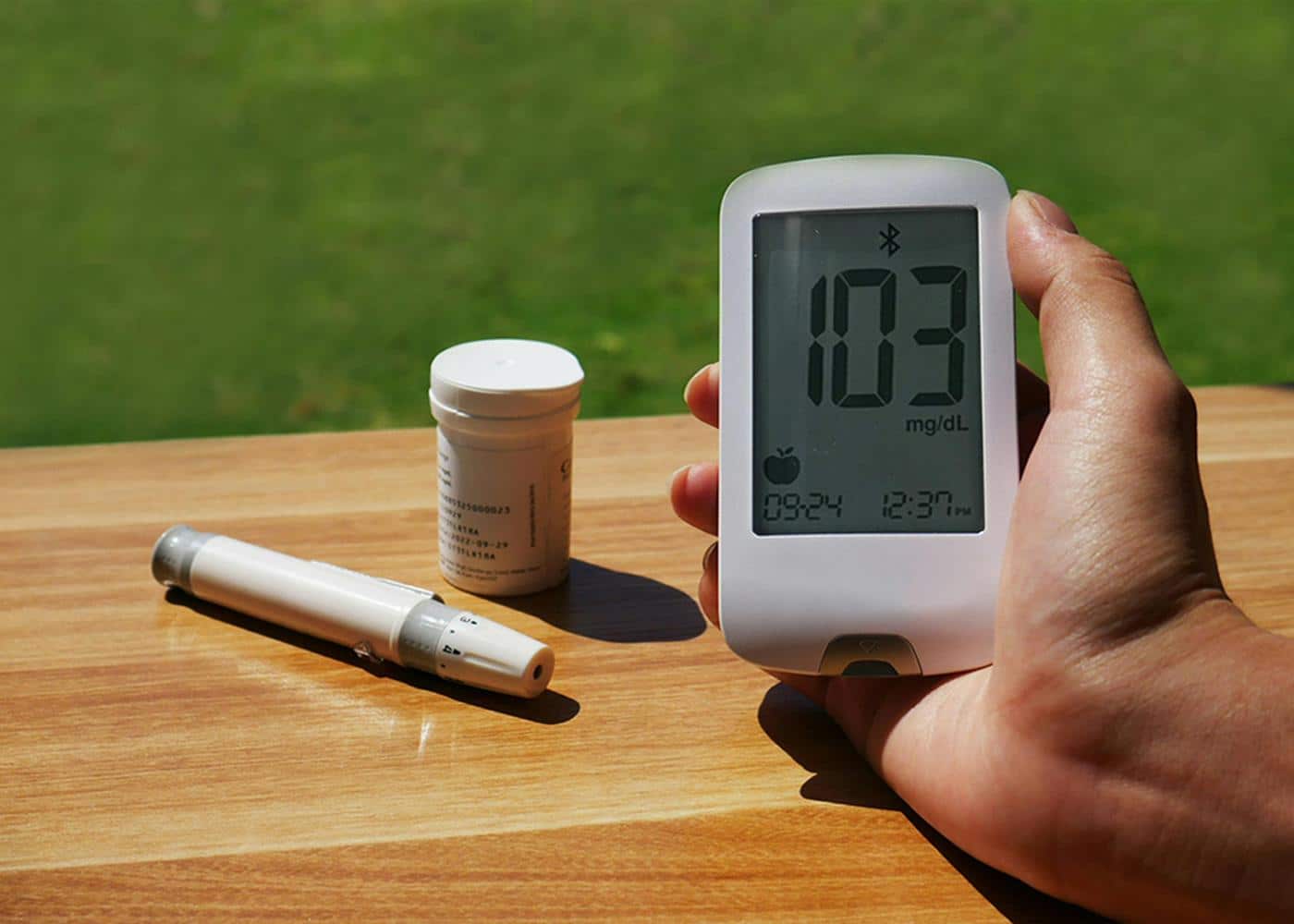
A complete longevity system may include tools that are not dedicated longevity apps.
Intermittent Fasting Apps
Apps such as Zero can help users record eating windows and build consistent meal timing. They cannot directly measure autophagy, cellular repair or the effect of fasting on lifespan.
Fasting is also not appropriate for everyone. People who are pregnant, underweight, managing diabetes, taking certain medications, or living with an eating disorder should seek medical advice before attempting a restrictive fasting plan.
Cognitive Training Apps
BrainHQ and similar tools provide structured cognitive exercises. Performance within a training app may improve with practice, but that does not automatically mean the program prevents dementia or slows whole-body biological aging.
Cognitive health also depends on sleep, cardiovascular health, physical activity, education, social engagement and the management of medical risk factors.
Continuous Glucose Monitors
A continuous glucose monitor can show how glucose changes throughout the day and around meals, sleep or exercise. This can be valuable for people with diabetes when used under appropriate medical guidance.
For people without diabetes, the clinical value of optimizing every short-term glucose change is less clear. A CGM should not be treated as a complete measurement of metabolic health.
Smart Blood Pressure Monitors and Scales
Home blood pressure monitors and connected scales can provide useful long-term trends. Their value depends on measurement quality and consistency.
For blood pressure, use a validated device, follow the recommended positioning instructions and discuss persistently high or low readings with a healthcare professional.
Epigenetic Age Tests
Epigenetic tests use DNA methylation patterns to estimate aspects of biological aging. They can be interesting for research or long-term experimentation, but different clocks may produce different results.
A lower result on a repeat test does not by itself prove that an intervention reversed aging. Test variability, sample collection and changes in the underlying model may all affect the number.
What Should a Longevity App Track?
You do not need to track every available metric. A smaller number of measurements that you can interpret and use consistently is often more valuable than a dashboard containing hundreds of disconnected numbers.
A practical starting set might include:
Health area | Useful measurements |
Sleep | Duration, regularity and perceived sleep quality |
Activity | Daily movement, strength training and aerobic exercise |
Recovery | Resting heart rate, HRV trends and subjective fatigue |
Cardiovascular fitness | Estimated or measured VO2 max |
Metabolic health | Blood pressure, waist measurement, glucose and HbA1c when clinically appropriate |
Blood biomarkers | Lipids, liver and kidney markers, blood count and other clinician-recommended tests |
Nutrition | Protein, fiber, food diversity and key micronutrients |
Well-being | Mood, stress, energy and symptoms |
The most useful measurements are those connected to a clear decision. If a score changes but you do not know what it means or how you would respond, it may not deserve your daily attention.
How to Choose the Right Longevity App
To find the best longevity app for you and your health goals, here are some key points to consider:
Start With Your Main Goal
Choose the app that is strongest in the area you care about most.
For blood biomarkers, consider InsideTracker.
For a simple aging score, consider Humanity.
For connected health-data analysis, consider Neura.
For training and recovery, consider WHOOP.
For sleep, consider Oura.
For nutrition, consider Cronometer or ZOE.
Trying to find one app that is best at everything usually leads to unnecessary subscriptions and duplicate data.
Check Your Existing Devices
If you already use an Apple Watch, Garmin, Fitbit, Oura Ring or WHOOP device, look for an app that can use the data you already collect.
Otherwise, you may end up wearing multiple devices or entering the same information manually in several places.
Consider the True Cost
The subscription price is not always the complete cost. Some apps require a wearable, ring, blood test, gut-health test or repeated laboratory work.
Decide how much you are willing to spend over an entire year, not just during the first month.
Review Privacy and Export Options
Longevity apps may hold highly sensitive information, including sleep data, laboratory results, medications and lifestyle habits.
Before connecting an account, check:
What information the company collects
Whether the data is shared with third parties
How to delete your account and information
Whether you can export your raw data
Whether research participation is optional
Decide How Much Tracking You Will Maintain
The most advanced app is not useful if you stop opening it after two weeks.
Passive tracking is easier to maintain, but it may lack context. Manual logs can provide context, but they require more effort. Choose a balance that fits your daily life.
Understand the Medical Limitations
Consumer longevity apps can support awareness, education and behavior change. They should not diagnose medical problems or direct treatment without a qualified professional.
Seek medical advice if you have symptoms, receive an abnormal laboratory result, or are considering significant changes to medication, supplements, fasting or exercise.
A Note About Longevity Software for Clinics
Consumer longevity apps and clinic software serve different needs.
A clinic platform may require electronic health-record integration, practitioner dashboards, laboratory ordering, consent management, clinical documentation and support for multiple patients. Those requirements are not adequately assessed by comparing consumer apps such as Oura, WHOOP or Cronometer.
Healthcare providers searching for the best longevity clinic software should use a separate evaluation that considers regulatory requirements, interoperability, data security and clinical workflow.
Final Thoughts: Which Longevity App Is Best?
There is no single best longevity app for every person.
InsideTracker provides the most detailed blood-biomarker experience in this guide. Humanity offers a straightforward biological-age interface, while WHOOP and Oura are better for continuous wearable data. Cronometer and ZOE approach longevity through nutrition, and Rejuve offers an emerging research-oriented platform.
Neura is best suited to people who already collect health information across several apps and want one system to connect those signals and turn them into clearer daily actions.
Whichever platform you choose, focus on long-term trends rather than reacting to every daily score. The purpose of longevity tracking is not to create a perfect dashboard. It is to help you understand your habits, make sustainable changes and support a longer, healthier life.
References and Further Reading
Medical disclaimer: This article is for educational purposes only and is not medical advice. Longevity apps are not a substitute for individualized diagnosis or treatment from a qualified healthcare professional.
Article FAQ
What is the best longevity app in 2026?
The best longevity app depends on what you want to track. InsideTracker is the strongest option for blood biomarkers, WHOOP for fitness and Pace of Aging, Oura for sleep and recovery, and Cronometer for detailed nutrition. Humanity offers a simple biological-age experience, while Neura is designed to connect information from multiple apps and devices. Before subscribing, decide whether your priority is laboratory data, continuous wearable tracking, nutrition, or an integrated view of your existing health information.
Can an app accurately calculate my biological age?
An app can estimate biological age using a model, but it cannot directly measure one definitive biological age. Different platforms use different inputs, such as blood biomarkers, DNA methylation, movement, sleep or heart-rate data. As a result, the same person may receive different estimates from different apps. A biological-age score is most useful as a consistent trend within the same system. It should not be interpreted as an exact measurement of cellular age, disease risk or remaining lifespan.
What biomarkers should a longevity app track?
Useful longevity-related measurements may include blood pressure, resting heart rate, heart rate variability, sleep duration, physical activity, cardiorespiratory fitness and body composition. Clinically appropriate blood testing may add information about glucose regulation, cholesterol, liver function, kidney function, inflammation and nutritional status. Not every person needs to track every marker. Your medical history, symptoms, age, medication and risk factors should help determine which tests are appropriate, ideally with guidance from a qualified healthcare professional.
Can longevity apps connect to Apple Watch, Oura or WHOOP?
Many longevity apps can import data from Apple Health, Health Connect or specific wearable platforms. Neura, Cronometer and Humanity are examples of apps that can use information from connected devices or health-data platforms. Compatibility varies, and some integrations only import selected measurements. Check exactly which data types are supported before paying for a subscription. Being listed as an integration does not always mean that every score, workout or raw measurement will transfer.
What is the difference between a longevity app and a fitness tracker?
A fitness tracker primarily measures activity, workouts, sleep and recovery. A longevity app tries to interpret those measurements in the context of long-term health or combines them with additional information such as nutrition, blood tests and lifestyle habits. The categories increasingly overlap. WHOOP and Oura are wearable fitness platforms with longevity-related features, while InsideTracker and Neura are broader analysis platforms that can incorporate information generated by fitness devices.
Can longevity apps diagnose health problems?
Most consumer longevity apps cannot diagnose medical conditions and should not be used as a substitute for a doctor. They may highlight an unusual trend or display a result that deserves attention, but the data can be affected by measurement error, temporary illness, stress, medication and other factors. Contact a qualified healthcare professional if you have symptoms, abnormal test results, persistently concerning measurements, or questions about treatment. Do not start, stop or change prescribed medication based solely on an app recommendation.