
Best Smart Rings for Tracking Heart Health in 2026 | Neura
Tech
Key Findings
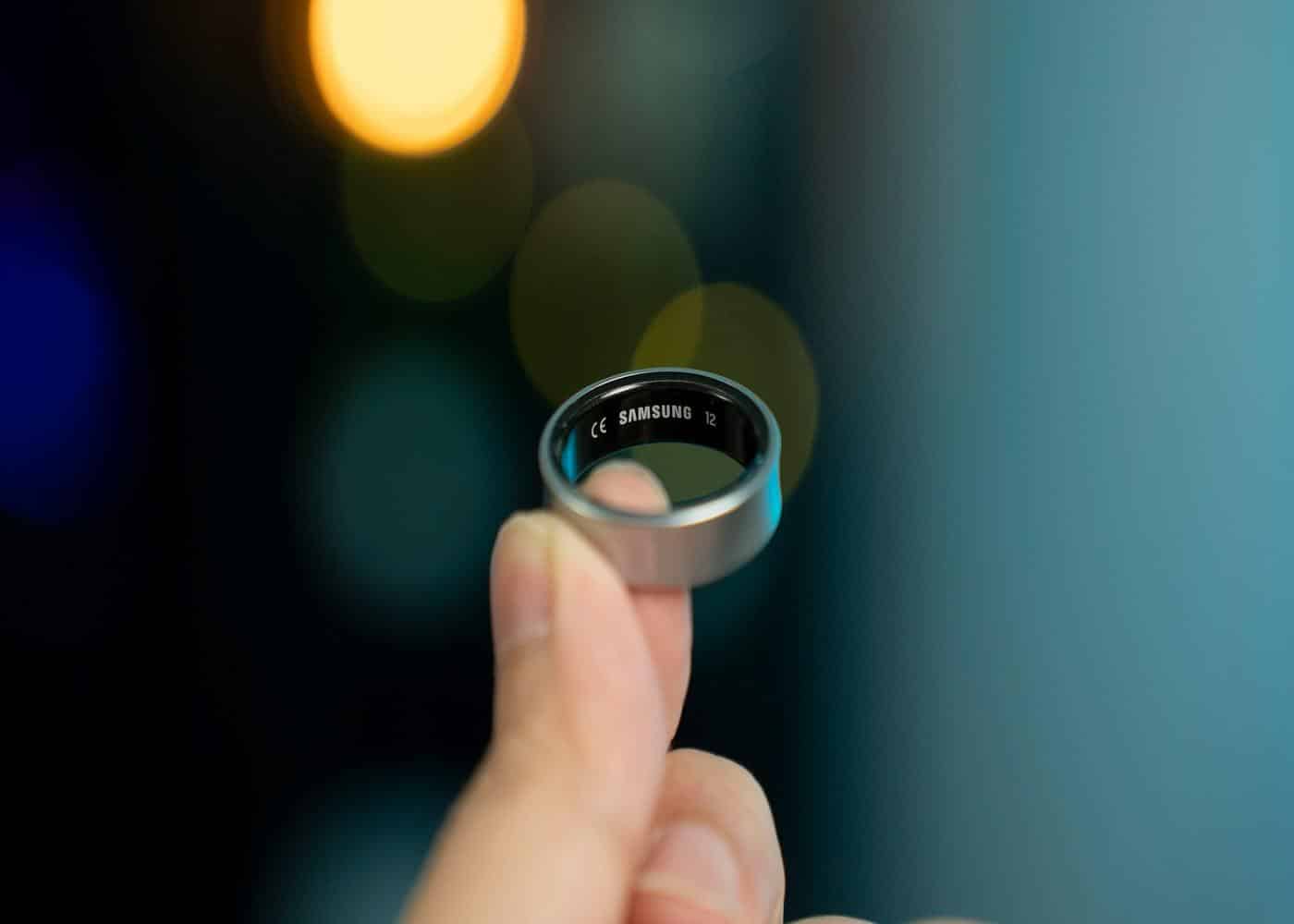
The best smart ring for heart health depends on what you want to monitor. Oura Ring 5 is the best overall option for tracking heart rate, HRV, sleep and recovery trends, while Circular Ring 2 is the strongest choice for on-demand ECG recordings. RingConn Gen 3 offers excellent battery life without a subscription, Samsung Galaxy Ring is best suited to Galaxy users, and Ultrahuman provides useful lifestyle and recovery context. Most smart rings, including Oura, RingConn and Samsung, cannot detect AFib or record an ECG. Even rings with irregular-rhythm features should not replace medical testing or advice from a healthcare professional.
Smart rings can track your heart rate, heart rate variability, blood oxygen and recovery without requiring you to wear a watch. Their discreet design and multi-day battery life also make them particularly convenient for overnight monitoring.
However, there is an important distinction between a ring that tracks heart-health trends and one that records an electrocardiogram. Most smart rings use optical sensors to estimate your pulse. Only a small number include ECG hardware, and no consumer smart ring should be treated as a replacement for medical testing.
We compared the leading smart rings based on their heart-rate features, HRV tracking, ECG capabilities, AFib claims, battery life and ongoing cost.
Best Smart Rings for Heart Health: Overview
Oura Ring 5 is our best overall choice for passive heart-rate, HRV, sleep and recovery trends.
Circular Ring 2 is the most relevant option for on-demand ECG recordings, although its regulatory wording requires careful interpretation.
Oura, RingConn and Samsung Galaxy Ring do not currently provide ECG or AFib detection through the ring itself.
RingConn Gen 3 offers the longest ring battery life without a subscription, making it a strong option for continuous trend tracking.
If AFib is your main concern, speak to a healthcare professional about an appropriate ECG or medical heart monitor rather than relying solely on a smart ring.
Medical note: Smart-ring readings can provide useful context, but they cannot diagnose a heart condition. Seek urgent medical help for chest pain or pressure, severe shortness of breath, fainting or other potentially serious symptoms.
Best Smart Rings for Heart Health: Key Features
Prices and features were checked in August 2026. Availability, promotional pricing and region-specific features can change.
Smart ring | Best for | Heart rate and HRV | ECG | AFib capability | Battery life | Price and subscription |
|---|---|---|---|---|---|---|
Oura Ring 5 | Overall health and recovery trends | Yes | No | No | Up to 9 days | From $499; membership $5.99/month or $69.99/year |
Circular Ring 2 | On-demand ECG recordings | Yes | Yes | ECG-based rhythm analysis using a vendor-described FDA-cleared cloud algorithm | About 4 to 7 days, depending on mode | From $349; no core subscription |
RingConn Gen 3 | Battery life without a subscription | Yes | No | No | Up to 14 days | $349; no subscription |
Samsung Galaxy Ring | Samsung Galaxy users | Yes | No | No | Up to 7 days | Regular price around $399.99; no subscription |
Ultrahuman Ring PRO or AIR | Lifestyle, sleep and recovery context | Yes | No | Optional PPG-based wellness feature in supported regions | PRO: up to 15 days; AIR: 4 to 6 days | PRO listed at $479; AIR from $349; optional paid PowerPlugs |
What Can a Heart Rate Monitor Ring Actually Measure?
Most smart rings contain several miniature sensors. These commonly include optical heart-rate sensors, a temperature sensor and an accelerometer for movement.
The ring combines these signals to estimate health and wellness metrics. Exactly what you receive depends on the ring, its software and how consistently you wear it.
Heart Rate and Resting Heart Rate
A heart-rate tracking ring usually measures your pulse using photoplethysmography, commonly shortened to PPG.
PPG sensors shine light into the skin and measure changes in blood volume as your heart beats. This allows the ring to estimate your heart rate throughout the day and night.
Resting heart-rate trends can be useful when viewed over time. For example, an unusually elevated overnight heart rate may occur alongside poor sleep, stress, alcohol consumption, illness or insufficient recovery.
One high reading does not explain why your heart rate changed. The value comes from comparing the reading with your personal baseline and the wider context.
Heart Rate Variability
Heart rate variability, or HRV, measures the variation in time between heartbeats. A healthy heart does not beat at perfectly uniform intervals.
HRV is influenced by your autonomic nervous system and can change in response to sleep, exercise, stress, illness, alcohol, travel and other factors.
A higher HRV is not universally better, and comparing your number with someone else’s is rarely useful. Your own trend over several weeks is more meaningful than a single reading or population average.
Oura, RingConn, Samsung, Circular and Ultrahuman all use HRV as part of their readiness, recovery or stress analysis.
Blood Oxygen and Breathing Trends
Several smart rings estimate peripheral blood oxygen saturation, or SpO2, using red and infrared light. They may also calculate respiratory rate or identify changes in nighttime breathing.
These measurements can help you notice deviations from your usual pattern. However, consumer wearable SpO2 readings can be affected by movement, poor sensor contact, cold hands, circulation, skin characteristics and device algorithms.
A smart ring should not replace a medical pulse oximeter or sleep study when either is clinically indicated.
The rings in this comparison also do not provide the same kind of blood-pressure reading as a validated upper-arm cuff. For example, RingConn describes its Gen 3 feature as vascular health trends, not a direct blood-pressure measurement.
PPG vs. ECG
PPG and ECG measure different things.
PPG measures changes in blood flow. It is well suited to passive pulse tracking and can sometimes identify an irregular pulse pattern.
ECG records the heart’s electrical activity. This provides information about heart rhythm and is one of the tests healthcare professionals use when evaluating AFib and other arrhythmias.
A PPG notification may suggest that something deserves further investigation, but it is not equivalent to an ECG diagnosis.
Can a Smart Ring Detect AFib?
Some smart rings can flag patterns that may be consistent with an irregular rhythm. That does not mean every ring can detect AFib, and it does not mean a consumer device can make a diagnosis.
According to the American Heart Association, AFib diagnosis may involve an ECG or another wearable heart monitor, with the results assessed by a healthcare professional.
If a device repeatedly reports an irregular rhythm, save the available recordings and discuss them with your doctor. Do not use a normal reading to rule out AFib or another heart condition.
Can Oura Ring Detect AFib?
No. Oura Ring does not currently record an ECG or detect AFib.
Oura Ring 5 continuously tracks pulse-related signals, including heart rate and HRV. It can also show changes from your baseline through its readiness, stress and recovery features.
However, Oura states that its ring is not a medical device and is not intended to diagnose medical conditions. It should not be presented as an AFib detector.
Can RingConn Detect AFib?
No. RingConn Gen 3 does not include an ECG sensor and cannot diagnose or rule out AFib.
RingConn uses optical sensors to measure heart rate, HRV and related wellness trends. Its vibration alerts may bring certain changes to your attention, but this is not the same as recording the electrical activity of your heart.
RingConn provides a clear explanation of these limitations in its guidance on AFib and palpitations.
Can Samsung Galaxy Ring Detect AFib?
No. Samsung Galaxy Ring does not provide ECG or AFib detection through the ring itself.
The ring contains an optical biosignal sensor for heart-rate tracking, along with movement and skin-temperature sensors. It feeds these measurements into Samsung Health.
Samsung offers ECG and irregular heart-rhythm features through certain Galaxy Watch models and supported versions of Samsung Health Monitor. Those watch features should not be attributed to the Galaxy Ring.
Does Ultrahuman Detect AFib?
Ultrahuman offers an optional AFib Detection PowerPlug in supported regions, but it requires careful qualification.
The feature uses PPG rather than a dedicated ECG sensor. Ultrahuman states that its AFib PowerPlug is intended for general wellness use and is not FDA-authorized. Availability may also depend on the user’s country.
It may provide an additional pulse-trend signal, but it should not be treated as an ECG recording or medical diagnosis.
Which Smart Rings Have ECG?
Of the major rings compared here, Circular Ring 2 is the standout option with an on-demand ECG sensor.
Circular says its ring records an ECG and sends it to a cloud-based rhythm-classification algorithm that has received FDA clearance. This wording matters. It does not necessarily mean that every feature of the ring, or the entire ring as a medical device, has been FDA-cleared.
The ECG is also an on-demand spot check rather than continuous medical ECG monitoring. Users should confirm current regional availability, regulatory status and app functionality before purchasing.


The 5 Best Smart Rings for Heart Health

The market in 2026 is competitive, but a few key players have separated themselves through sensor innovation and software depth. Here are the best smart rings for heart monitoring 2026 has to offer.
1. Oura Ring 5: Best Overall for Heart-Health Trends
Best for: Passive heart-rate, HRV, sleep and recovery tracking
Heart data: 24/7 heart rate, resting heart rate, HRV, SpO2 and cardiovascular fitness estimates
ECG and AFib: No
Battery: Up to 9 days
Price: From $499, plus membership for full insights
Oura Ring 5 is the strongest all-around choice for someone who wants to understand how sleep, exercise, stress and daily habits affect their cardiovascular trends.
Its main advantage is not one isolated heart metric. It is the way Oura combines overnight heart rate, HRV, temperature, sleep and activity into understandable readiness and stress insights.
Oura also provides Cardiovascular Age and Cardio Capacity estimates. These can be useful for following long-term fitness trends, but they are still wellness estimates rather than clinical cardiovascular assessments.
The ring’s comfortable design and long battery life make consistent overnight wear relatively easy. Consistency matters because a detailed personal baseline is often more useful than occasional readings.
The primary limitations are cost and the absence of ECG. Oura Membership currently costs $5.99 per month or $69.99 per year in the United States after the included trial period.
Verdict: Oura Ring 5 is our best overall smart ring for heart-health trends, especially if sleep, stress and recovery are as important to you as heart rate. It is not the right choice if your priority is ECG or AFib detection.
2. Circular Ring 2: Best for On-Demand ECG
Best for: People specifically looking for a smart ring with ECG hardware
Heart data: Heart rate, HRV, SpO2 and on-demand ECG
ECG and AFib: ECG-based irregular rhythm analysis
Battery: Around 4 days in Performance mode or up to 7 days in Eco mode
Price: From $349 with no subscription for core features
Circular Ring 2 is the most relevant ring in this comparison for users who want to take an ECG from their finger.
Circular says its on-demand ECG recordings can be shared with a healthcare professional. It also offers heart rate, HRV, blood oxygen, temperature, sleep and recovery insights.
The ECG is what sets Circular apart, but buyers should understand what the feature does and does not provide. It is a spot recording initiated by the user, not a hospital-grade continuous ECG monitor. It may fail to capture an intermittent event if the recording is taken after the symptoms have stopped.
Circular describes its rhythm analysis as using an FDA-cleared cloud-based classification algorithm. This is more precise than saying the entire ring is FDA-cleared.
Circular is also a smaller wearable platform than Oura or Samsung. Potential buyers should consider app maturity, customer support, shipping availability and return policies alongside the sensor list.
Verdict: Circular Ring 2 is the most compelling smart-ring option for on-demand ECG. People with known or suspected arrhythmias should still ask a healthcare professional whether a clinical ECG monitor would be more appropriate.
3. RingConn Gen 3: Best Battery Life Without a Subscription
Best for: Continuous trend tracking with minimal charging
Heart data: Heart rate, HRV, SpO2, respiratory rate and vascular health trends
ECG and AFib: No
Battery: Up to 14 days
Price: $349 with no subscription
RingConn Gen 3 is built for users who want long battery life and no mandatory monthly fee.
It tracks heart rate, HRV, blood oxygen, temperature, sleep and stress. RingConn also includes vascular health insights and smart vibration alerts intended to draw attention to selected health changes or reminders.
The long battery life reduces data gaps, particularly for users who regularly forget to charge wearables. The charging case makes it a practical option for travel.
Its biggest limitation for this comparison is straightforward: RingConn Gen 3 does not have an ECG sensor. Its vascular health feature also shows trends rather than cuff-equivalent blood-pressure readings.
Verdict: RingConn Gen 3 is a strong value for passive heart-rate and HRV tracking. Choose it for battery life and subscription-free insights, not for AFib detection.
4. Samsung Galaxy Ring: Best for Samsung Users
Best for: People already using a compatible Samsung Galaxy phone and Samsung Health
Heart data: Heart rate, sleep, activity and skin-temperature trends
ECG and AFib: No through the ring
Battery: Up to 7 days
Price: Regular list price around $399.99, with frequent promotions and trade-in offers
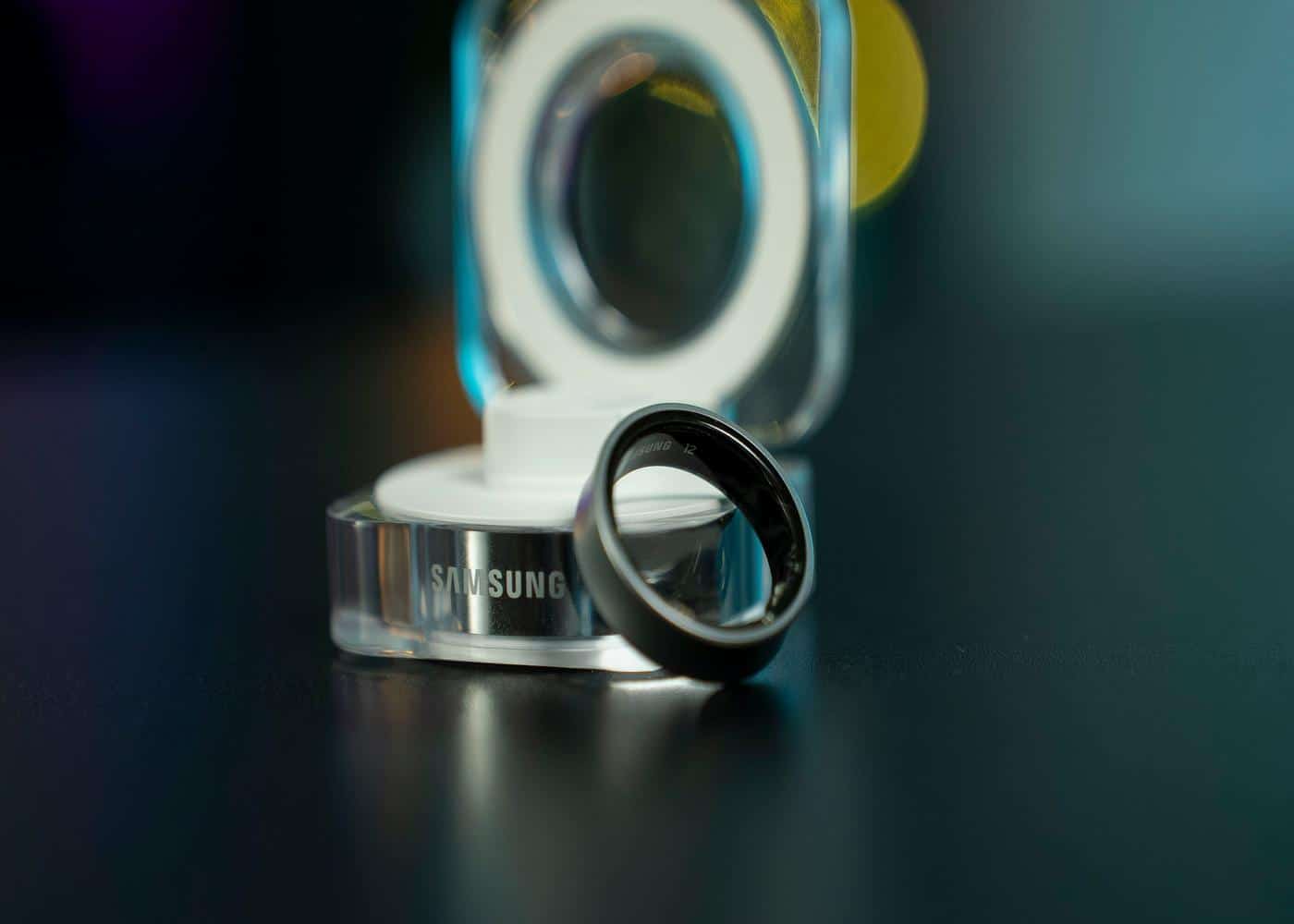
Samsung Galaxy Ring is most attractive when it becomes part of a wider Samsung health setup.
The ring uses an optical biosignal sensor to track heart rate, along with an accelerometer and skin-temperature sensor. Its data feeds into Samsung Health to support sleep, activity and daily Energy Score insights.
Samsung’s established ecosystem is the main reason to choose it. If you already use a Galaxy phone or watch, the ring can provide more comfortable overnight tracking without adding another unfamiliar health app.
Do not confuse the ring’s features with those of a Galaxy Watch. Samsung’s ECG and irregular heart-rhythm notifications are associated with supported watches and versions of Samsung Health Monitor, not with the Galaxy Ring itself.
Compatibility should also be checked before buying. Certain features work best, or only work, with supported Samsung Galaxy devices.
Verdict: Galaxy Ring is the best fit for committed Samsung users who want passive health and sleep tracking. Its heart features are useful for trends, but it is not an ECG or AFib ring.
5. Ultrahuman Ring PRO or AIR: Best for Lifestyle Context
Best for: Understanding how sleep, movement, recovery and daily routines interact
Heart data: Heart rate, HRV, sleep, temperature and recovery
ECG and AFib: No ECG; optional PPG-based wellness feature in supported regions
Battery: Ring PRO up to 15 days; Ring AIR typically 4 to 6 days
Price: Ring PRO listed at $479; Ring AIR from $349
Ultrahuman places considerable emphasis on how behaviors such as sleep timing, caffeine, light exposure, movement and recovery interact.
The newer Ultrahuman Ring PRO substantially increases the advertised battery life compared with the Ring AIR. The AIR remains a relevant alternative where the PRO is unavailable or when its lower price and lighter design are preferable.
Both rings use PPG to track pulse-related metrics. Neither contains a dedicated ECG sensor.
Ultrahuman also offers optional PowerPlugs that add specialized software insights. Its AFib Detection PowerPlug is region-dependent, may involve an additional fee and is described by Ultrahuman as a general-wellness feature rather than an FDA-authorized medical function.
Verdict: Ultrahuman is a good choice for users who want heart-rate and HRV data placed in a broader lifestyle context. Do not choose it under the assumption that it provides medical ECG monitoring.
How Accurate Are Smart Rings for Heart-Rate Monitoring?
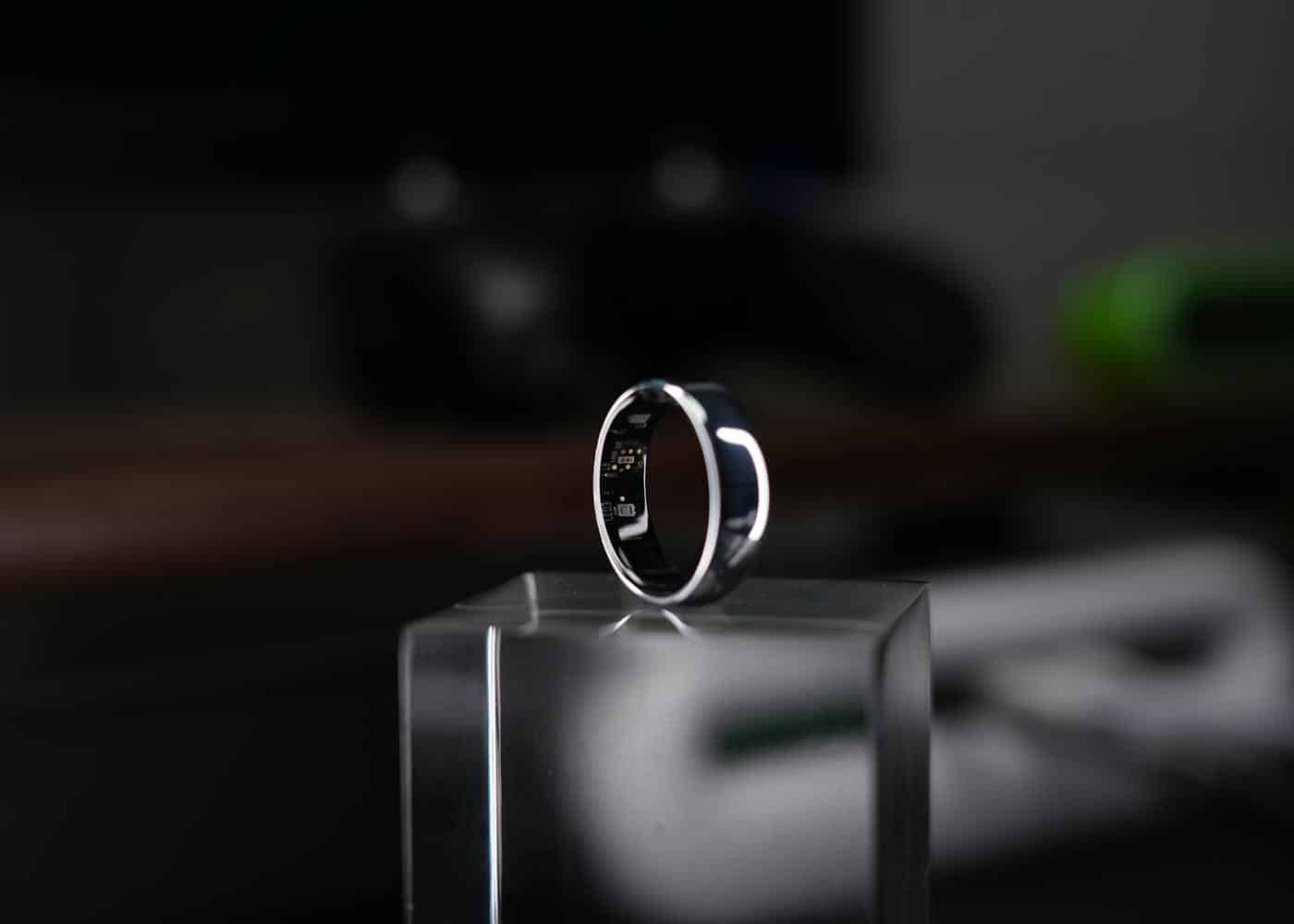
A well-fitting smart ring can provide useful resting and overnight heart-rate data. The finger has a strong blood supply, and rings can maintain consistent skin contact while you sleep.
Accuracy becomes more difficult during exercise. Rapid arm movement, gripping weights, sweat, cold skin and changes in circulation can introduce noise into an optical signal.
Smart rings are generally most useful for:
Overnight resting heart-rate trends
HRV trends during sleep
Sleep and recovery patterns
Changes from your established baseline
Low-intensity daily activity
They are less dependable for:
Rapid heart-rate changes during interval training
Strength training involving tight gripping
Diagnosing arrhythmias
Measuring blood pressure
Confirming or excluding a heart attack
Fit also matters. The ring should remain snug enough for the sensors to maintain skin contact without restricting circulation. Use the manufacturer’s sizing kit instead of assuming your normal jewelry size will match.
When a reading appears unusual, check the fit, clean the sensors, warm cold hands and take another measurement at rest. Persistent or symptom-related changes deserve medical attention regardless of what the app reports.
How to Choose the Right Heart Monitor Ring
Before deciding on a smart ring for keeping tabs on your heart health, these are some key factors you might want to consider:
Decide Whether You Actually Need ECG
If your goal is to monitor sleep, resting heart rate, HRV and recovery, an optical smart ring may be sufficient.
If you have palpitations, unexplained fainting, a known arrhythmia or a specific concern about AFib, begin with a healthcare professional. A consumer ECG ring may provide useful spot recordings, but your clinician may recommend a patch monitor, Holter monitor, watch-based ECG or another medical device.
Check Phone and App Compatibility
Oura, RingConn, Circular and Ultrahuman offer apps for both major mobile platforms, although individual features can vary by region.
Samsung Galaxy Ring is best suited to Samsung’s Android ecosystem. Confirm phone compatibility before ordering, especially if you do not use a recent Galaxy device.
Include Subscription Costs
A lower initial price does not always mean a lower total cost.
Oura requires a membership for its full analysis and long-term insights. RingConn, Circular and Samsung provide their core features without a required subscription. Ultrahuman does not require a general subscription, but certain optional PowerPlugs may have separate fees.
Calculate the likely cost over two or three years rather than comparing hardware prices alone.
Prioritize Comfort and Battery Life
The best ring is the one you can wear consistently. A technically advanced device provides limited value if it feels uncomfortable at night or spends several days each week on its charger.
Order a sizing kit and wear the sample size for at least one full day and night. Finger size can change with temperature, hydration and time of day.
Read Regulatory Claims Carefully
Terms such as “clinically validated,” “FDA-cleared algorithm,” “medical grade” and “wellness device” do not mean the same thing.
Check which exact feature received clearance, in which country, for which intended use and whether the claim applies to the entire device or one piece of its software.
HSA or FSA eligibility is also not evidence that a product can diagnose a medical condition.
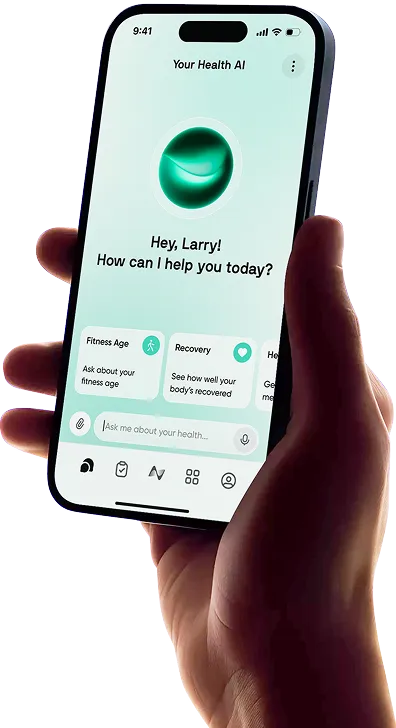
Understand Your Smart-Ring Data With Neura
A smart ring can produce a large amount of information, but collecting more data does not automatically tell you what to do next.
Neura does not manufacture a smart ring. Instead, it helps bring information from wearables, health apps and other sources into a broader view of your health.
For example, an increase in resting heart rate becomes more useful when you can consider it alongside recent sleep, exercise, stress, nutrition and recovery. Neura is designed to turn those scattered signals into a daily plan with clearer next steps.
This does not make Neura or the connected ring a diagnostic system. Concerning symptoms, repeated irregular-rhythm alerts or major unexplained changes should still be discussed with a qualified healthcare professional.
Explore Neura’s wearable integrations to see how your existing health data can contribute to a more complete picture.
Final Thoughts: Monitoring Your Heart Health with a Smart Ring
There is no single best heart-monitoring ring for every user.
Choose Oura Ring 5 if you want the strongest overall experience for heart-rate, HRV, sleep, stress and recovery trends.
Choose Circular Ring 2 if an on-demand ECG is your priority and you understand the limitations of spot recordings and vendor regulatory claims.
Choose RingConn Gen 3 if you want long battery life, health trends and no monthly subscription.
Choose Samsung Galaxy Ring if you already use Samsung Health and want comfortable overnight tracking within that ecosystem.
Choose Ultrahuman Ring PRO or AIR if you want heart and recovery metrics connected to lifestyle factors such as sleep timing, caffeine and movement.
For suspected AFib or another heart condition, the best next step is not simply buying a different wearable. It is discussing your symptoms and monitoring needs with a healthcare professional.
Sources and Methodology
Product features and US pricing were checked against official manufacturer information in August 2026. Medical context was reviewed against guidance from the American Heart Association.
Manufacturer specifications describe intended product performance but do not necessarily constitute independent clinical validation. Features, prices and regulatory availability may change by country or software version.
Article FAQ
Are heart-rate monitor rings under $100 reliable?
Very inexpensive rings may provide basic activity or pulse estimates, but their sensor quality, validation, software support and privacy practices can be difficult to assess.
If heart-rate accuracy is a meaningful part of your purchasing decision, choose an established manufacturer with transparent specifications, a proper sizing process and a clear return policy. For medical concerns, use a device recommended by a healthcare professional rather than selecting one solely on price.
Are smart rings as accurate as an Apple Watch?
For resting heart rate and HRV, rings are often more accurate due to better skin contact on the finger. However, the Apple Watch is still superior for high-intensity exercise and features a built-in ECG.
What is the best smart ring for tracking HRV?
Oura Ring 5 is our best overall choice for HRV because it combines overnight HRV with sleep, resting heart rate, stress and recovery context.
RingConn Gen 3 is a strong subscription-free alternative. The most useful HRV device is ultimately one you can wear consistently enough to establish a reliable personal baseline.
How do these rings measure heart health?
They use PPG sensors (LED lights) to track blood volume changes. This data allows the ring to calculate heart rate, oxygen levels, and heart rate variability (HRV) with high precision.
what is the best smart ring for tracking heart rate variability (hrv)?
The best smart ring for HRV tracking is the Oura Ring 4. It combines highly accurate sensors with the most advanced recovery algorithms, giving meaningful HRV insights rather than just raw data. A strong alternative is the Ultrahuman Ring Air, which tracks HRV well and avoids a subscription, but its insights and overall data interpretation are generally less refined than Oura’s.
Can I track blood pressure with a smart ring?
The RingConn Gen 3 and Circular Ring 2 now provide blood pressure trends. While not a medical replacement for a cuff, they help identify patterns and potential spikes.