
How do blood glucose monitors work?
Tech
Key Findings
Blood glucose monitors work by detecting how much sugar is present in a tiny sample of blood or interstitial fluid. Most use enzymes that react with glucose, generating an electrical signal that the device translates into a blood sugar reading. Continuous monitors measure changes every few minutes, while finger stick meters give instant one-time results.
Glucose Monitors: Explained
Blood glucose monitors are tools that measure the amount of sugar circulating in your blood. They are essential for people managing diabetes, prediabetes, or anyone monitoring metabolic health.
These devices help users understand how food, exercise, stress, and medication affect blood sugar levels throughout the day. Although monitors may look simple from the outside, the science behind them is precise and carefully engineered.
Understanding how these devices work can make them feel less intimidating and more empowering. Whether you use a traditional finger stick meter or a modern continuous glucose monitor, both types rely on biochemical reactions that convert glucose levels into clear numerical readings.
How Traditional Finger Stick Glucose Meters Work
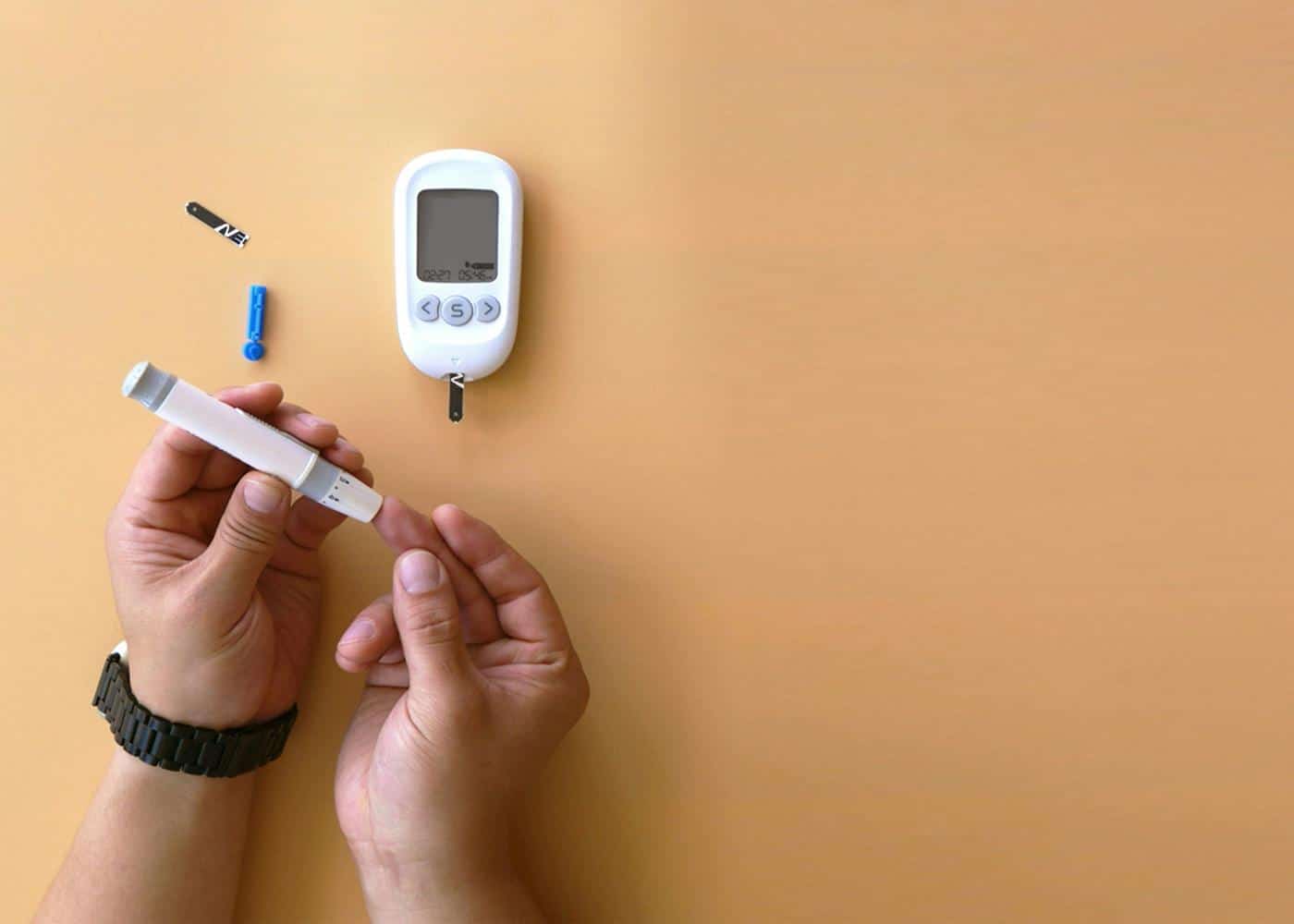
Finger stick meters use a drop of blood placed on a test strip. The strip contains specific enzymes that react with glucose. The most common enzyme used is glucose oxidase, although some strips use glucose dehydrogenase.
When the blood touches the strip, glucose triggers a chemical reaction that produces an electrical current. The meter reads the strength of this current and converts it into a glucose measurement.
The entire process takes less than ten seconds. Although quick and compact, these meters are highly calibrated and sensitive. They remain one of the most accurate ways to check blood sugar at home.
Finger stick readings reflect blood glucose at the exact moment of testing. This makes them valuable before meals, after meals, before physical activity, or whenever a person feels symptoms of low or high blood sugar.
How Continuous Glucose Monitors Work
Continuous glucose monitors, often called CGMs, measure glucose levels around the clock without the need for finger sticks.
Instead of sampling blood directly, CGMs measure glucose in the interstitial fluid, which surrounds the body’s cells. Interstitial glucose usually tracks closely with blood glucose, although readings can lag slightly behind during rapid changes, such as during exercise or after eating.
A CGM system has three main parts: a tiny sensor placed under the skin, a transmitter that sends data, and a monitor or app that displays results.
The sensor contains enzymes similar to those found in finger stick strips. These enzymes react with glucose in the interstitial fluid, producing a small electrical signal. The transmitter sends this signal to a device that interprets the data and shows the current glucose level.
Many CGMs also provide trends, alerts, and predictions. This is valuable because it helps users respond to rising or falling levels before they become problematic.
Why Glucose Monitoring Matters
Glucose levels influence energy, mood, concentration, weight management, and long-term metabolic health. For people with diabetes, monitoring glucose is essential for adjusting medication and preventing complications.
Even for people without diabetes, glucose monitoring can offer insights into how different foods, sleeping patterns, or workouts affect the body.
Consistently high glucose may signal insulin resistance, while frequent low glucose can be dangerous and requires medical attention. Awareness is the first step toward making healthier choices.
What Affects Accuracy in Glucose Monitors
Many factors can influence the accuracy of a reading. Finger stick meters can be affected by the cleanliness of the hands, test strip age, temperature, and the meter’s internal calibration.
CGMs can be influenced by hydration levels, sensor placement, and the natural lag between blood and interstitial glucose.
Modern devices are designed to minimize inaccuracies, but it is always wise to follow manufacturer guidelines and check readings against a finger stick meter if something seems off.
Final Thoughts: Glucose Monitors
Blood glucose monitors, whether traditional or continuous, provide powerful insight into how the body processes sugar. They translate chemical reactions into easy-to-understand numbers that guide everyday decisions about food, movement, and medication.
As technology advances, these devices are becoming more accurate, more comfortable, and more connected to other health tools. For anyone seeking better metabolic health, understanding how these monitors work is an important step toward using them confidently and effectively.
Article FAQ
Are non-invasive glucose monitors accurate?
Non-invasive glucose monitors are improving, but they are not yet as accurate as finger stick meters or traditional continuous glucose monitors. Most non-invasive devices measure glucose through optical sensors, sweat, or other indirect methods. These approaches can be sensitive to temperature, movement, and skin differences. While they can provide useful trends, they are not reliable enough for medical decision-making and often require confirmation with a standard device.
Can glucose monitors be wrong?
Yes. All glucose monitors have a margin of error. Factors such as dehydration, incorrect sensor placement, unclean hands, expired test strips, or rapid changes in blood sugar can affect accuracy. Continuous glucose monitors also have a natural time delay because they measure interstitial fluid rather than blood. If a reading seems unusual or does not match how you feel, checking with a finger stick meter is a good idea.
Who are glucose monitors for?
Glucose monitors are primarily used by people with type 1 or type 2 diabetes to track blood sugar and adjust medication or lifestyle choices. They are also used by individuals with prediabetes, people monitoring metabolic health, athletes interested in performance data, and those working with clinicians to understand how diet and stress affect energy and glucose control.
How often should you check blood sugar with a glucose monitor?
The frequency depends on your health needs. People using insulin may check several times a day or rely on constant data from a continuous monitor. Those managing glucose through lifestyle changes may check before and after meals or during specific activities to learn how their body responds. Always follow guidance from a healthcare provider for personalised recommendations.
Do continuous glucose monitors require calibration?
Some older CGM models required calibration with finger stick readings, but many modern systems come factory-calibrated and do not need manual calibration. However, if a reading seems inaccurate or a sensor error occurs, confirming with a finger stick test can help ensure safety.
Can you use a glucose monitor without diabetes?
Yes. Many people use glucose monitors to learn how different foods, exercise routines, sleep habits, or stress levels affect their blood sugar. This can support weight management, athletic performance, or general metabolic awareness. It is still important to interpret the data carefully and consult a health professional if readings suggest possible glucose dysfunction.